abcoffee Bets on Making Coffee an Everyday Habit
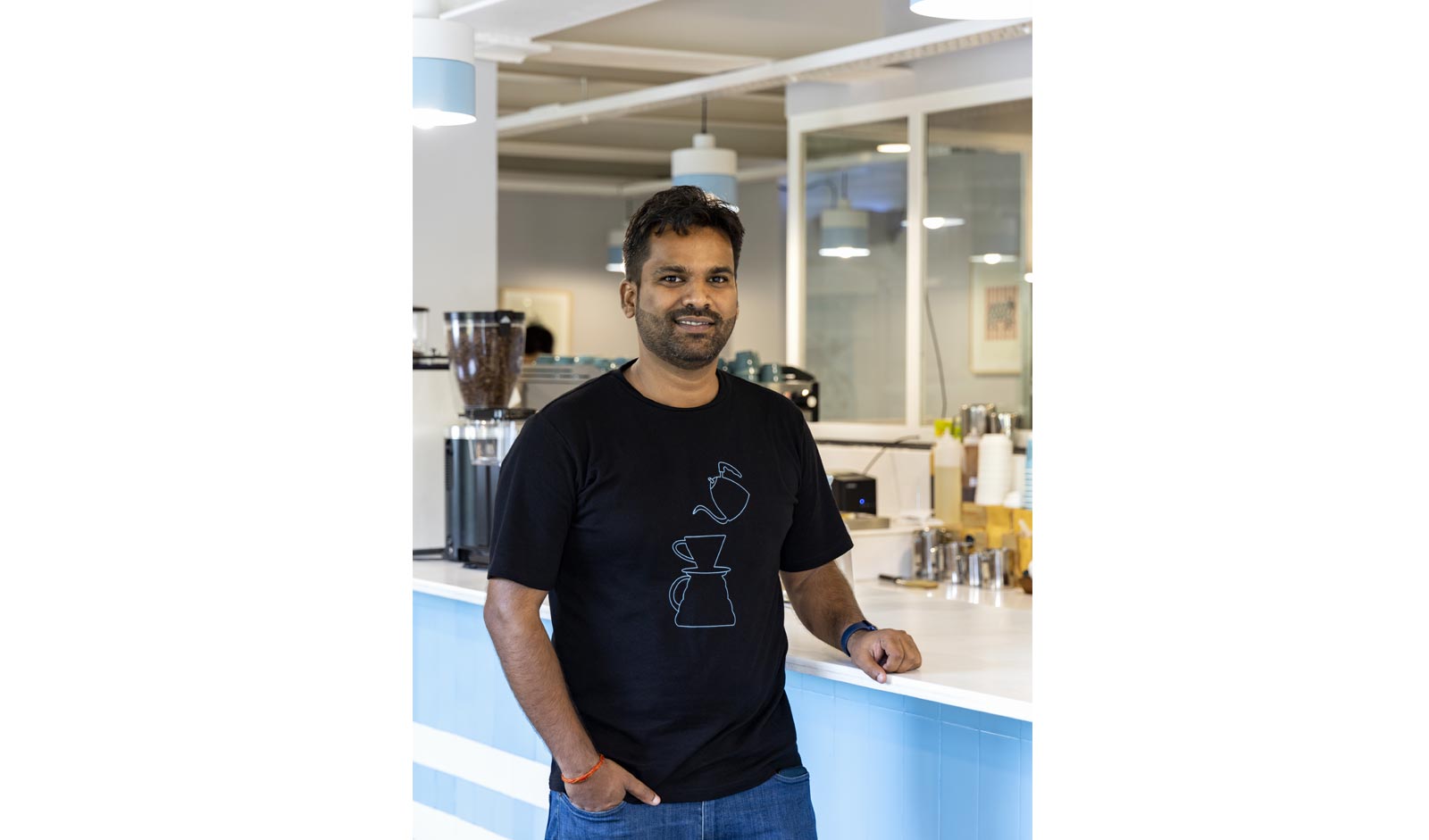
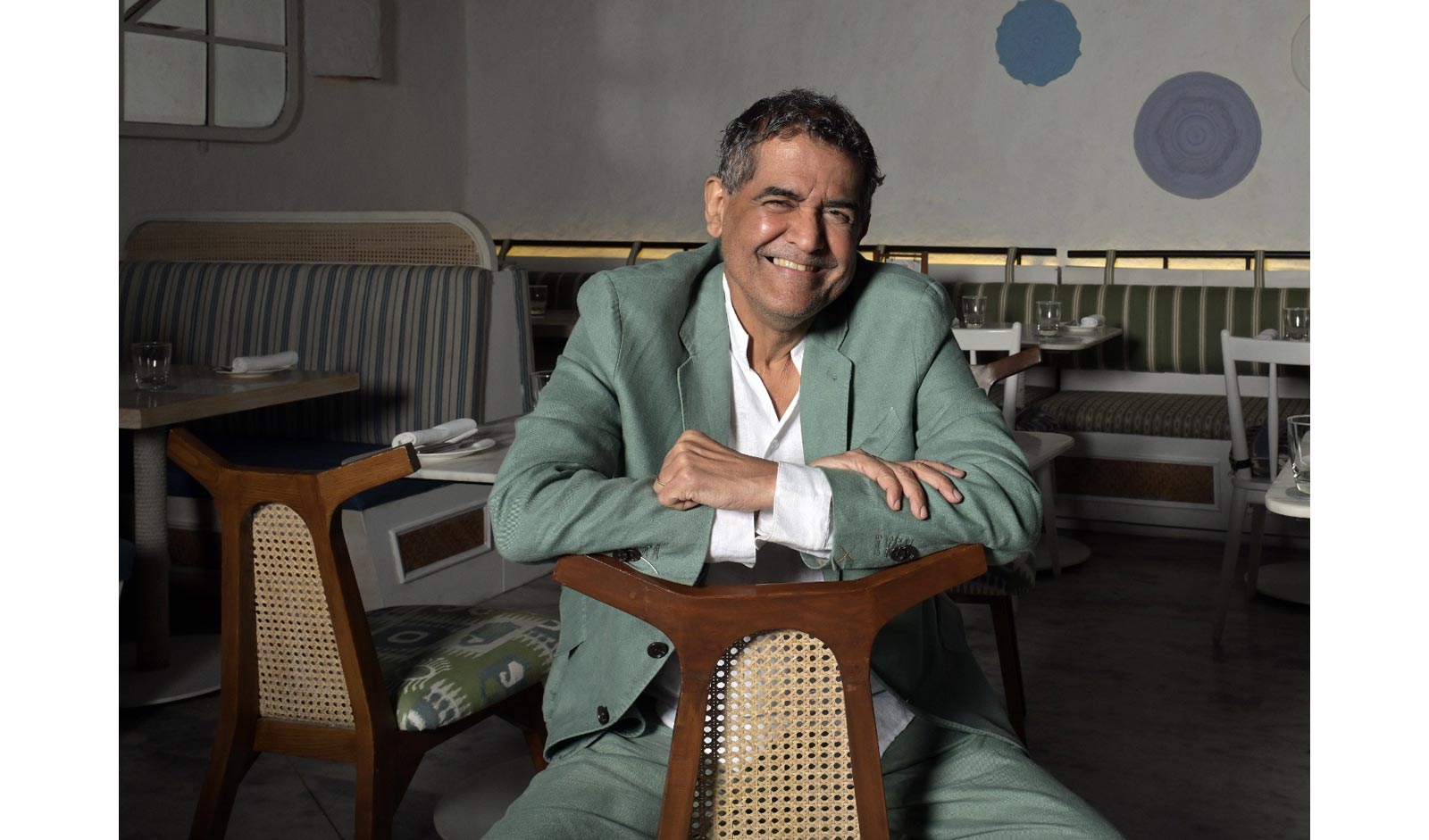
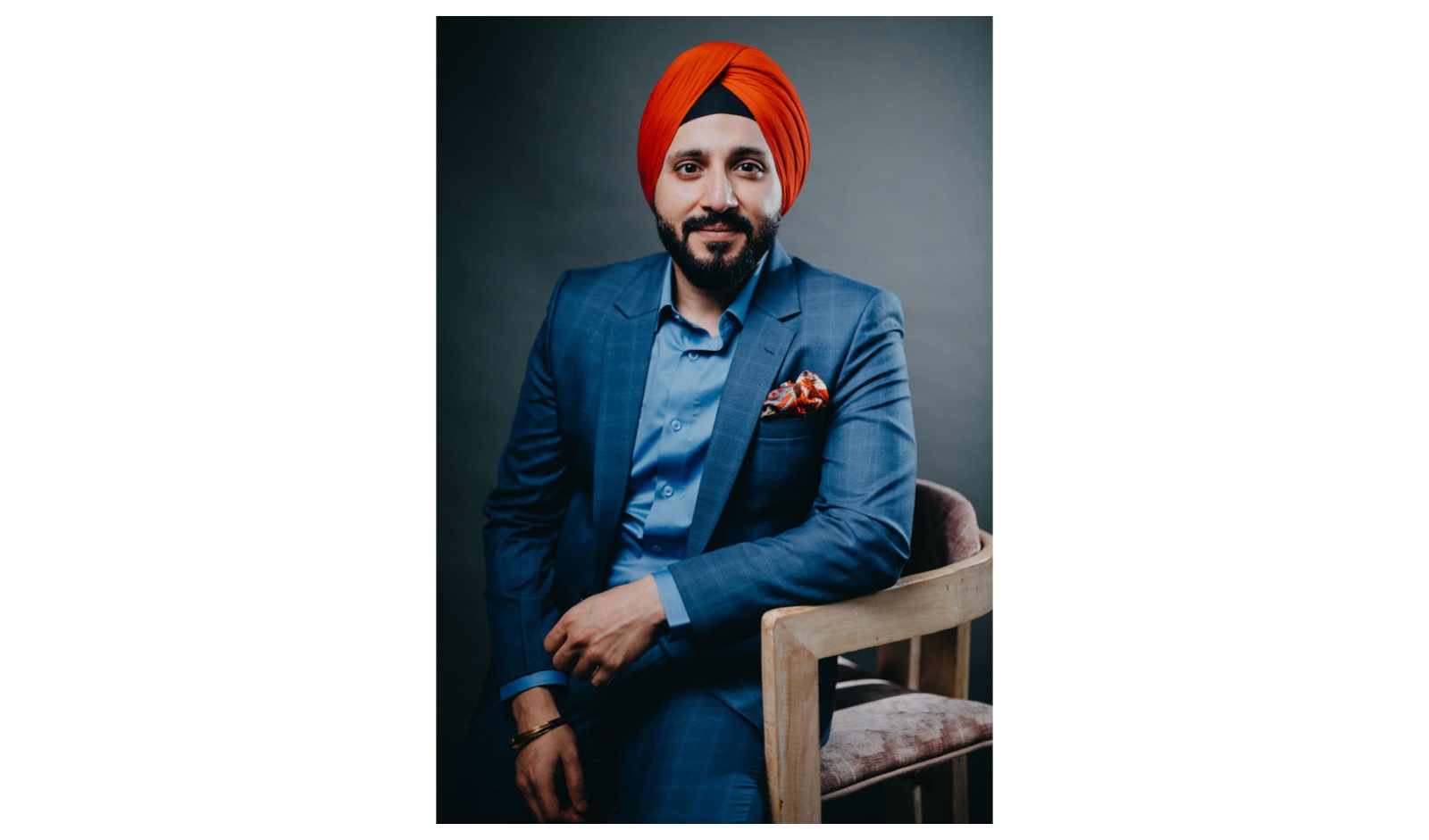
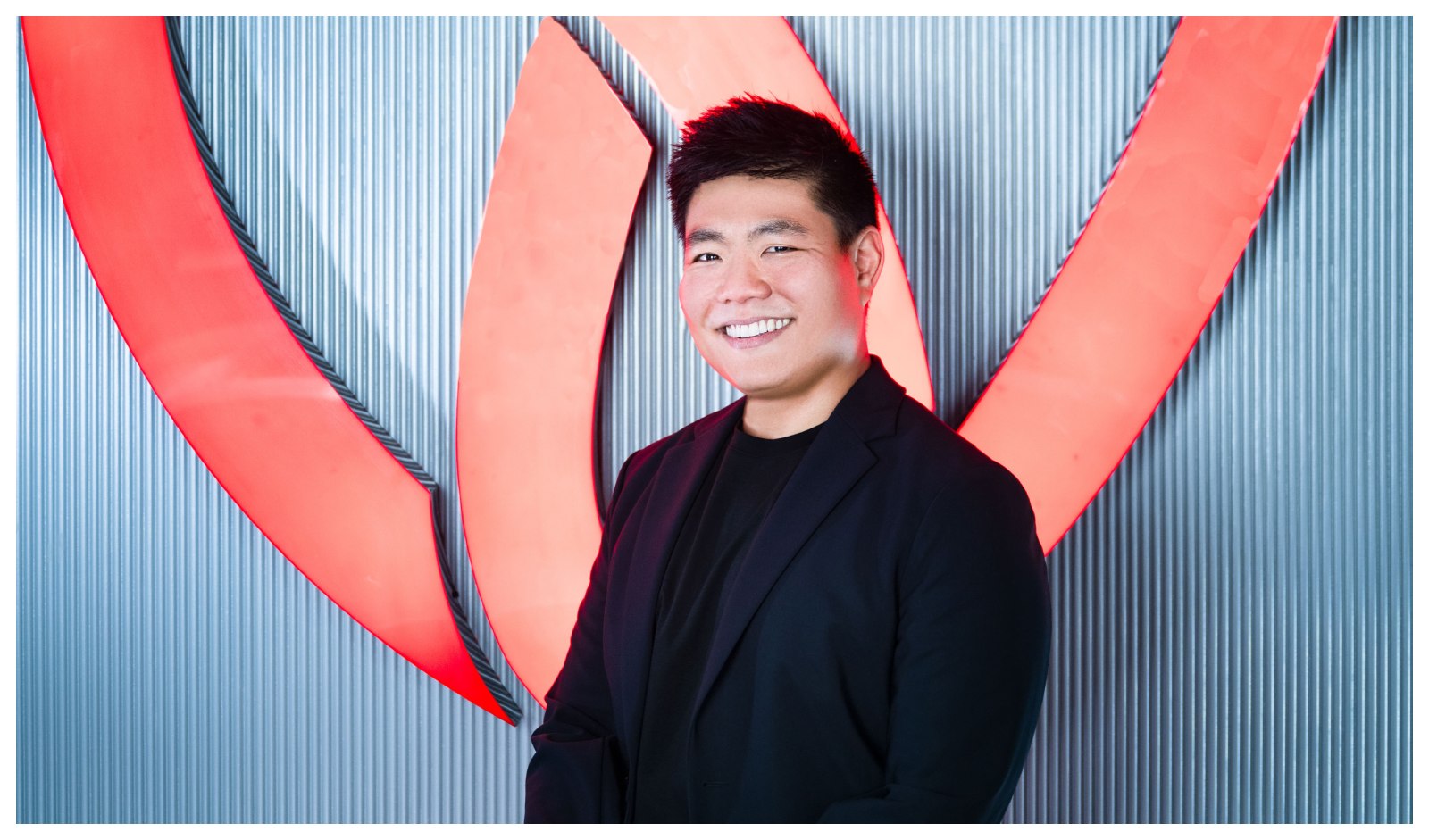
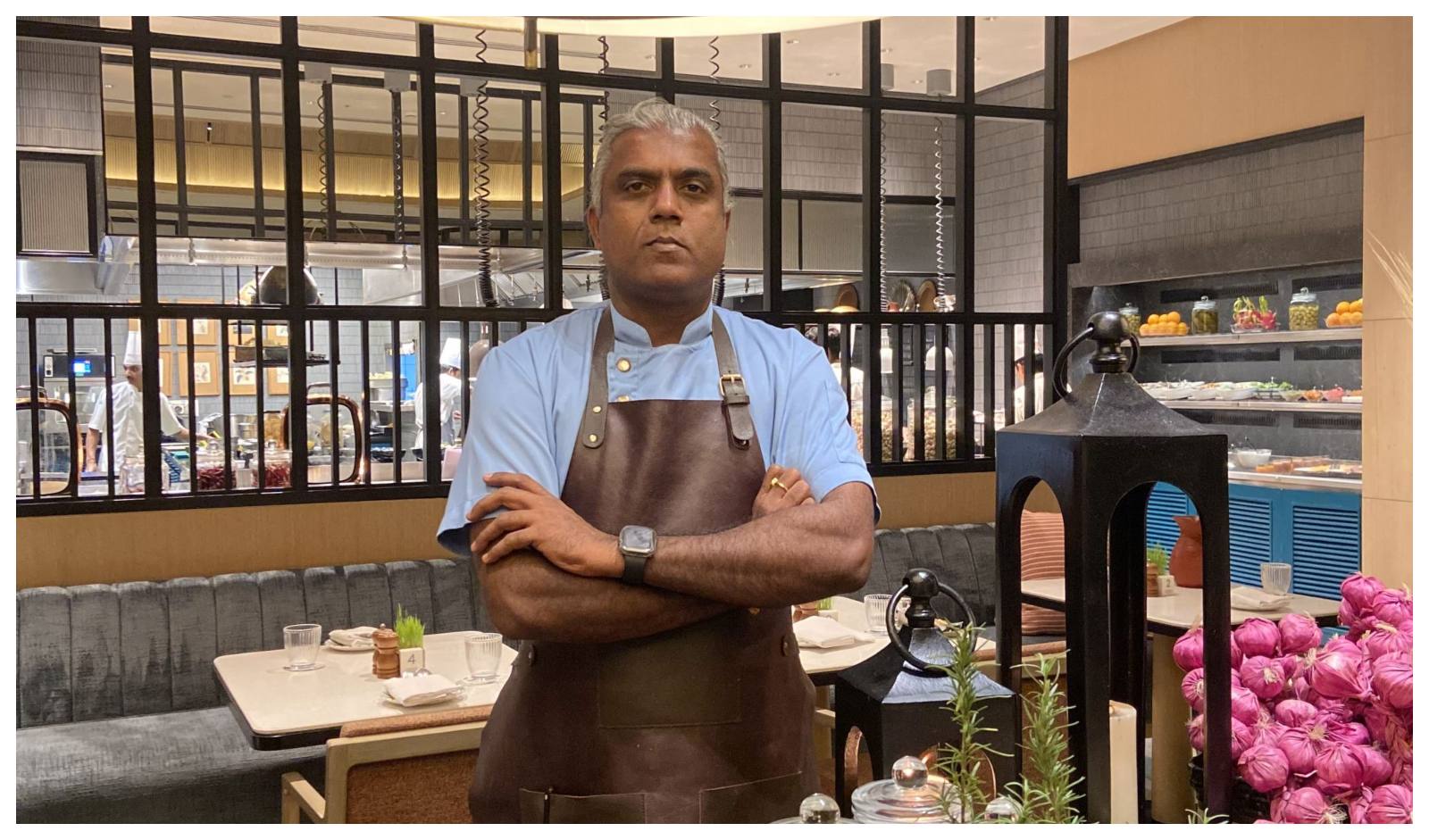
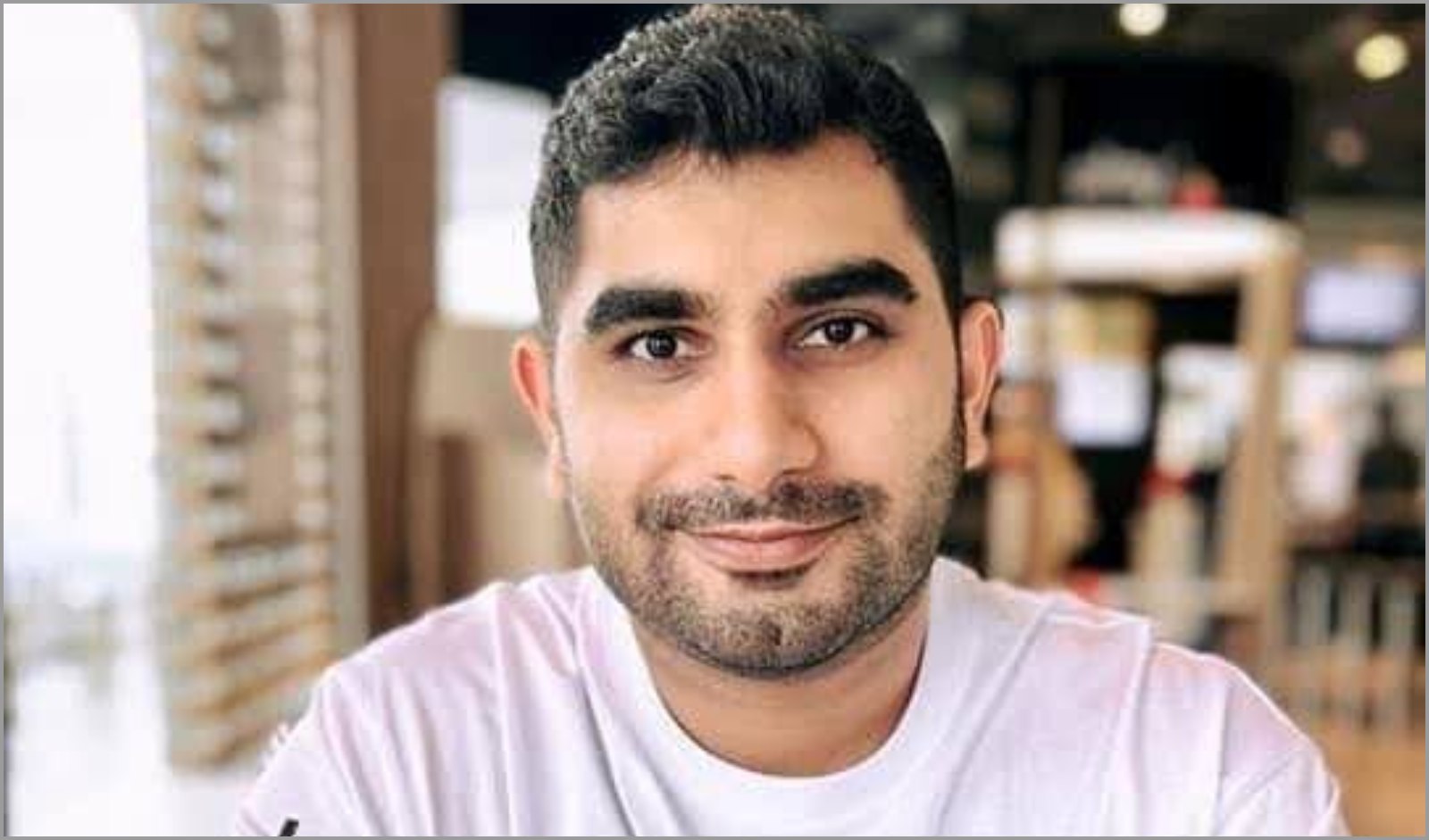
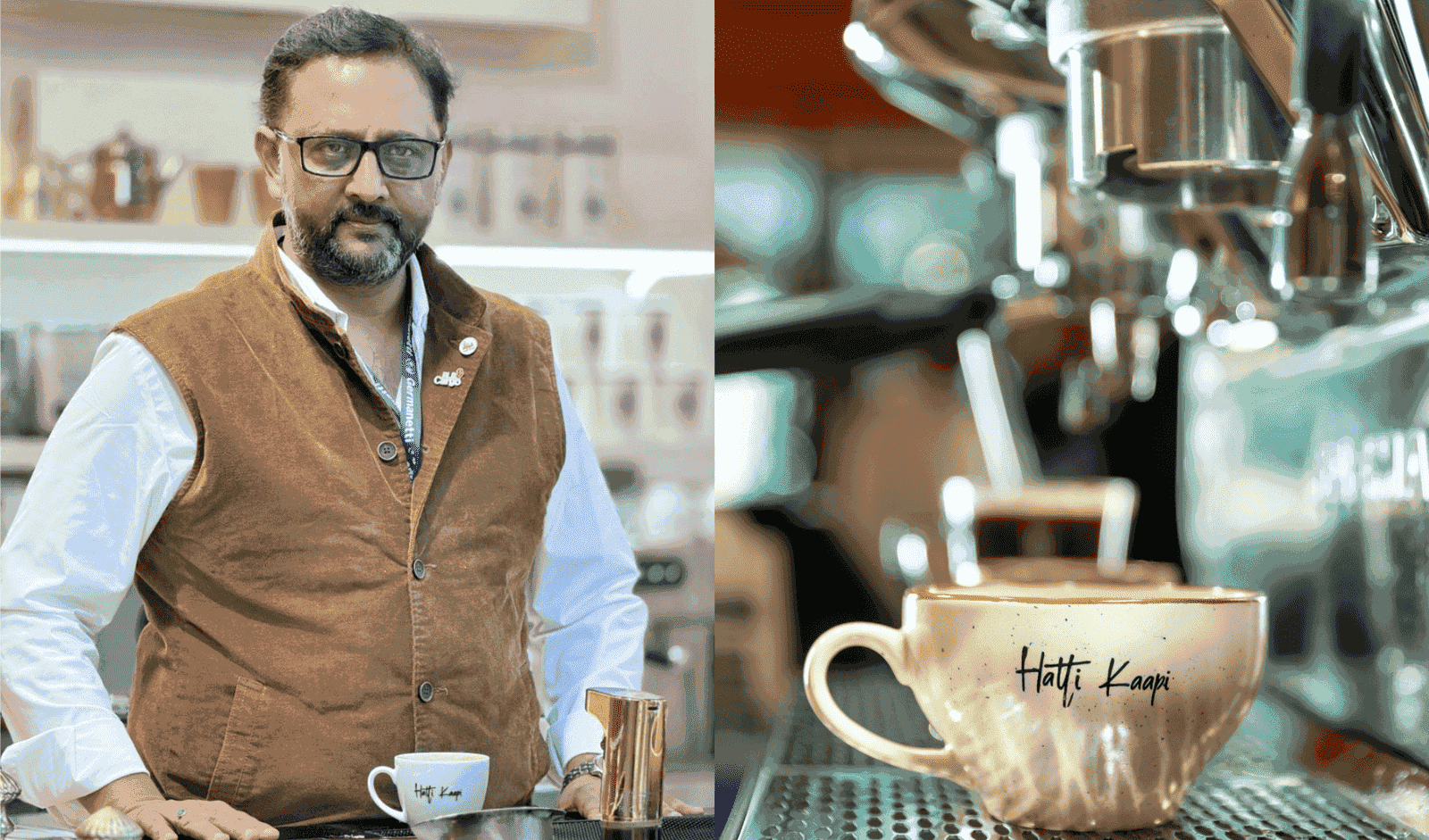
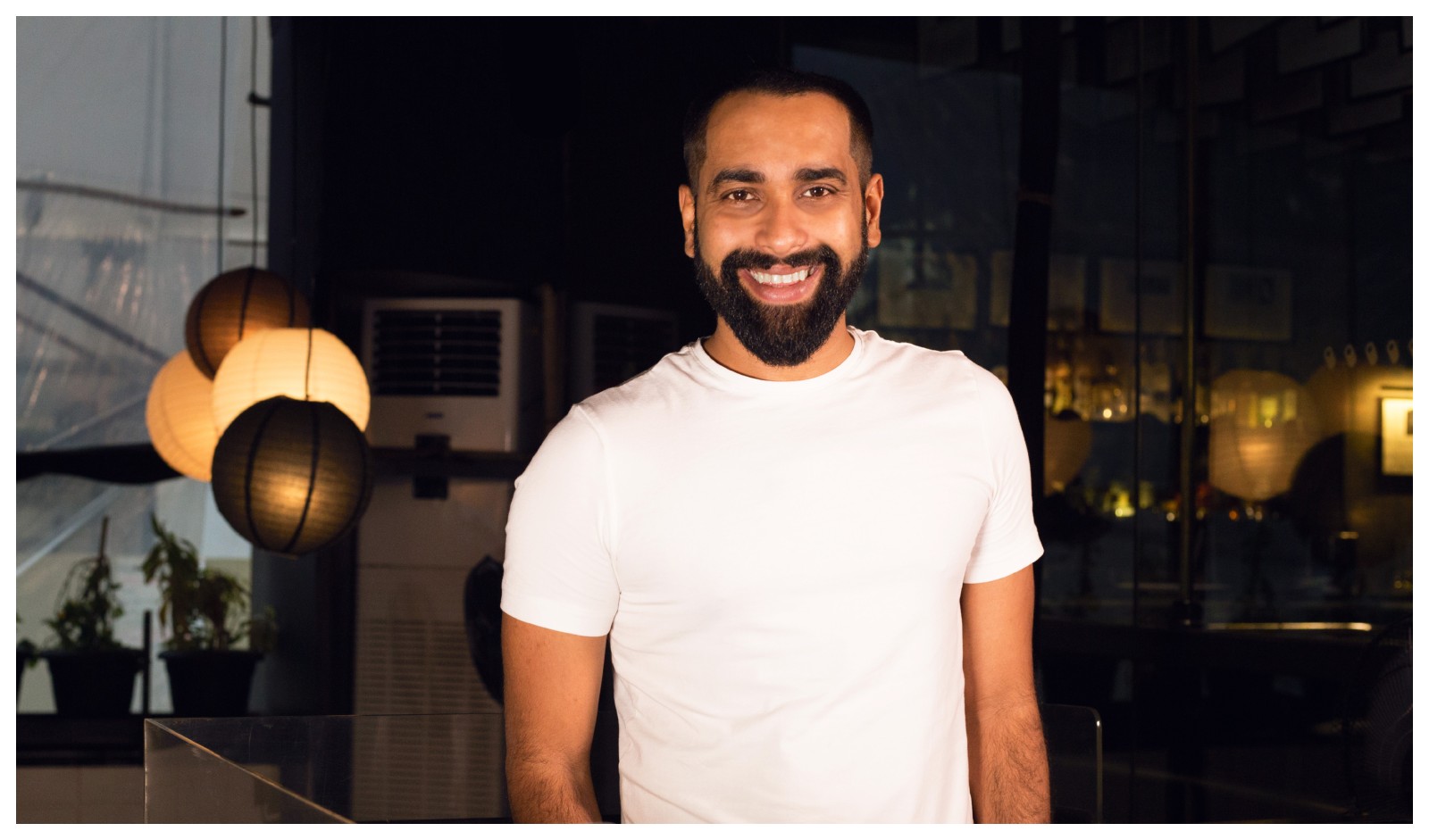
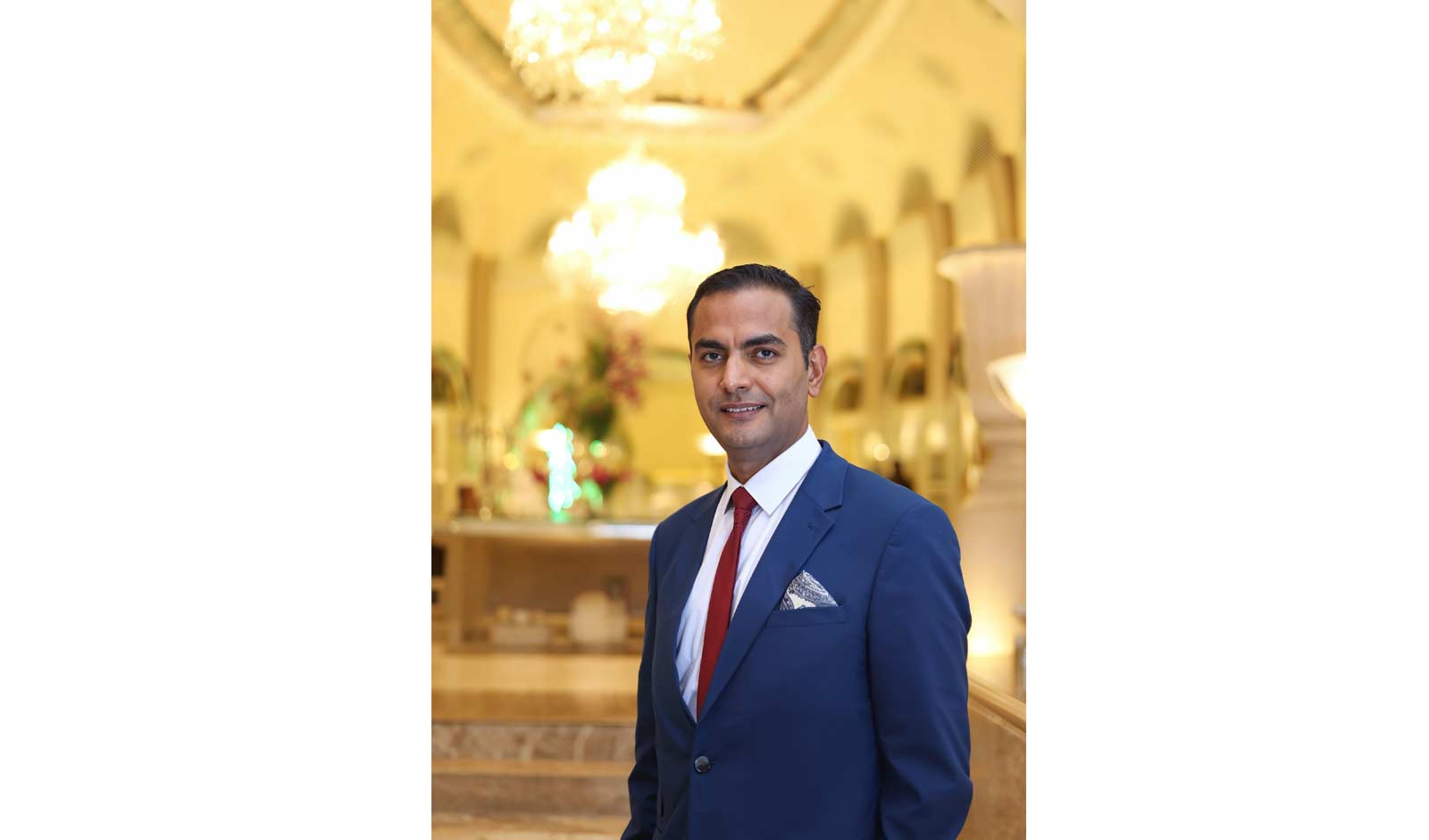
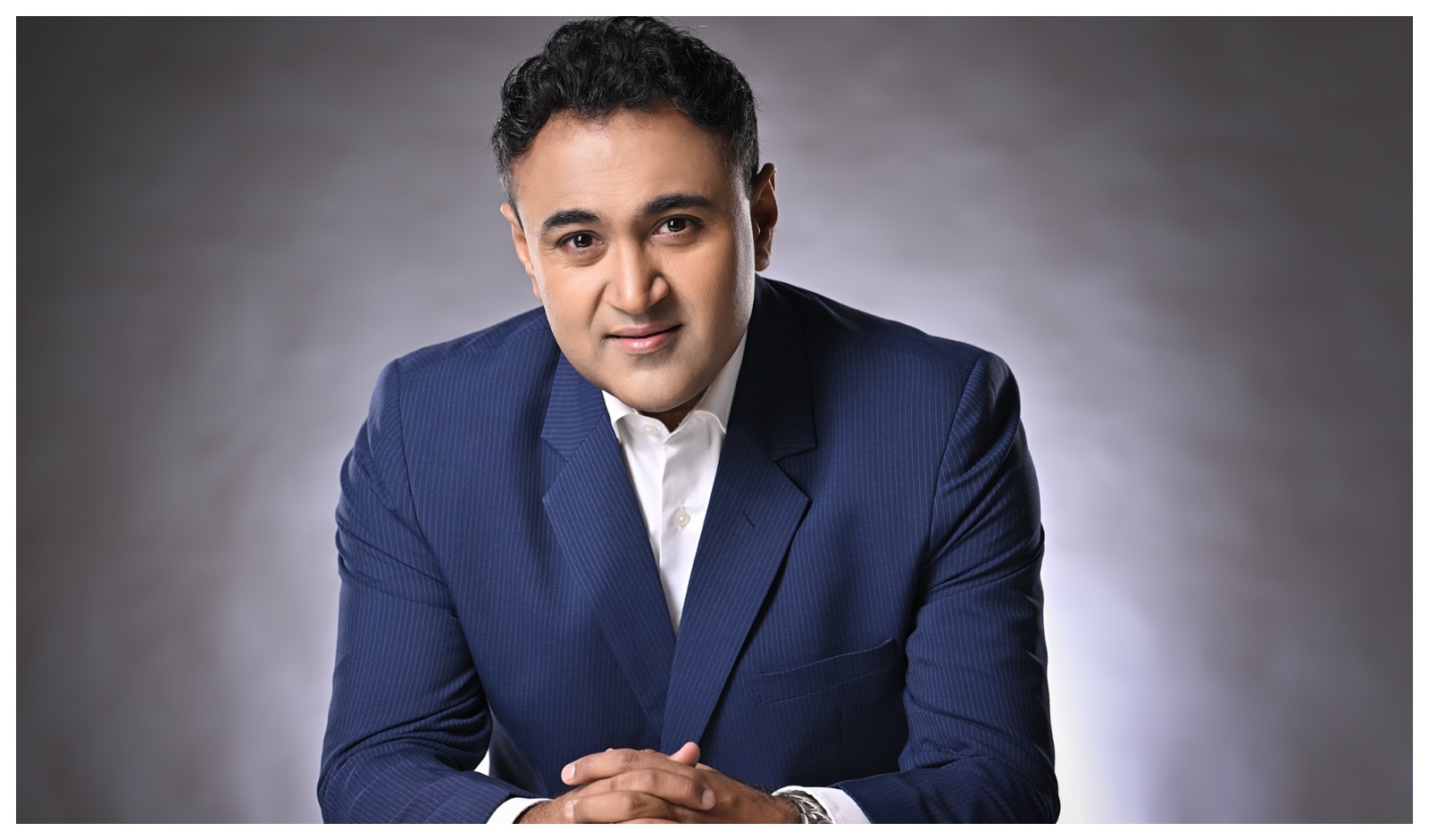
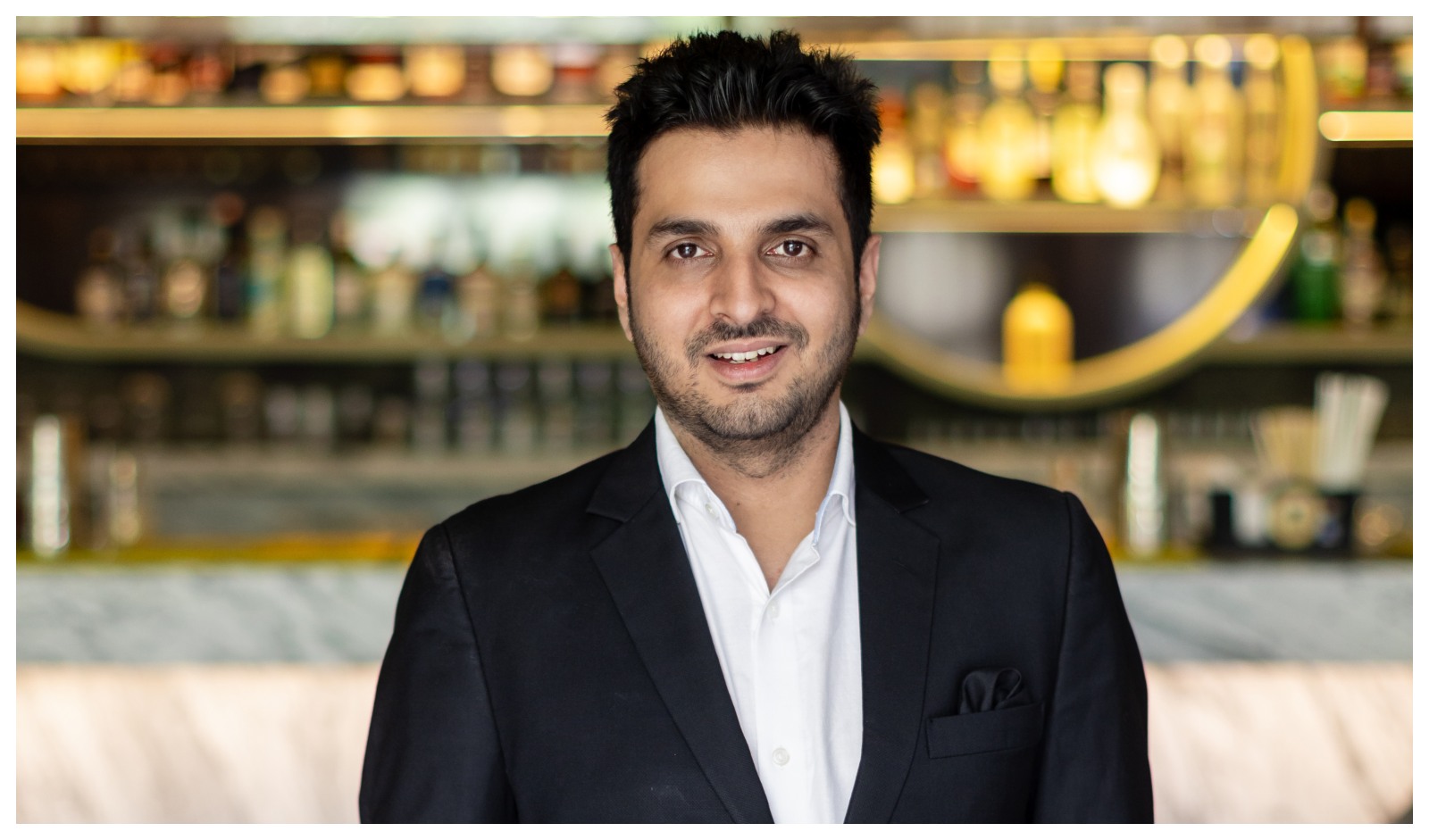
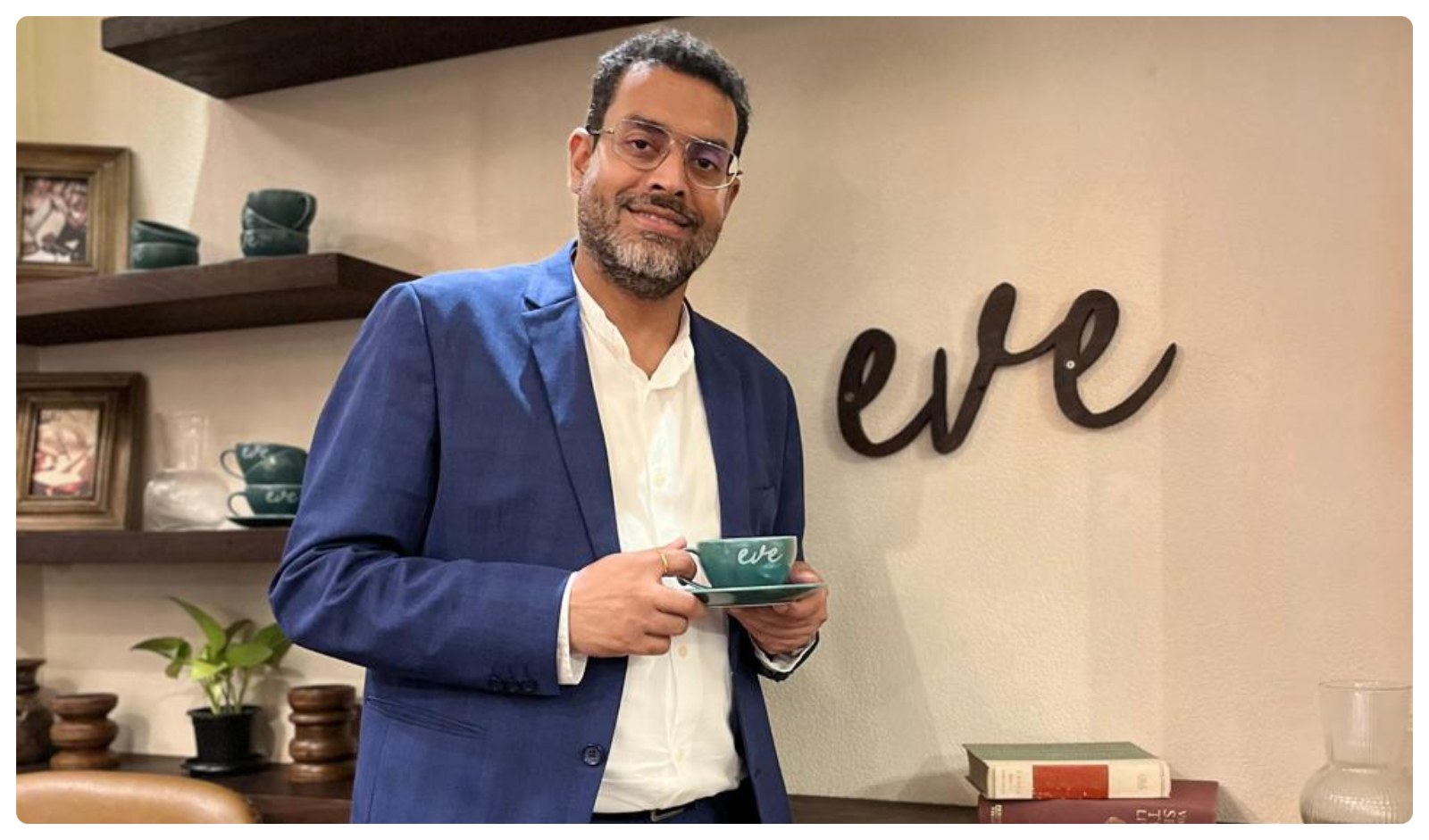
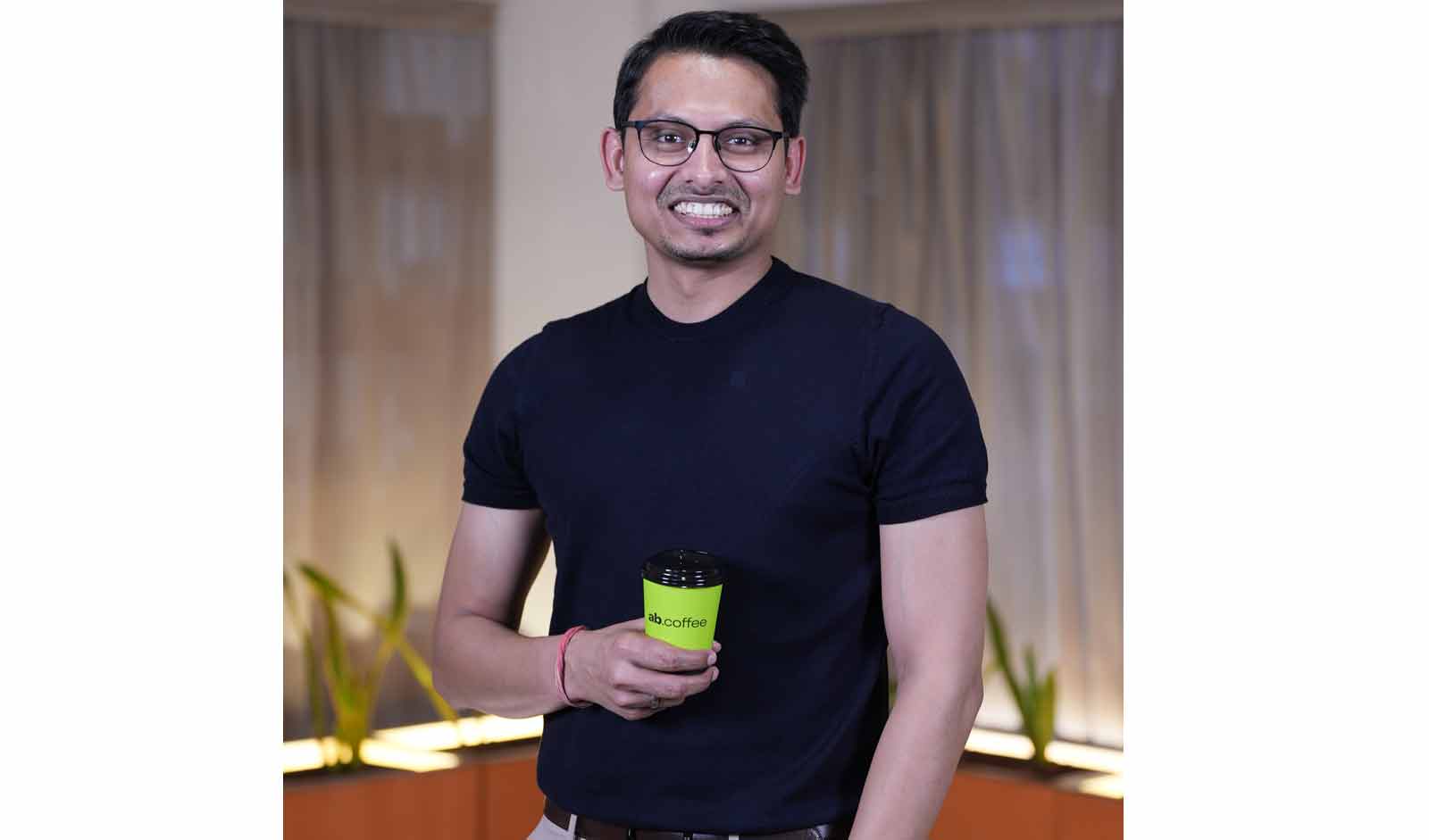
Abhijeet Anand, founder of abcoffee, is betting that India’s next coffee wave will be built not around the café visit, but around making quality coffee affordable, accessible and part of everyday life.

India’s coffee story is changing. What was once largely a café experience is increasingly becoming an everyday habit, driven by younger consumers, higher disposable incomes, global exposure and a growing appetite for quality.
For Abhijeet Anand, founder of abcoffee, the opportunity is much bigger than opening more cafés. It is about building a broader coffee-consuming market. “I believe the market is moving from an occasional coffee experience to a habitual coffee experience,” he says.
India has always been a beverage market. South India has its deep-rooted filter coffee culture, while much of the country has traditionally leaned towards tea. What is changing now, Anand believes, is the emergence of a branded beverage market.
Global trends are also reaching Indian consumers faster than ever. “Ten years ago, something that went viral in the US or China might take a year to reach India. Today, it can take just a few days because younger consumers are much more connected to the world.”
That connectivity is creating new consumption occasions and coffee is well placed to benefit.
From Café to Convenience
India’s café market has traditionally been built around the idea of a third space: a place to sit, meet and spend time. That market will continue to grow, but Anand sees a larger opportunity in everyday consumption.
“If I want to sit down and have a coffee, cafés work very well. But daily consumption requires the right quality at the right price, combined with wide availability.”
That is where on-the-go coffee comes in. Anand compares the opportunity with fashion. Luxury brands can grow, but brands such as Zara and H&M address a much wider consumption need through accessibility and frequency. He sees a similar shift happening in beverages. The idea behind abcoffee emerged from this gap. Coffee is a daily-consumption product in many markets, but in India it remained strongly associated with visiting a café. Anand also points to the relatively high cost of trial. A cappuccino costing around ₹300 may be affordable in developed markets, but represents a very different proposition when adjusted for Indian purchasing power. “The idea was to make coffee affordable so consumption could increase,” he adds as for him it was an on-the-go, technology-led model designed around convenience, speed and repeat consumption.
Building for 10,000 Stores
When Anand launched abcoffee in 2022, the ambition was never to build one successful outlet. The first store was designed as a minimum viable product that could eventually be replicated across hundreds of locations. Three more stores followed that year, before the company raised external capital, expanded its team and built the processes needed for scale. Today, abcoffee has 104 locations across Mumbai, Delhi and Bengaluru, with plans to add more than 100 locations in the current financial year.
The long-term target is significantly larger by opening 10,000 grab-and-go coffee outlets in India over the next decade. But Anand is careful not to define growth simply through store count. “We did not even celebrate the 100th store because the idea is not about the number of outlets. It is about how many consumers you are serving and whether the business you are building is becoming profitable and creating value for both shareholders and consumers.”
The company says it currently generates around ₹5,000 in revenue per square foot, almost three times that of a traditional café model. An outlet averages around 100 tickets a day, while roughly 20% of its portfolio does more than 300 tickets daily. Average order value is around ₹240 for takeaway and close to ₹300 for delivery.
Technology at the Core
Technology is central to his model. Almost 50% of abcoffee’s takeaway orders come through its consumer app, while its subscription programme where customers pay upfront for 20 coffees accounts for around 25% of offline business.
The business has also developed an internal employee app to manage its store network. For Anand, technology is not simply a consumer-facing tool. It connects data analysis, customer cohorts, ordering, store operations, surveillance, audits and checklists across the network. “Scale cannot happen without technology. For us, technology is the backbone of the business.”
The company is also looking at how AI can strengthen the next generation of operations as the network expands.
Getting the Location Economics Right
Despite its technology-first approach, Anand remains clear about one of the oldest rules in retail, location matters. abcoffee operates at a rent-to-revenue ratio of around 10.2%, according to Anand, compared with more than 15% for many coffee businesses and 18–20% for some. The company therefore works backwards from the economics of every location that includes; the catchment, consumer demand, rental cost, suitability for neighbourhood consumption and the potential to turn positive within the first few months.
That discipline will become increasingly important as the company looks beyond the largest metros. Anand believes tier-2 India is ready for branded coffee. A teenager in Assam and one in Mumbai may now consume the same media, watch the same shows and follow the same global trends.
Even Jamalpur in Bihar, where Anand grew up, has consumers asking for an abcoffee outlet. Patna is also on his radar, although he says expansion will ultimately depend on the business case.
“I don't operate on emotions. I operate on business decisions.”
Building the Category
Recent capital from investors including Nexus Venture Partners, Hero Family Office and Kliff Ventures will support expansion, technology, hiring and leadership development. The larger ambition remains unchanged, “to make a high-quality cup of coffee accessible to a billion Indians.”
abcoffee has crossed a ₹75 crore revenue run rate and is targeting ₹100 crore by the end of the current financial year, according to Anand. The company doubled revenue from the previous year to the last year and expects to repeat that growth this year. Yet Anand sees the opportunity as larger than abcoffee. “I don't look at other coffee companies as competitors. I look at them as peers,” he says. “India has to take a huge number of steps forward to build a stronger coffee-consumption story.”
His advice to entrepreneurs entering the category is equally focused; “find your strength, stick to your strength and double down on it.”
For India’s coffee industry, the bigger question is no longer simply how many cafés the country can support. It is how often Indians are willing to drink coffee.
admin
Admin