A Strategic Look at India's Evolving Liquor Regulations
The alcohol license is more than just a piece of paper for Indian restaurateurs; it's a key component of the dining experience and a gateway to a significant cash stream. However, India's alcohol sales and service regulations are extremely complex, dynamic, and frequently the cause of significant challenges. It is a system that requires strict adherence to a maze of state-specific rules and an endless cycle of transition because of changes in governmental policy.

The alcohol license is more than just a piece of paper for Indian restaurateurs; it's a key component of the dining experience and a gateway to a significant cash stream. However, India's alcohol sales and service regulations are extremely complex, dynamic, and frequently the cause of significant challenges. It is a system that requires strict adherence to a maze of state-specific rules, including notified dry days across states, and an endless cycle of transition because of changes in governmental policy. A business can no longer afford to take an indifferent stance to these restrictions if it hopes to not just survive but flourish.
This full article will offer an in-depth analysis of India's changing alcohol regulations. We will examine the system's complexities, list the main obstacles and possibilities, and offer practical guidance to help restaurateurs successfully negotiate this complex environment. This is an approach for mastering the legal rules and creating a successful and legal beverage operation, not merely a guide for obtaining a permit.
Read more: 5 Reasons to Open Your Café Around College Campuses
Understanding the Legal Landscape
In India, each state has the authority to control the sale, service, and taxation of alcohol, as opposed to a single federal law. Because of this, the legal system is extremely diverse and scattered; for example, a rule that is applicable in Delhi can be quite different in Maharashtra or Haryana.
- State Taxation Departments: The state tax department is the main body in charge of regulating alcohol. License issuance, excise duty collection, and regulation monitoring fall under their authority. Every state has a distinct set of regulations, encompassing various license classifications, application processes, and associated costs.
- Prohibition and Dry Days: The sale of alcohol is prohibited in several states, including Gujarat, Bihar, and Mizoram, where it is either completely or partially prohibited. Furthermore, all restaurateurs are required to strictly abide by the mandatory "dry days" that are enforced by states throughout India on public holidays and religious festivals.
- Zoning & Location Restrictions: A restaurant's eligibility for a liquor license is subject to strict rules in several states. This can involve bans on alcohol service close to hospitals, schools, and places of worship. These regulations are frequently a point of disagreement and require thorough research before venue selection.
- The Judiciary's Role: Indian liquor laws have been greatly influenced by the judiciary. The industry has been greatly impacted by landmark rulings, such as the one that forbade the sale of alcoholic beverages close to state and federal roadways, which forced many businesses to close or relocate. It also highlights the importance of ongoing attention to detail.
Know more: How Profitable is the Restaurant Business in India?
The Licensing Process: From Application to Approval
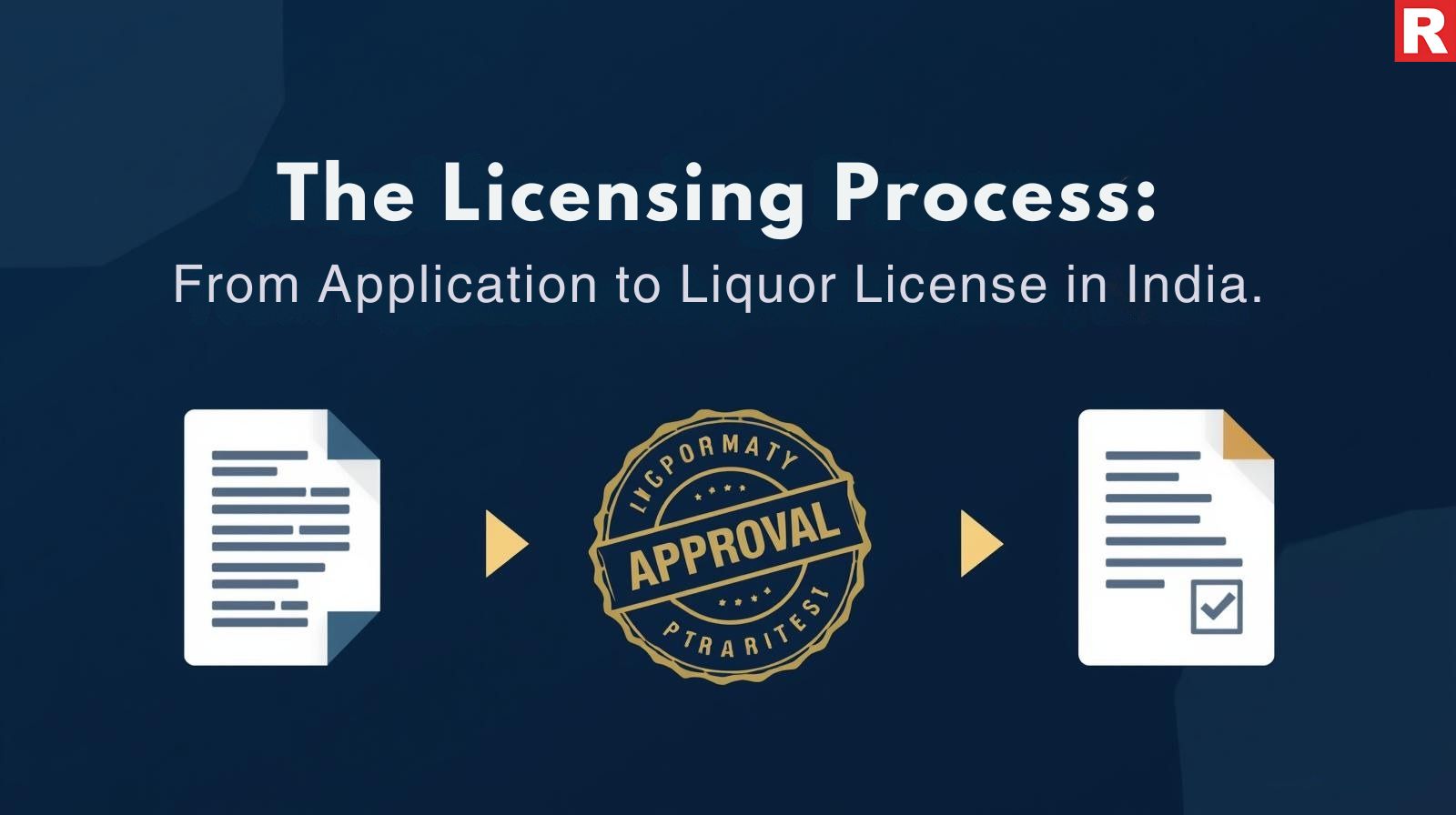
In India, getting a liquor license involves a number of steps and can be costly and time-consuming. A well-prepared restaurateur needs to be patient and have a full understanding of the requirements when going through this process.
- Select the Correct License Category: Selecting the appropriate license category for your business is the first step. Typical classifications consist of:
- License for Restaurants (FL-2/FL-3): For businesses that sell food and beverages.
- Bar License (FL-4): Usually for businesses where the main product is alcohol.
- License for Beer and Wine: For restaurants that want to serve just wine and beer.
- Temporary Event Licence: For private parties or special occasions.
- Documentation is Key: The application process requires a lengthy amount of documentation, which can differ from state to state. A full floor plan of the restaurant, property records, No Objection Certificates (NOCs) from various government agencies (such as the police, fire department, and others), the business strategy, and proof of identification and residence for each partner or director are usually included. Serious delays may result from any error or missing document.
- The Inspection Phase: Following submission of the application, representatives from the Taxation Department, local law enforcement, and other relevant organizations carry out a number of inspections. They will examine the property, confirm that all supplied paperwork is accurate, and make sure that all rules are being followed.
- Fees & Charges: Be ready to pour out an ample amount of money. A one-time application fee, an annual renewal fee, and extra fees that differ from state to state are all included in the cost of a liquor license. It is a significant financial commitment because these costs might amount to lakhs of rupees.
What's new: How Taglines and Slogans Affect Your Restaurant Business
Key Challenges and How to Overcome Them

It's not easy to keep up with India's alcohol regulations. The first step to conquering these obstacles is realizing they exist.
- Complexity and Lack of Uniformity: The main obstacle is differences in laws between states. A restaurateur who operates restaurants in Delhi and Mumbai needs to be familiar with two distinct sets of rules.
Solution: Employ an agency that specializes in tax law for the state in which you operate, or hire a local legal expert. They can help you navigate the procedure and guarantee that you are fully in line.
- The "Grey" Area of Interpretation: Rules are frequently unclear and subject to various officials' interpretations. Unexpected requests and delays may result from this.
Solution: Continue to have a friendly and open relationship with local tax authorities. Maintain precise records of all conversations and transactions at all times.
- Unpredictable Policy Changes: Recently implemented changes in Delhi and other states demonstrate how quickly governments can alter their alcohol laws. Businesses that have made significant investments in their beverage programs may suffer greatly as a result.
Solution: Keep informed of all industry and governmental announcements. Join local restaurant associations, which frequently provide timely updates and advocate on behalf of the sector.
- Compliance and Enforcement: The restaurateur is in charge of making sure that regulation is maintained. Heavy fines, license suspension, or even closure may result from breaking the restrictions, such as supplying alcohol to minors or on dry days.
Solution: Educate your employees on all aspects of serving responsibly. Establish a strict ID verification procedure and a well-defined policy for dealing with guests who are drunk or children.
Check out: How to Embrace International Flavors in an Indian Restaurant
Understanding Joint Ownership in the Restaurant Industry
Building a Profitable and Strategic Beverage Program
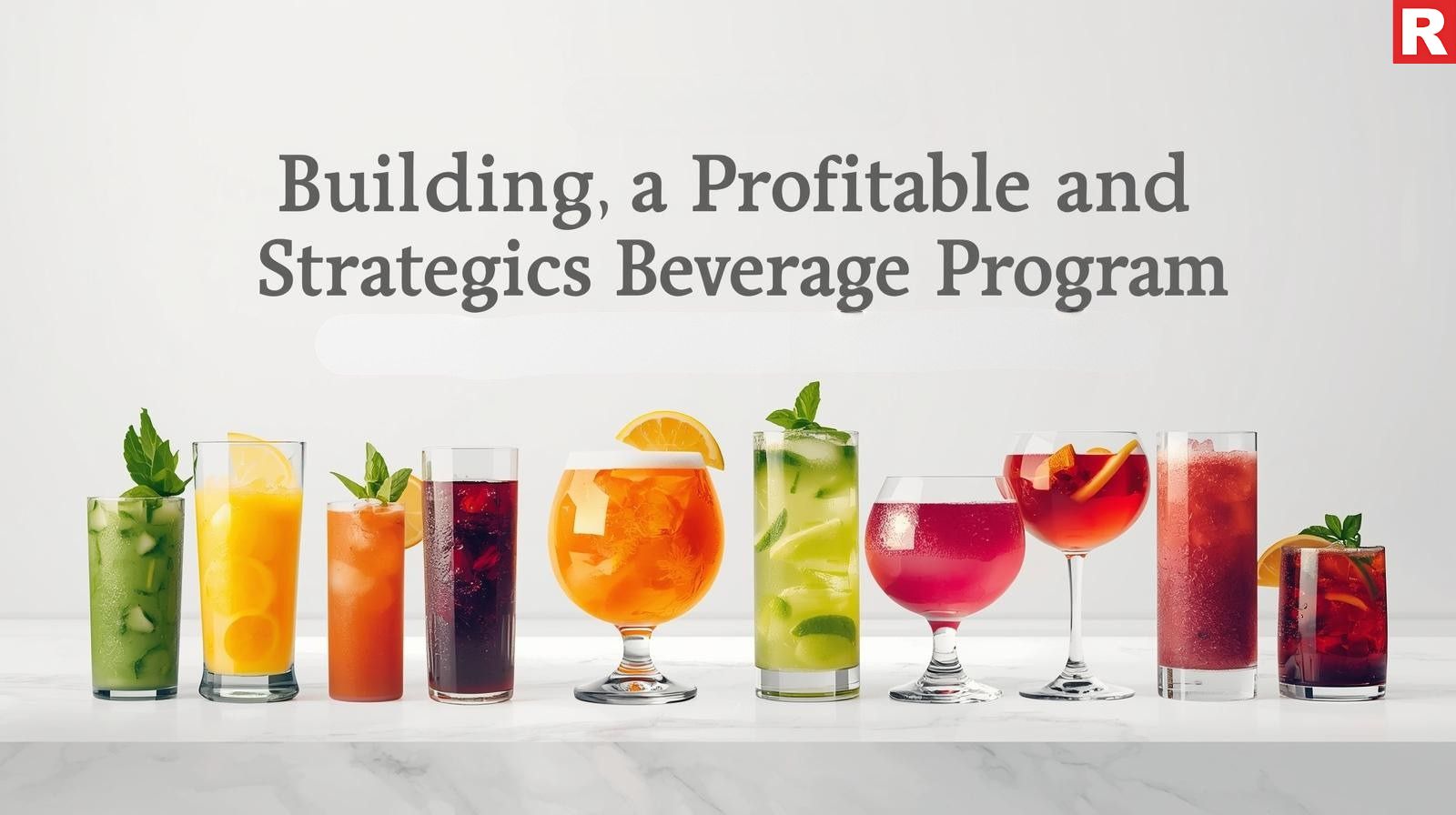
Despite the difficulties, a well-run beverage program has the potential to revolutionize a restaurant's profitability and reputation.
- Increasing Revenue: The profit margin on alcohol sales is usually higher than that on food sales. Your average customer spend and total income can both be considerably raised with a carefully chosen beverage menu.
- Differentiating Your Brand: Your beverage program could be a unique selling proposition (USP). You can differentiate yourself from the competition with a special lineup of craft brews, a well-chosen selection of premium wines, or an inventive cocktail menu.
- Creating a Social Hub: A well-managed bar can transform your restaurant into an enjoyable place for people, drawing them in for late-night parties or drinks after work in addition to supper.
Strategic Steps to Building a Profitable Program:
- Menu Engineering: Examine your sales information to determine which drinks are the most well-liked and profitable. Put them on the menu in a way that will boost sales.
- Staff Education: Invest in educating your waiters and bartenders about wine pairing, mixology, and appropriate serving techniques. A well-informed staff member can improve the visitor experience and upsell.
- Inventory Control: To monitor and control your liquor supply, put in place a strong inventory system. This aids in reducing expenses, waste reduction, and theft prevention.
- Strategic Alliances: Establish connections with brands and distributors of alcoholic beverages. They can provide staff training, tasting sessions, and marketing materials to promote your beverage program.
Read this: How to Find Good Staff for Your Restaurant
The Future of Liquor Regulation in India
India's liquor laws are gradually becoming more flexible, although this is not always the case. Some states are tightening regulations for social and political reasons, while others are loosening them to increase income and fight illegal alcohol.
- Digitalization of Licensing: A lot of states are switching to online application and renewal procedures, which should increase system efficiency and transparency.
- Emphasis on Responsible Serving: As governments and business associations work together to reduce underage drinking and drunk driving, there is an increasing focus on responsible serving and consumption.
- Growth of Craft Beverages: The flourishing craft whiskey, gin, and beer industries are advocating for more lenient laws that help small-scale manufacturers. Future licensing categories and regulations may result from this.
Conclusion
It takes a strategic approach, careful attention to detail, and a strong commitment to remaining educated to navigate India's changing liquor laws. A complicated, state-by-state legal system and unpredictable policy changes are just two of the major obstacles. However, there is a great chance to create a successful and profitable business for the smart restaurateur who takes an innovative approach to these restrictions. You may transform a regulatory obstacle into a major competitive advantage by investing in expert advice, encouraging a culture of responsible service among employees, and utilizing technology for adherence. A well-run beverage program is more than just an additional cost; it is a significant source of income and a crucial point of differentiation in a competitive industry. By taking a careful approach to regulations, you can protect your business and build a solid reputation for quality, which will guarantee that your restaurant's doors and its bar remain open and continue to serve customers for many years to come.
Mahak Sharma
Content Writer
Mahak Sharma is a passionate content writer with 2 years of experience crafting compelling content across various niches, tailoring her writing to suit different audiences and platforms. She is dedicated to producing engaging content for readers so that they can understand and enjoy the articles. Her strengths lie in crafting SEO-friendly, well-structured articles that drive visibility and engagement.