8 Ways Chefs Are Using Food Scraps to Create New Menu Items
Instead of viewing every peel, stem, seed or trimming as waste, chefs can begin asking a more interesting question: What else can this ingredient become?

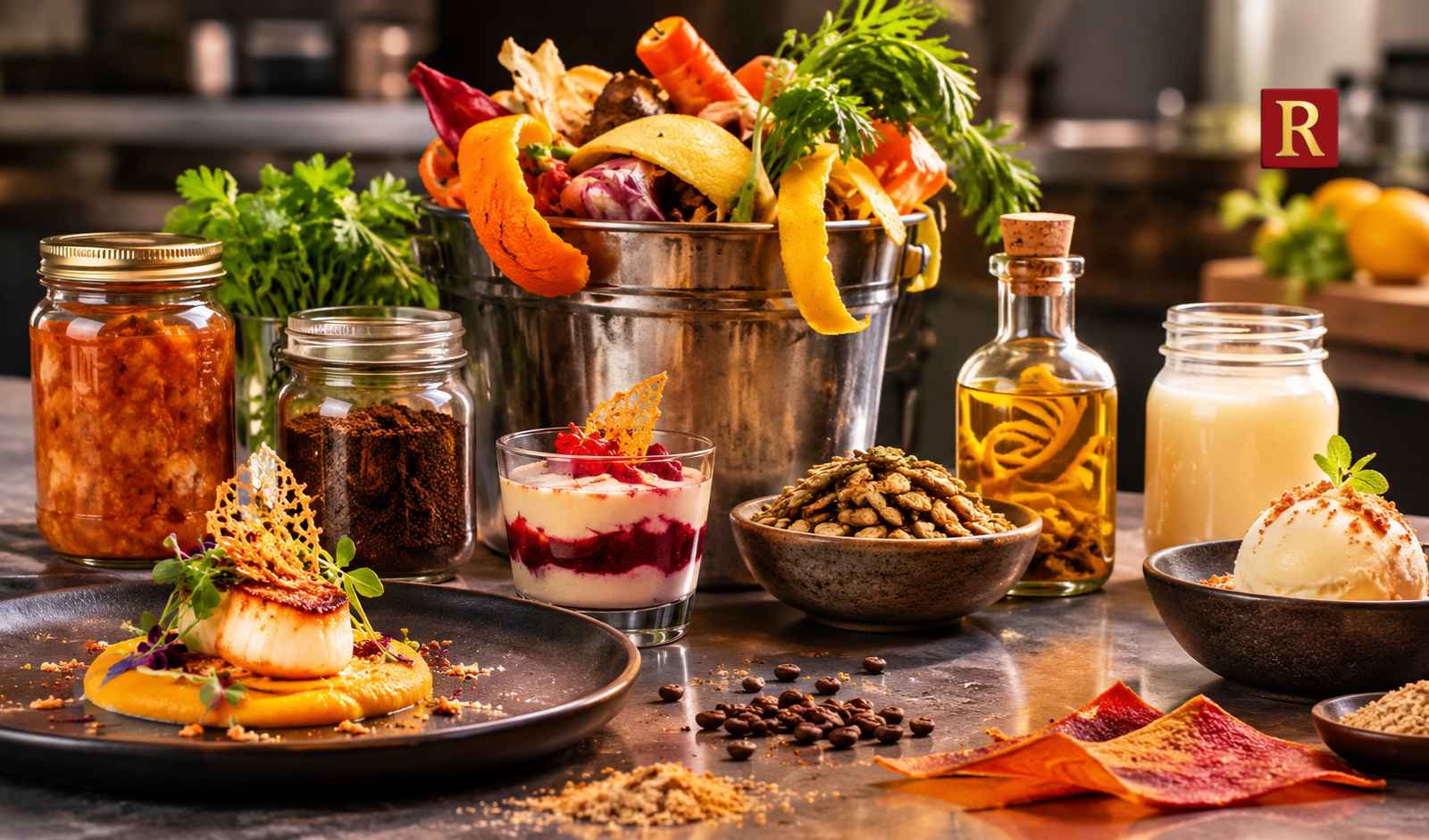
Restaurant kitchens are discovering that some of their most interesting ingredients are already sitting in their waste bins. Vegetable peels, fruit pulp, coffee grounds, bread crusts, citrus skins and dairy by-products are finding new roles in modern restaurant menus. What was once considered kitchen waste is increasingly becoming a source of flavour, texture and culinary experimentation.
This shift is being driven by rising ingredient costs, changing consumer expectations and the growing interest in sustainable restaurant operations. Chefs are exploring techniques such as fermentation, dehydration, infusion and flavour extraction to transform discarded ingredients into sauces, seasonings, desserts, garnishes and signature dishes. For restaurants, this approach offers more than an opportunity to reduce food waste. It creates possibilities for developing distinctive menu items while extracting greater value from ingredients already purchased. Here are eight creative ways chefs are turning food scraps into new menu opportunities.
1. Vegetable Scraps Are Becoming Fermented Umami Sauces
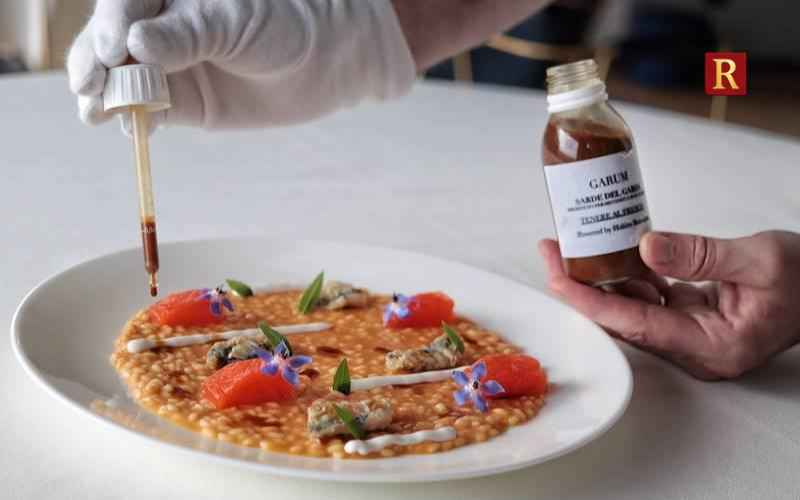
Vegetable peels, stems, roots and trimmings are increasingly being explored as ingredients for fermented sauces. Instead of sending these materials for disposal, chefs can use controlled fermentation to develop concentrated flavours. Vegetable scraps contain natural sugars, minerals and other compounds that can contribute to flavour development. Through fermentation, chefs can create savoury preparations that add depth to different dishes.
How chefs are using them:
- Turning carrot and onion trimmings into fermented sauces.
- Developing vegetable-based garum for grilled dishes.
- Using fermented cauliflower stems in savoury seasonings.
- Creating concentrated vegetable reductions for risotto and pasta.
Fermentation also gives restaurants an opportunity to develop signature condiments that cannot easily be replicated by competitors. Restaurants such as Silo in London, known for its zero-waste approach, have explored unconventional preparations using discarded ingredients, including vegetable trimmings and fermented products.
2. Fruit Pulp Is Finding a Second Life in Desserts
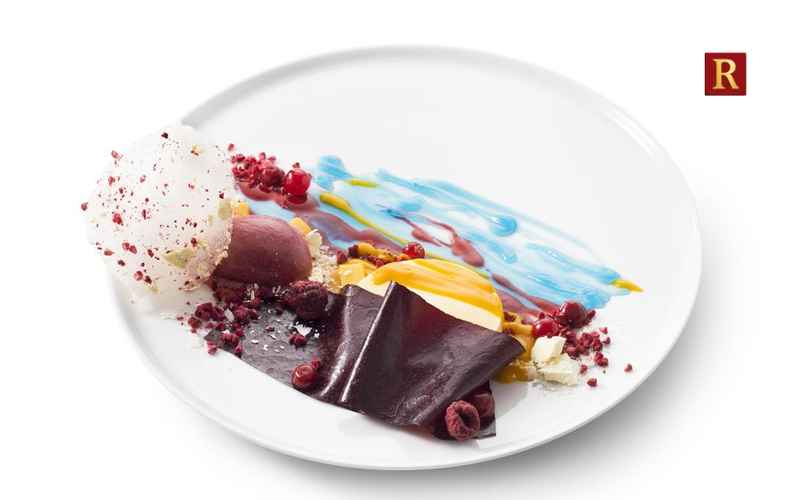
Juice preparation generates considerable quantities of fruit pulp. Although much of the flavour and liquid has already been extracted, the remaining pulp can still contain fibre, colour and residual sweetness. Pastry chefs are exploring ways to transform this material into dessert components instead of discarding it.
Creative applications include:
- Mango pulp transformed into fruit leather.
- Pineapple pulp used in granola and dessert toppings.
- Berry pulp converted into pastry fillings.
- Watermelon pulp incorporated into sorbets.
- Guava pulp reduced into sauces for cheesecakes.
Dehydration is particularly useful for this process. Removing moisture concentrates the remaining flavours and creates ingredients with different textures. For restaurants operating juice bars, bakeries and dessert counters, this also creates opportunities to use the same fruit across multiple menu categories.
3. Used Coffee Grounds Are Becoming Savoury Seasonings
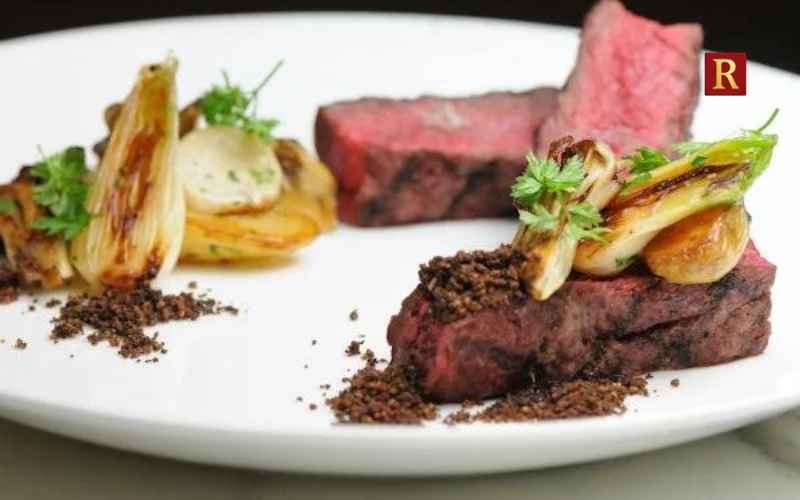
Coffee grounds are among the most overlooked by-products in cafés and restaurant kitchens. However, their roasted aroma and earthy flavour make them interesting ingredients for culinary experimentation. Chefs are exploring their use beyond conventional coffee desserts.
How restaurants are experimenting:
- Using dried coffee grounds in spice rubs.
- Combining coffee with cocoa for dessert preparations.
- Creating coffee-infused oils.
- Developing coffee and jaggery seasoning for roasted vegetables.
- Adding coffee notes to selected marinades.
Coffee grounds can provide bitterness, roasted aromas and depth when used in controlled quantities. For example, Chef Matt Kammerer of The Harbor House in California has experimented with breakfast coffee grounds in bacon curing and sunflower oil infusions for a kombu ice cream preparation. For cafés and restaurants with regular coffee operations, this creates an opportunity to extract additional value from an ingredient already used throughout the day.
4. Citrus Peels Are Turning into Signature Oils and Cocktail Ingredients
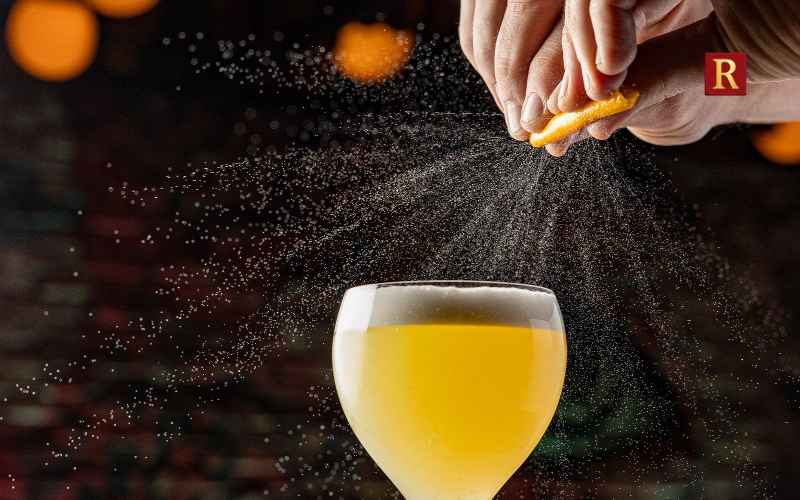
Lemon, orange and grapefruit peels contain aromatic oils that can add fragrance and flavour to food and beverages. Instead of discarding them after juice preparation, chefs and bartenders are finding new applications for citrus waste. The outer peel contains aromatic compounds, particularly in its oil-rich outer layer, making it useful for flavour extraction.
New menu applications include:
- Lemon-peel oil for seafood and salads.
- Dried orange-peel powder for chocolate desserts.
- Grapefruit peel cordial for cocktails.
- Citrus salt for grilled vegetables.
- Candied citrus peel for bakery products.
Bartenders can also use citrus peels to develop house-made syrups, garnishes and infusions. This approach is particularly useful for restaurants with active beverage programmes, where the same citrus ingredients are used for juices, cocktails and food preparation.
5. Stale Bread Is Becoming a Source of New Textures
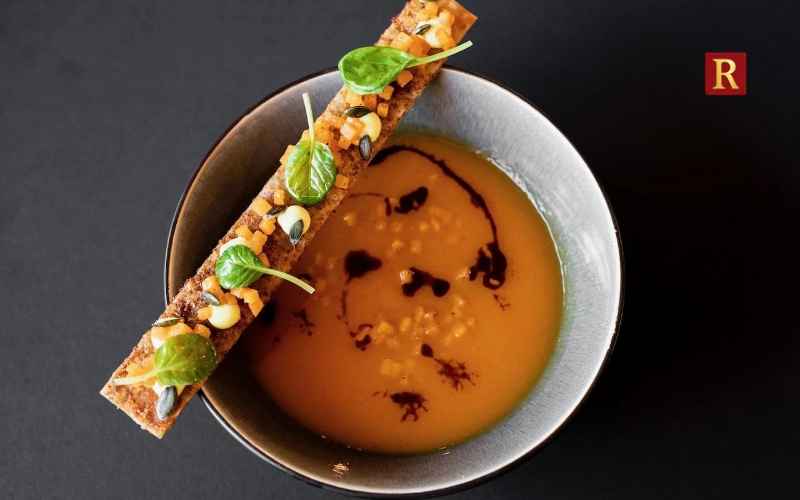
Bread waste is a common challenge for bakeries, cafés, hotels and restaurants. Unsold bread, crusts and leftover bakery products often lose their original texture but can still serve as ingredients in other preparations. Chefs are moving beyond conventional breadcrumbs and experimenting with more creative applications.
How chefs are using leftover bread:
- Turning sourdough crusts into crunchy soup toppings.
- Using toasted bread crumbs in savoury dishes.
- Developing bread pudding from leftover bakery products.
- Creating bread-based sauces for roasted meat.
- Converting dried bread into crunchy dessert toppings.
One interesting application is the use of toasted sourdough crumbs as a finishing ingredient for creamy soups and vegetable preparations. They add texture without requiring additional premium ingredients. Restaurants can also combine leftover croissants, brioche and other bakery products to develop new dessert preparations.
6. Vegetable Seeds and Pulp Are Becoming Premium Garnishes
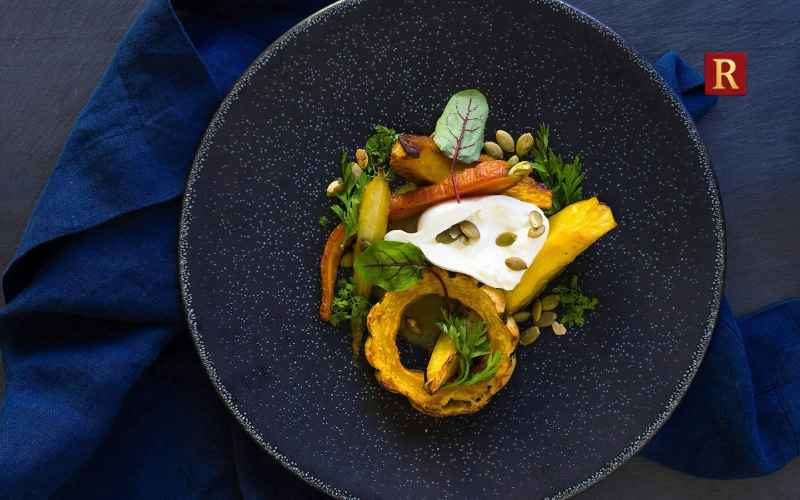
Pumpkin, squash and other vegetables generate seeds and fibrous pulp during kitchen preparation. These materials are often discarded despite their potential culinary applications. Chefs are increasingly exploring ways to turn them into crunchy toppings, seasonings and snacks.
Creative applications include:
- Roasted pumpkin seeds with chilli and jaggery.
- Squash-seed praline for savoury dishes.
- Watermelon seed brittle for desserts.
- Dehydrated vegetable pulp crackers.
- Spiced seed mixtures for salads and breakfast bowls.
Roasting helps develop nutty flavours and crisp textures, while dehydration can turn suitable vegetable pulp into a base for crackers and seasoning powders. These preparations can add texture and visual appeal to restaurant dishes without depending entirely on commercially purchased garnishes.
7. Whey Is Becoming an Ingredient for Ice Creams and Sauces
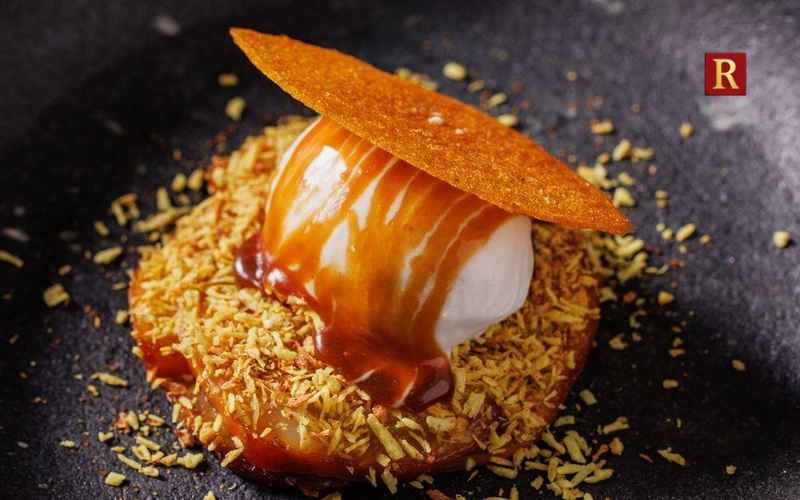
Restaurants that prepare fresh paneer, cheese and strained yoghurt can generate considerable quantities of whey. This liquid contains water, lactose, minerals and whey proteins, making it useful for several culinary applications. Instead of treating it as an unwanted dairy by-product, chefs are exploring its potential in desserts, baking and savoury preparations.
How restaurants are using whey:
- Developing whey-based ice creams.
- Using whey in bread and pizza dough.
- Creating whey caramel for desserts.
- Adding whey to selected marinades.
- Reducing whey into sauces and glazes.
Its mild acidity can also contribute to flavour and texture in certain preparations. For Indian restaurants, this presents an interesting opportunity because paneer and dairy-based preparations are common across multiple menu categories. However, whey requires proper refrigeration and careful handling because it is a perishable dairy product.
8. Meat and Seafood Trimmings Are Becoming Gourmet Stocks and Condiments
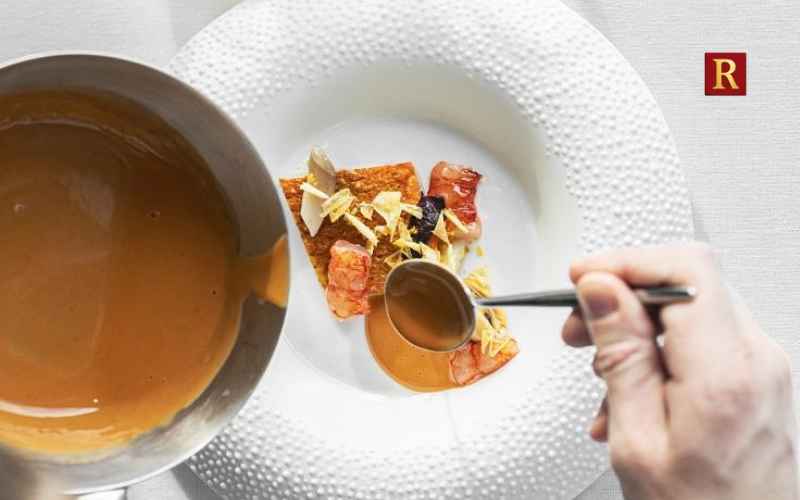
Meat and seafood preparation can generate valuable trimmings, including bones, fish skin, prawn shells and suitable fat offcuts. For restaurants serving seafood, grilled meat and premium protein dishes, these by-products can become important ingredients in new preparations. Chefs are using different extraction and cooking techniques to capture their remaining flavour.
Creative applications include:
- Prawn shells converted into concentrated seafood stocks.
- Fish skin transformed into crispy appetiser garnishes.
- Meat trimmings used in croquettes and patties.
- Rendered animal fat used for cooking and seasoning.
- Poultry bones transformed into concentrated stocks.
- Seafood shells used to develop flavoured oils.
For example, Mumbai's Thai Naam has used prawn shells to develop umami in its Tom Yum Koong broth. At Le Meridien Delhi, fish trimmings have also been used in preparations such as patties, croquettes and nuggets. These applications demonstrate how restaurants can extract more value from expensive ingredients while developing new textures and flavours.
How Food Scraps Are Being Transformed Into New Ingredients
Different scraps require different culinary techniques. Understanding these methods helps chefs identify which ingredients can be reused and how they can be incorporated into new preparations.
| Culinary technique | What it does | Example menu application |
| Fermentation | Develops complex flavours through controlled microbial activity | Vegetable garum and fermented sauces |
| Dehydration | Removes moisture and concentrates flavour | Fruit leather and vegetable powders |
| Infusion | Transfers aromatic compounds into liquids or fats | Citrus oils and coffee-infused oil |
| Reduction | Concentrates flavour by removing water | Whey caramel and fruit syrups |
| Roasting | Develops roasted flavours and crisp textures | Pumpkin seeds and bread crumbs |
| Rendering | Separates usable fat from suitable animal trimmings | Flavoured cooking fats |
| Extraction | Transfers useful flavour compounds into another preparation | Seafood stocks and citrus extracts |
How Restaurants Can Make Food Upcycling Part of Menu Planning
For restaurants, successful food upcycling requires more than creative recipes. It needs to become part of everyday kitchen operations.
Track kitchen by-products: Identify which ingredients generate the most usable trimmings during daily preparation.
Create a separate inventory: Maintain records of suitable vegetable peels, fruit pulp, bread, dairy by-products and other materials.
Connect different kitchen departments: Juice bars, bakeries, restaurants and beverage counters can share suitable by-products for new preparations.
Develop recipes around availability: Create flexible recipes that can accommodate seasonal changes in the availability of ingredients.
Calculate ingredient utilisation: Track the quantity of material reused, preparation costs and the number of additional portions generated.
Establish food safety procedures: Use only suitable pre-consumer ingredients, maintain temperature controls and follow validated fermentation, storage and shelf-life procedures.
Can Food Scraps Become a New Source of Restaurant Revenue?
Food upcycling offers restaurants an opportunity to think differently about ingredient purchasing and menu development. A restaurant purchasing whole fruits, vegetables, seafood and dairy products can potentially use different parts of the same ingredient across multiple preparations. This creates opportunities to reduce avoidable losses and develop distinctive menu components. For instance, a restaurant using lemons for beverages can explore the peels for infused oils and cocktail garnishes. Similarly, a kitchen preparing fresh paneer can investigate whey-based desserts and bakery applications. The commercial advantage is not automatic. Restaurants must consider labour, processing, storage, equipment and food safety costs before introducing these preparations at scale. However, when properly planned, food upcycling can support better ingredient utilisation while giving chefs more freedom to experiment with flavours.
Bottom Line!
The changing approach towards food scraps reflects a broader shift in restaurant kitchens. Chefs are looking beyond conventional ingredients and discovering new culinary possibilities in materials that were previously discarded. From fermented vegetable sauces and coffee-based seasonings to whey desserts and seafood-shell reductions, food upcycling is opening new directions for menu development. For restaurants, the opportunity lies in combining culinary creativity with better kitchen planning. Instead of viewing every peel, stem, seed or trimming as waste, chefs can begin asking a more interesting question: What else can this ingredient become?
Saptopriya Ghosal
Feature Writer
I am a dedicated media professional with a bachelor's degree in mass communication from the State University of Calcutta and a postgraduate degree from Amity University. My academic journey has equipped me with a profound understanding of storytelling and communication. Passionate about the dynamic world of media, I continually strive to explore new ways to engage and inform through compelling narratives.