8 Traditional Cooking Techniques That Still Matter Today
It could be about understanding why they worked and applying those principles to today's kitchens. For restaurants, that means tradition can become more than a story on the menu. It can become a working technique.

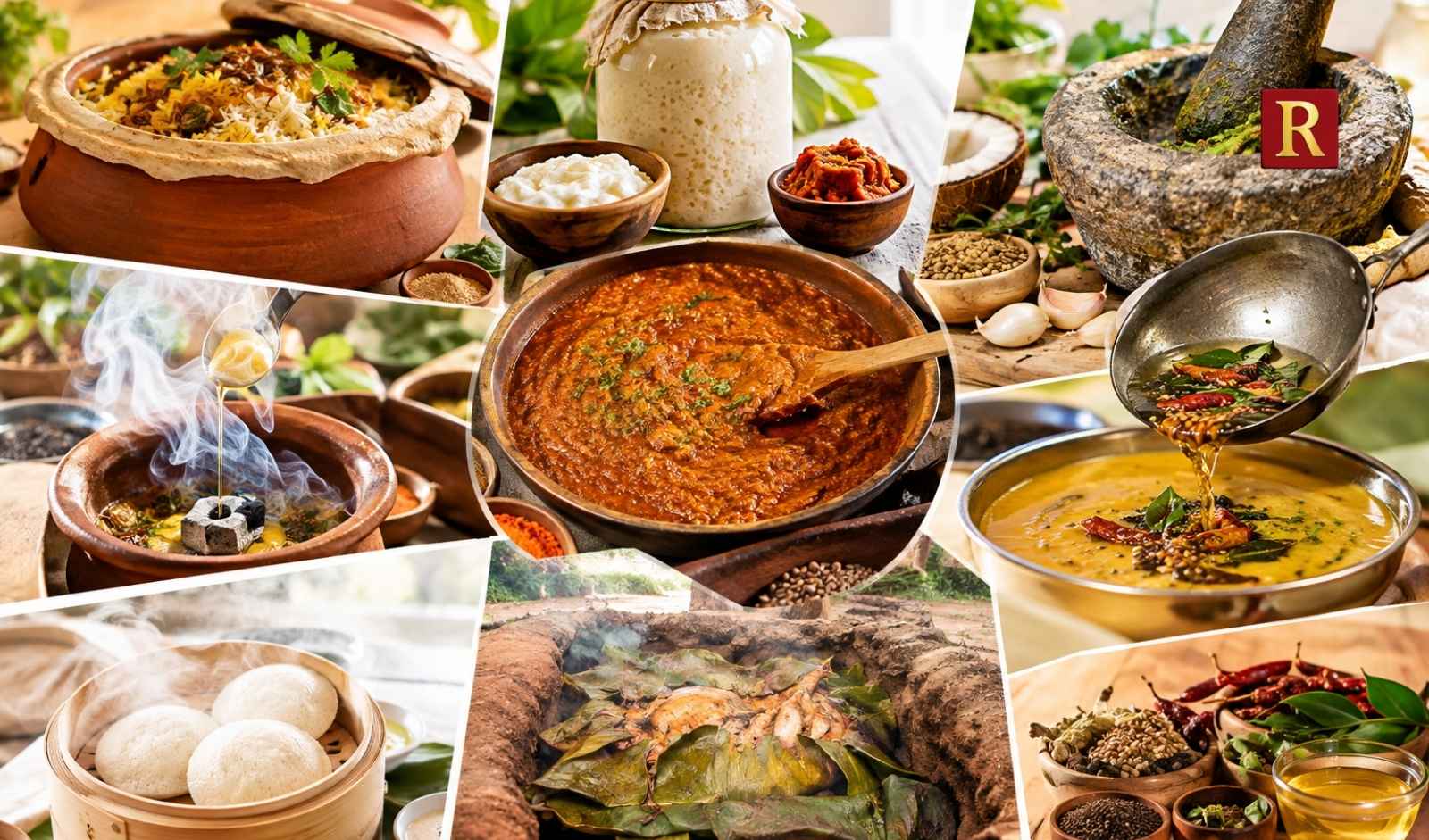
Modern kitchens have induction cooktops, combi ovens, blast chillers and precision thermometers. Yet many of the techniques used by chefs today are rooted in much older cooking practices. A sealed pot can still control moisture better than an open pan. Fermentation can still transform ingredients through microorganisms. A few seconds of spices in hot oil can still change the aroma of an entire dish.
This is why traditional cooking techniques continue to matter. They were not developed only for taste. Many were practical ways to control heat, moisture, texture, preservation and flavour. In India, these methods have also evolved differently across regions. Fermentation, grinding, steaming and slow cooking remain part of everyday food preparation, while restaurants are giving several of these techniques a more contemporary identity. Recent food research continues to document the technical value of traditional Indian food-processing practices.
Why Traditional Cooking Techniques Still Matter
The importance of these methods goes beyond heritage. They continue to solve practical kitchen problems.
They control heat: Slow cooking, steaming and pit cooking allow heat to reach food gradually.
They manage moisture: Dum cooking traps steam, while bhunao reduces excess water from a masala.
They build flavour: Tadka, dhungar and roasting change how aromatic compounds are released.
They change texture: Grinding, fermentation and slow cooking can alter the physical structure of ingredients.
They support preservation: Fermentation has historically helped extend the usability of several foods.
They reduce dependence on equipment: Many techniques use simple vessels, fire, time and observation.
They create consistency: Once cooks understand the process, they can repeat the desired texture and flavour.
They connect food with regional identity: The same basic principle can produce very different foods across India.
1. Dum Cooking: The Power of a Sealed Pot
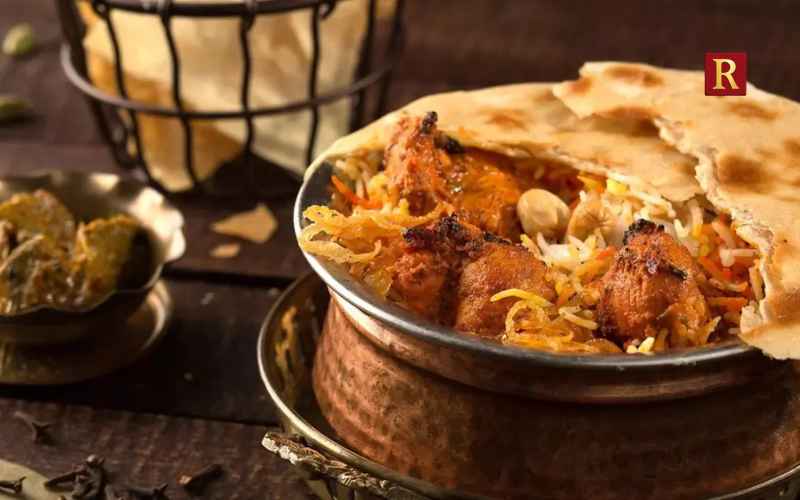
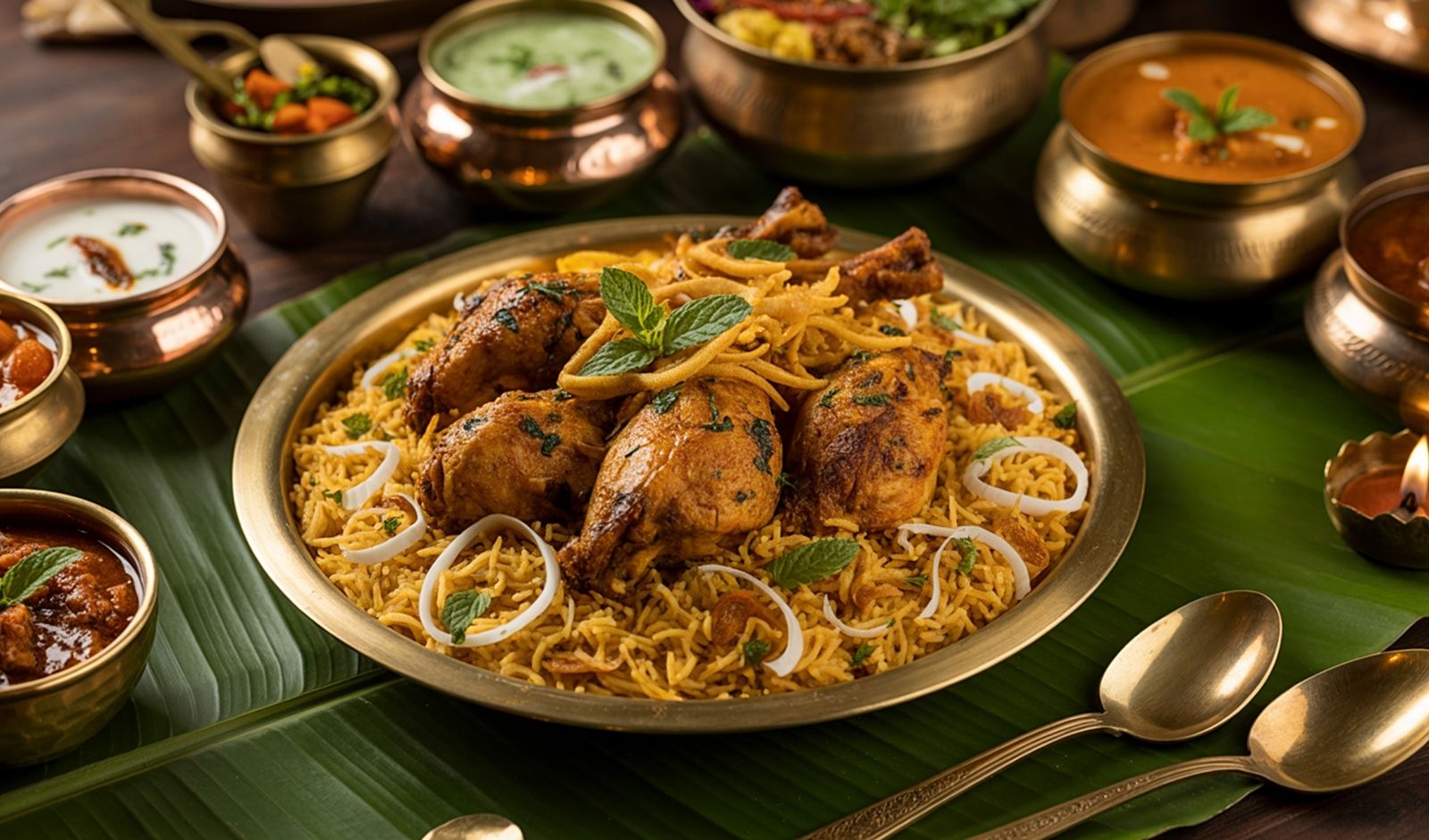
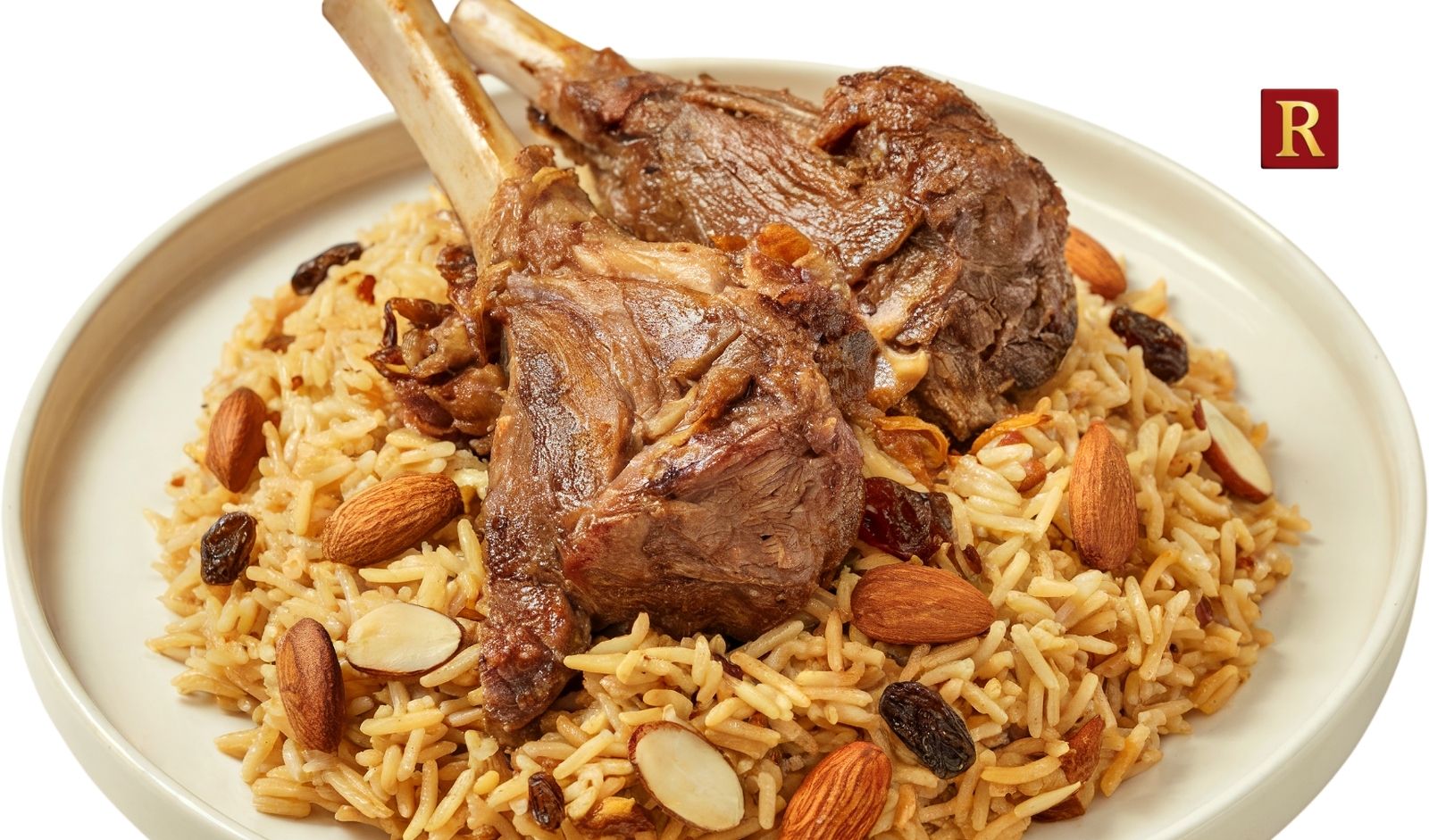
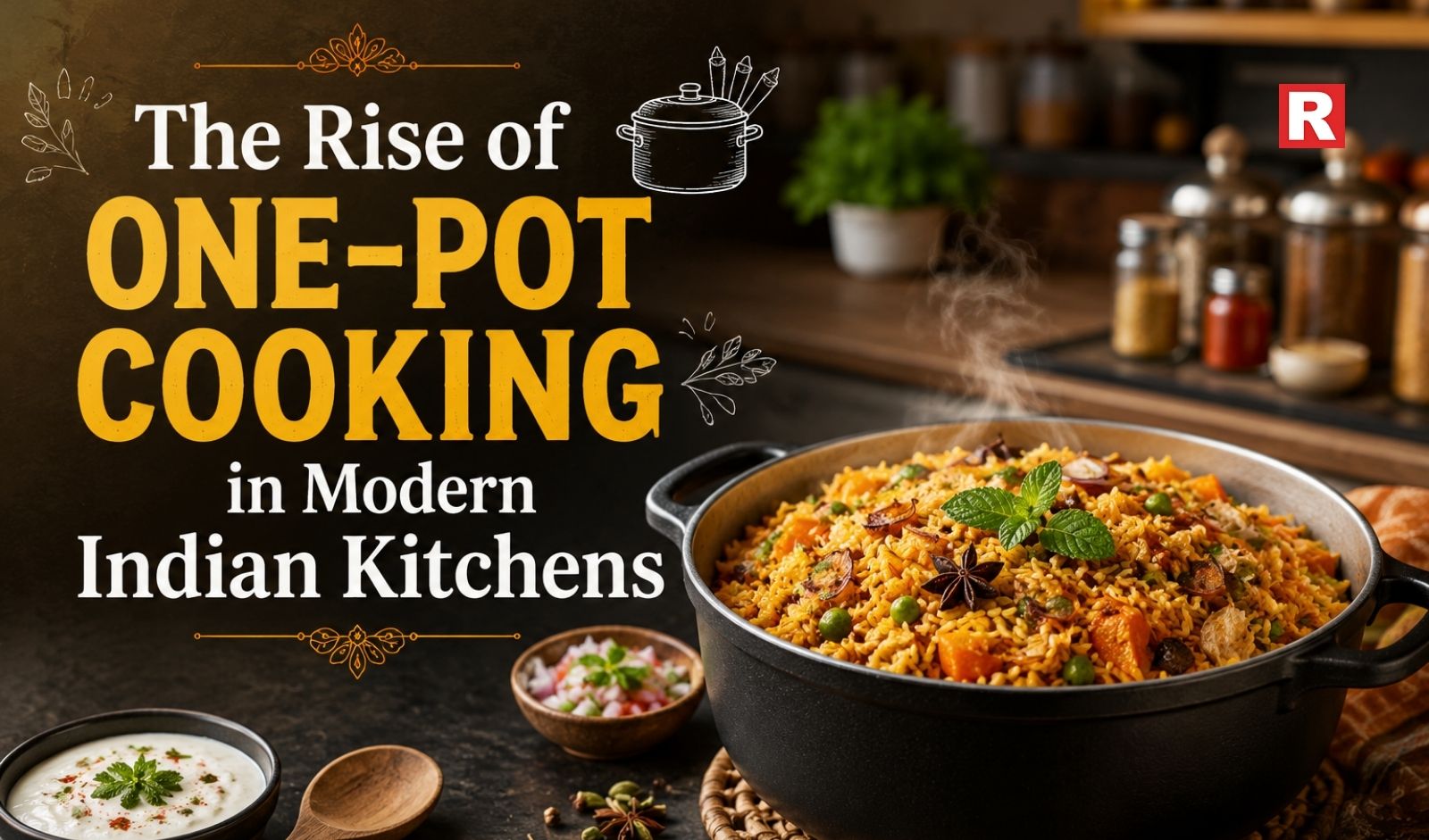
Dum cooking is one of the clearest examples of traditional heat and moisture management. Food is cooked in a covered vessel over low heat. In some preparations, the lid is sealed with dough. The trapped steam stays inside the vessel and continues cooking the ingredients. Biryani is perhaps the most familiar example. But the principle is broader. Sealed cooking allows ingredients to cook slowly while reducing the escape of moisture and aroma. The dough seal is therefore not simply part of the presentation. It creates a controlled cooking environment. Modern kitchens achieve similar results through covered braising, Dutch ovens and controlled steam ovens. The equipment has changed, but the basic idea remains the same.
2. Fermentation: India's Original Food Biotechnology
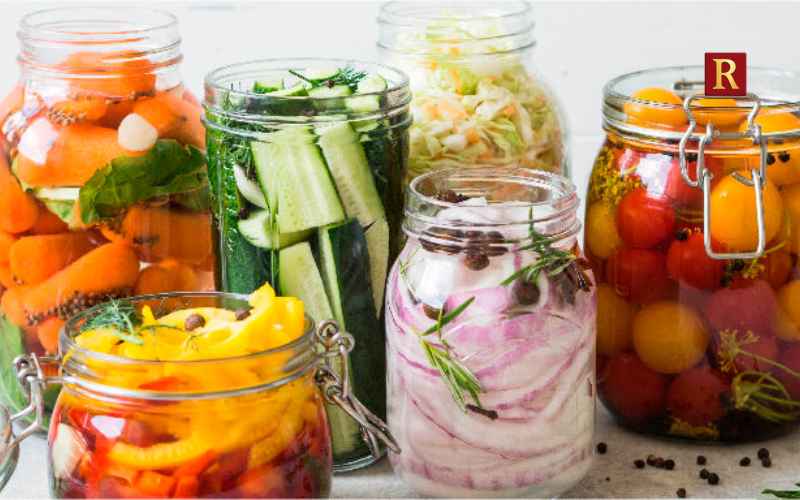
Fermentation is no longer limited to traditional kitchens. It is now a major area of interest for chefs, food companies and restaurants. The process uses microorganisms such as lactic acid bacteria and yeasts to transform food. These microorganisms can change acidity, aroma, texture and flavour. Fermentation can also improve the digestibility of some ingredients. Indian food has a particularly broad fermentation culture. Idli, dosa, dhokla, kanji and several regional foods use fermentation in different ways.
A 2026 review of fermented foods from India describes fermentation as an important process for flavour development, preservation and changes in nutritional characteristics. It identifies lactic acid bacteria, yeasts and other microorganisms as key players. Recent research on traditional fermented foods is becoming even more precise. A 2026 study of gundruk, for example, identified several lactic-acid-bacteria groups involved in its fermentation. The modern lesson is simple: fermentation is not just an old recipe step. It is controlled biological processing.
3. Stone Grinding: When Texture Starts Before Cooking
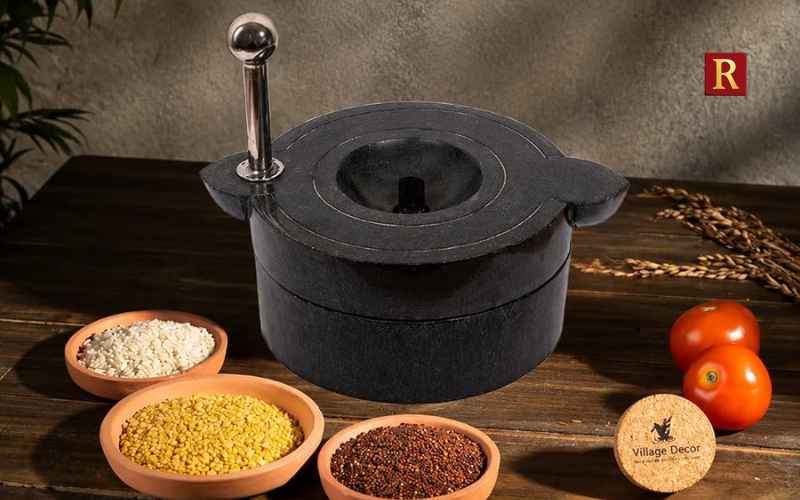
The grinding stone is easy to dismiss as an old kitchen tool. But grinding is also a form of texture control. The pressure, movement and duration of grinding affect the final particle size of ingredients. This can influence how a paste feels, how it absorbs moisture and how its oils are released. This matters for spice pastes, chutneys, coconut preparations and grain-based foods. A blender can make an ingredient smooth in seconds. But speed does not always produce the same texture as slow grinding.
That difference is important in professional cooking, where mouthfeel can be as important as flavour. Traditional grinding practices also remain relevant beyond heritage demonstrations. Research has documented continued use of stone grinding tools for processing grains, pulses and plant foods in parts of India. The lesson is that the tool itself can influence the final dish.
4. Dhungar: The Traditional Smoke Infusion
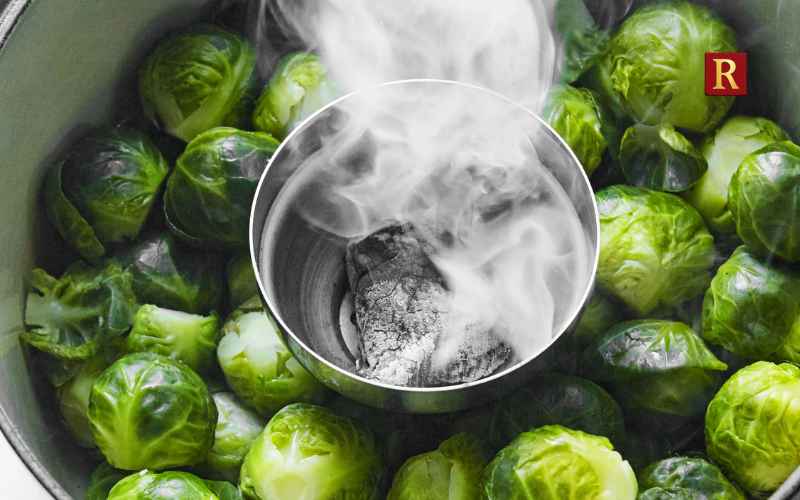
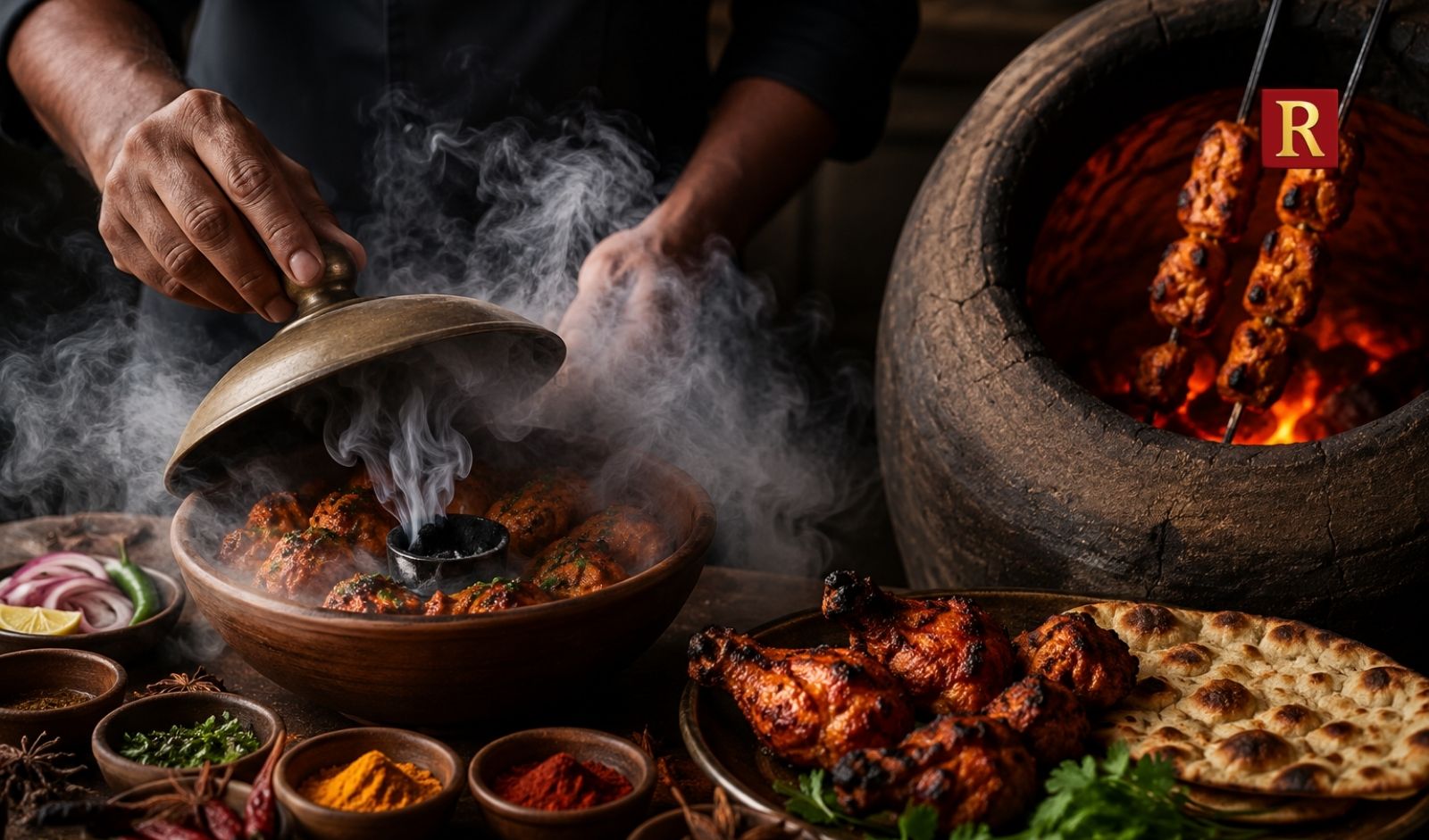
Smoke has become fashionable in modern restaurants. Smoked cocktails, smoked butter, smoked meats and tableside smoking are now familiar sights. Indian kitchens have used a much simpler approach for generations. In the dhungar technique, a hot coal is placed inside or near the food. Ghee or another fat is added to the coal, producing smoke that is briefly trapped inside the vessel. The technique can add a distinct smoky aroma to dal, kebabs and other preparations.
The interesting part is that dhungar does not require a large smoker. A small source of heat, a little fat and a covered vessel can create a noticeable sensory change. For modern restaurants, this makes dhungar an interesting example of how an old technique can create a premium flavour experience with relatively simple equipment.
5. Bhunao: Building a Curry Before It Becomes a Curry
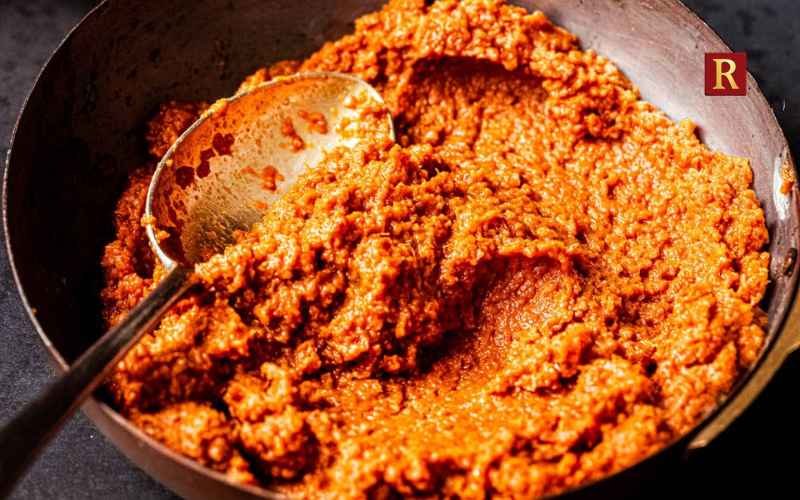
Bhunao is often described simply as frying a masala. The actual process is more important than that. Onions, ginger, garlic, tomatoes and spices are cooked in fat while moisture gradually reduces. The mixture becomes thicker and more concentrated. One useful visual cue is the point at which the masala becomes glossy and the fat begins to separate. This is not about following an exact cooking time. The amount of water in the ingredients, pan size and heat level can all change the process.
Bhunao therefore requires observation. The technique also shows why a restaurant curry can taste very different from one made by quickly cooking the same ingredients together. Time spent reducing the masala changes its concentration, aroma and texture.
6. Tadka: A Few Seconds That Change the Dish
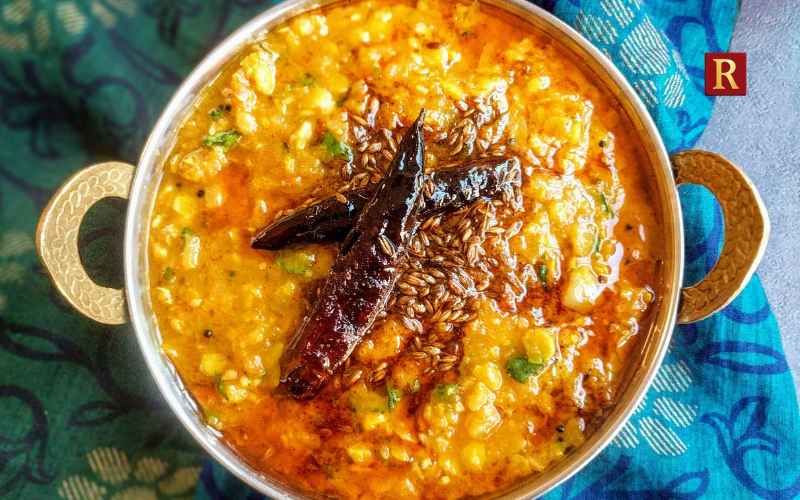
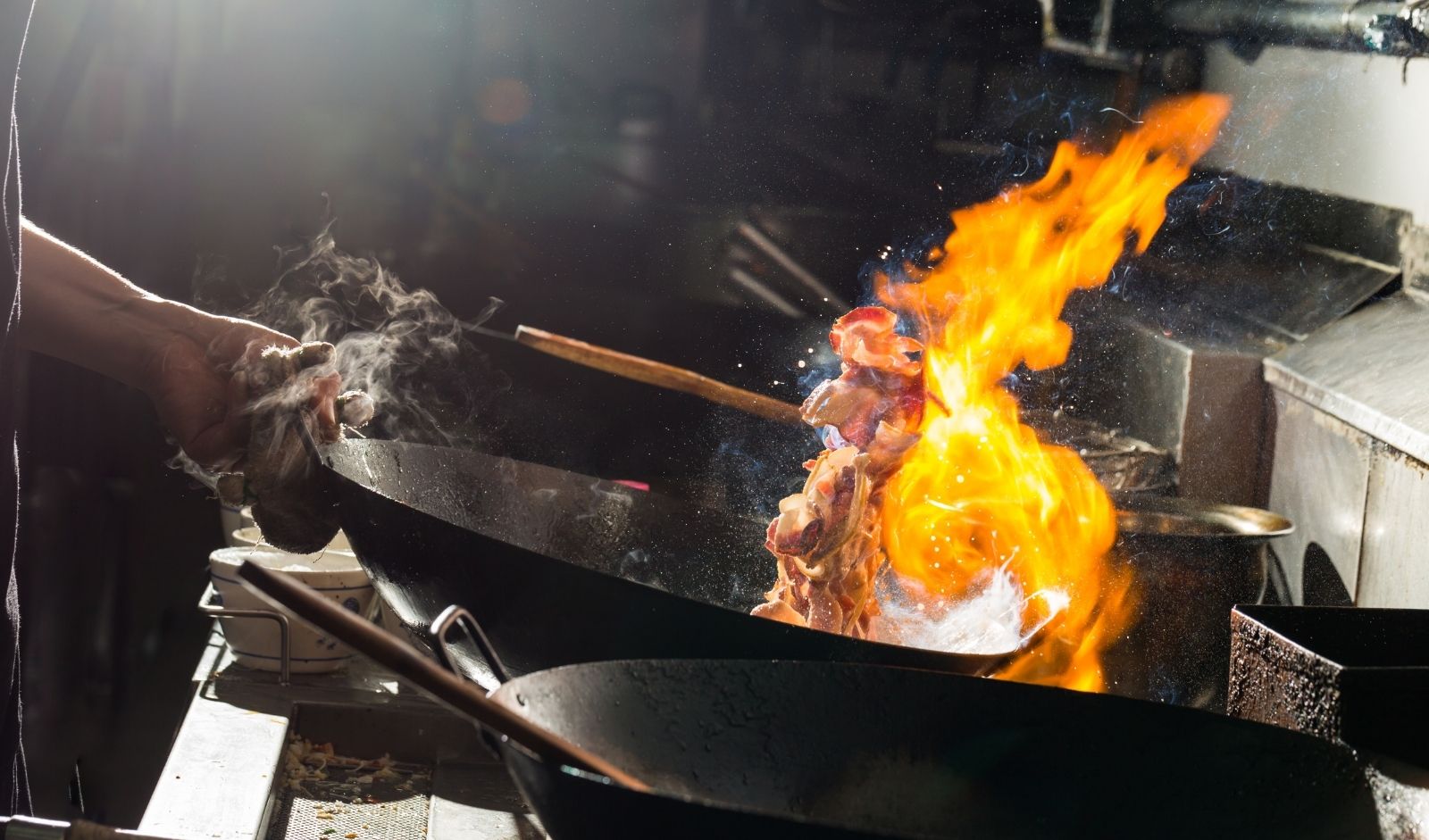
Tadka is one of the fastest traditional techniques, but it requires precision. Whole spices such as cumin or mustard seeds, along with ingredients such as curry leaves, dried chillies or garlic, are heated in oil or ghee. The hot fat helps release aromatic compounds from the spices and carries those compounds into the dish.
Research and contemporary culinary explanations both highlight the role of heat, fat and timing in tempering. If the temperature is too low, the spices may not release enough aroma. If they remain in hot fat for too long, they can burn and create bitterness. That makes tadka more than a finishing step. It is a flavour-delivery system. Modern chefs use similar principles when working with infused oils, flavoured butter and aromatic fats.
7. Steaming: The Quiet Technique With Precise Heat Control
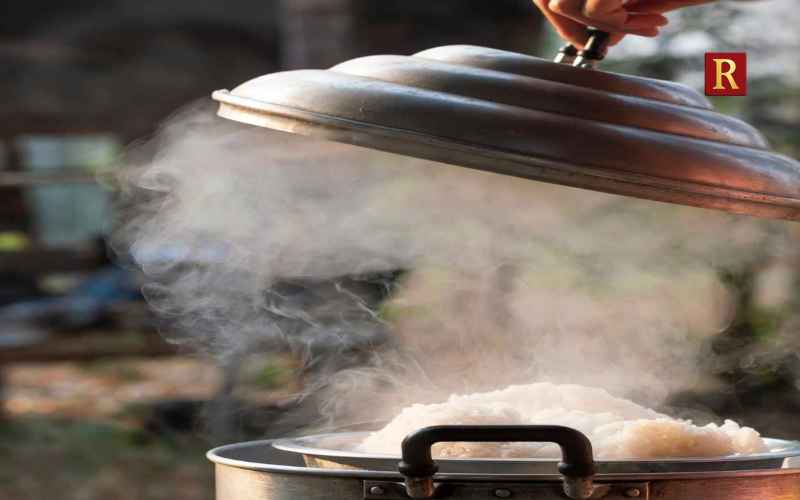
Steaming may appear simple, but it is an efficient way of transferring heat. Instead of placing food directly into boiling water, steam surrounds the food and cooks it through moist heat. India has a wide range of steamed foods, including idli, dhokla, puttu and several regional rice and grain preparations. The technique can produce soft textures while avoiding direct contact between the food and a large volume of cooking water. Modern restaurants have upgraded the equipment with steam ovens and combi ovens. But the basic principle remains unchanged. The technology is newer. The cooking science is not.
8. Pit Cooking: India's Natural Oven
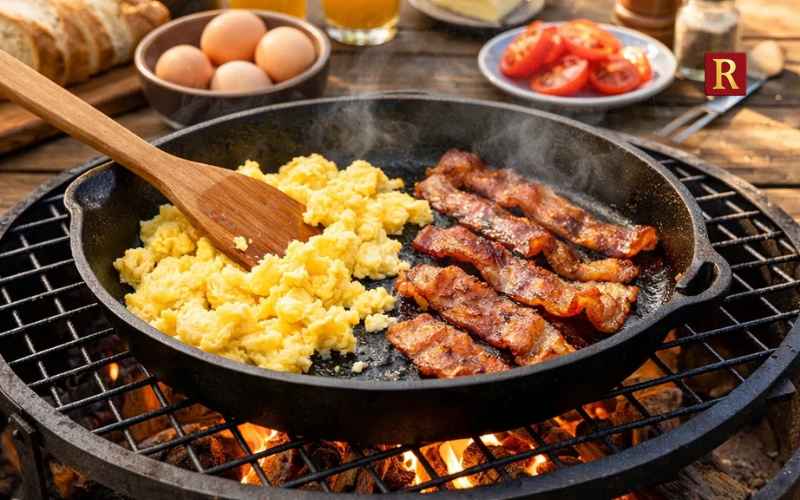
Pit cooking takes heat management in a completely different direction. Food is placed in a heated pit or around hot coals and may be covered with leaves, dough, soil or other insulating material, depending on the regional method. The pit acts as a slow cooking chamber. Heat from the surrounding material moves gradually into the food. This is essentially a natural form of thermal insulation. The method also connects with the growing interest in live-fire and earth cooking. Modern chefs often use wood, charcoal and specialised ovens to create similar slow, smoky cooking environments. Traditional pit cooking shows that sophisticated heat control does not always require sophisticated machinery.
From Old Kitchen Skills to Modern Restaurant Tools
The biggest reason these techniques have survived is that they solve problems every kitchen still faces. A chef still needs to control heat. A restaurant still needs to build flavour. Food still needs the right texture. Moisture still affects cooking. Aromatics still need to be extracted carefully. That is why traditional techniques can sit comfortably beside modern equipment. A combi oven may offer precise temperature control, but it does not make dum cooking irrelevant. A blender may save time, but it does not automatically reproduce every texture created by grinding. A smoker may offer consistency, but dhungar can still provide a different way of introducing smoke.
Traditional cooking is therefore not necessarily the opposite of modern cooking. In many cases, it is the foundation on which modern techniques were built. The most interesting future for these methods may not be about recreating the past exactly. It could be about understanding why they worked and applying those principles to today's kitchens. For restaurants, that means tradition can become more than a story on the menu. It can become a working technique.
Saptopriya Ghosal
Feature Writer
I am a dedicated media professional with a bachelor's degree in mass communication from the State University of Calcutta and a postgraduate degree from Amity University. My academic journey has equipped me with a profound understanding of storytelling and communication. Passionate about the dynamic world of media, I continually strive to explore new ways to engage and inform through compelling narratives.