8 Reasons Low-ABV Drinks Are Gaining Popularity
The message from today's drinkers is clear: enjoying alcohol is no longer about drinking more. It is about finding the right balance between flavor, experience, and moderation.

The way people drink is changing. For decades, alcoholic beverages were often associated with high alcohol content, late-night parties, and indulgence. Today, consumers are taking a different approach. They are becoming more mindful about what they drink, how much they drink, and how alcohol fits into their lifestyle. This shift has led to the rapid rise of low-ABV drinks. These beverages contain less alcohol than traditional beer, wine, or spirits while still offering flavor, social enjoyment, and premium experiences. From session beers and spritzers to light cocktails and ready-to-drink beverages, low-ABV options are becoming a major force in the global beverage industry. According to IWSR, the global no- and low-alcohol market continues to expand across key markets, with millions of consumers actively seeking moderation. What was once considered a niche category is now becoming mainstream.
What Are Low-ABV Drinks?
Low-ABV (Alcohol by Volume) drinks are beverages that contain less alcohol than traditional alcoholic drinks. While standard beers, wines, and spirits often have higher alcohol content, low-ABV beverages typically range between 0.5% and 8% ABV, allowing consumers to enjoy alcohol in moderation without sacrificing taste or the social experience.
Key Characteristics of Low-ABV Drinks
Lower Alcohol Content: These beverages contain significantly less alcohol than regular beer, wine, or cocktails, making them suitable for mindful consumption.
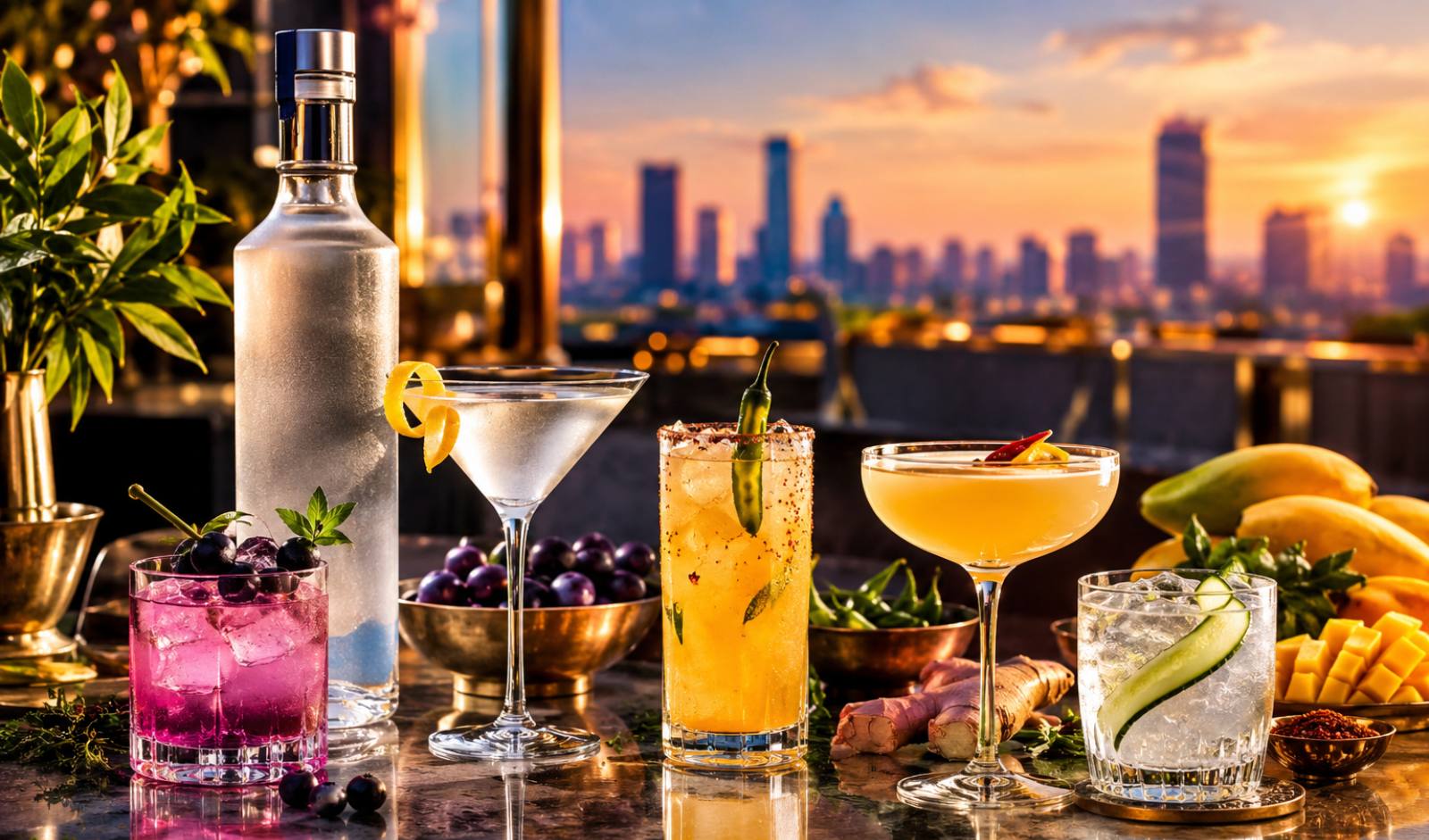
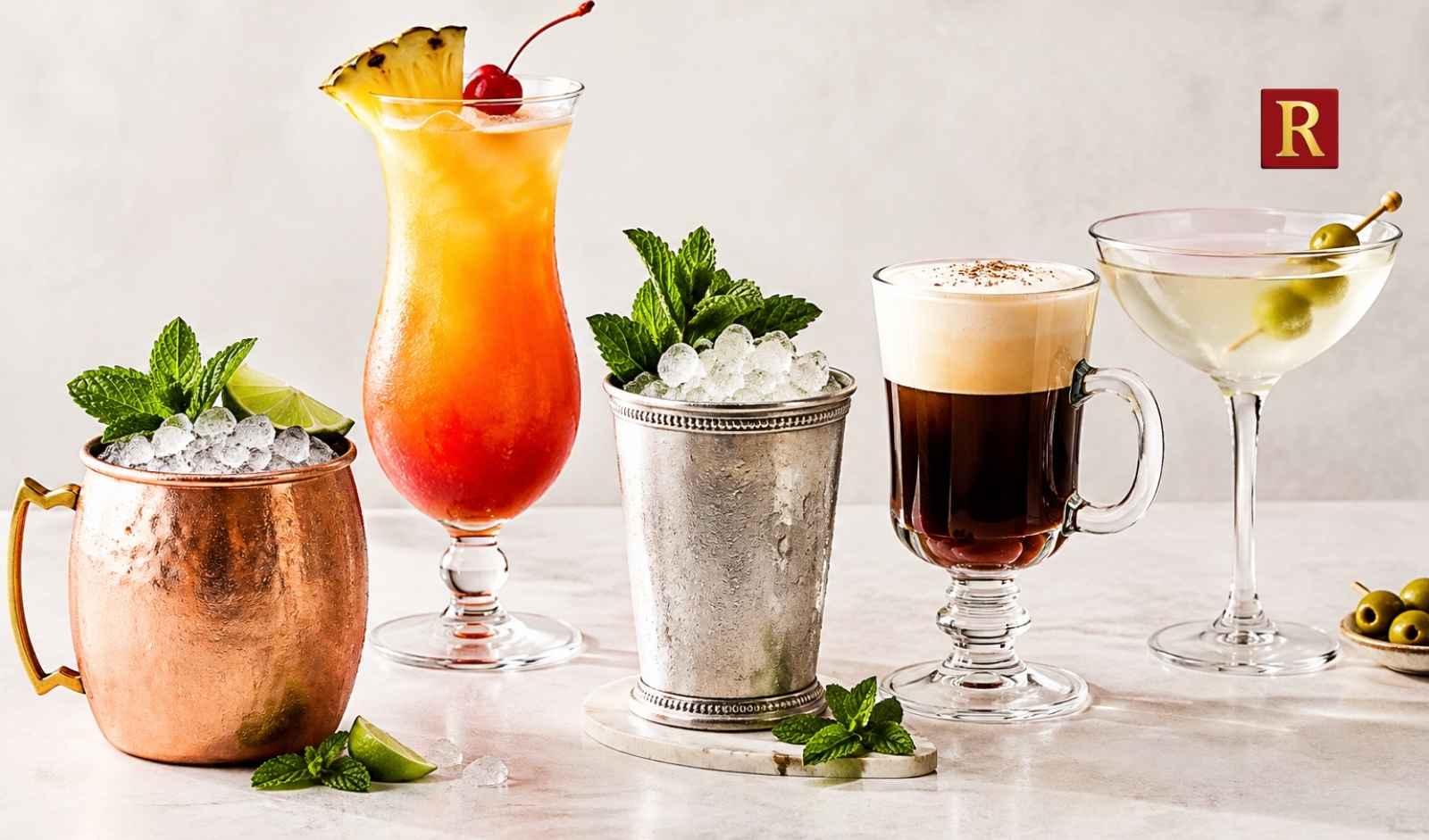
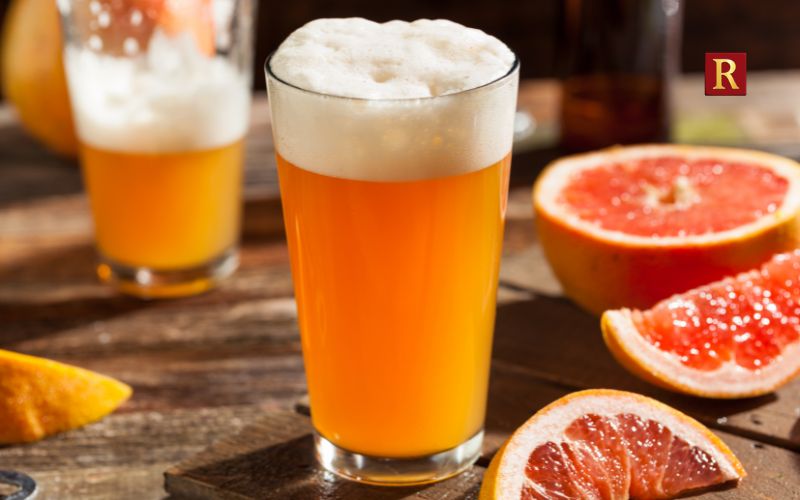
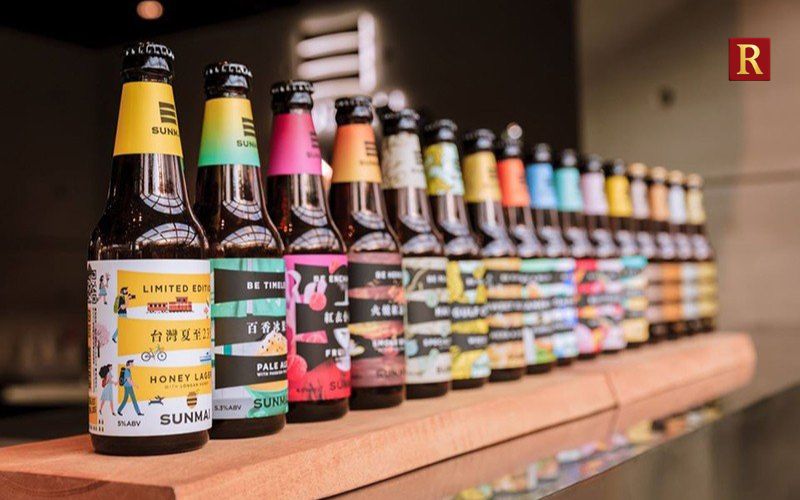
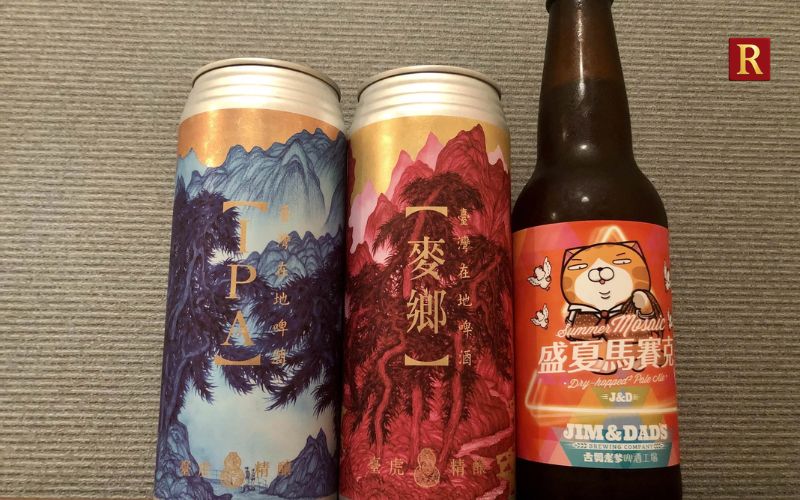
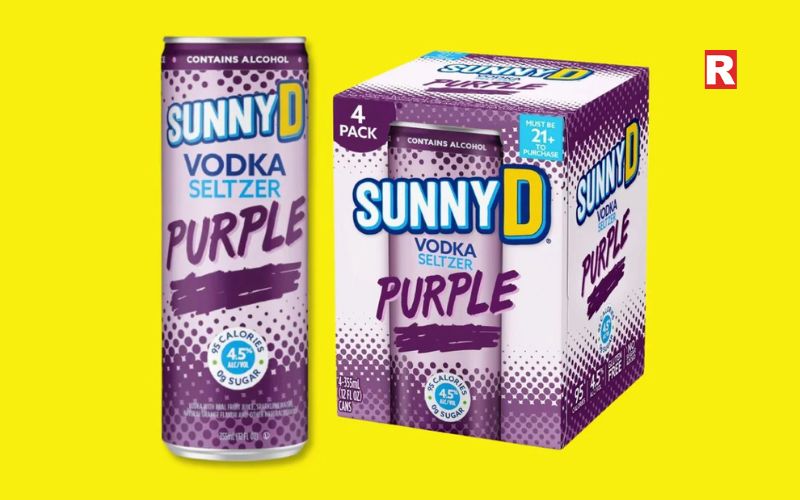
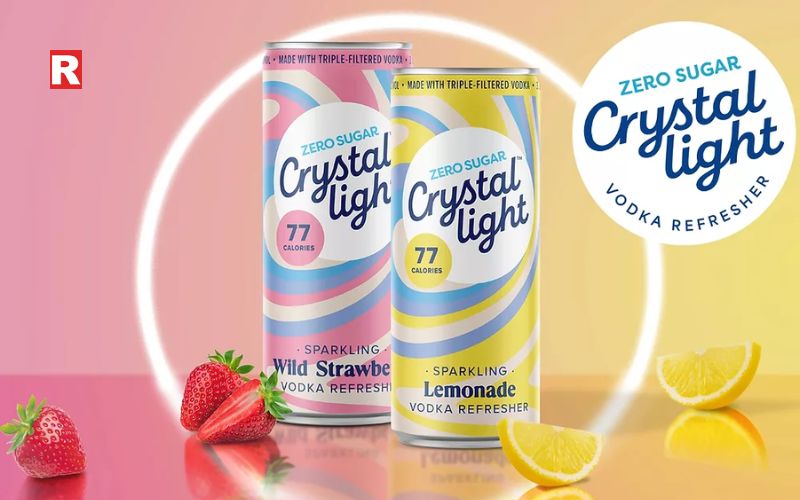
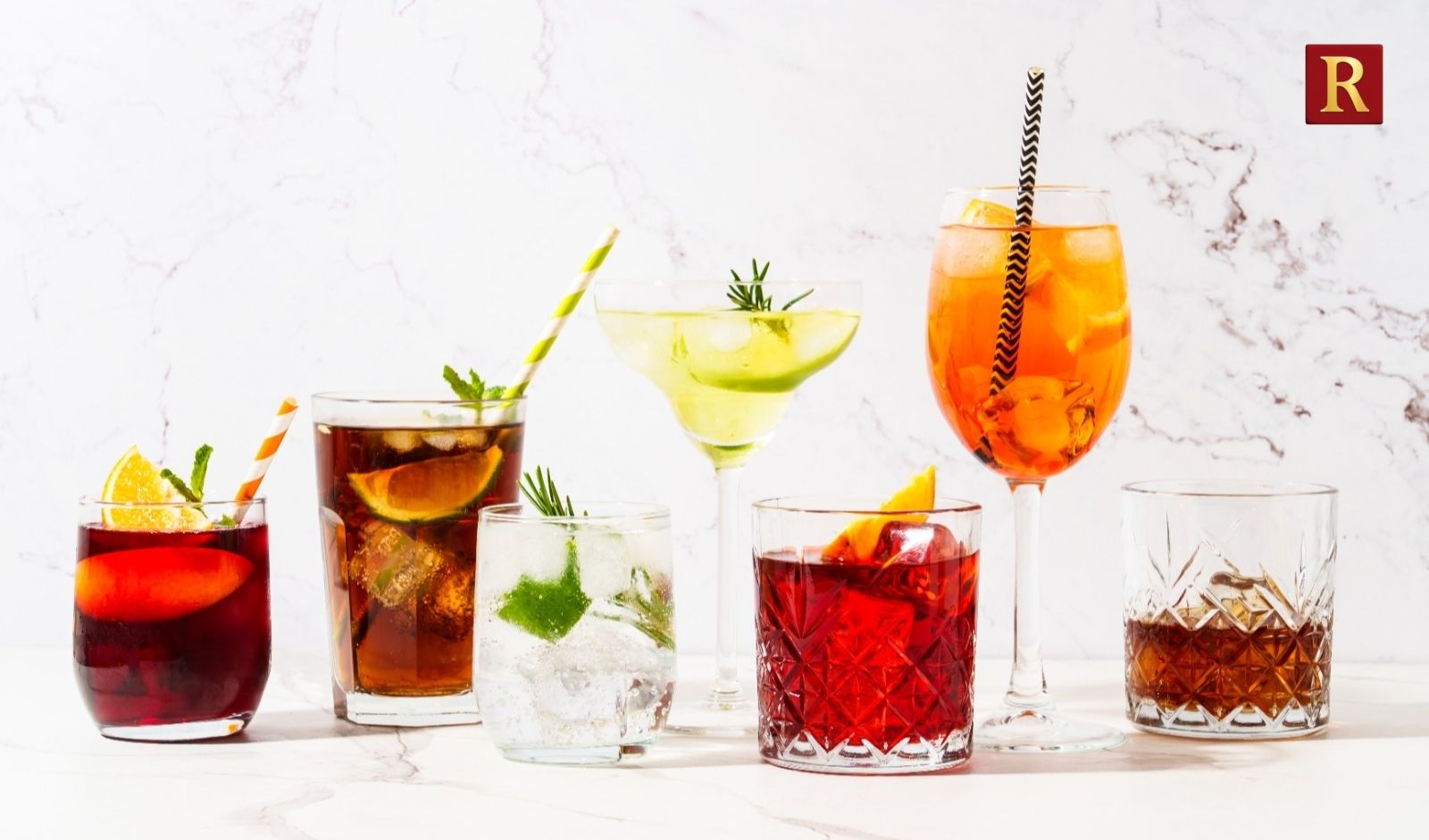
Wide Variety of Options: The category includes session beers, wine spritzers, hard seltzers, aperitifs, ready-to-drink cocktails, and low-alcohol spirits.
Flavor-Focused Experience: Modern low-ABV drinks are designed to deliver rich flavors, aromas, and complexity despite their reduced alcohol content.
Supports Moderation: They allow consumers to enjoy social occasions while reducing overall alcohol intake.
Growing Market Appeal: Increasing health awareness, wellness trends, and changing consumer preferences are driving demand for these beverages across global markets.
Find 8 Reasons Low-ABV Drinks Are Gaining Popularity
1. Mindful Drinking Has Become a Lifestyle Choice
One of the biggest drivers behind the popularity of low-ABV beverages is the rise of mindful drinking. Consumers today are paying more attention to their health and daily habits. They want to enjoy social occasions without overconsuming alcohol. Instead of giving up drinking completely, many are choosing moderation. This trend is especially visible among urban professionals who want to balance work, social life, fitness, and personal well-being. A drink with 3 to 5 percent alcohol can provide the same social experience as a stronger beverage without the heavy effects. People are becoming more intentional about their choices. The focus is no longer on drinking more. It is about drinking smarter.
2. Gen Z Is Redefining Drinking Culture
Generation Z is changing the alcohol industry in ways that previous generations did not. Young consumers are more health-conscious and experience-driven. They are less interested in excessive drinking and more interested in quality experiences. Many prefer beverages that complement social activities rather than dominate them. Research from several global consumer studies shows that Gen Z drinks less alcohol than Millennials and Generation X did at the same age. Instead, they prioritize wellness, fitness, mental health, and productivity. This generation is also highly informed. They read labels, check ingredients, and evaluate products based on transparency and quality. As Gen Z's purchasing power grows, beverage companies are responding with innovative low-ABV products designed specifically for these preferences.
3. Health and Wellness Trends Continue to Influence Choices
The health and wellness movement has transformed nearly every food and beverage category. Consumers are increasingly tracking calories, sugar intake, sleep quality, and exercise performance. Alcohol often becomes part of this conversation because excessive consumption can affect all these areas. Low-ABV drinks offer a middle ground. They allow people to enjoy alcoholic beverages while reducing overall alcohol intake. For example, a standard spirit-based cocktail may contain 12 to 15 percent alcohol or more. A low-ABV spritz or session cocktail may contain only 3 to 8 percent alcohol. This difference can significantly reduce alcohol consumption during an evening. Many low-ABV beverages also contain fewer calories than traditional alcoholic drinks, making them attractive to consumers seeking balanced lifestyles.
4. Consumers Want to Avoid Next-Day Fatigue
One common reason people are choosing low-ABV drinks is simple. They want to feel better the next day. Modern lifestyles are busy. People have work commitments, fitness routines, family responsibilities, and social plans. Spending an entire day recovering from heavy drinking has become less appealing. Low-ABV beverages allow consumers to participate in celebrations, dinners, and social gatherings without experiencing the same level of fatigue often associated with higher alcohol consumption. This is particularly important among working professionals who want to remain productive and active after social events. The desire to wake up feeling refreshed is becoming a major purchasing factor across beverage categories.
5. Innovation Has Improved Taste and Quality
A few years ago, many consumers believed that low-alcohol drinks lacked flavor and complexity. That perception is changing rapidly. Advances in brewing technology, fermentation science, flavor extraction, and dealcoholization techniques have dramatically improved product quality. Today, beverage companies can create drinks that deliver rich aromas, balanced flavors, and premium experiences while maintaining lower alcohol levels. Craft breweries, wineries, and spirit brands are investing heavily in research and development. They are experimenting with botanicals, herbs, fruits, spices, and innovative fermentation methods to create unique flavor profiles. As a result, consumers no longer feel they are compromising on taste when choosing low-ABV options.
6. They Fit Modern Social Occasions
Social habits have evolved significantly over the past decade. Consumers are increasingly participating in daytime events, brunch gatherings, outdoor festivals, wellness retreats, and casual meetups. These occasions often call for lighter drinking experiences. Low-ABV beverages fit naturally into these settings. A light spritzer at brunch or a session beer during an afternoon gathering allows people to enjoy the occasion without feeling overly affected by alcohol. This flexibility has made low-ABV drinks popular across multiple consumption occasions. They are no longer limited to specific demographics or niche markets. Restaurants, bars, and hotels are also adapting their menus to meet this growing demand.
7. Premium Experiences Are No Longer Defined by Alcohol Strength
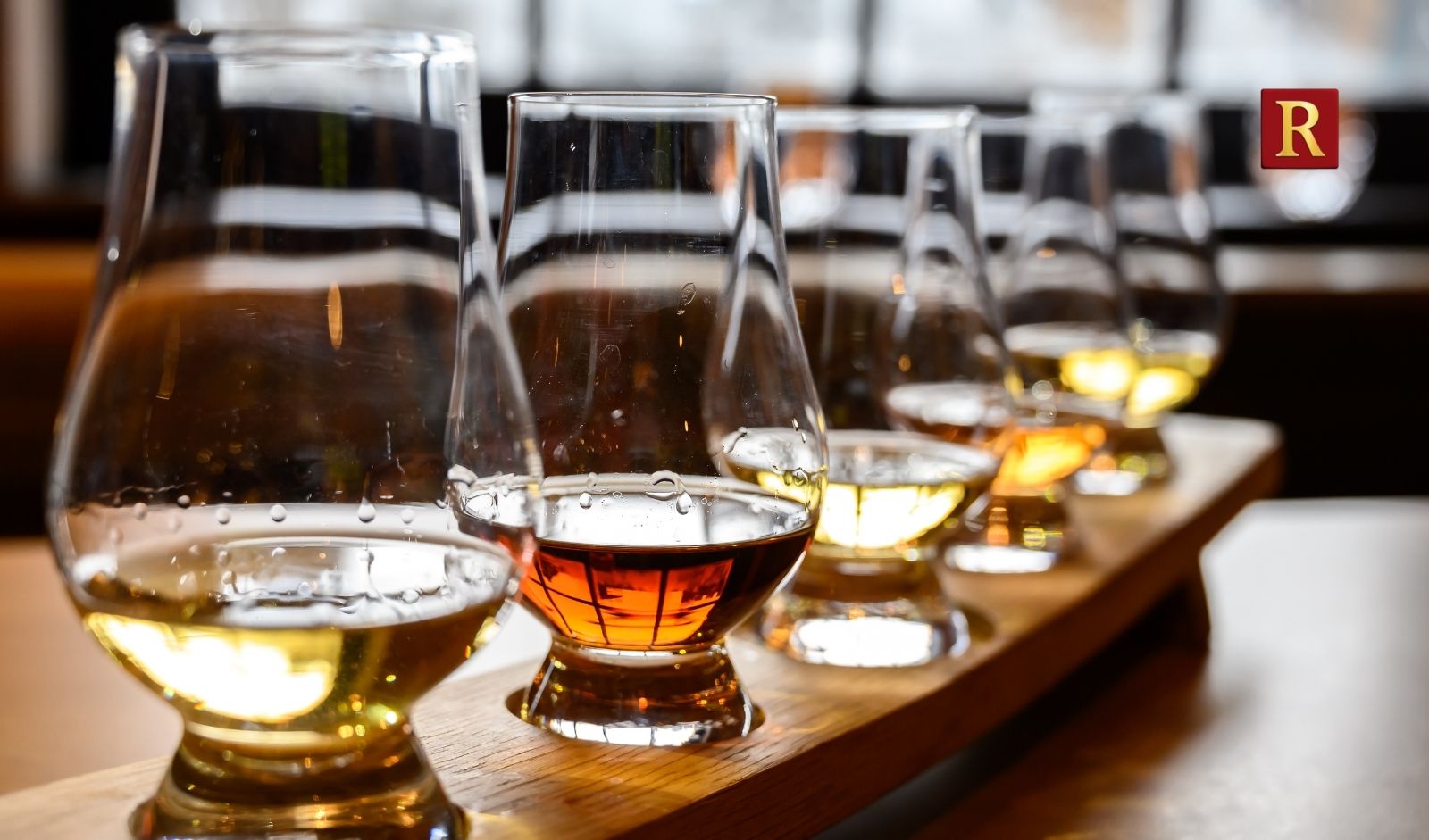
For many years, stronger drinks were often associated with premium quality. Today, consumers evaluate products differently. They care about ingredients, craftsmanship, sustainability, authenticity, and flavor complexity. Alcohol content is no longer the primary measure of value. This shift has opened new opportunities for premium low-ABV products. Many brands are positioning low-alcohol beverages as sophisticated options rather than compromises. Premium packaging, carefully sourced ingredients, and artisanal production methods are helping elevate the category. Consumers are increasingly willing to pay premium prices for drinks that align with their lifestyle values and personal preferences. This trend is particularly noticeable in metropolitan markets where consumers actively seek unique and elevated drinking experiences.
8. Hospitality Businesses See Significant Growth Potential
The rise of low-ABV drinks is not just benefiting consumers. It is also creating new opportunities for hospitality operators. Bars and restaurants are discovering that offering a broader range of low-alcohol beverages helps attract more diverse customer groups. Guests who previously limited their alcohol consumption now have more appealing options. Many consumers alternate between regular alcoholic drinks and low-ABV beverages during the same occasion. This behavior allows them to stay longer, enjoy more experiences, and maintain moderation. As a result, operators can increase beverage sales while meeting evolving customer expectations. Several leading hospitality brands have already expanded their low-ABV menus, recognizing that moderation is becoming a permanent consumer behavior rather than a temporary trend.
The Technology Powering the Low-ABV Revolution
Advanced Dealcoholization: Modern dealcoholization techniques remove alcohol from beverages while preserving their original aroma, flavor, and mouthfeel. This helps brands create low-ABV products without compromising on taste.
Precision Fermentation: Producers use controlled fermentation processes to manage alcohol levels more accurately. This allows them to develop beverages with consistent quality and lower alcohol content.
Botanical Extraction Technology: Ingredients such as herbs, spices, flowers, and fruits are extracted using advanced methods to add depth and complexity, reducing the need for high alcohol levels to deliver flavor.
Functional Ingredients: Many brands are incorporating adaptogens, natural extracts, and wellness-focused botanicals into their drinks. These ingredients appeal to health-conscious consumers looking for more than just alcohol.
Together, these innovations are helping beverage companies meet growing demand for flavorful, premium, and wellness-oriented drinking experiences.
Looking Ahead!
The future looks promising for low-ABV beverages. Industry analysts expect continued growth as health consciousness, moderation, and premiumization shape consumer behavior. The trend is particularly strong among younger consumers, urban professionals, and wellness-focused individuals. However, its appeal now extends across multiple age groups and demographics. Low-ABV drinks represent more than a passing fad. They reflect a broader cultural shift toward balance, intentional consumption, and better lifestyle choices. As consumers continue to prioritize well-being without sacrificing social experiences, low-ABV beverages are likely to become a permanent and increasingly important part of the global drinks landscape. The message from today's drinkers is clear: enjoying alcohol is no longer about drinking more. It is about finding the right balance between flavor, experience, and moderation.
Saptopriya Ghosal
Feature Writer
I am a dedicated media professional with a bachelor's degree in mass communication from the State University of Calcutta and a postgraduate degree from Amity University. My academic journey has equipped me with a profound understanding of storytelling and communication. Passionate about the dynamic world of media, I continually strive to explore new ways to engage and inform through compelling narratives.