8 Premium Vodka Trends Changing India's Drinking Culture
Whether premium vodka can sustain this momentum will depend on how successfully brands combine product quality, recognisable identity, distribution and genuine consumer interest.

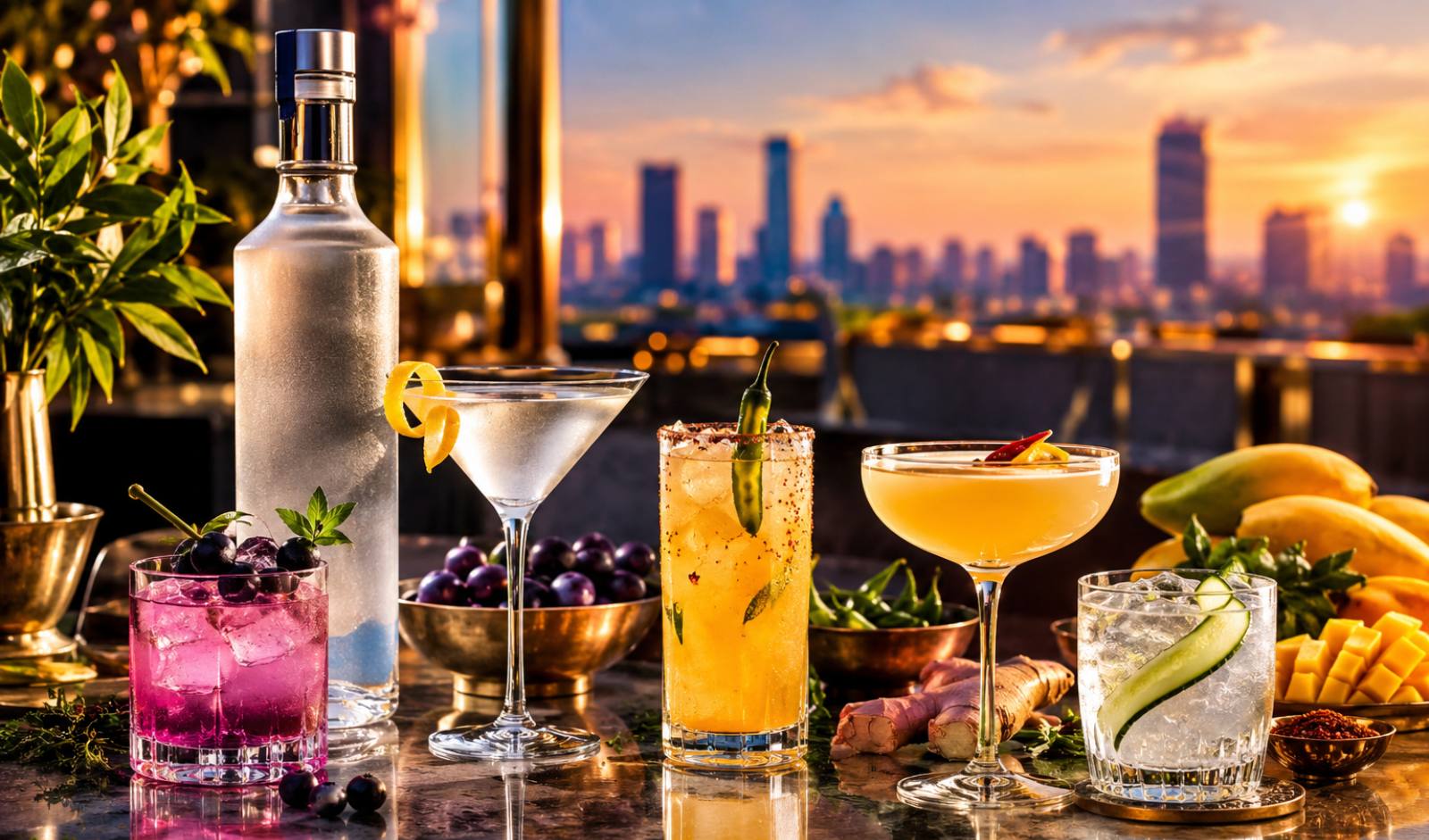
Premium vodka in India is moving beyond the idea of a clear, neutral spirit served with soda or tonic. Brands are experimenting with Indian fruit flavours, highlighting their production methods and working with bars to create more distinctive cocktail experiences. Consumers and hospitality businesses are also paying greater attention to what makes one bottle different from another.
The wider alcoholic beverage industry is reflecting this shift. According to the International Spirits & Wines Association of India (ISWAI), India's premium alcohol segment recorded a compound annual growth rate (CAGR) of 10.2 percent between 2022 and 2025, compared with 1.4 percent for regular products. This indicates a broader move towards premium products, although it does not represent vodka-specific growth. For vodka brands, the opportunity lies in building a stronger identity through flavour, production, packaging and hospitality partnerships. Here are eight premium vodka trends shaping India's evolving spirits market.
8 Premium Vodka Trends Changing India's Drinking Culture
1. Premium Vodka Is Competing on More Than Price
Premiumisation is no longer just about placing a higher price on a bottle. Brands must communicate why their products deserve a place in a consumer's consideration.
- Production becomes a selling point: Brands highlight their base ingredients, distillation processes, filtration methods and water treatment to explain how their vodka is made.
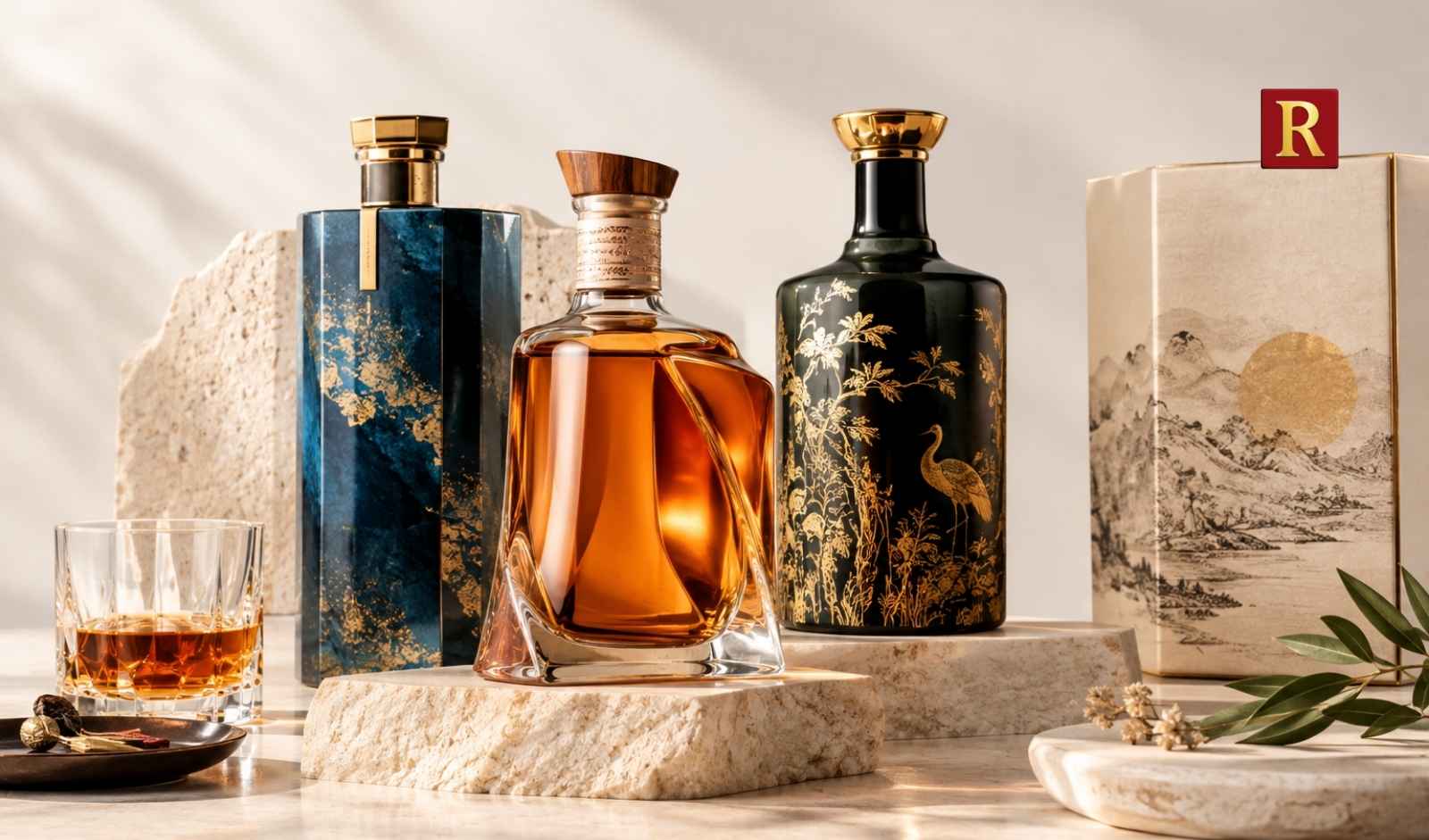
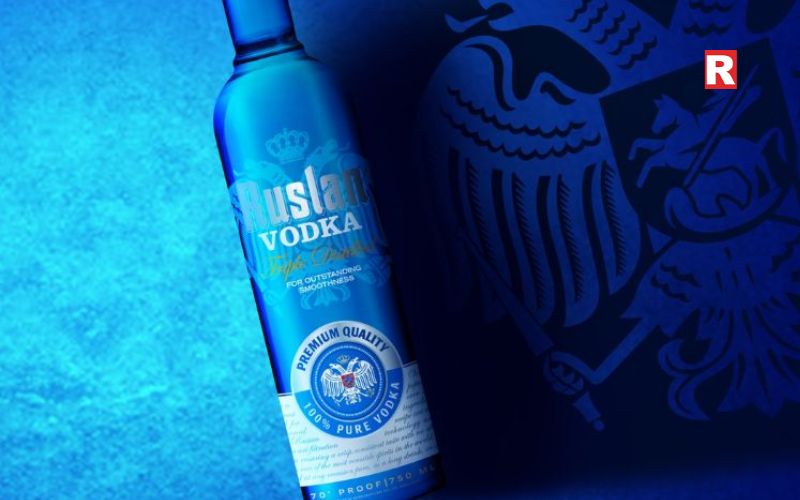
- Packaging builds recognition: Bottle shape, label design and visual identity help products stand out in premium retail stores and back bars.
- Quality claims face greater scrutiny: Terms such as smooth, pure and premium need meaningful context. More distillation stages or elaborate packaging do not automatically establish superior quality.
The broader industry figures suggest that premium positioning is becoming more important to alcohol businesses. However, vodka brands still need to demonstrate how their product characteristics justify a price difference.
2. Indian Flavours Are Giving Vodka a Distinctive Identity
Indian fruit and spice profiles are providing an alternative to familiar international flavour combinations. Instead of relying exclusively on citrus and berry notes, brands are exploring flavours that consumers recognise from local fruits, snacks and seasonal ingredients.
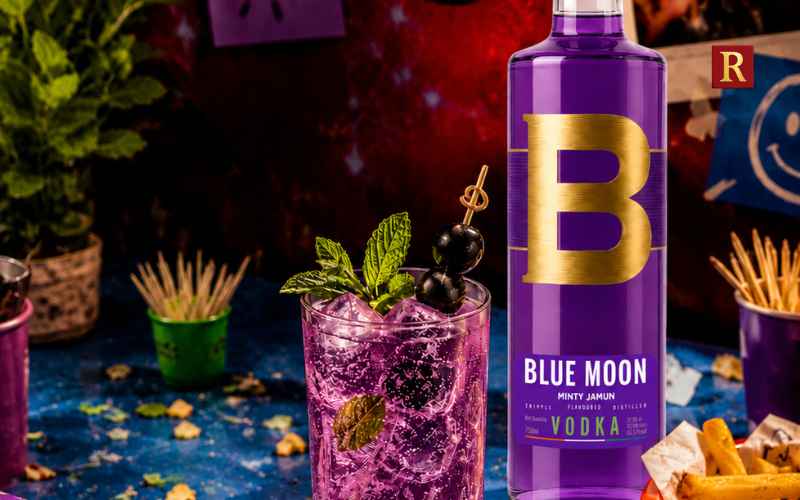
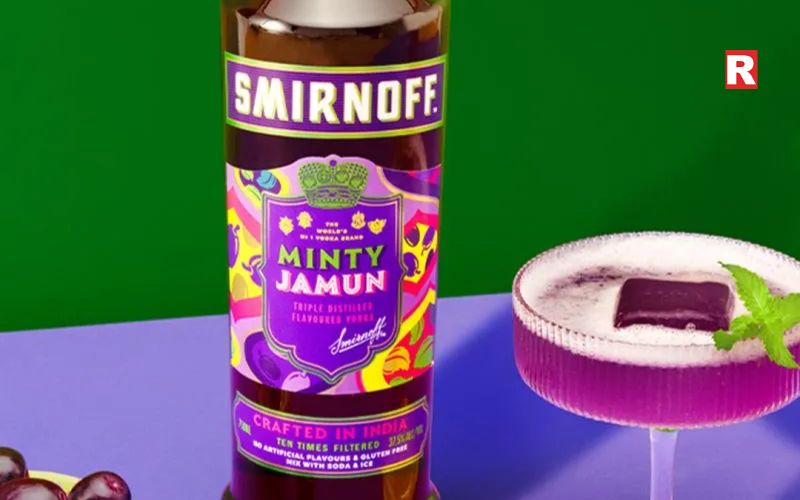
- Fruit-led experimentation: Jamun, mango and raw mango offer different combinations of sweetness, acidity and aroma.
- Spice-forward profiles: Chilli and mint introduce heat and freshness, creating possibilities for more complex flavour combinations.
- Regional identity: Familiar Indian ingredients can help brands develop products that stand apart from generic international flavour ranges.
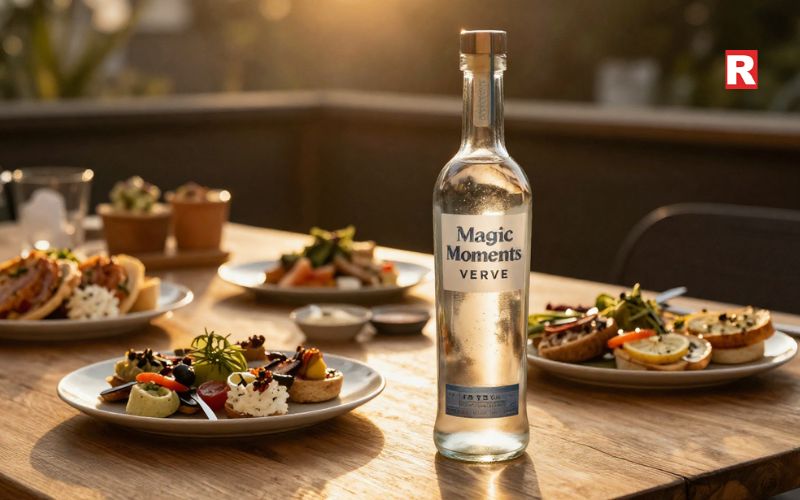
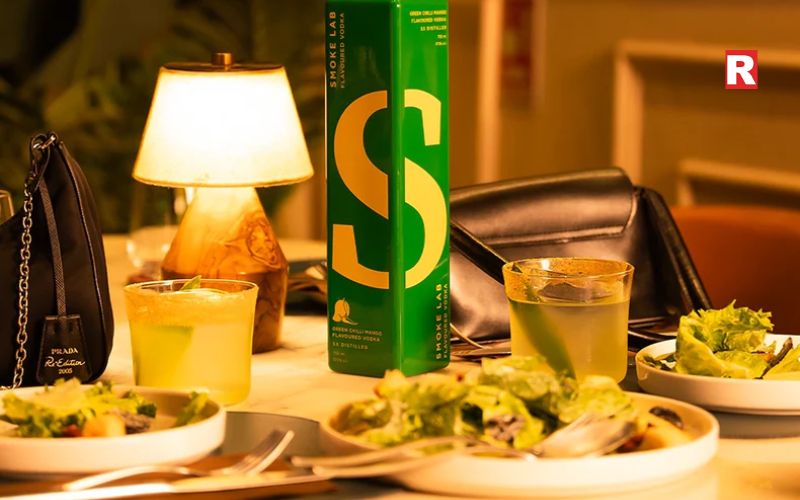
Magic Moments has introduced expressions including Alphonso Mango, Thandaai and Jamun SpicyMint. Smoke Lab has also developed a Green Chilli Mango expression. These products illustrate how Indian-inspired flavours are entering vodka portfolios. The commercial challenge is to turn an unusual flavour into a product with consistent quality and lasting appeal. A flavour that generates curiosity at launch may not necessarily generate repeat purchases.
3. Cocktail Menus Are Becoming Important to Premium Vodka Brands
A vodka's reputation can be shaped by how a bartender uses it. Restaurants, hotels and cocktail bars offer brands an opportunity to demonstrate their products through signature serves rather than relying only on bottle displays.
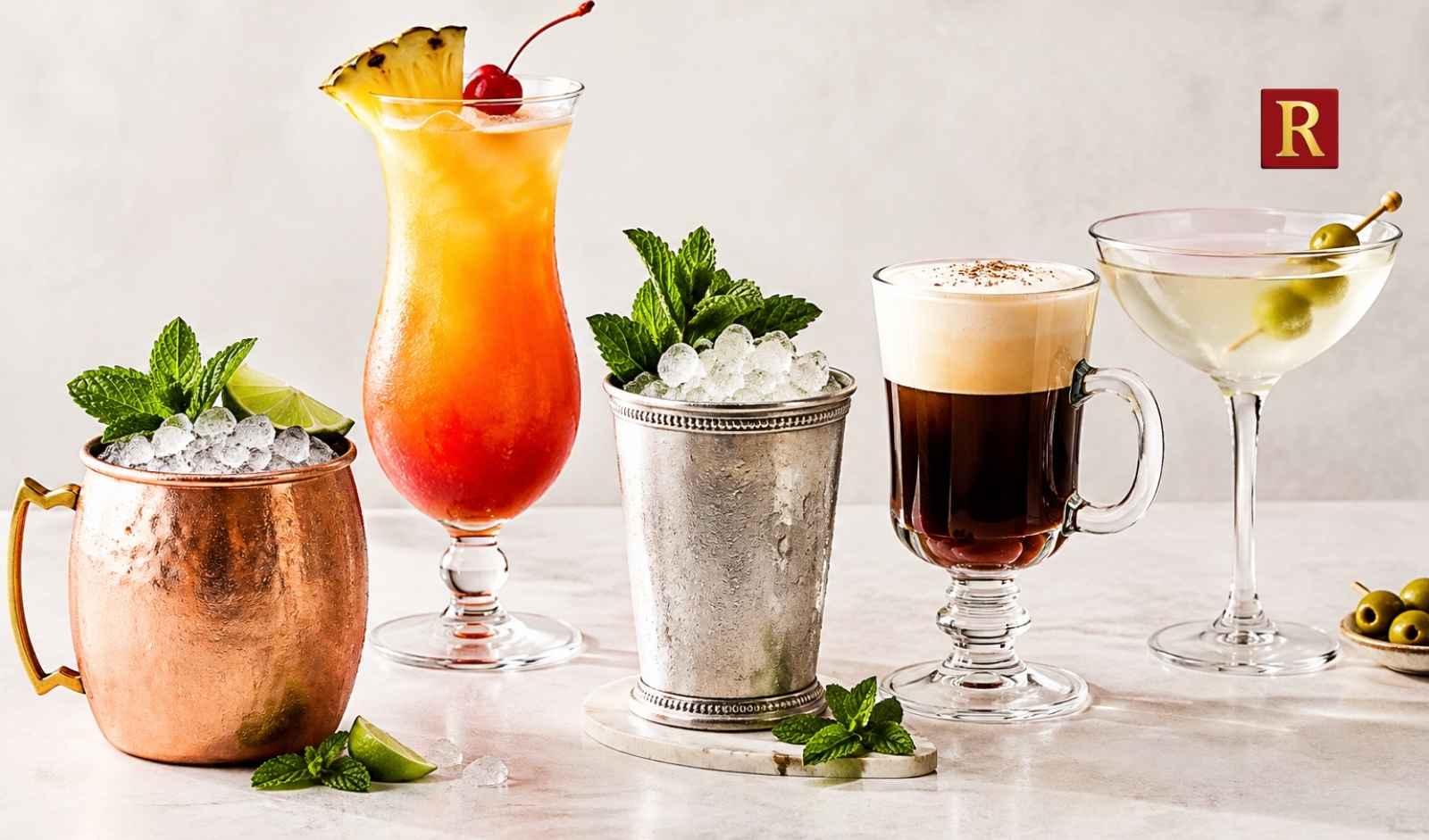
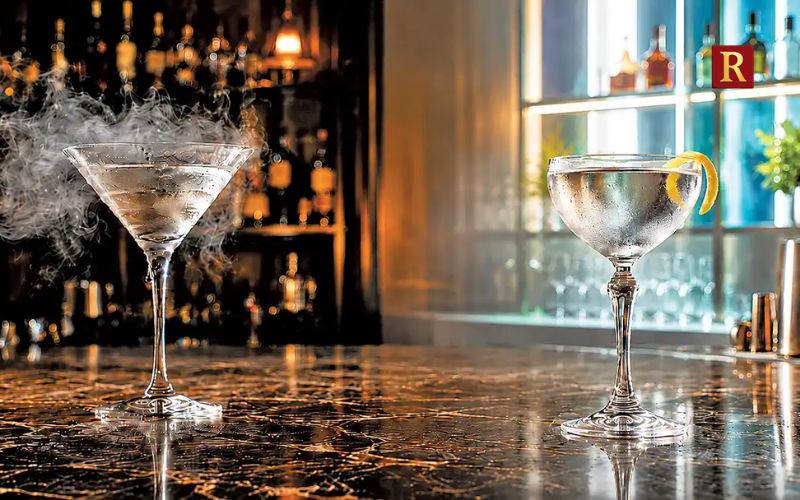
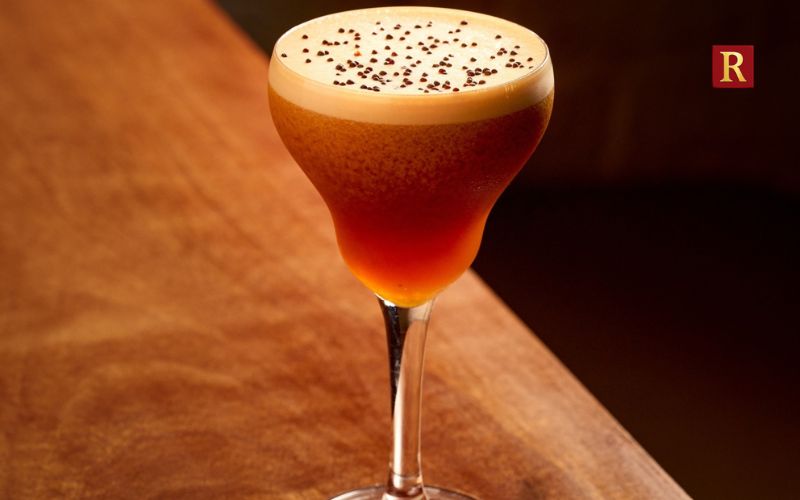
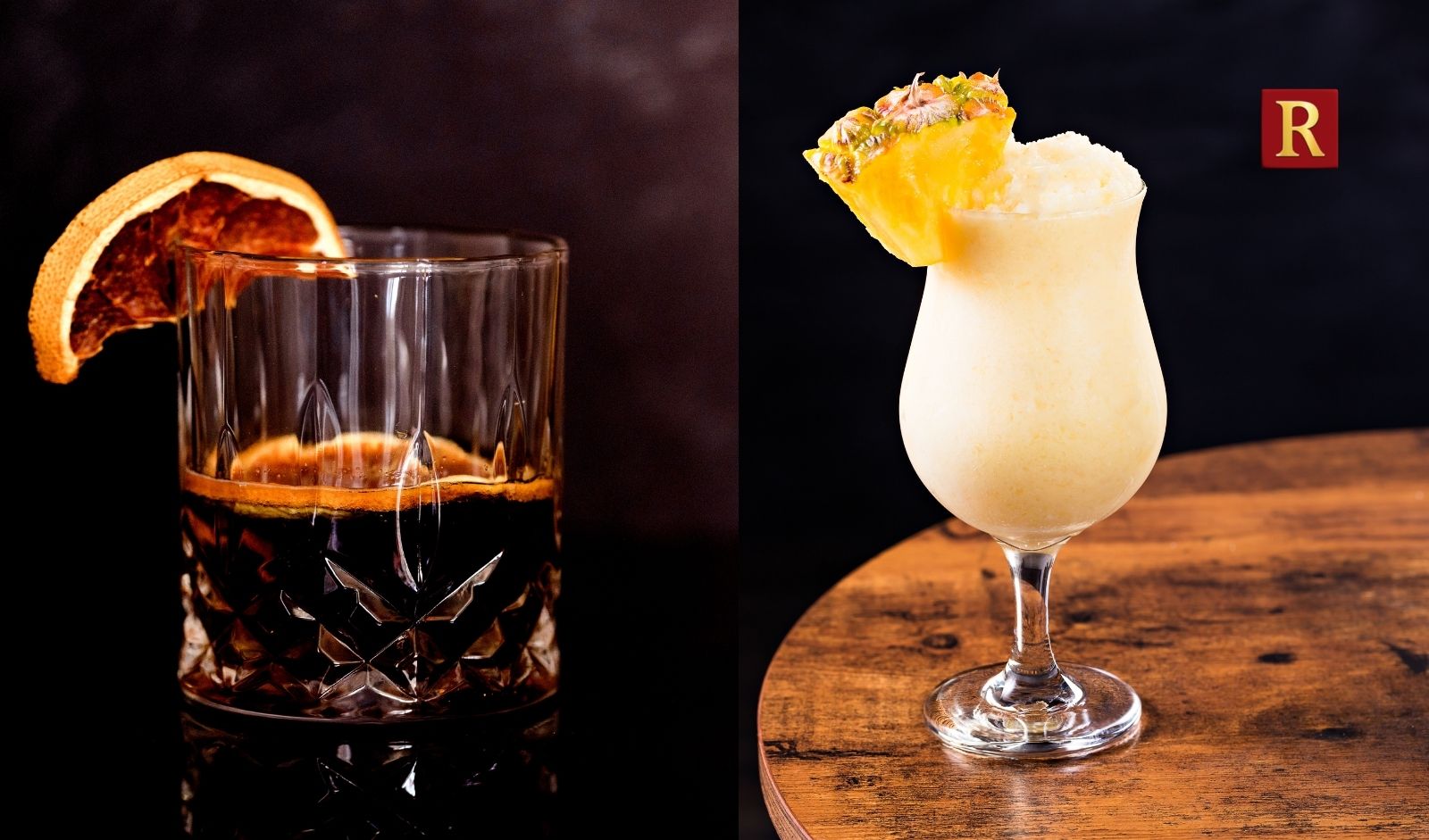
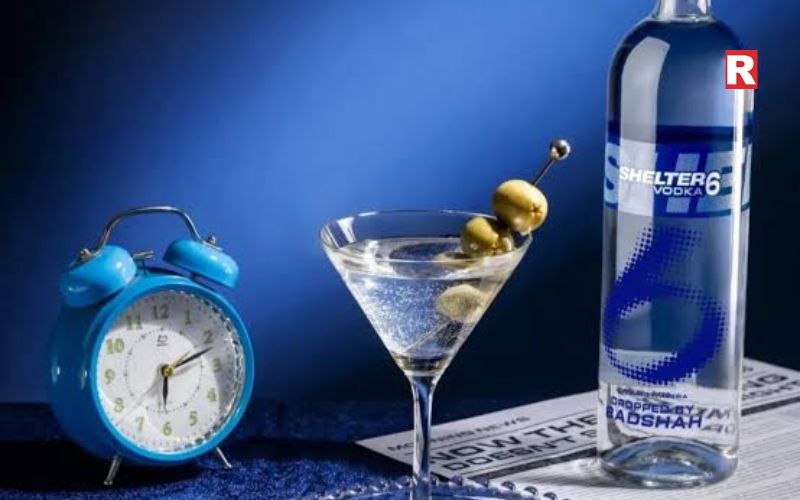
- Classic cocktails remain relevant: Martinis and espresso martinis provide established formats in which bartenders can explore different vodka expressions.
- Bold flavours influence menus: Spicy, sour and savoury combinations create opportunities for vodka-based cocktails with stronger flavour profiles.
- Bartender recommendations matter: Beverage professionals can explain differences in flavour, texture and production to guests making a choice.
The 2026 What India Is Drinking report by 30BestBarsIndia and The Outlier surveyed 155 premium bars across 18 cities. Grey Goose retained its position as India's leading vodka brand in the report, while Smoke Lab entered the category's top 10. The findings offer a snapshot of brand preferences among surveyed premium bars, not the entire Indian vodka market. For restaurant owners, the opportunity is to evaluate vodka-based cocktails through sales, ingredient costs and contribution margins instead of adding products simply because they are fashionable.
4. Base Ingredients Are Becoming Part of the Brand Story
Vodka is generally expected to have a relatively neutral flavour profile. This makes ingredient provenance an interesting branding opportunity: producers can explain their raw materials and production choices even when the final spirit does not have a pronounced grain or rice flavour.
- Grain-based production: Different grains provide a foundation for production, although distillation and filtration also shape the final spirit.
- Rice-based vodka: Rice can give a brand a distinctive production narrative connected to Indian agricultural ingredients.
- Transparency over technical claims: Brands should explain what their production methods actually involve instead of suggesting that one ingredient or process automatically guarantees better quality.
Smoke Lab, for example, highlights Indian Basmati rice in its brand story. This offers a case study in how a producer can connect an ingredient with its product identity. For Indian vodka makers, the larger question is whether agricultural provenance can become a recognisable point of differentiation in domestic and international markets.
5. Hospitality Experiences Are Adding Value to Premium Spirits
The drinking experience extends beyond the liquid in the bottle. Premium bars and hotels can influence how guests perceive a spirit through preparation, presentation and service.
- Tableside preparation: Bartenders can explain ingredients and preparation techniques while creating a more engaging service experience.
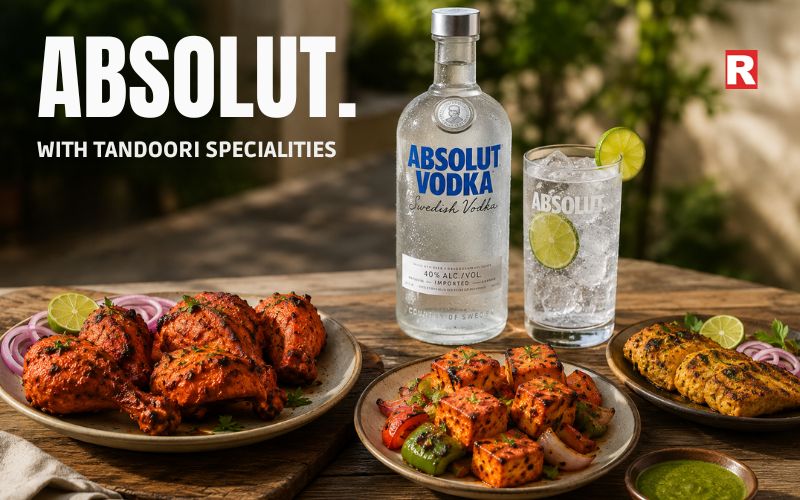
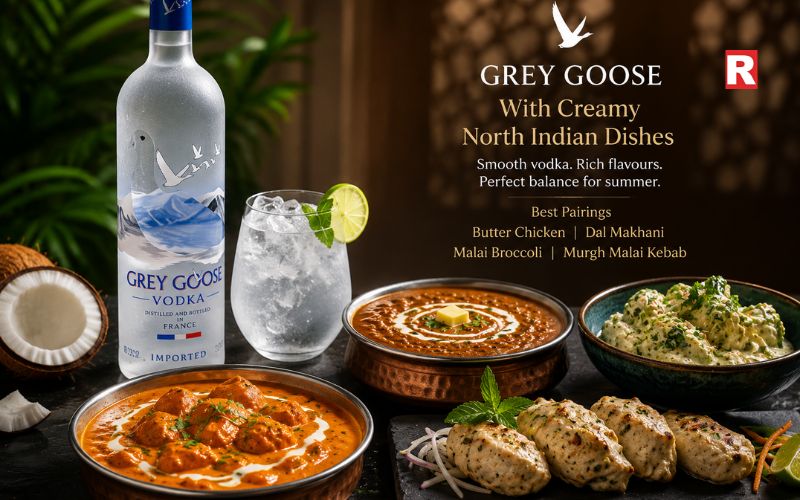
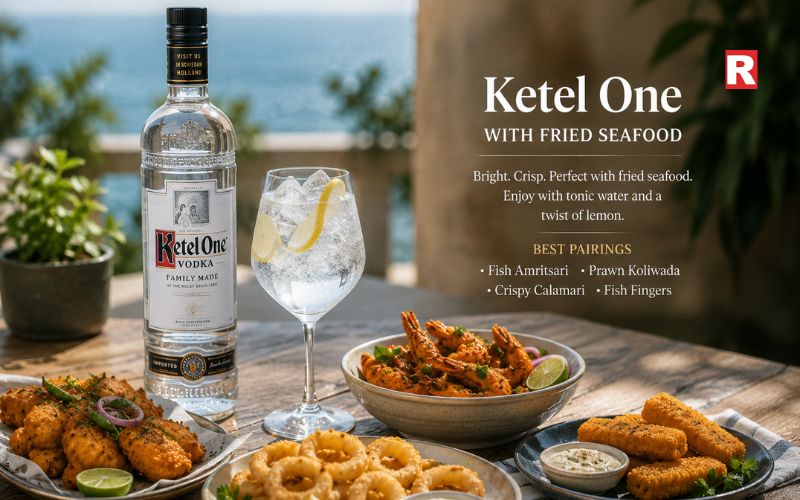
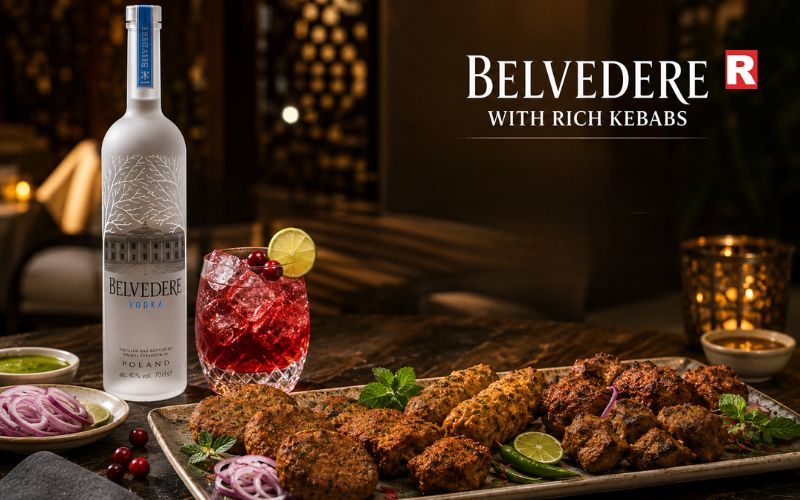
- Food pairings: Vodka cocktails can be paired with seafood, spicy appetisers and contemporary Indian small plates, depending on the drink's flavour profile.
- Serving technique: Temperature, ice quality, dilution and glassware influence the final cocktail's balance and sensory characteristics.
For hospitality businesses, these details can support premium positioning, but the financial case still matters. Beverage managers should track the cost of each serve, selling price, wastage and contribution margin to determine whether a premium vodka belongs on a permanent cocktail menu.
6. Indian Vodka Brands Are Building Their Own Premium Credentials
Imported spirits have traditionally enjoyed visibility in many premium hospitality settings. Indian producers are creating alternatives by combining local ingredients, distinctive product development and contemporary brand positioning.
- Local production stories: Indian ingredients and manufacturing capabilities can provide brands with an identity that goes beyond price competition.
- Product differentiation: Flavour innovation and production transparency can help domestic labels stand apart from established international names.
- Recognition in premium bars: Inclusion in industry rankings can indicate growing visibility among hospitality professionals, although it does not independently establish market share.
Smoke Lab's appearance among the leading vodka brands in the 2026 What India Is Drinking report is one example of a homegrown label gaining recognition in premium bars. The opportunity for Indian producers is to build credibility through consistent quality and a clear product identity, rather than simply imitating international luxury branding.
7. Flavoured Vodka Is Becoming a Portfolio Strategy, Not Just a Novelty
Flavoured vodka gives producers a way to develop products for different cocktail applications and consumer preferences. The strategic question is no longer only which flavour to launch, but which expressions deserve continued investment.
- Flagship and flavoured products: Brands can maintain a classic vodka expression alongside variants designed around fruit, spice or other flavour profiles.
- Different serving applications: A flavour may work well in a mixed drink but perform differently when served on its own. Product development must account for the intended use.
- Repeat demand over launch excitement: Consumer feedback, sales performance and retailer orders can help determine whether a new variant has lasting potential.
India's flavoured spirits market is increasingly drawing on local tastes, including jamun and chilli mango, according to industry reporting by Mint. The trend creates room for experimentation, but commercial success depends on flavour consistency, distribution and repeat demand. For brands, a disciplined product portfolio can be more valuable than launching a long list of variants without a clear role for each one.
8. Tier-2 Cities Could Become an Important Market for Premium Vodka
Premium spirits growth is creating opportunities beyond India's largest metropolitan markets. Smaller cities may offer room for expansion as distribution networks, organised retail and hospitality venues develop.
- Availability influences discovery: Consumers cannot choose a premium product if it is difficult to find through local retail or hospitality channels.
- Pricing remains important: State excise duties, distribution costs and local market conditions can affect the final retail price.
- Hospitality partnerships can build visibility: Hotels, restaurants and bars can introduce premium products to consumers through curated menus and informed service.
ISWAI has identified smaller markets as a potential driver of the wider alcohol industry's next premiumisation phase. The association reported 10.2 percent CAGR for the premium segment between 2022 and 2025, but this figure should not be interpreted as a growth rate for premium vodka in Tier-2 cities. For vodka brands, expansion will require a careful assessment of local demand, retail access, pricing and competition rather than assuming that premium products will perform equally well in every market.
What These Trends Mean for India's Vodka Market
Premium vodka is developing through several connected changes: more distinctive flavours, stronger production stories, greater visibility for Indian brands and closer relationships between producers and hospitality businesses. For brands, the challenge is to convert differentiation into sustained demand. For restaurants and bars, the opportunity lies in creating well-designed cocktail menus while managing costs and maintaining consistent service. The broader premiumisation figures indicate that India's alcohol industry is moving towards higher-value products. Whether premium vodka can sustain this momentum will depend on how successfully brands combine product quality, recognisable identity, distribution and genuine consumer interest.
Saptopriya Ghosal
Feature Writer
I am a dedicated media professional with a bachelor's degree in mass communication from the State University of Calcutta and a postgraduate degree from Amity University. My academic journey has equipped me with a profound understanding of storytelling and communication. Passionate about the dynamic world of media, I continually strive to explore new ways to engage and inform through compelling narratives.