8 Mistakes That Can Ruin a Perfect Biryani
The good news is that most biryani failures happen because of a few common mistakes. Once you understand the science behind the cooking process, making a delicious biryani becomes much easier.

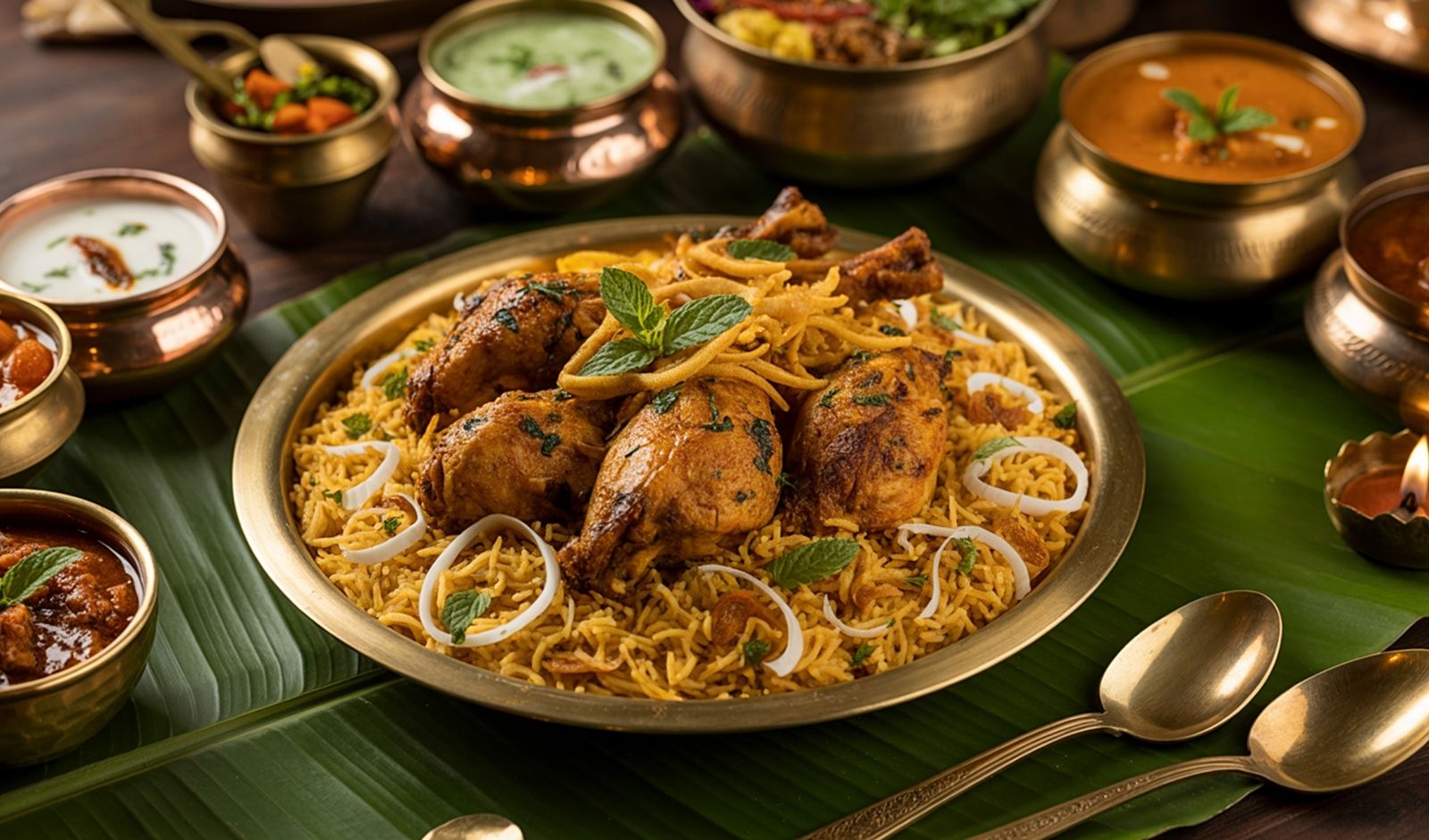
Biryani is more than just rice and spices. It is one of India's most loved dishes and also one of the most challenging to master. Every layer, every spice, and every minute of cooking plays an important role. That is why two biryanis made with the same ingredients can taste completely different.
According to industry estimates, biryani remains one of India's most ordered dishes on food delivery platforms year after year. Its popularity has inspired countless home cooks to recreate restaurant-style biryani. Yet many end up with sticky rice, dry meat, or a dish that lacks the rich aroma they expected. The good news is that most biryani failures happen because of a few common mistakes. Once you understand the science behind the cooking process, making a delicious biryani becomes much easier.
Why Biryani Is Different From Other Rice Dishes
Unlike pulao, where rice and ingredients cook together, biryani is prepared in stages. Rice is partially cooked, meat or vegetables are cooked separately, and both are layered before being finished using the traditional dum method.
This process allows every grain of rice to absorb flavour while keeping its shape. At the same time, the meat becomes juicy, and the spices blend together slowly through steam. The secret is not expensive ingredients. It is careful technique.
8 Mistakes To Avoid
1. Using the Wrong Rice
Every great biryani starts with the right rice. Many home cooks choose any long-grain rice available, but authentic biryani depends on aged basmati rice. Aged basmati contains less moisture than freshly harvested rice. As a result, the grains cook longer, stay separate, and absorb flavours without becoming sticky. Premium aged basmati can mature for one to two years before reaching the market, making it ideal for dum cooking. Before cooking, rinse the rice three to four times to remove excess starch. Then soak it for about 20 to 30 minutes. This simple step helps the grains expand evenly and reduces the risk of breaking during cooking. Skipping soaking or using poor-quality rice is often the first reason a biryani fails.
2. Cooking the Rice Completely Before Layering
This is one of the biggest mistakes beginners make. The rice should never be fully cooked before it goes into the biryani pot. Instead, it should be about 70 to 80 percent cooked. During the dum process, the remaining cooking happens naturally as steam circulates inside the sealed pot. If the rice is already soft before layering, it will continue absorbing moisture and become mushy by the end of cooking. Individual grains lose their shape, and the biryani turns into a sticky mixture instead of a beautifully layered dish. A simple way to test the rice is to press one grain between your fingers. It should still have a slightly firm centre.
3. Rushing the Marination
Marination does far more than add flavour. Yoghurt, salt, spices, ginger, garlic, and lemon juice work together to tenderise meat and allow seasoning to penetrate deeply. This process creates juicy, flavourful pieces instead of dry bites hidden beneath fragrant rice. Chicken should ideally marinate for at least two to six hours, while mutton benefits from overnight marination. The extra time allows proteins to soften and absorb spices evenly. Even vegetarian biryanis improve with marination. Paneer, mushrooms, soya chunks, and vegetables develop richer flavours when allowed to rest in seasoned yoghurt before cooking. Restaurant kitchens rarely skip this step because they know patience always improves the final result.
4. Using Too Many Spices
Many people assume that adding more spices automatically creates a better biryani. In reality, balance is far more important than quantity. Whole spices such as green cardamom, cloves, cinnamon, bay leaves, black pepper, star anise, and mace release delicate aromatic oils during cooking. These flavours should complement one another rather than compete. Adding excessive chilli powder or garam masala can overpower the dish and create bitterness. Likewise, too many cloves or black cardamom can leave an unpleasant medicinal taste. Professional chefs carefully measure spices instead of estimating them. Their goal is to create layers of aroma, not overwhelming heat. A well-made biryani should smell inviting before the first bite is taken.
5. Ignoring Proper Layering
Layering is what separates biryani from many other rice dishes. Every layer contributes to the final flavour. The traditional order usually begins with cooked meat or vegetable masala, followed by partially cooked rice. Fried onions, chopped mint, coriander leaves, saffron-infused milk, ghee, and sometimes kewra water are added between the layers. One common mistake is pressing the rice tightly after layering. This restricts steam movement inside the pot. Loose layers allow heat and moisture to circulate evenly, ensuring every grain absorbs flavour without becoming soggy. The famous layered appearance of restaurant biryani is the result of careful assembly rather than complicated ingredients.
6. Not Cooking on Proper Dum
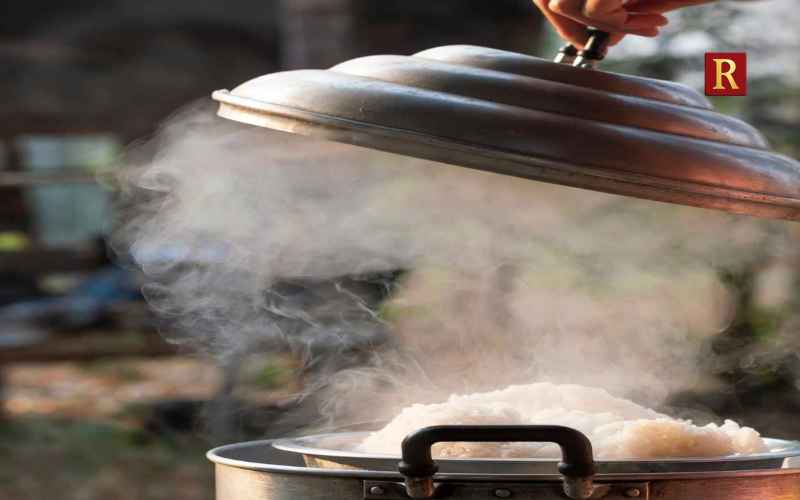
The dum process is the heart of authentic biryani. "Dum" means slow cooking in a sealed container. Once the pot is covered, steam becomes trapped inside. This steam gently cooks the rice while carrying the aromas of spices, herbs, meat, and ghee throughout the dish. Cooking over high heat is one of the quickest ways to ruin biryani. Excess heat burns the bottom layer before the upper layers finish cooking. Many professional kitchens place a heavy tawa beneath the biryani pot to spread heat evenly. Some chefs also seal the lid with dough to prevent steam from escaping. Opening the lid repeatedly during dum is another mistake. Every time the pot is opened, valuable steam escapes, reducing both aroma and moisture. A proper dum usually lasts between 20 and 40 minutes, depending on the recipe and quantity.
7. Forgetting the Importance of Aroma
Taste begins with smell. Studies suggest that much of what we perceive as flavour actually comes from aroma. This explains why fragrant biryani feels more satisfying than one that simply tastes spicy. Several ingredients contribute to its signature aroma. Saffron soaked in warm milk adds floral notes and a golden colour. Fresh mint provides freshness. Fried onions offer sweetness and depth. Kewra water and rose water are used sparingly to create the distinctive fragrance associated with royal biryanis. Good-quality ghee also plays an important role by carrying aromatic compounds throughout the dish. Adding too much of these ingredients can make the biryani smell artificial, so moderation is essential.
8. Serving It Immediately After Cooking
The temptation to serve biryani straight from the stove is understandable, but waiting makes a noticeable difference. Once the dum process is complete, let the pot rest for about 10 to 15 minutes without opening the lid. During this resting period, steam settles, moisture redistributes, and the rice becomes firmer. Flavours also blend more evenly across the layers. Serving immediately often breaks delicate rice grains because they are still soft and fragile. When it's time to serve, use a flat spoon and lift the rice gently from the sides instead of mixing everything together. This helps preserve the beautiful layers that make biryani visually appealing.
Quick Tips for Restaurant-Style Biryani
Perfect biryani is often the result of small details rather than secret ingredients.
- Always use aged basmati rice.
- Soak the rice before boiling.
- Cook rice only until 70 to 80 percent done.
- Marinate meat or vegetables for several hours.
- Fry onions until deep golden, not burnt.
- Use fresh mint and coriander instead of dried herbs.
- Add saffron milk and ghee in moderation.
- Seal the pot properly during dum.
- Cook on low heat using a heavy-bottomed vessel.
- Let the biryani rest before serving.
These simple habits can dramatically improve both flavour and texture.
The Secret Behind Restaurant-Style Biryani
Restaurant chefs rarely rely on shortcuts. Instead, they focus on consistency. They measure spices carefully, monitor rice cooking by the minute, control moisture, and maintain steady heat throughout the dum process. Every stage is treated with precision because each one affects the final dish. That is why restaurant biryani has separate grains, juicy meat, balanced spices, and a rich aroma in every serving. The same approach works at home. Once you avoid these eight common mistakes, making a delicious biryani becomes much less complicated. In the end, a perfect biryani is not created by luck. It is created by understanding ingredients, respecting traditional techniques, and paying attention to every detail. Master these fundamentals, and every pot of biryani will come closer to the unforgettable flavours that have made this dish a timeless favourite across India and beyond.
Saptopriya Ghosal
Feature Writer
I am a dedicated media professional with a bachelor's degree in mass communication from the State University of Calcutta and a postgraduate degree from Amity University. My academic journey has equipped me with a profound understanding of storytelling and communication. Passionate about the dynamic world of media, I continually strive to explore new ways to engage and inform through compelling narratives.