8 Desserts Where Texture Is the Real Star
The next time a dessert stands out, pay attention to more than its flavour. Notice what happens when the spoon breaks the surface, how much resistance the bite gives, and how quickly it changes in the mouth.

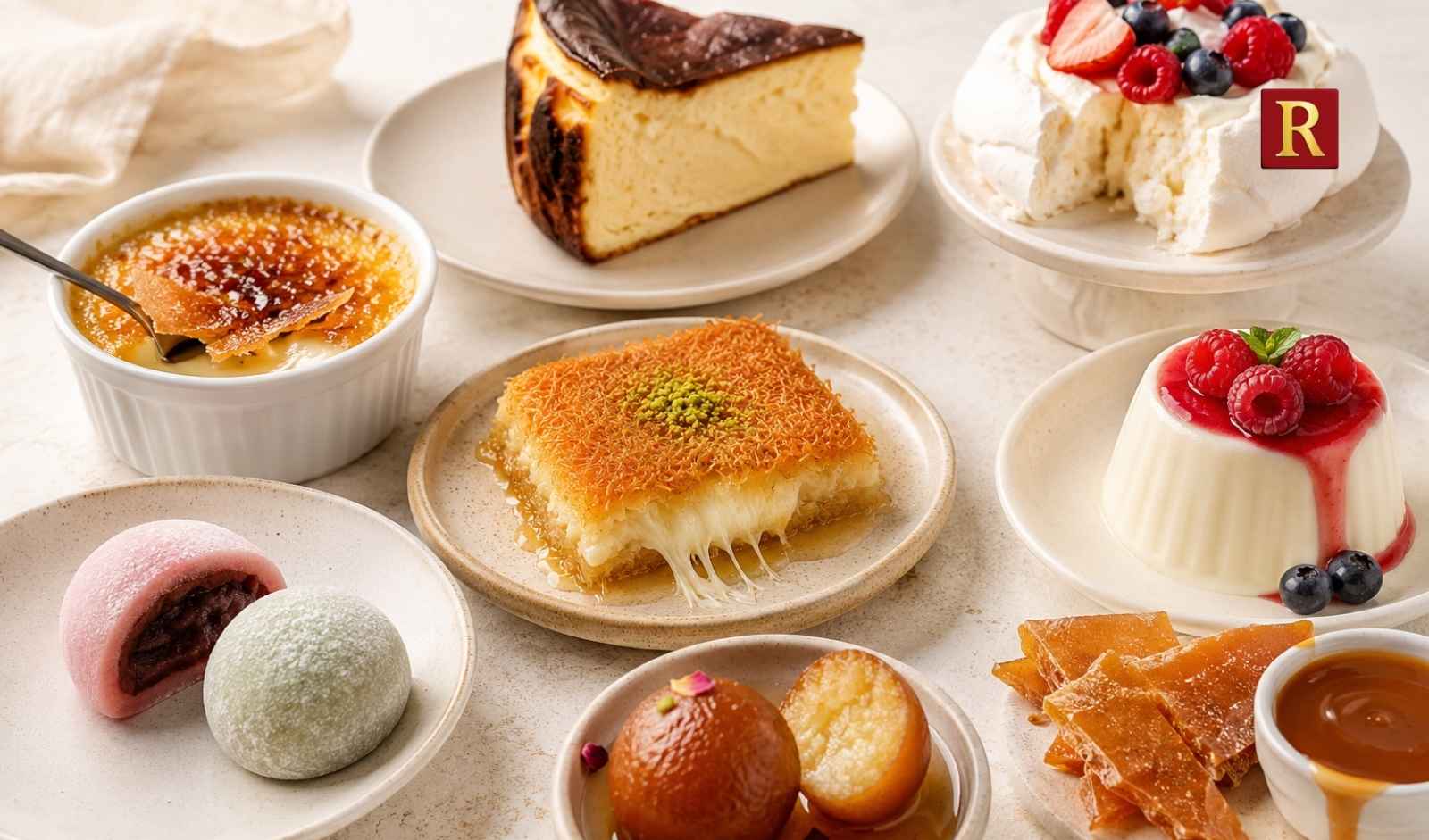
Desserts are often judged by flavour first, but texture can decide whether a bite feels ordinary or memorable. A thin caramel shell, a chewy rice dough, a creamy centre or a soft wobble can completely change the eating experience. For pastry chefs, these textures are also technical achievements. Sugar concentration, egg proteins, starch, gelatin, heat and moisture all play a role. Here are eight desserts where texture is one of the main reasons the dessert works.
1. Crème Brûlée: The Crack Comes First
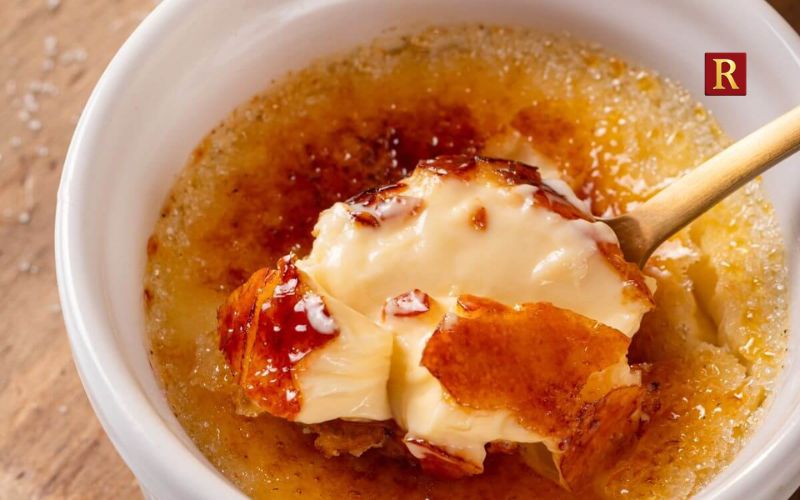
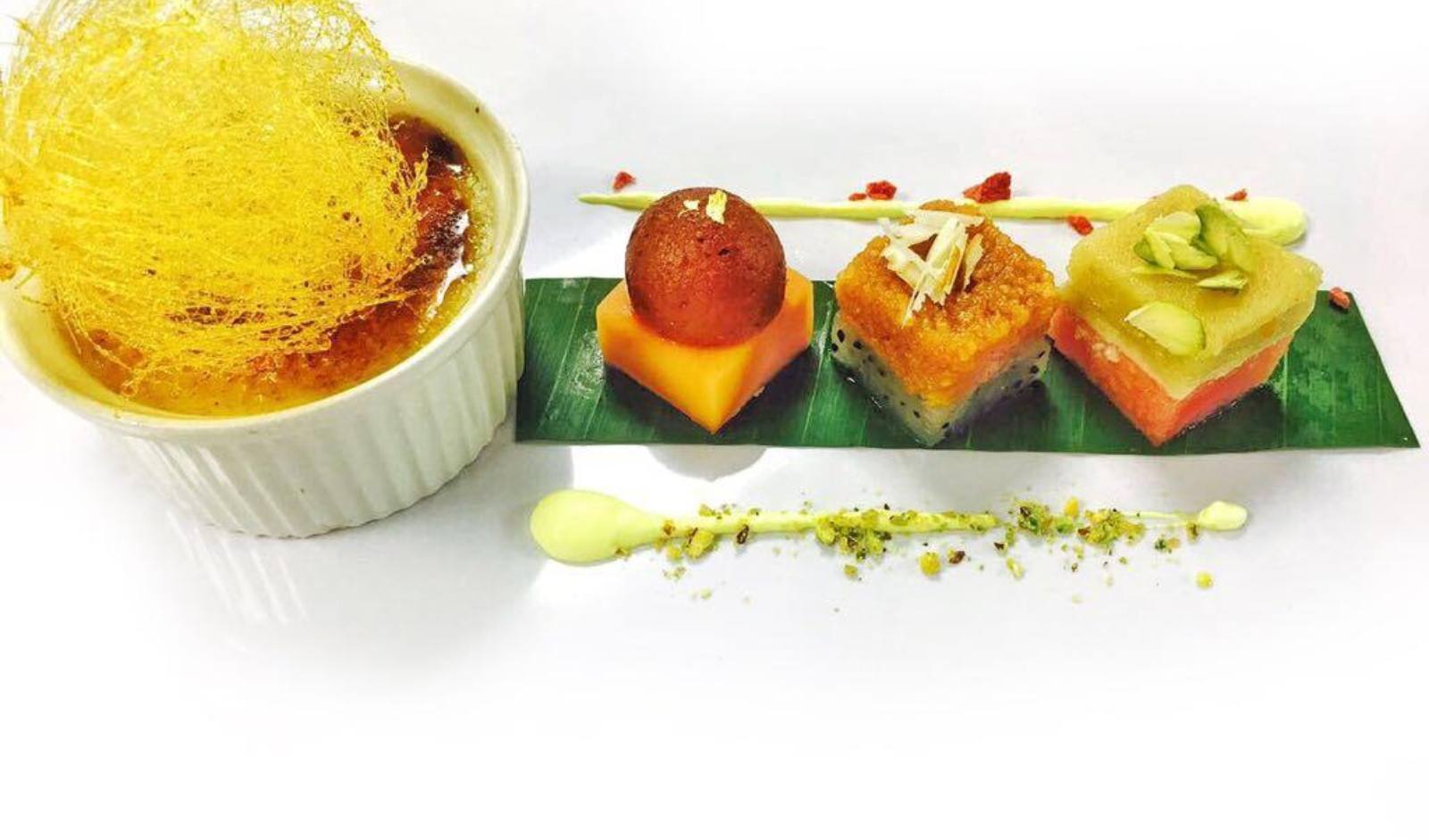
Crème brûlée is built around a simple contrast: a brittle caramelised sugar top over a smooth baked custard. The top layer should crack cleanly when a spoon breaks through it. Underneath, the custard should be silky and delicate. That difference is what makes the first bite so satisfying. The custard gets its structure from egg proteins. As the mixture heats, those proteins set and thicken the cream. Too much heat, however, can make them tighten too far and produce a grainy texture. A gentle cooking method helps keep the custard smooth. Serious Eats describes the ideal version as silky custard under a crisp caramelised topping. The caramel layer is made separately by heating sugar until it melts and caramelises. A thin layer works best because it gives a sharp crack without becoming difficult to eat.
- Texture profile: brittle + silky
- Key technique: controlled custard cooking and sugar caramelisation
2. Mochi: The Appeal of the Chew
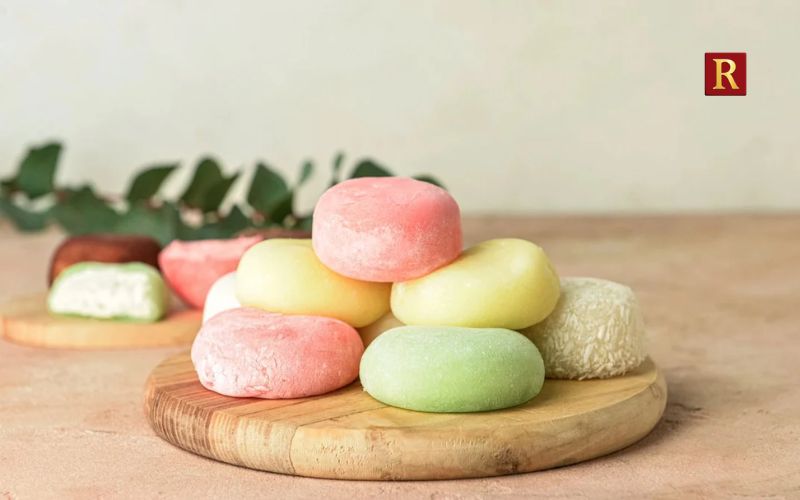
Mochi shows that a dessert does not need to be crisp, creamy or fluffy to be appealing. Its signature quality is chewiness. Made with glutinous rice, mochi develops a soft and elastic structure when the rice starch is cooked with water. The important point is that “glutinous” does not mean the rice contains gluten. It refers to the type of starch in the rice. When heated with water, that starch swells and changes the structure of the mixture. This gives mochi its characteristic resistance. It stretches slightly between the teeth rather than breaking immediately. Fillings can add another texture. Red bean paste, sesame, fruit or ice cream can create a soft centre inside the chewy exterior. For restaurants, mochi is also useful as an example of how texture can become a product's identity. Diners are not simply choosing a sweet rice cake. They are choosing the experience of that distinctive bite.
- Texture profile: elastic + chewy + soft
- Key technique: starch gelatinisation
3. Kunafa: Crisp Outside, Soft Inside
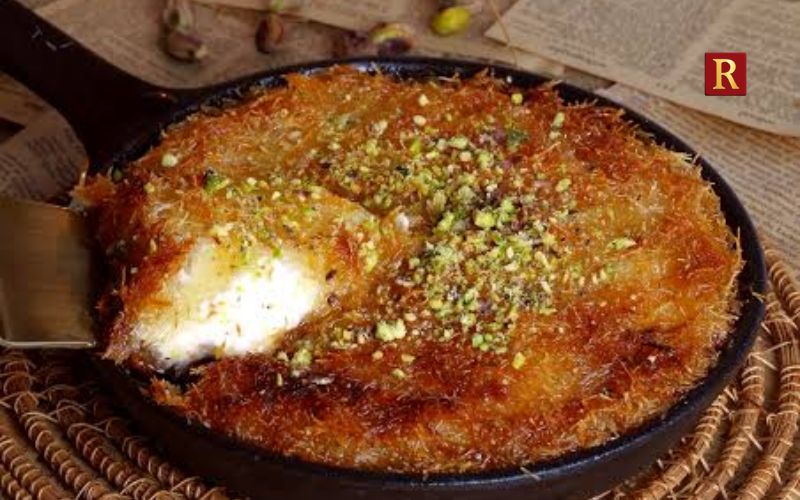
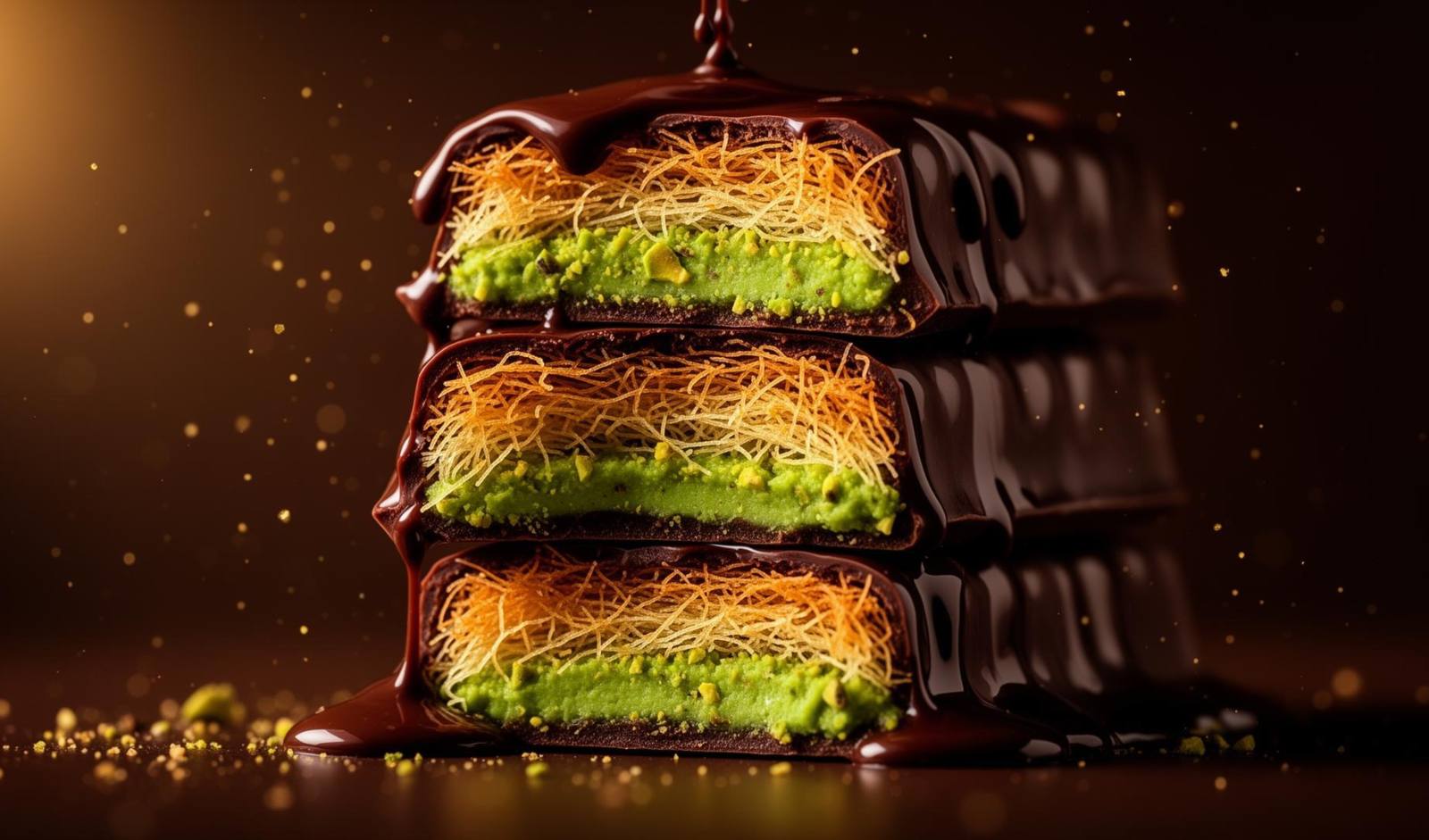
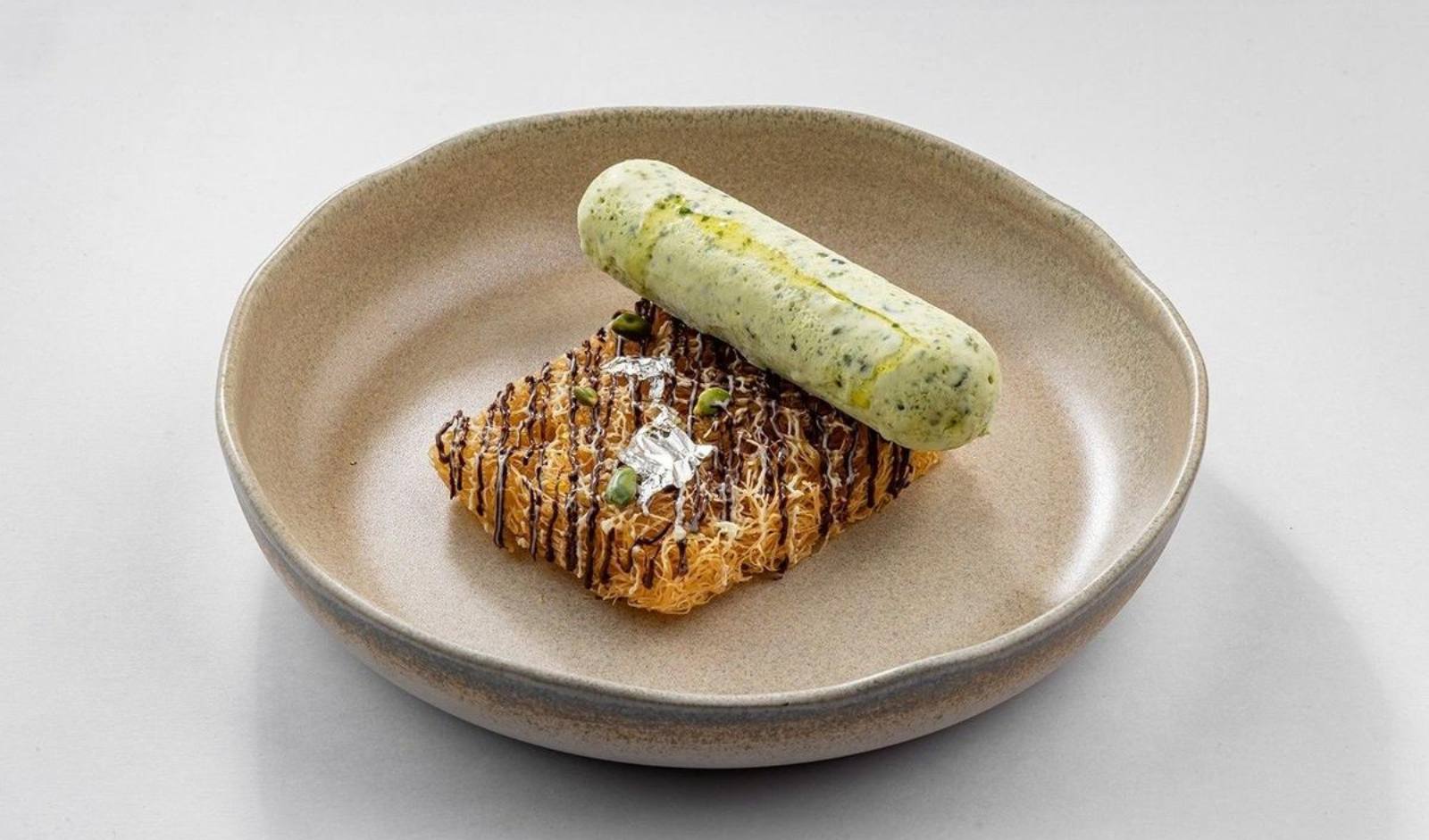
Kunafa, also spelled knafeh or kanafeh, is a dessert built around contrast. Fine strands of pastry are baked with butter until golden and crisp. Depending on the regional and recipe style, the centre can contain cheese or a cream-based filling. Sweet syrup is then added, bringing moisture and sweetness to the dish. That creates a difficult balance. The pastry needs enough syrup to become flavourful and moist, but too much can quickly reduce its crispness. This is why freshly served kunafa can be so texturally interesting. One bite can contain crisp pastry, soft filling and syrup at the same time. The dessert also demonstrates an important restaurant principle: texture has a shelf life. Crispness changes as moisture moves through a dish. A dessert designed around contrast therefore needs careful timing between preparation and service.
- Texture profile: crisp + soft + syrupy
- Key technique: browning and moisture control
4. Pavlova: A Crisp Shell With a Soft Centre
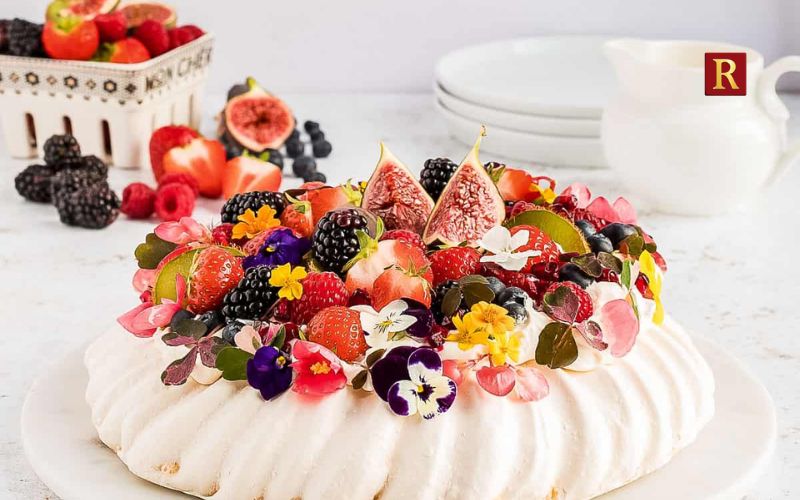
Pavlova looks delicate, and its texture is equally distinctive. A well-made pavlova has a crisp outer shell and a soft, marshmallow-like centre. It is essentially a carefully baked meringue, usually finished with cream and fruit. The structure begins when egg whites are whipped. Air is incorporated into the mixture, while egg-white proteins help stabilise the foam. Sugar adds sweetness and also affects the structure and moisture of the meringue. The baking process then removes moisture from the outer layer. BBC Good Food, for example, uses a two-stage method, starting around 130°C before reducing the heat to 100°C for longer drying. That slow process is important. Pavlova is not meant to become uniformly dry like a hard meringue. Its appeal comes from having two different textures. Humidity can also become a problem because the crisp shell can absorb moisture from the environment and toppings.
- Texture profile: crisp + airy + marshmallow-soft
- Key technique: stable foam and controlled drying
5. Panna Cotta: The Dessert That Should Wobble
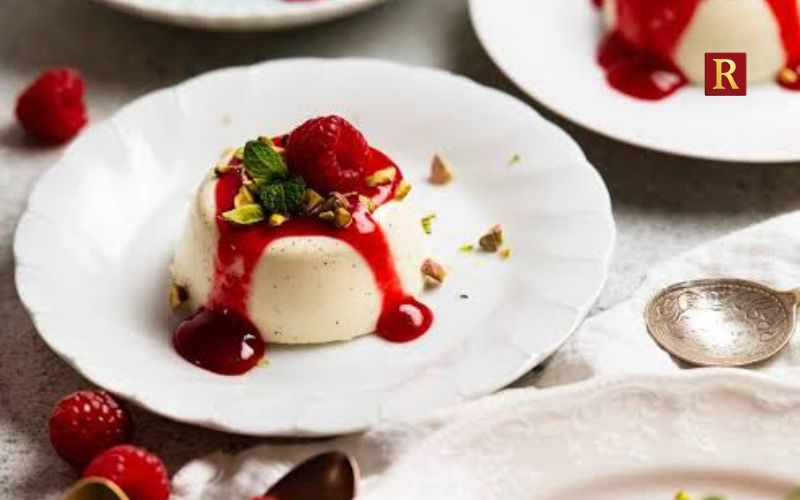
Panna cotta is one of the clearest examples of texture being used as a measure of quality. The Italian dessert is made from sweetened dairy and set with gelatin. The finished dessert should hold its shape but remain delicate enough to tremble when the plate is moved. That wobble comes from gelatin's ability to form a network that holds liquid in place. The amount used matters. Too little and the panna cotta may fail to set. Too much and it can become firm and rubbery. This is why precision matters even in a dessert with a short ingredient list. The temperature of the mixture, the amount of gelatin and the setting time all influence the final result. For diners, however, all of that science is experienced in one simple way: how easily the spoon moves through the dessert.
- Texture profile: silky + soft + gently set
- Key technique: gelatin control
6. Basque Cheesecake: Burnt on Top, Creamy Within
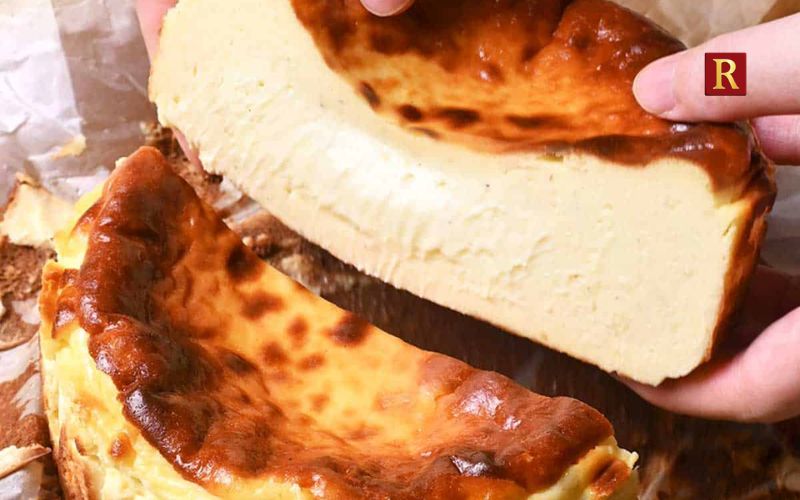
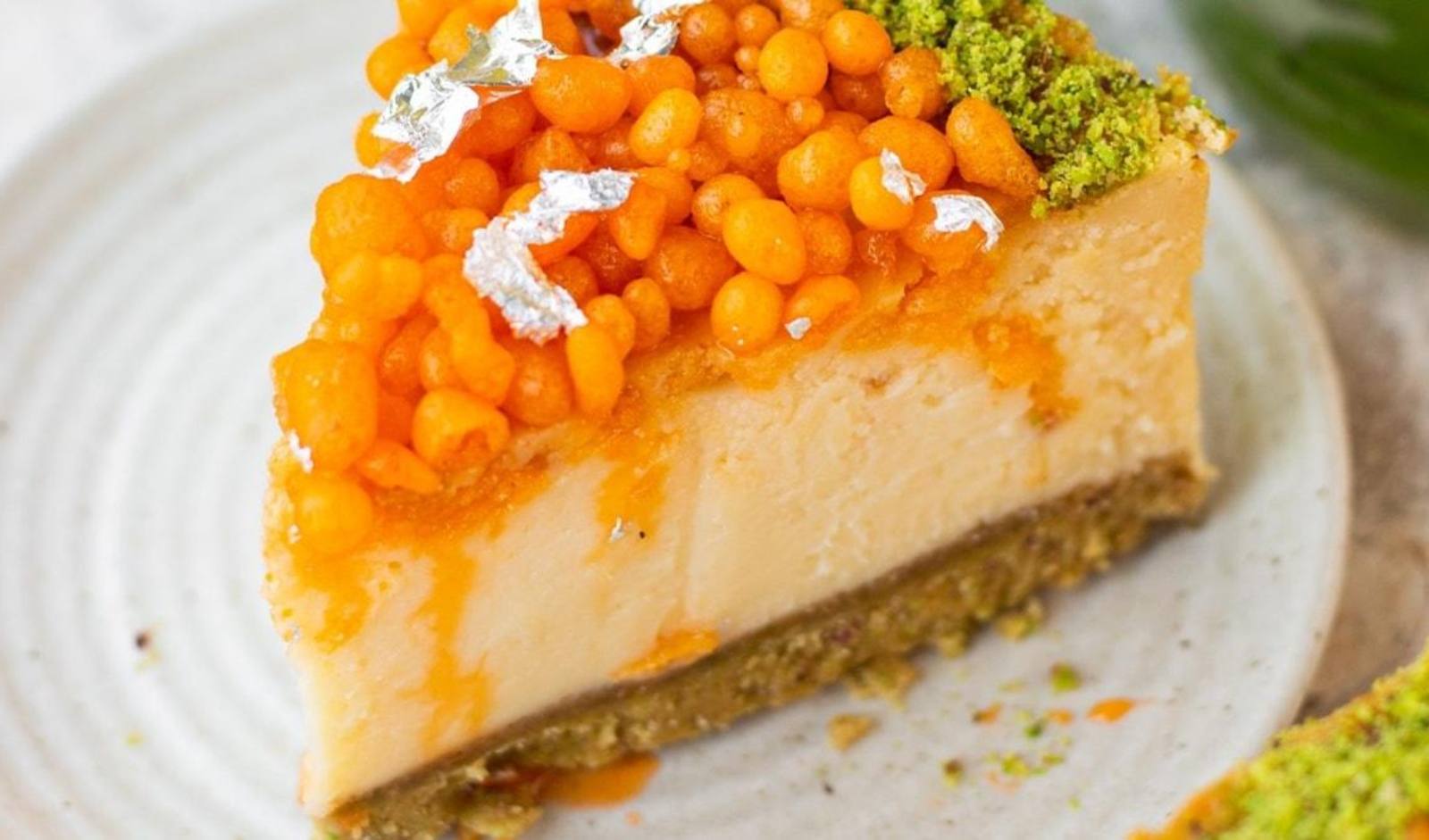
Basque cheesecake became internationally recognised for its dark, deeply browned surface and soft centre. It originated at La Viña in San Sebastián, where Santiago Rivera created the now-famous version in 1990. The cake is baked at high heat, which helps create its dark exterior while leaving the centre creamy and sometimes almost spoon-soft. This is where temperature becomes a texture tool. A high baking temperature encourages strong browning on the surface. At the same time, the centre does not need to reach the same level of firmness. Baking time therefore becomes critical. The Guardian's testing of Basque cheesecake recipes found that oven temperature and timing make a major difference to whether the centre becomes dense, creamy or more fluid. For diners, the visual contrast is part of the experience too. The dark surface suggests a heavily baked cake, while the first cut reveals something much softer.
- Texture profile: caramelised + dense + creamy
- Key technique: high-temperature baking
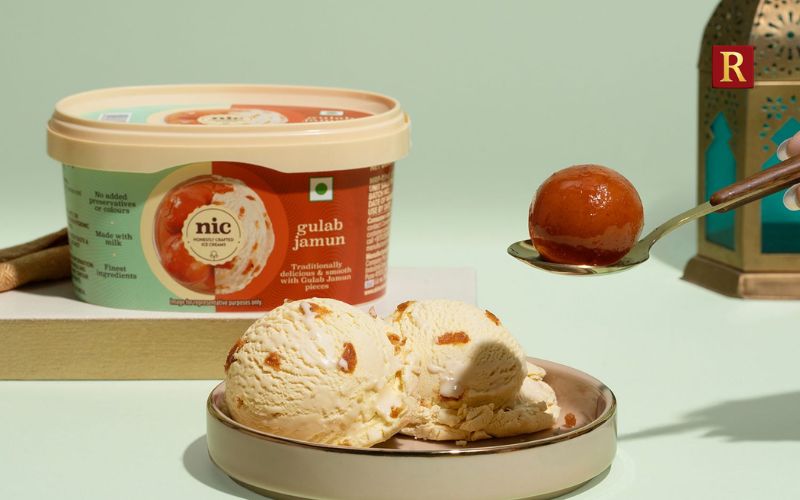
7. Gulab Jamun: Softness That Holds Syrup
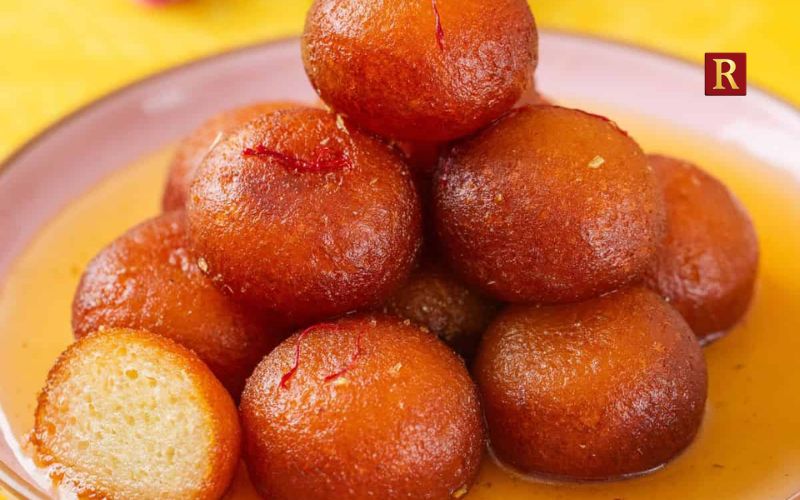
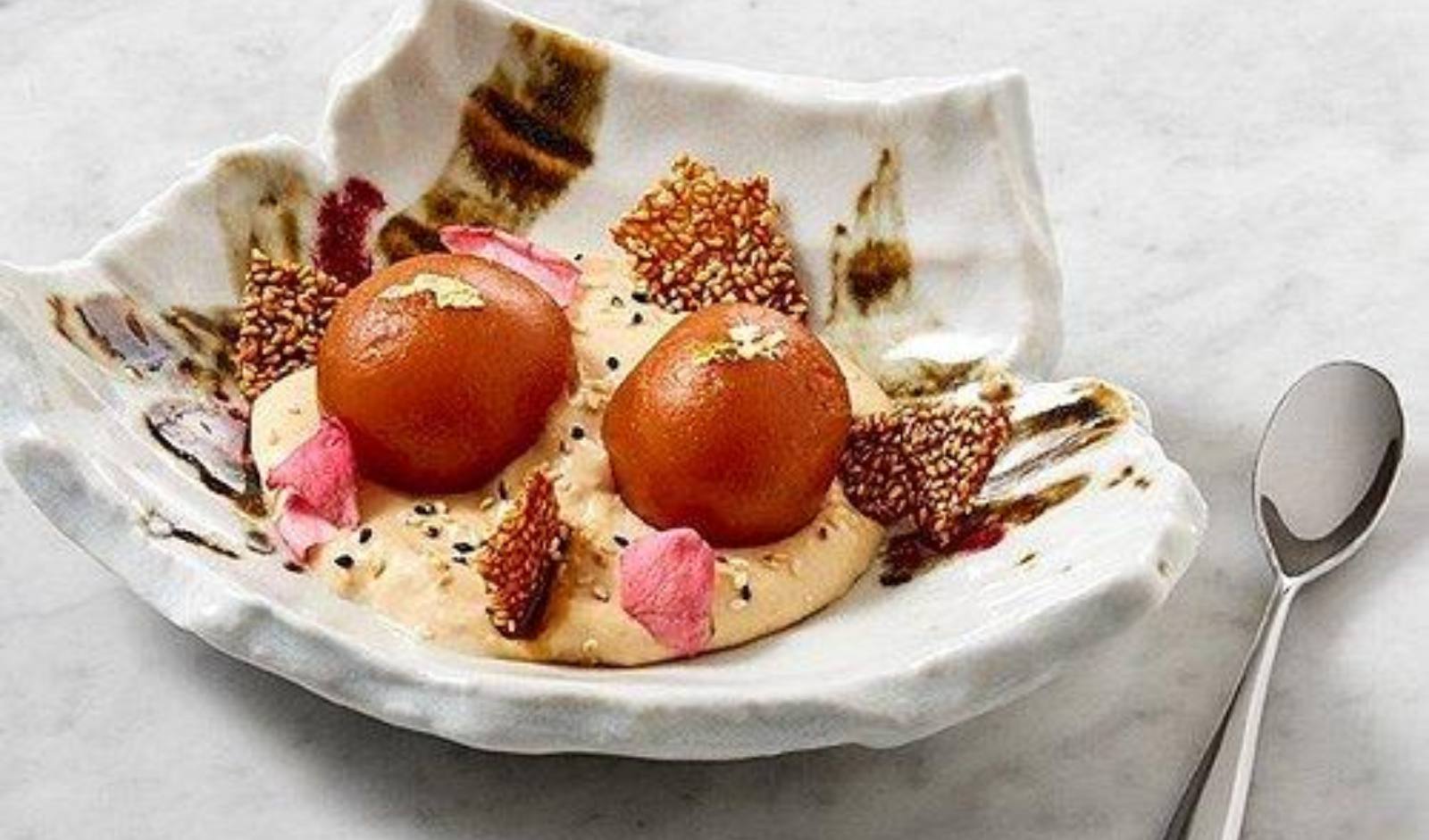
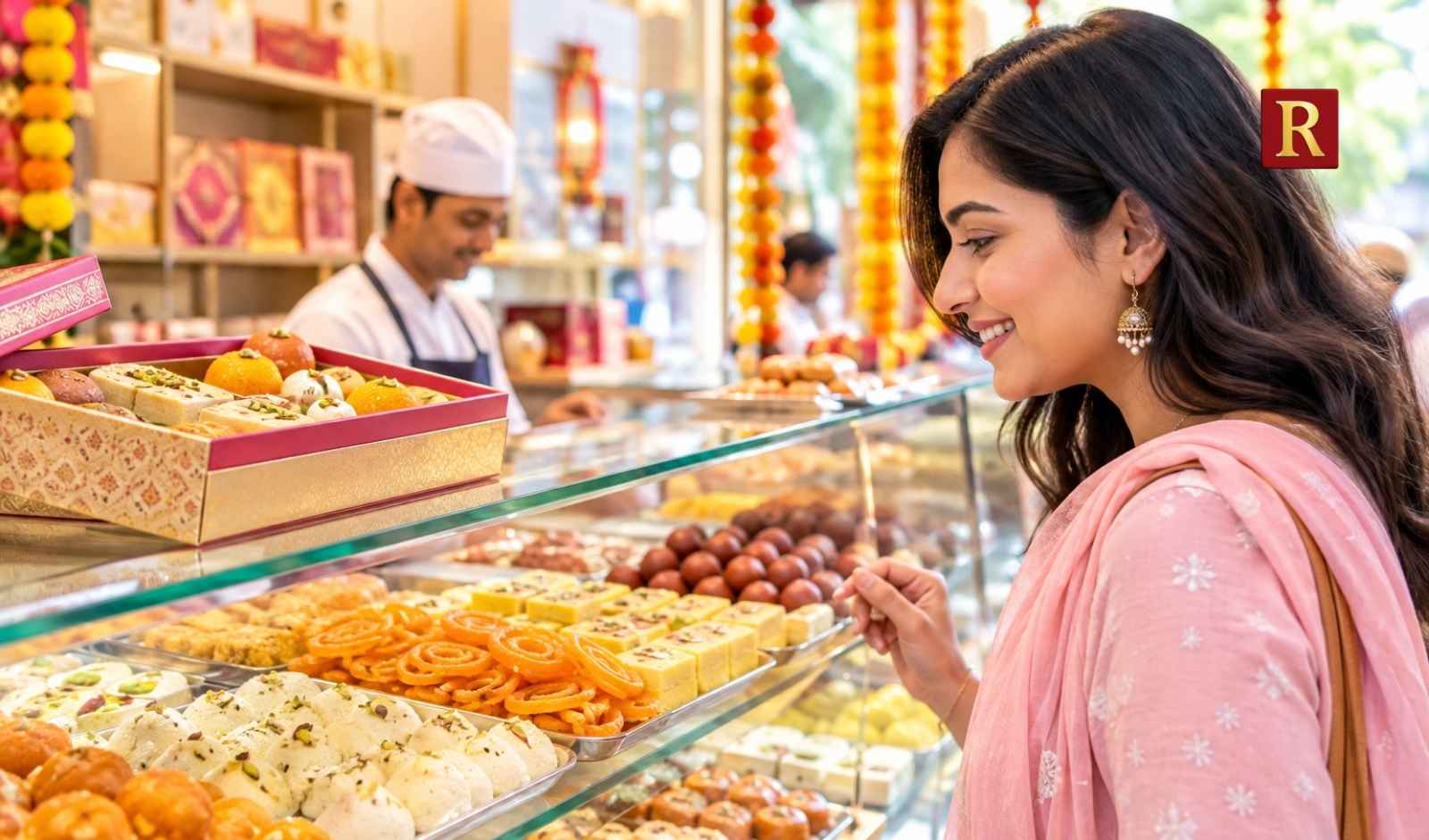
Gulab jamun brings texture into the familiar territory of Indian mithai. A good gulab jamun should be tender enough to absorb sugar syrup but structured enough to remain intact. Its surface develops colour during frying, while the interior becomes porous and soft. The frying temperature matters greatly. If the oil is too hot, the outside can darken before the centre cooks properly. If it is too cool, the dumpling can absorb excessive oil and develop an unpleasantly heavy texture. Syrup absorption then adds another stage. The fried pieces take in the warm sugar syrup, creating the moist interior that many diners associate with a well-made gulab jamun. This is a useful reminder that softness does not always mean a lack of structure. Gulab jamun needs enough internal structure to hold liquid without collapsing.
- Texture profile: tender + porous + syrup-soaked
- Key technique: controlled frying and syrup absorption
8. Caramel: One Ingredient, Several Textures
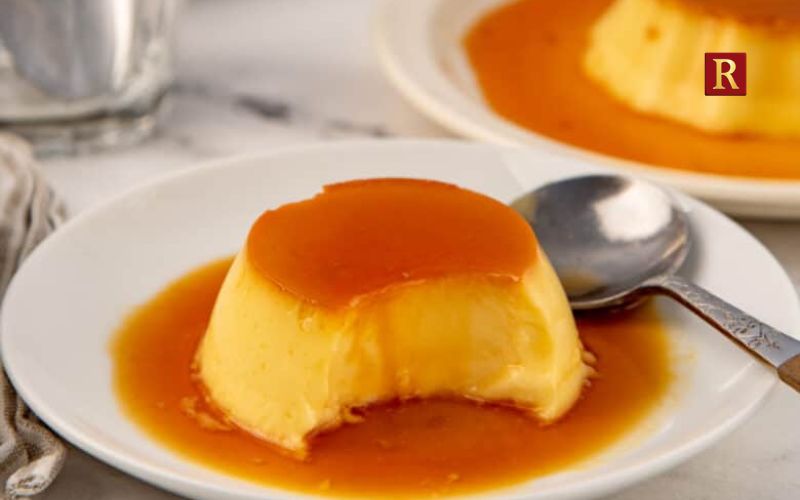
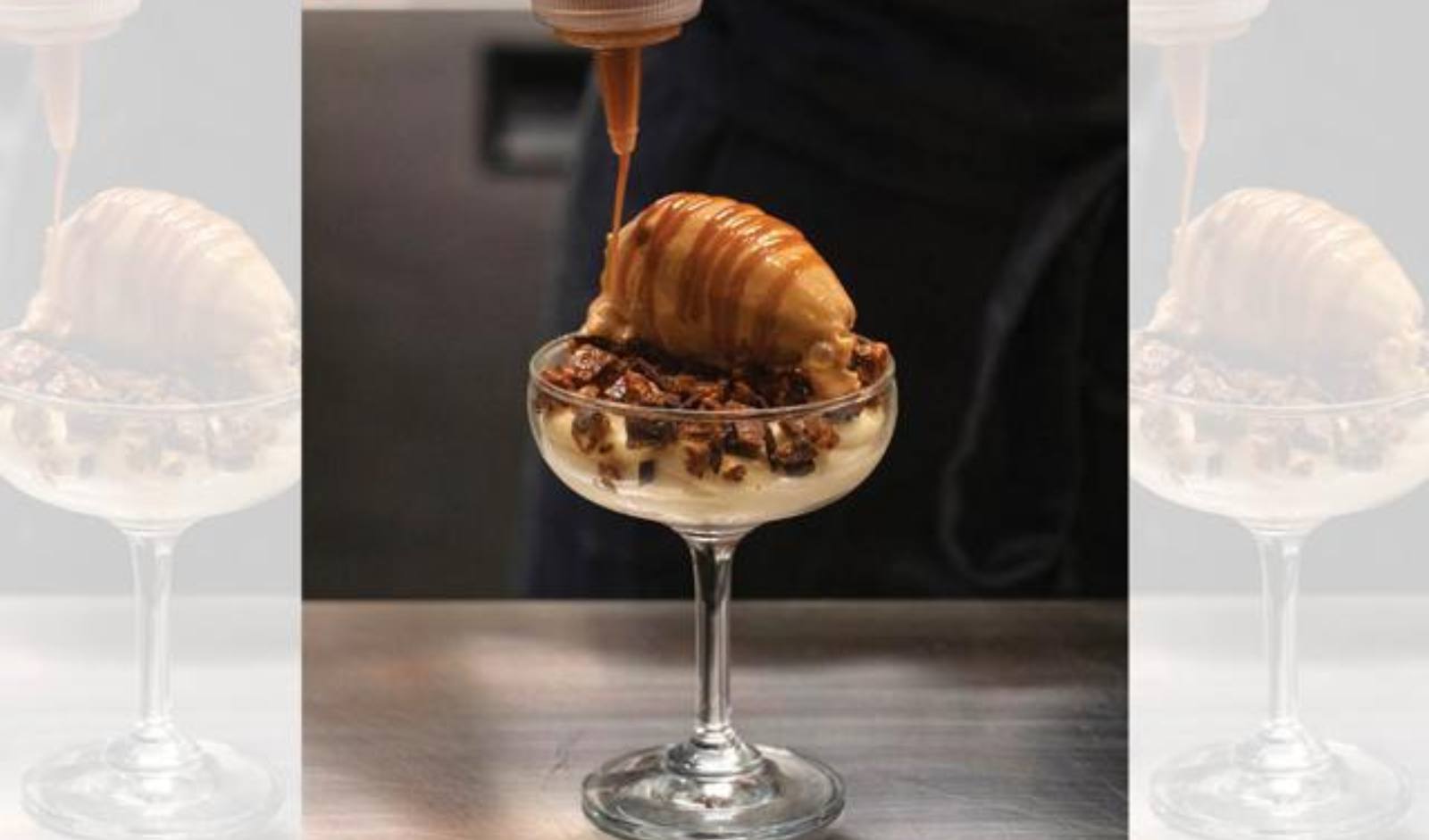
Caramel is perhaps the clearest demonstration of how temperature can change texture. Heat sugar and it can become a flowing caramel sauce, a chewy confection or a hard, brittle sweet. The final result depends on temperature, moisture and other ingredients added during cooking. According to Serious Eats, caramel recipes can range from roughly 121°C to 175°C, depending on the intended result. Adding cream or butter can further change the texture. Take the cooking process further and the sugar concentration rises as water is removed. That changes how the caramel behaves once it cools. This is also why caramel is so useful in modern pastry. It can provide a sauce, a crunch, a filling or a thin decorative shard in the same dessert.
- Texture profile: fluid + chewy + brittle
- Key technique: temperature and moisture control
The Texture Map: What Actually Creates the Bite?
Dessert | Main Texture | Key Driver |
Crème brûlée | Brittle + silky | Caramelised sugar and egg proteins |
Mochi | Chewy + elastic | Glutinous rice starch |
Kunafa | Crisp + soft | Browning and moisture |
Pavlova | Crisp + marshmallowy | Egg-white foam and drying |
Panna cotta | Soft + wobbly | Gelatin network |
Basque cheesecake | Browned + creamy | High-temperature baking |
Gulab jamun | Tender + syrupy | Frying and absorption |
Caramel | Fluid to brittle | Sugar temperature and moisture |
Why Texture Deserves More Attention
These desserts show that texture is not an afterthought. It is part of the recipe's structure. Sugar can create a glass-like shell. Eggs can turn liquid cream into a set custard. Starch can create chewiness. Gelatin can create a delicate gel. Air can transform egg whites into a light foam. For chefs, these changes are practical tools. For diners, they become sensations: crack, pull, crunch, wobble, melt and chew. That is also what makes texture valuable on restaurant menus. A dessert that combines two or three contrasting textures can create a more varied bite without needing a long ingredient list. The next time a dessert stands out, pay attention to more than its flavour. Notice what happens when the spoon breaks the surface, how much resistance the bite gives, and how quickly it changes in the mouth. Sometimes, the most memorable part of dessert is not what you taste first. It is what you feel.
Saptopriya Ghosal
Feature Writer
I am a dedicated media professional with a bachelor's degree in mass communication from the State University of Calcutta and a postgraduate degree from Amity University. My academic journey has equipped me with a profound understanding of storytelling and communication. Passionate about the dynamic world of media, I continually strive to explore new ways to engage and inform through compelling narratives.