8 Bengali Vegetarian Dishes You Won’t Believe Are This Flavorful
What sets Bengali vegetarian cooking apart is how it brings together earthy spices, garden vegetables, and a touch of sweetness. It’s about balance. It's never bland and always interesting.

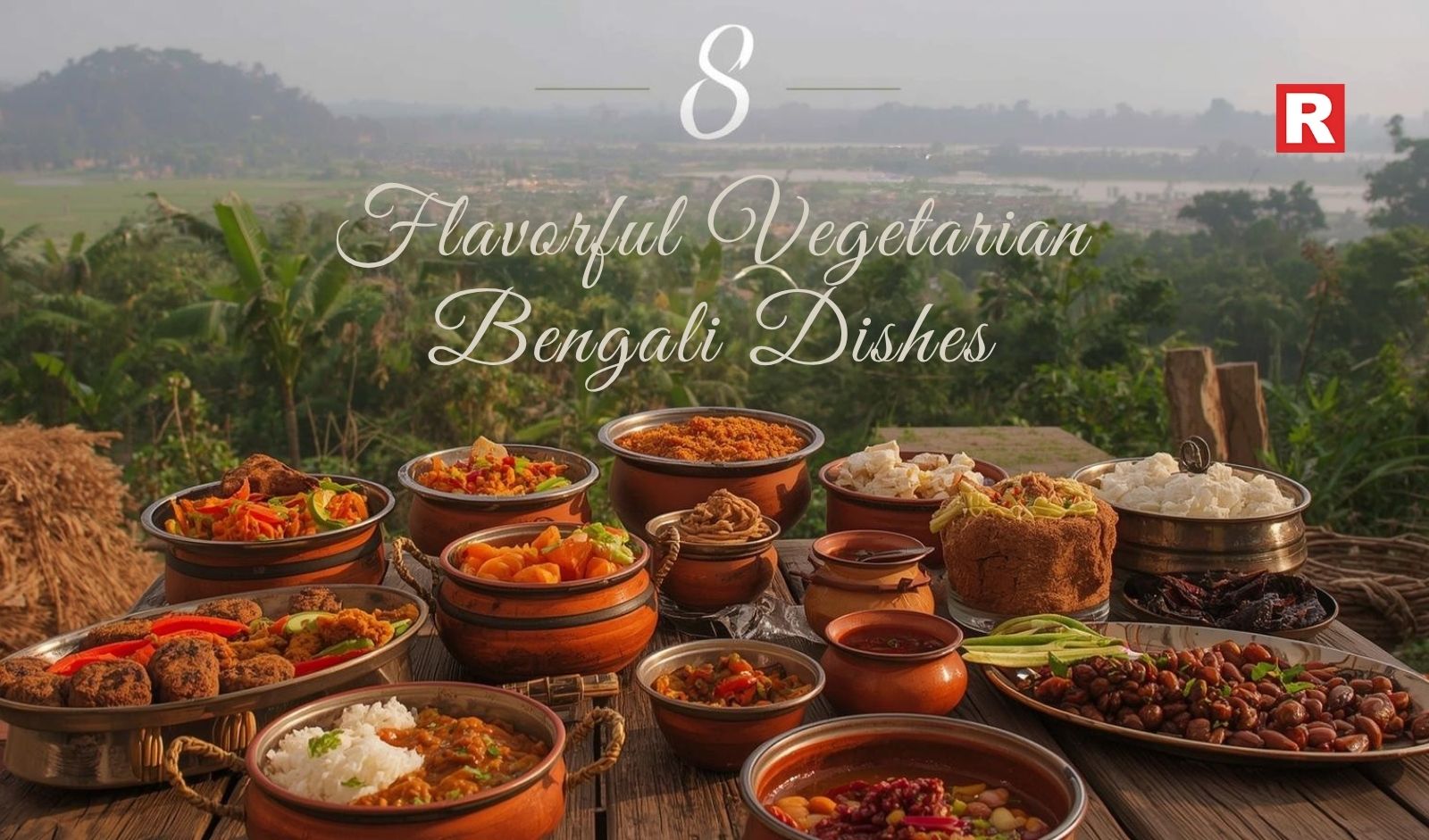
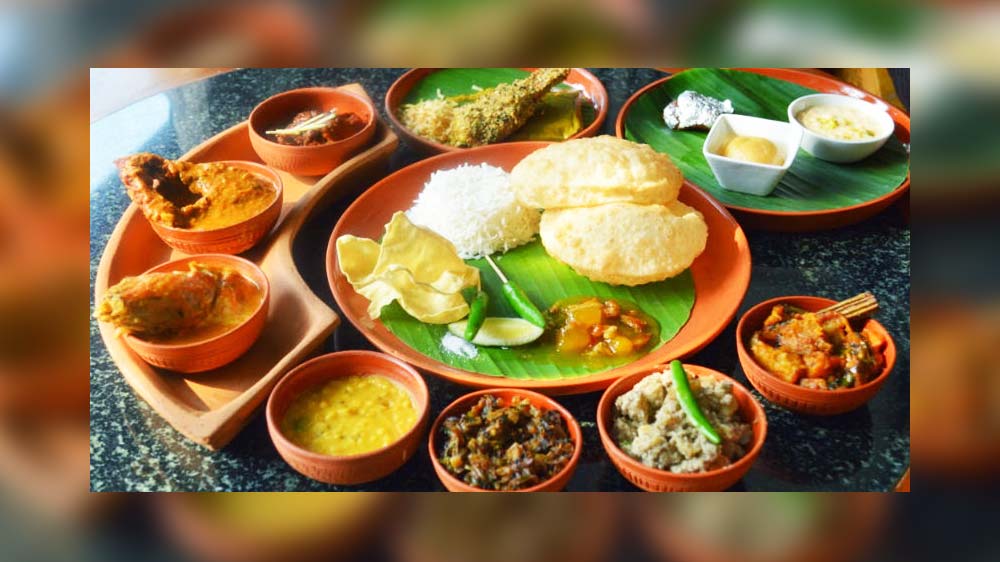
When most people hear “Bengali cuisine,” they picture fish curries, sweet rasgullas, or aromatic dishes that linger in your memory. But there’s also a whole other world in Bengal’s kitchens, one that doesn’t get enough love: the vegetarian side. It’s lively, soulful, and packed with tradition, all built around what’s fresh and in season. Bengali veg food proves you don’t need meat or fish to get flavors with real depth.
What sets Bengali vegetarian cooking apart is how it brings together earthy spices, garden vegetables, and a touch of sweetness. It’s about balance. It's never bland and always interesting. These recipes aren’t just for special occasions either; they are made at home on regular days, and they’re a must during festivals and religious events when skipping meat and fish is tradition.
So here’s a list of 8 Bengali vegetarian dishes that might just surprise you and even change your perspective about Bengali food, even if you’re a diehard non-veg fan.
Read more: Top Must-Try Bengali Cuisine Dishes: A Feast for the Soul
Main Ingredients of Bengali Vegetarian Cuisine
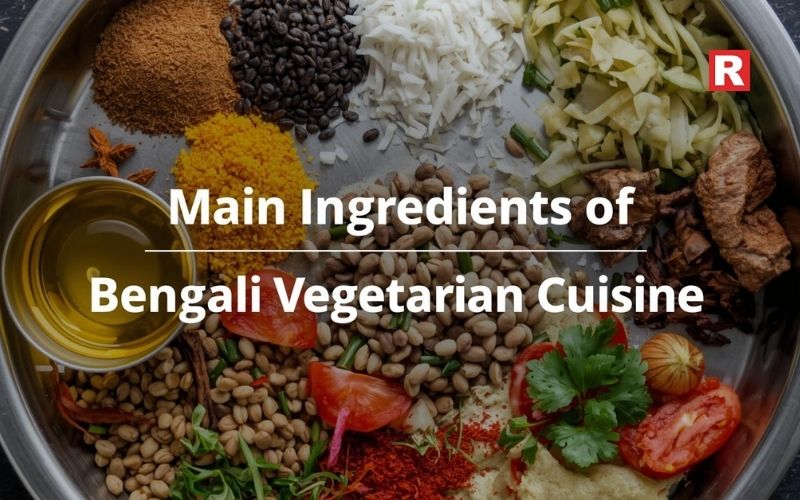
Before we jump into the dishes, let’s talk about what makes Bengali vegetarian food click. It’s not just flavor. It’s about the connection to the land, the rituals, the local produce. So let’s take a look at the key ingredients that make Bengali veg cuisine wonderful.
Mustard Oil
This is the heart of Bengali cooking. The rich, strong taste of mustard oil really hits you. Whether you’re frying, sautéing, or just finishing a dish, it gives everything a signature taste.
Panch Phoron
Panch Phoron is a five-spice mix of fenugreek, nigella, cumin, black mustard, and fennel seeds. Toss it in hot oil to start curries or veggie dishes, and you get an aroma that instantly says “Bengal.”
Poppy Seeds (Posto)
Once ground into a paste, poppy seeds turn creamy and nutty. They’re the magic behind dishes like Aloo Posto or Jhinge Posto.
Coconut
Sometimes grated, sometimes in milk form, coconut brings a hint of sweetness and a touch of luxury, especially in curries and desserts.
Vegetables
Many seasonal vegetables like pumpkin, raw banana, bitter gourd, eggplant, bottle gourd, and jackfruit are the main ingredients of veg dishes. Each one comes with its own tradition and way of cooking.
Lentils & Pulses
Lentils like chana dal, moong dal, and masoor dal are the backbone of Bengali vegetarian meals, adding warmth and protein to the table.
Fresh Spices
Ginger, green chilies, turmeric, and cumin, used in small amounts, just enough to lift the flavors without overpowering them.
Put all of this together and you get a cuisine that’s gentle, fragrant, and full of surprises. It isn’t completely spicy, but you can taste a lot of flavors once you take a bite.
Know more: Top 6 Fireless Food Dishes for Your Quick Meals
8 Vegetarian Bengali Dishes
1. Shukto
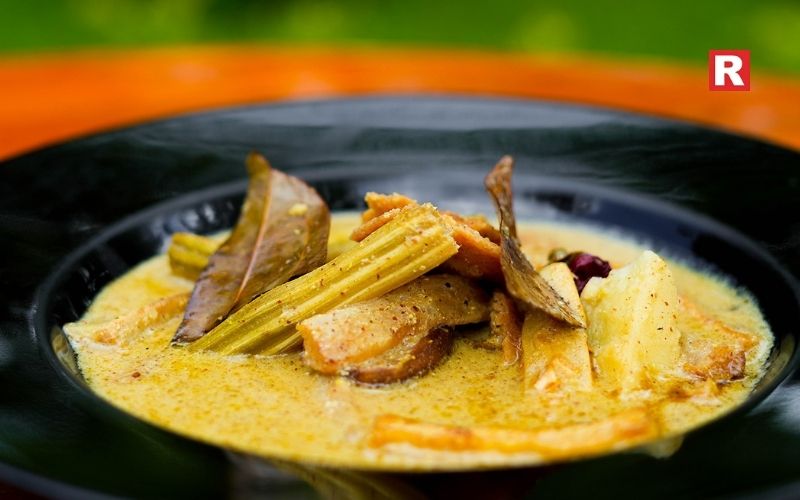
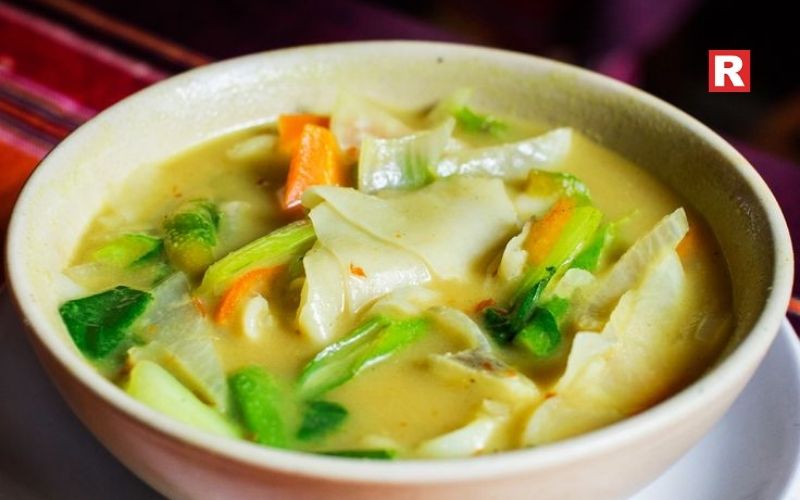
A proper Bengali meal almost always starts with Shukto. It’s a gentle stew, packed with veggies like bitter gourd, drumsticks, raw banana, ridge gourd, each one bringing something different. The trick is in balancing the sharp bitterness of karela with some milk and a dash of sugar, so the result is calm and soothing.
A quick tempering with mustard seeds and bay leaves, and you’re done. People say Shukto cleanses your palate, gets your stomach ready for what’s next. It’s a staple at weddings, pujas, and big family gatherings. In a way, Shukto sums up how Bengalis see food: it’s all about harmony.
2. Aloo Posto
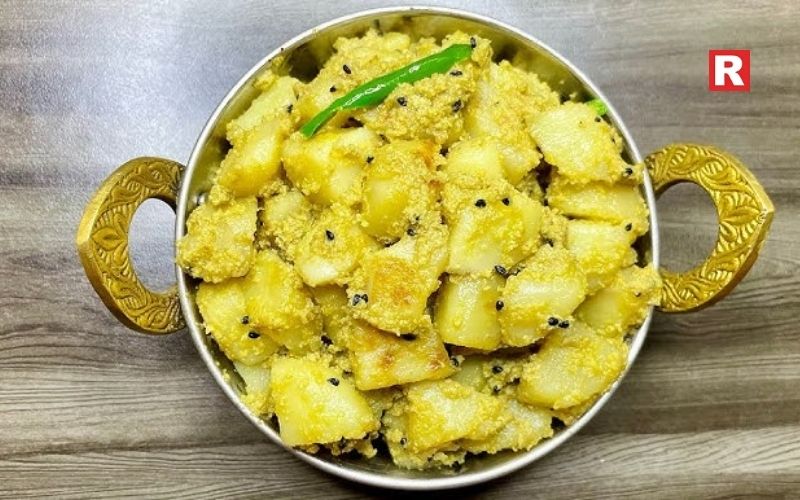
If you had to pick one dish that defines Bengali veg cooking, Aloo Posto would be it. Just potatoes and poppy seed paste, cooked slowly in mustard oil with green chilies. That’s it. Simple, but unforgettable.
The poppy seeds bring a creamy, nutty flavor; green chilies add a gentle kick. Usually, people eat it with plain rice or dal. It’s an everyday dish, but it is comforting, rich, and proof that you don’t need a ton of ingredients to make something great.
3. Cholar Dal
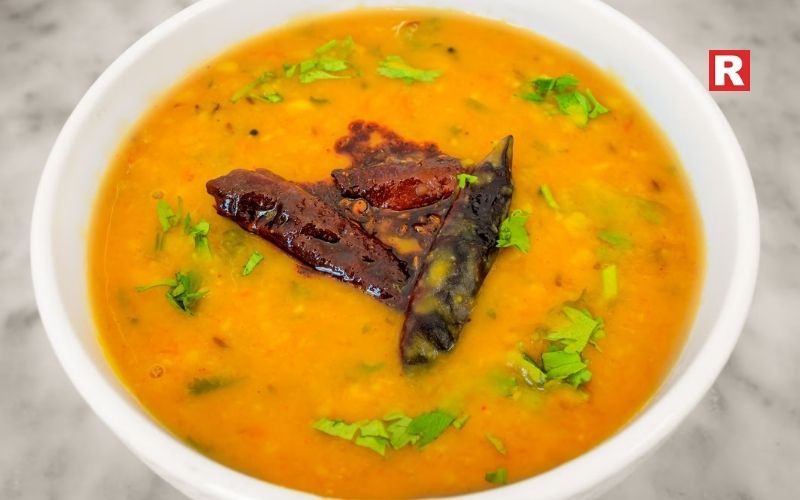
Cholar Dal is the festive dal. Bengal gram cooked with coconut slivers, a handful of raisins, and a dollop of ghee. You’ll smell cinnamon, cardamom, and bay leaves as soon as the pot hits the table.
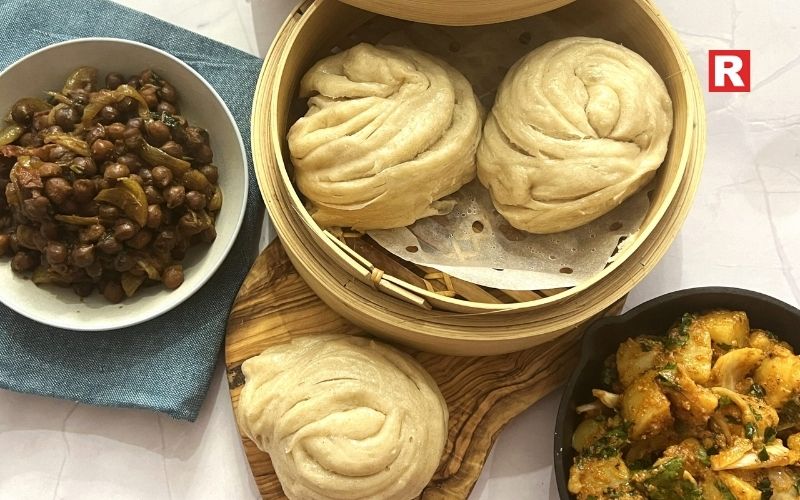
Tradition says you eat it with luchi, a type of fluffy, deep-fried bread. It’s a favorite during Durga Puja, weddings, or just lazy Sunday brunches. The mix of sweet coconut and raisins with the richness of ghee makes Cholar Dal a dish people look forward to.
What's new: 10 Irresistible Chaat Dishes from India You Can’t Miss Trying This Week
4. Begun Bhaja

Begun Bhaja is a very simple way to cook eggplants, but it is so good you can’t stop at one piece. Thick-cut eggplant slices, marinated with turmeric and salt, fried in mustard oil until crisp on the outside and meltingly soft inside.
It is usually eaten on the side with rice and dal or added as a side during celebrations. Some people dust the eggplant with a bit of rice flour for extra crunch. Whatever the trick, Begun Bhaja proves even the plainest vegetable can steal the show.
5. Labra
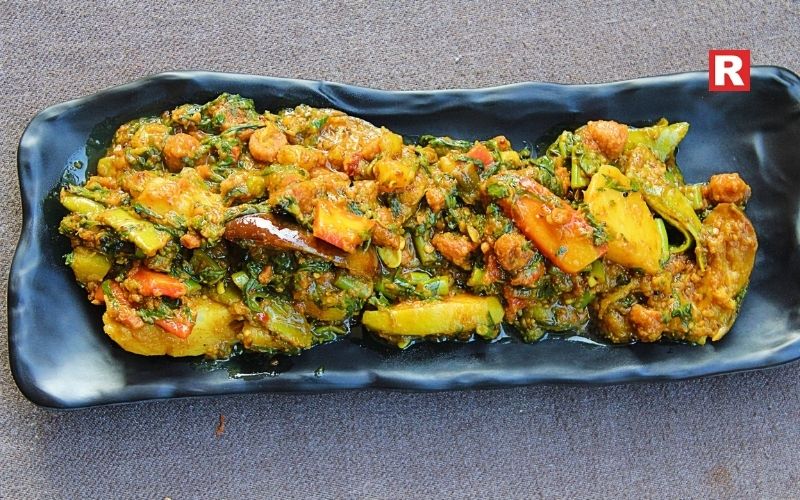
Labra isn’t just a mixed-vegetable curry; it’s a main dish during Durga Puja, offered up as bhog (offering) to the goddess herself. Labra is made with Chunks of pumpkin, sweet potato, raw banana, and spinach, all simmering together with panch phoron and just a handful of spices. No ingredient stands out or is overpowering the dish. The flavors of each ingredient melt into each other, gentle and soothing. That hearty smell and the mellow taste make the dish feel like pure comfort. It’s the kind of dish that tells what Bengali vegetarian food is all about: balance, nourishment, and a quiet sense of devotion.
6. Mochar Ghonto
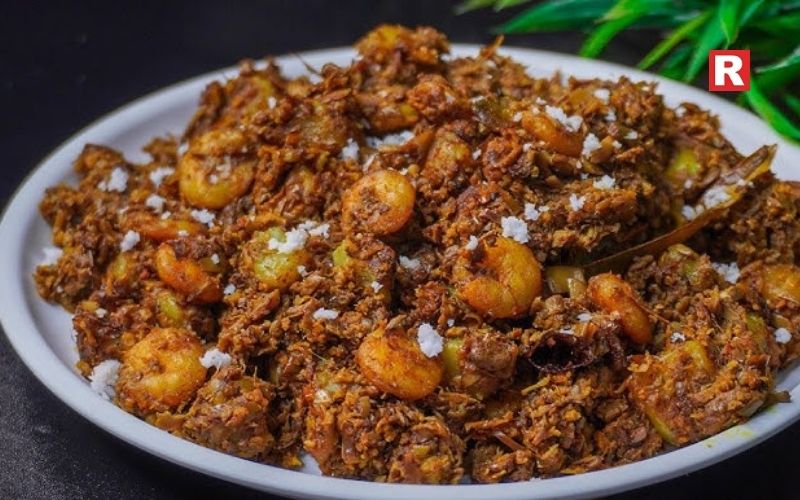
Mochar Ghonto is one of those dishes that make you stop and pay attention. Made from banana blossoms (yeah, actual banana flowers) mixed with potatoes, fresh coconut, and spices, it’s both unique and oddly familiar. Prepping the mocha (banana blossom) takes patience; you need to clean every petal to get rid of bitterness. But when it all comes together, you get this slightly meaty texture that surprises you, almost like you’re eating something rich and hearty, not just plants. The ginger, cumin, and garam masala tie everything together. With rice or luchi, it’s a celebration on your plate. Mochar Ghonto shows how Bengali cooking finds beauty and flavor in the most unexpected places.
7. Echor Ghonto
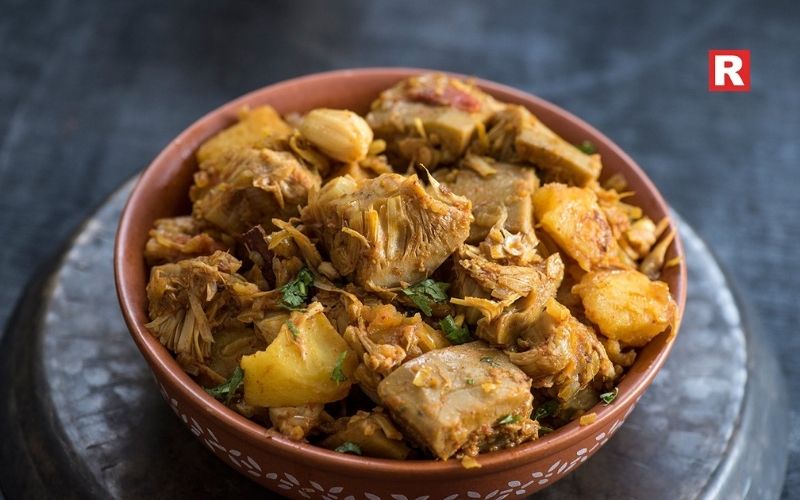
Echor or raw jackfruit earns its nickname as “vegetarian meat” for a good reason. Those chunky pieces, slow-cooked with potatoes, cumin, ginger, and garam masala, soak up every bit of flavor. The result? Hearty, fragrant, and filling enough to satisfy anyone missing meat during fasts. Echor Ghonto is usually eaten with plain rice and maybe a squeeze of lemon. Its texture stands out, and the spices give it a depth you don’t forget. It’s one of those dishes that makes you rethink what vegetables can do.
Check out: A Seafood Lover’s Delight: The Best Squid Dishes to Try
20 Pasta Dishes You Must Try at Least Once
8. Lau Ghonto
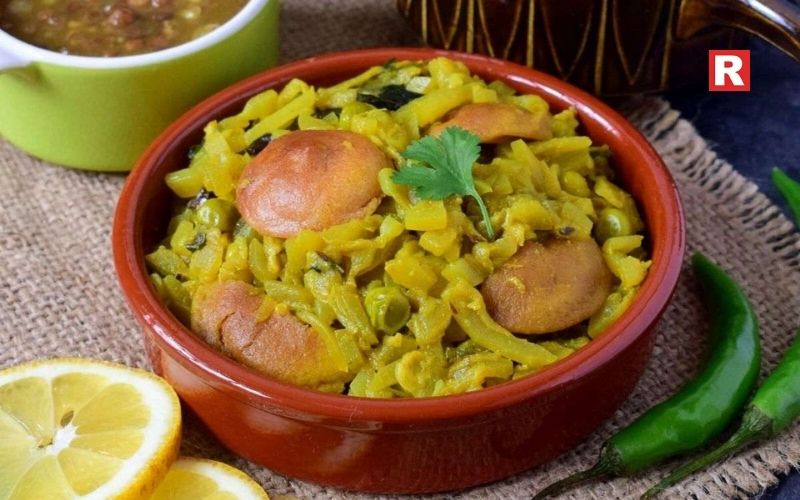
Lau Ghonto is the dish you want when the weather is consistently hot. Shredded bottle gourd cooks down with ginger, cumin, and sometimes a sprinkle of coconut for a hint of sweetness. It’s mild and hits the spot. It is light, soothing, and perfect for a summer lunch. Most folks eat it with steamed rice and a ladle of masoor dal. Sometimes home cooks toss in bodi, a type of sun-dried lentil dumplings, for a little extra bite. Lau Ghonto is modest, healthy, and a quiet reminder that simple food can sometimes be the most satisfying.
The Essence of Bengali Vegetarian Food
All these dishes have one thing in common: balance. Bengali vegetarian cooking weaves together sweet, spicy, bitter, and tangy without ever shouting. The flavors build in gentle layers, using just what’s needed, and nothing more. It’s food that’s about more than just taste. It stays in memory, reminding you of home. From weekday staples like Aloo Posto to special-occasion Mochar Ghonto, every dish feels like a chapter in a bigger story.
Learn more: 10 Authentic Korean Rice Dishes One Must Try On Your Next Visit To Korea
The Veg Side of Bengal
Bengali vegetarian food isn’t just an alternative to meat and fish. It stands on its own, thoughtful, soulful, shaped by tradition. These recipes turn simple vegetables into something that feels special. Whether you’re eating creamy Aloo Posto or savoring Labra’s quiet elegance, you realize Bengal’s vegetarian cooking is every bit as rich and varied as its famous fish curries and sweets.
So when you’re in the mood for something different yet familiar, skip the non-veg for once. Try one of these eight Bengali vegetarian dishes. Each bite brings out the creativity, warmth, and depth that have always defined Bengal’s kitchen.
Mahak Sharma
Content Writer
Mahak Sharma is a passionate content writer with 2 years of experience crafting compelling content across various niches, tailoring her writing to suit different audiences and platforms. She is dedicated to producing engaging content for readers so that they can understand and enjoy the articles. Her strengths lie in crafting SEO-friendly, well-structured articles that drive visibility and engagement.