7 Ways Tea Is Being Used in Desserts, Sauces and Savoury Dishes
The next innovation may not be another tea-based drink, but a sauce, seasoning, glaze or savoury dish in which tea quietly does the work of several flavour-building ingredients.

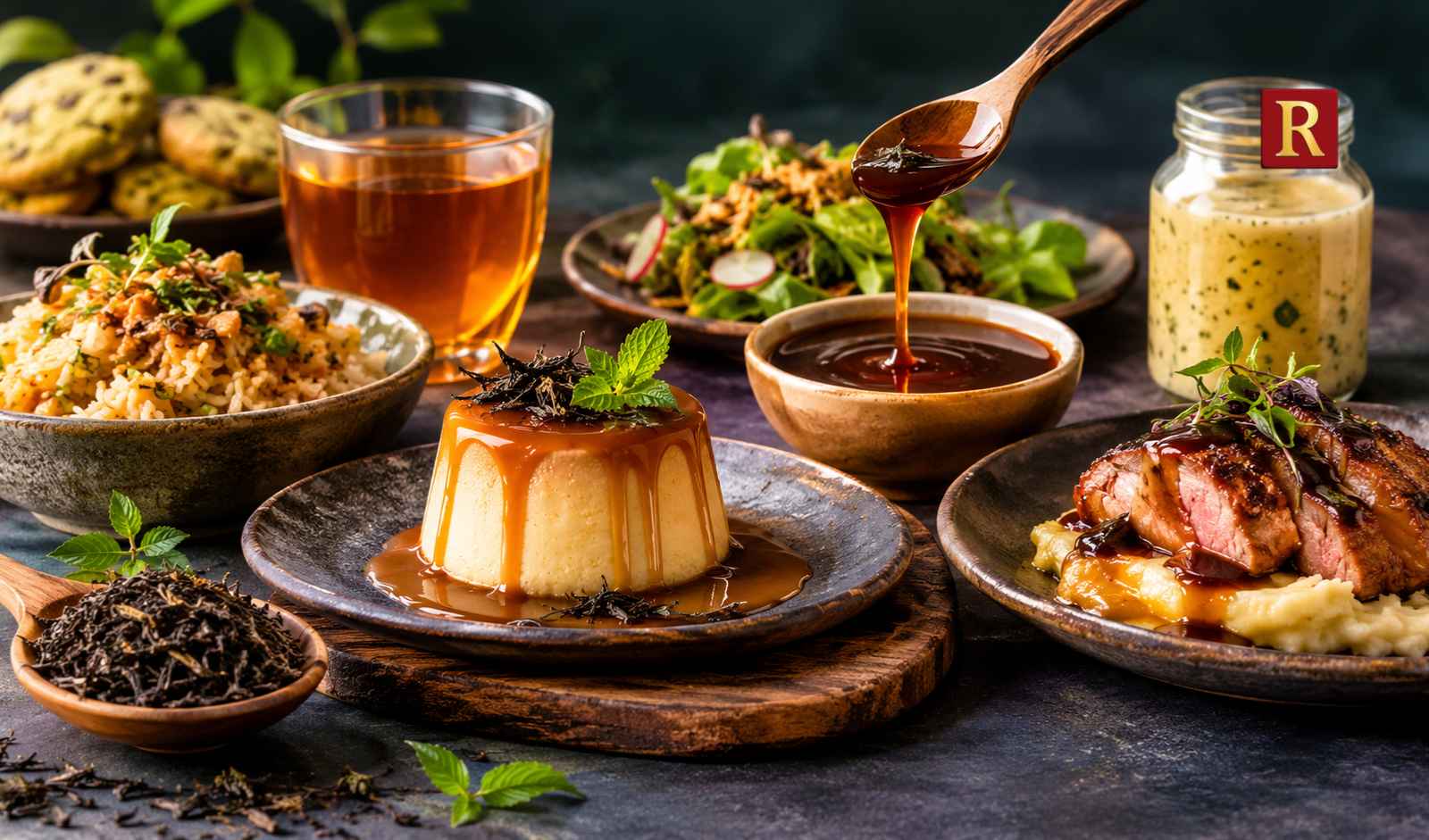
Tea is moving beyond cups, lattes and traditional desserts. Chefs and food developers are exploring tea leaves as flavouring agents, seasonings, aromatic infusions and even ingredients that add depth to savoury dishes. From smoky tea sauces and roasted tea butter to tea-based glazes and fermented leaf salads, tea offers a way to introduce complexity without relying on a long list of ingredients.
Different teas bring different culinary properties. Black tea can add malty depth, oolong can offer roasted or floral notes, green tea can lend grassy freshness, while smoked teas can introduce woody character. The way tea is extracted—through water, milk, cream, butter or directly ground leaves—also changes how it performs in a dish. For restaurants, bakeries, cafés and food manufacturers, this opens up opportunities to rethink familiar menu items, create signature flavours and use tea in applications beyond beverages.
Why Are Chefs Exploring Tea Beyond Beverages?
Tea contains aromatic compounds, polyphenols, tannins and other flavour components that influence its taste, aroma and interaction with food. Depending on its variety and processing, tea can contribute floral, earthy, roasted, smoky, bitter, fruity or vegetal notes.
Chefs can use tea in multiple forms:
- As an infusion: Extracting flavour into water, milk or cream.
- As a seasoning: Grinding tea leaves into rubs, spice mixes and coatings.
- As a fat infusion: Transferring tea aromas into butter or oil.
- As a cooking liquid: Using brewed tea instead of water or stock.
- As a reduction: Concentrating tea into glazes, syrups or sauces.
- As a whole ingredient: Using prepared or fermented tea leaves in dishes.
The biggest opportunity is to use tea to complement other ingredients instead of allowing it to overpower them.
1. Tea-Infused Caramel Is Adding Depth to Desserts
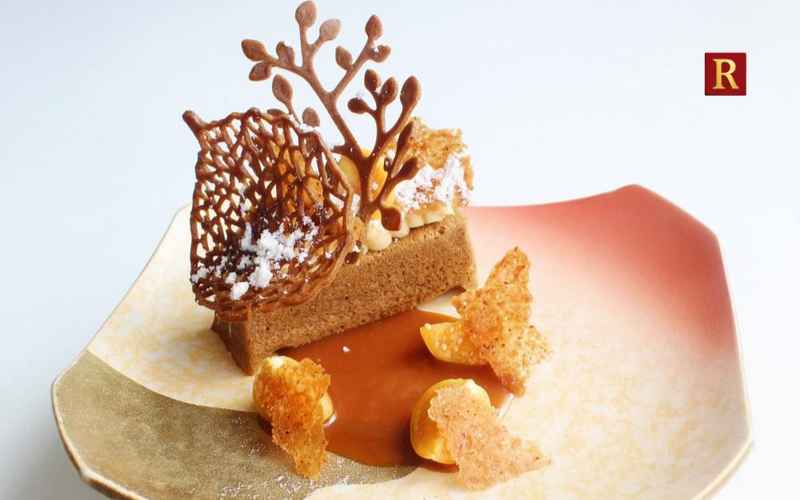
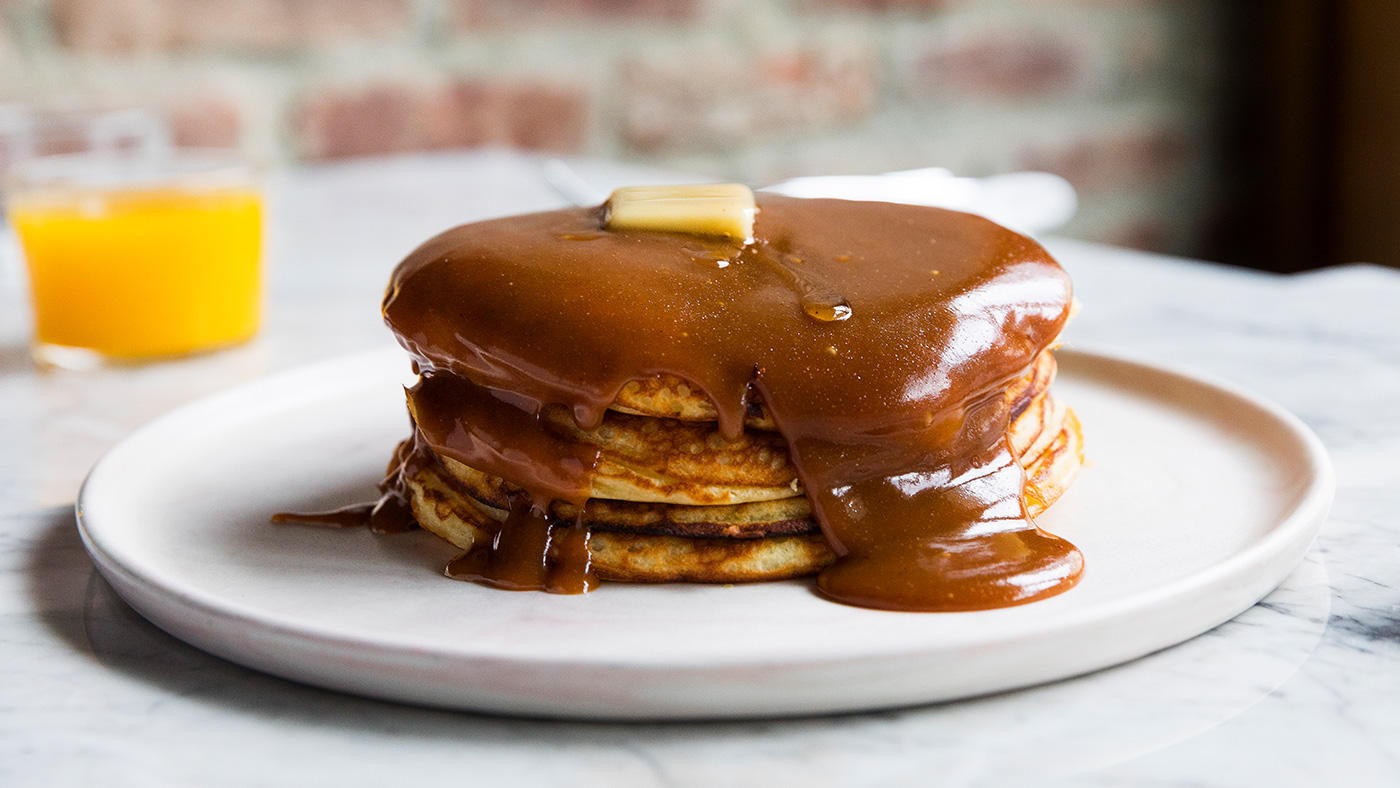
Caramel is known for its toasted sugar flavour, but tea can give it a more complex aromatic profile. Roasted teas such as hojicha, darker oolongs and Assam can introduce woody, nutty, malty or slightly smoky notes that work well with caramelised sugar. Instead of using tea only in cakes or cookies, chefs can incorporate it into dessert sauces, fillings, custards and caramel toppings.
How chefs can use tea in caramel
- Hojicha caramel: Adds roasted, nutty notes that work with pears, apples, pecans and vanilla ice cream.
- Assam caramel: Offers a malty flavour that pairs with dark chocolate, bananas and baked desserts.
- Earl Grey caramel: Combines bergamot aromas with caramel for citrus-led dessert sauces.
- Oolong caramel: Can offer floral or roasted complexity depending on the tea variety.
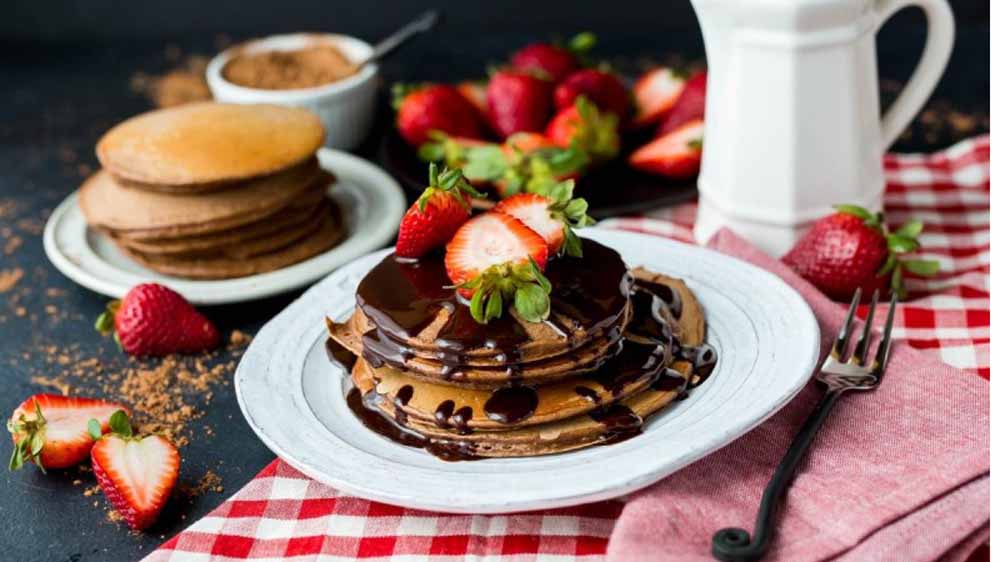
Tea can be infused into cream before it is added to caramel or incorporated into a prepared caramel sauce. The steeping time and concentration need control to avoid excessive bitterness. Tea caramel can become a versatile dessert component used across pancakes, plated desserts, cheesecakes, ice creams and pastry fillings.
2. Smoky Tea Is Being Used to Build Savoury Sauces
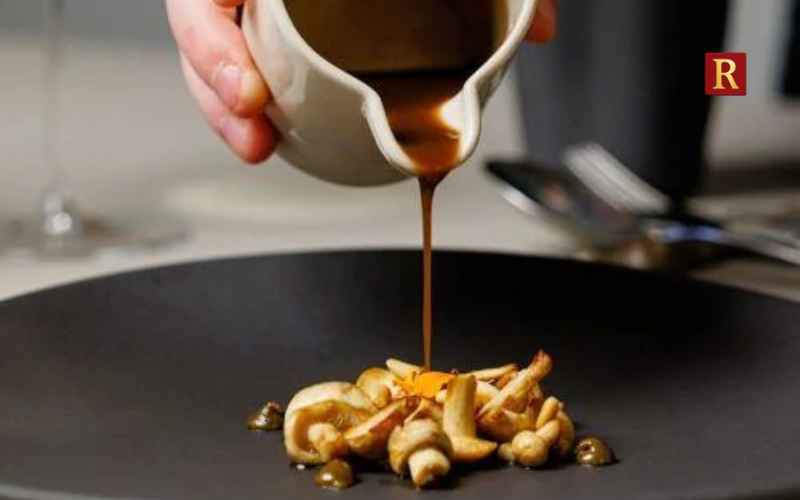
Smoky teas such as Lapsang Souchong offer a distinctive woody aroma that can be used to add depth to savoury preparations. Chefs can extract the tea into stock, cream or water and use it as a base for sauces served with mushrooms, grilled vegetables, poultry and other proteins. Tea can also add a subtle bitter edge to rich sauces, balancing ingredients such as butter, cream, sugar and caramelised onions.
Where smoky tea can work
- Mushroom and pepper sauces
- Barbecue-style glazes
- Cream sauces for roasted vegetables
- Pan sauces for grilled proteins
- Smoky gravies and vegetarian reductions
A professional culinary article in the National Culinary Review discusses using Lapsang Souchong with cream and fish fumet to create a sauce for salmon, demonstrating how tea can work within a restaurant sauce rather than simply as a seasoning. Smoky tea sauces could offer restaurants an alternative way to build smoky flavour in vegetarian dishes, especially mushrooms, aubergines, potatoes and grilled paneer.
3. Tea Is Flavouring Butter, Cream and Other Fats
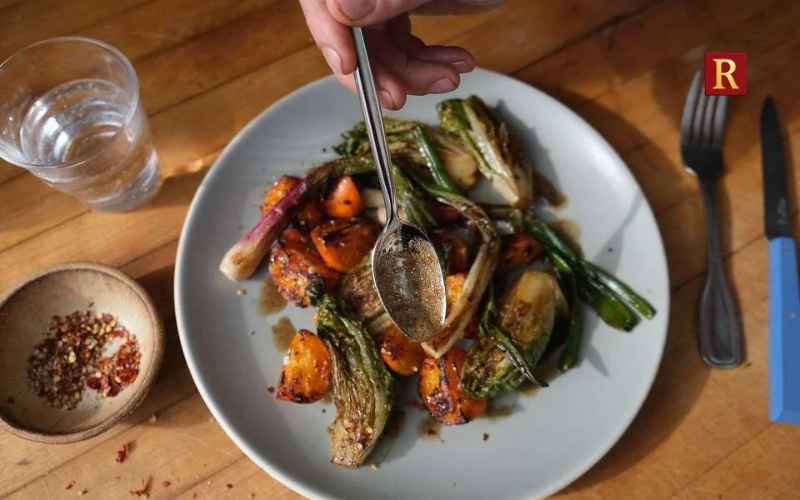
Tea's aromatic qualities can be transferred into butter, cream, milk and oil, giving chefs a way to introduce its flavour into dishes without adding brewed tea directly. Fat-based infusions are particularly useful because butter and cream can carry aromas throughout a dish, making tea suitable for finishing sauces, pasta, vegetables, seafood and desserts. The process generally involves gently warming the fat or dairy, steeping the tea, and straining out the leaves. Temperature and infusion time should be adjusted to the tea so that the finished product does not become excessively bitter. Culinary professionals have documented tea-infused dairy and butter applications ranging from ganache and ice cream to sauces for vegetables and proteins. A restaurant can develop one tea-infused butter or cream base and test it across several dishes, potentially creating a distinctive finishing ingredient without changing the entire recipe.
4. Tea Leaves Are Becoming Dry Rubs and Crusts
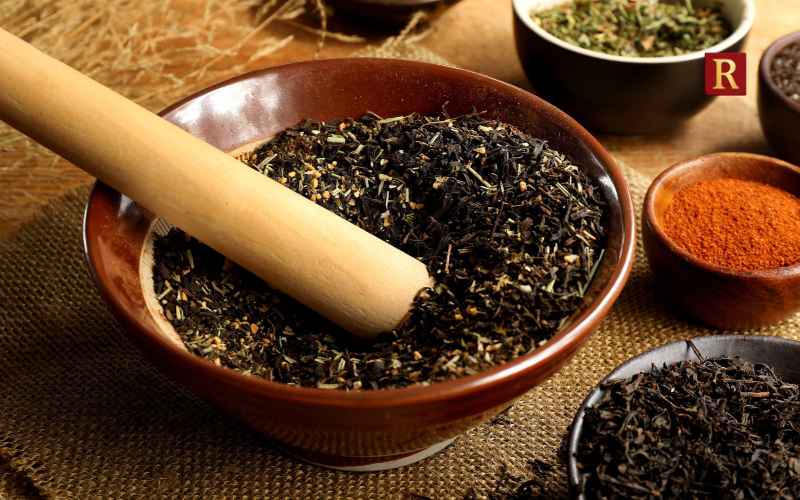
Tea doesn't always need to be brewed before it enters a recipe. Dried leaves can be ground and combined with spices, herbs, salt and other seasonings to create rubs, crusts and coatings. This technique allows tea to remain on the surface of an ingredient, where it can contribute flavour during cooking. Depending on the tea, it may add grassy, toasted, smoky or floral notes. Tea rubs can be used for roasted vegetables, grilled proteins, tofu, paneer and baked savoury preparations. The leaves should be ground consistently so they do not create a coarse or fibrous texture. Tea's application in dry rubs, coatings and savoury seasonings is already documented in culinary resources, making this a practical technique for kitchen experimentation. Tea-based dry rubs could become signature seasoning blends for restaurant grills, roasted vegetables, kebabs and small plates.
5. Tea Is Replacing Water and Stock in Grains and Cooking Liquids
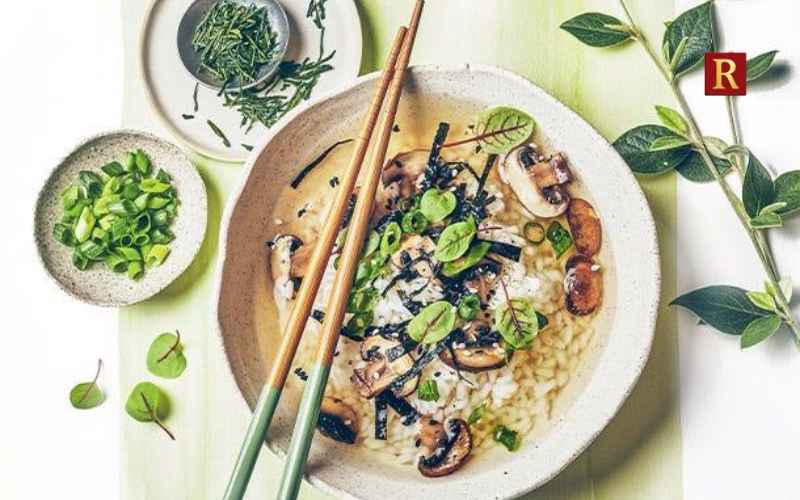
Tea can be used as a cooking liquid for rice, noodles, grains and some legumes. Rather than becoming the dominant flavour, it adds a subtle aromatic layer to the base ingredient. This application is particularly interesting for grain bowls, modern vegetarian menus and Asian-inspired preparations where the cooking liquid itself plays an important role in flavour.
What chefs can experiment with
- Genmaicha rice: Toasted rice notes complement mushrooms, sesame, grilled vegetables and soy-based preparations.
- Jasmine tea rice: Floral aromas can work with citrus, herbs, light curries and seafood.
- Oolong-cooked barley: Roasted notes can add depth to grain salads or vegetable bowls.
- Green tea noodle broth: A lighter tea base can complement noodles, mushrooms, spring onions and tofu.
- Tea-cooked chickpeas: A mild infusion could provide a subtle background note in salads and grain-based dishes.
The strength of the infusion matters. Delicate grains and noodles generally need a lighter tea flavour, while robust ingredients can handle roasted or darker tea profiles. Brewed tea has been used as a replacement for water in grains, soups, poaching liquids and other preparations. Tea-infused cooking liquids can help chefs add another layer of flavour to rice bowls, vegetarian mains and grain-based menu items without introducing an additional sauce.
6. Tea Is Being Turned Into Glazes, Syrups and Finishing Reductions
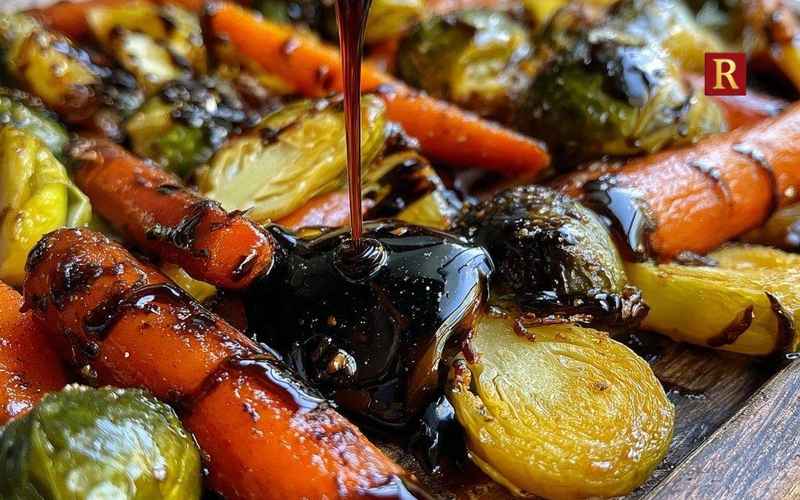
Tea can be brewed, blended with sweeteners or acidic ingredients, and reduced into a concentrated glaze or finishing sauce. This allows its flavour to cling to ingredients instead of remaining in a thin liquid. A tea glaze can work across savoury and sweet dishes, depending on the tea and the ingredients added to it. The tea is usually infused first and then combined with sweeteners, acidity or seasoning. Reduction requires care because concentrating tea too aggressively can intensify tannins, bitterness and astringency. A tea-based glaze can be adapted across a restaurant menu—used for roasted vegetables, proteins, desserts or finishing drizzles—making it a potential cross-menu flavour component.
7. Fermented Tea Leaves Are Bringing Tea Into Salads and Condiments
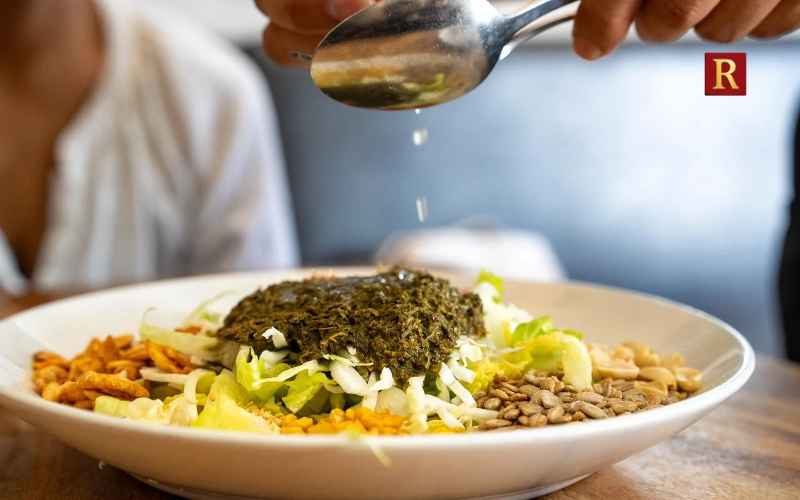
One of the most unusual culinary uses of tea comes from Myanmar, where fermented tea leaves are eaten rather than discarded after brewing. Lahpet, or fermented tea leaves, is a traditional ingredient in Burmese cuisine. One of its best-known applications is lahpet thoke, a tea-leaf salad that combines fermented leaves with ingredients such as cabbage, tomatoes, crunchy nuts, seeds, legumes and other accompaniments. Unlike brewed tea, fermented leaves have their own texture and flavour. They can bring savoury, earthy, tangy and fermented notes to a dish.
What this application offers chefs
- A tea ingredient that contributes texture as well as flavour.
- A fermented element for salads and savoury condiments.
- A distinctive ingredient for plant-forward menus.
- Inspiration for contemporary relishes, dressings and vegetable accompaniments.
Rather than copying lahpet thoke, chefs could explore the idea of tea-leaf condiments paired with seasonal vegetables, grain bowls or grilled ingredients. However, fermented tea leaves require food-safe preparation and handling; they should not be treated like simply steeped or dried tea. Fermented tea-leaf inspired condiments could introduce a less familiar flavour and texture to modern salads and small plates while giving tea a role as a food ingredient in its own right.
Tea Varieties and Their Culinary Applications
Choosing the right tea is important because different varieties can change the aroma, bitterness, colour and overall flavour of a dish. Chefs should select tea based on the ingredient it will accompany and the cooking technique being used.
Tea variety | Flavour profile | Best culinary applications |
Assam | Malty, bold, brisk | Caramel, sauces, rubs, glazes |
Darjeeling | Floral, fruity, muscatel | Fruit sauces, marinades, seafood |
Earl Grey | Bergamot, citrus, aromatic | Ganache, caramel, custards, glazes |
Lapsang Souchong | Smoky, woody, intense | Savoury sauces, rubs, mushrooms |
Hojicha | Roasted, nutty, mellow | Butter, caramel, vegetables, desserts |
Genmaicha | Toasted rice, grassy | Rice, stir-fries, savoury seasonings |
Jasmine green tea | Floral, fresh, delicate | Fish, rice, light sauces |
Oolong | Floral, roasted or woody | Cream sauces, reductions, glazes |
Matcha | Grassy, vegetal, concentrated | Butter, pasta, coatings, desserts |
Hibiscus | Tart, fruity, vivid | Syrups, dressings, reductions, desserts |
Flavour profiles vary according to tea origin, processing, grade and brewing method.
How Tea Can Create New Business Opportunities for Restaurants
Tea-based culinary applications can offer restaurants more than novelty. They can help chefs build signature flavours, create ingredient versatility and give diners something unfamiliar without making a dish difficult to understand.
Signature sauces and condiments: Tea-based caramel, smoky mushroom sauces, tea butter and glazes can become signature preparations that distinguish a restaurant's menu.
Cross-menu applications: A single tea infusion may be adapted for multiple dishes. For example, roasted oolong could be tested in a butter for vegetables, a sauce for mushrooms and a caramel for desserts.
Menu differentiation: Tea can help restaurants develop new flavour profiles without relying only on familiar ingredients such as truffle oil, flavoured mayonnaise, chilli oil or standard spice blends.
Plant-forward menu innovation: Smoky, roasted and earthy teas can help build flavour in vegetarian dishes, particularly mushrooms, grains, root vegetables, paneer and tofu.
Premium dessert development: Tea-infused caramel, cream, chocolate, glazes and pastry fillings offer pastry chefs more ways to build layered flavours and create seasonal dessert menus.
The Bottom Line!
Tea's role in the kitchen is expanding beyond beverages and familiar tea-flavoured desserts. Its floral, grassy, roasted, smoky and malty characteristics can be used to build sauces, flavour fats, season proteins, cook grains and create distinctive finishing glazes. For chefs, the opportunity lies in understanding how tea behaves in different cooking mediums. A brewed infusion can add delicate aroma, ground leaves can act as seasoning, infused butter can carry flavour into rich dishes, and fermented tea leaves can become a textural ingredient. As restaurants look for new ways to differentiate menus, tea offers an ingredient that is familiar to consumers yet surprisingly versatile in culinary applications. The next innovation may not be another tea-based drink, but a sauce, seasoning, glaze or savoury dish in which tea quietly does the work of several flavour-building ingredients.
Saptopriya Ghosal
Feature Writer
I am a dedicated media professional with a bachelor's degree in mass communication from the State University of Calcutta and a postgraduate degree from Amity University. My academic journey has equipped me with a profound understanding of storytelling and communication. Passionate about the dynamic world of media, I continually strive to explore new ways to engage and inform through compelling narratives.