7 Ways Mithai Brands Are Competing With Premium Chocolate Gift Boxes
Brands that combine authentic flavours, reliable quality and a memorable gifting experience will have a stronger opportunity to compete with premium chocolate companies.

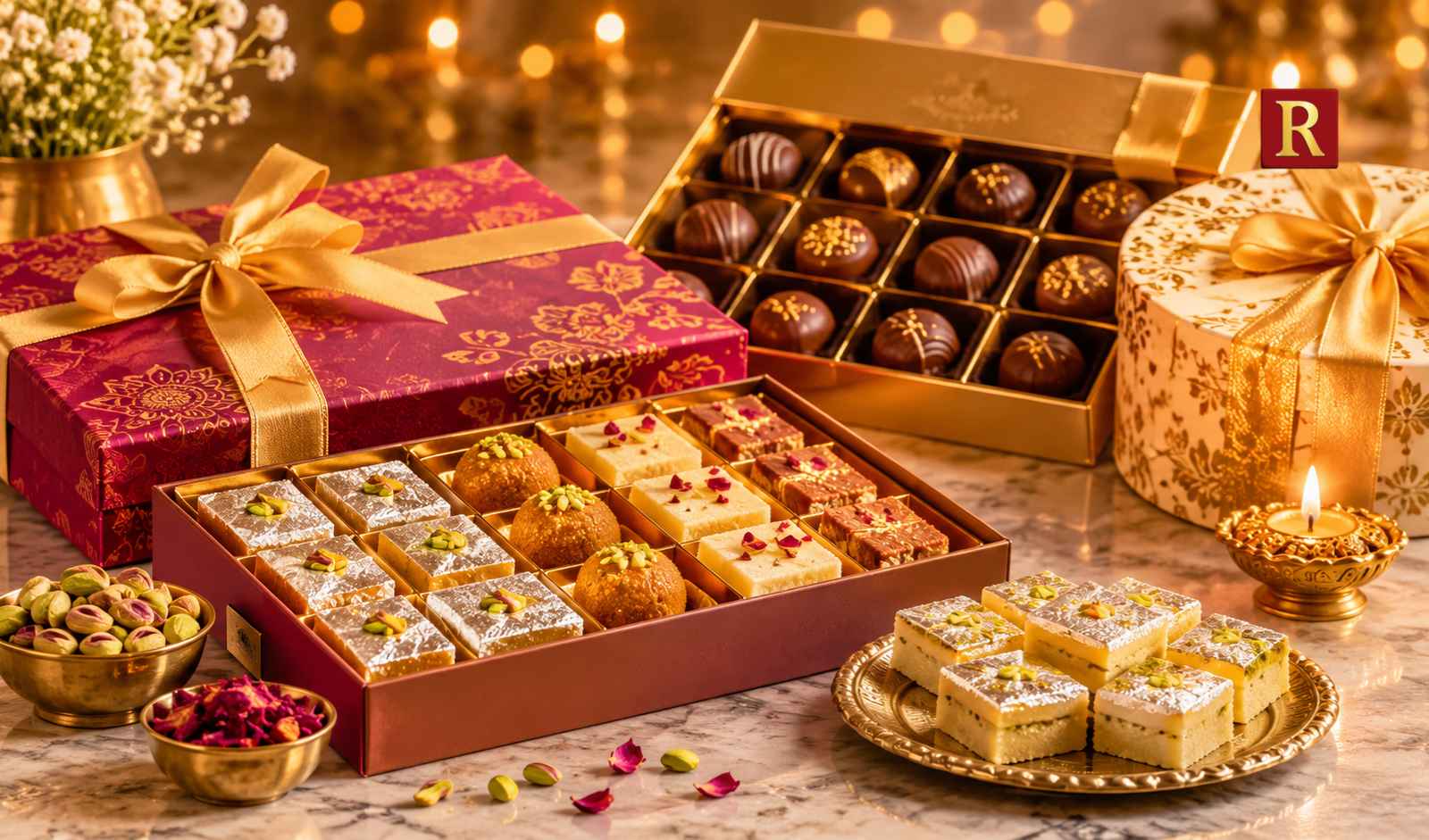
Premium chocolate gift boxes have become a popular choice for festive celebrations, corporate gifting and personal occasions. Their appeal comes from attractive packaging, international flavours, premium ingredients and carefully curated collections. However, Indian mithai brands are now adopting similar strategies to make traditional sweets more appealing to modern consumers.
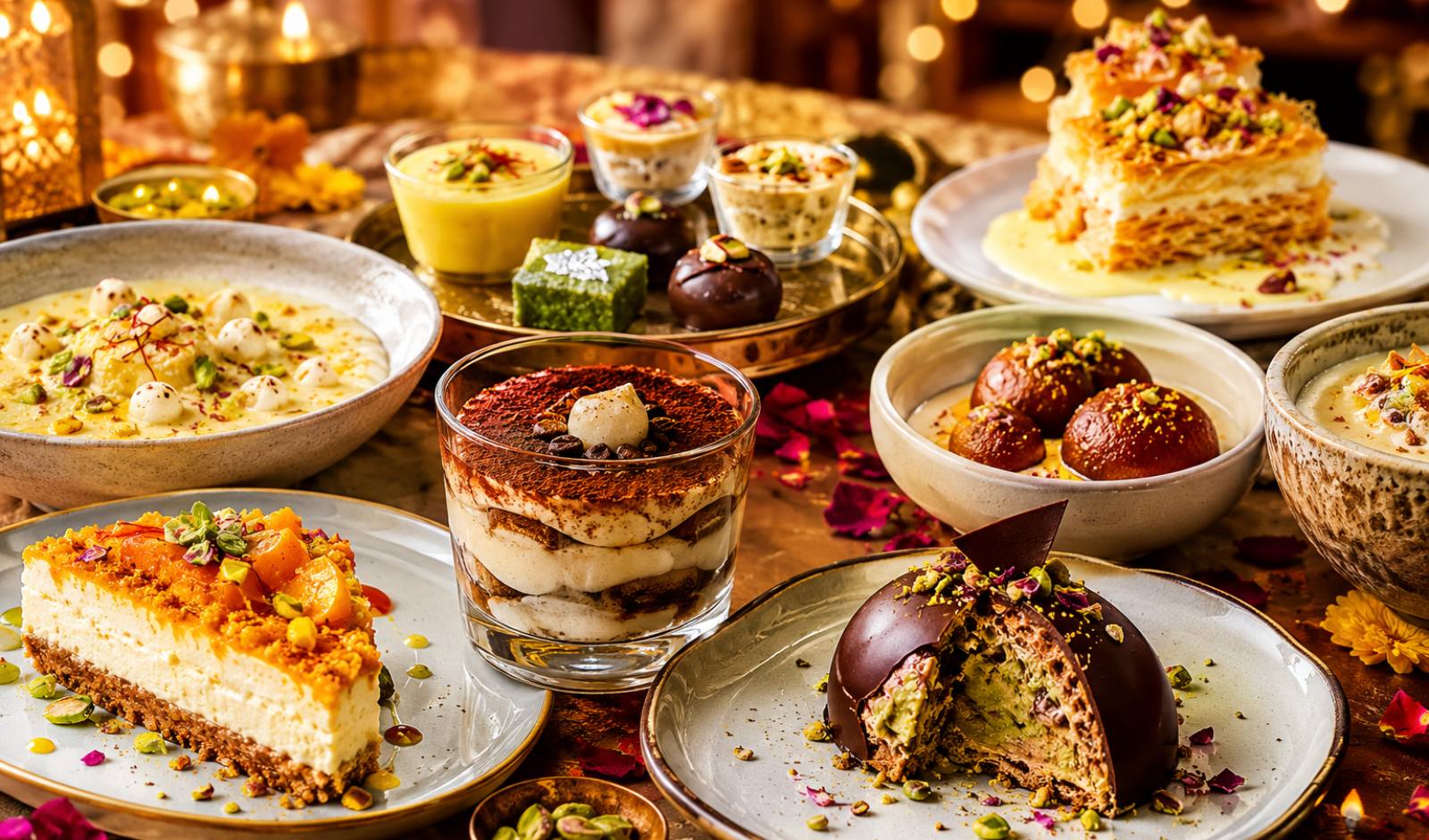
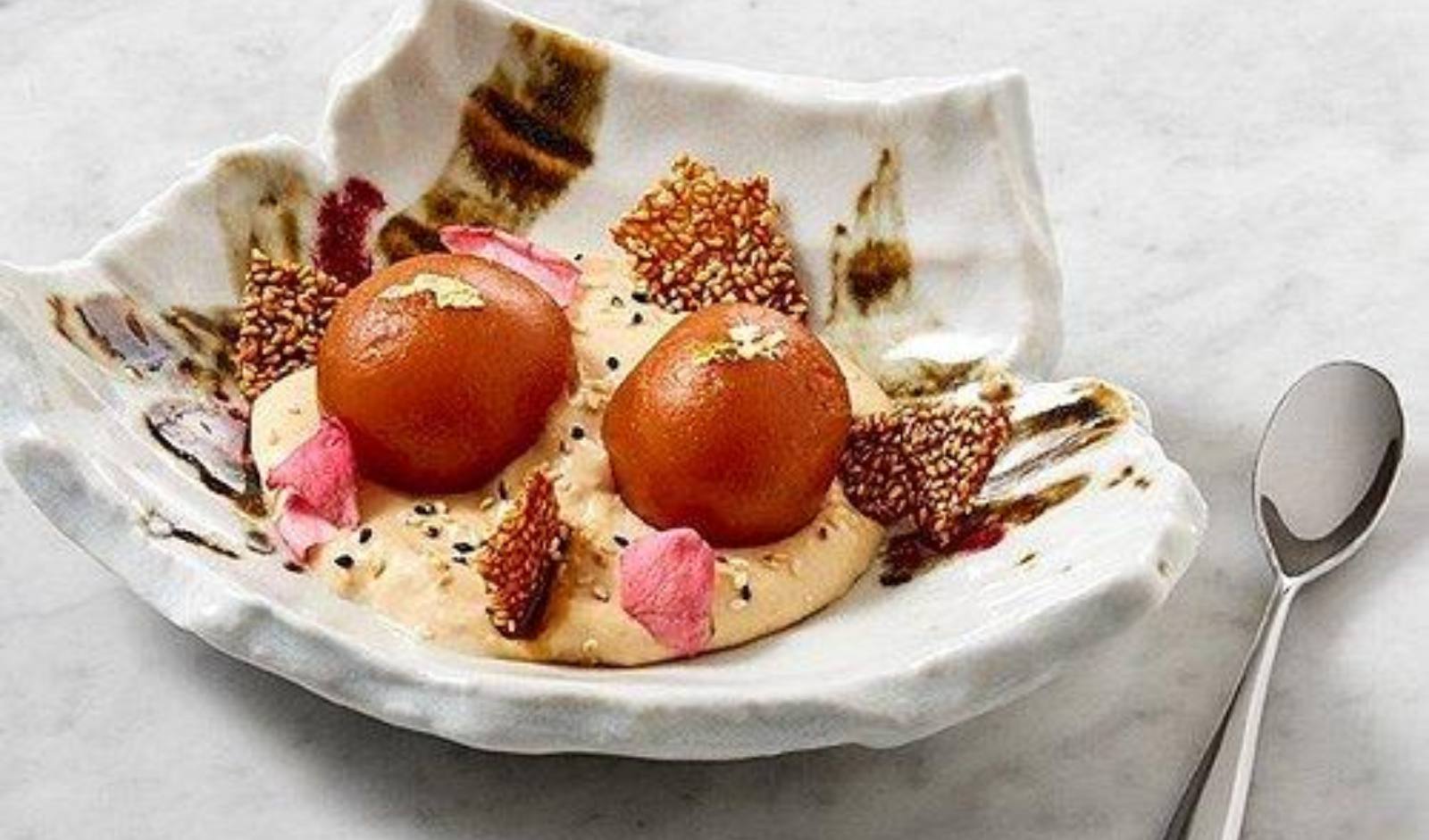
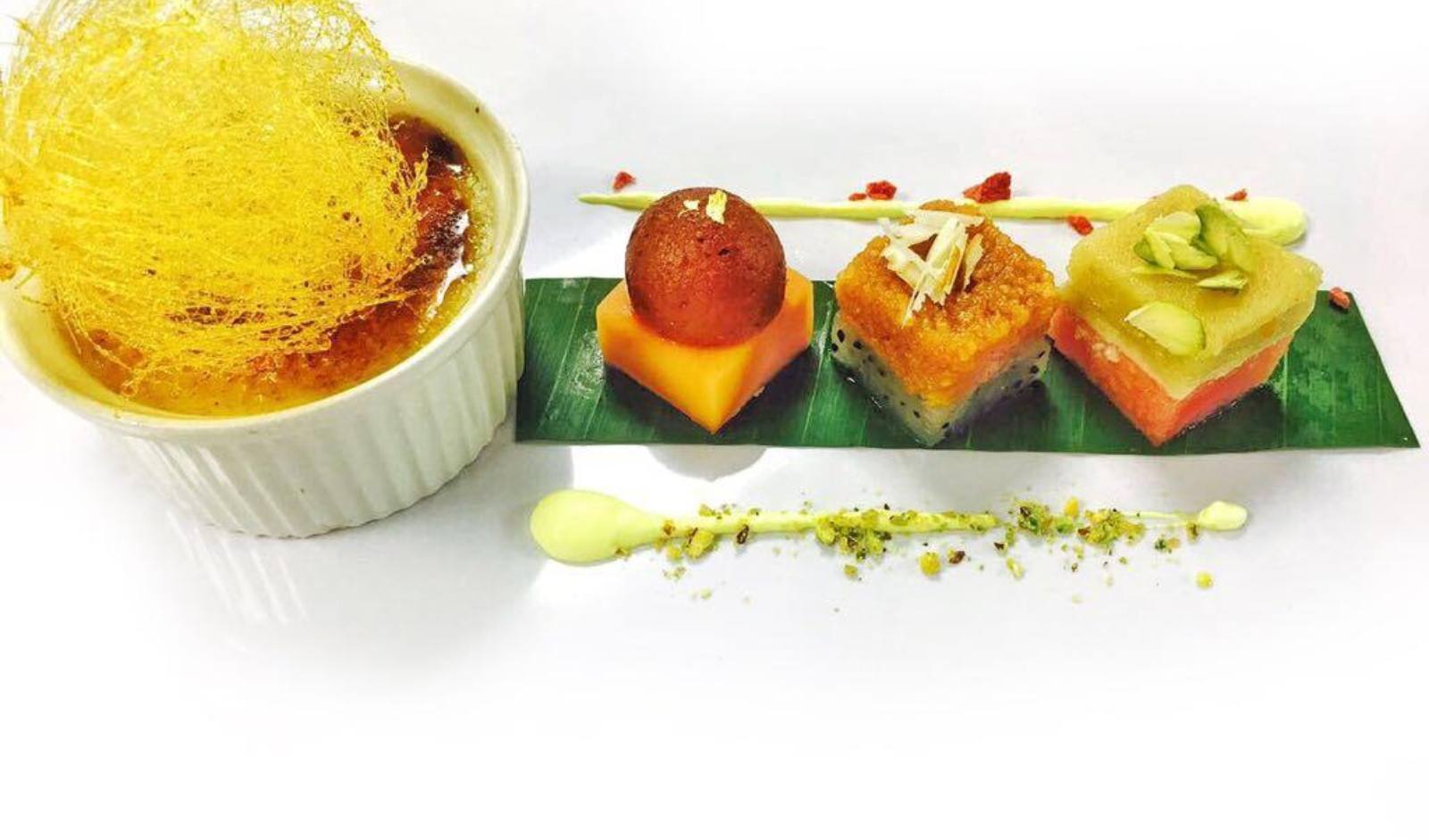
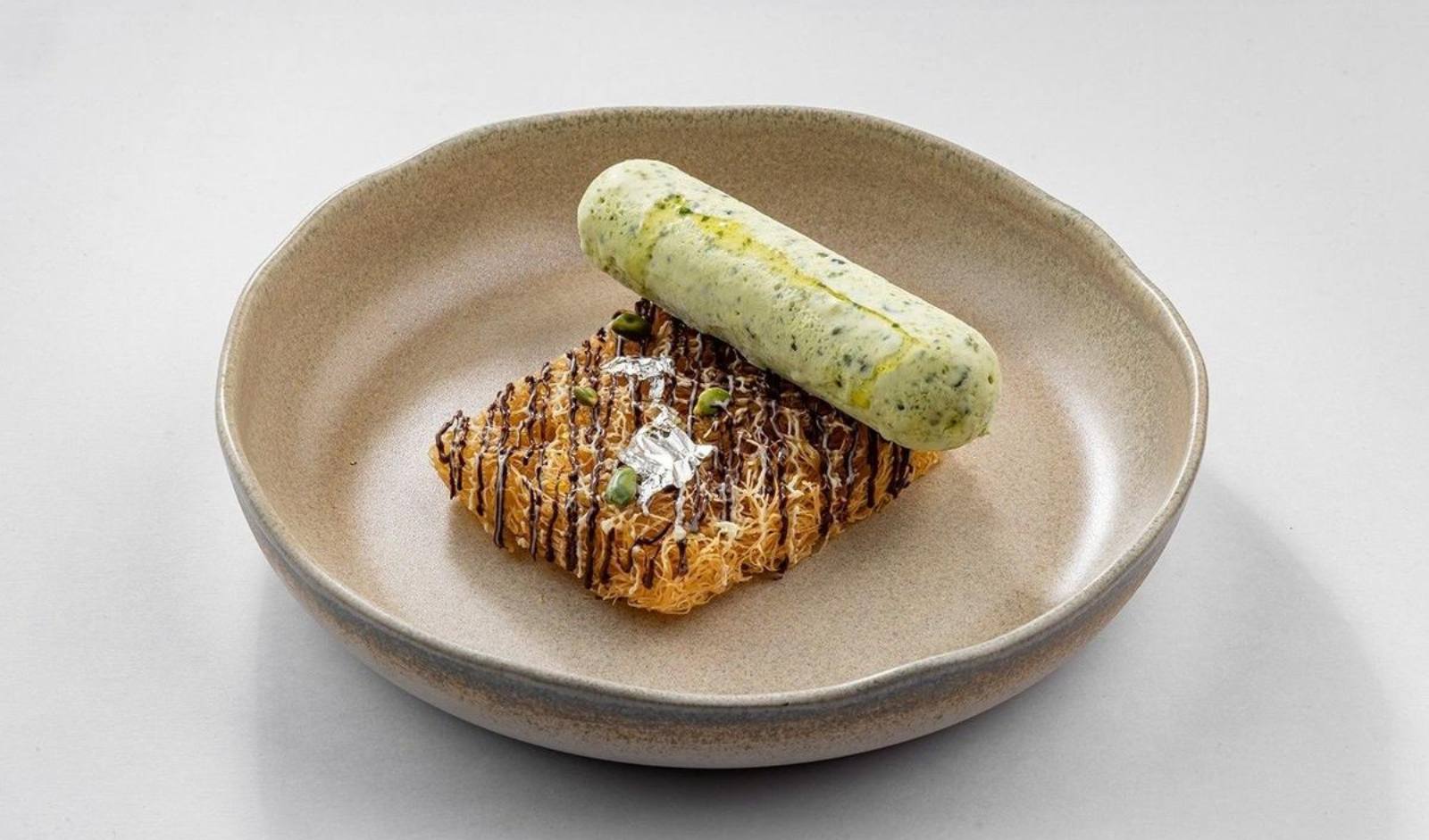
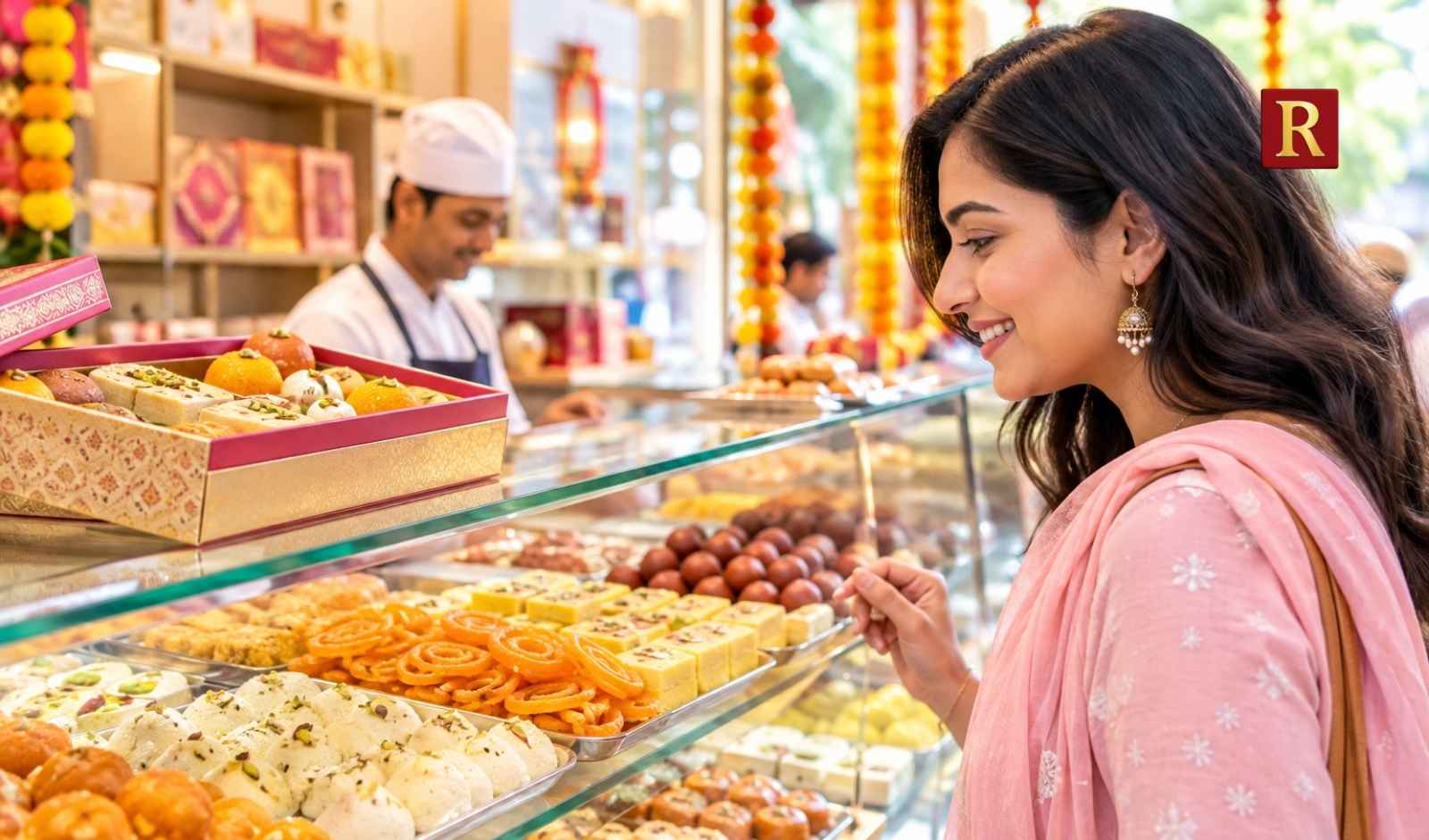
From gold-leaf pista katli and Biscoff barfi to customised wedding hampers and luxury sweet collections, mithai businesses are changing how Indian sweets are presented and sold. Some premium mithai boxes now command prices running into thousands of rupees, bringing them into the same gifting conversation as luxury chocolate collections. This shift is creating a new competition in India's premium gifting market. Rather than relying only on traditional recipes, mithai brands are investing in product innovation, packaging, personalisation and premium retail experiences. Here are seven ways mithai brands are competing with premium chocolate gift boxes.
1. Using Premium Ingredients to Create Luxury Mithai
Premium chocolate brands often highlight imported cocoa, nuts, caramel and speciality ingredients to justify higher prices. Mithai brands are following a similar approach by upgrading the ingredients used in traditional Indian sweets. The focus is shifting towards ingredient quality, sourcing and presentation.
Some popular premium ingredients include:
- Kashmiri saffron and premium pistachios.
- Imported almonds and cashews.
- High-quality ghee and natural flavouring ingredients.
- Edible gold and silver leaf.
- Premium dates, figs and dried fruits.
For instance, Khoya Mithai has attracted attention with its 24-karat gold-leaf pista katli collection, with a reported price of Rs 21,000 for a box of 30 pieces. This shows how traditional sweets can enter luxury gifting through carefully selected ingredients and presentation.
Why This Strategy Matters
Premium ingredients give brands an opportunity to create differentiated products and target consumers willing to spend more on gifting. However, expensive ingredients alone cannot justify a premium price. Brands must also maintain consistent quality, taste and product presentation.
2. Introducing Fusion Flavours to Attract Younger Consumers
Traditional mithai is closely associated with familiar flavours such as cardamom, saffron, coconut and dry fruits. However, younger consumers are increasingly exposed to international desserts, speciality chocolates and contemporary bakery products. Mithai brands are using this opportunity to experiment with fusion flavours.
Some emerging product combinations include:
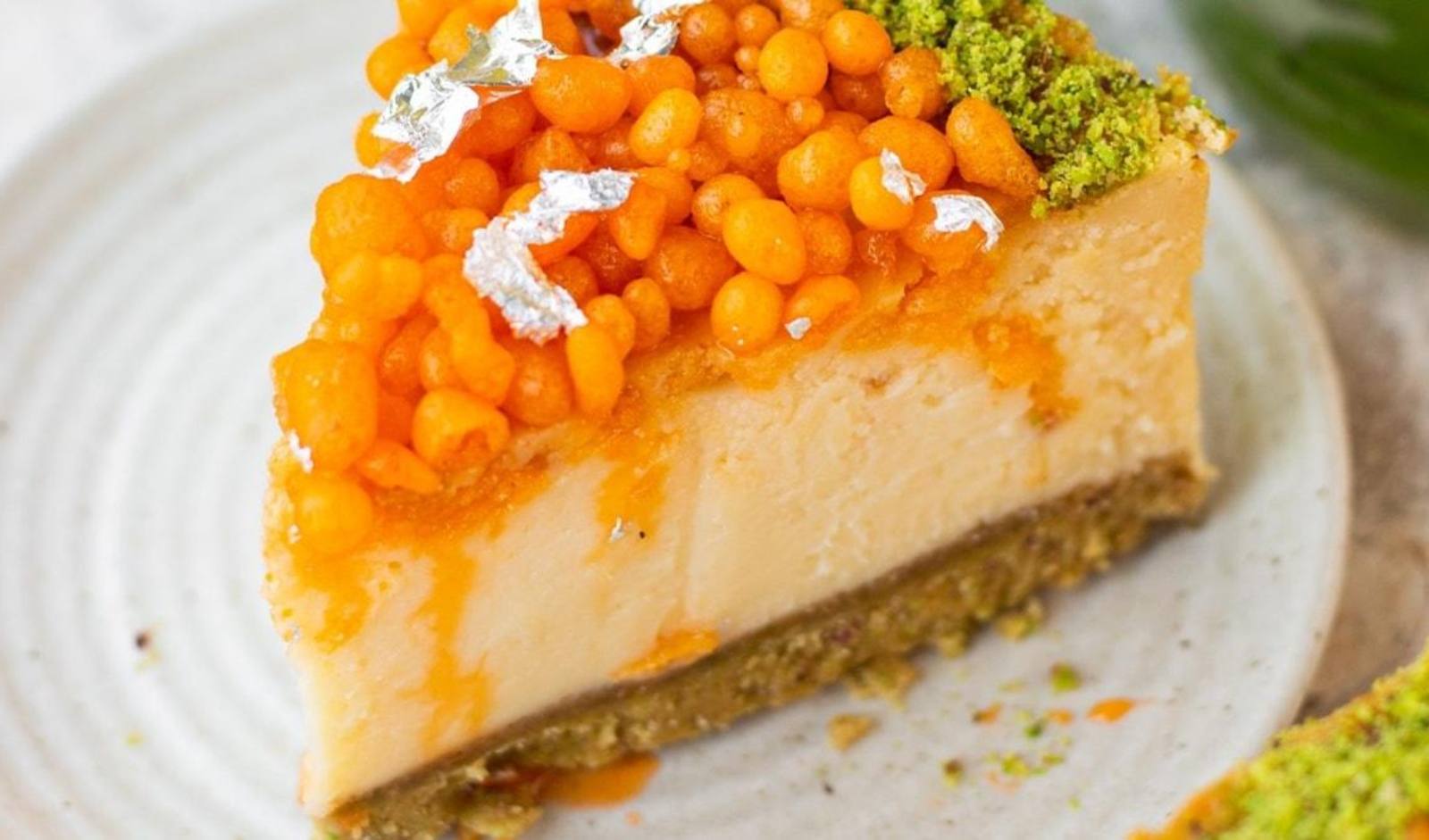
- Biscoff barfi.
- Belgian chocolate peda.
- Coffee-flavoured kaju katli.
- Pistachio and rose laddoos.
- Mango thandai peda.
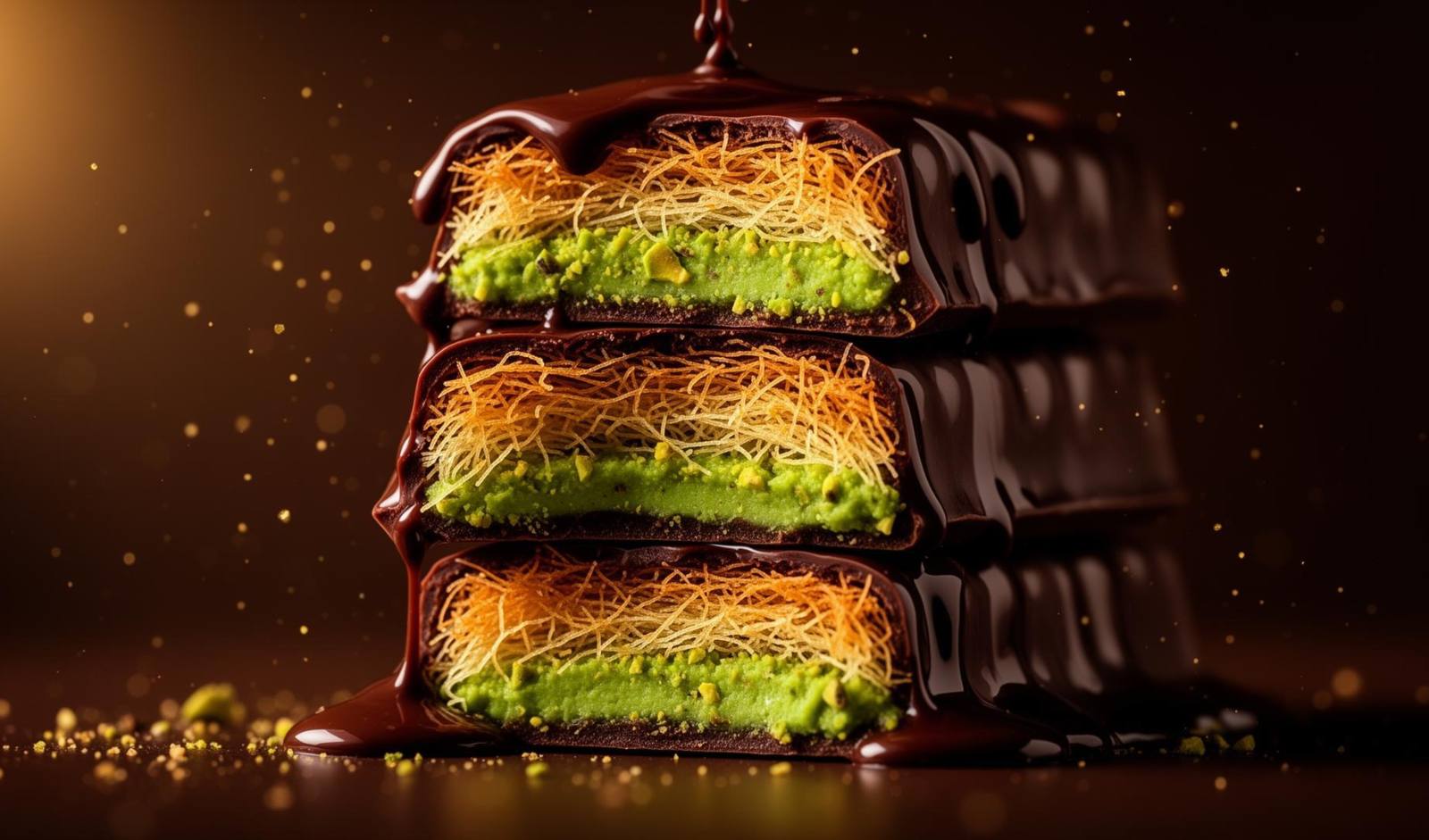
- Chocolate-coated traditional sweets.
These combinations help brands create products that feel familiar but offer something different.
Balancing Innovation With Tradition
The biggest challenge is maintaining the identity of mithai while introducing international flavours. For example, adding chocolate to barfi requires attention to sweetness, fat content and texture. Similarly, ingredients such as fruit fillings and spreads can affect moisture levels and product stability. Brands must ensure that fusion products offer a balanced taste rather than simply combining two popular ingredients.
The Business Opportunity
Fusion mithai can attract younger buyers, encourage trial purchases and create limited-edition collections around festivals and celebrations. It also gives traditional sweetmakers an opportunity to compete with premium chocolate brands on product innovation.
3. Investing in Packaging That Looks as Premium as Chocolate Boxes
Packaging plays an important role in premium gifting. Chocolate brands have built strong gifting identities through rigid boxes, individual compartments, elegant finishes and attractive product arrangements. Mithai brands are adopting similar packaging strategies.
Some popular packaging formats include:
- Rigid magnetic gift boxes.
- Individually separated sweet compartments.
- Gold and metallic finishes.
- Festival-specific packaging.
- Reusable decorative boxes.
- Personalised product cards.
The objective is to make the first interaction with the product feel premium.
Packaging Is More Than Appearance
For mithai brands, packaging also has an important functional role. Unlike many chocolates, traditional milk-based sweets can be sensitive to moisture, temperature and microbial growth.
Brands need to consider:
- Food-grade inner packaging.
- Moisture and grease resistance.
- Separation between different sweets.
- Protection during transportation.
- Tamper-evident packaging.
This becomes particularly important when assorted gift boxes contain products with different shelf lives.
Turning Packaging Into Brand Identity
A well-designed mithai box can improve brand recall and make the product suitable for weddings, corporate gifting and premium festive purchases. However, brands must balance packaging costs with product quality and customer expectations.
4. Expanding Mithai Boxes Into Curated Luxury Hampers
Premium chocolate companies often sell assorted collections containing truffles, pralines, caramels and other confectionery products. Mithai brands are expanding this concept by combining traditional sweets with other premium food products. Instead of selling only a box of kaju katli or laddoos, businesses are creating complete gifting experiences.
These hampers may include:
- Assorted mithai and premium dry fruits.
- Traditional sweets with savoury snacks.
- Mithai paired with speciality tea or coffee.
- Regional sweet collections.
- Festive boxes with decorative accessories.
Increasing the Average Order Value
Curated hampers allow brands to offer multiple price points without changing their core products. For example, a basic mithai box can be expanded into a premium hamper by adding dry fruits, savouries and personalised packaging. This gives customers more gifting choices while creating opportunities to increase average order value.
The Operational Challenge
Brands must consider product compatibility before combining different items. Different sweets have different moisture levels, storage requirements and shelf lives. Poor product combinations can affect freshness, texture and overall quality. Therefore, assortment planning and packaging design become important parts of premium hamper development.
5. Building Personalised Gifting for Weddings and Corporate Customers
Corporate gifting and wedding celebrations are important opportunities for premium chocolate brands. Mithai businesses are competing by offering customised products that connect with Indian traditions and special occasions.
Personalised gifting formats include:
- Wedding invitation sweet boxes.
- Customised corporate gift hampers.
- Baby announcement collections.
- Anniversary and milestone celebration boxes.
- Festival gifts with company branding.
- Regional sweets selected for specific occasions.
Brands such as Meethi have explored bespoke gifting formats for weddings, corporate events and personal celebrations.
Why Personalisation Creates Value
Personalisation makes a gift feel more relevant to the occasion. For corporate customers, branded packaging can also improve brand visibility. For weddings, customised sweet boxes can become part of the overall celebration experience.
Managing Large Orders
However, customised gifting requires careful planning. Mithai brands need to manage:
- Bulk production capacity.
- Packaging and branding timelines.
- Ingredient availability.
- Consistency across large orders.
- Delivery schedules.
This is especially important during Diwali and the wedding season, when multiple bulk orders may arrive simultaneously.
6. Using Authentic Ingredients and Traditional Recipes as a Premium Selling Point
Premium chocolate brands often communicate their product quality through cocoa origin, manufacturing methods and ingredient transparency. Mithai brands have a different advantage: India's regional food heritage and traditional recipes. They can build a premium identity around authenticity, preparation methods and ingredient sourcing.
Some approaches include:
- Highlighting regional sweet-making traditions.
- Using traditional recipes and preparation techniques.
- Communicating the quality of ghee, nuts and milk ingredients.
- Offering jaggery-based alternatives.
- Providing clear ingredient and allergen information.
- Explaining the origin of speciality ingredients.
Transparency Can Build Consumer Trust
Modern consumers want to understand what they are purchasing. Clear ingredient declarations and nutritional information can help customers make informed decisions. However, brands must be careful with health-related claims. Using jaggery instead of refined sugar does not automatically make a sweet low-sugar or healthier. Similarly, claims such as no added preservatives should be supported by the actual formulation and manufacturing process.
The Freshness Challenge
Freshness is another important differentiator. Many milk-based mithai products have shorter shelf lives than packaged chocolates. This creates operational challenges for brands selling through online platforms and across multiple locations. Businesses must monitor moisture activity, microbial stability, storage temperatures and packaging performance to maintain product quality. This makes freshness management an important part of premium mithai positioning.
7. Taking Premium Mithai Into Modern Retail and Online Gifting
Premium chocolate brands have built their presence through boutiques, shopping malls, modern retail stores and direct-to-consumer platforms. Mithai brands are increasingly adopting similar distribution strategies. The category is moving beyond conventional neighbourhood sweet shops.
Some emerging retail formats include:
- Premium mithai boutiques.
- Luxury hotel sweet counters.
- Dedicated online gifting collections.
- Direct-to-consumer websites.
- Festive pre-order platforms.
- Quick-commerce distribution for suitable products.
Brands such as Almond House, Bombay Sweet Shop and Khoya Mithai demonstrate how Indian sweets can be presented through contemporary retail and premium product experiences.
Reaching Consumers Beyond Festivals
Traditionally, mithai sales have been strongly associated with Diwali, weddings and other celebrations. Modern retail and online gifting can help brands create demand throughout the year. Birthdays, anniversaries, corporate milestones, housewarming celebrations and personal gifting provide additional sales opportunities.
Managing Online Distribution
Selling mithai online requires more than attractive product photographs.
Brands need to consider:
- Product-specific shelf-life requirements.
- Temperature-sensitive delivery.
- Protective packaging.
- Inventory turnover.
- Last-mile transportation.
- Clear storage and consumption instructions.
A product that looks premium online must also arrive in the same condition.
The Bigger Business Opportunity
The competition between premium mithai and chocolate gift boxes reflects a wider change in India's food gifting market. Consumers are increasingly looking for products that combine quality, attractive presentation and a sense of occasion. Premium chocolates have established themselves in this space, but mithai brands have an advantage through regional flavours, cultural familiarity and traditional recipes. The opportunity now lies in converting these strengths into consistent business models.
Luxury ingredients, fusion flavours, customised packaging and curated hampers can help mithai brands attract premium customers. At the same time, businesses must manage ingredient costs, shelf life, production capacity and distribution expenses. Ultimately, the success of premium mithai will depend on more than expensive packaging or gold decoration. Brands that combine authentic flavours, reliable quality and a memorable gifting experience will have a stronger opportunity to compete with premium chocolate companies.
Saptopriya Ghosal
Feature Writer
I am a dedicated media professional with a bachelor's degree in mass communication from the State University of Calcutta and a postgraduate degree from Amity University. My academic journey has equipped me with a profound understanding of storytelling and communication. Passionate about the dynamic world of media, I continually strive to explore new ways to engage and inform through compelling narratives.