7 Ways Indian Whisky Brands Are Trying to Look Younger
The interesting question is therefore not whether Indian whisky is abandoning its past. It is whether established whisky brands can retain their heritage while giving consumers new reasons to discover them.

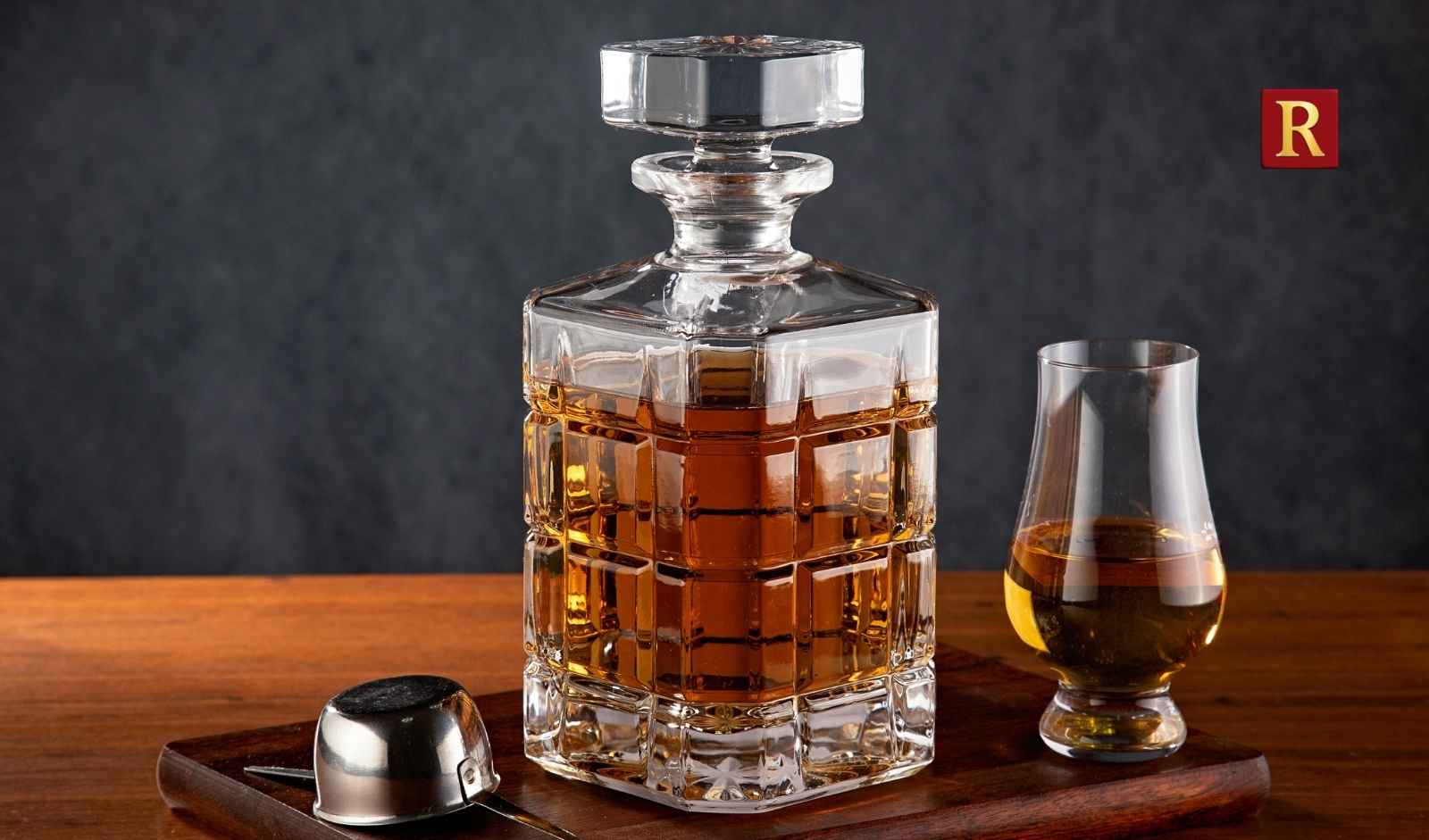
Indian whisky has long been associated with familiar cues. Dark bottles. Gold labels. Large gatherings. Ice and soda. A drink ordered almost automatically at a bar. That image is changing. Indian whisky brands are now experimenting with packaging, blends, cocktails, smaller formats, experiences and cultural partnerships. The objective is not simply to sell more whisky. It is to make the category feel more relevant to a new generation of legal-age consumers.
The shift is visible across both mass-premium and premium whisky. In 2026, younger urban consumers are showing greater interest in premium spirits, cocktails and experience-led drinking. An IWSR survey reported by The Economic Times found that alcohol participation among 21-28-year-olds in India reached 80 per cent in March 2026, compared with 70 per cent a year earlier. For whisky brands, this creates a new challenge. How do you modernise a category without losing the familiarity that made these brands successful?
1. The Bottle Is Getting a Modern Makeover
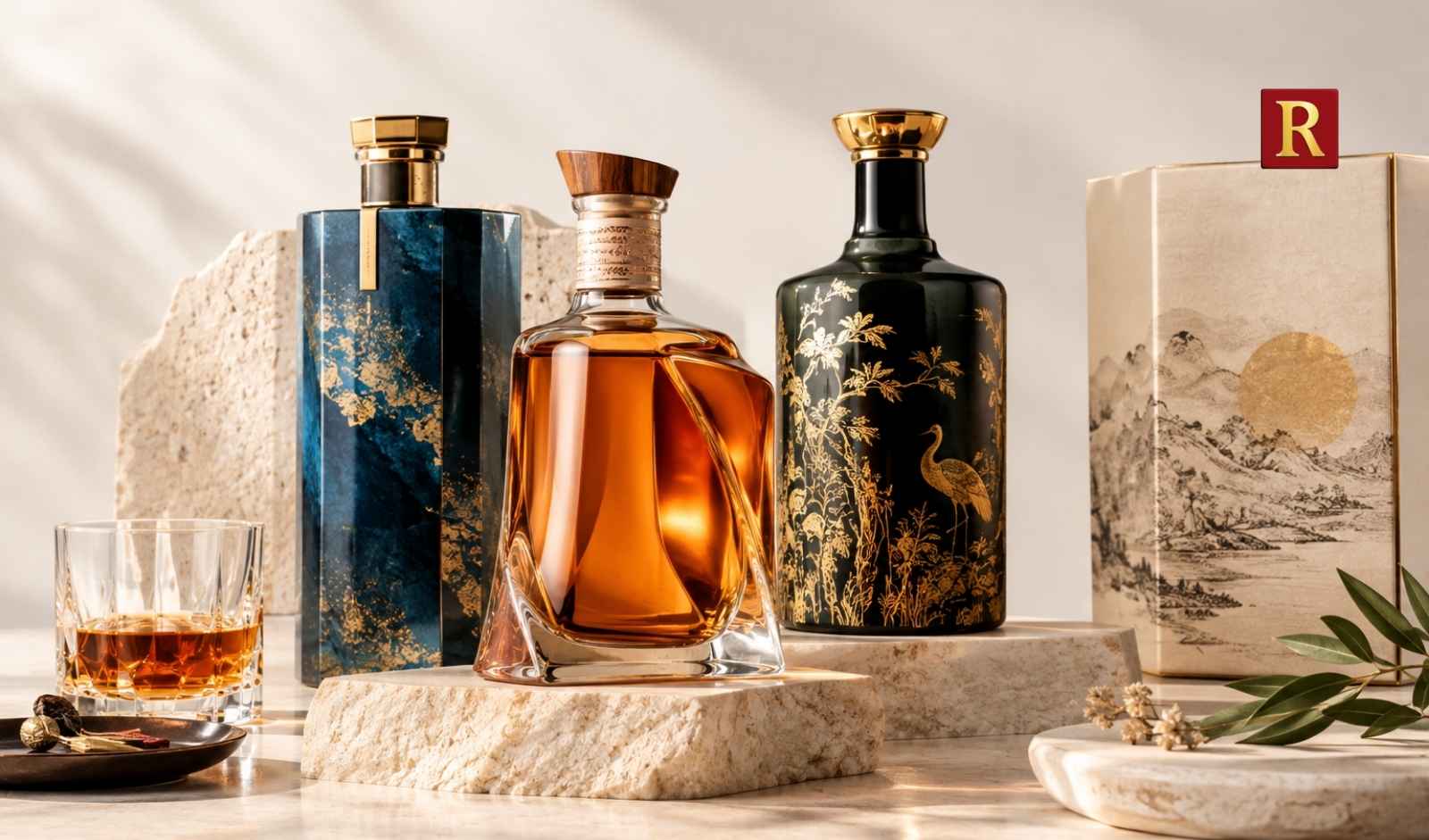
The first change happens before a consumer even tastes the whisky. Packaging has become an important part of how brands communicate with younger consumers. Traditional whisky packaging often relies on dark colours, gold details, elaborate typography and heritage cues. Newer brands are taking a different route.
ICONiQ White is a notable example. Allied Blenders describes the brand as having contemporary packaging, a differentiated blend and a unisex positioning. The whisky crossed 10.7 million cases in FY26, according to the company's annual report. Royal Challenge has also gone through a major visual transformation. A 2026 case study on its redesign said consumer research found that only 4 per cent of its target consumers knew about improvements to its smoother liquid. The brand therefore changed its bottle, logo, colours and overall identity to communicate the change more clearly. The lesson is simple. A bottle is no longer only packaging. It is a communication tool.
2. The Liquid Is Being Renovated, Not Just the Label
A younger-looking bottle means little if the whisky inside remains unchanged. This is why some brands are working on the actual liquid as well. In September 2026, Diageo India relaunched McDowell's No.1 with an upgraded blend containing select imported Scotch, Indian malts and premium grain spirits. The company says the whisky is matured in selected oak and American barrels and passed more than 100 quality checks. The scale of the exercise is significant. Diageo says McDowell's No.1 sells more than 30 million cases annually and that the new proposition was informed by research involving more than 10,000 consumers across 11 markets.
This reflects a wider premiumisation trend. Premiumisation does not necessarily mean turning every whisky into a luxury product. It can mean giving consumers a more refined blend, better packaging, a stronger story or a more distinctive drinking experience at an accessible price. The category is therefore changing from simply asking, "How much whisky can we sell?" to asking, "What makes this whisky worth choosing?"
3. Whisky Is Moving Into the Cocktail Glass
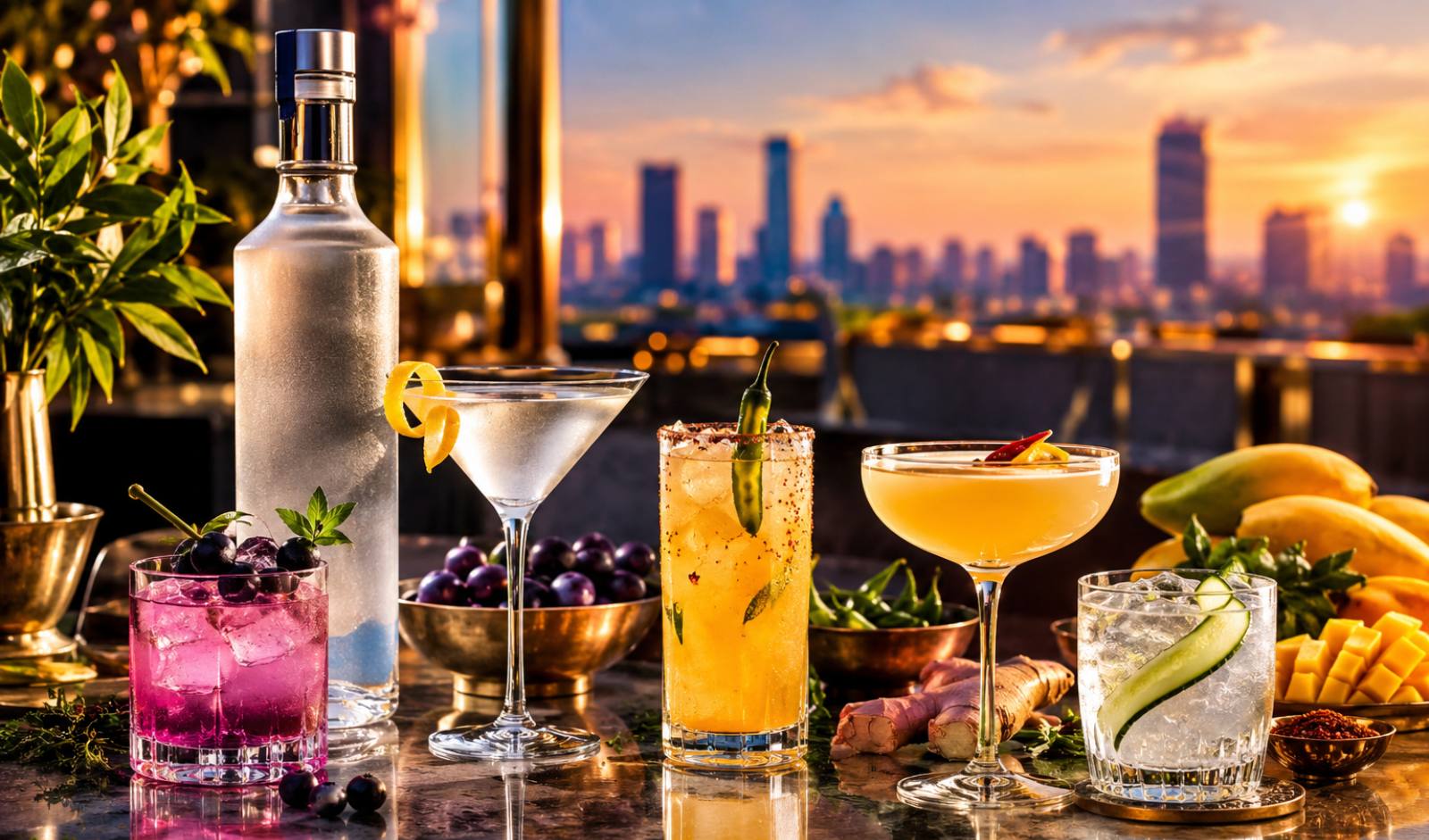
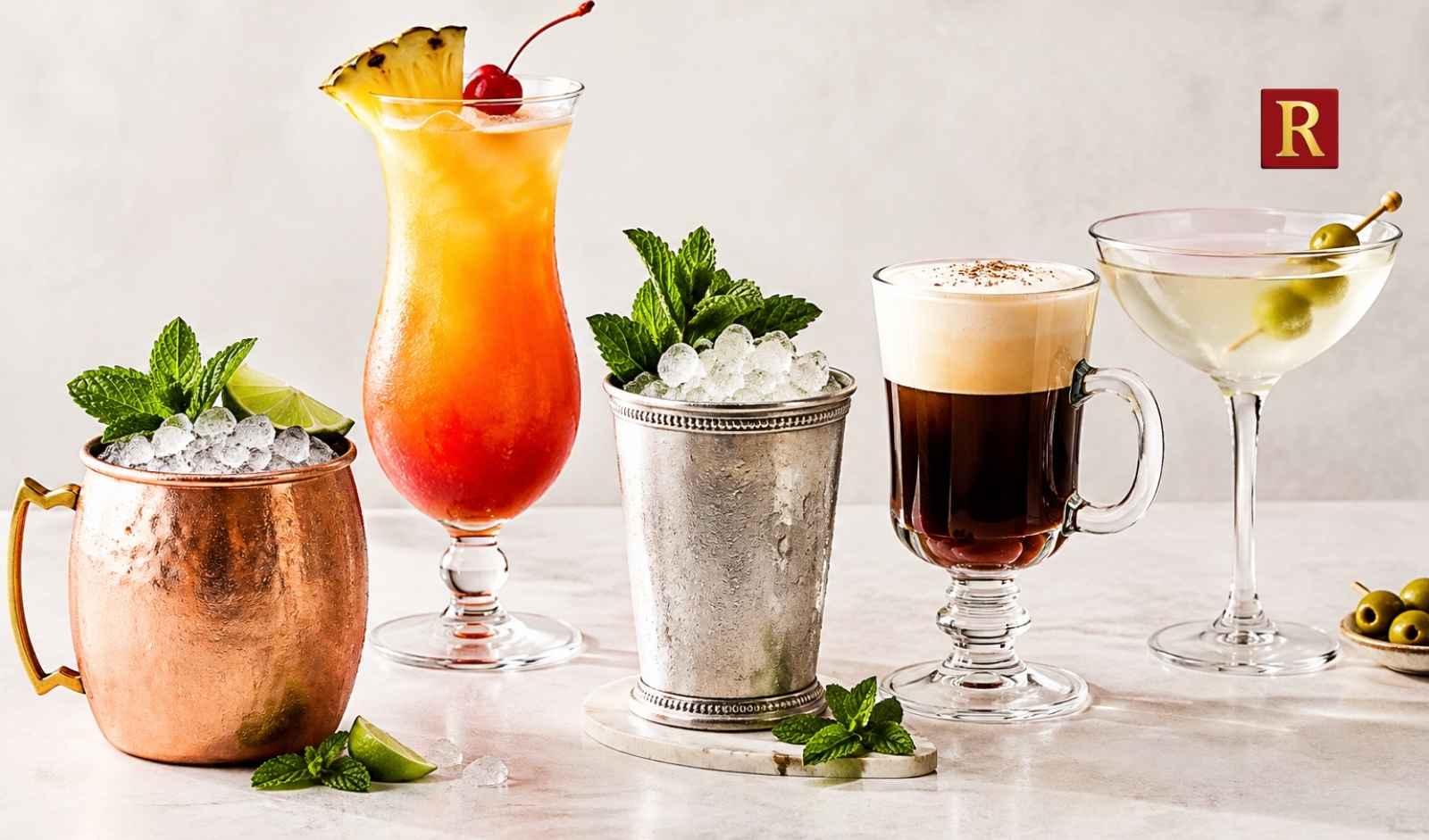
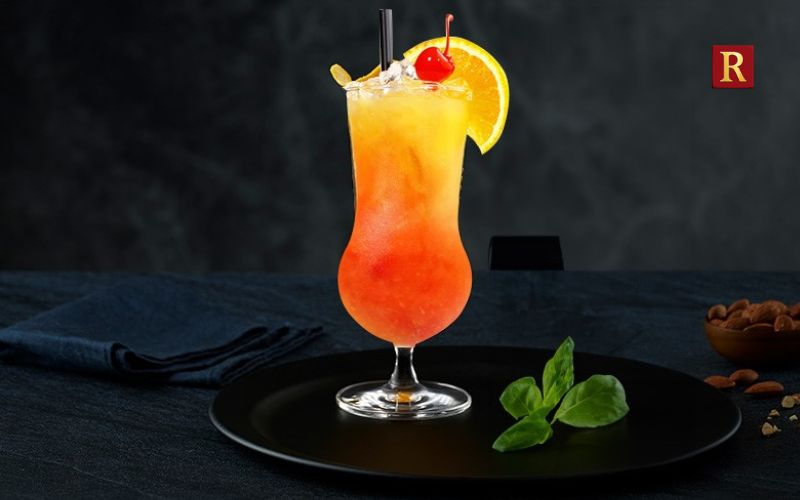
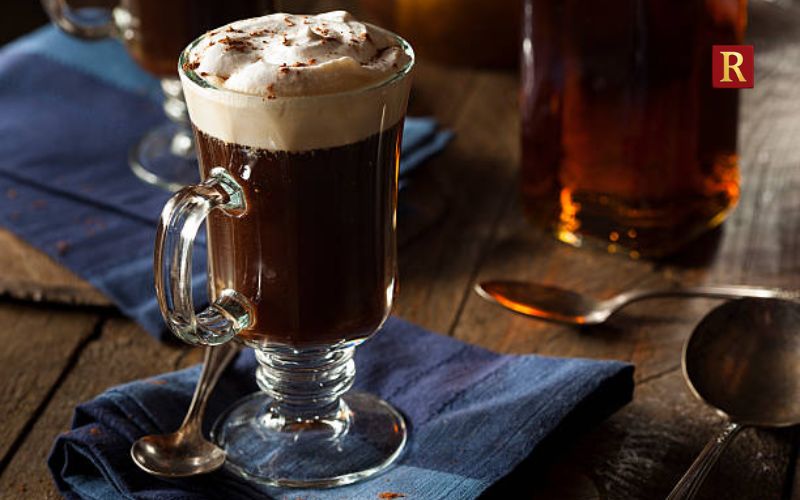
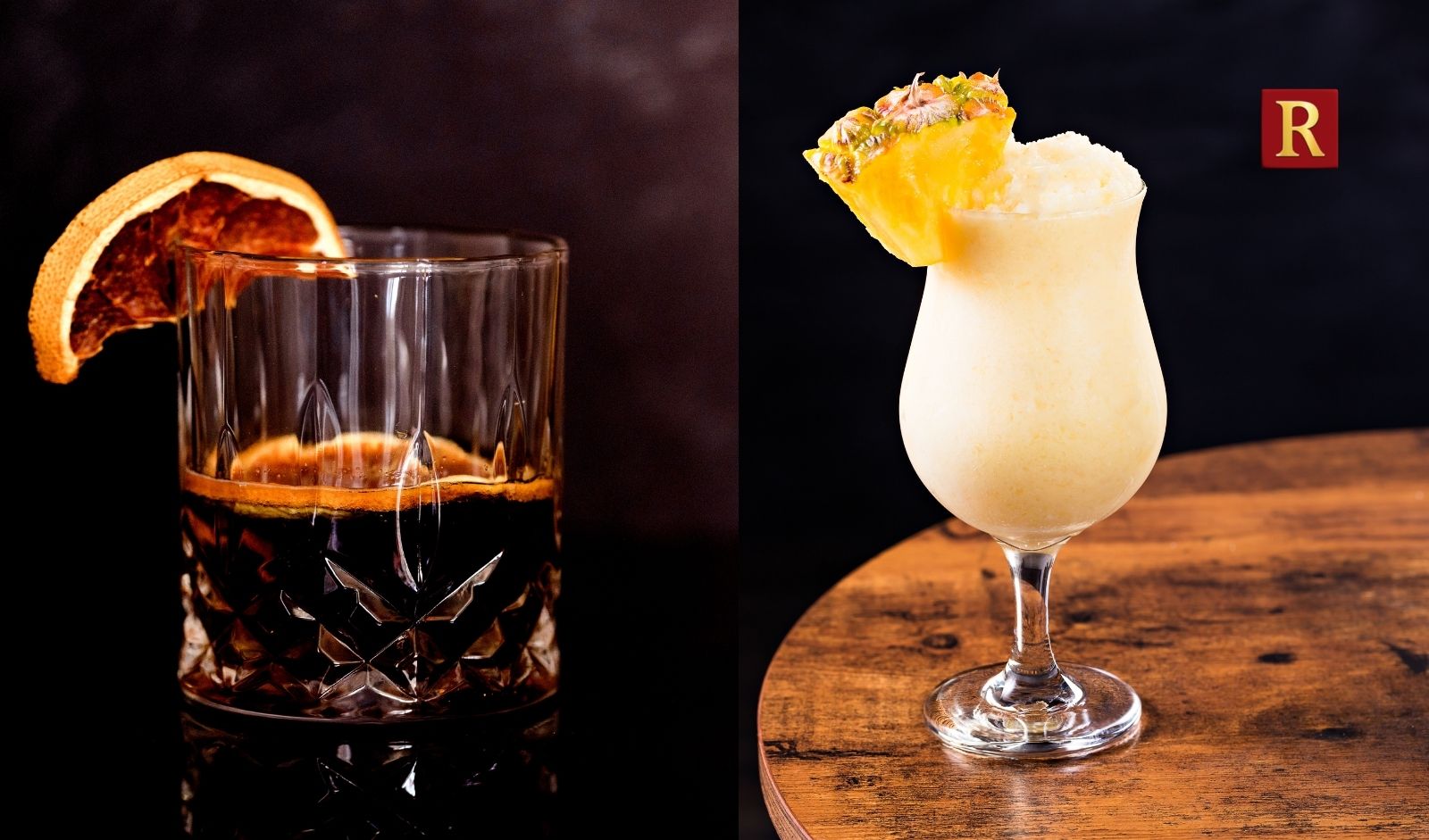
For years, whisky was strongly associated with neat pours, water, soda or ice. The cocktail menu is changing that equation. Highballs, Whisky Sours and other whisky-based cocktails allow bartenders to introduce acidity, sweetness, carbonation, herbs, fruit and spices into the drinking experience. That matters because younger consumers are increasingly exploring drinks based on flavour and occasion. Recent reporting from India has highlighted interest among younger drinkers in lighter, refreshing and flavour-led serves, including highballs and sours.
The restaurant and bar therefore becomes an important part of whisky's reinvention. A consumer may not begin by ordering a whisky neat. They may discover the category through a cocktail. This also gives bartenders an important role. NIQ's 2026 research on India's on-premise market found that restaurants, bars and cafés are important spaces where occasions are created and brand preference develops. It also highlighted the influence of bartenders and venue staff on consumer choice. The whisky category is consequently becoming less rigid about how the spirit should be served.
4. The Distillery Is Becoming Part of the Product
Another interesting development is the growth of whisky experiences. A distillery used to be mainly a production facility. Today, it can also become a destination. Indian whisky producers are building spaces where visitors can understand production, explore maturation, taste different expressions and learn about the liquid. The Piccadilly Group's Indri Experience Centre in Haryana, for example, combines distillery tours and tastings with interactive exhibits, a museum, tasting room and other visitor experiences.
This changes the relationship between the consumer and the bottle. Instead of simply seeing a whisky on a retail shelf, consumers can see where it is made and understand the processes behind it. For a younger audience that is interested in provenance, craftsmanship and experiences, this can make whisky feel more tangible. It also creates the possibility of whisky tourism becoming a larger part of India's beverage and hospitality landscape.
5. Indian Whisky Is Mixing Local Identity With Global Techniques
Indian whisky is also becoming more international in the way it is made and communicated. Oaksmith is one example. The brand combines Scotch malts, American bourbon and Indian grain spirit with Japanese blending expertise. Drinks International reported that Oaksmith grew 44.6 per cent to 1.5 million cases in its 2026 Millionaires' Club ranking. This kind of combination reflects a more global whisky consumer. Indian drinkers today have access to Scotch, bourbon, Japanese whisky and Indian single malts. Brands therefore have to compete in a market where consumers can compare techniques and flavour profiles from different whisky-producing countries.
At the same time, Indian whisky has a strong local advantage. Indian grains, climate, maturation conditions and consumer preferences create opportunities to develop a distinctly Indian interpretation of whisky. The result is not simply Indian versus international. It is increasingly Indian whisky using global knowledge to create its own identity.
6. Smaller Formats Are Making Whisky More Flexible
The traditional 750 ml bottle is still important, but smaller formats are creating different entry points. Allied Blenders has introduced a 180 ml ICONiQ Hippy format, while Diageo India has highlighted contemporary portable formats as part of its innovation work. A smaller bottle can change the occasion around a spirit.
It can make trial easier. It can work for casual consumption occasions and can allow consumers to experience a product before committing to a larger bottle. This is particularly relevant in a category where the full-size bottle can feel like a serious purchase. Format innovation therefore becomes more than a packaging decision. It can influence how, where and when consumers interact with whisky.
7. Whisky Brands Are Entering Culture
The biggest change may be happening outside the bottle. Whisky brands are increasingly appearing around music, sport, food, nightlife and large cultural events. Diageo India, for instance, has described activations around Lollapalooza, Dua Lipa's India debut and India Cocktail Week as part of its wider brand-building strategy.
This represents a shift in communication. Earlier, whisky advertising often focused heavily on the product itself. Today, brands are also trying to own the occasion around the drink. A whisky can be connected with a concert, a restaurant dinner, a cocktail night, a sporting event or a travel experience. That makes the brand part of a lifestyle rather than simply a bottle on a shelf.
Final Sip!
Indian whisky is not becoming younger simply because its bottles are becoming brighter or its campaigns are becoming more contemporary. The change is deeper. Brands are working on the liquid, packaging, serving style, bottle size, consumer experience and cultural relevance at the same time. The numbers show why this matters. Royal Stag sold 32.6 million cases in 2025, while McDowell's recorded 31.9 million cases in the 2026 Millionaires' Club ranking. ICONiQ White reached 10.7 million cases in FY26, while Oaksmith reached 1.5 million cases after strong growth.
The interesting question is therefore not whether Indian whisky is abandoning its past. It is whether established whisky brands can retain their heritage while giving consumers new reasons to discover them. The next generation may not reject whisky. It may simply want to experience it differently.
Saptopriya Ghosal
Feature Writer
I am a dedicated media professional with a bachelor's degree in mass communication from the State University of Calcutta and a postgraduate degree from Amity University. My academic journey has equipped me with a profound understanding of storytelling and communication. Passionate about the dynamic world of media, I continually strive to explore new ways to engage and inform through compelling narratives.