
7 Vegetarian Foods That Naturally Deliver Umami Flavour
By understanding how these ingredients work and learning how to combine them effectively, anyone can create deeply flavorful vegetarian meals. The result is food that is not only nutritious and sustainable but also incredibly delicious.

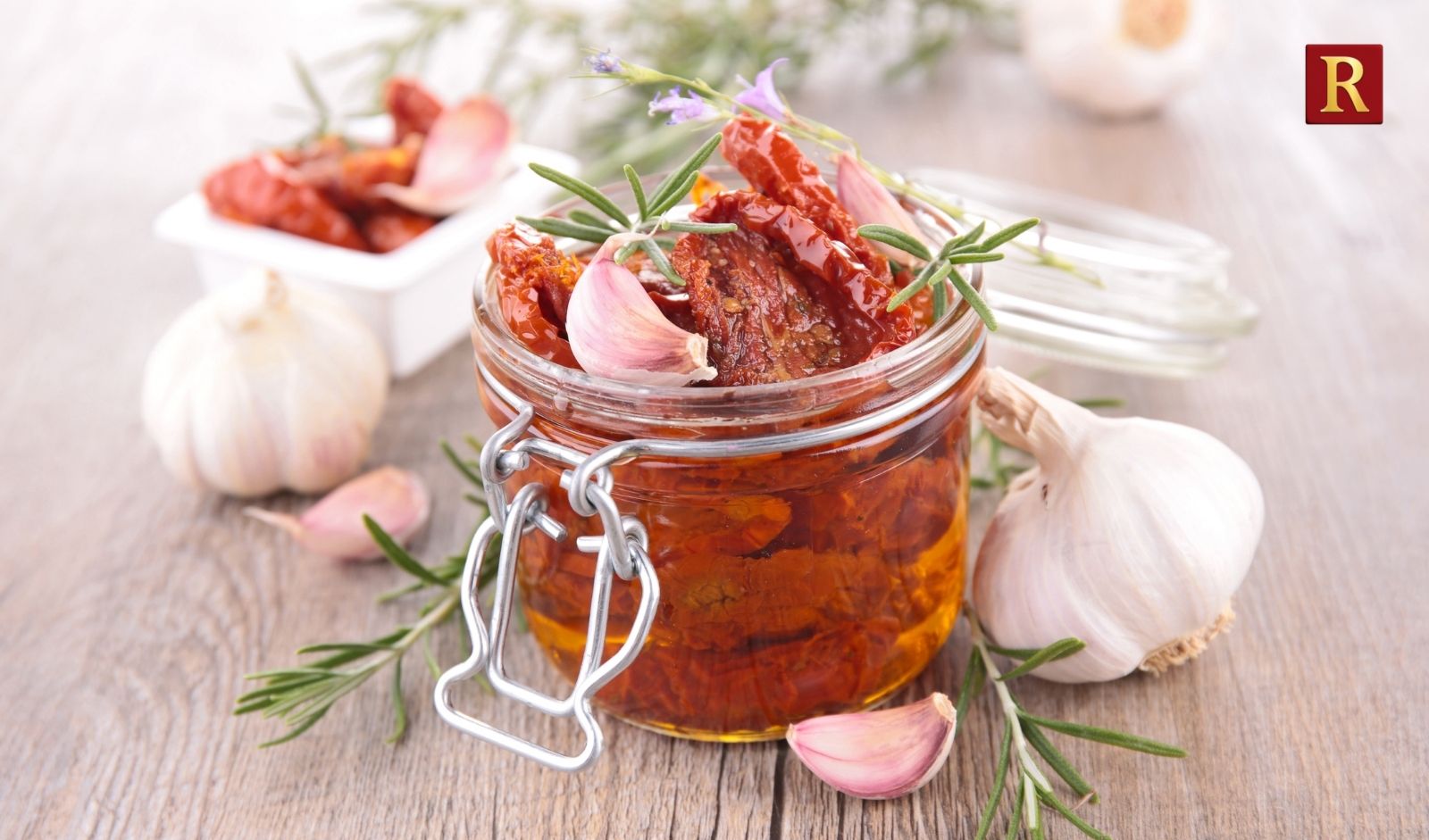
When people think of rich, savory flavors, meat is often the first thing that comes to mind. Yet some of the most powerful sources of umami come from plants. Umami, often called the fifth taste after sweet, sour, salty, and bitter, is responsible for the deep, satisfying flavor that makes food feel hearty and delicious.
The term "umami" was first identified in 1908 by Japanese scientist Kikunae Ikeda. He discovered that glutamate, a naturally occurring amino acid, creates a distinct savory taste. Today, food scientists recognize umami as one of the five basic tastes. Research shows that foods rich in glutamate and nucleotides such as guanylate can significantly enhance flavor perception and make dishes more enjoyable. For vegetarians, understanding umami can completely transform cooking. The right ingredients can add depth and complexity without relying on meat, fish, or artificial flavor enhancers. Here are seven vegetarian foods that naturally deliver umami flavour and deserve a place in every kitchen.
Explore 7 Veg Umami Flavour
1. Mushrooms
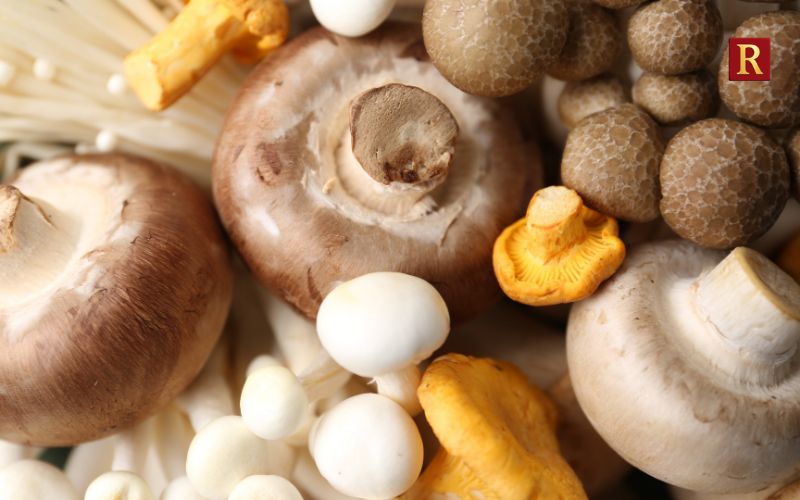
Mushrooms are often called nature's flavor boosters. They contain high levels of glutamate and guanylate, making them one of the richest vegetarian sources of umami. Shiitake mushrooms are particularly famous for their savory taste. In fact, dried shiitake mushrooms contain significantly higher concentrations of flavor compounds than fresh varieties. During the drying process, proteins break down and release more glutamate, resulting in a stronger umami effect. Portobello, oyster, button, and enoki mushrooms also offer excellent flavor. Their meaty texture makes them a popular substitute for animal proteins in burgers, stir-fries, and pasta dishes. Roasting mushrooms intensifies their flavor even further. A simple tray of roasted mushrooms can add restaurant-style richness to soups, grain bowls, and salads.
2. Tomatoes
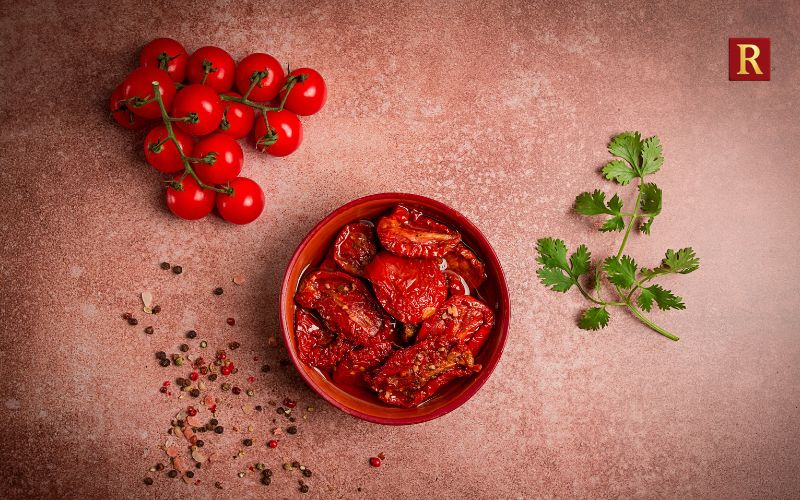
Tomatoes are one of the most widely consumed natural sources of glutamic acid. While fresh tomatoes contain umami compounds, cooking dramatically increases their savory intensity. This is why slow-cooked tomato sauces taste much richer than raw tomatoes. Sun-dried tomatoes are even more concentrated because water removal increases the concentration of flavor molecules. Tomato paste is another umami powerhouse. Just one tablespoon can add remarkable depth to curries, soups, and stews. Interestingly, ripe tomatoes contain much higher glutamate levels than unripe ones. Studies have shown that glutamate concentrations rise as tomatoes mature, making fully ripened tomatoes the best choice for maximum flavor. Whether used in pasta sauces, Indian gravies, or vegetable soups, tomatoes provide an easy way to build a satisfying umami base.
3. Miso
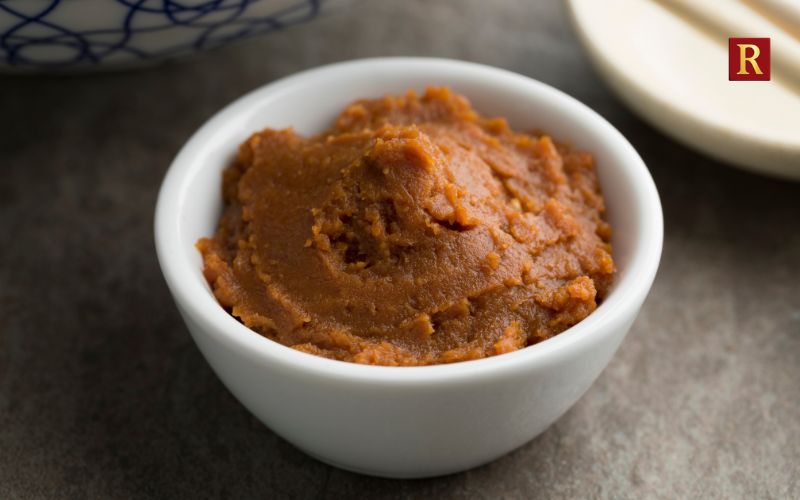
Miso is a traditional Japanese seasoning made by fermenting soybeans with salt and koji, a beneficial mold culture. The fermentation process can last from a few months to several years. During fermentation, proteins break down into amino acids, including glutamate. This process gives miso its distinctive savory character. White miso has a mild and slightly sweet flavor, while red miso offers a stronger and more intense taste. Both varieties can instantly improve soups, dressings, marinades, and vegetable dishes. A spoonful of miso stirred into soup can create layers of flavor without the need for additional seasonings. Many chefs also use miso in butter sauces and vegetable glazes to add complexity. As interest in fermented foods grows worldwide, miso has become one of the most sought-after ingredients among home cooks looking to create bold vegetarian dishes.
4. Soy Sauce
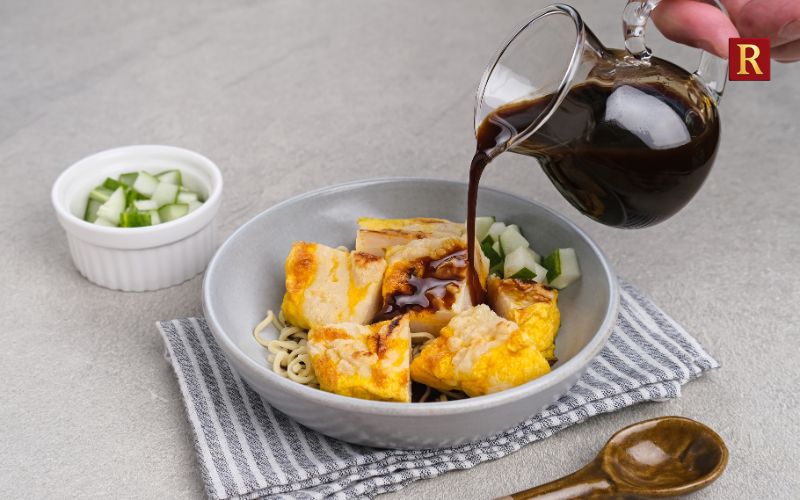
Soy sauce is another fermented ingredient known for its exceptional umami content. Traditional soy sauce is produced by fermenting soybeans and wheat for several months. This lengthy process creates a rich mixture of amino acids and flavor compounds. The result is a deeply savory liquid that can elevate almost any dish. Even a small amount of soy sauce can transform stir-fried vegetables, noodles, rice bowls, and soups. Its balanced combination of saltiness and umami helps enhance the natural flavors of other ingredients. Many professional chefs use soy sauce not only in Asian cuisine but also in Western recipes. Adding a few drops to mushroom soup, vegetable stock, or tomato-based sauces can create remarkable depth. Globally, soy sauce production exceeds millions of tons annually, highlighting its importance as one of the world's most popular flavor enhancers.
5. Seaweed
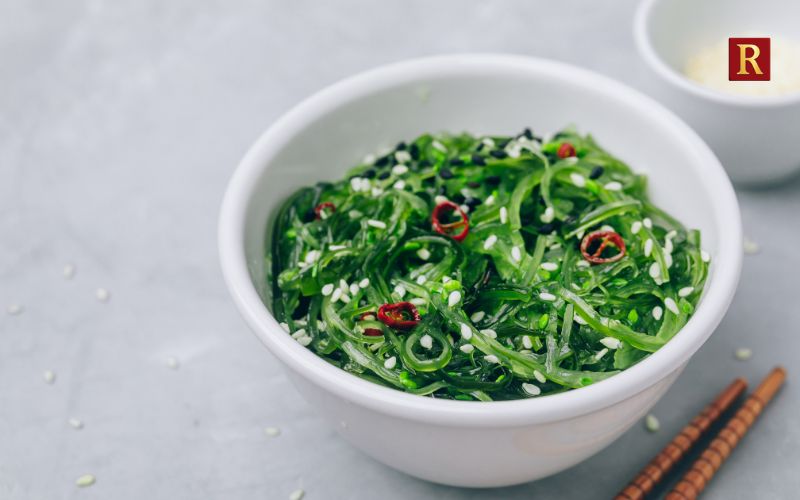
Seaweed played a key role in the discovery of umami. Kikunae Ikeda first identified glutamate while studying kombu, a type of edible seaweed commonly used in Japanese cooking. Kombu contains exceptionally high levels of naturally occurring glutamate. When simmered in water, it creates dashi, a stock known for its rich and savory flavor. Other varieties such as nori and dulse also contribute umami while offering valuable nutrients. Seaweed is rich in iodine, minerals, antioxidants, and dietary fiber. In recent years, seaweed has gained popularity far beyond Asia. It now appears in snacks, seasonings, salads, and even plant-based meat alternatives. Adding a small amount of seaweed to soups, broths, or rice dishes can create a noticeable improvement in flavor while increasing nutritional value.
6. Nutritional Yeast
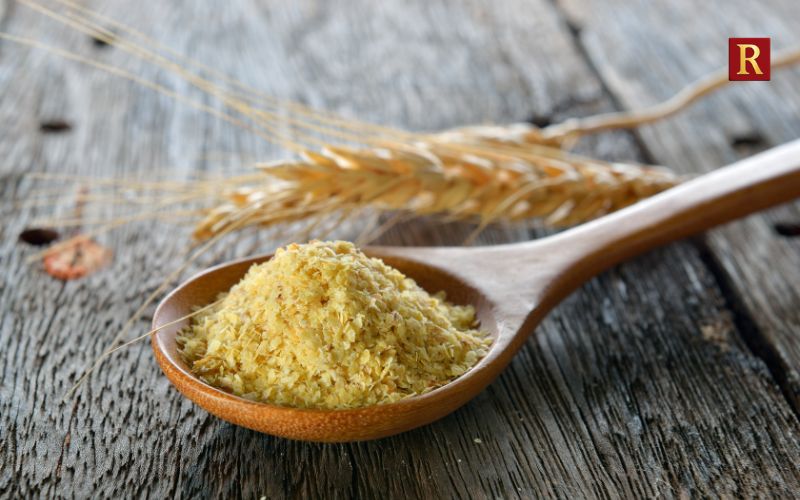
Nutritional yeast has become a favorite ingredient among vegetarians and vegans. It is made by growing yeast and then deactivating it through heat. The result is a flaky, golden product with a naturally cheesy and savory flavor. Nutritional yeast contains glutamate, which contributes to its strong umami profile. Many people use it as a substitute for cheese on pasta, popcorn, roasted vegetables, and baked potatoes. It is also rich in protein and B vitamins, making it both flavorful and nutritious. The global plant-based food market continues to expand rapidly, and nutritional yeast has emerged as one of the most versatile ingredients in modern vegetarian kitchens. Its ability to add depth without dairy makes it particularly valuable for people following vegan diets.
7. Green Peas
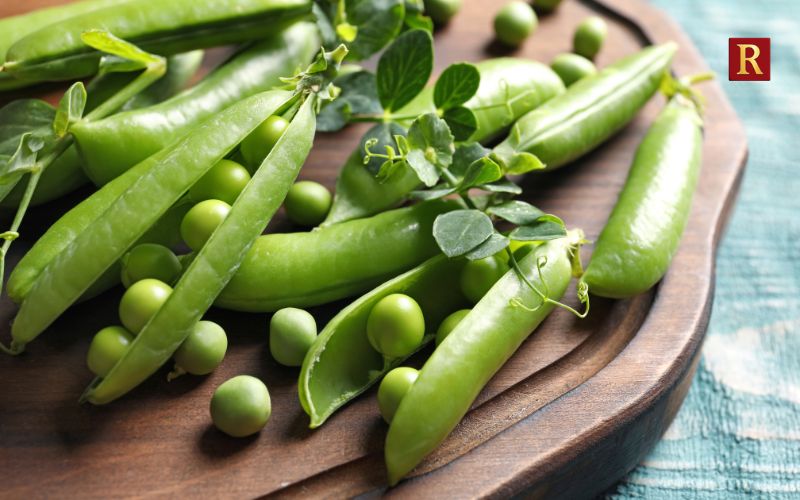
Green peas may not be the first ingredient that comes to mind when discussing umami, but they naturally contain glutamate and contribute subtle savory notes. Peas are also highly nutritious. A 100-gram serving provides around 5 grams of protein and nearly 6 grams of fiber. This combination makes them filling and satisfying. Their mild sweetness balances their umami content, creating a pleasant flavor profile that works well in soups, curries, rice dishes, and purees. Peas pair especially well with other umami-rich ingredients such as mushrooms and soy sauce. Combining these ingredients creates a synergistic effect that enhances overall flavor. As more consumers seek healthy and affordable plant-based foods, green peas continue to gain recognition for both their nutrition and culinary versatility.
How to Maximize Umami in Vegetarian Cooking
Creating umami-rich meals is often about combining ingredients strategically. Food scientists have found that glutamate works particularly well with guanylate, creating a stronger flavor effect than either compound alone.
For example:
- Mushrooms and soy sauce
- Tomatoes and miso
- Seaweed and mushrooms
- Nutritional yeast and roasted vegetables
Cooking methods also matter. Roasting, drying, and fermentation can increase the concentration of flavor compounds. This is why roasted tomatoes taste richer than raw tomatoes and dried mushrooms taste more intense than fresh ones. Layering multiple umami ingredients is a technique commonly used by chefs to create depth and complexity in vegetarian dishes.
The Rich Umami Foods
Consumer interest in plant-based eating continues to rise. According to industry reports, the global plant-based food market is expected to surpass $95 billion within the next decade. One of the biggest drivers behind this growth is the demand for flavorful vegetarian meals. Consumers no longer want plant-based food that merely replaces meat. They want dishes that stand on their own and deliver satisfying taste experiences. Ingredients such as mushrooms, seaweed, fermented soy products, nutritional yeast, and tomatoes are helping meet this demand. They prove that vegetarian cooking can be every bit as rich, savory, and enjoyable as traditional meat-based cuisine. Umami is the secret ingredient behind many of the world's most satisfying dishes. While it is often associated with meat, some of the best natural sources come from plants. Mushrooms, tomatoes, miso, soy sauce, seaweed, nutritional yeast, and green peas all provide unique forms of savory flavor that can elevate everyday cooking. By understanding how these ingredients work and learning how to combine them effectively, anyone can create deeply flavorful vegetarian meals. The result is food that is not only nutritious and sustainable but also incredibly delicious.
Saptopriya Ghosal
Feature Writer
I am a dedicated media professional with a bachelor's degree in mass communication from the State University of Calcutta and a postgraduate degree from Amity University. My academic journey has equipped me with a profound understanding of storytelling and communication. Passionate about the dynamic world of media, I continually strive to explore new ways to engage and inform through compelling narratives.



































































































































































