7 Unusual Cocktail Bases Bartenders Are Experimenting With
The most successful unusual cocktails are therefore not unusual for the sake of being unusual.

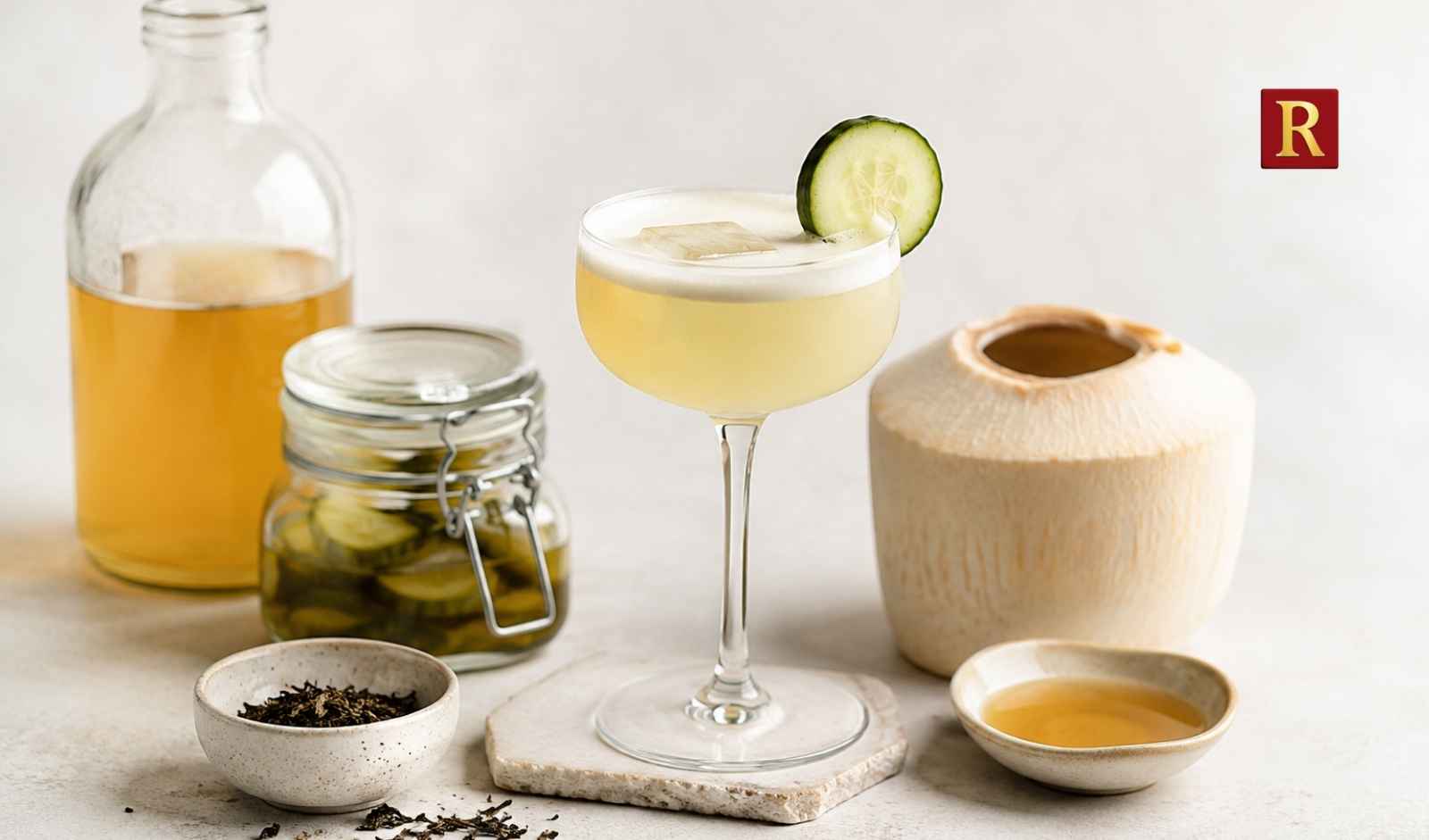
Cocktail menus are moving beyond the usual combination of spirits, citrus, syrups and sodas. Bartenders are increasingly using tea, fermented drinks, pickle brine, coconut water, whey and even savoury broths to build drinks with more depth.
In India, this change is especially interesting. Bars are using regional ingredients, fermentation and culinary techniques to create cocktails that feel more local and less predictable. Techniques such as clarification, infusion, fat-washing and acid balancing are also becoming part of modern bar programmes. These ingredients are not being added just to make a drink unusual. Each one can serve a purpose. Some bring acidity. Others add tannin, salinity, texture, aroma or umami. Here are seven unusual cocktail bases worth knowing.
1. Tea Is Bringing Tannin and Aroma to Cocktails

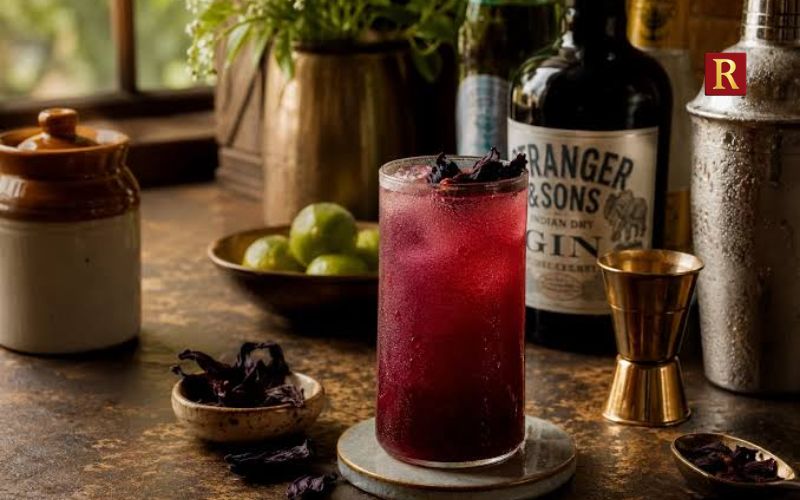
Tea is one of the most versatile non-alcoholic ingredients behind the bar. It can provide tannin, bitterness, colour and aroma without adding another alcoholic component. Black tea can give a drink structure and a dry finish. Green tea brings fresher, vegetal notes. Jasmine adds floral aromas, while smoked teas can introduce a deeper character. Tea cocktails can be made using brewed tea, cold-brewed tea, concentrates or tea-infused spirits. The technique matters. Over-steeping tea can create excessive bitterness and astringency. Bartenders therefore need to control the tea type, temperature and extraction time. For Indian bars, the possibilities are broad. Assam and Darjeeling teas can work with whisky, rum or gin, while masala chai can add spice to a richer cocktail.
- What it adds: Tannin, aroma, bitterness and colour.
- Best with: Gin, whisky, rum and vodka.
2. Coffee Is Moving Beyond the Espresso Martini
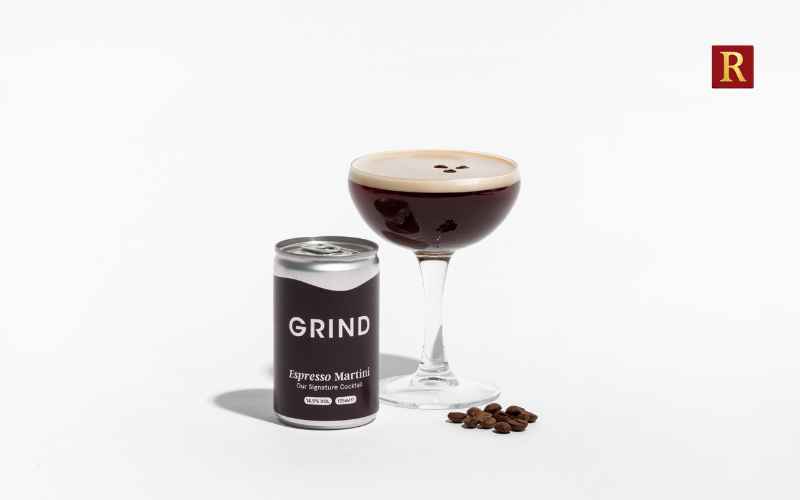
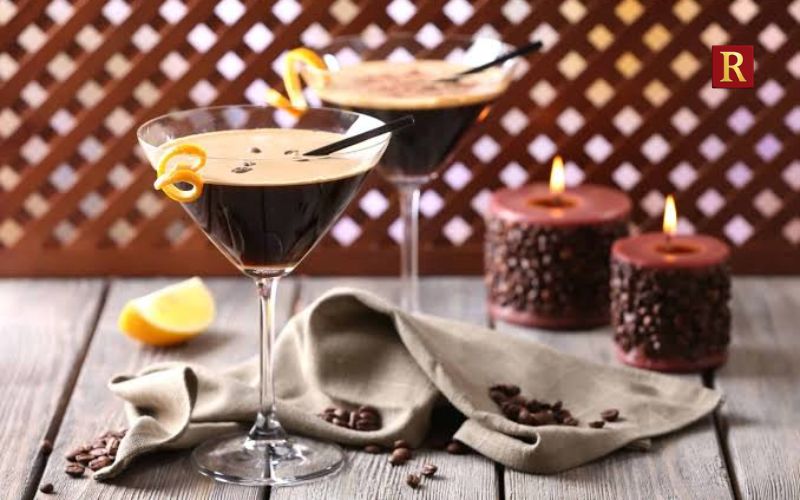
Coffee has long had a place in cocktails, but bartenders are looking beyond the familiar Espresso Martini. Cold brew, coffee concentrates and coffee-infused spirits can bring roast, bitterness and aroma without relying heavily on sweet liqueurs. Different extraction methods also change the final drink. Espresso delivers intense aroma and a concentrated flavour. Cold brew tends to produce a softer profile. This makes it useful for longer drinks where coffee should support rather than dominate the spirit. Another interesting ingredient is cascara, the dried skin and pulp of the coffee cherry. It offers a fruitier way to bring coffee-related flavours into a cocktail. Coffee works particularly well with darker spirits because its roasted notes can complement vanilla, caramel, oak and spice.
- What it adds: Bitterness, roast, aroma and depth.
- Best with: Whisky, rum, brandy and tequila.
3. Coconut Water Gives Cocktails a Lighter Base
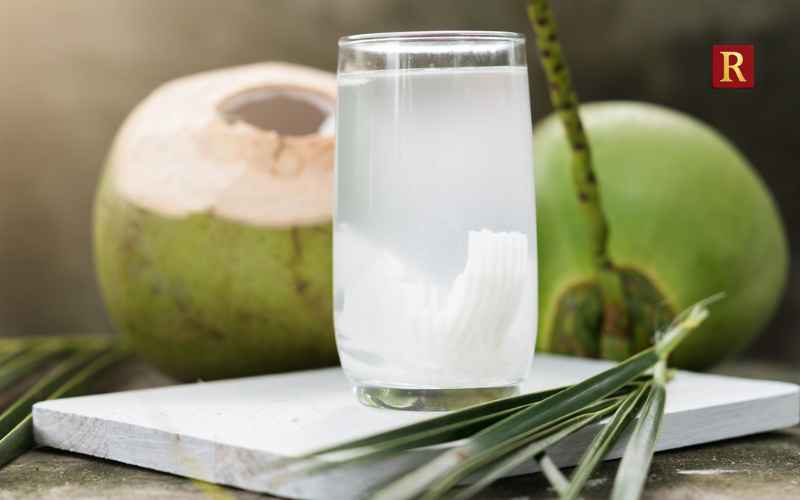
Coconut water is another ingredient finding a place behind the bar. It has a mild flavour, gentle sweetness and a naturally light mouthfeel. It can lengthen a drink without the heavier sweetness of many fruit juices. It also works as a relatively neutral base that allows the main spirit and other ingredients to remain noticeable. This makes it particularly useful in refreshing highballs and tropical-style cocktails. The ingredient also fits naturally into India's beverage landscape. Coconut is already deeply connected to food and drink traditions across several Indian regions. The key is not to market coconut water cocktails as “healthy cocktails”. Its value here is sensory. It gives bartenders another way to create a lighter, fresh-tasting drink.
- What it adds: Light body, mild sweetness and subtle tropical character.
- Best with: White rum, vodka, gin and tequila.
4. Pickle Brine Adds Salt, Acid and Spice
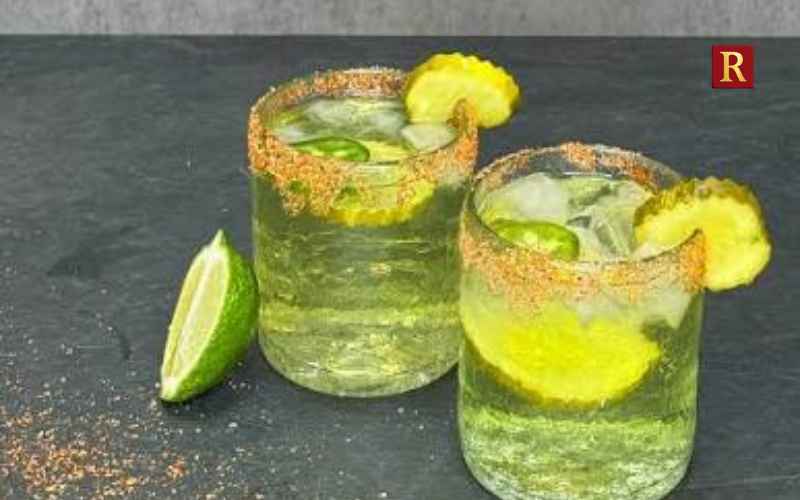
Pickle brine may sound like a strange cocktail ingredient, but its chemistry makes sense. A good brine can contain salt, acidity, spices and vegetal flavours. In small amounts, it can sharpen a cocktail and make other flavours appear more pronounced. Indian bars are increasingly exploring pickle brines and other savoury ingredients. A recent example from The Bar features a highball combining Parmesan-fat-washed gin, basil and pickle brine. The appeal goes beyond novelty. Salt can change how sweetness and bitterness are perceived, while acidity keeps a savoury cocktail from feeling heavy. The choice of pickle also changes the drink. Cucumber brine will behave differently from chilli, mango or mixed-vegetable pickle liquid.
- What it adds: Salt, acidity, spice and savoury depth.
- Best with: Gin, vodka and tequila.
5. Kombucha and Fermented Drinks Bring Natural Acidity
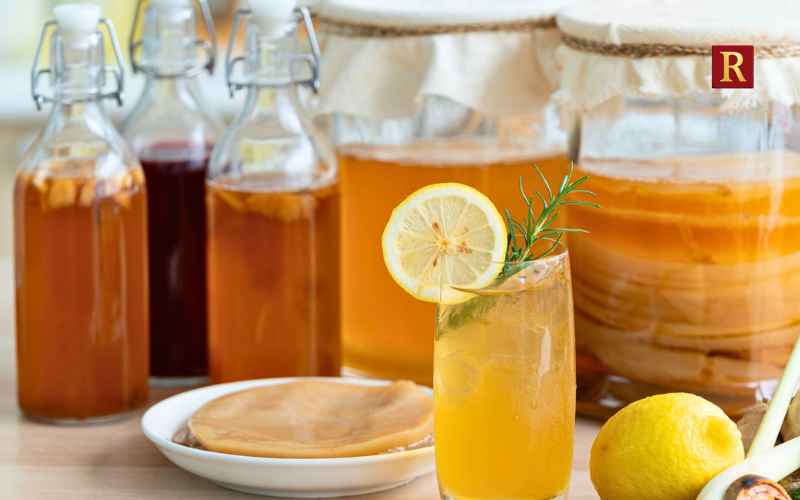
Fermentation is becoming one of the most important technical tools in experimental cocktail programmes. Kombucha, tepache and lacto-fermented fruits can provide acidity, aroma, texture and complexity. Instead of simply adding flavour to an ingredient, fermentation changes the ingredient itself. This is particularly relevant in India because fermentation is already part of the country's food culture. Kanji, fermented batters, palm-based drinks and other regional preparations provide a large base of culinary knowledge for bartenders to explore. Fermentation can also help bartenders create drinks that are less dependent on heavy syrups. A fermented fruit preparation, for example, can bring both fruit character and acidity. However, fermentation requires control. Sugar levels, temperature, time, acidity and hygiene all influence the final product.
- What it adds: Acidity, fizz, funk and complexity.
- Best with: Gin, rum, tequila and whisky.
6. Whey Is Turning a Dairy By-Product Into a Bar Ingredient

Whey is the liquid separated from milk during cheesemaking and other dairy processes. Today, it is also finding applications in cocktail programmes. Its appeal is partly culinary and partly practical. Whey can provide acidity, body and a subtle dairy character. It can also be used in drinks designed around waste reduction. Whey has a strong connection with clarified milk punch, a technique with roots going back to the 1700s. In a traditional milk punch, milk is curdled using acid. The solids are then strained out, leaving a clear cocktail with a surprisingly rich texture. Modern bartenders have also experimented with yoghurt whey and different types of milk. This makes whey more than a quirky ingredient. It demonstrates how a kitchen by-product can become part of beverage development.
- What it adds: Acidity, body and subtle dairy notes.
- Best with: Rum, cognac, whisky and fruit-forward cocktails.
7. Broth and Bone Marrow Are Giving Cocktails an Umami Edge
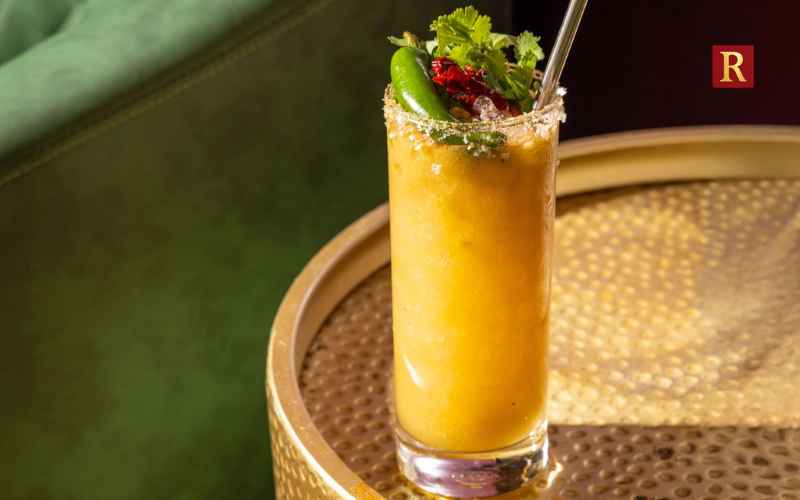
The most unusual entry on this list may be broth. But savoury cocktails are not entirely new. The Bull Shot, a mid-20th-century cocktail, combines vodka with beef broth, lime and savoury seasonings. Today, bartenders are revisiting the idea with more culinary techniques. In India, recent coverage has highlighted cocktails using ingredients such as bone marrow, fish sauce and goat cheese. At Upstairs in New Delhi, a bone-marrow Martini was developed as an extension of the restaurant's culinary identity rather than simply as a gimmick. Broth can contribute salt, umami and body. Bone marrow can add richness and fat, although it usually needs careful treatment to prevent the drink from becoming heavy. The important point is that these are flavour ingredients, not nutritional shortcuts. A cocktail containing broth should not automatically be presented as a “healthy drink”.
- What it adds: Umami, salinity, body and savoury depth.
- Best with: Vodka, whisky, gin and savoury cocktail formats.
What Makes These Unusual Cocktail Bases Work?
The ingredient alone is not enough. The bartender has to balance the drink. A well-designed cocktail usually needs control over several elements:
- Acidity: Keeps the drink bright and balanced.
- Sweetness: Softens acidity, bitterness and alcohol.
- Salinity: Can make flavours feel more pronounced.
- Texture: Changes how the cocktail feels on the palate.
- Aroma: Shapes the first impression before the drink is tasted.
This is why modern cocktail development increasingly resembles culinary R&D. Indian bartenders are measuring elements such as Brix and pH, controlling infusion temperatures and using clarification and fermentation to improve consistency.
The Bigger Shift Behind the Bar
The rise of unusual cocktail bases reflects a broader change in drinking culture. Indian bartenders are increasingly looking closer to home for inspiration. Regional ingredients such as raw mango, vetiver, pickle brine, mahua and other local flavours are finding new applications behind the bar.
At the same time, cocktail culture is expanding beyond Delhi, Mumbai and Bengaluru. Bars in smaller Indian cities are also experimenting with regional spirits and local ingredients. This gives bartenders more than a list of ingredients. It gives them a new way to tell stories through drinks. A tea cocktail can reference India's tea culture. A fermented drink can connect with traditional Indian food practices. A pickle-brine cocktail can turn a familiar pantry ingredient into a modern bar component. That is where unusual cocktail bases become genuinely interesting.
Strange Ingredients to Smarter Cocktails
The future of experimental cocktails may not be about finding the strangest ingredient possible. It is about understanding what an ingredient can do. Tea can provide tannin. Pickle brine can provide acidity and salt. Kombucha can bring fermentation. Whey can add texture while making use of a by-product. Broth can introduce umami. For today's bartenders, that creates a much larger toolkit. For drinkers, it means cocktail menus can offer flavours that are more layered, regional and culinary than the standard sweet-and-sour formula. The most successful unusual cocktails are therefore not unusual for the sake of being unusual. They work because every ingredient has a job.
Saptopriya Ghosal
Feature Writer
I am a dedicated media professional with a bachelor's degree in mass communication from the State University of Calcutta and a postgraduate degree from Amity University. My academic journey has equipped me with a profound understanding of storytelling and communication. Passionate about the dynamic world of media, I continually strive to explore new ways to engage and inform through compelling narratives.