7 Top Tech Trends Reshaping the QSR Industry
India’s QSR market was valued at around USD 27.8 billion in 2025 and is expected to reach USD 43.5 billion by 2030, growing at a CAGR of 9–12%.


The way people dine out has evolved in the recent years and technology is at the heart of this transformation. In the fast-moving world of Quick Service Restaurants (QSRs), speed and convenience remain crucial, but now, personalization is just as vital. Data is reshaping the industry. By analyzing purchasing patterns, QSRs can anticipate what customers want, when they’re likely to order, and which offers will drive action. India’s QSR market was valued at around USD 27.8 billion in 2025 and is expected to reach USD 43.5 billion by 2030, growing at a CAGR of 9–12%. Here are the top trends reshaping the QSR industry:
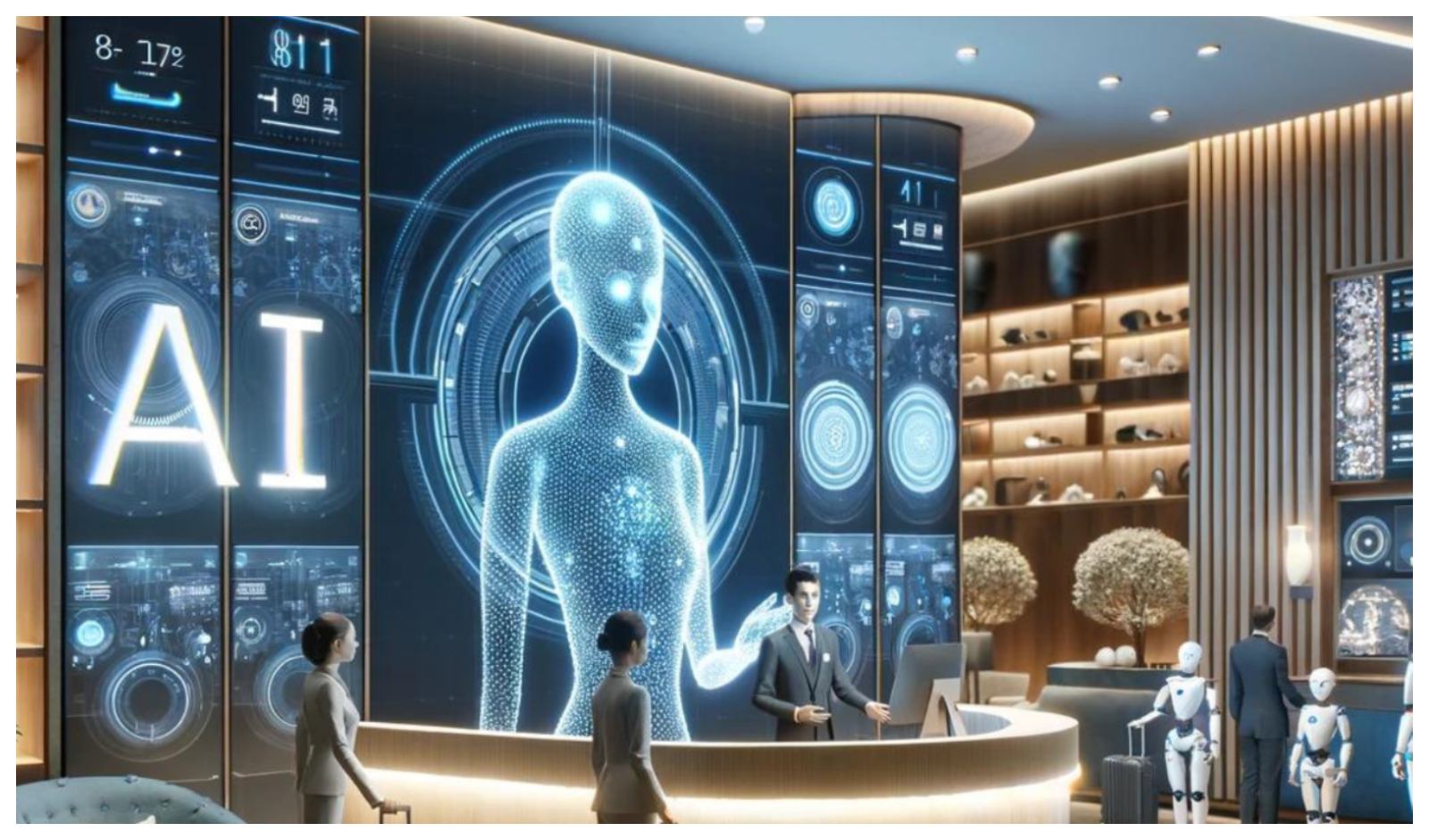
AI-Powered Personalization
Technology is driving QSR growth in India by enabling personalization, faster service, and smarter operations. “Brands are employing AI, data insights, contactless payments, and self-ordering kiosks boost efficiency, increase average order value, and enhance customer experience, leading to higher revenue, better & faster scalability,” said Aksha Kamboj Executive Chairperson, Aspect Hospitality.
Rise of Aggregators
The biggest tech trend to impact food in India has been the rise of delivery aggregators. They've completely reshaped how people access food, and while they do take a significant share of revenue, their role in expanding the market is undeniable. Drone and robot deliveries are being tested in the urban markets.
Expressing his views, Zain Khwaja, Managing Director, U.S. Pizza said, “However, beyond delivery, a new wave of technological advancements is empowering QSRs like ours to thrive, particularly as we focus on larger format dine-in experiences in smaller cities and towns.”
Importance of Contactless Payments
Contactless payments contribute to that convenience — faster checkouts, less lines, and a perception of security that today's consumer’s value. These little tweaks, collectively, can have a huge impact. Pointing her views, Nidhi Singh, Co-founder, Samosa Singh said, “Brands that embrace the correct tools tend to experience improved customer satisfaction and increased average order values. Tech-driven optimizations for many often result in a 15–25% increase in business.”
These technologies also give QSRs the power to offer better customer satisfaction, minimize wait times, and increase order accuracy.
Use of Self-Service kiosks
Self-service kiosks are a plus. They not only reduce wait times, but they allow individuals to browse on their own time, find new offerings, and personalize orders without stress.
“Ultimately, the mission is straightforward: reduce friction so that more people can savor good food. And that's precisely what smart technology is enabling QSRs in India to do,” highlighted Singh.
“Consequently, restaurants can drive revenues through serving more customers, with more manageable labor. Just by having self-ordered kiosks brands have witnessed an average order value increase of 25 - 30%,” pointed Kamboj.
The QSR business is no longer only about food; it's about intelligent service, velocity, and experience and all of them can be made possible and delivered through technology enabled through a hospitality experience.
While U.S. Pizza takes a unique approach in self-service kiosk. Khwaja highlighted, “We've decided to skip the traditional kiosks in favor of NFC-enabled tokens at the table. Customers simply tap their phone on the token, and it brings up our full menu and ordering capabilities directly on their device. We find this to be much more convenient and intuitive for our customers.”
He added, “It allows them to browse the menu at their leisure, customize their order, and even pay, all from their own device, without having to stand in a queue or wait for staff. This frees up our team to focus on providing excellent service and enhancing the overall dine-in experience.”
AI-Driven Digital Menu Boards
Modern digital signage now enables dynamic pricing, adjusting in real-time based on factors like demand, time of day, or even weather conditions. Visual AI analyzes customer footfall and behavior patterns to trigger targeted promotions on the spot—maximizing engagement and sales. These intelligent boards also spotlight trending dishes and high-margin items automatically, helping QSRs boost profitability with every glance.
Data-driven decision making
Centralized dashboards unify POS, CRM, kitchen operations, and delivery channels, providing a holistic view of performance. Brands leverage data analytics for menu engineering, customer segmentation, and sales forecasting. Tools like heat maps and real-time analytics further enhance efficiency by optimizing outlet layouts and staffing strategies.
Elaborating his views, Khwaja added, “Data-driven insights are crucial. We currently use them to inform our new product development and to find optimal discount rates. On the business side, we leverage data extensively to ensure our franchisees maintain high-quality standards. This includes verifying they're ordering the right stock and preventing pilferage at the outlets, which helps us maintain consistency across all 86 locations.”
Rise of Cloud Kitchens & QSR
These days, many cloud kitchens & QSR are launching delivery only brand to test their new cuisine and categories with minimal risk, as this requires low investments. Real time tracking really helps in scaling up and down quickly. At least 30-35% of the investment is made in the technology by the brands.
The Business Growth
While it's difficult to put an exact figure on how much business can be gained, we've seen a clear correlation between technological adoption and improved performance.
“The right technology leads to increased customer satisfaction, higher average order values due to better personalization and ease of customization, and significant operational savings through efficiency and reduced pilferage. We believe these advancements can contribute to double-digit percentage growth in sales and a healthier bottom line by optimizing costs and improving overall profitability,” noted Khwaja.
While, the future will be focused on AI-Native QSR, Autonomous Operations, Hyper-localization at Scale, Rise of Functional Foods, Delivery 2.0 among others.
Vijetha Iyer
Content Editor
Working as a Content Editor with Restaurant India. I have worked in various sectors like food and beverage sector, chemicals, pharma, nutraceuticals, now specially focusing on restaurant side. But my core knowledge was always on content. Be it writing poems to verses, I always loved writing and have been exploring my career on the same. In Restaurant India, I deliver insightful stories, take interviews of various brands and update the audiences about the newest happenings in the restaurant industry.