7 Things Food Brands Must Prove Before Making Health Claims
Ultimately, consumers need more than attractive health-related packaging. They need products that deliver what the label promises.


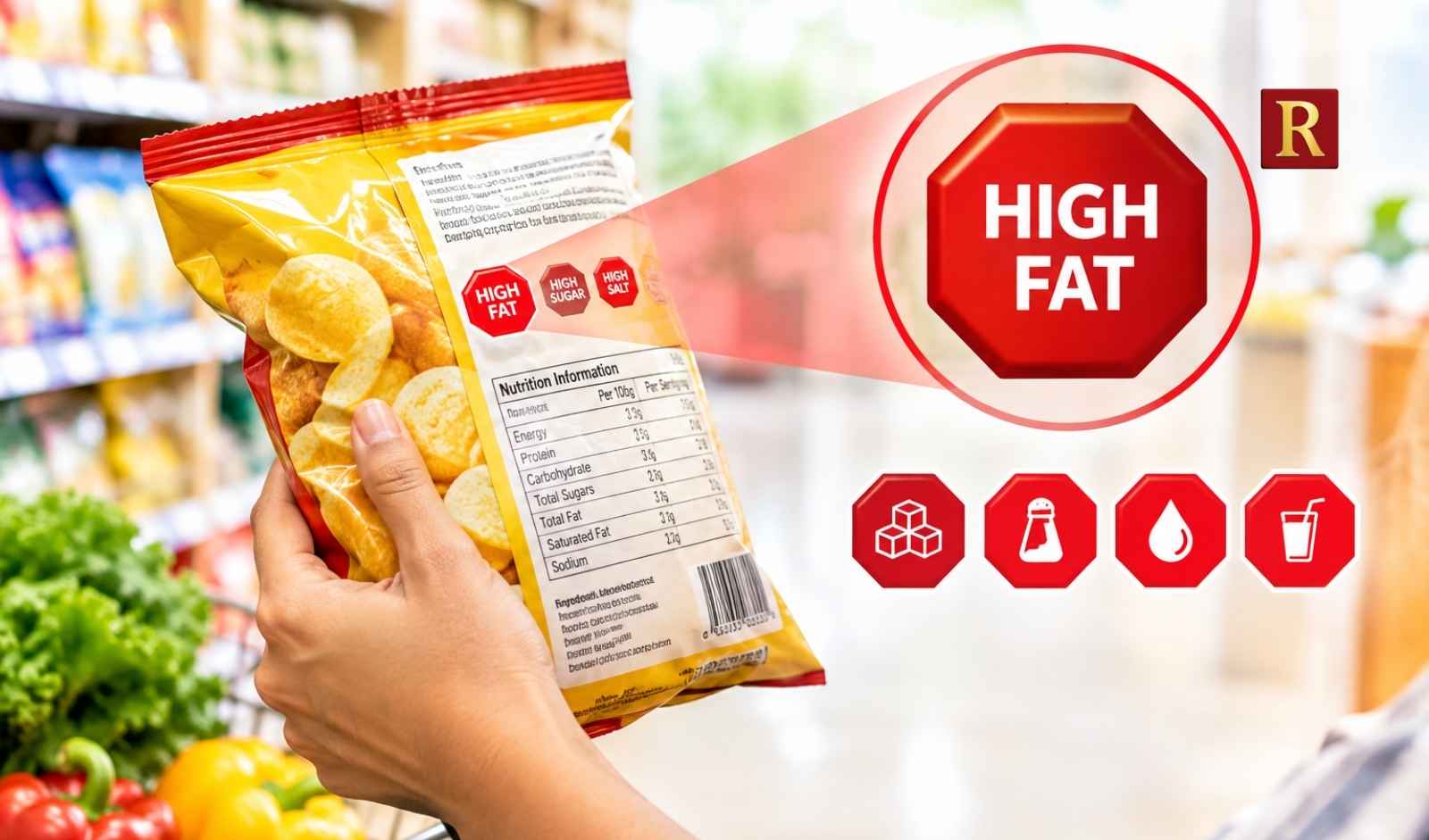
Health claims have become an important selling point for India's food and beverage industry. From high-protein snacks and low-sugar drinks to probiotic yoghurt and immunity-focused beverages, brands are increasingly using nutrition and wellness benefits to attract consumers. Words such as gut-friendly, high-fibre, natural, immunity-boosting and heart-healthy are now common across food packaging, websites and advertisements. These claims help products stand out in a competitive market, but they also create an important question: can brands actually prove what they promise?
Adding a nutritious ingredient does not automatically make a finished product healthy. Brands must consider its quantity, nutritional value, stability, processing conditions and scientific evidence before communicating any health benefit. In India, the Food Safety and Standards Authority of India (FSSAI) regulates food advertising and claims through the Food Safety and Standards (Advertising and Claims) Regulations, 2018. The framework requires claims to be truthful, meaningful, scientifically substantiated and not misleading. Here are seven things food brands must prove before making health claims.
1. The Nutritional Value Must Match the Claim
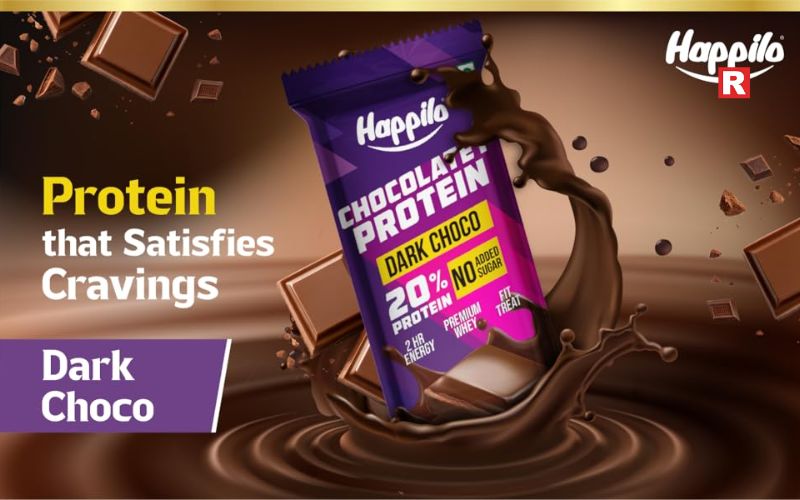
A product marketed as high-protein, low-sugar or rich in fibre must meet the applicable nutritional criteria. Brands cannot rely on attractive packaging or ingredient descriptions to establish these claims. For example, a snack containing almonds, seeds and oats cannot automatically be marketed as high-protein. Its actual protein content must meet the relevant regulatory requirements.
What brands must verify:
- Actual protein, carbohydrate, fat and fibre content.
- Total sugar and added sugar levels.
- Vitamin and mineral quantities.
- Nutritional values declared on the packaging.
- Consistency between the formulation and laboratory results.
Why laboratory testing matters
Brands should conduct appropriate nutritional analysis of the finished product. Calculations based on raw ingredients may provide an estimate, but laboratory verification helps establish whether the final product supports its declared nutritional values. This becomes particularly important when manufacturers change suppliers, ingredients or production processes.
2. Scientific Research Must Support the Health Benefit
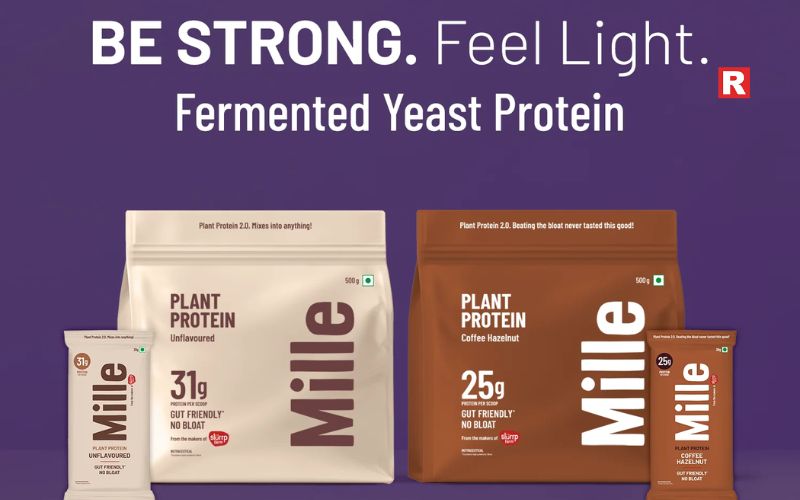
One of the biggest mistakes food brands can make is assuming that an ingredient's benefits automatically apply to the finished product. For instance, a probiotic strain may have scientific evidence supporting a particular digestive benefit. However, a beverage containing that strain cannot automatically make the same claim without considering its formulation, quantity and supporting evidence.
What brands must establish:
- Whether credible scientific research supports the claimed benefit.
- Whether the research involves human studies or only laboratory experiments.
- Whether the ingredient used in the research matches the brand's formulation.
- Whether the quantity consumed is relevant to the claimed benefit.
- Whether the evidence supports the exact marketing statement.
Ingredient benefits versus product benefits
There is an important difference between an ingredient having a recognised nutritional function and a finished product delivering a specific health outcome. Brands must understand this distinction before using terms such as immunity-supporting, gut-friendly or heart-healthy. Scientific credibility should come before promotional language.
3. Active Ingredients Must Remain Effective Throughout Shelf Life
A food product may contain beneficial nutrients when it leaves the manufacturing facility. However, processing, transportation and storage can affect their quantity and stability. This is particularly important for products containing probiotics, vitamins, antioxidants and other sensitive ingredients. For example, probiotic beverages must maintain the required viability of their live cultures under the specified storage conditions if they are marketed with claims based on those cultures.
What brands must check:
- Whether heat treatment affects sensitive nutrients.
- Whether probiotics remain viable during storage.
- Whether oxygen and moisture affect ingredient stability.
- Whether packaging protects sensitive ingredients.
- Whether nutritional values remain consistent until the end of shelf life.
The role of packaging and storage
Packaging is not just about product presentation. It also protects the quality and stability of food products. Brands must evaluate packaging materials, temperature requirements and storage conditions to ensure that the product maintains the characteristics supporting its claims. A health benefit that cannot be maintained throughout the stated shelf life creates a credibility problem.
4. The Serving Size Must Deliver the Promised Benefit
Another important factor is the quantity consumers actually eat or drink. Some products display impressive nutritional numbers based on 100 grams, while the recommended serving size may be significantly smaller. For example, a snack may contain 20 grams of fibre per 100 grams. However, if consumers typically eat only 25 grams, they receive just 5 grams of fibre from that serving. This difference matters when brands communicate nutritional benefits.
What brands must establish:
- Nutrient quantities per serving.
- Nutritional values per 100 grams or 100 millilitres.
- Whether the serving size is realistic.
- Whether the product requires preparation before consumption.
- Whether the claimed benefit depends on a specific consumption quantity.
Why serving-size calculations matter
Brands must ensure that their nutritional information and claims follow applicable FSSAI requirements. They should also avoid creating exaggerated expectations through serving sizes that do not reflect normal consumption patterns. The objective is simple: consumers should understand what they actually receive from one serving.
5. A Low-Sugar Claim Must Consider the Complete Nutritional Profile
A product containing less sugar is not automatically a healthy product. It may still contain significant quantities of saturated fat, sodium or calories. Similarly, replacing sugar with another sweetening ingredient does not automatically establish that a product is nutritionally better. This makes the complete nutritional profile important when brands develop health-related positioning.
What brands should examine:
- Total sugar and added sugar content.
- Saturated fat levels.
- Sodium content.
- Total calories per serving.
- Nutritional differences compared with the original product.
The problem with highlighting only one nutrient
Consider a biscuit brand introducing a low-sugar variant. The product may contain less sugar than its earlier version but could still have substantial fat and calorie content. Brands should communicate the specific nutritional improvement without suggesting that one change makes the entire product healthy. Comparative claims should also have an appropriate reference product and meet applicable regulatory conditions.
6. Every Health Claim Must Follow FSSAI Regulations
Scientific evidence alone is not enough. Food brands must also ensure that their claims comply with India's food advertising and labelling regulations. The FSSAI's Advertising and Claims Regulations, 2018 establish requirements for nutrition claims, health claims, non-addition claims and other food-related statements. The nature of the claim determines the applicable conditions.
Important regulatory areas brands must understand:
- Nutrition claims: Statements about the quantity or level of nutrients in a product, such as high-protein or low-sugar.
- Health claims: Statements connecting food or its components with health or nutritional functions.
- Disease-risk reduction claims: Claims relating to reducing a risk factor associated with a disease, subject to specific regulatory requirements.
- Comparative claims: Statements comparing nutritional characteristics with another product or an earlier formulation.
- Non-addition claims: Statements suggesting that a particular ingredient has not been added, which must meet applicable conditions.
What happens when claims cross regulatory boundaries?
There is a difference between stating that a product contains vitamin C and suggesting that it prevents infections. Similarly, saying that a beverage contains probiotics is not the same as claiming that it treats digestive disorders. Brands must review the exact wording, presentation and supporting evidence before publishing such statements. Certain claims, including applicable disease-risk reduction claims, may require prior approval from FSSAI. Regulatory compliance should be part of product development rather than a last-minute packaging check.
7. Marketing Messages Must Not Promise More Than the Product Delivers
A food product's health positioning does not end with its packaging. Brands also communicate benefits through websites, social media, influencer partnerships, digital advertisements and promotional campaigns. The challenge is ensuring that every communication reflects what the product can actually substantiate. For example, a beverage may be marketed as containing probiotics on its packaging, while an influencer campaign describes it as a solution for digestive problems. Such messaging can create expectations beyond the product's supported claims.
What brands must review:
- Product packaging and front-of-pack statements.
- Website descriptions and product listings.
- Social media advertisements.
- Influencer endorsements and promotional videos.
- Disclaimers and supporting explanations.
Why consistent communication matters
The Advertising Standards Council of India (ASCI) provides guidance on responsible advertising and the substantiation of health and nutritional claims. The Central Consumer Protection Authority's 2022 guidelines on misleading advertisements also address exaggerated and unsubstantiated promotional statements. Brands should establish an internal review process involving marketing, R&D, quality assurance and regulatory teams before launching health-focused campaigns. A product claim should remain consistent across every consumer touchpoint.
The Growing Importance
As consumers become more conscious of protein intake, sugar consumption, gut health and overall nutrition, food brands have greater opportunities to develop products around specific nutritional needs. However, this also increases the responsibility to communicate accurately.
A brand launching a millet-based protein snack, for example, must verify its protein content, assess its fibre and sugar levels, establish the stability of its ingredients and ensure that its marketing language complies with applicable regulations. These checks are not simply compliance exercises. They can help brands improve product development, reduce the risk of misleading communication and build stronger consumer relationships.
The Bottom Line!
Health claims can help food brands differentiate their products, but every promise must have evidence behind it. From nutritional analysis and scientific research to serving sizes, ingredient stability and regulatory compliance, brands must examine the complete product before promoting its benefits. As India's functional food and wellness categories continue to evolve, scientific credibility will become an important part of brand reputation. Ultimately, consumers need more than attractive health-related packaging. They need products that deliver what the label promises.
Saptopriya Ghosal
Feature Writer
I am a dedicated media professional with a bachelor's degree in mass communication from the State University of Calcutta and a postgraduate degree from Amity University. My academic journey has equipped me with a profound understanding of storytelling and communication. Passionate about the dynamic world of media, I continually strive to explore new ways to engage and inform through compelling narratives.