7 Technologies Helping Food Manufacturers Extend Product Shelf Life
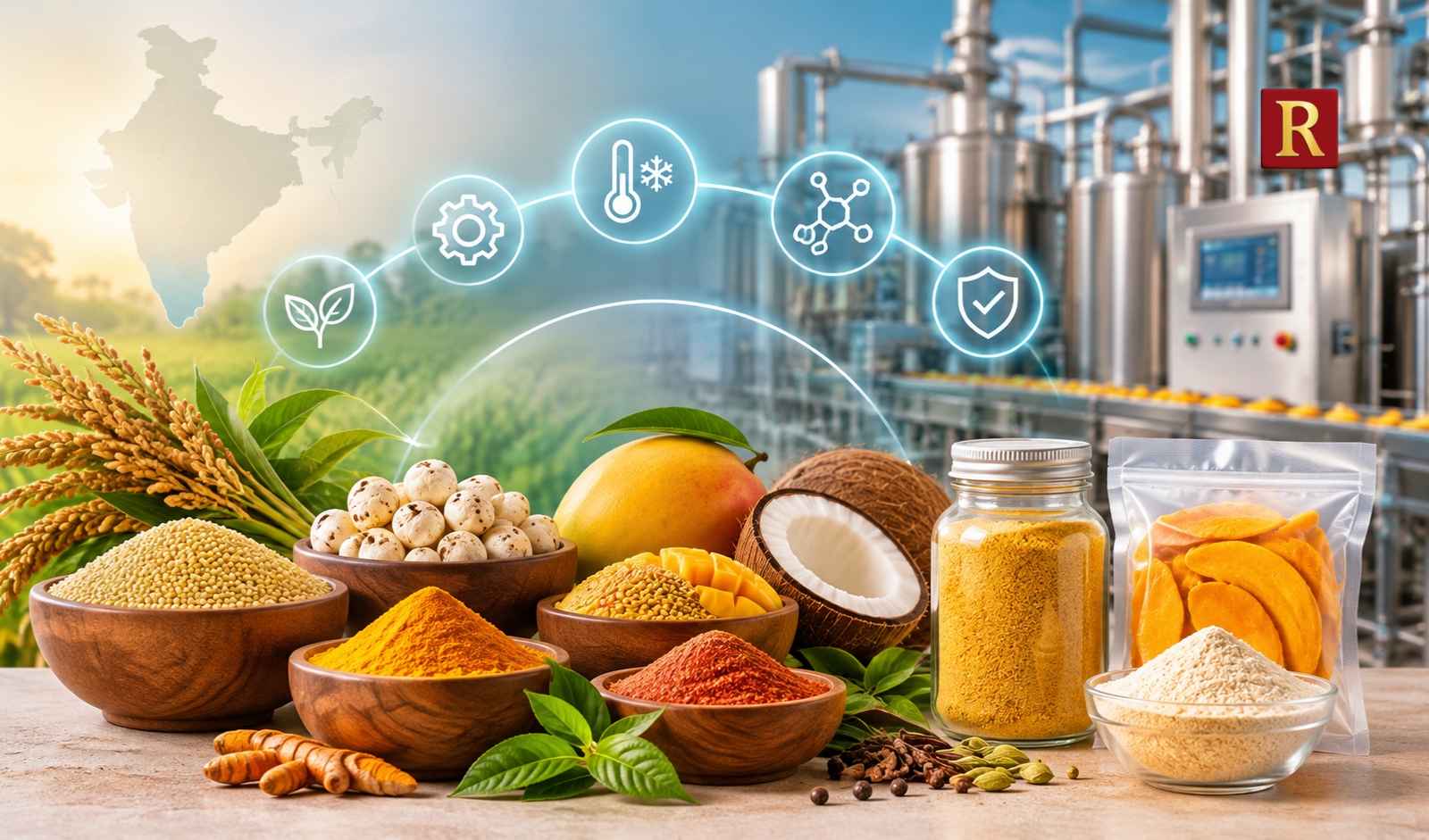
For India's food manufacturers, these developments create opportunities across beverages, dairy, packaged foods, fresh produce and ready-to-eat products.

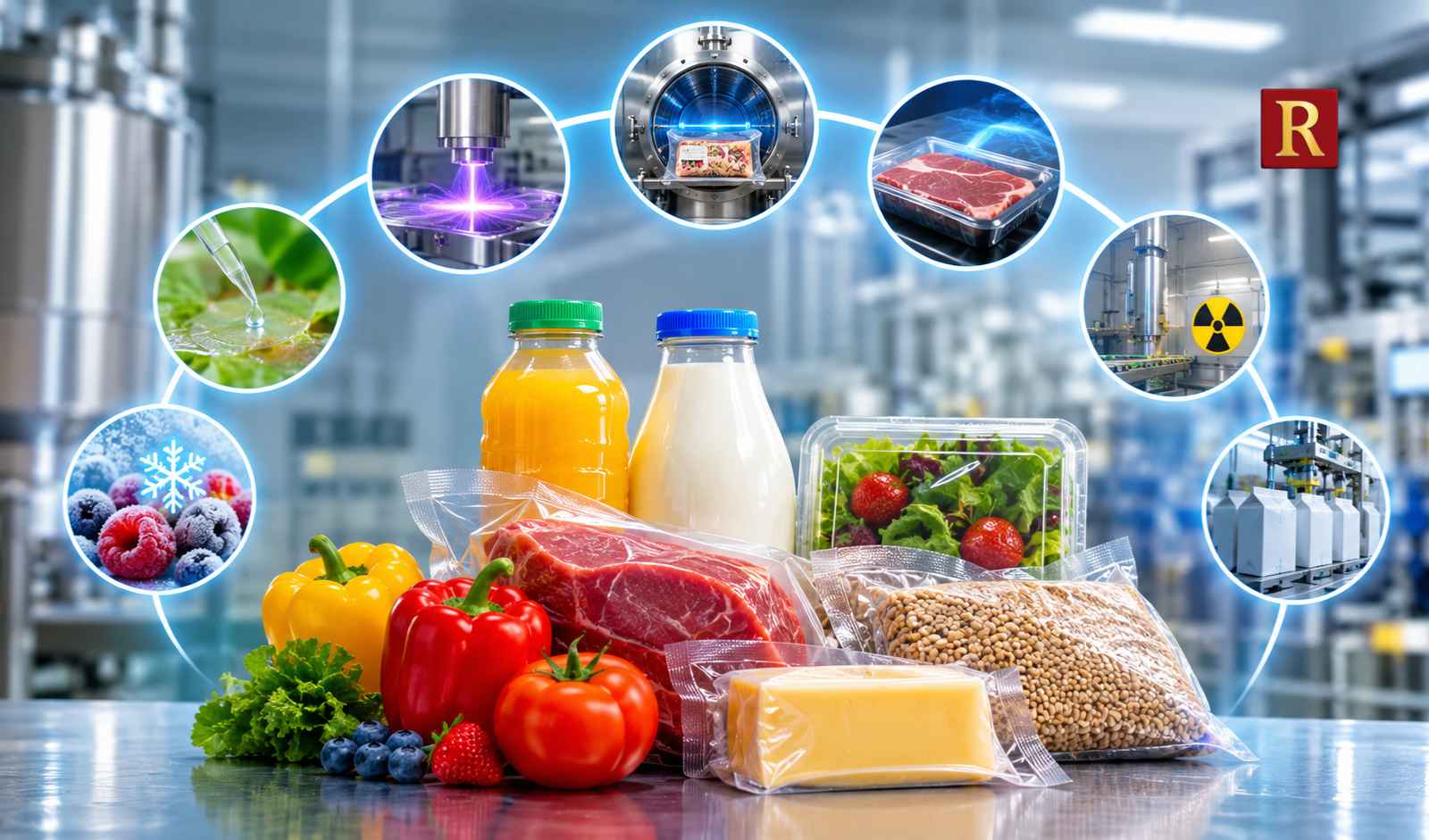
Food manufacturers are facing a growing challenge. Consumers want products that taste fresh, retain their nutritional value and contain fewer artificial preservatives. At the same time, manufacturers need products that can survive longer storage periods, transportation and retail distribution without losing quality. Traditional preservation methods such as refrigeration, drying, freezing and heat treatment continue to play an important role. However, advances in food processing and packaging are giving manufacturers new ways to control microbial growth, reduce oxidation and slow down food deterioration.
Technologies such as High-Pressure Processing (HPP), Pulsed Electric Fields (PEF), cold plasma and modified atmosphere packaging are changing how food products are processed and stored. These technologies are not only helping manufacturers improve product stability but also creating opportunities to reduce food waste, develop clean-label products and expand distribution networks. Here are seven technologies helping food manufacturers extend product shelf life.
1. High-Pressure Processing (HPP) Preserves Food Without Traditional Heat Treatment
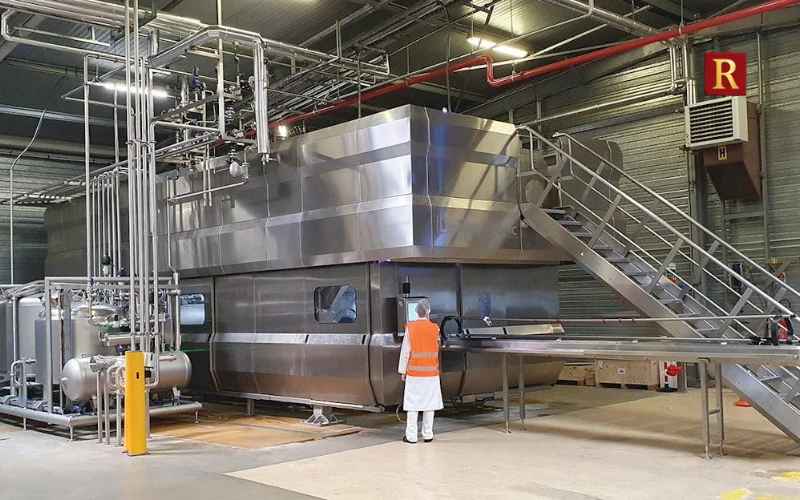
High-Pressure Processing (HPP) is one of the important non-thermal technologies gaining attention in the food manufacturing industry. It uses extremely high hydrostatic pressure to reduce harmful microorganisms without relying on conventional high-temperature treatment. During HPP, packaged food is placed inside a specialised chamber filled with water. Pressure is applied uniformly, commonly within a range of 400–600 MPa, depending on the product and process. This pressure disrupts the cellular structures of many bacteria, yeasts and moulds, helping improve food safety and stability.
Where is HPP used?
Cold-pressed fruit and vegetable juices.
Smoothies and functional beverages.
Guacamole and fresh dips.
Ready-to-eat meat products.
Refrigerated sauces and spreads.
Why manufacturers are adopting it
Helps retain fresh-like flavour and colour.
Reduces many harmful microorganisms.
Can minimise heat-related nutritional changes.
Supports the development of products with fewer conventional preservatives.
However, HPP does not reliably destroy bacterial spores. Many HPP-treated products still require refrigeration and carefully validated storage conditions.
2. Pulsed Electric Field (PEF) Uses Electricity to Improve Food Preservation
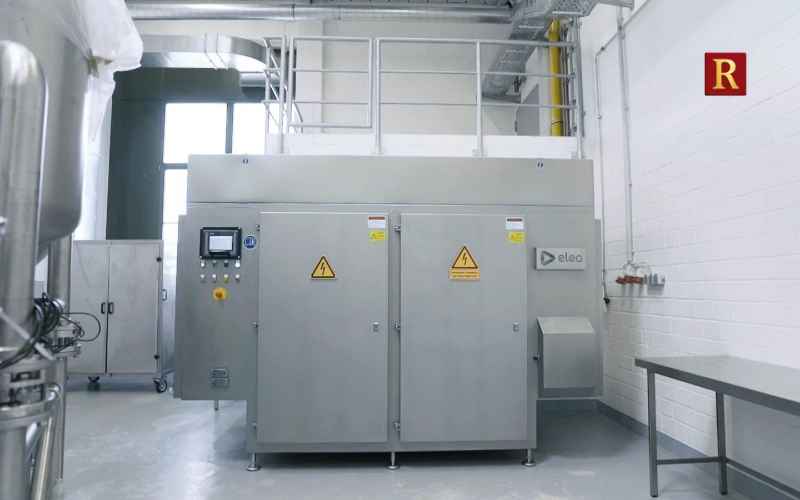
Electricity is becoming an important tool in modern food processing. Pulsed Electric Field technology uses short bursts of high-voltage electricity to create temporary or permanent pores in microbial cell membranes. This process is known as electroporation. It damages the cell membranes of microorganisms, helping reduce microbial activity. PEF is particularly useful for liquid foods and certain plant-based products. Unlike conventional heat processing, it can help reduce the need for intensive thermal treatment in suitable applications.
Where is PEF used?
Fruit and vegetable juices.
Liquid food products.
Potato processing.
Vegetable processing.
Certain dairy and beverage applications under suitable process conditions.
What makes PEF valuable?
Helps reduce microbial contamination.
Can minimise heat-related flavour changes.
Supports efficient processing of suitable liquid products.
Can improve extraction and processing efficiency in some applications.
One interesting application is potato processing. PEF can soften potato tissue, making cutting easier and reducing breakage during processing. However, PEF performance depends on factors such as electrical conductivity, treatment intensity, food composition and processing time. It is not a universal replacement for pasteurisation.
3. Cold Plasma Technology Helps Control Surface Contamination
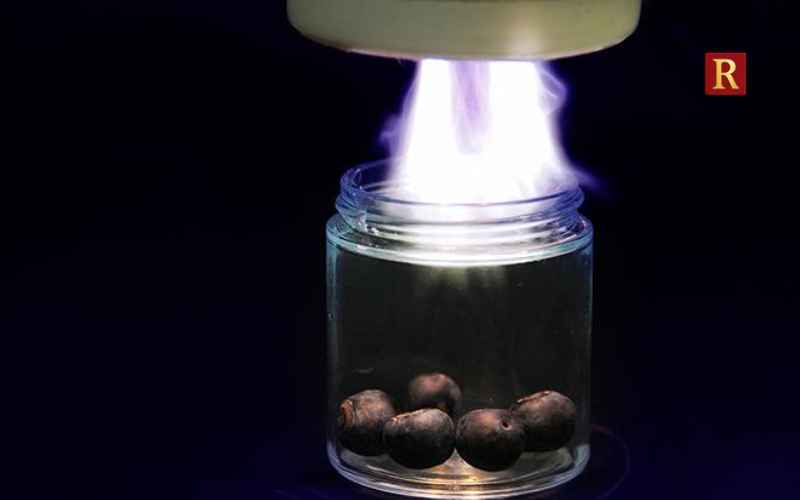
Cold plasma is an emerging food preservation technology that uses ionised gas to control microorganisms on food surfaces. It generates reactive oxygen and nitrogen species that can damage microbial cell membranes, proteins and genetic material. Unlike conventional thermal treatments, cold plasma can operate at relatively low temperatures. This makes it an interesting option for products that are sensitive to heat.
Where can it be used?
Fresh fruits and vegetables.
Grains and nuts.
Food packaging materials.
Food-contact surfaces.
Certain ready-to-process ingredients.
How does it benefit manufacturers?
Helps reduce surface microbial contamination.
Can treat certain products without conventional heating.
May reduce dependence on some chemical surface treatments.
Offers opportunities for packaging decontamination.
For example, fresh produce manufacturers can investigate cold plasma as an additional treatment to improve surface hygiene before packaging. However, treatment uniformity, penetration limitations and possible effects on colour, texture and nutritional quality need careful evaluation. Its commercial use is still developing, and it should not be presented as a complete replacement for established food safety procedures.
4. Food Irradiation Uses Controlled Radiation to Reduce Microbial Contamination
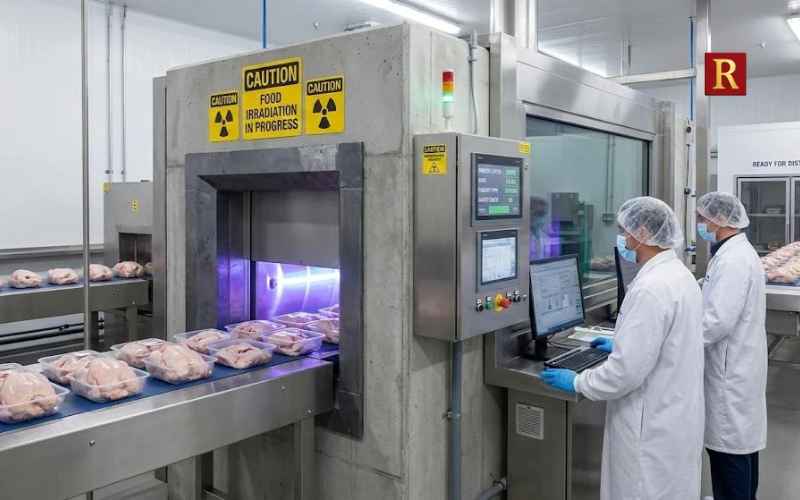
Food irradiation is an established preservation technology that uses controlled ionising radiation to reduce harmful microorganisms, insects and pests in selected food products. It can also delay sprouting in certain vegetables and help control spoilage in suitable food categories. The technology uses gamma rays, electron beams or X-rays, depending on the processing facility and application. One important point is that irradiation does not make food radioactive. The process exposes food to controlled radiation under regulated conditions.
Where is food irradiation used?
Spices and dried herbs.
Pulses and grains.
Potatoes and onions.
Certain fruits and vegetables.
Selected food ingredients for export.
Why is it important for manufacturers?
Helps reduce microbial contamination in spices.
Supports insect control in stored food products.
Can delay sprouting in selected crops.
Helps improve the safety and storage stability of certain ingredients.
For India, this technology has particular relevance to spice processing and exports, where microbial quality is an important consideration. However, irradiation must follow approved food categories, permitted doses and applicable labelling requirements. It does not replace good manufacturing practices or hygienic storage.
5. Modified Atmosphere Packaging (MAP) Changes the Air Inside Food Packs
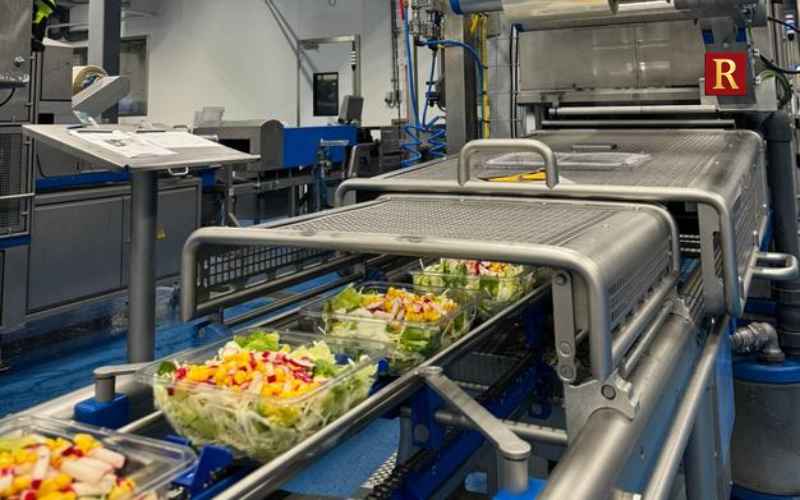
Packaging plays a major role in determining how long food remains fresh. Modified Atmosphere Packaging (MAP) takes this further by changing the composition of gases inside a sealed food package. Instead of using ordinary air, manufacturers introduce controlled combinations of gases such as carbon dioxide, nitrogen and oxygen. These gases help slow down specific deterioration processes. For example, carbon dioxide can inhibit the growth of certain microorganisms, while nitrogen can displace oxygen and help maintain package structure.
Where is MAP used?
Fresh-cut fruits and vegetables.
Meat and poultry.
Cheese and dairy products.
Bakery products.
Ready-to-eat meals.
Packaged salads.
How does MAP help?
Slows down certain microbial growth.
Reduces oxidation in suitable products.
Helps maintain product appearance.
Supports longer distribution and retail periods.
Reduces the risk of premature product deterioration.
The gas mixture is not the same for every food product. Fresh meat, vegetables and bakery products have different oxygen requirements and respiration characteristics. Manufacturers must also maintain proper temperature control because MAP does not automatically eliminate harmful microorganisms.
6. Edible Coatings Create an Invisible Protective Layer Around Food
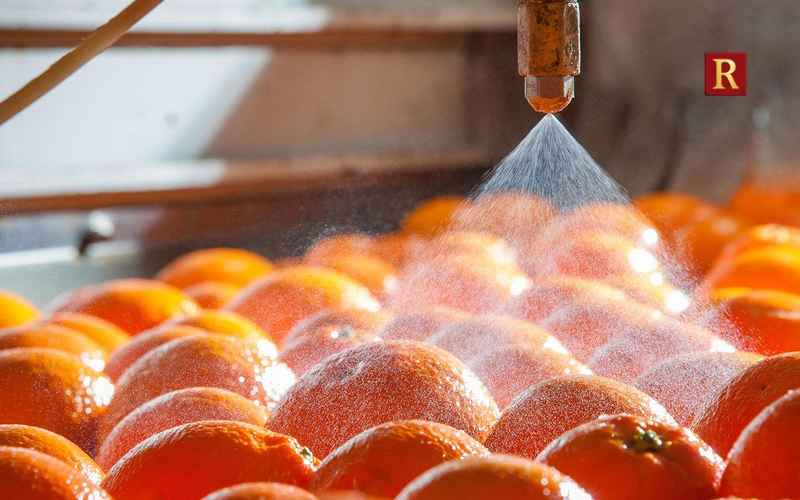
What if food could be protected by a layer that consumers do not need to remove before eating? Edible coatings are gaining attention as an alternative approach to food preservation. These thin protective layers are made using edible materials such as starch, alginate, proteins, chitosan and plant-derived compounds. They are applied to food surfaces to control moisture loss, gas exchange and oxidation. Some formulations also contain natural antimicrobial or antioxidant ingredients.
Where can edible coatings be used?
Apples and citrus fruits.
Fresh-cut fruits.
Vegetables.
Confectionery products.
Selected bakery products.
Why are manufacturers exploring this technology?
Helps reduce moisture loss.
Can slow down oxidation and browning.
Helps maintain the appearance of fresh produce.
Can reduce certain quality changes during storage.
Offers opportunities for biodegradable food protection.
For instance, a protective coating on fruits can help regulate the movement of oxygen and water vapour, slowing certain ripening and deterioration processes. The choice of coating material is important because different materials offer different barrier properties. Manufacturers must also evaluate taste, texture, food safety and regulatory suitability.
7. Aseptic Processing and Packaging Allow Food to Stay Shelf-Stable Longer
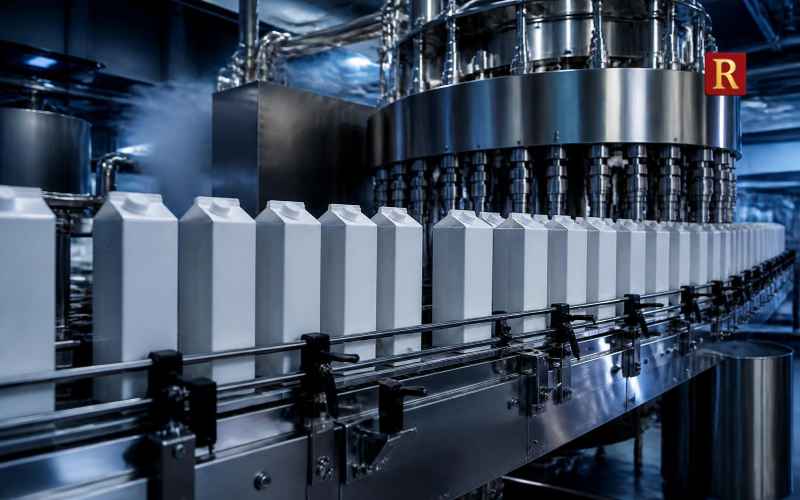
Aseptic processing is an established technology that has transformed the manufacturing and distribution of liquid food products. It involves sterilising food and packaging materials separately before bringing them together in a controlled sterile environment. The processed food is then filled into sterilised containers, preventing contamination during packaging. This method is widely associated with Ultra-High Temperature (UHT) milk and shelf-stable beverages.
Where is aseptic processing used?
UHT milk.
Plant-based milk.
Fruit juices.
Soups.
Liquid sauces.
Other packaged beverages.
What makes it useful?
Allows suitable products to remain shelf-stable before opening.
Reduces dependence on refrigerated distribution.
Supports long-distance transportation.
Helps manufacturers reach markets with limited cold-chain infrastructure.
Protects products against post-processing contamination when the system is properly maintained.
Aseptic processing is particularly valuable for Indian food manufacturers serving multiple cities and regions. However, commercial sterility requires validated processing conditions, sterile packaging, controlled filling environments and reliable package integrity.
Difference Between the Seven Food Preservation Technologies
Although all seven technologies help improve food shelf life, their preservation mechanisms are different.
Technology | Main function | Best-suited applications |
HPP | Reduces microorganisms through high pressure | Juices, dips and sauces |
PEF | Disrupts microbial cell membranes using electrical pulses | Juices and liquid foods |
Cold plasma | Controls surface microorganisms | Produce, grains and packaging |
Irradiation | Reduces microorganisms and controls pests | Spices, grains and selected produce |
MAP | Controls the atmosphere inside packaging | Meat, vegetables and bakery |
Edible coatings | Controls moisture loss and oxidation | Fruits and vegetables |
Aseptic processing | Commercial sterilisation and sterile filling | Milk, juices and sauces |
How These Technologies Can Help Indian Food Manufacturers
India's food manufacturing industry is expanding across packaged foods, beverages, dairy, frozen products and ready-to-eat categories. As distribution networks grow, manufacturers need products that can maintain their quality during storage and transportation. Advanced preservation technologies can support this shift in several ways.
1. Reducing Food Waste Across the Supply Chain
Food spoilage can result in significant losses for manufacturers, distributors and retailers. Technologies such as MAP, edible coatings and HPP can help slow certain deterioration processes when properly matched with the product. This can support better inventory management and reduce premature product rejection.
2. Supporting Clean-Label Product Development
Consumers are increasingly interested in understanding the ingredients used in packaged foods. Technologies such as HPP and PEF can help manufacturers explore products with reduced dependence on certain conventional preservatives. However, clean-label positioning does not automatically mean a product is preservative-free or safer. Product formulation and safety validation remain essential.
3. Expanding Distribution Networks
Products with longer validated shelf lives can offer manufacturers more flexibility in transportation and distribution. Aseptic processing, irradiation and suitable packaging technologies can help selected food categories reach distant markets. This is particularly relevant for Indian manufacturers looking to expand beyond major metropolitan cities.
4. Improving Export Opportunities
International food markets have strict requirements related to microbial quality, packaging and product safety. Technologies such as irradiation, HPP and MAP can support specific export-oriented food categories. However, manufacturers must comply with the importing country's regulations and product-specific requirements.
Challenges in Adopting Advanced Food Preservation Technologies
Despite their advantages, these technologies also come with operational and financial challenges.
Challenge | Why it matters |
High equipment investment | Advanced processing systems can require substantial capital |
Technical expertise | Operators need specialised training |
Energy consumption | Processing costs can affect product economics |
Product compatibility | Every technology works differently across food categories |
Regulatory compliance | Manufacturers must meet food safety and packaging standards |
Shelf-life validation | Products require appropriate testing under intended storage conditions |
For smaller manufacturers, investing in advanced equipment may not always be financially practical. Contract processing, shared facilities and partnerships with food technology companies could provide alternative routes to adoption.
Why Longer Shelf Life Does Not Always Mean Better Food Quality
Extending shelf life is not simply about making food last longer. Manufacturers must also ensure that products retain their expected quality.
Several factors influence this balance:
Flavour: Processing can change the original taste and aroma.
Texture: Some preservation methods can affect firmness, crispness or consistency.
Nutrition: Heat, oxidation and storage conditions can influence nutrient retention.
Colour: Pigments can change during processing and storage.
Microbial safety: A longer expiry date must be supported by validated safety controls.
This is why manufacturers need product-specific shelf-life studies instead of depending only on technology claims.
The Future of Food Preservation: Combining Multiple Technologies
The next phase of food preservation may involve combining different technologies rather than depending on one method. This approach is known as hurdle technology. It involves using multiple preservation barriers to control microbial growth and food deterioration.
For example, a manufacturer could combine:
Mild heat treatment to reduce microbial load.
Modified atmosphere packaging to control gas exposure.
Refrigeration to slow microbial growth.
Antioxidants to reduce oxidation.
Similarly, HPP combined with refrigeration and suitable packaging can help manufacturers develop products with improved safety and quality. This approach allows manufacturers to design preservation systems around the specific characteristics of each food product.
Conclusion
Food preservation is becoming an important area of innovation for the global food manufacturing industry. Technologies such as HPP, PEF, cold plasma, irradiation, MAP, edible coatings and aseptic processing are offering manufacturers new ways to control food deterioration and improve product stability. For India's food manufacturers, these developments create opportunities across beverages, dairy, packaged foods, fresh produce and ready-to-eat products. However, adopting a new preservation technology requires more than installing advanced equipment. Manufacturers must consider product compatibility, processing costs, regulatory requirements and shelf-life validation. Ultimately, the goal is not simply to make food last longer. It is to ensure that products remain safe, retain their quality and reach consumers with minimal avoidable waste.
Saptopriya Ghosal
Feature Writer
I am a dedicated media professional with a bachelor's degree in mass communication from the State University of Calcutta and a postgraduate degree from Amity University. My academic journey has equipped me with a profound understanding of storytelling and communication. Passionate about the dynamic world of media, I continually strive to explore new ways to engage and inform through compelling narratives.