7 Street Foods That Could Become Packaged Snacks
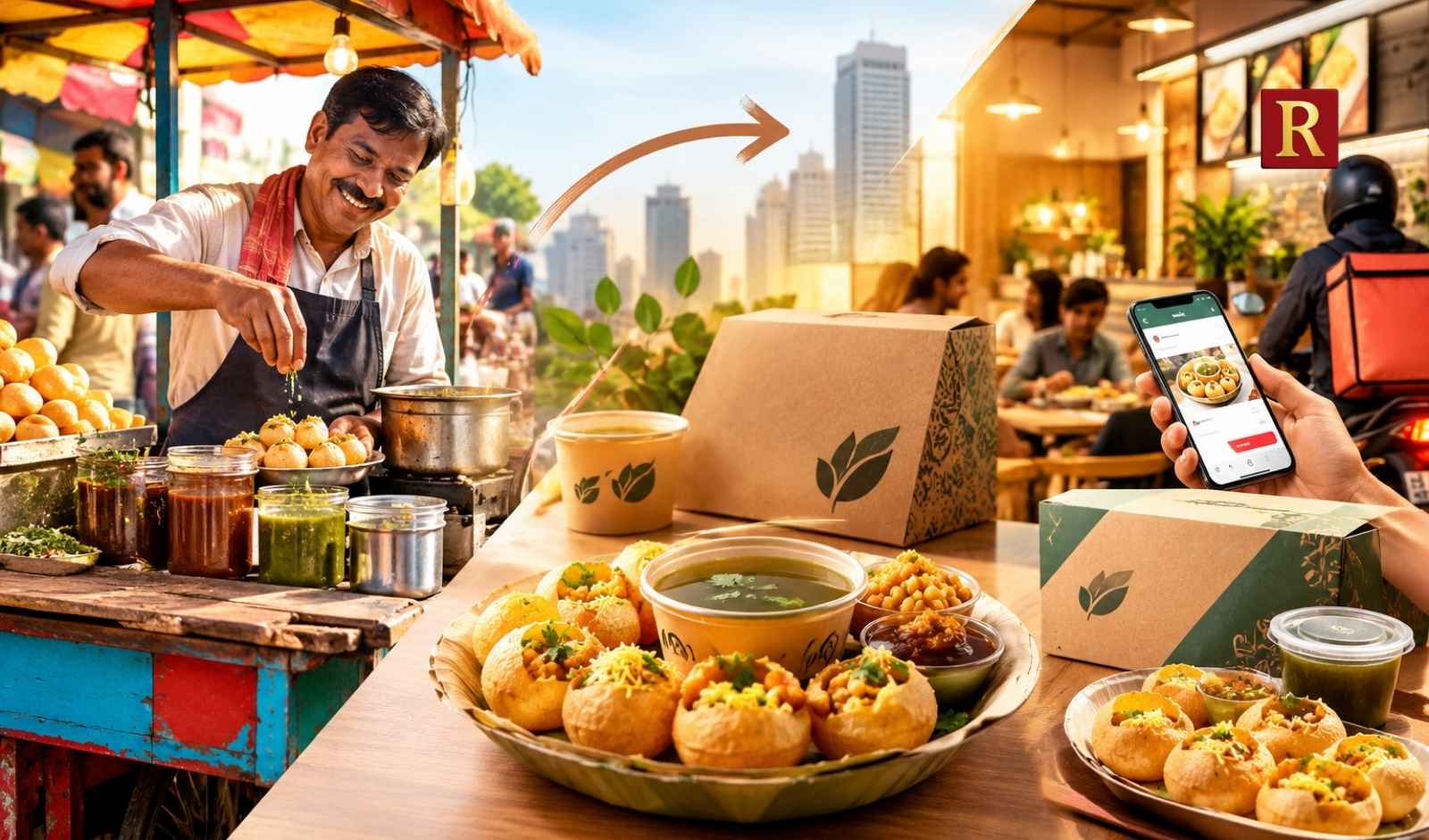
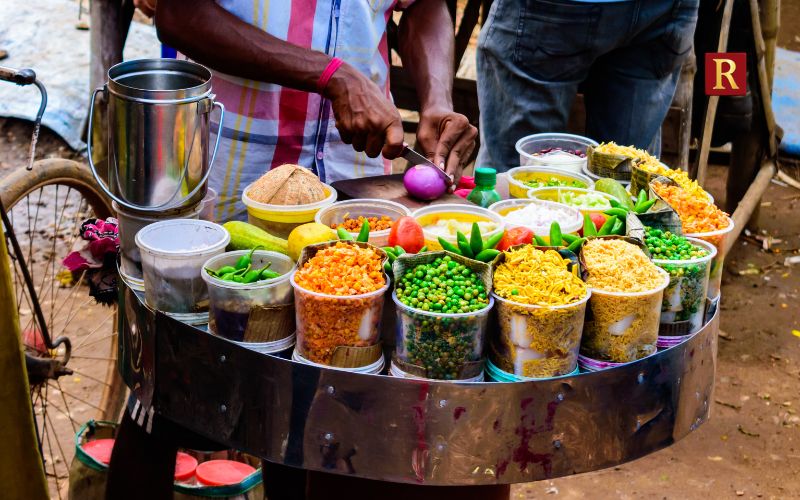
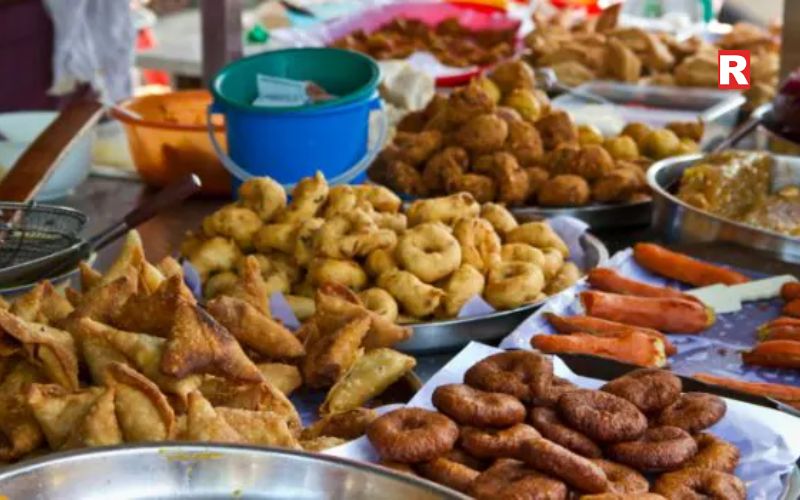
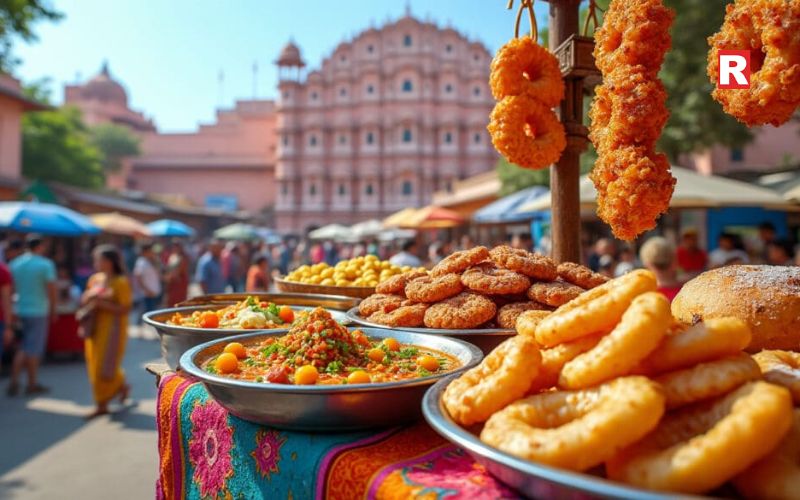
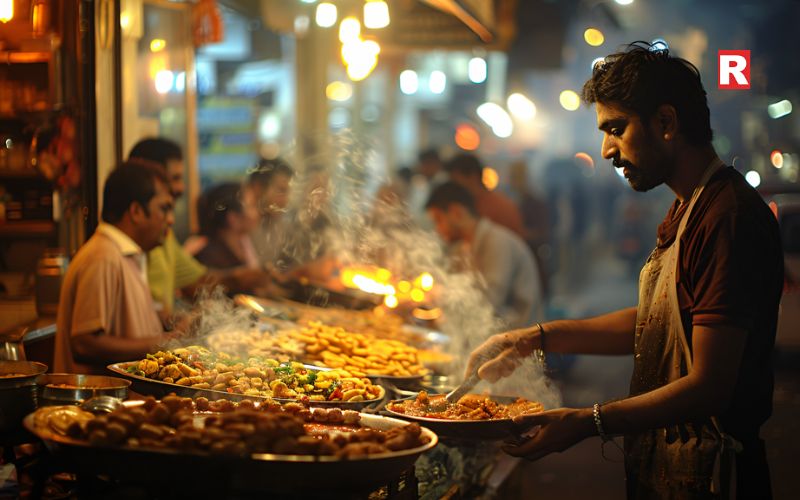
The street food itself may remain fresh, messy and best eaten from a paper plate. But its flavour could travel much further.

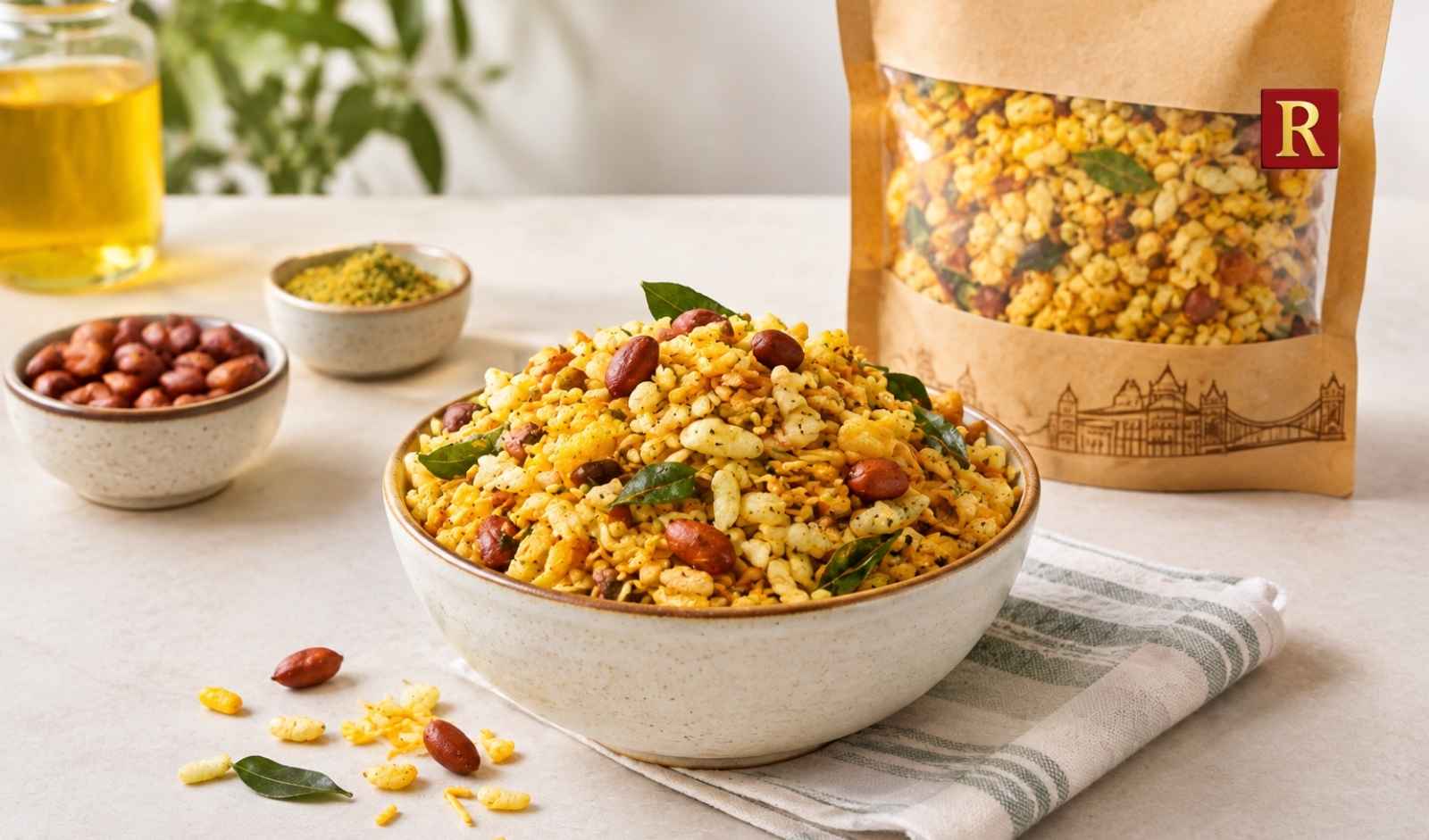
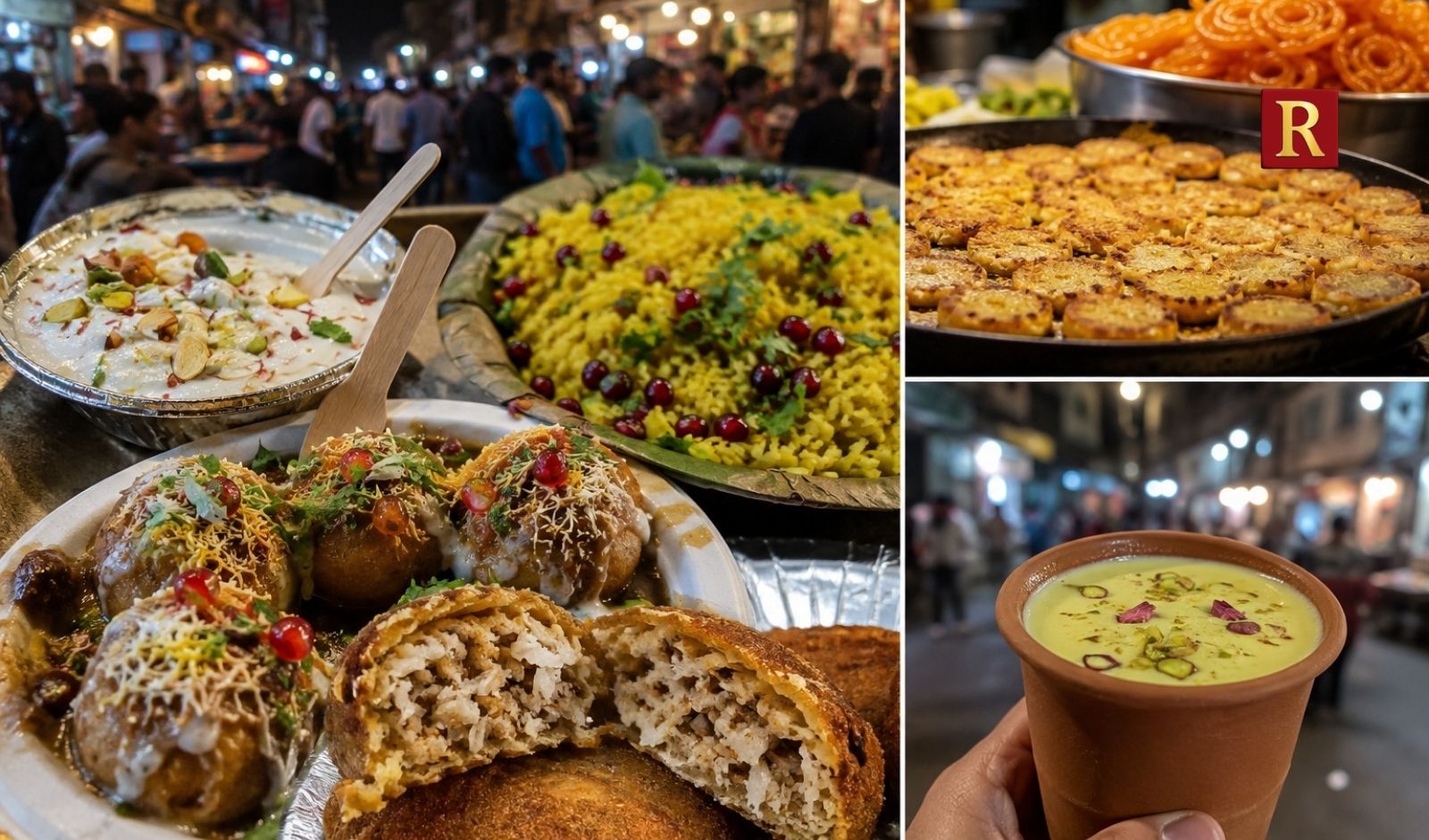
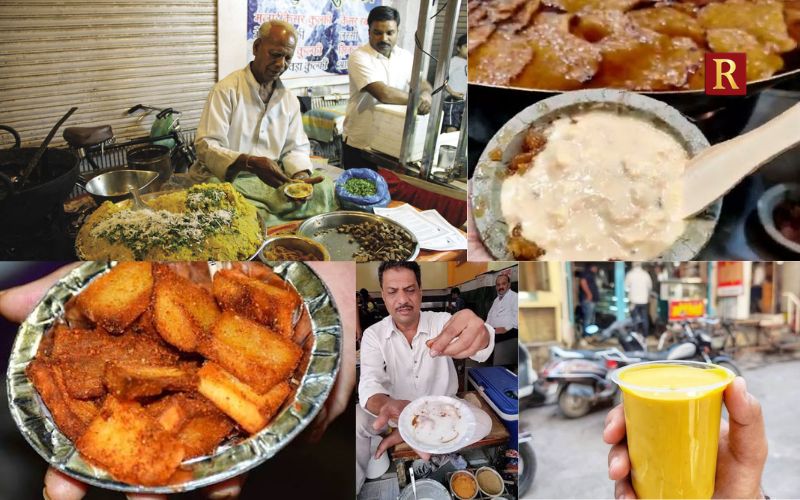
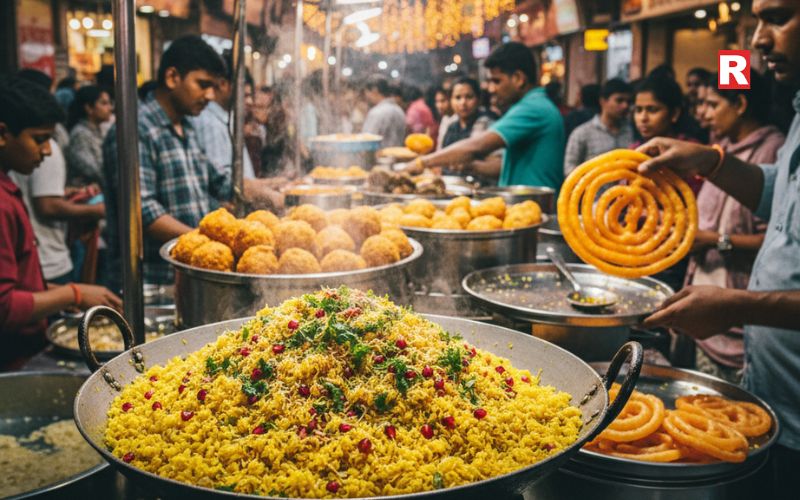
India’s next packaged snack may not come from a new ingredient. It could come from a familiar street corner. For decades, Indian street food has built strong flavour memories around ingredients such as puffed rice, poha, dal, peanuts, sattu, potato and regional spices. Now, many of these ingredients are moving into packaged and ready-to-eat formats.
The shift is already visible in the wider snack market. GlobalData notes that millets, pulses, makhana and region-specific grains are being adapted into packaged snacks. Processing methods such as extrusion, vacuum frying and nitrogen-flushed packaging are also helping manufacturers create longer-lasting products while retaining familiar textures and flavours. Mintel has also identified regional Indian flavours as a growing area in savoury snacks, with crunchy textures continuing to dominate the category. The interesting question is what comes next. Instead of simply putting a regional spice mix on a conventional namkeen, brands could start converting the flavour DNA of street foods into completely new snack formats.
Here are 7 Possibilities
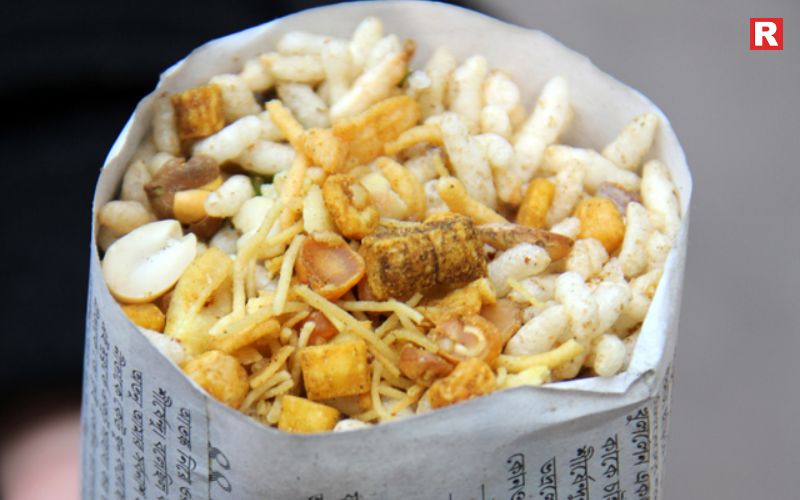
1. Jhal Muri Could Become a Bengali Crunch Mix
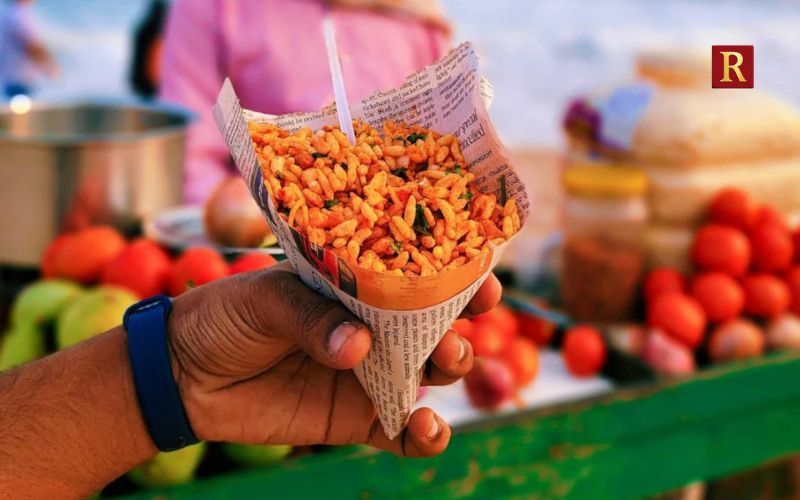
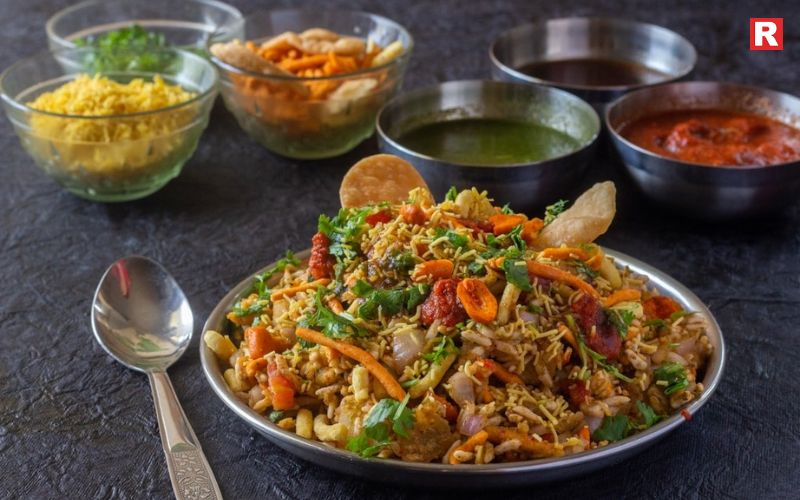
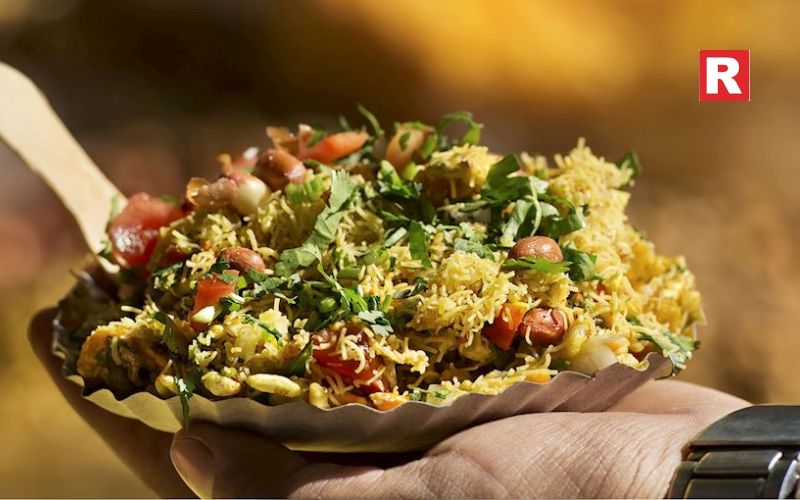
Jhal muri already looks surprisingly close to a packaged snack. Puffed rice, peanuts, sev and spices give it a natural crunchy base. The challenge is the fresh ingredients. Onion, tomato, coriander and mustard oil give street-side jhal muri much of its character, but they also introduce moisture and shelf-life concerns.
A packaged version could therefore focus on the dry elements. Think puffed rice, roasted peanuts, sev, roasted gram, mustard seasoning, green chilli, black salt and a controlled tangy note. The product would not need to claim that it is identical to freshly mixed jhal muri. Instead, it could capture the spicy, sharp and mustard-led character of the dish. That makes jhal muri particularly interesting for a regional snack line.
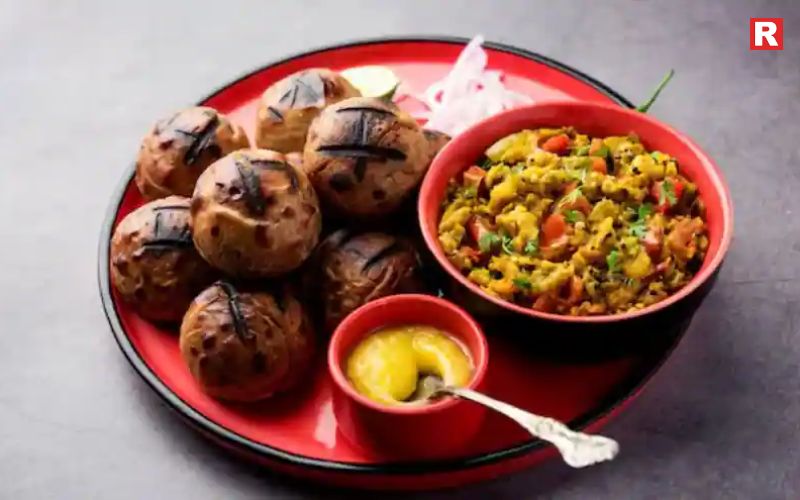
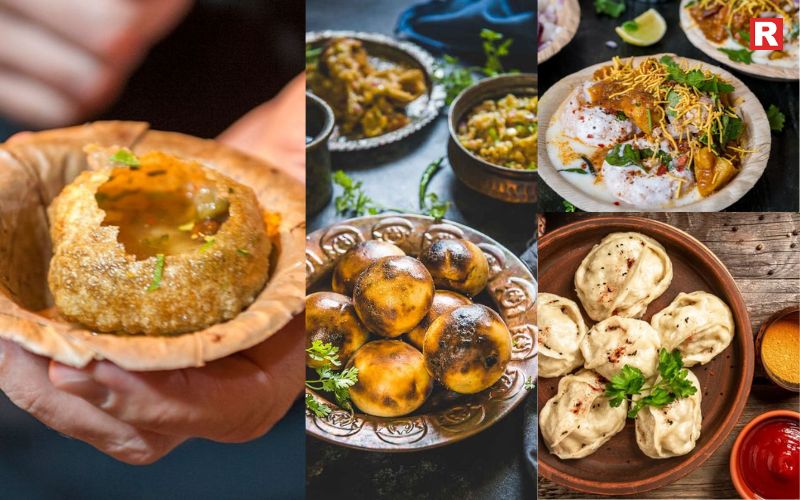
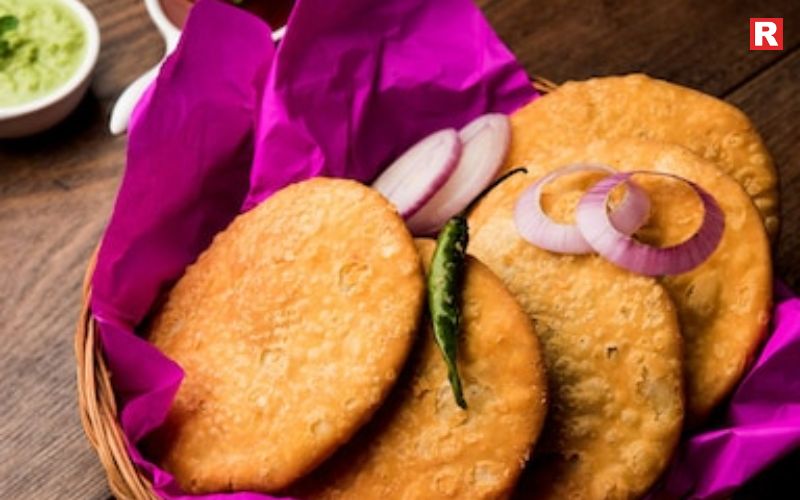
2. Litti Chokha Could Become a Sattu Crunch
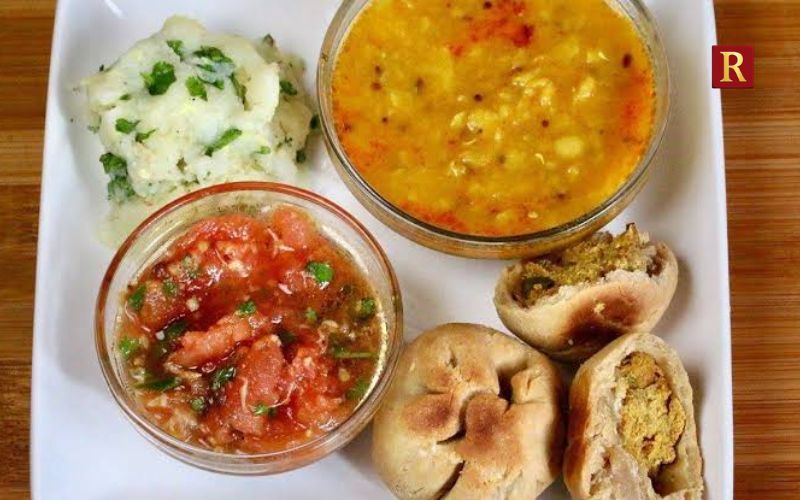
Litti chokha offers a different opportunity. The strongest packaged-snack ingredient here may not be litti itself. It could be sattu. Sattu already has a dry, roasted character and can work as a base for savoury formulations. A snack inspired by litti could combine roasted gram or sattu with wheat, ajwain, garlic, cumin, chilli and black pepper. The chokha influence could come through roasted tomato, garlic and smoky spices. The final product could take the form of baked bites, roasted crisps or small crunchy pieces. This idea also fits a broader industry movement towards heritage ingredients. GlobalData reported that traditional ingredients such as pulses, millets and region-specific grains are increasingly being used in modern packaged snack formats. The opportunity is not to put a litti inside a packet. It is to rebuild its roasted flavour for a new snacking occasion.
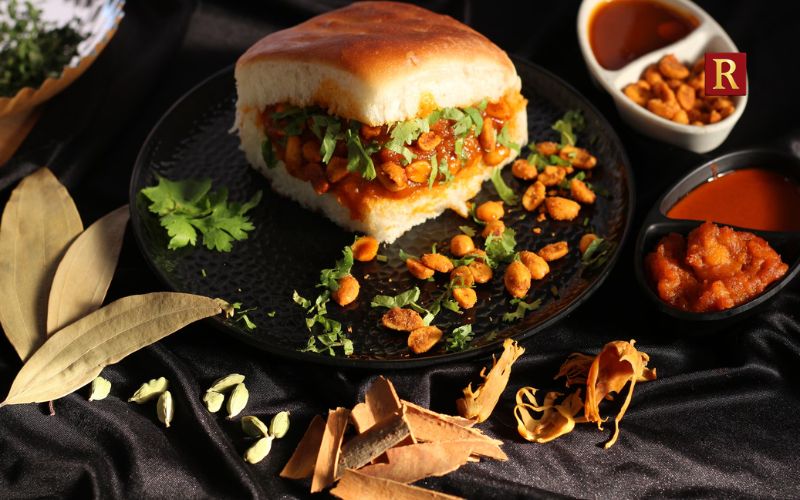
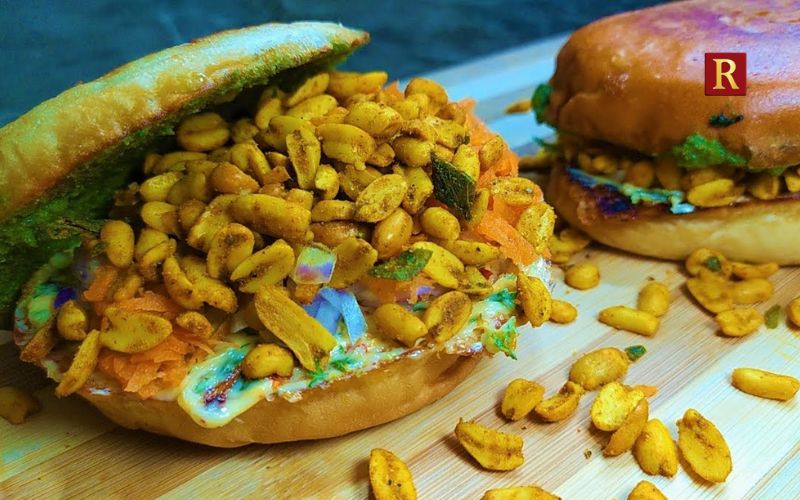
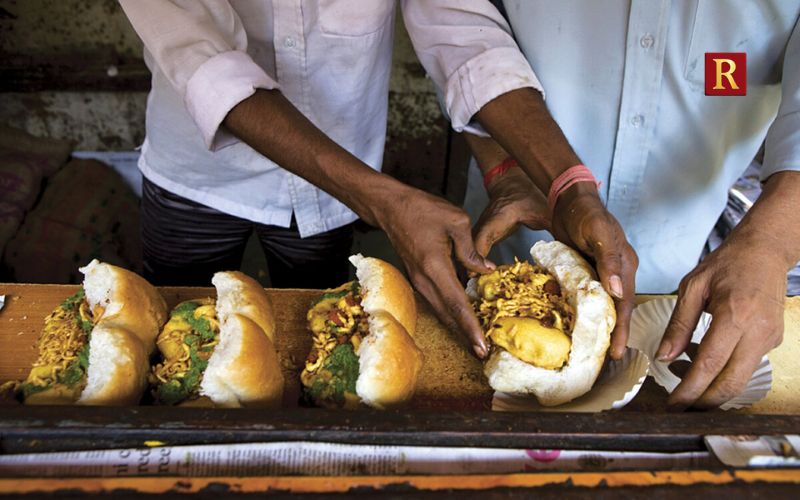
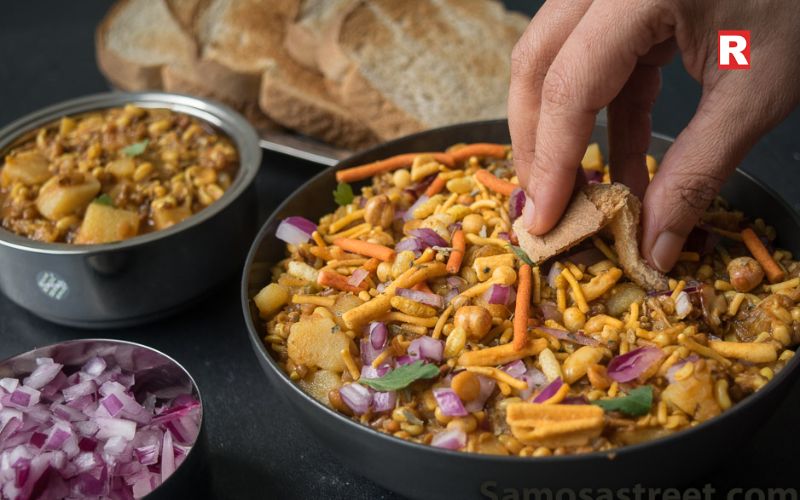
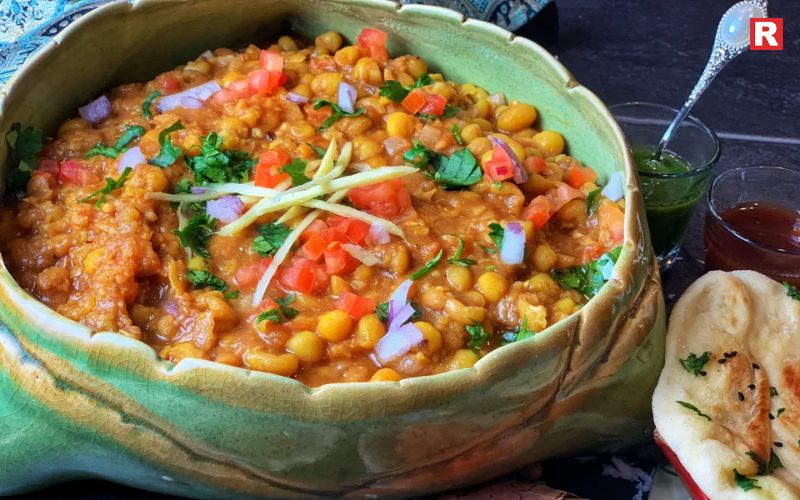
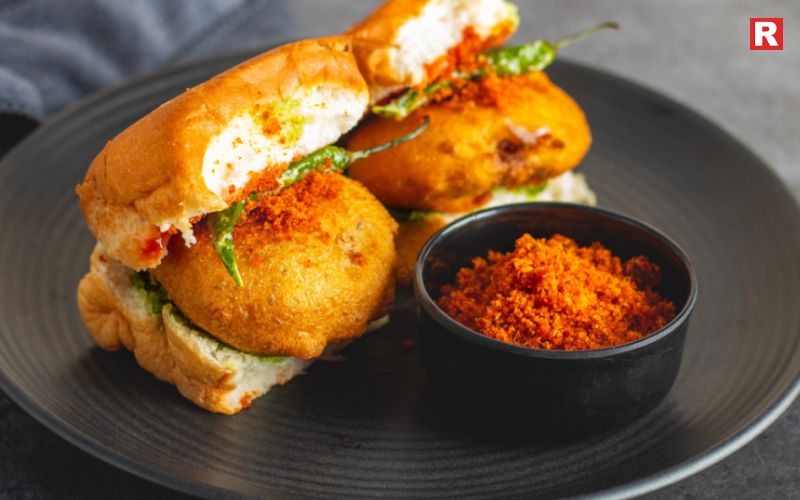
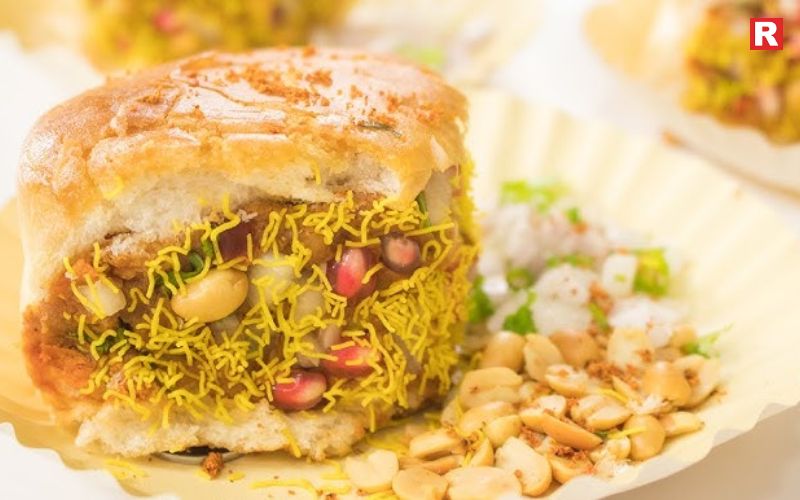
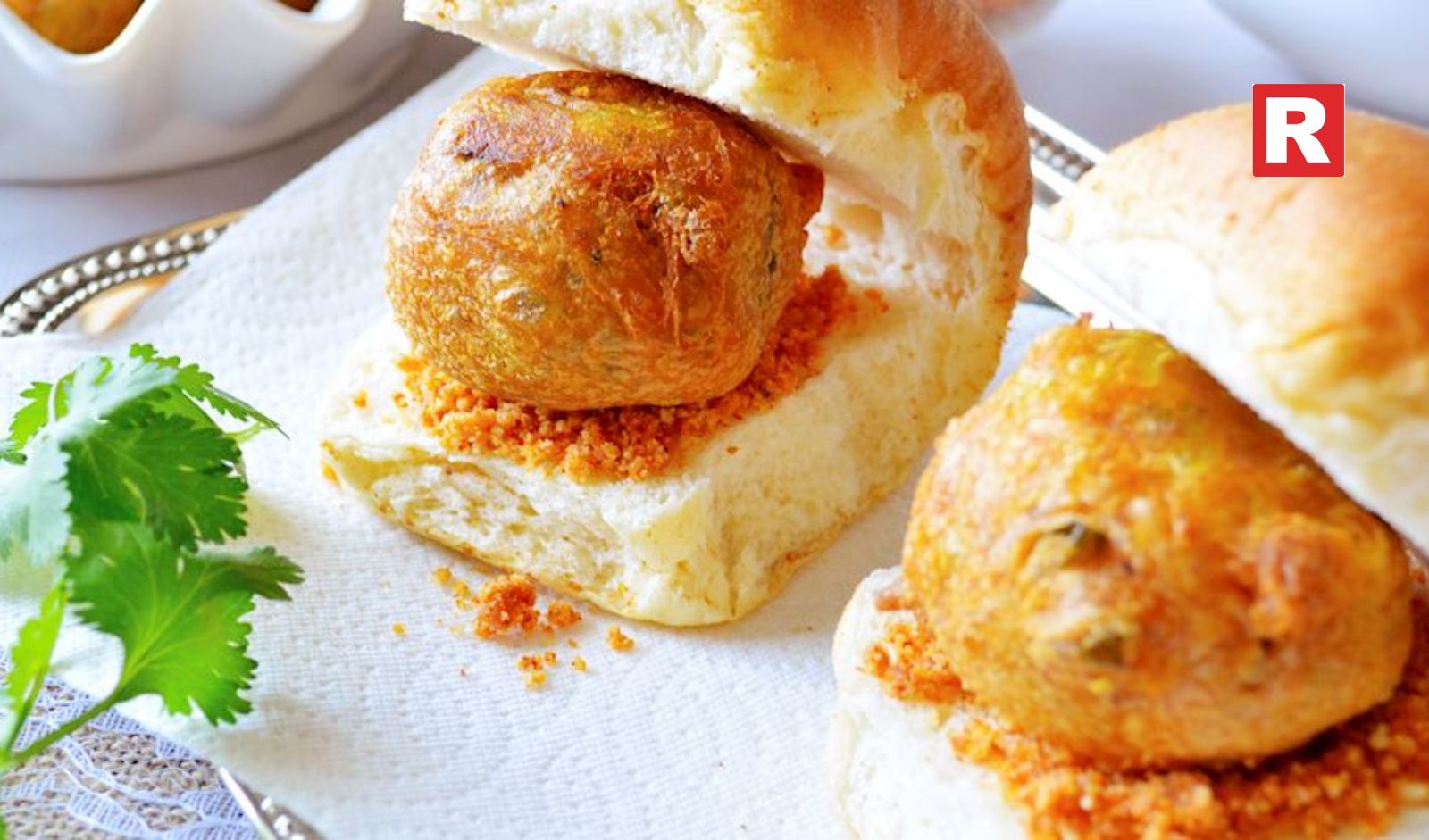
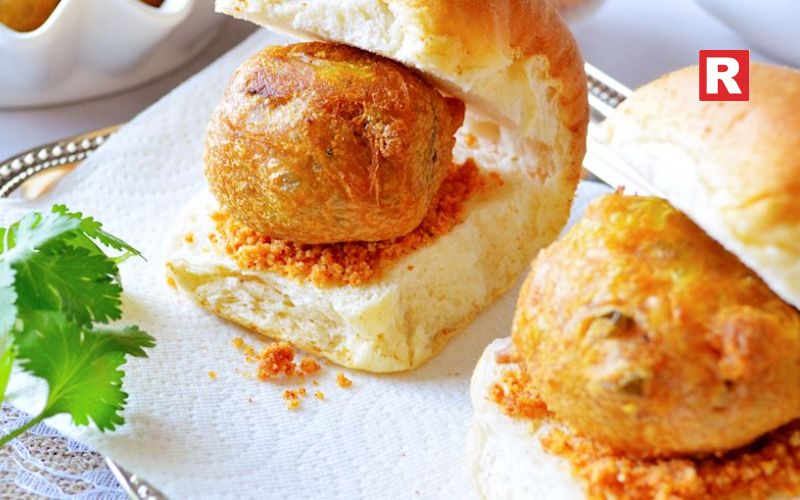
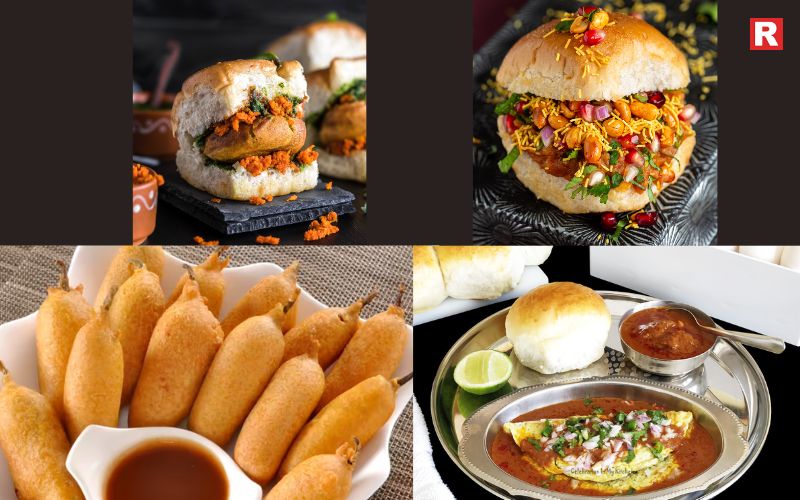
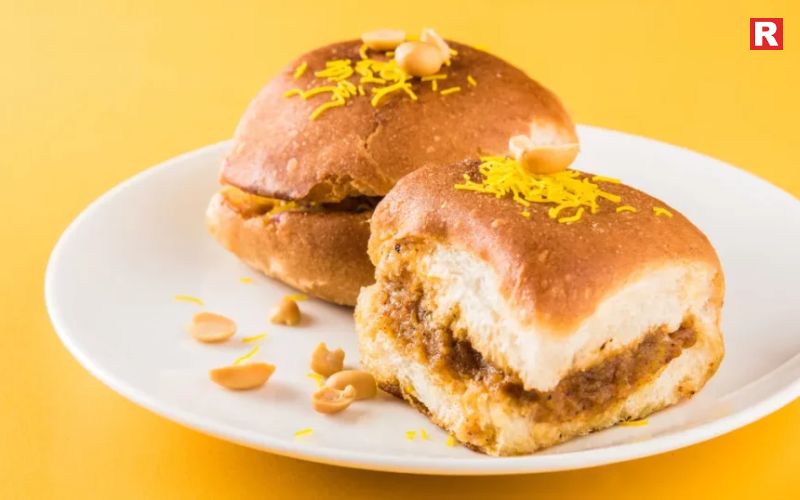
3. Dabeli Could Become a Peanut Masala Snack
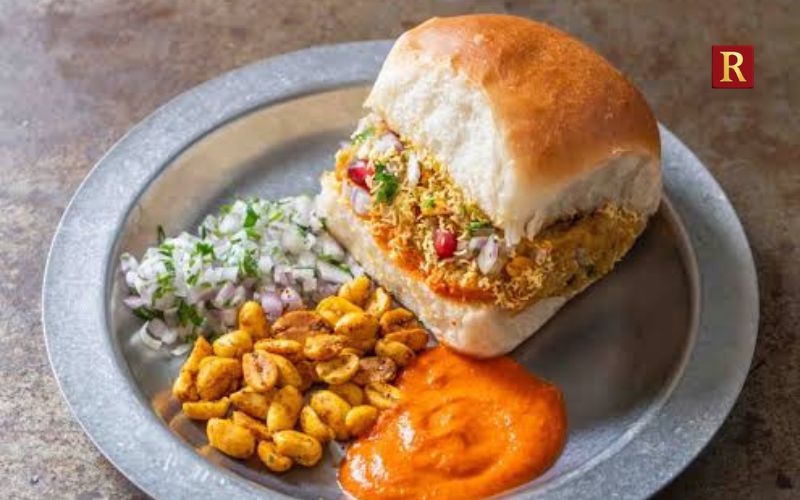
Dabeli has an advantage that many street foods do not. Its flavour is already layered. There is sweetness from the chutney, heat from chilli, acidity from tamarind, nuttiness from peanuts and warmth from spices. That combination can work well in a dry snack. A possible format could combine roasted peanuts, potato crisps, sev and roasted gram with a dabeli-inspired seasoning. The seasoning could use chilli, cumin, coriander, garlic, tamarind, black salt and a mild sweet note. This would create a snack that tastes familiar without trying to reproduce the bun, potato filling and chutneys separately. It also fits the industry's growing interest in bold Indian flavour combinations. Mintel's research highlights regional flavours and experimentation with chilli as important areas of savoury-snack innovation.
4. Kanda Poha Could Move From Breakfast to the Snack Aisle
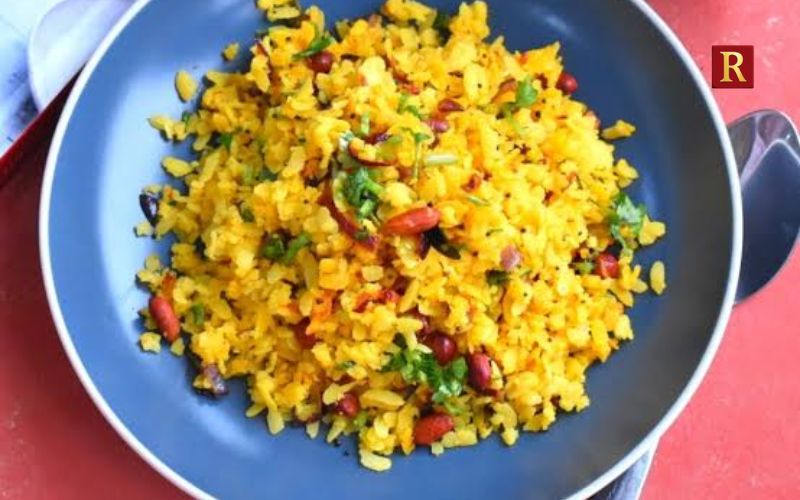
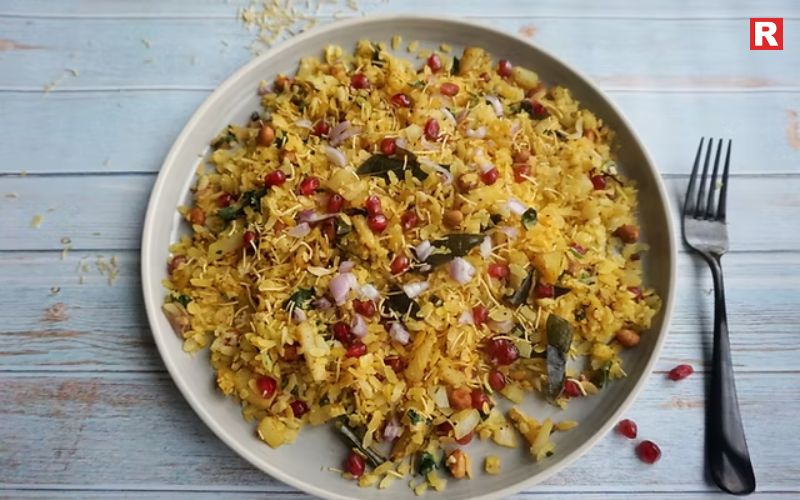
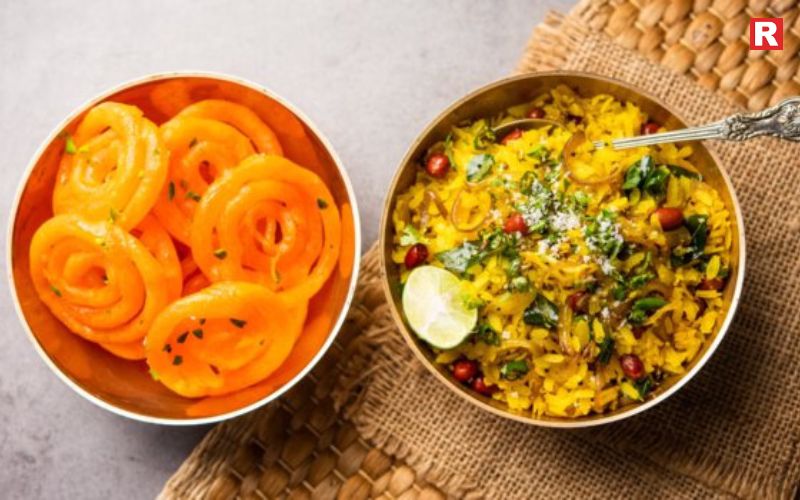
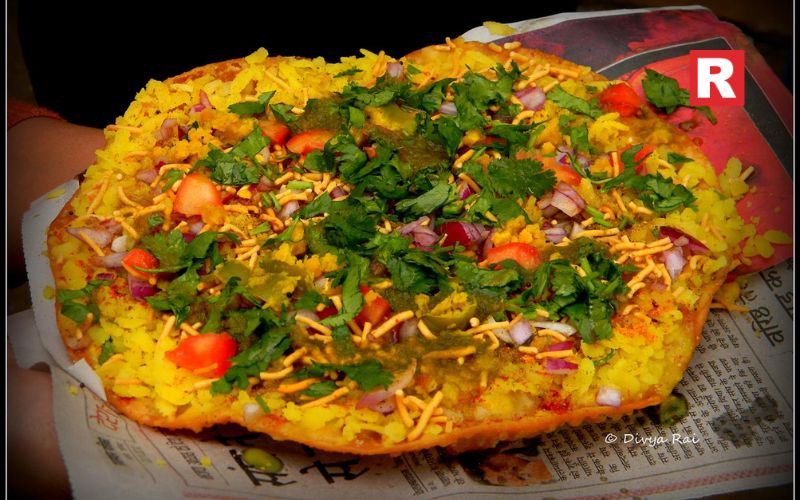
Poha is normally associated with breakfast. But its ingredients make it surprisingly suitable for snacking. Thick poha can be roasted to create a light and crunchy base. Peanuts, curry leaves, mustard seeds, turmeric and green chilli can build the familiar flavour. The biggest challenge is recreating the freshness of onion and lemon. A packaged product could instead use dried onion and carefully developed seasoning to deliver those notes without adding excess moisture. This could become a poha-inspired crunchy mix for office desks, travel bags and evening tea. The larger idea is interesting. Packaging can change not only the format of a food but also its consumption occasion. A breakfast dish can become an anytime snack.
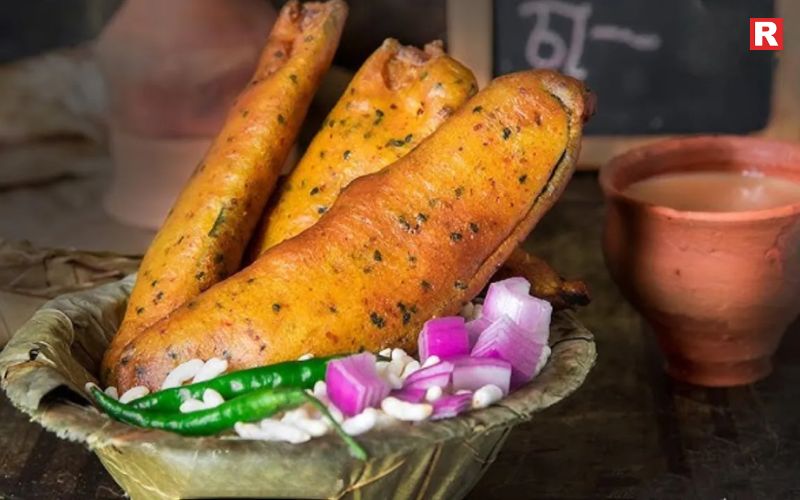
5. Ram Laddoo Could Become Dal Crunch Bites
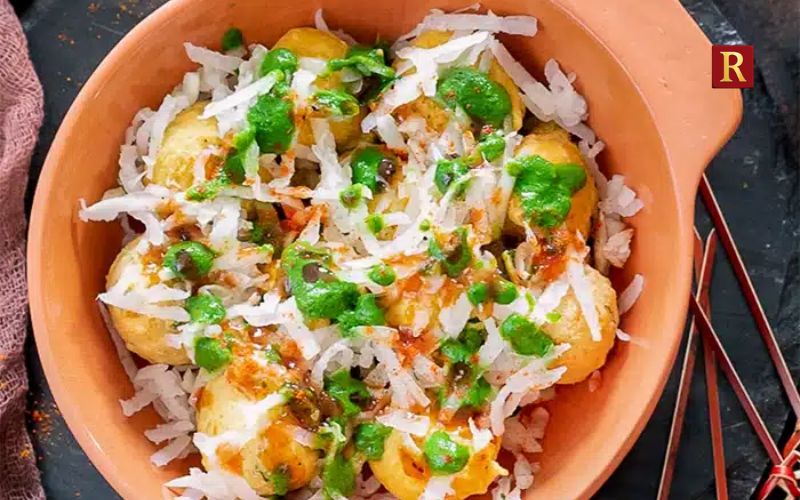
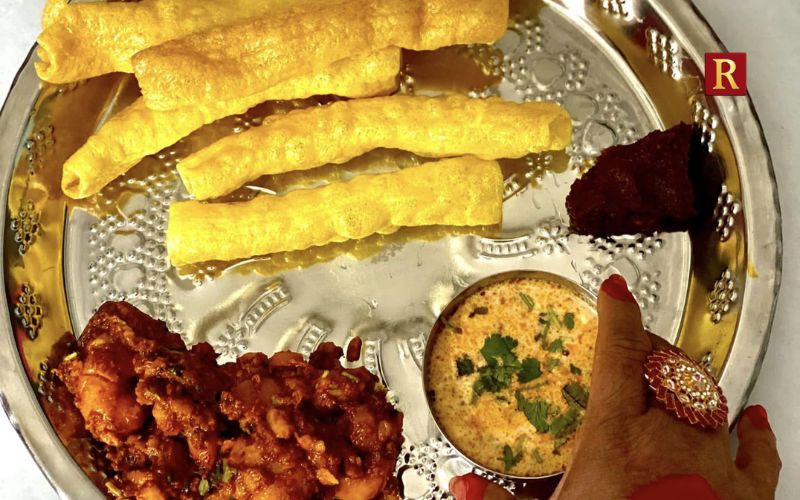
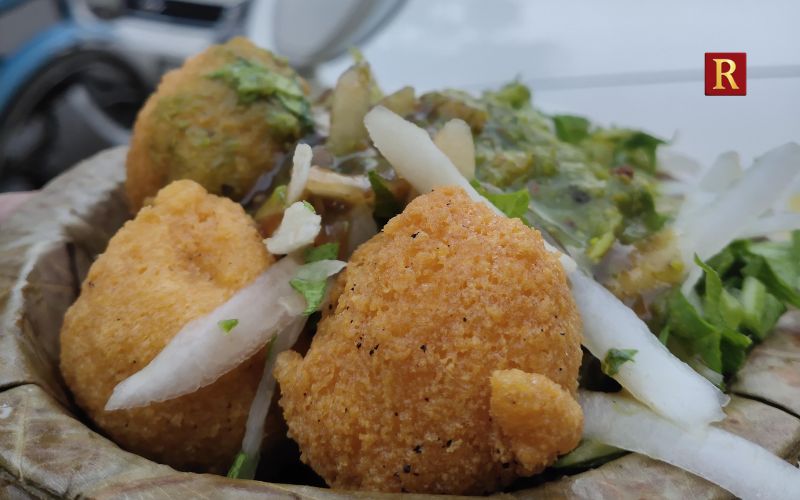
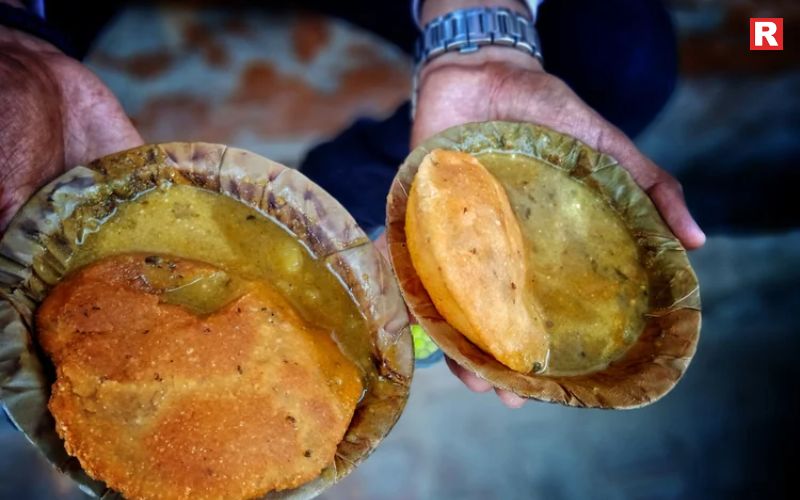
Ram laddoo is one of the less obvious choices for packaged-food innovation. That is precisely what makes it interesting. The street-food favourite is built around fried lentil-based balls, usually served with radish, coriander and tangy chutney. A packaged version could focus on the dal base. Moong dal and chana dal could be turned into small roasted or baked bites. Cumin, coriander, green chilli and black salt could provide the savoury layer.
A mint and amchur-style seasoning could then recreate the chutney effect. The result could sit between a traditional dal-based namkeen and a modern crunchy snack. India already has a strong precedent for turning traditional pulse-based foods into packaged savouries. FSSAI's classification of ready-to-eat savouries includes products such as dalmoth, mixtures, sev, bhel mix, murmura and several other cereal- and pulse-based snacks. Ram laddoo could therefore be less about inventing a new ingredient and more about repackaging a familiar combination in a new form.
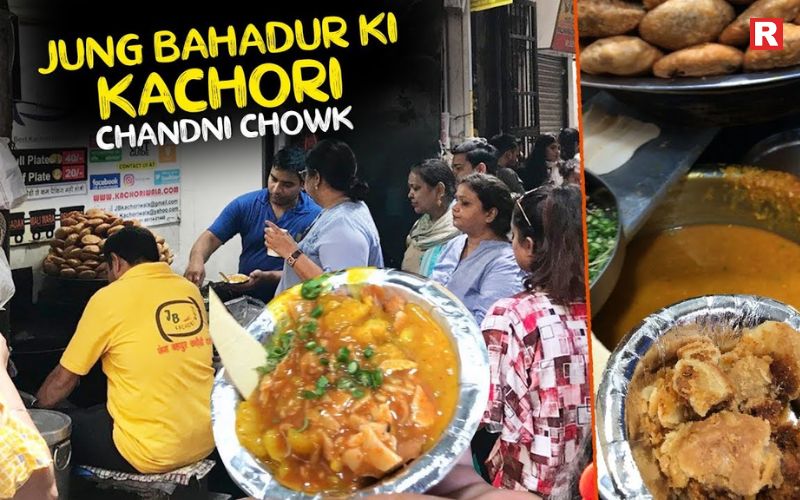
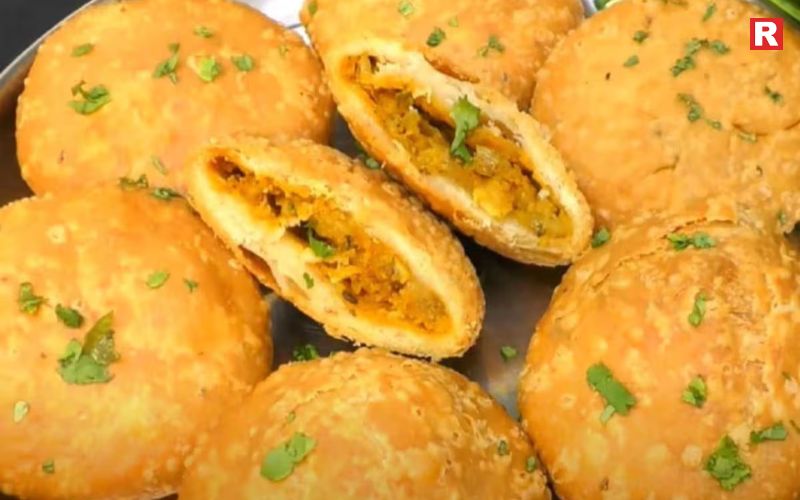
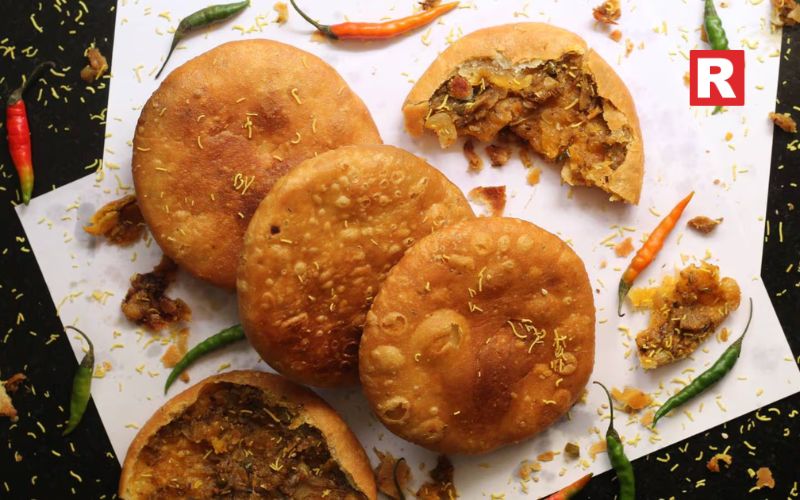
6. Kachori Could Become a Stuffed Crunch
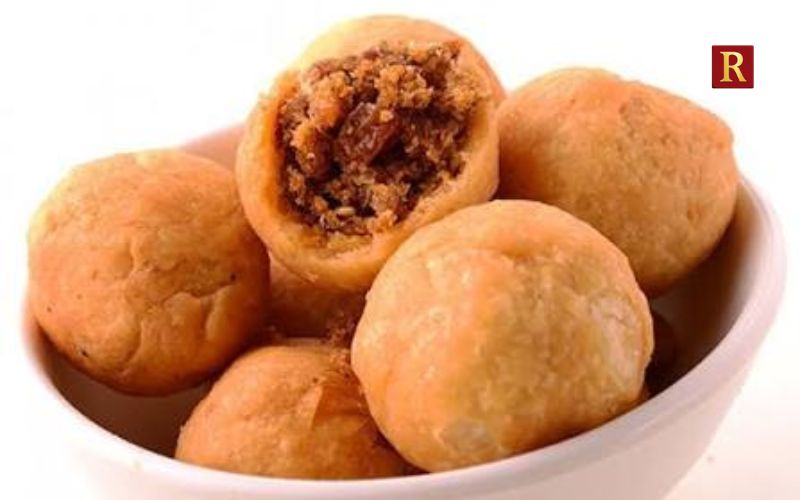
Kachori presents a different product-development route. Its strongest asset is not its round shape. It is the flavour of its filling. A snack inspired by dal kachori could use moong dal, hing, fennel, coriander, chilli, black pepper and amchur as its flavour base. The physical product could be a small stuffed crisp or crunchy bite. This approach is important because not every street food needs to be recreated literally.
- The better opportunity may be to break the dish into its components: base + filling + seasoning + texture.
That makes it easier to develop a product that is stable, scalable and recognisable.
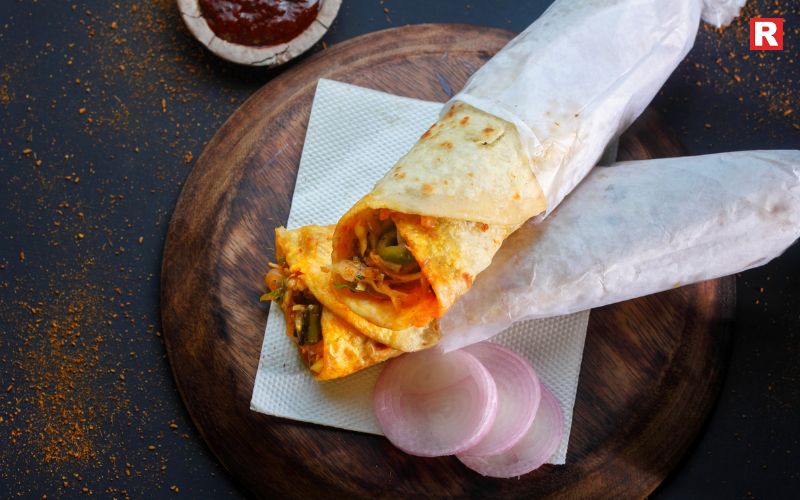
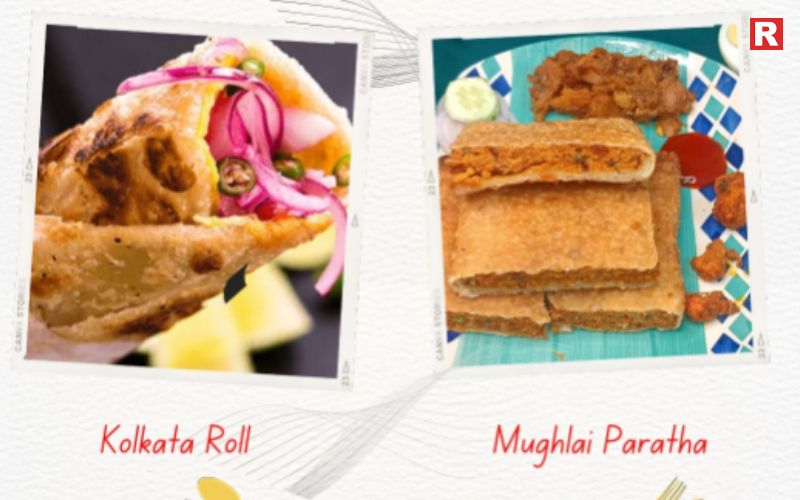
7. Kolkata Egg Roll Could Become a Masala Crisp
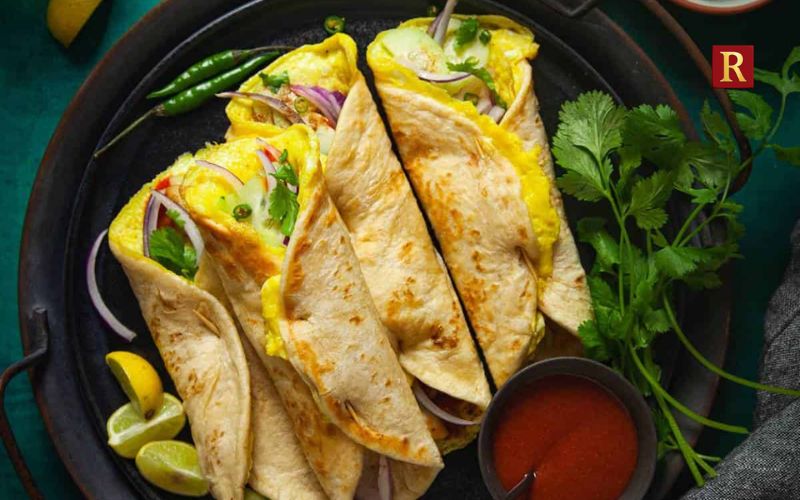
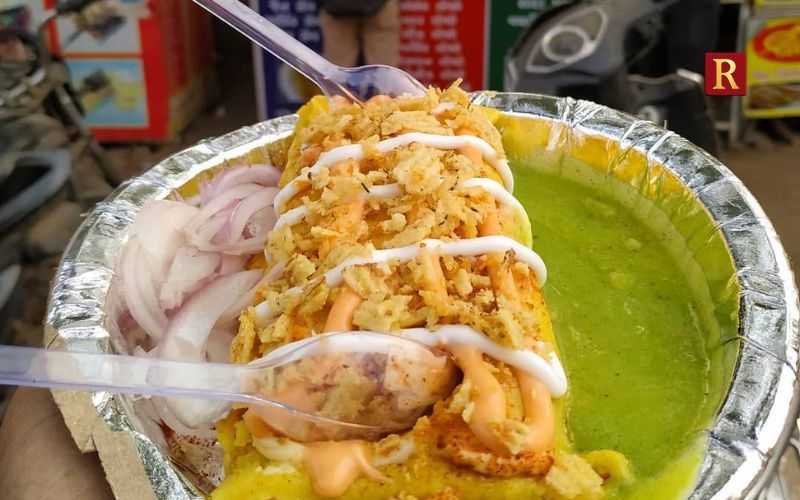
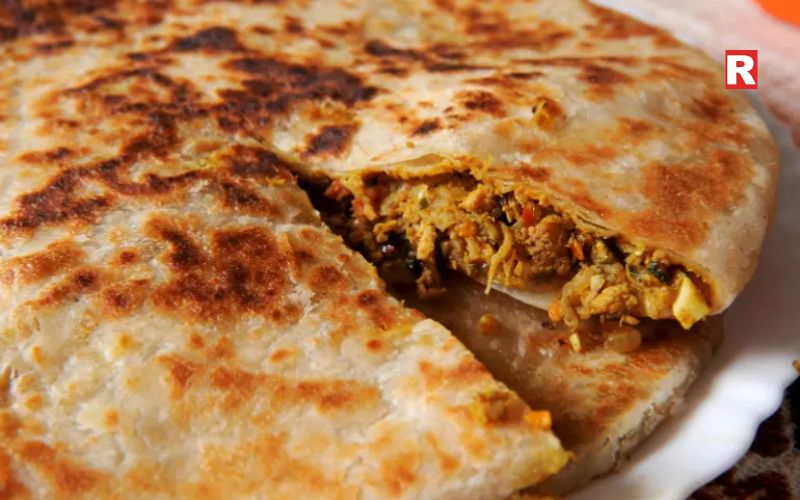
The Kolkata egg roll may be the most unconventional idea on the list. Trying to package an actual egg roll would create obvious problems with freshness, texture and shelf life. The more interesting route is to capture its flavour. A crisp or baked wheat-based snack could combine egg-inspired savoury notes with onion, green chilli, black pepper, coriander and a mildly tangy sauce-inspired seasoning. The product would not need to look like an egg roll. It could simply deliver the flavour memory of one. That opens an important space for food developers: street-food-inspired snacks do not have to resemble the original dish physically.
The Real Challenge Is Taking Street Food to the Shelf
The biggest mistake would be assuming that a popular street food automatically makes a good packaged snack. A product has to pass several tests.
The Street-to-Shelf Test
Flavour: Can the key taste be reproduced consistently?
Texture: Can the crunch survive storage and transportation?
Moisture: Can fresh ingredients be removed or replaced?
Shelf life: Can the product remain safe and stable for its intended period?
Scalability: Can thousands of packs taste similar to the first batch?
Cost: Can the product compete with established snacks?
Identity: Does the regional connection feel meaningful rather than cosmetic?
Shelf life is particularly important. FSSAI's own material on packaged food and shelf life highlights the need to determine shelf life, storage requirements and stability, especially for moisture-sensitive products. This is why a street-food-inspired snack needs more than a clever name.
The Next Opportunity May Be Flavour, Not Form
India's packaged-snack market is already large. IBEF reports that the Indian snack market was valued at about Rs 46,571 crore, with estimates placing it at around Rs 1,01,811 crore by 2033. At the same time, consumers are showing interest in snacks that combine taste with familiar and perceived-to-be-better ingredients. A 2025 consumer study cited by IBEF found that 94% of surveyed consumers wanted nutritious snacks without compromising on flavour, while 72% said health was an important factor in snack choices.
That creates an interesting space for regional street foods. The next wave may not be about making another chip in another flavour. It could be about taking jhal muri, litti chokha, dabeli, poha, ram laddoo, kachori or an egg roll and translating their flavour systems into formats designed for modern snacking. The street food itself may remain fresh, messy and best eaten from a paper plate. But its flavour could travel much further. From street cart to snack aisle, the next Indian packaged-food idea may already be waiting in plain sight.
Saptopriya Ghosal
Feature Writer
I am a dedicated media professional with a bachelor's degree in mass communication from the State University of Calcutta and a postgraduate degree from Amity University. My academic journey has equipped me with a profound understanding of storytelling and communication. Passionate about the dynamic world of media, I continually strive to explore new ways to engage and inform through compelling narratives.