
7 Regional Fermented Foods Restaurants Are Rediscovering
It turns it into a way for restaurants to explore India's regional food knowledge through flavour, preservation and technique.

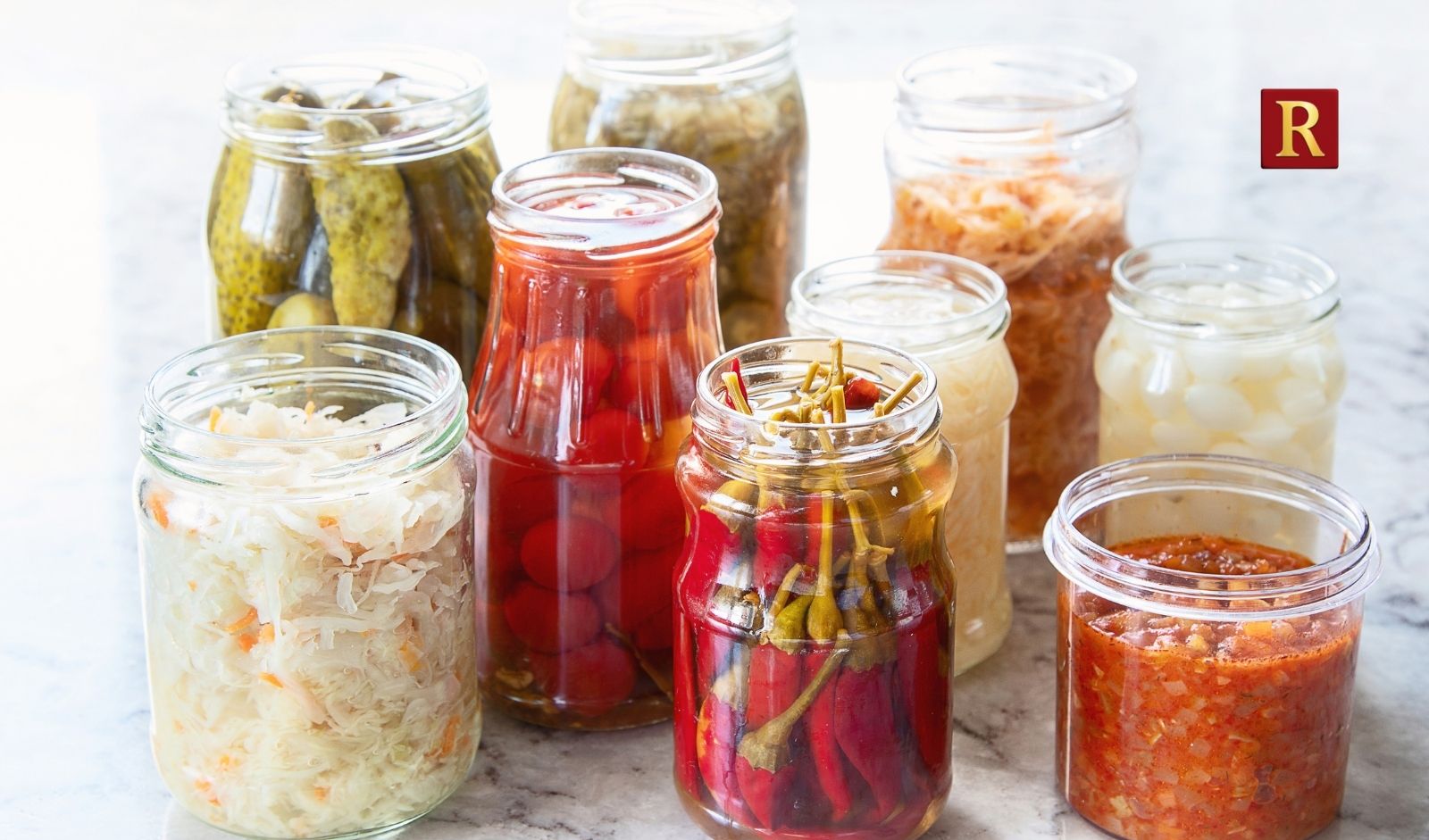
Fermentation is not new to Indian kitchens. Idli, dosa, dhokla, curd and kanji have been part of food traditions for generations. But India's fermentation story goes much deeper. Across different regions, cooks have fermented soybeans, bamboo shoots, rice, leafy greens, millet and other ingredients. These processes do more than preserve food. They can change its aroma, acidity, texture and savoury depth.
A review of traditional Indian fermented foods notes that the country has a wide range of fermented products made from cereals, legumes, vegetables, dairy and beverages. It also identifies foods such as ambali, a fermented finger-millet preparation, as part of southern India's food traditions. For restaurants, this opens an interesting culinary opportunity. Instead of treating fermentation only as a wellness trend, chefs can use regional ferments as ingredients that add a distinct sense of place to modern menus.
7 Regional Fermented Foods
1. Akhuni: Nagaland's Fermented Soybean Powerhouse
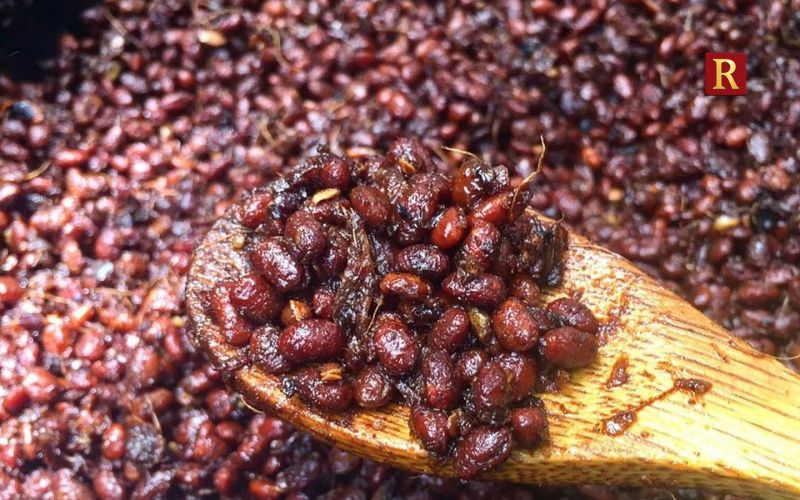
Akhuni, also called axone, is made from fermented soybeans and is closely associated with Naga food traditions. Its flavour is strong, savoury and deeply aromatic. It can bring umami and complexity to a dish without requiring a long list of additional seasonings. Akhuni is already moving beyond home kitchens. Anthropological research on fermentation in Northeast India notes that akhuni has appeared on menus at ethnic restaurants and cafés in metropolitan cities, including outside the region. For chefs, its potential lies in using it as a flavour-building ingredient. It can be incorporated into gravies, sauces, mushroom dishes, meat preparations and contemporary condiments. However, comparing akhuni directly with Japanese miso can be misleading. Both are fermented soybean products, but their production, flavour and cultural contexts are different. That difference is precisely what makes akhuni interesting for regional Indian menus.
2. Khorisa: Assam's Fermented Bamboo Shoot
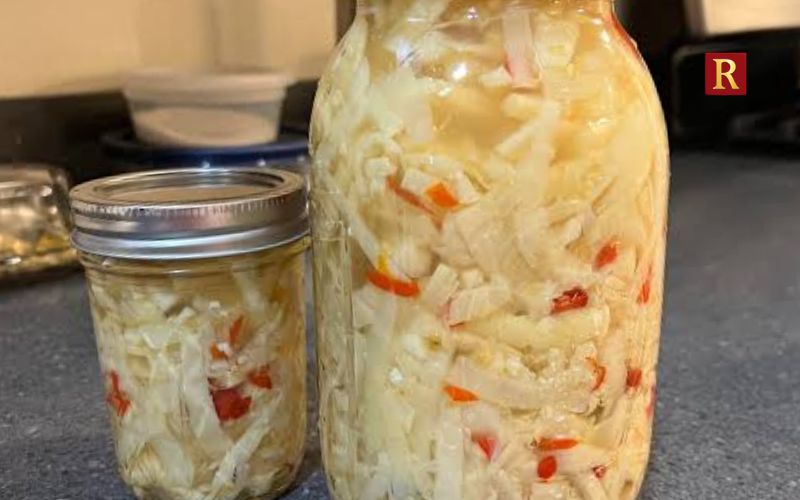
Bamboo shoot has a major place in the food cultures of Northeast India. Khorisa refers to fermented bamboo shoot preparations associated particularly with Assam. The fermentation gives bamboo shoot a characteristic sour and pungent profile. It can be used with fish, meat, vegetables and chutneys. Research documenting fermentation cultures in Northeast India shows that bamboo shoot is prepared in several forms, including wet, dried and smoked varieties. It also notes the importance of these foods to community identity and everyday cooking. For restaurants, khorisa can work as more than a side ingredient. Its acidity can help balance rich dishes, while its aroma gives a dish a recognisable regional character. A contemporary chef could use fermented bamboo shoot in a fish preparation, sauce or vegetable course without losing its connection to Assamese cuisine.
3. Soibum: Manipur's Fermented Bamboo Shoot
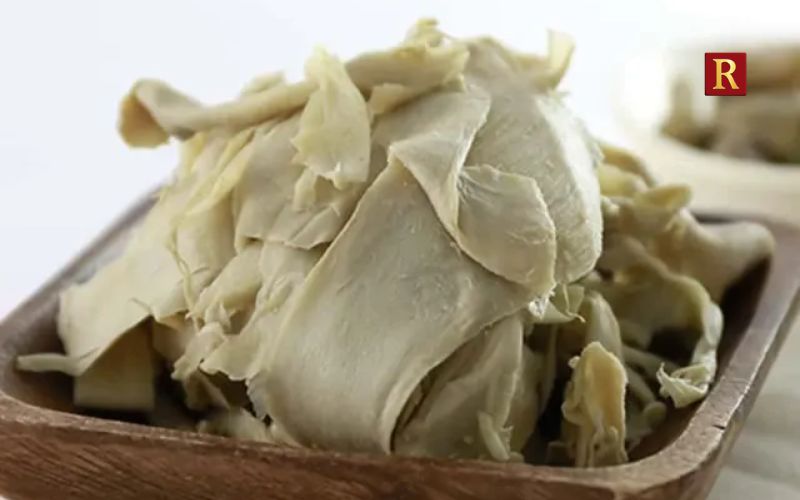
Fermented bamboo shoot is not limited to one regional tradition. In Manipur, soibum is an important fermented bamboo shoot product. It is used in traditional preparations and has a distinctly sour, fermented character. This is an important distinction for restaurant menus. Calling every fermented bamboo shoot simply "Northeast Indian bamboo shoot" removes the regional story behind the ingredient. The wider fermentation culture of Northeast India includes vegetables, beans, fish and rice, with different communities developing their own preparation methods and preferences. Soibum can therefore give chefs another way to build regional tasting menus. It can work in vegetable dishes, chutneys, curries and fish preparations. For diners, it also offers a simple lesson: similar ingredients can develop different identities when they belong to different food cultures.
4. Pakhala and Panta Bhat: Fermented Rice Traditions
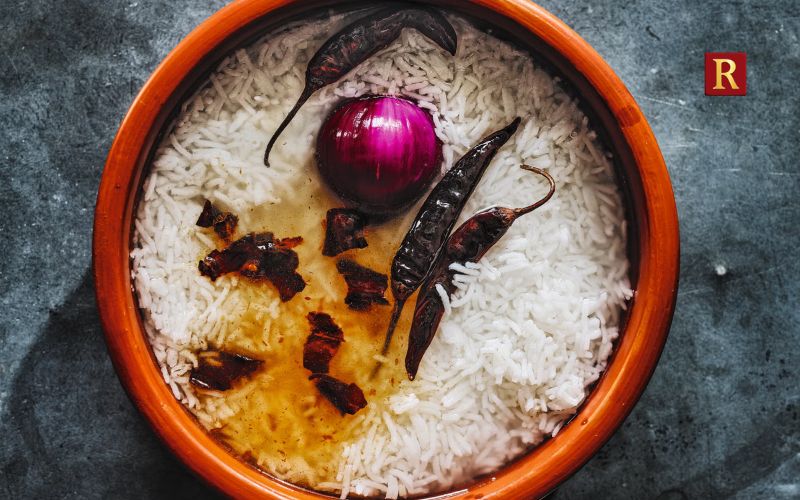
Cooked rice is usually treated as a finished food. In eastern India, it can become the beginning of another preparation. Pakhala in Odisha and panta bhat or related fermented-rice traditions in eastern India involve soaking cooked rice in water and allowing it to ferment. The practice shows how preservation and everyday cooking once worked together. A basic staple could be transformed into a dish with a softer texture and tangy character rather than being discarded. This idea has relevance for modern restaurants because food waste is an increasingly important operational issue. A chef can reinterpret fermented rice through a composed plate, pairing it with seasonal vegetables, pickles, mustard, green chilli or other traditional accompaniments. The important point is not to market fermented rice simply as a "superfood". Fermentation varies with ingredients, temperature, time and handling. Its culinary value is much easier to establish: it transforms an ordinary staple into something with a different flavour and texture.
5. Kanji: A Traditional Fermented Drink
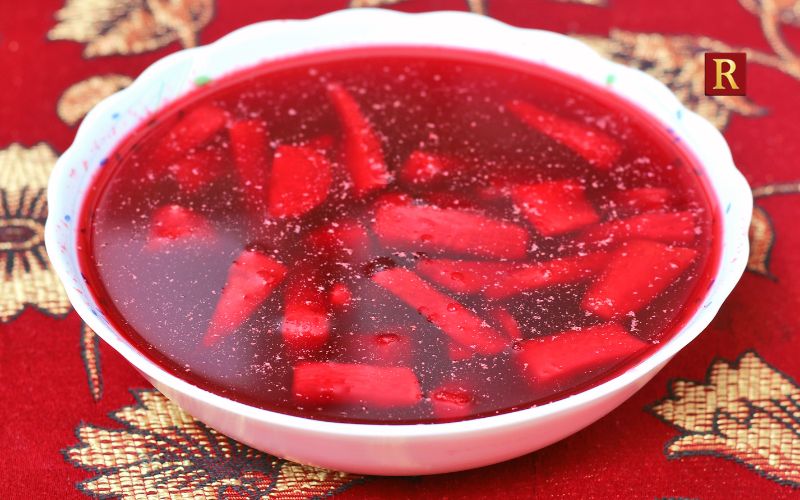
Kanji offers one of the clearest opportunities for restaurants because it can move directly into the beverage programme. Traditional North Indian kanji is commonly made with ingredients such as black carrots, mustard seeds, salt and water. Fermentation gives the drink its sharp, tangy character. Modern beverage menus increasingly look for alternatives to very sweet juices and soft drinks. Kanji can fit into that space as a seasonal, savoury and acidic drink. It can be served as a non-alcoholic aperitif, palate cleanser or base for a contemporary beverage. But there is an important technical distinction. A fermented drink should not automatically be described as a probiotic product. Whether a food qualifies as a probiotic depends on the microorganisms present, their characteristics and other scientific criteria. For restaurants, its strongest selling point is therefore flavour and culinary heritage, not an exaggerated health promise.
6. Ambali: Fermented Finger Millet From South India
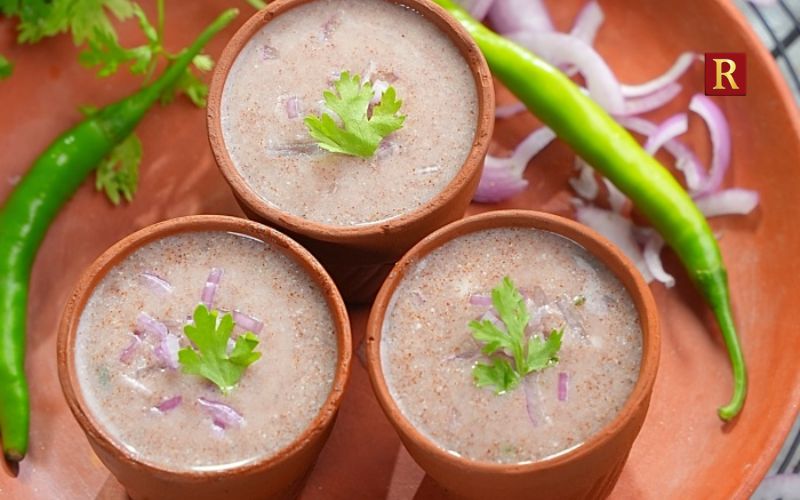
Ambali brings together two important Indian food traditions: millet and fermentation. It is a fermented finger-millet preparation associated with southern states including Karnataka and Tamil Nadu. A recent scientific review identifies ambali as a traditional fermented millet food and notes its nutritional characteristics. This makes it particularly relevant to modern restaurants already experimenting with millets. Instead of serving millet only as a grain or flour, chefs can explore its fermented form in savoury bowls, porridges, tasting-menu courses or traditional-inspired beverages. Fermentation can alter the sensory and nutritional characteristics of grains. However, the exact result depends on the fermentation method. For a restaurant, the bigger opportunity is flavour. Fermented millet can bring a different level of tang and texture to an ingredient that has already become familiar on contemporary Indian menus.
7. Gundruk: Fermented Leafy Greens
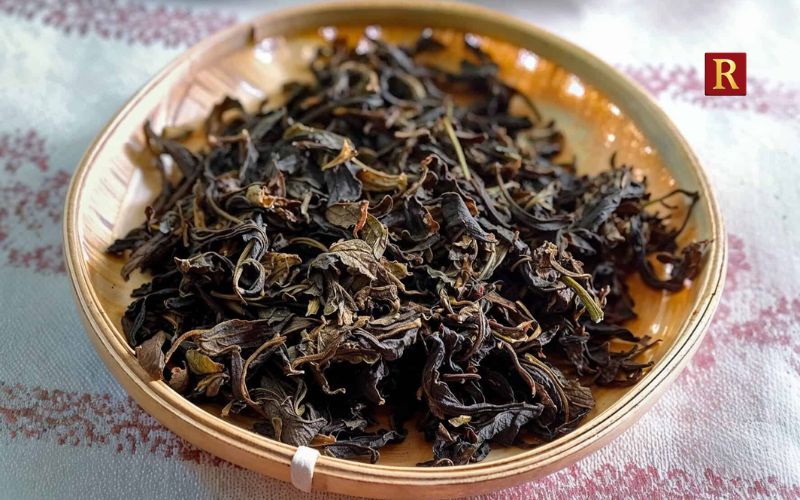
Gundruk is a fermented leafy-green preparation strongly associated with Himalayan food traditions, particularly Nepal, and is also consumed in parts of the Indian Himalayan and Northeast regions. Leafy vegetables are fermented and often dried for later use. The resulting ingredient has a characteristic sour and earthy profile. Its restaurant potential is easy to understand. Gundruk can add acidity and depth to soups, broths, relishes and vegetable preparations. It also demonstrates an older form of preservation. Seasonal greens could be processed for use beyond their immediate harvest period. For chefs working with regional ingredients, this makes gundruk more than a novelty. It represents a culinary technique built around preservation, seasonality and flavour.
What Fermentation Adds to a Restaurant Menu
The biggest opportunity is not simply putting a fermented ingredient on a menu. It is understanding what that ingredient does. Fermentation can create acidity, aroma, savoury depth and changes in texture. Lactic acid bacteria and yeasts are among the microorganisms involved in different traditional fermentation systems, although the microbial communities vary from food to food. That gives chefs another tool when developing dishes. Akhuni can contribute savouriness. Khorisa and soibum can bring acidity and aroma. Kanji can add complexity to a beverage programme. Ambali can give millet another culinary identity.
The regional story is equally important. Research on Indian cuisine has shown that regional cuisines have distinct ingredient and flavour patterns. One dataset of Indian recipes, for example, covers 18 regions, underlining the scale of culinary diversity that exists within the country. That diversity gives restaurants a large pool of ingredients and techniques to explore.
Looking Ahead!
India does not need to discover fermentation. It already has centuries of fermentation knowledge across its regions. What restaurants can do is give these foods a new setting without stripping away their identity. A fermented soybean product does not need to become "Indian miso". Kanji does not need to imitate kombucha. Fermented bamboo shoot does not need to be presented as an exotic ingredient. Instead, chefs can explain the ingredient, identify its region and show diners how it works in a dish. That approach makes fermentation more than a trend. It turns it into a way for restaurants to explore India's regional food knowledge through flavour, preservation and technique.
Saptopriya Ghosal
Feature Writer
I am a dedicated media professional with a bachelor's degree in mass communication from the State University of Calcutta and a postgraduate degree from Amity University. My academic journey has equipped me with a profound understanding of storytelling and communication. Passionate about the dynamic world of media, I continually strive to explore new ways to engage and inform through compelling narratives.



































































































































































