7 Reasons Food Brands Are Experimenting With Smaller Pack Sizes
Smaller pack sizes are becoming more than an affordability strategy. They are helping food brands rethink how products are introduced, priced, distributed and consumed.

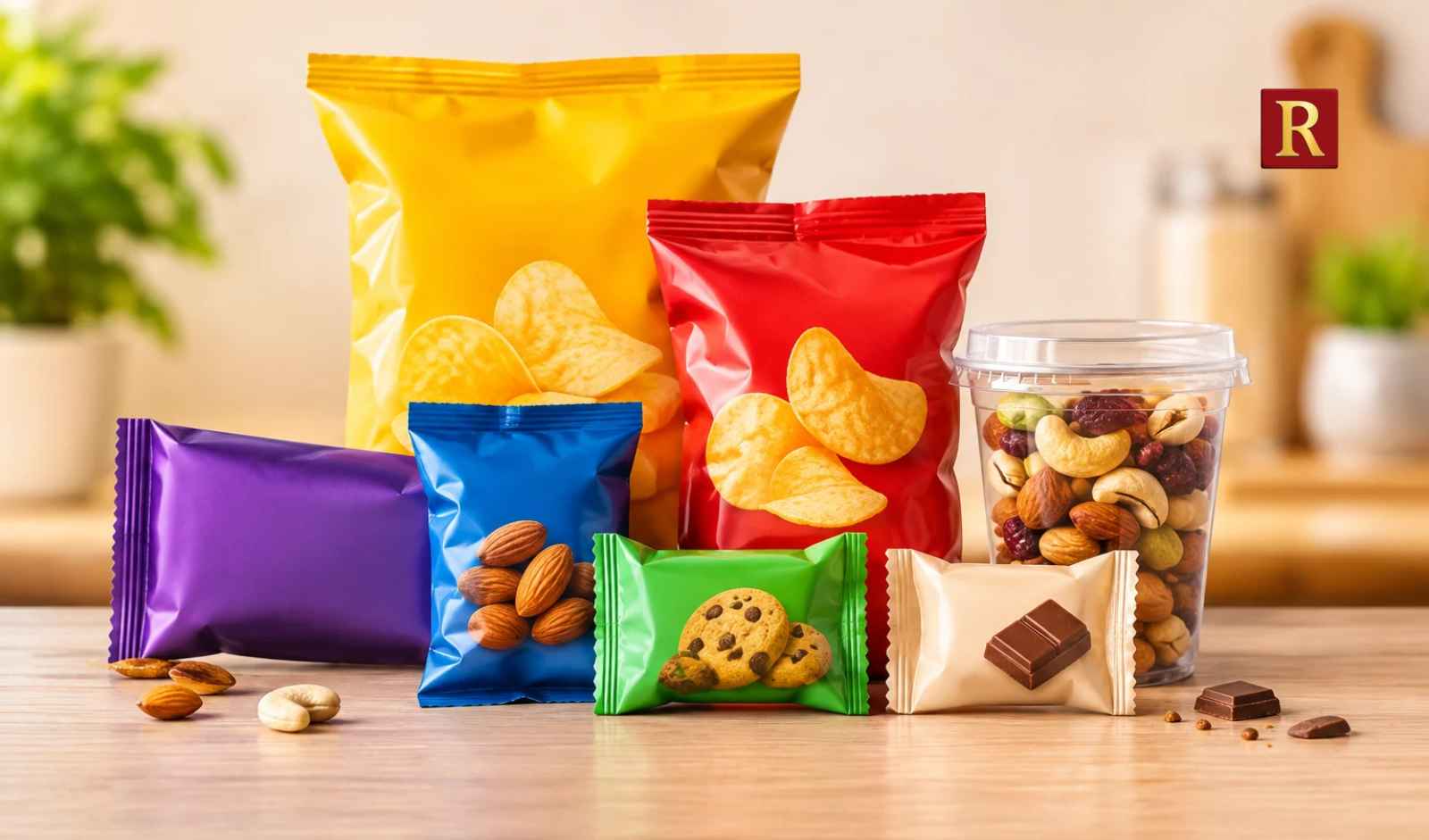
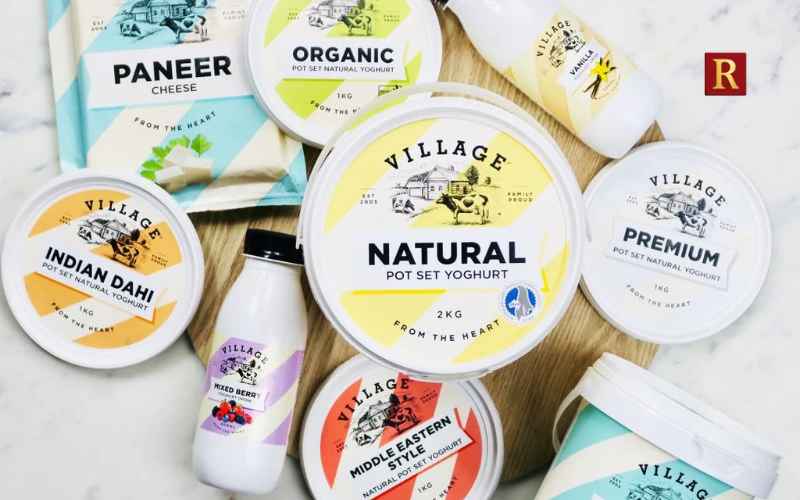
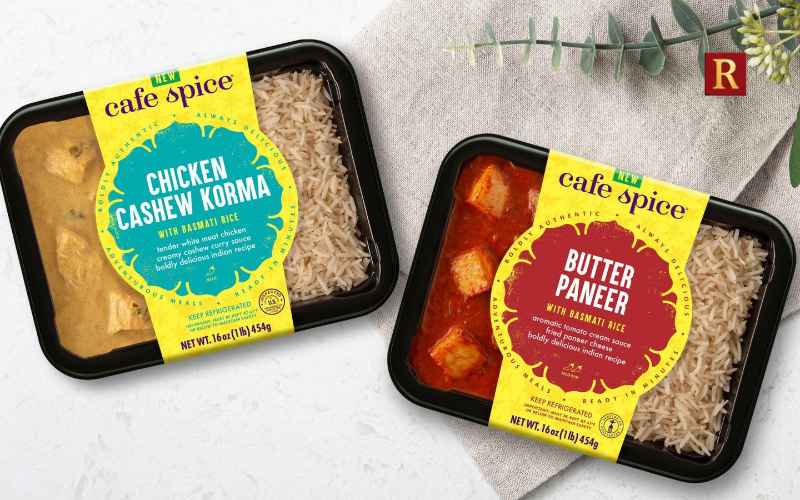
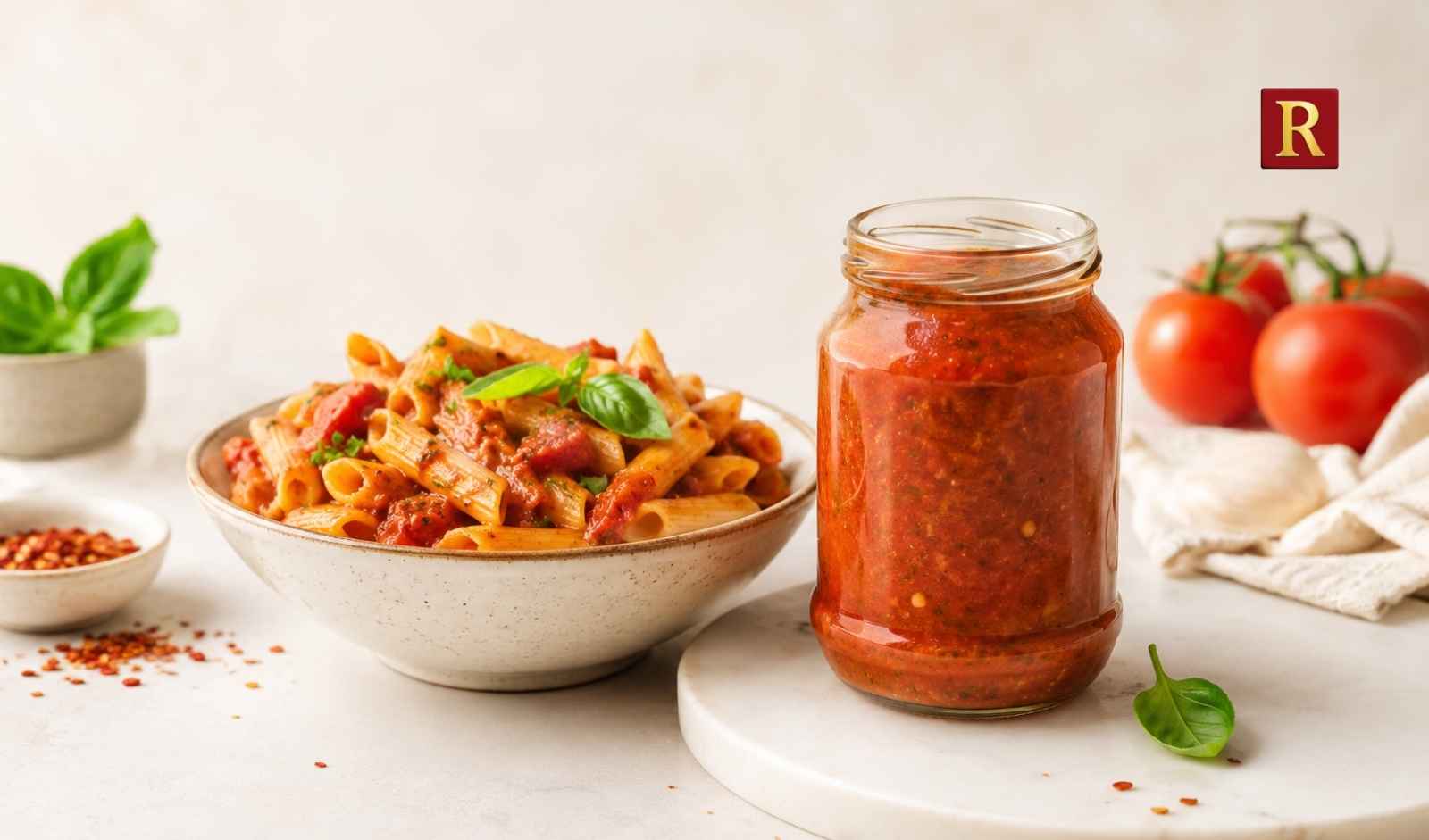
Food brands are rethinking how much product goes inside a pack. From snacks, beverages and chocolates to premium sauces and health-focused foods, smaller pack sizes are becoming an important part of product and pricing strategy. A consumer may hesitate to spend Rs 200 on an unfamiliar snack but may be willing to try it for Rs 20 or Rs 30. This shift is giving brands an opportunity to attract new customers without changing the product itself. Smaller packs are no longer just about affordability. They are helping food companies encourage product trials, create new consumption occasions, enter retail channels, manage consumer preferences and test innovations before scaling. For brands, the challenge is to make smaller packs commercially viable while maintaining product quality, packaging efficiency and profitability.
1. Smaller Packs Make Premium Products More Accessible
Smaller packs are helping food brands attract consumers who may not be willing to spend heavily on a product at one time. This is particularly useful for premium snacks, chocolates, specialty beverages, sauces and health-focused foods. Instead of reducing the product's price through discounts, brands can lower the purchase amount by offering less quantity. Consumers get an affordable entry point, while brands retain their premium positioning. According to a 2025 report by PwC, nearly 40% of Indian consumers surveyed identified as financially coping or insecure, making affordability and value important considerations for brands.
- Lower upfront spending can encourage purchases.
- Premium products can reach more price-sensitive consumers.
- Smaller packs can help brands enter new consumer segments.
- Affordable formats can reduce dependence on discounting.
This strategy is particularly relevant for emerging food brands trying to compete with established players without diluting their pricing or positioning.
2. Trial Packs Reduce the Risk of Trying Something New
Food brands regularly introduce new flavours, ingredients and product formats. However, consumers may hesitate to buy a full-sized pack of something they have never tasted before. Smaller packs can help overcome this hesitation. A consumer can try a new flavour of chips, a premium chocolate, a plant-based snack or an unfamiliar sauce without committing to a larger purchase. This is especially useful for D2C food brands that rely on online discovery but do not have physical stores where customers can sample products.
How brands can use trial packs:
- Introduce limited-edition flavours in mini formats.
- Offer multiple variants in a tasting box.
- Test new products through affordable starter packs.
- Encourage consumers to upgrade to larger packs after sampling.
The smaller pack can work as an introduction to the brand, with the larger pack becoming the next step in the consumer's purchase journey.
3. They Fit More Consumption Occasions
Food consumption is no longer limited to meals at home. Snacks and beverages are increasingly purchased for commutes, office breaks, travel, short outings and between-meal cravings. Smaller packs allow brands to position products around these specific occasions instead of relying only on household consumption. For instance, a snack brand can sell a family pack for home consumption and a compact version for someone travelling to work. A beverage brand can offer a smaller bottle for a short break, while a confectionery brand can create individual portions for impulse purchases. This helps brands increase the number of occasions on which consumers interact with their products. Instead of selling one pack for one consumption occasion, brands can build multiple SKUs around different needs, such as home, work, travel, gifting or quick snacking.
4. Portion-Sized Packs Appeal to Consumers Seeking Better Consumption Control
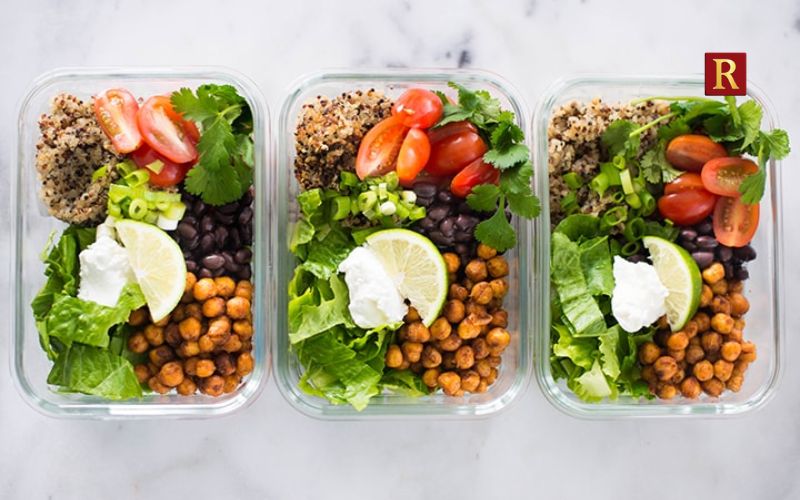
Consumers looking to manage how much they snack may prefer products divided into smaller portions rather than opening a large pack. Individual servings of nuts, chips, cookies, chocolates, trail mixes and protein snacks can provide convenience while helping consumers keep track of what they consume.
Brands can make portion sizes more practical by offering:
- Individually wrapped servings.
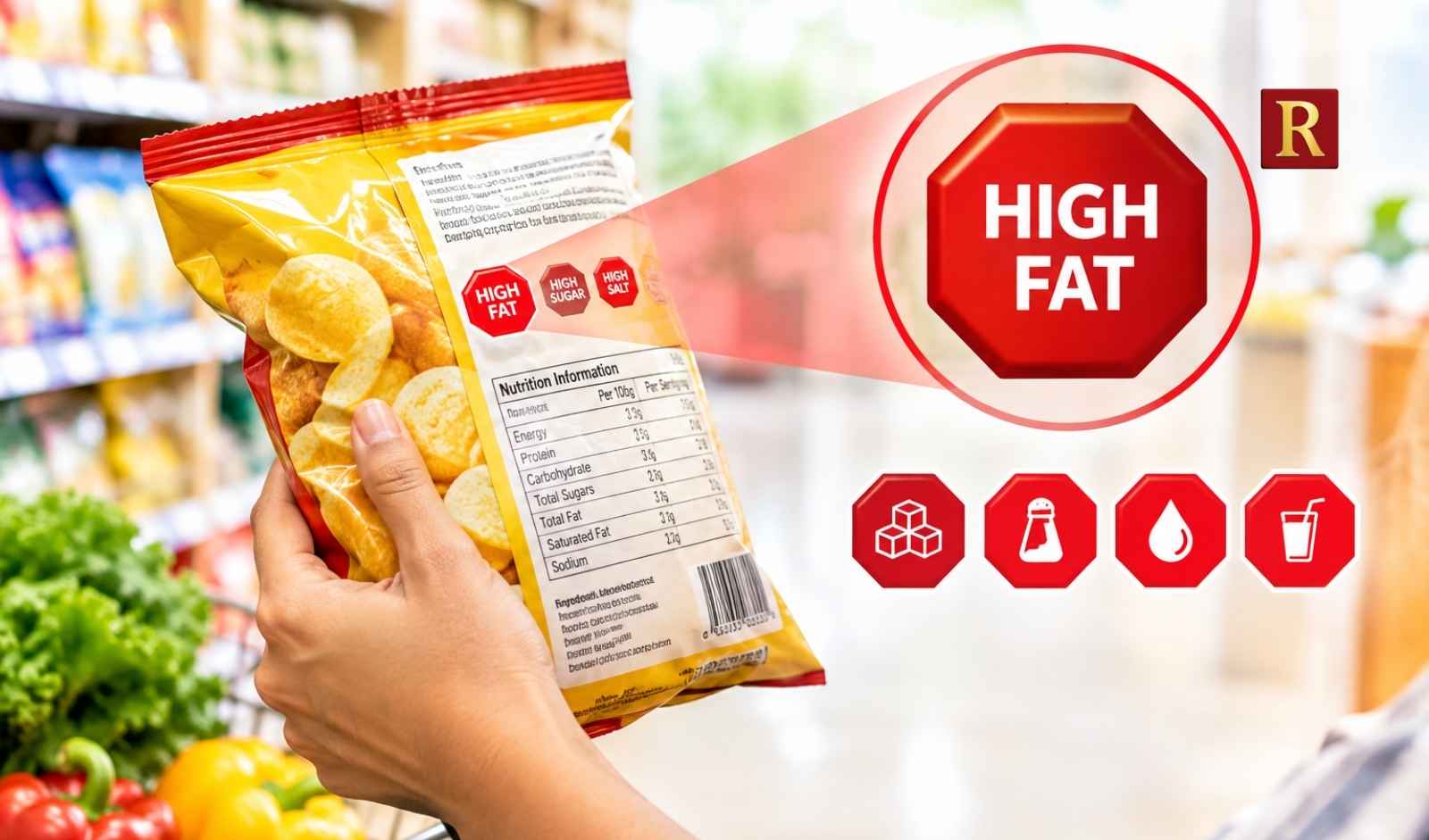
- Small packs with clearly displayed nutrition information.
- Multi-packs containing separate portions.
- Resealable formats for products consumed over multiple occasions.
However, smaller packaging does not automatically make a product healthier. Its nutritional composition still matters. Brands need to avoid positioning pack size alone as a health benefit.
5. Mini Formats Help Brands Test New Products Before Scaling
Launching a new food product in multiple large formats can increase the commercial risk if consumer demand is uncertain. Smaller packs give brands a way to test new formulations, flavours, ingredients and price points before committing to larger production volumes. For example, a brand introducing a new chilli-oil flavour, millet snack or protein-based product could launch a compact pack in selected stores or online. Consumer response can help determine whether the product deserves a wider rollout. Smaller formats can make product testing more commercially practical, but brands still need a clear testing plan. Launching mini packs without tracking consumer response may only create additional inventory and packaging costs.
6. Smaller Packs Help Brands Enter More Retail Channels
A product's packaging can influence where it is sold. Compact packs can be easier to place in kirana stores, checkout counters, vending machines, office cafeterias, travel retail and convenience outlets. In India, low-priced snacks and single-serve formats have long played an important role in impulse purchases. The India Plastics Pact's small-formats report found that approximately 78% of food and beverage units sold in 2021 were in small formats, with salty snacks, biscuits and confectionery accounting for a major share of these sales.
Smaller packs can help food brands:
- Fit limited shelf space.
- Build counter displays for impulse purchases.
- Reach consumers who buy products in small quantities.
- Expand distribution through local retailers.
- Offer formats suited to quick-commerce and convenience shopping.
For emerging brands, the smaller pack can become an important distribution tool, particularly when a full-sized product is too expensive or takes up too much shelf space.
7. They Can Encourage More Frequent Purchases
A larger pack may last longer, but smaller packs can create more purchase occasions. Consumers may buy snacks, beverages, sauces or confectionery more frequently depending on their needs and budgets. This gives brands an opportunity to increase product availability across different shopping occasions. It can also help keep products visible in retail stores and encourage repeat interactions with the brand. However, higher purchase frequency does not automatically mean higher profits. Brands must account for packaging material, manufacturing, logistics, retailer margins and inventory costs. Smaller packs can cost more to produce and distribute per gram of product, making volume essential to their success. The strategy works best when a brand can balance affordability for consumers with a sustainable contribution margin.
How Smaller Packs Differ From Larger Packs
Smaller and larger packs serve different consumer needs. Brands need to design their pack-size portfolio around consumption behaviour rather than assuming one format will work for everyone.
Factor | Smaller packs | Larger packs |
Upfront price | Lower | Higher |
Cost per gram | Often higher | Often lower |
Trial potential | Higher | Lower for unfamiliar products |
Portability | Easier to carry | Less convenient |
Consumption | Single occasion or limited use | Household or extended use |
Purchase frequency | Potentially higher | Potentially lower |
Packaging required per kg | Higher | Lower |
Best suited for | Trial, impulse, travel, individual use | Bulk, pantry stocking, family use |
Smaller packs focus on accessibility and convenience, while larger packs generally focus on value, storage and longer-term consumption. A successful brand strategy often needs both.
The Economics of Smaller Packs: What Brands Need to Get Right
Smaller packs may help brands improve consumer reach, but the strategy comes with its own operational and financial challenges.
Packaging costs can eat into margins: A smaller pack requires packaging, sealing, labelling and handling. These costs do not always decline proportionately with the amount of food inside. As a result, packaging costs per gram can increase.
More SKUs can complicate inventory: Launching multiple pack sizes increases stock-keeping units (SKUs). Retailers and distributors must manage more products, shelf space, storage and replenishment.
Consumers may compare quantity rather than price: A lower-priced pack may attract consumers initially, but shoppers increasingly compare how much product they receive for their money. If a smaller pack offers poor value per gram, consumers may switch to larger packs or competing products.
Packaging waste becomes a bigger concern: Smaller formats can require more packaging material relative to product quantity. This is especially challenging for sachets and multilayer packaging that may be difficult to collect, sort and recycle.
The India Plastics Pact's research on small formats highlights this waste-management challenge, making packaging design and end-of-life solutions an important part of the strategy—not an afterthought.
The Future of Food Brands
Smaller pack sizes are becoming more than an affordability strategy. They are helping food brands rethink how products are introduced, priced, distributed and consumed. For established FMCG companies, compact formats can help protect consumer demand during periods of price pressure. For emerging food brands, they can make premium products easier to trial, improve accessibility and provide a way to test new offerings before scaling. But the opportunity goes beyond selling products at lower prices. Brands must understand whether consumers are buying smaller packs because they prefer the convenience, want to try something new or simply cannot afford the larger format. The next phase of pack-size innovation will depend on finding the balance between consumer affordability, product experience, packaging efficiency and profitability. Brands that get this balance right could turn smaller packs into a bigger growth opportunity.
Saptopriya Ghosal
Feature Writer
I am a dedicated media professional with a bachelor's degree in mass communication from the State University of Calcutta and a postgraduate degree from Amity University. My academic journey has equipped me with a profound understanding of storytelling and communication. Passionate about the dynamic world of media, I continually strive to explore new ways to engage and inform through compelling narratives.