7 Food Products That Need Different Packaging for Online and Offline Sales
Ultimately, successful food packaging is not just about making a product look attractive on a shelf or survive a delivery journey.

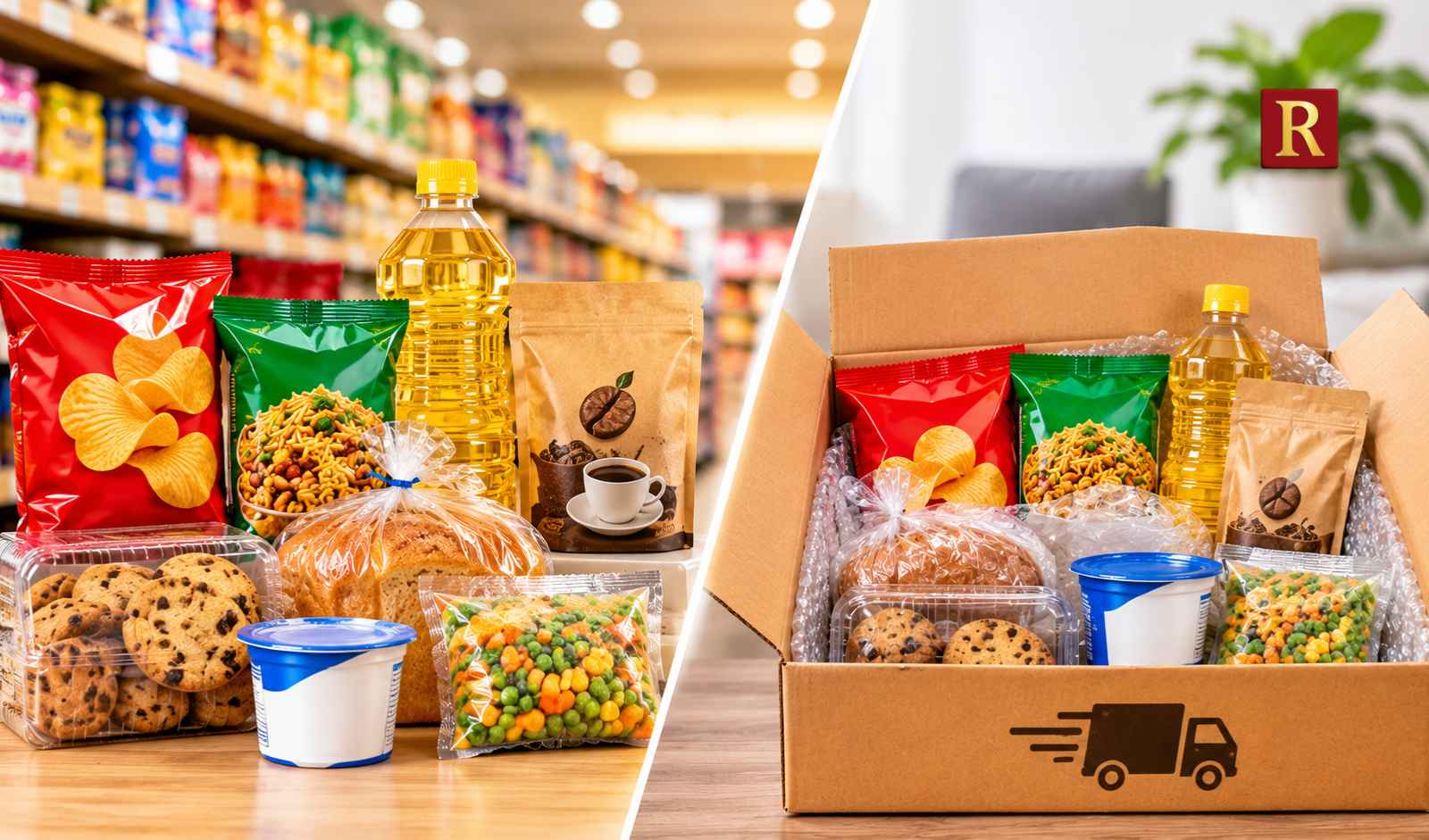
A food product may look perfectly packaged on a supermarket shelf but face an entirely different challenge when ordered online. A packet of chips needs to attract attention in a retail store, but the same packet must also survive stacking, sorting and transportation during an e-commerce delivery. Similarly, a glass bottle of cooking oil may look premium on a shelf but needs additional protection against leakage and breakage when shipped to a customer's home. As food brands expand across supermarkets, quick-commerce platforms, D2C websites and food delivery channels, packaging is becoming more than a branding decision. It directly influences product safety, freshness, shipping costs and customer satisfaction.
The challenge is that online and offline customers interact with products differently. In physical stores, packaging must communicate quality, attract attention and encourage purchases. Online, it must protect the product throughout the delivery journey while maintaining its appearance and usability. This is why food brands are increasingly required to rethink their packaging strategies. Here are seven food product categories that need different packaging considerations for online and offline sales.
Why Does Food Packaging Need to Change Across Sales Channels?
The journey of a food product changes depending on where it is purchased. A product displayed in a supermarket usually moves through a controlled retail distribution system before reaching the customer. An online order may pass through warehouses, sorting centres, delivery vehicles and multiple handling points. This creates different packaging requirements.
For offline sales, packaging needs to:
- Attract attention on crowded retail shelves.
- Communicate ingredients, nutritional information and product benefits.
- Make the product easy to pick up and carry.
- Maintain its appearance during store display.
- Encourage customers to choose it over competing products.
For online sales, packaging needs to:
- Protect products against crushing, leakage and breakage.
- Maintain freshness during transportation.
- Withstand handling and stacking.
- Prevent moisture and temperature-related damage.
- Provide convenient opening and storage after delivery.
However, this does not necessarily mean brands need two completely different primary packages. In many cases, they can retain the same food-contact packaging and modify the outer carton, protective inserts, pack configuration or sealing system according to the distribution channel.
7 Food Products That Need Different Packaging for Online and Offline Sales
1. Namkeen and Chips Need Better Protection Against Crushing
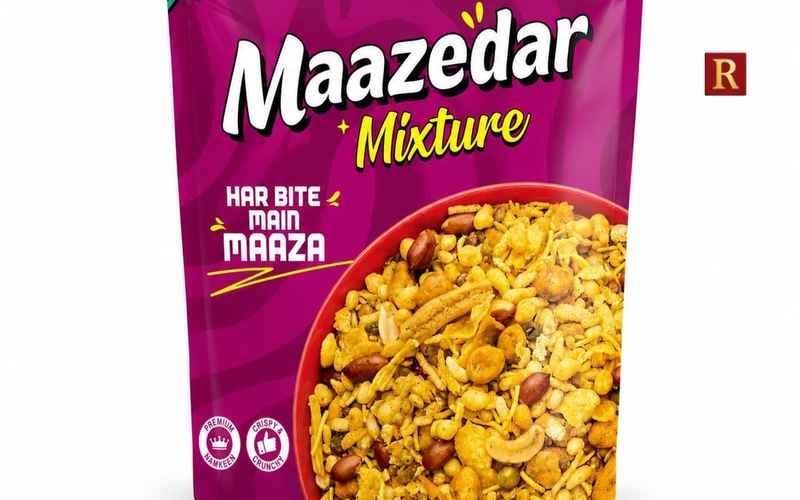
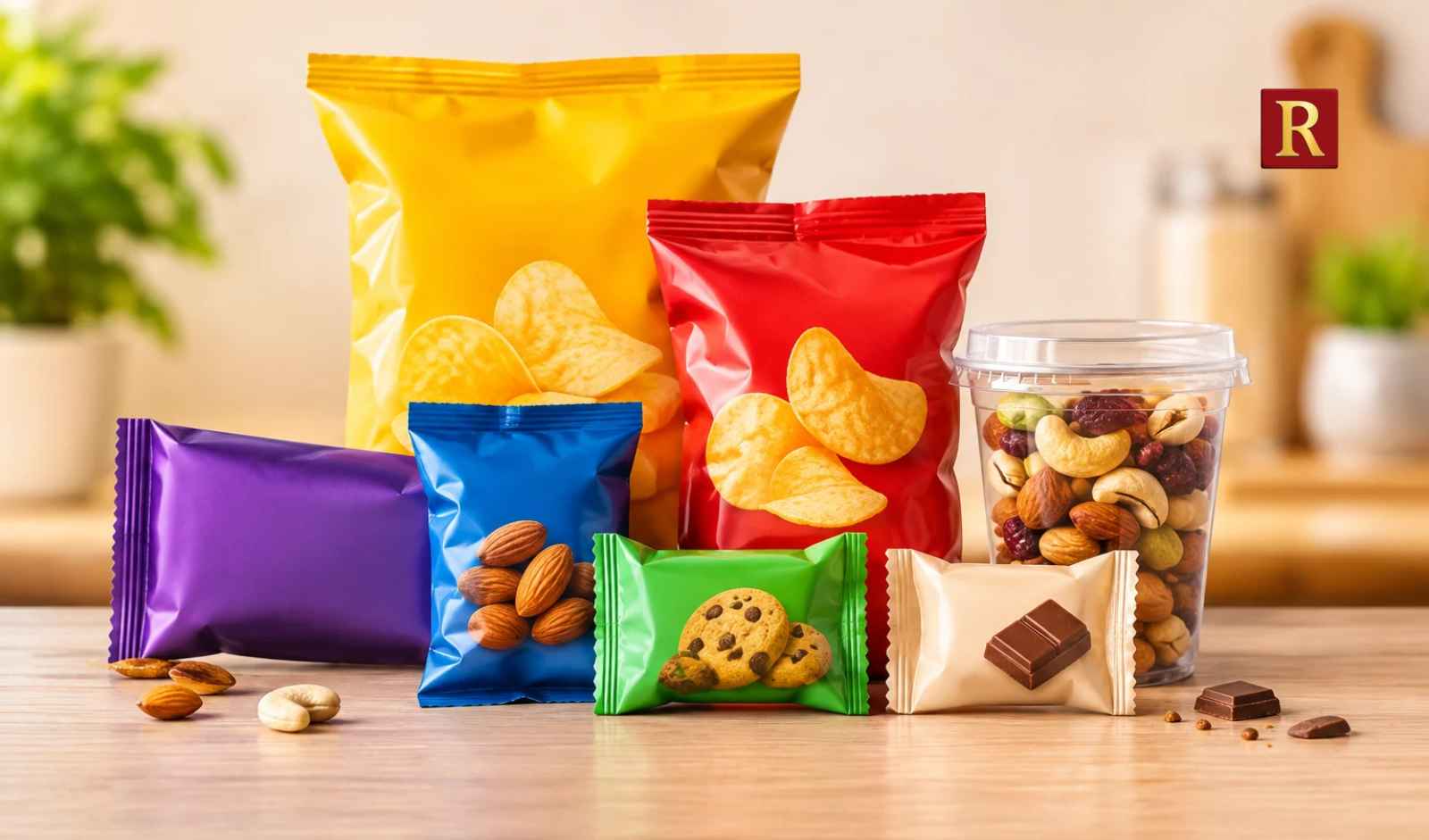
Namkeen, potato chips and other packaged snacks are lightweight products, but their delicate structure makes them vulnerable to crushing during transportation. While retail packaging primarily focuses on shelf appeal and freshness, e-commerce packaging must also protect the product against external pressure.
For offline sales:
- Stand-up pouches improve shelf visibility.
- Printed flexible packaging helps communicate flavours and product information.
- Resealable closures can improve convenience for larger packs.
- Nitrogen flushing can help reduce oxygen exposure and cushion fragile snacks.
For online sales:
- Stronger secondary cartons can protect packets from compression.
- Multipack arrangements should prevent excessive movement.
- Outer packaging should resist punctures and rough handling.
- Appropriate cushioning can help protect fragile products.
The technical consideration: Moisture and oxygen barriers are important for maintaining crispness. Packaging manufacturers evaluate water vapour transmission rate (WVTR) and oxygen transmission rate (OTR) when selecting suitable materials. A packet may look intact from the outside but still contain broken chips. Therefore, brands should evaluate both the strength of the outer packaging and the protection provided by the primary pack.
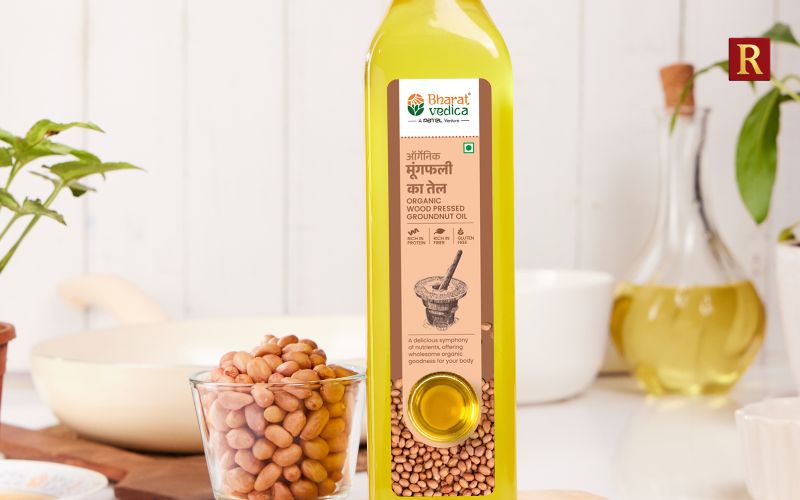
2. Edible Oils and Sauces Need Leak-Proof Packaging
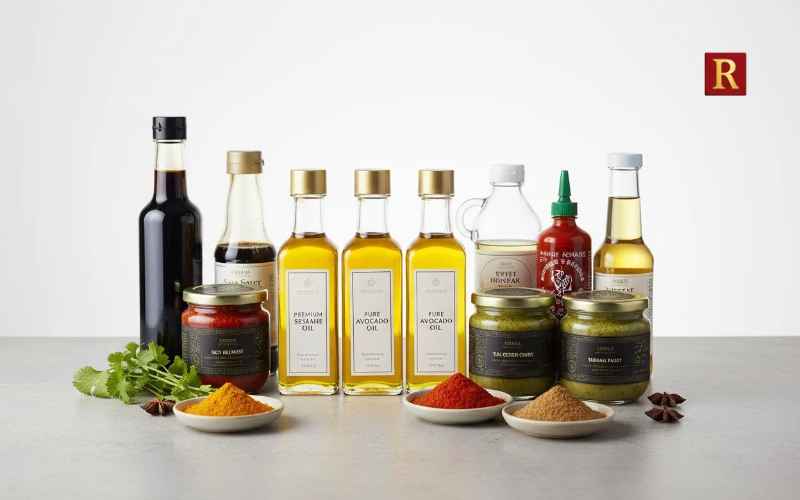
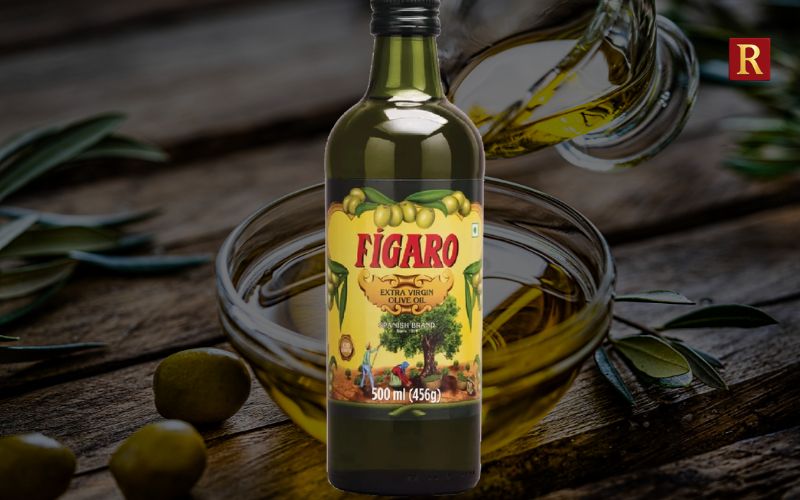
Cooking oils, cold-pressed oils, sauces and condiments often use glass or plastic bottles. These containers can look attractive on retail shelves, but online deliveries expose them to movement, impact and pressure. A small leakage problem can damage other products packed in the same shipment, making packaging reliability particularly important.
For offline sales:
- Glass bottles can support premium positioning.
- PET bottles offer lightweight packaging options.
- Squeeze bottles make dispensing easier.
- Distinctive caps and labels improve product recognition.
For online sales:
- Leak-resistant closures help prevent spills.
- Induction seals can provide an additional sealing layer where suitable.
- Protective sleeves and bottle dividers reduce movement.
- Corrugated cartons can provide protection against external impact.
The technical consideration: Brands should test closure compatibility, cap torque and seal integrity. Packaging materials must also be compatible with the oil or sauce being stored. For example, a premium glass bottle of cold-pressed oil may work well in a speciality food store. However, shipping the same bottle online requires individual protection and a carton designed to minimise breakage.
3. Frozen Foods Need Packaging That Supports the Cold Chain
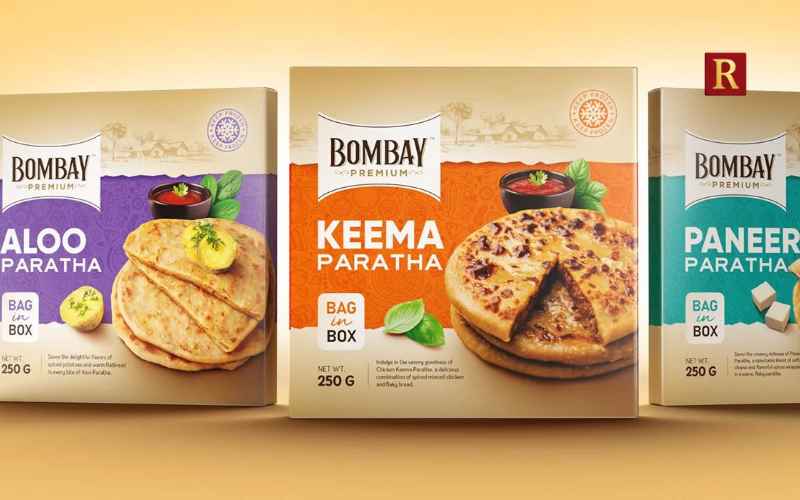
Frozen foods such as momos, parathas, frozen vegetables and ready-to-cook snacks have a different packaging challenge. Their quality depends not only on the packaging material but also on maintaining the required storage temperature throughout distribution. In retail stores, products are generally kept inside freezers. Online orders, however, need to travel from cold storage facilities to customers while maintaining appropriate temperature conditions.
For offline sales:
- Freezer-grade pouches protect products during frozen storage.
- Printed cartons communicate preparation and storage instructions.
- Strong seals help prevent contamination.
- Packaging should withstand low temperatures without becoming brittle.
For online sales:
- Insulated shipping containers can reduce heat transfer.
- Suitable thermal liners provide additional protection.
- Gel packs or other appropriate refrigerants can support temperature management.
- Temperature monitoring can help validate the delivery process.
The technical consideration: Cold-chain integrity, condensation, freezer burn and temperature excursions should be considered during packaging development. For instance, frozen parathas may remain in good condition inside a supermarket freezer. However, an online order delivered during hot weather requires coordinated insulation, refrigerant selection and delivery management. Packaging alone cannot maintain frozen conditions indefinitely. It must work alongside an efficient cold-chain system.
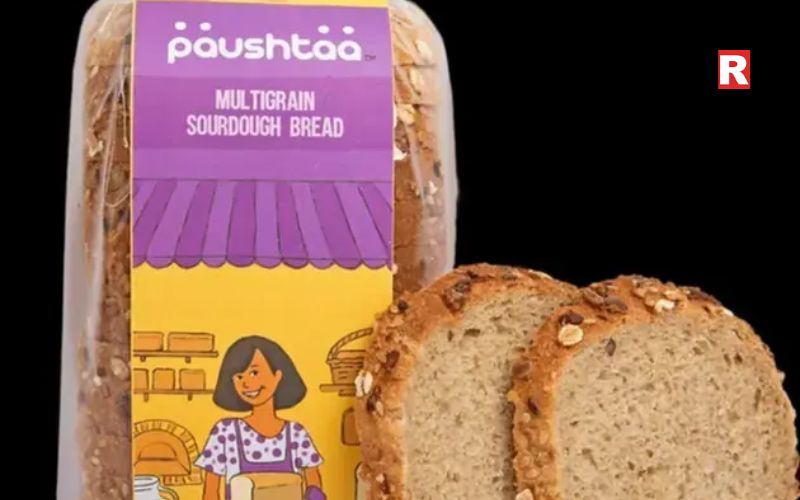
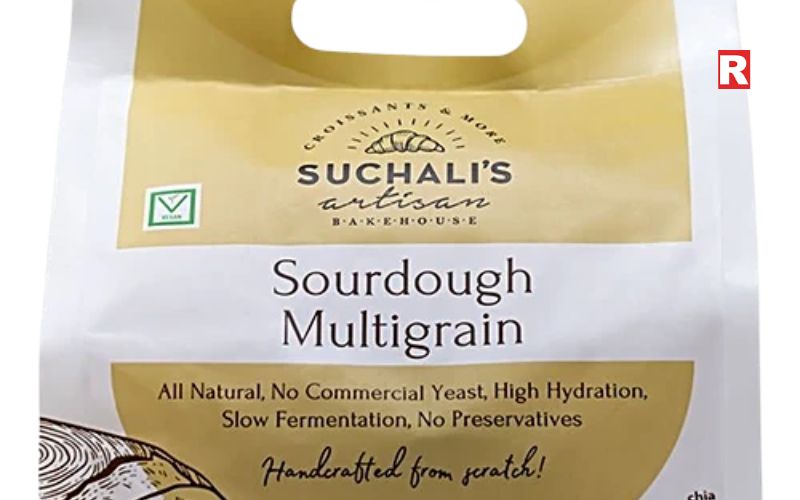
4. Bakery Products Need Packaging That Preserves Shape and Texture
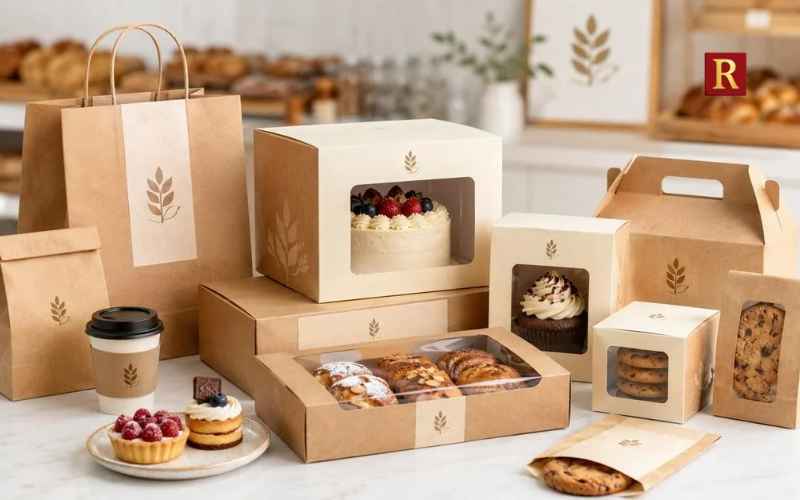
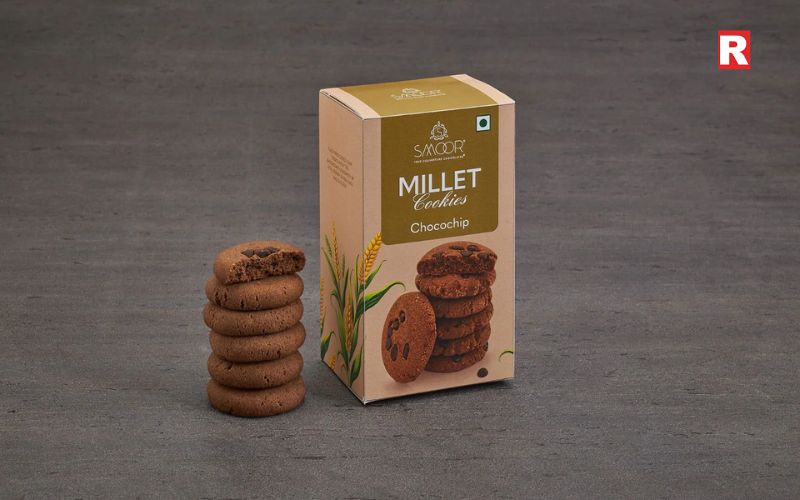
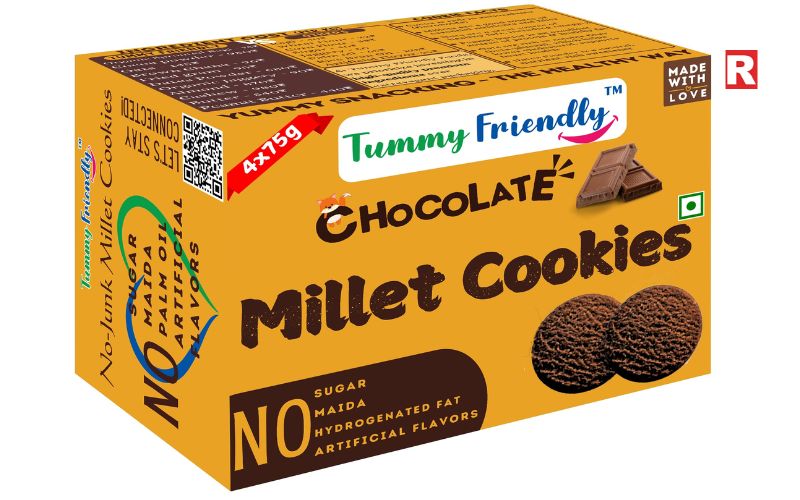
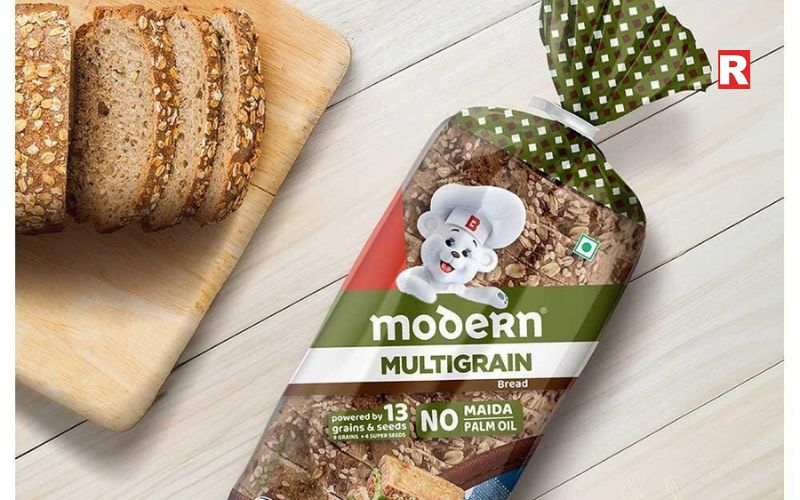
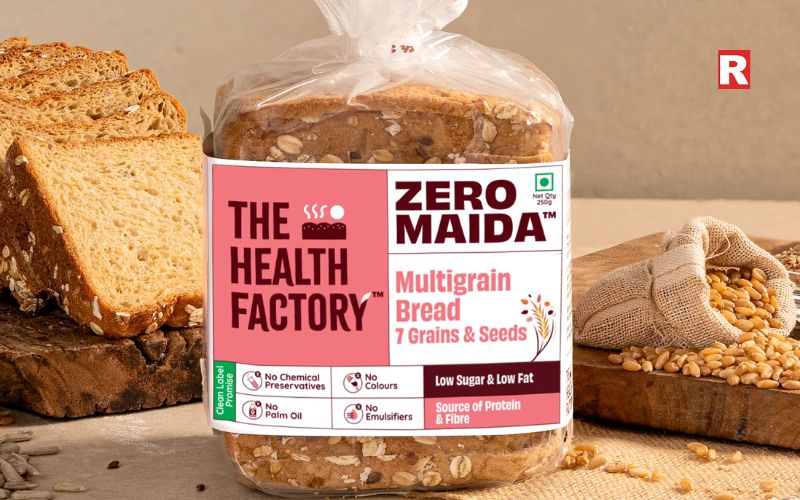
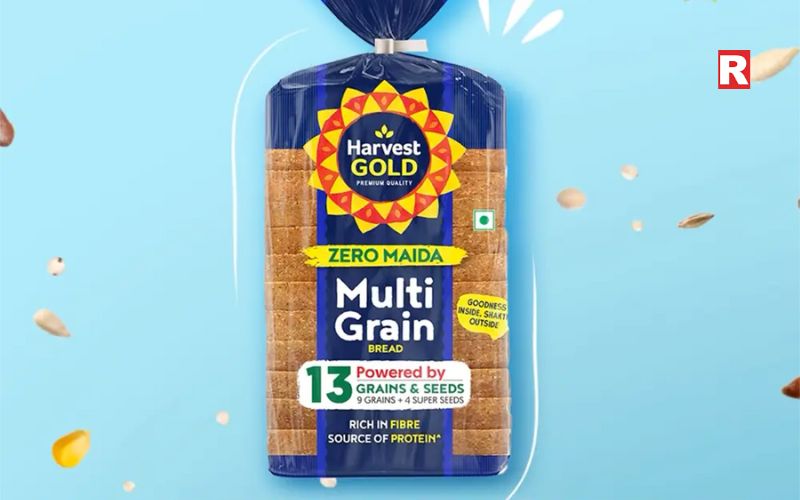
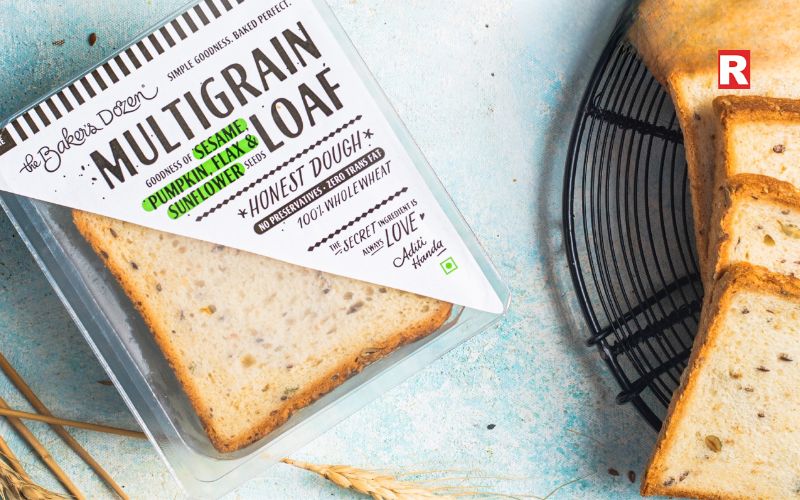
Bakery products have different packaging requirements depending on their texture, shape and moisture content. Cookies can break easily, bread can lose moisture, and cakes with delicate frosting can get damaged during transportation. A single packaging format cannot provide the same protection to every bakery product.
For offline sales:
- Window cartons allow customers to see the product.
- Paper bags work for bread and certain dry bakery items.
- Rigid boxes improve the presentation of premium cakes.
- Trays help maintain product shape during display.
For online sales:
- Rigid cartons protect delicate products against external pressure.
- Internal inserts prevent cakes from shifting.
- Dividers keep cookies and assorted bakery items separated.
- Suitable moisture barriers help preserve product texture.
The technical consideration: Compression resistance, moisture management, oxygen exposure and cushioning are important factors in bakery packaging. For example, a box of assorted cookies may look attractive with a transparent window in a retail store. However, when ordered online, the same box needs internal compartments to prevent the cookies from colliding and breaking. Brands should also consider the difference between products that need moisture retention and those that require moisture protection. Bread and crisp biscuits do not have identical packaging requirements.
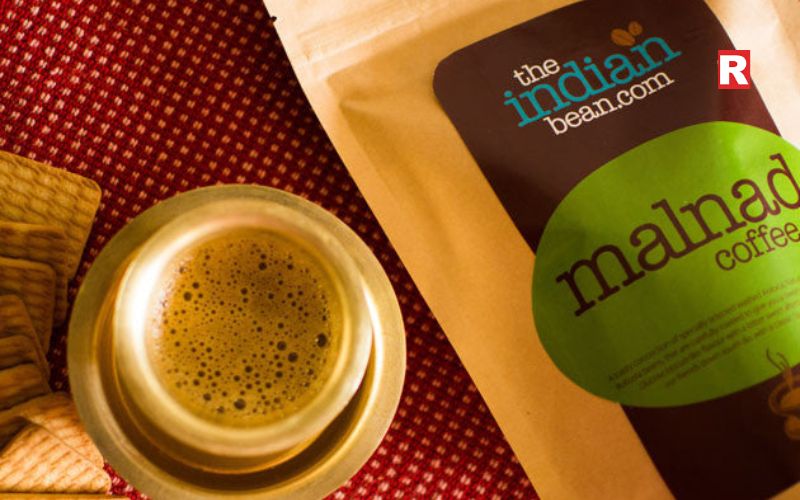
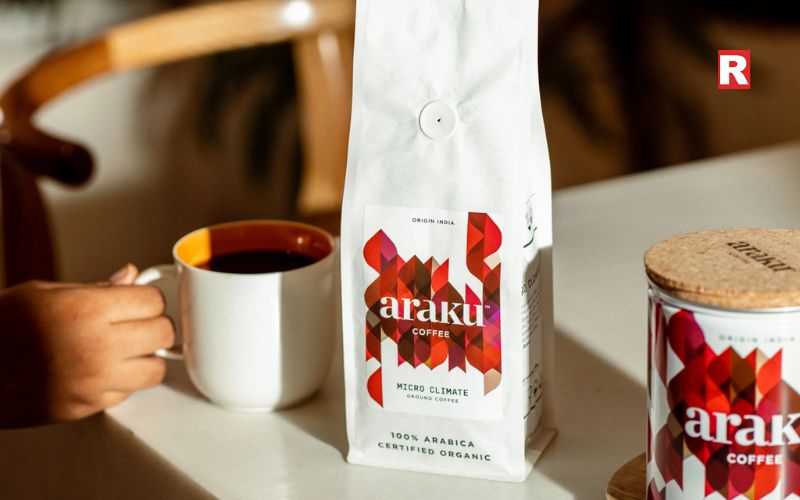
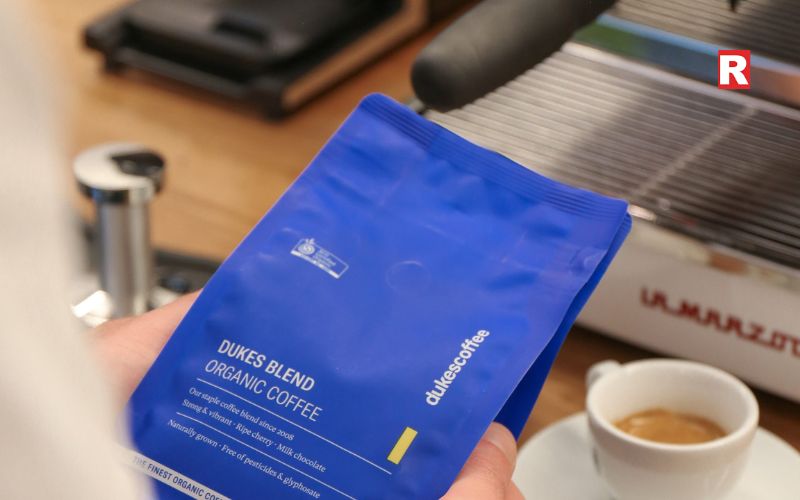
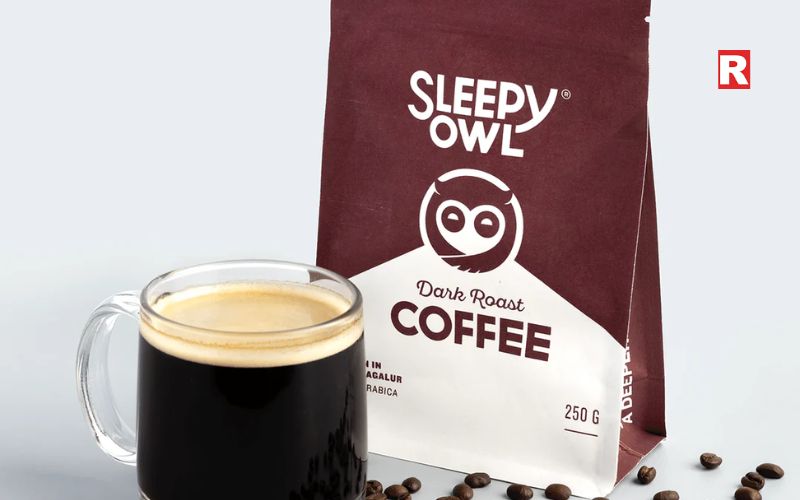
5. Spices and Coffee Need Packaging That Protects Aroma
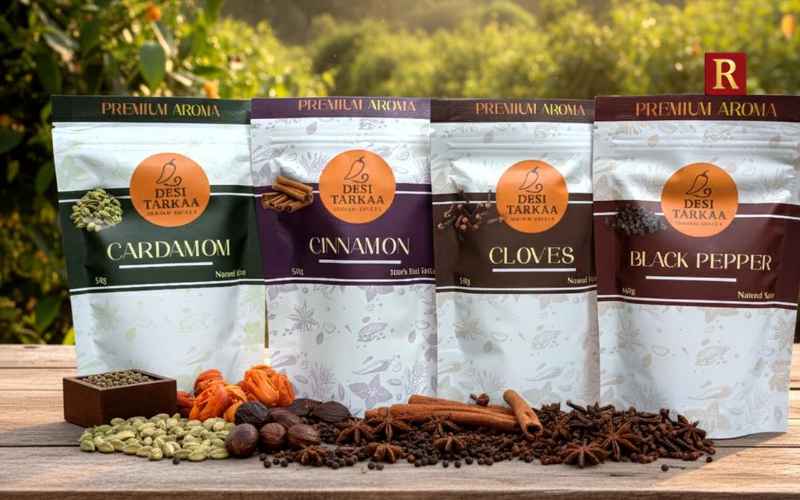
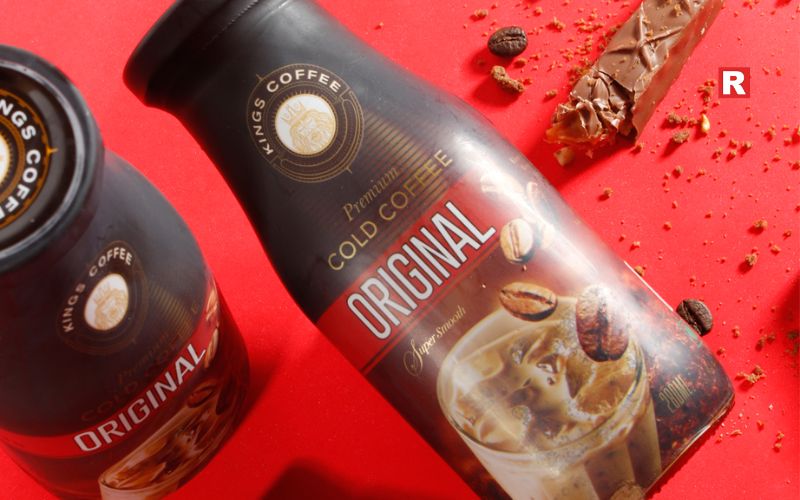
Spices, coffee powders and other powdered food products are particularly sensitive to moisture, oxygen and aroma loss. Their packaging needs to preserve the product's original flavour and quality while preventing contamination. For speciality coffee brands, packaging becomes even more important because consumers often associate freshness and aroma with product quality.
For offline sales:
- Printed pouches communicate origin, flavour and product details.
- Tins and jars can support premium positioning.
- Resealable closures improve storage convenience.
- Distinctive packaging helps products stand out on shelves.
For online sales:
- Strong seals prevent powder leakage.
- Protective outer cartons reduce puncture risks.
- Compact multipacks can improve shipping efficiency.
- Barrier materials help protect products during storage and transportation.
The technical consideration: Oxygen transmission rate, water vapour transmission rate and light protection influence the selection of packaging materials. Freshly roasted coffee also releases carbon dioxide after roasting. Some coffee bags therefore use one-way degassing valves that allow gas to escape while limiting oxygen entry. For example, a speciality coffee brand may use a premium printed pouch for retail sales. Its online packaging strategy must also protect the valve, seals and pouch structure from pressure and rough handling.
6. Dairy Products Need Packaging That Works With Temperature-Controlled Delivery
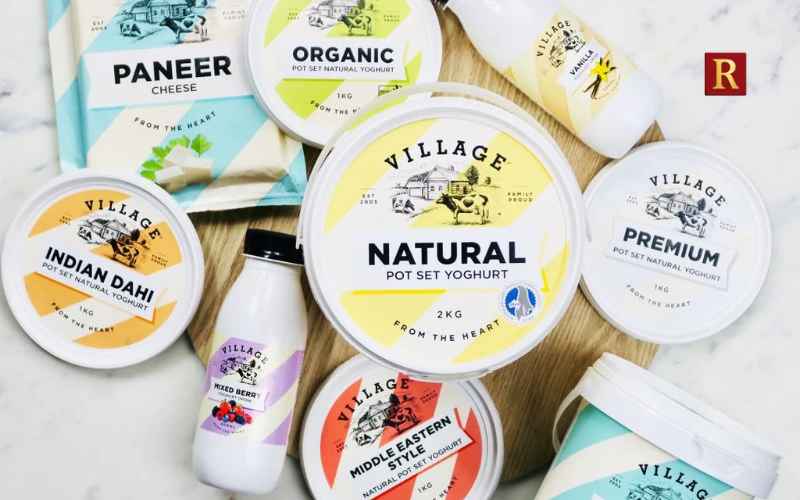
Paneer, cheese, yoghurt and other chilled dairy products require packaging that protects them from contamination, leakage and unsuitable storage conditions. Unlike many shelf-stable food products, their quality depends heavily on maintaining the required temperature. In supermarkets, these products are generally displayed inside refrigerated cabinets. Online orders need additional attention because products may experience handling delays before reaching the customer's refrigerator.
For offline sales:
- Vacuum-sealed packs can help protect suitable cheese and paneer products.
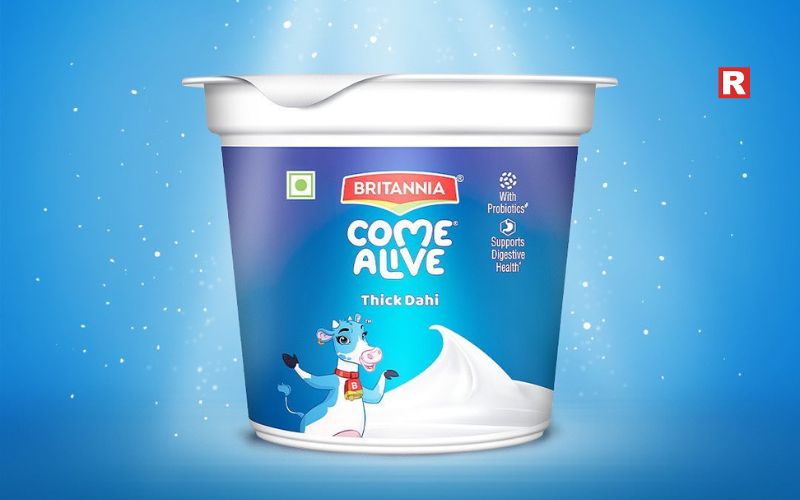
- Sealed cups and tubs offer convenient yoghurt packaging.
- Multilayer films can provide suitable barrier properties.
- Clear labels communicate storage and consumption instructions.
For online sales:
- Insulated secondary packaging helps reduce temperature fluctuations.
- Leak-resistant containers prevent spills.
- Suitable thermal liners and refrigerants support cold-chain management.
- Product separation prevents damage during transportation.
The technical consideration: Seal integrity, oxygen barriers, microbial protection, condensation and cold-chain validation are important. For instance, a yoghurt cup may remain stable inside a supermarket refrigerator but face tipping, impact and temperature exposure during home delivery. Brands should also calculate the time between dispatch and the customer's refrigerator. Packaging must be developed around the complete delivery journey rather than just the distance travelled.
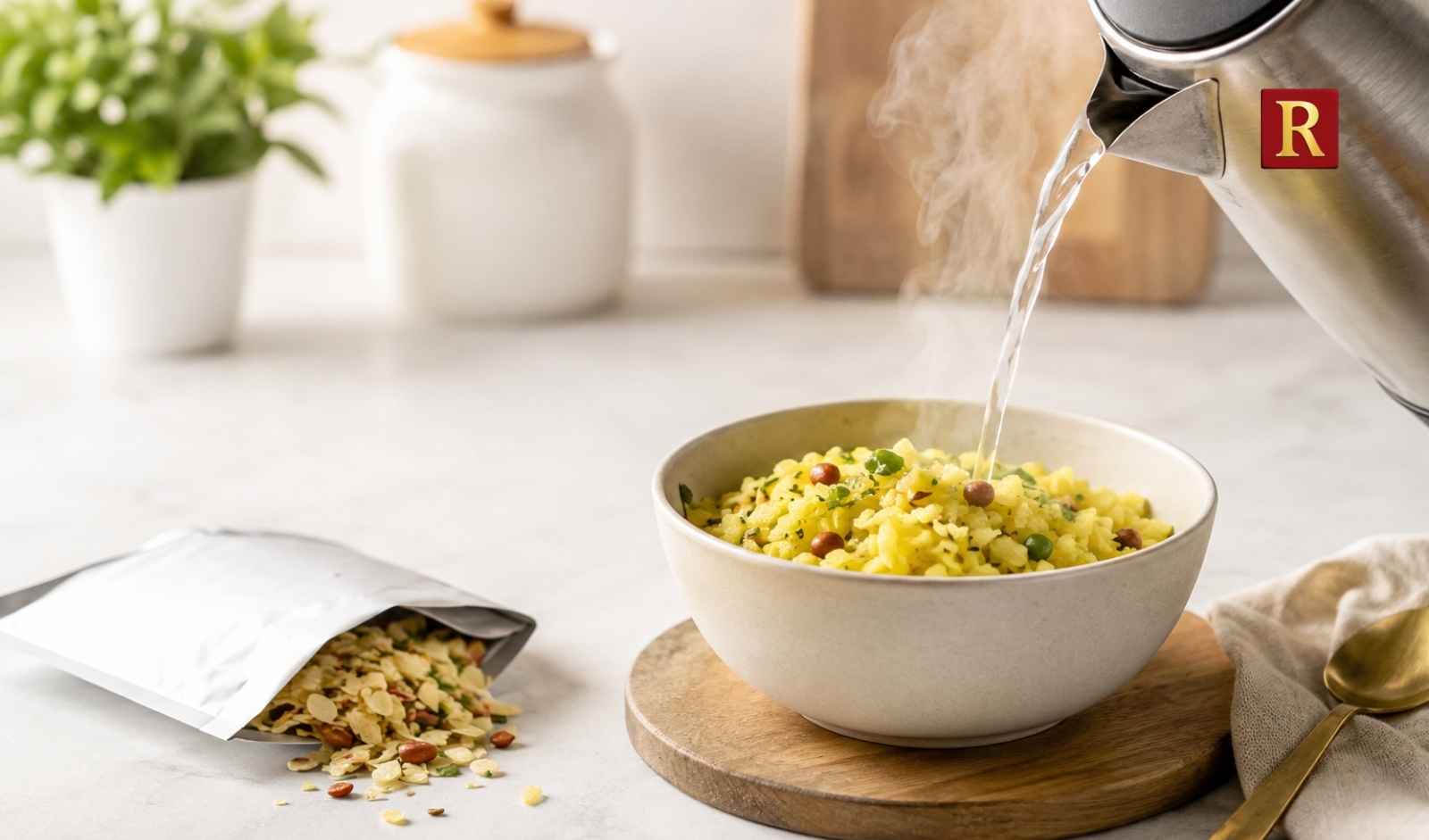
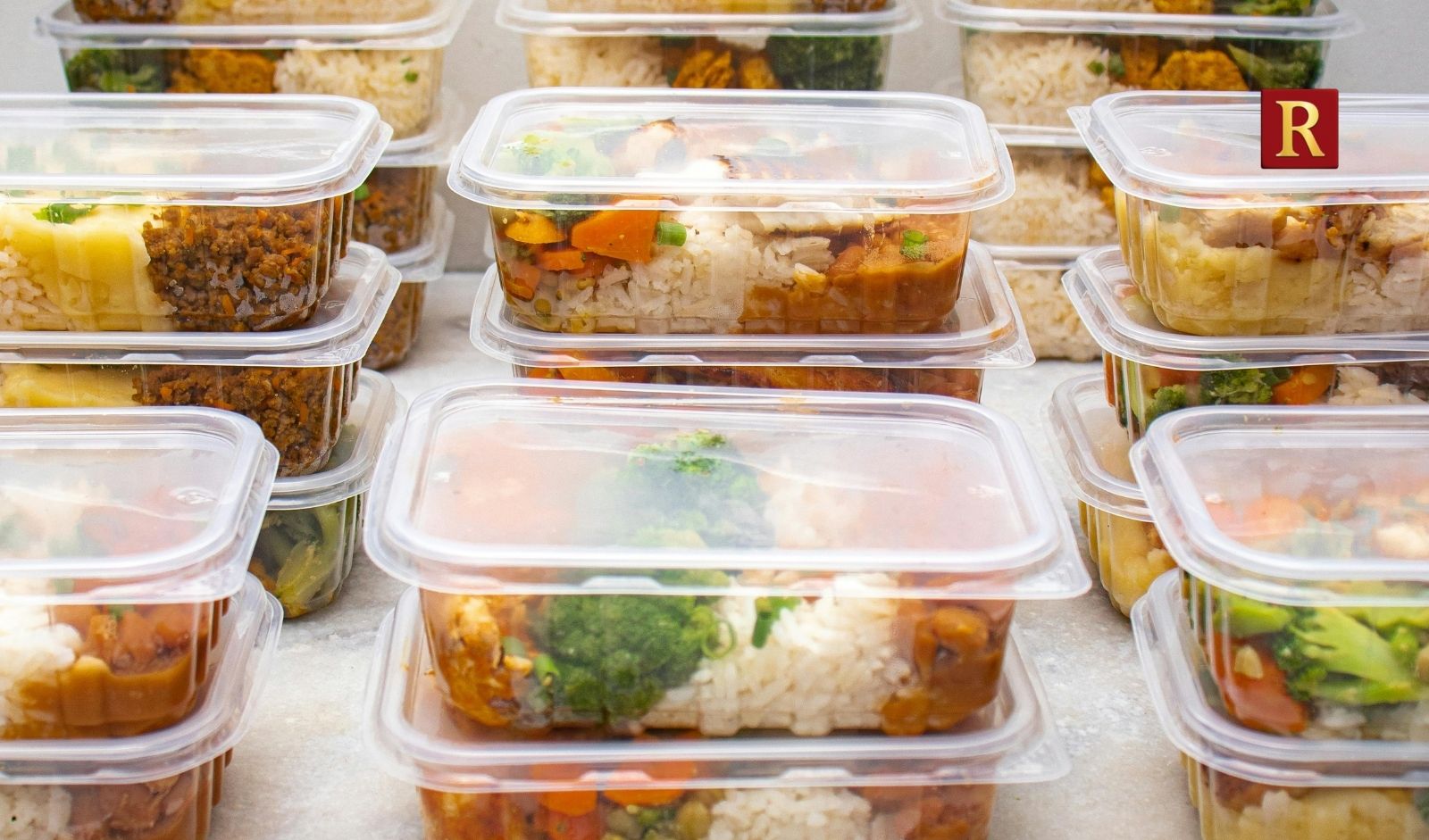
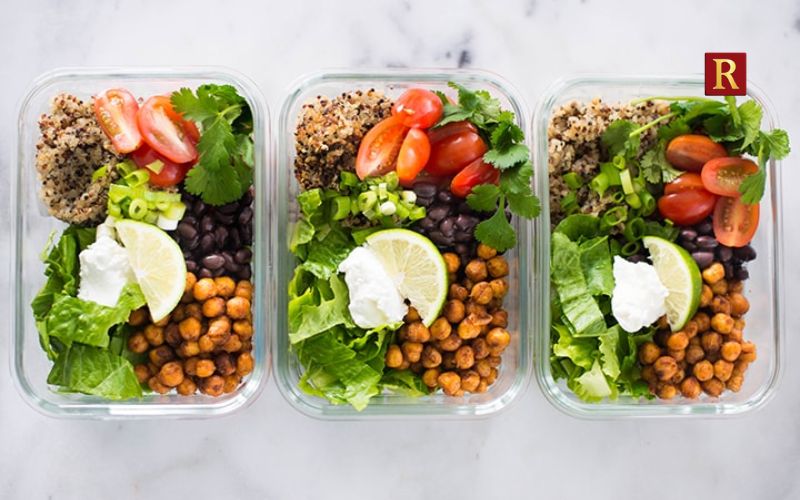
7. Ready-to-Eat Meals and Meal Kits Need Packaging for Multiple Uses
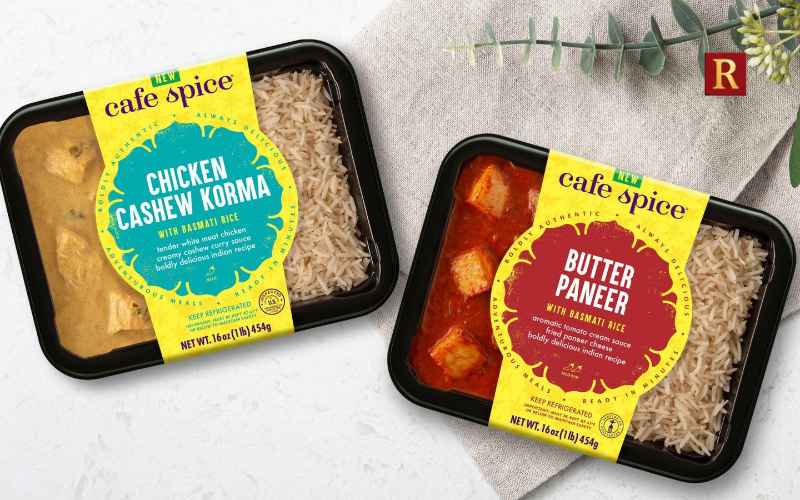
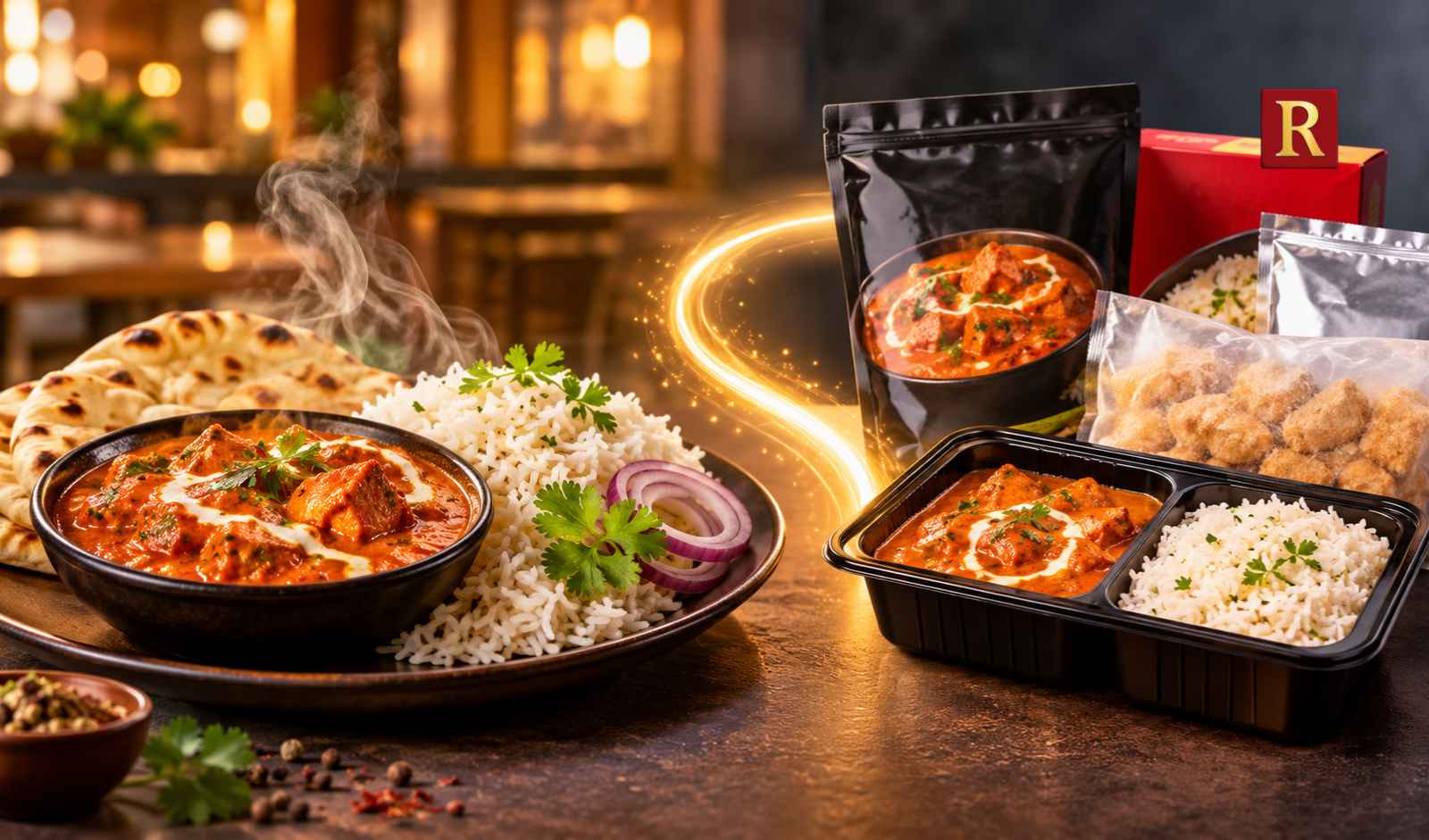
Ready-to-eat meals and meal kits bring several packaging requirements together. They need to protect food, maintain product quality, communicate preparation instructions and make consumption convenient. The requirements also differ according to whether the product is sold at room temperature, chilled or frozen.
For offline sales:
- Retort pouches support suitable shelf-stable meal formats.
- Trays provide organised product presentation.
- Compartment packs keep different ingredients separate.
- Printed cartons communicate preparation instructions and serving information.
For online sales:
- Strong secondary cartons protect individual packs.
- Leak-resistant containers reduce spillage.
- Compartmentalised packaging keeps meal components organised.
- Insulated shipping arrangements support chilled or frozen products.
The technical consideration: Retort processing, hermetic sealing, material compatibility and barrier properties should guide packaging selection. A meal kit containing gravy, rice, spices and garnish requires different packaging for each component. The gravy needs leak protection, spices need moisture protection, and dry ingredients must remain separate until preparation. This creates an opportunity for brands to develop packaging around the customer's cooking sequence. Easy-to-open compartments and clearly organised ingredients can improve the experience beyond simply delivering food safely.
How Should Food Brands Calculate the Cost of Online and Offline Packaging?
Changing packaging formats can increase production and distribution expenses. However, choosing the cheapest packaging does not always result in the lowest overall cost. Food brands should evaluate the complete cost of getting a product safely into the customer's hands.
Here are five important factors to consider:
Packaging cost per order: Compare the cost of the primary food package with the additional expenses of cartons, inserts, protective sleeves and sealing materials.
Product damage and returns: Track how many products arrive crushed, leaking, broken or unsuitable for consumption. Calculate the replacement and refund expenses associated with these problems.
Shipping efficiency: Larger cartons can increase volumetric shipping costs. Brands should examine whether they can reduce unnecessary space without compromising protection.
Shelf-life performance: Packaging should maintain the required product quality throughout its intended storage and distribution period.
Packaging waste: Additional layers are not always necessary. Brands should identify opportunities to reduce material use while maintaining product safety and protection.
For example, a food brand may save Rs 4 per order by choosing a thinner outer carton. However, if the change increases product damage and replacement costs, the saving may not be commercially beneficial.
What Should Food Brands Test Before Launching Channel-Specific Packaging?
Packaging should be tested under conditions that reflect the product's actual distribution journey. A pack that performs well in a controlled warehouse may not necessarily withstand e-commerce transportation.
Brands can consider the following practical checks:
- The shelf visibility test: Can customers recognise the product and understand its benefits quickly?
- The transit test: Can the package withstand stacking, vibration, impact and handling?
- The leakage test: Do bottles, pouches and containers remain properly sealed?
- The freshness test: Does the packaging maintain the required moisture, oxygen and aroma barriers?
- The temperature test: Can the packaging perform under the intended chilled, frozen or ambient distribution conditions?
- The unboxing test: Can customers open the package without damaging the food or struggling with excessive packaging?
Formal transit testing should follow appropriate distribution-testing protocols rather than relying only on informal handling exercises.
What Do FSSAI Regulations Say About Food Packaging in India?
Food brands cannot select packaging materials based only on appearance or convenience. They must also consider food safety, material suitability and labelling requirements. The Food Safety and Standards Authority of India (FSSAI) has established specific requirements under the Food Safety and Standards (Packaging) Regulations, 2018.
Some important considerations include:
- Food-grade materials: Packaging materials must be safe and suitable for their intended food-contact application.
- Primary packaging: Materials that directly touch food must meet applicable food-contact requirements.
- Secondary packaging: Outer cartons and protective packaging must support safe handling and transportation.
- Migration testing: Applicable packaging materials must meet prescribed limits for substances migrating into food.
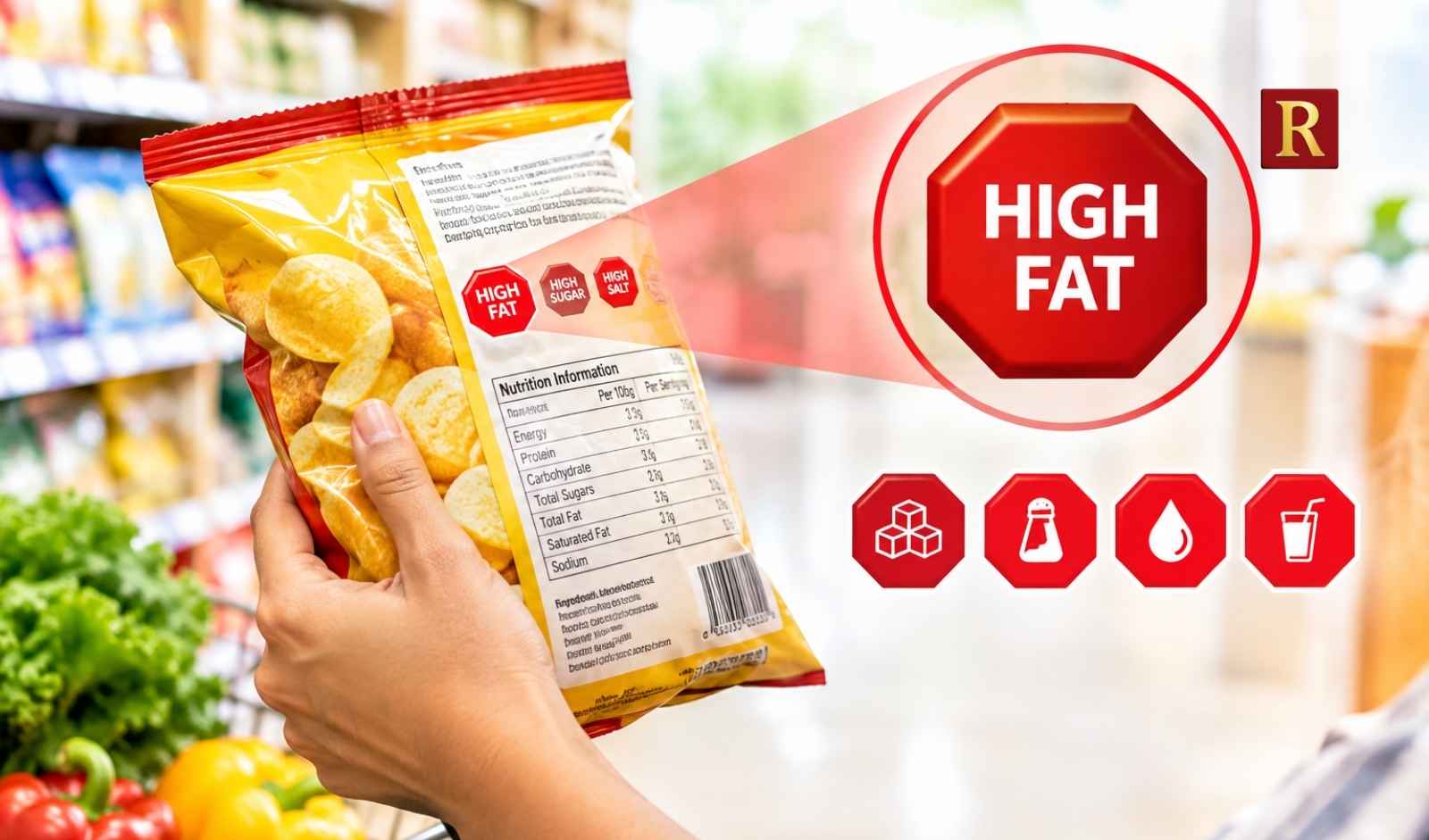
- Labelling requirements: Mandatory product information must remain available to consumers through appropriate physical labels and online product listings.
FSSAI also issued an advisory for e-commerce food businesses on December 3, 2024, emphasising safe transportation, last-mile delivery training, separation of food and non-food items, and consistency between online product claims and physical labels. The advisory also specifies minimum remaining shelf-life expectations at the time of delivery. Brands should check the latest applicable amendments before finalising packaging specifications. FSSAI's official regulatory pages list subsequent amendments to both packaging and labelling regulations, including amendments issued in 2026.
The Future
As food brands expand across supermarkets, D2C websites, quick-commerce platforms and e-commerce marketplaces, packaging decisions will increasingly depend on how products reach consumers. A packet of chips may need better compression protection, while a bottle of cooking oil requires stronger leak prevention. Frozen foods need temperature-controlled distribution, whereas bakery products require packaging that preserves their shape and texture. The opportunity for food businesses is to develop packaging that balances product protection, brand identity, shipping efficiency and customer convenience. Rather than creating completely different packaging for every sales channel, brands can retain a consistent primary package wherever possible and modify secondary packaging according to distribution requirements. Ultimately, successful food packaging is not just about making a product look attractive on a shelf or survive a delivery journey. It is about ensuring that customers receive the same product quality and brand experience, regardless of where they place their order.
Saptopriya Ghosal
Feature Writer
I am a dedicated media professional with a bachelor's degree in mass communication from the State University of Calcutta and a postgraduate degree from Amity University. My academic journey has equipped me with a profound understanding of storytelling and communication. Passionate about the dynamic world of media, I continually strive to explore new ways to engage and inform through compelling narratives.