
7 Different Pasta Shapes and Their Uses
Pasta has taken over the hearts of millions of people. And why not? Pasta is a versatile, healthy, and easy-to-cook ingredient that only needs to be boiled and adorned with a mixture of bases to become a wonderful dish.

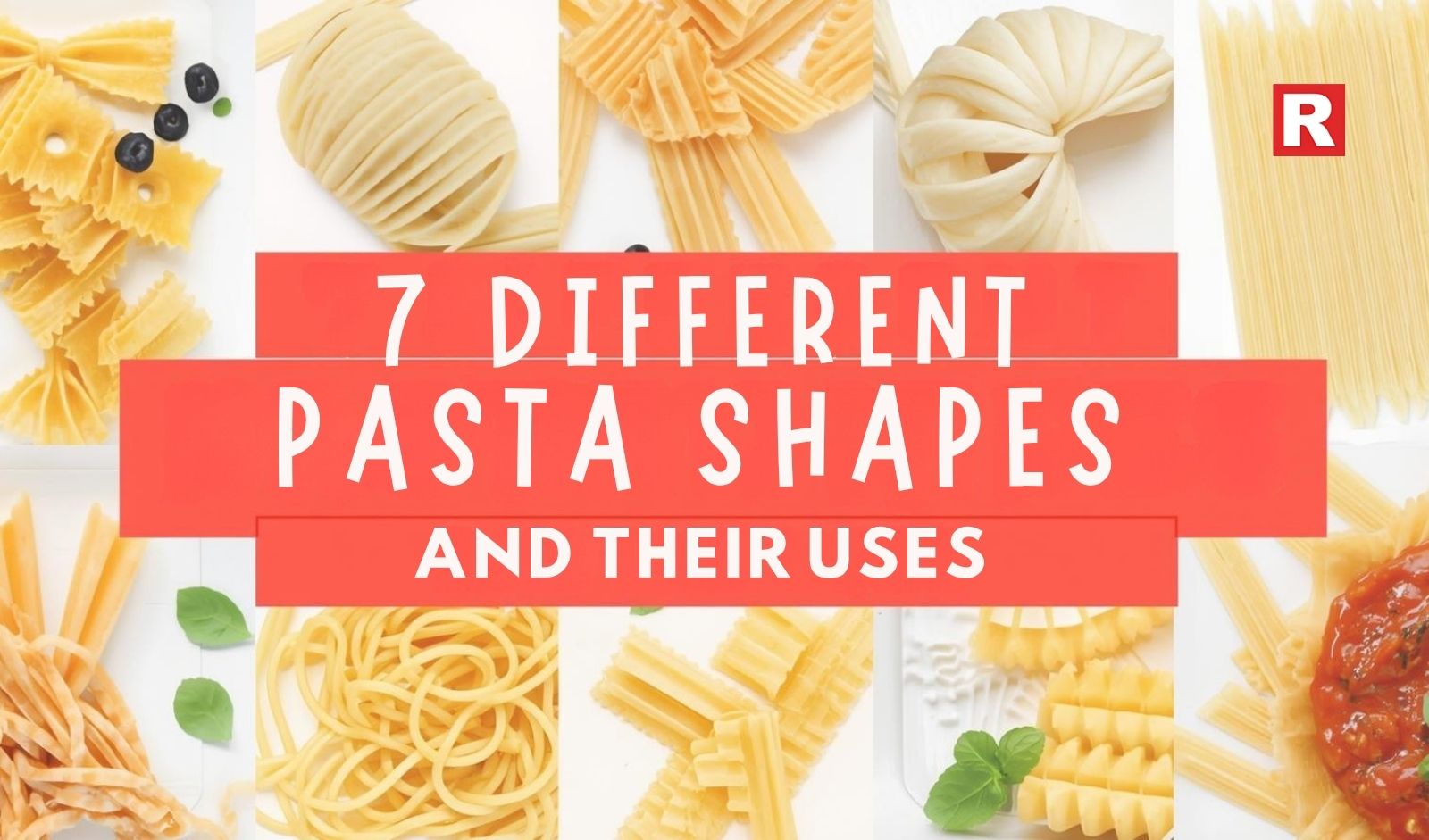
Pasta has taken over the hearts of millions of people. And why not? Pasta is a versatile, healthy, and easy-to-cook ingredient that only needs to be boiled and adorned with a mixture of bases to become a wonderful dish. You can eat pasta anywhere, whether it is in a high-end restaurant or the comfort of your home. Truly, an awesome dish. And this doesn’t end here. Several types of pasta shapes exist that may be made from the same ingredient, but give a different taste when cooked.
Meanwhile, in India, pasta may be famous, but most people only know a few pasta shapes. And even then, the most used and cooked pasta shapes are macaroni and rotini. Therefore, we will be guiding you through some of the most famous and easily available pasta shapes in India. We will also give you some tips on how to cook these pasta types so you get the best flavor. So keep your hunger at bay while you read this article, because after that, you will be running to the supermarket to buy a bag of pasta.
Read more: Best Whole Wheat Pasta Brands in India
1. Spaghetti: The Timeless Classic
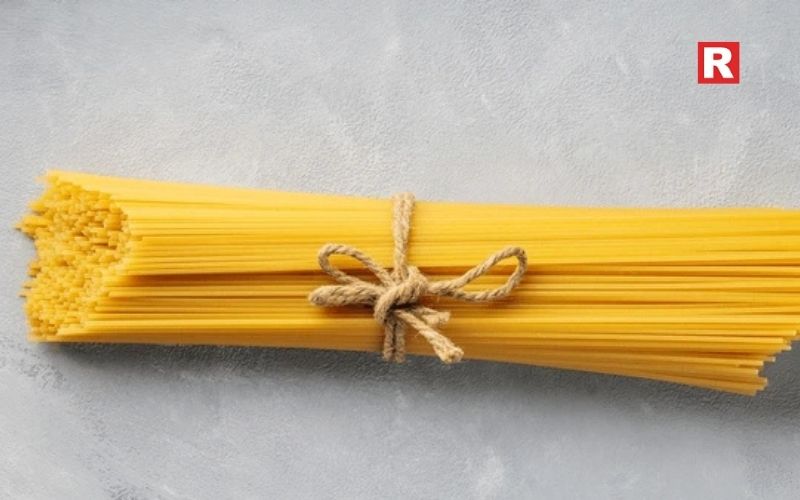
This is the most common pasta shape in the world. It has long, thin, solid cylindrical rods. Its name comes from the Italian word "spago," meaning "twine" or "string."
Spaghetti is all about simplicity. Its smooth surface and uniform shape offer a quite empty canvas. The magic happens when you learn to twirl it properly around a fork, creating a perfect, sauce-laden bite. Spaghetti’s sleek surface is best suited for light, oily, or tomato-based sauces that are fluid enough to coat each strand evenly. Make sure that the sauce is cooked enough to stick to every strand of the pasta.
- The Indian Pairing: Indian-style Aglio e Olio. Sauté loads of garlic, red chili flakes, and a pinch of hing (asafoetida) in olive oil. Toss in the spaghetti and finish with fresh coriander. It’s simple, fiery, and fantastic.
- High-end Dining Recipe: Spaghetti alle Vongole (with clams). The light, briny sauce made from white wine, garlic, olive oil, and fresh clams clings delicately without overwhelming the pasta.
- Avoid: Very chunky, heavy, or thick cream-based sauces. They tend to slide off, leaving you with bare pasta and a puddle of sauce at the bottom of the bowl.
2. Penne: The Sauce Pocket
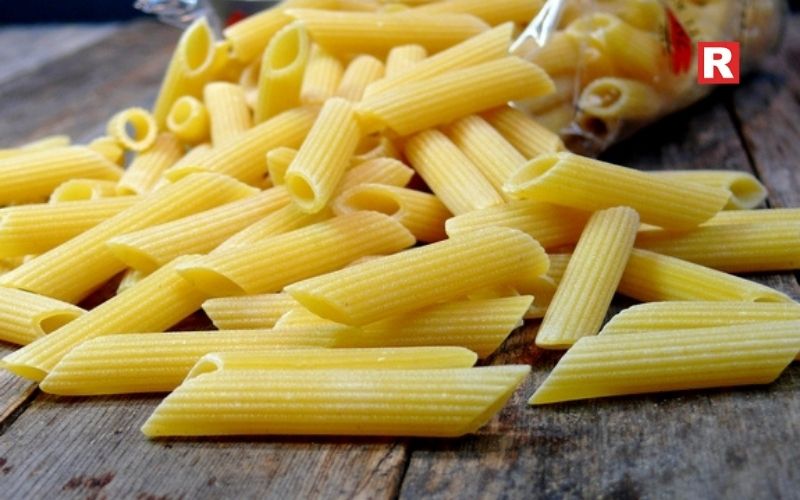
It’s a short, tube-shaped pasta that is cut on the diagonal. "Penne" means "quills" or "pens" in Italian, which its shape resembles. It comes in two main varieties: penne lisce (smooth) and penne rigate (with ridges).
This shape is a prime example of food engineering. The diagonal cut creates a pointy end that’s easy to spear with a fork. The hollow tube (or lumen) is perfect for capturing small bits of sauce, meat, and vegetables. The ridged version (rigate) is much better, as the textured surface grabs onto sauces even more effectively. Penne is the master of the pasta world, incredibly versatile and perfect for chunkier, thicker sauces.
- The Indian Pairing: Penne in a Creamy Palak Paneer Sauce. The blended spinach and cream coat the ridges, and tiny cubes of paneer get trapped inside the tubes. It’s a match made in heaven.
- High-end Dining Recipe: Penne all’Arrabbiata. The spicy, chunky tomato sauce, studded with bits of garlic and chili, gets trapped inside the tubes and clung to by the ridges.
- Avoid: It’s hard to go wrong with penne, but very light, brothy sauces won't have much to hold onto.
Know more: From Royal Kitchens to Tribal Feasts: 7 Famous Foods of Chhattisgarh You Must Try
3. Fettuccine: The Rich Ribbon
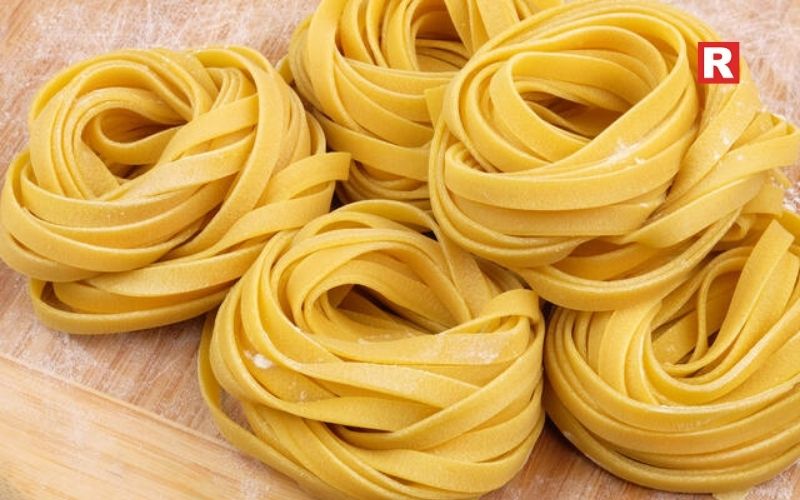
This one is a long, flat, ribbon-shaped pasta. The name comes from the Italian word "fettuccia," meaning "little ribbon." Fettuccine’s broad, flat surface provides ample space for rich, creamy sauces to cling to. When combined with heavier ingredients, its texture provides a satisfying chew. This shape is the best for creamy, rich, and luxurious sauces.
- The Indian Pairing: Fettuccine with a Shahi Paneer Makhani Sauce. The wide ribbons are ideal for carrying the thick, creamy, cashew-and-tomato-based gravy. It’s pure dining pleasure.
- High-end Dining Recipe: Fettuccine Alfredo. The classic, luxurious combination of butter, heavy cream, and Parmigiano-Reggiano (a type of cheese) creates a velvety sauce that coats every millimeter of the broad ribbon.
- Avoid: Light, oily sauces like a simple aglio e olio. They would be lost on such a heavy noodle.
4. Farfalle: The Playful Bow-Tie
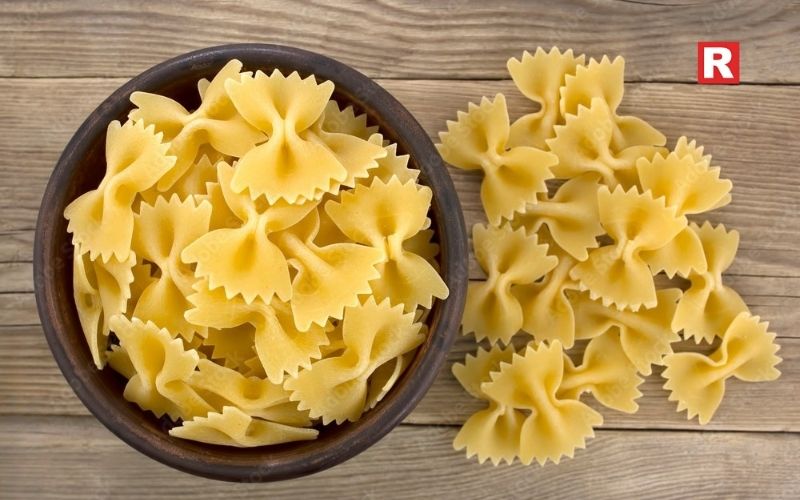
Farfalle is rectangular or oval pieces of pasta that are pinched in the middle, creating a distinctive "bow-tie" or "butterfly" shape. "Farfalle" also means "butterflies" in Italian.
Farfalle is a textural wonder. It offers three different experiences in one bite: the thicker, chewy pinched center, the softer, wider "wings," and the ruffled edges that are excellent for trapping tiny ingredients. Its unique shape makes it ideal for chunky vegetable sauces or cold pasta salads.
- The Indian Pairing: Farfalle with Corn, Capsicum, and Paneer in a Creamy Tomato Sauce. The colourful veggies and paneer cubes get caught in the ruffles, ensuring a flavourful bite every time.
- High-end Dining Recipe: Pasta with peas, prosciutto, and a light cream sauce. The chunks of ham and peas get caught in the ruffles and the center, while the cream sauce coats the wings.
- Avoid: Completely smooth and pureed sauces. You’ll miss out on the textural benefits that farfalle provides.
What's new: 10 High-Protein, Low-Calorie Foods to Conquer Cravings
Fast Food: 7 Most Fiery Street Foods in India
5. Orecchiette: The Little Ear
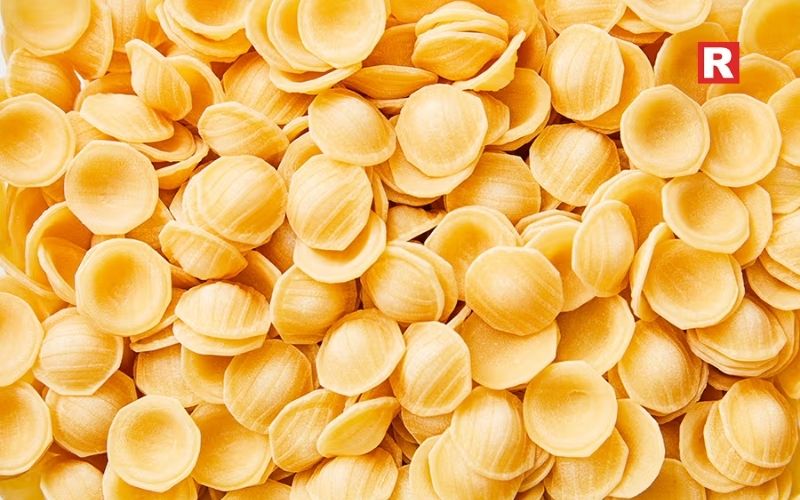
Orecchiette is a small, disc-shaped pasta that is curved inward, resembling a small ear. "Orecchiette" translates directly to "little ears." It is a signature shape from the Puglia region of Italy.
The main characteristic of orecchiette is its cup-like structure. The slightly thicker center provides a satisfying chew, while the concave shape acts as a tiny edible bowl, perfect for holding up sauces, small vegetables, and bits of meat. This shape is designed for rustic, chunky sauces where the components are roughly the same size as the pasta itself.
- The Indian Pairing: Orecchiette with Soya Keema or Kheema. The tiny granules of the spiced mince nestle perfectly into each "little ear," ensuring a burst of flavour in every single bite. A tadka of mustard seeds and curry leaves takes it to the next level.
- High-end Dining Recipe: Orecchiette con Cime di Rapa (with broccoli rabe and sausage). The crumbled sausage, garlic, and small pieces of bitter broccoli rabe nestle perfectly into each "little ear."
- Avoid: Smooth, runny sauces. They will simply drain out of the cups, failing to utilize the shape's unique design.
Check out: Top 10 Healthiest Breakfast Bowl Fruits
6. Pappardelle: The Broad Canvas
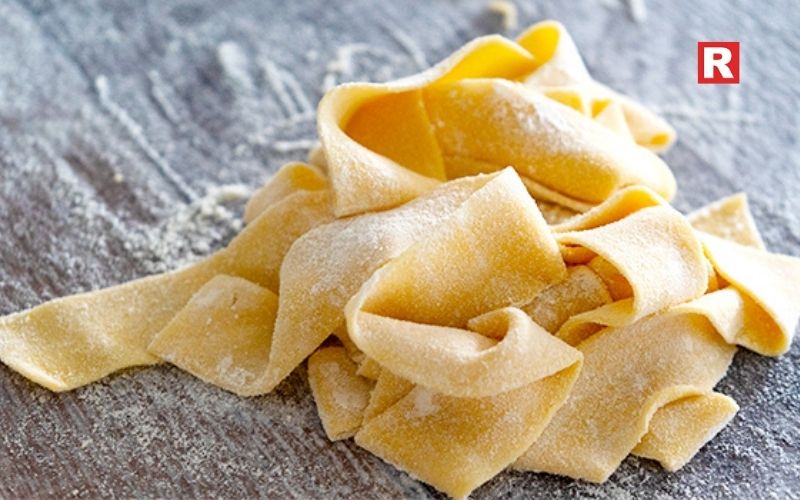
These are just long, broad, flat ribbons. They are the widest of the ribbon-shaped pastas, often about an inch across. The name comes from the Italian verb "pappare," meaning "to gobble up."
Pappardelle is a strong, hearty pasta. Its wide, flat surface is like a blank canvas, demanding an equally bold and hearty sauce. Its broad shape provides a wonderful, silky mouthfeel. This is the pasta for rich, long-simmered meat sauces. It needs a partner that can stand up to its glory.
- The Indian Pairing: Pappardelle with a Nihari or Laal Maas Gravy. The wide, silky ribbons are the perfect vehicle for these robust, meaty, and intensely flavoured sauces. Each strand of the pasta will get draped in the rich gravy.
- High-end Dining Recipe: Bolognese ragù. The wide ribbons are sturdy enough to be coated in and support the weight of the thick, chunky, and intensely flavorful meat sauce.
- Avoid: Any delicate or light sauce. They would be completely overwhelmed by the pasta's size and texture.
7. Rigatoni: The Heavy Tube
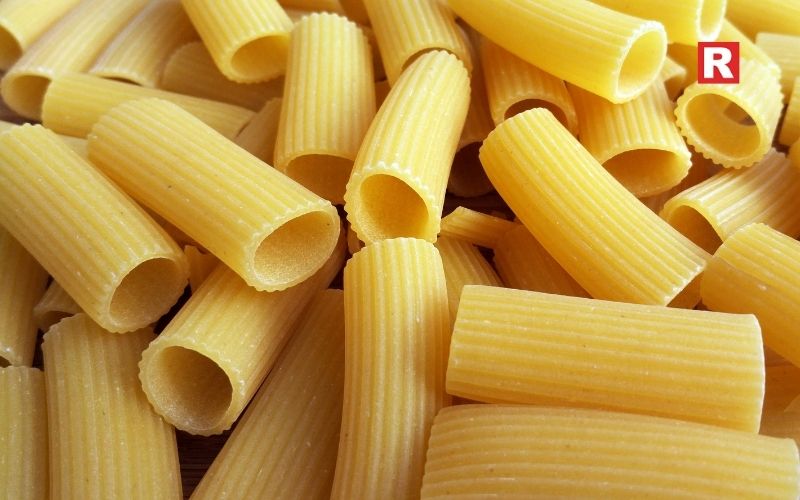
Rigatoni are short, wide tubes that are larger than penne and cut straight, not diagonally. The name "rigatoni" comes from the Italian word "rigato," meaning "ridged" or "lined."
Rigatoni is the total sauce-carrying vessel. Its large diameter and straight cut create massive openings for sauce to flood into. The visible ridges on the outside provide excellent grip, while the smooth interior allows the sauce to slide through. Rigatoni is built for the heaviest, chunkiest, and most heavy sauces. It’s a structural powerhouse.
- The Indian Pairing: Rigatoni with a Lamb or Chicken Kheema Masala. The large tubes get stuffed with the flavourful minced meat, creating an incredibly satisfying experience.
- High-end Dining Recipe: Amatriciana (a Roman sauce with guanciale, tomato, and pecorino). The large chunks of cured pork and the tangy tomato sauce get trapped inside the tubes and cling to the ridges.
- Avoid: This shape is too heavy for light, brothy, or delicate sauces.
Learn more: 10 Leading Burger Chains With the Most Outlets in India
The Final Tadka
The goal of understanding pasta shapes is to create harmony in your bowl, not to stick to specific requirements. It’s the difference between a sauce that just sits on the pasta and a sauce that becomes one with the pasta.
Therefore, consider your sauce first the next time you're feeling like having a desi-style pasta night. Is it a chunky keema or a creamy, smooth makhani? Next, pick your shape carefully. Your hard work will be rewarded by not just any "pasta," but a restaurant-worthy masterpiece that is expertly balanced and prepared in your own kitchen.
Mahak Sharma
Content Writer
Mahak Sharma is a passionate content writer with 2 years of experience crafting compelling content across various niches, tailoring her writing to suit different audiences and platforms. She is dedicated to producing engaging content for readers so that they can understand and enjoy the articles. Her strengths lie in crafting SEO-friendly, well-structured articles that drive visibility and engagement.



































































































































































