7 Details That Can Change the Flavour of the Same Whisky
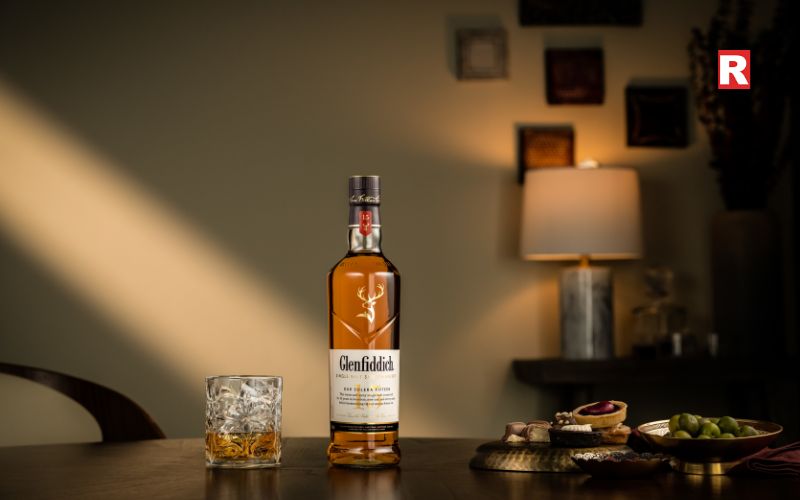
Sometimes, exploring the same bottle under different conditions can be just as interesting as discovering a new one.

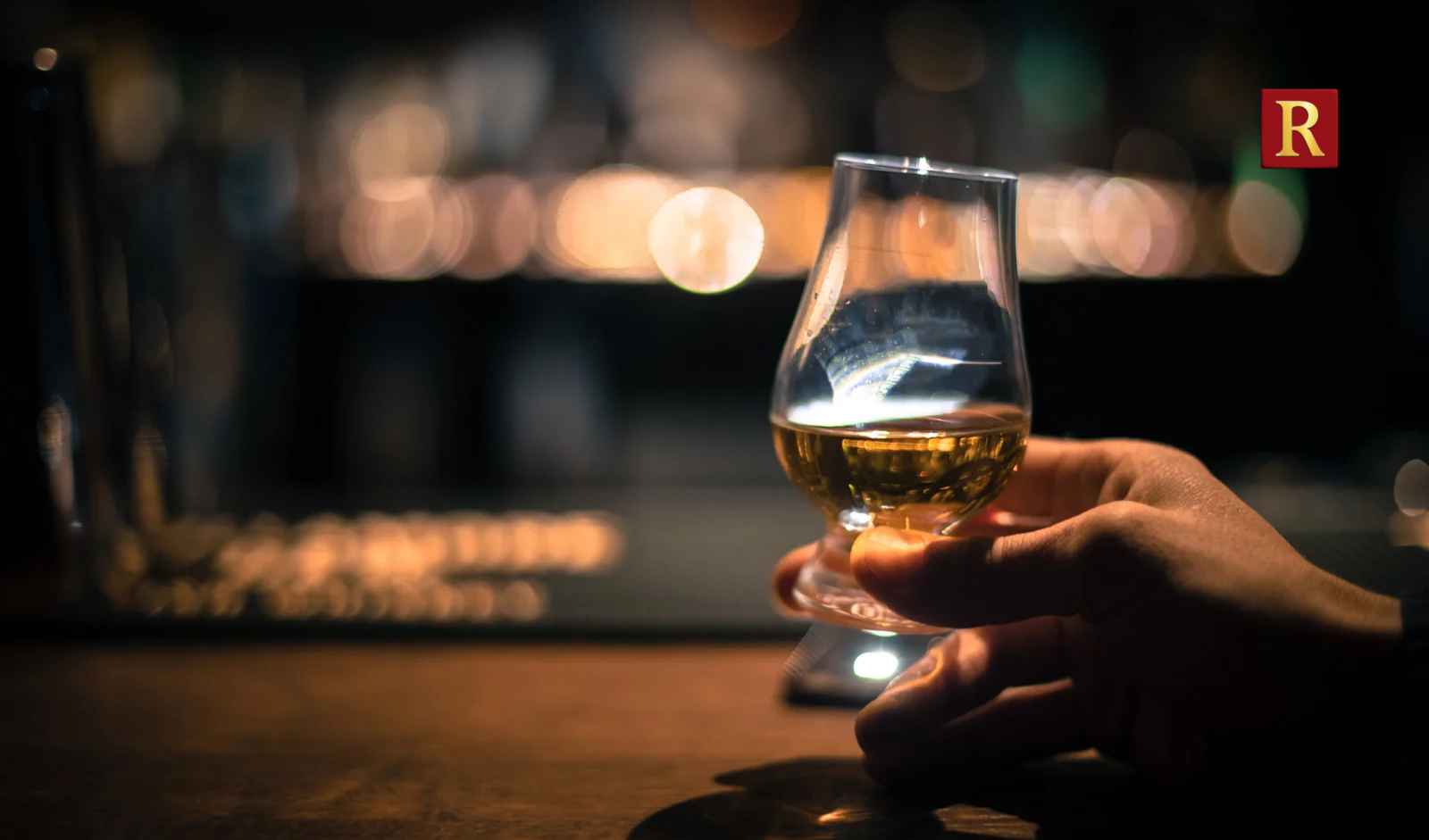
A whisky's flavour is not determined by its ingredients, distillation and ageing process alone. The way it is poured, served and experienced can also influence its aroma and taste. A single malt served in a tulip-shaped glass may reveal different aromatic characteristics from the same whisky poured into a wide tumbler. Similarly, adding a few drops of water or changing its serving temperature can alter the overall tasting experience.
This happens because whisky contains hundreds of compounds that contribute to its aroma, flavour and mouthfeel. These compounds interact with alcohol, water and air, while the human senses determine how their characteristics are perceived. For whisky enthusiasts, bartenders and hospitality professionals, understanding these details can make familiar expressions more interesting. Here are seven factors that can change how the same whisky smells and tastes.
Why Does the Same Whisky Taste Different?
Whisky develops its character through several stages, including grain selection, fermentation, distillation and maturation in wooden casks. However, the experience continues to evolve after the spirit is bottled.
Some changes happen because the liquid's composition or concentration changes, while others influence how aromas reach the nose and how the palate experiences the spirit. From glassware and dilution to temperature and storage, small details can make a noticeable difference.
7 Details That Can Change the Flavour of the Same Whisky
1. Glass Shape
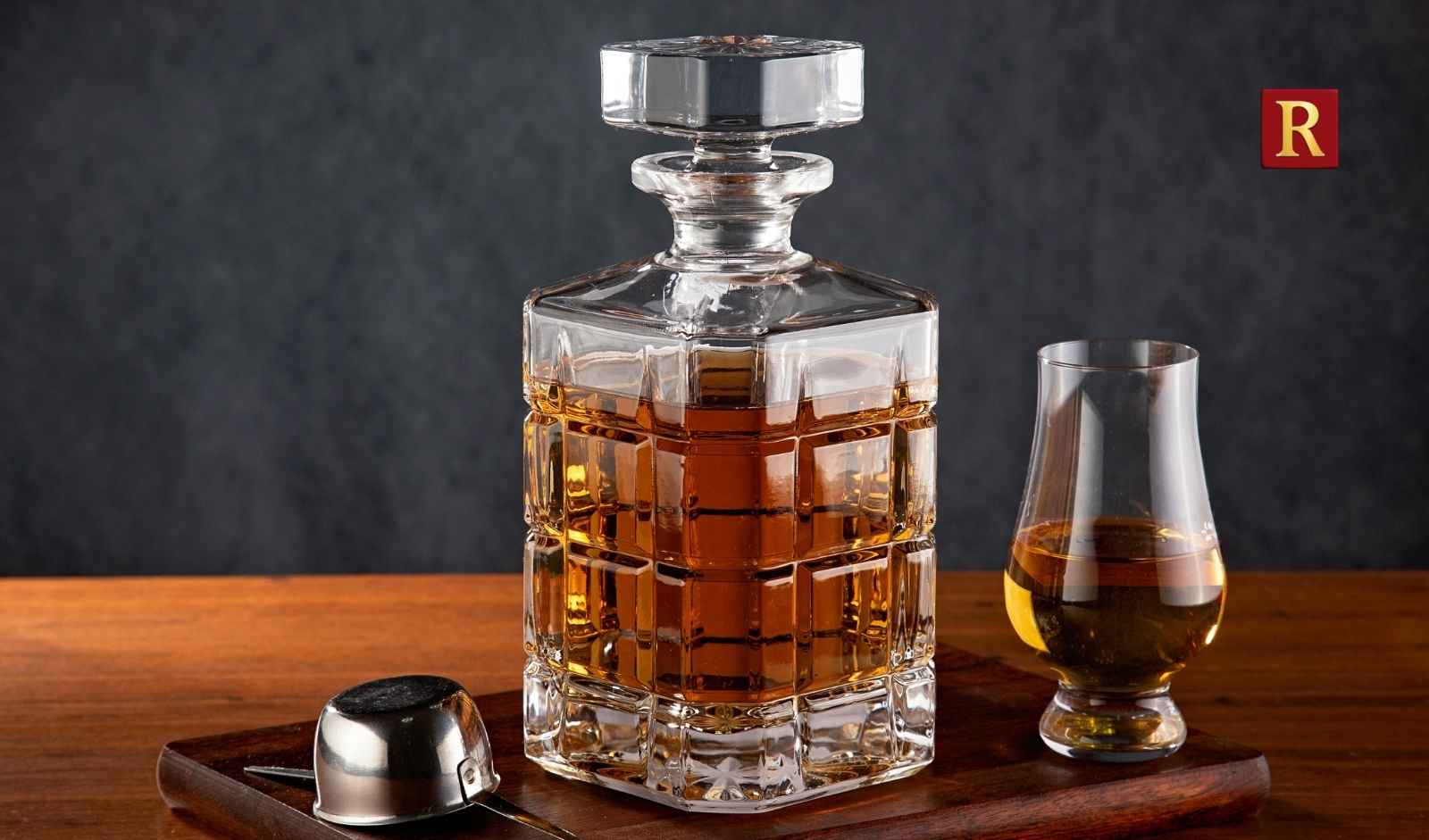
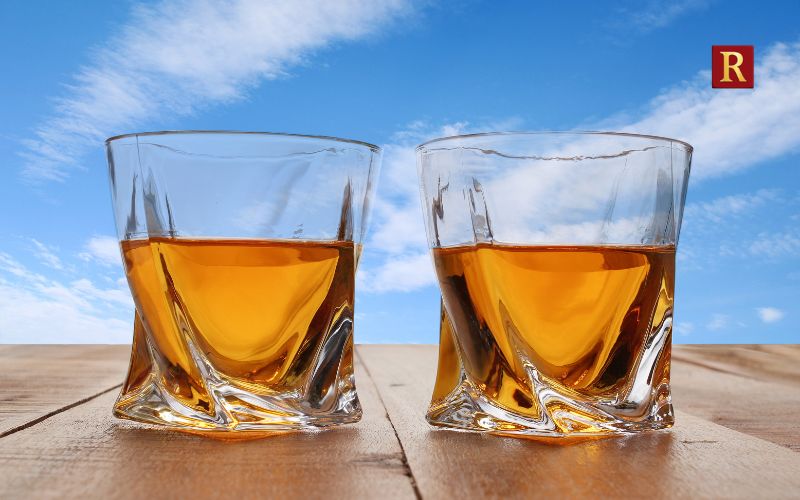
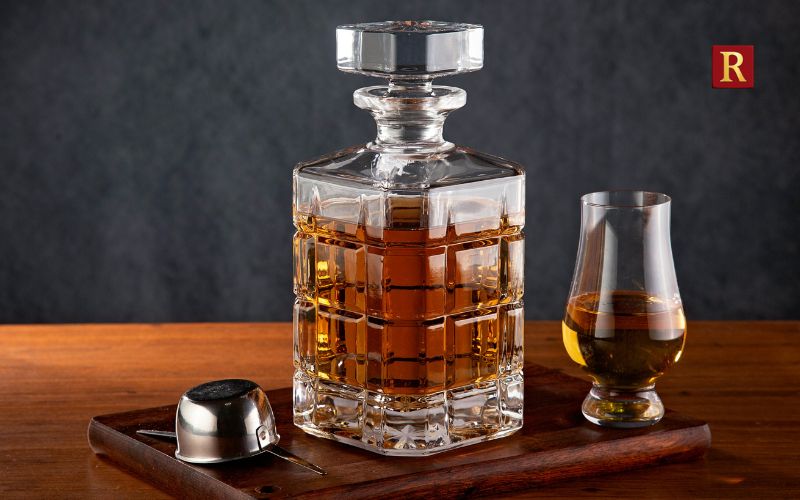
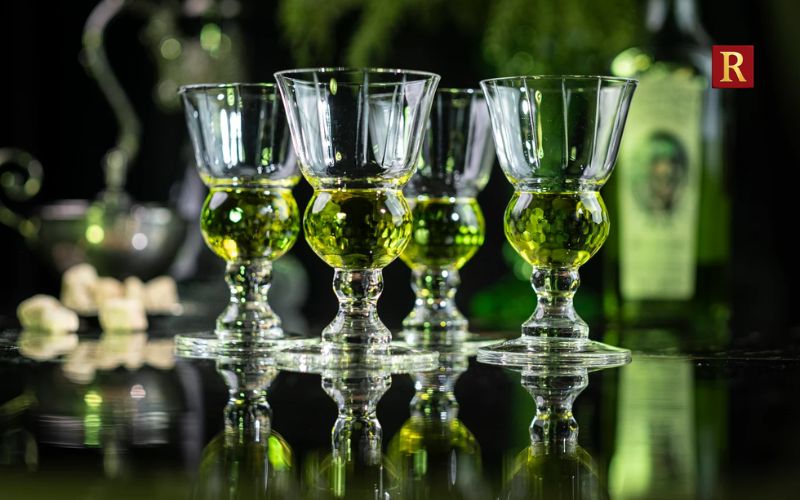
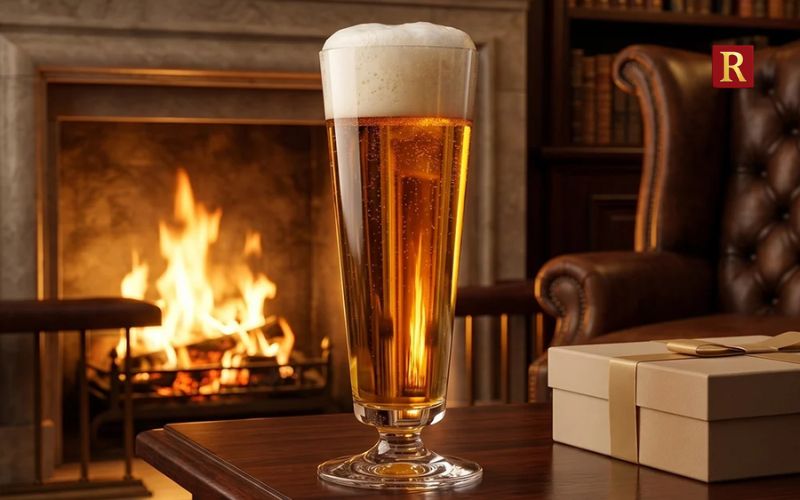
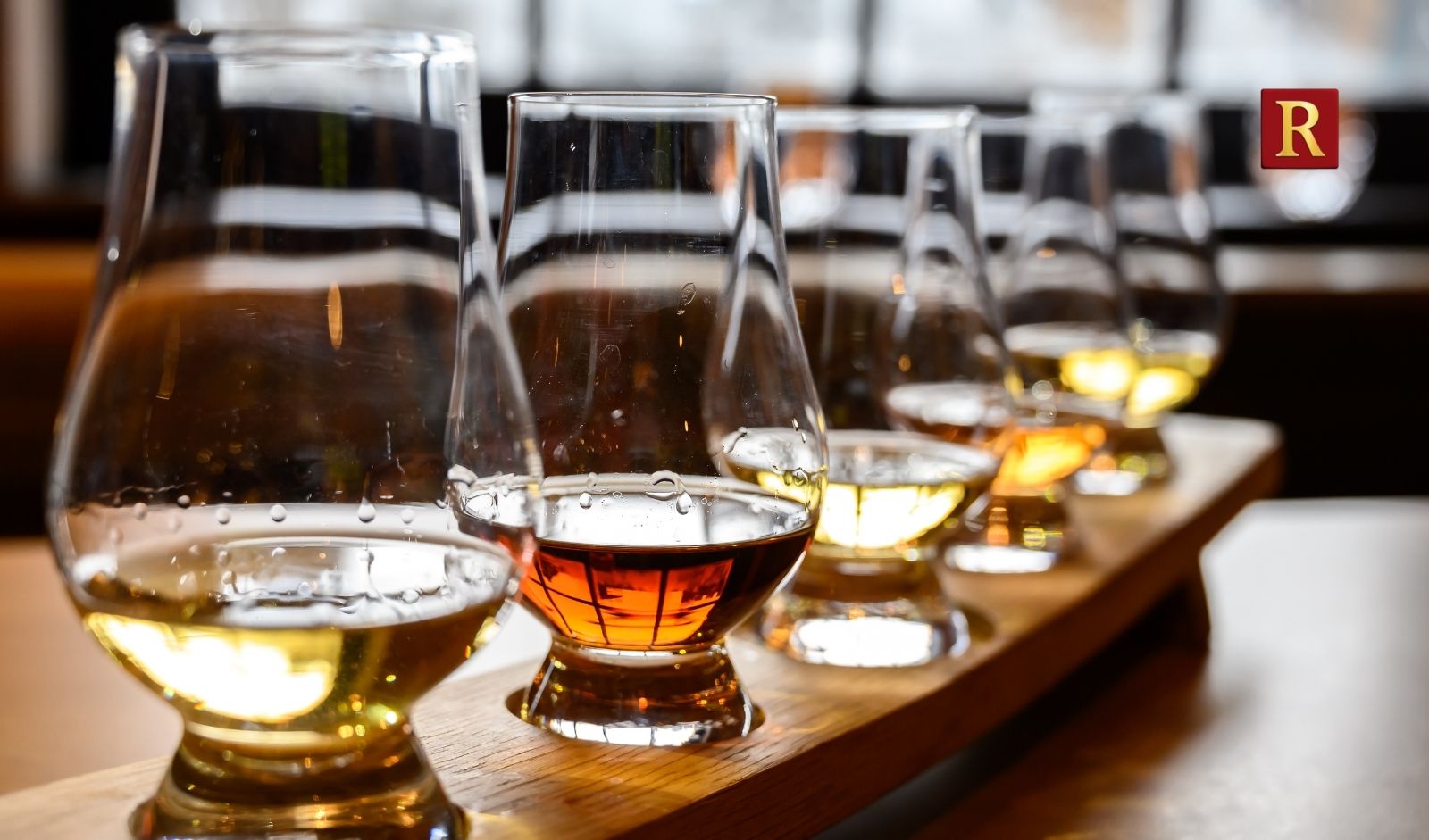
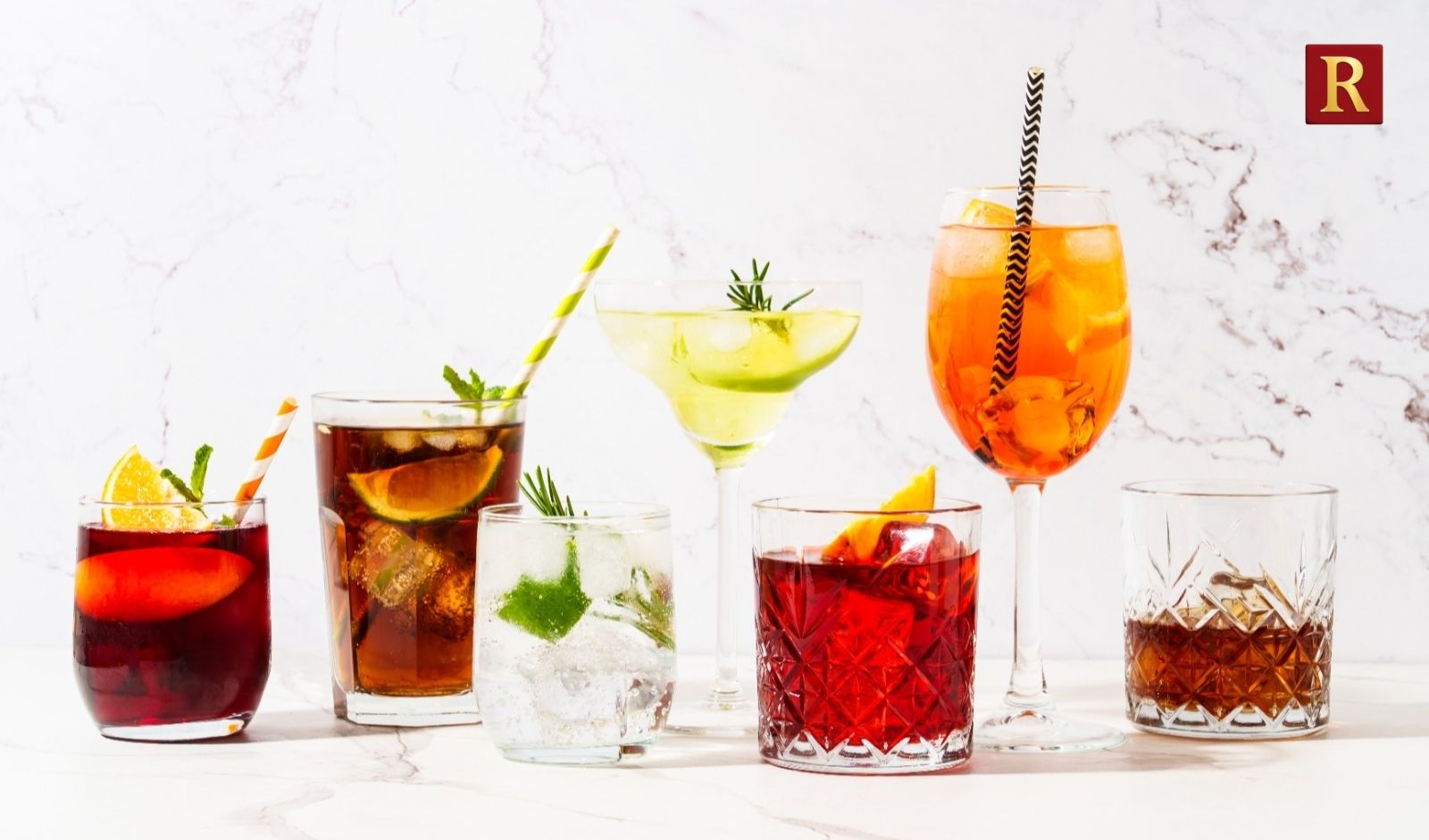
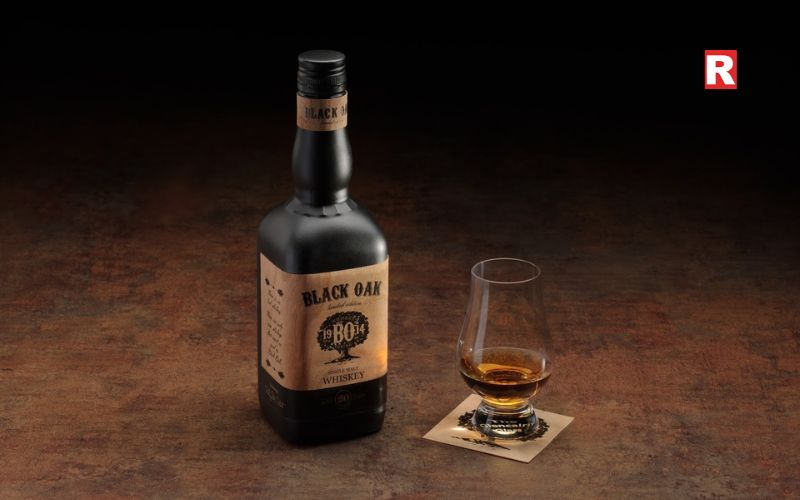
The shape of a whisky glass can influence how aromas collect and reach the nose. Tulip-shaped glasses, such as Glencairn, have a wider bowl and a narrower opening that helps concentrate aromas. Wide tumblers allow greater dispersion and are commonly used for whisky served with ice. Although the glass does not change the liquid's composition, it can influence how easily drinkers identify fruity, smoky, floral and woody notes.
2. Adding Water
A few drops of water can change the balance of aroma compounds in whisky. Research published in Scientific Reports in 2017 examined how guaiacol, a compound associated with smoky aromas, behaves in water and ethanol mixtures. The findings helped explain why dilution can make certain aromatic characteristics more noticeable. However, adding too much water can reduce the spirit's intensity and alter its overall balance.
3. Ice and Dilution
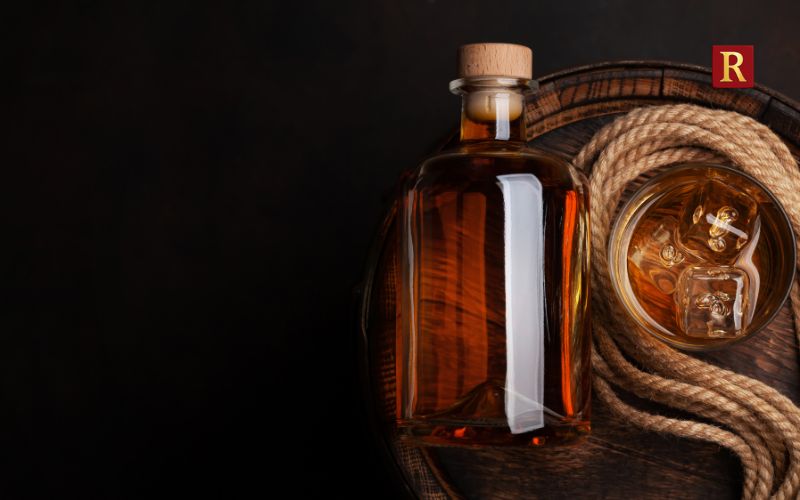
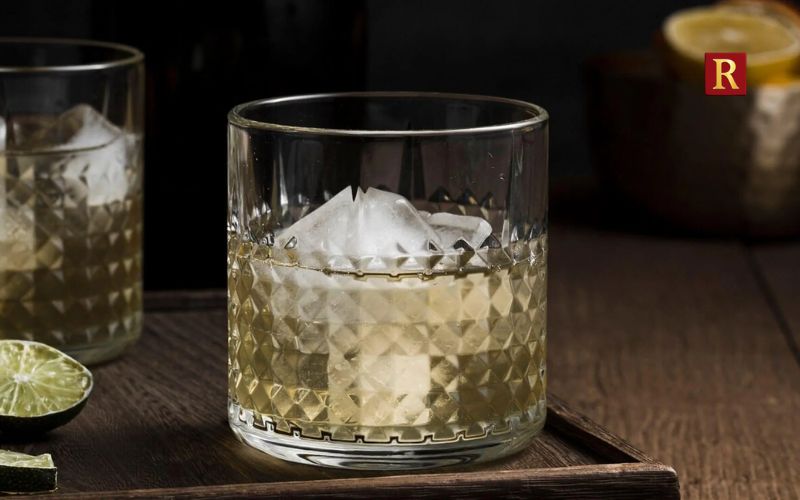
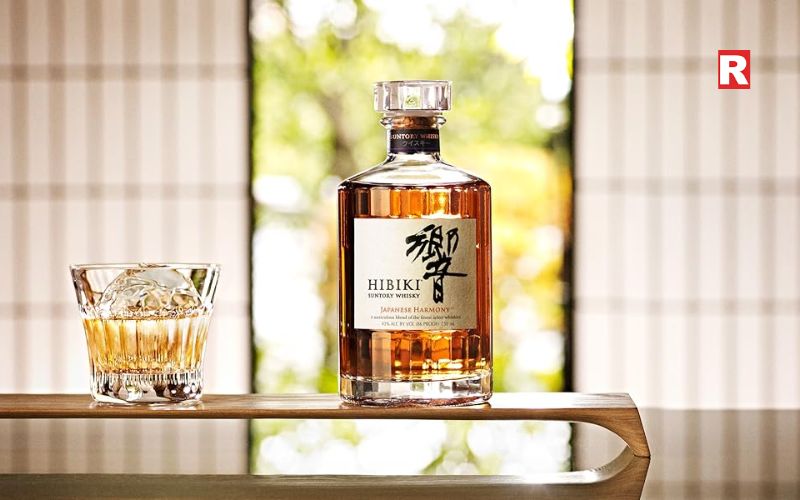
Ice changes both the temperature and alcohol concentration of whisky. As it melts, it introduces water into the spirit, gradually changing its strength and aroma profile. The size of the ice also matters. Large cubes generally melt more slowly than crushed ice because they have less exposed surface area relative to their volume. This is why the first and last sips of whisky served over ice can offer different experiences.
4. Serving Temperature
Temperature influences how readily volatile aroma compounds move from whisky into the surrounding air. Chilled whisky may release certain aromas less readily, while a warmer pour can make some fruity, floral and spicy notes easier to notice. Temperature can also influence the perception of alcohol warmth. The ideal serving temperature depends on the expression and the drinker's preference.
5. Resting Time
The time whisky spends in an open glass can influence its aroma. When freshly poured, alcohol vapour may be particularly noticeable. As the spirit rests, volatile compounds disperse into the surrounding air, changing the aroma above the liquid. Some characteristics may become easier to identify, although leaving whisky exposed for too long can also result in the loss of aromatic compounds.
6. Smelling Technique
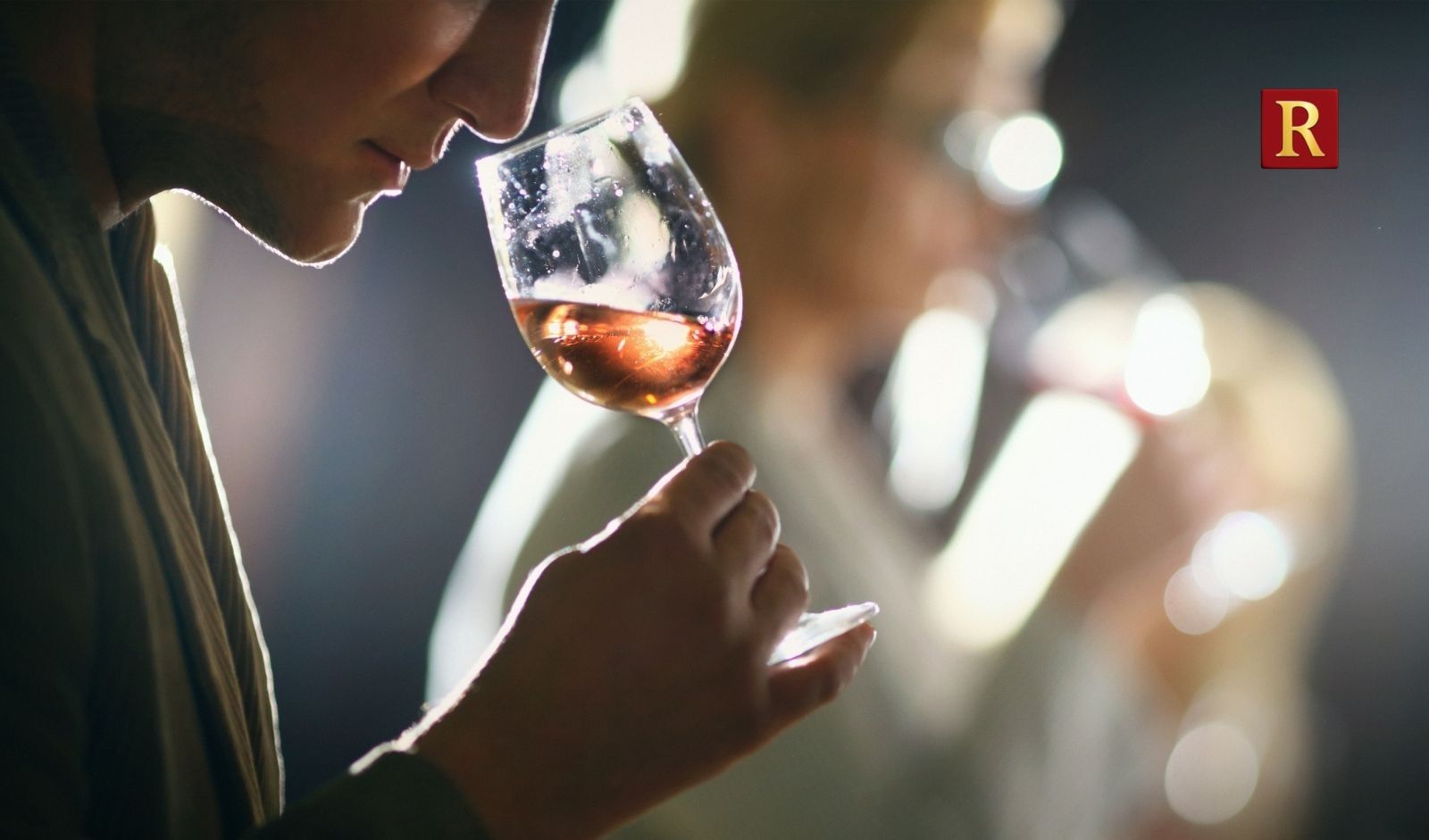
How whisky is smelled can influence what a person identifies during tasting. Orthonasal olfaction refers to detecting aromas through the nostrils before drinking, while retronasal olfaction occurs when aromas travel from the mouth towards the nasal cavity. Gentle, short sniffs can help drinkers explore aromas without being overwhelmed by alcohol vapour. Revisiting the glass after a sip can reveal additional characteristics.
7. Bottle Storage
The amount of whisky remaining in an opened bottle can influence its exposure to air. As the liquid level falls, the headspace, or air-filled space above the whisky, increases. Repeated opening, oxygen exposure, light and temperature fluctuations can contribute to gradual changes in aroma and flavour. Unlike whisky in an oak cask, bottled whisky does not continue ageing in the same way. Keeping bottles tightly closed and away from direct sunlight can help preserve their character.
How Can Whisky Enthusiasts Experience These Differences?
Understanding these factors does not require a professional tasting room or an extensive collection. A simple comparison using the same whisky can demonstrate how serving conditions influence the experience. Drinkers can experiment with different glasses, add a few drops of water or compare whisky served at different temperatures. The key is to change one factor at a time while keeping the whisky and serving quantity consistent. The following table highlights seven simple experiments whisky enthusiasts can try to understand these differences.
| Experiment | What to change | What to observe |
|---|---|---|
| Glass comparison | Tulip-shaped glass vs tumbler | Differences in aroma concentration |
| Water addition | Neat whisky vs a few drops of water | Changes in aroma and alcohol intensity |
| Ice selection | Large ice cube vs crushed ice | Cooling and dilution rate |
| Temperature test | Room-temperature vs chilled whisky | Aroma release and alcohol sensation |
| Resting time | Freshly poured vs 10-minute rest | Changes in perceived aroma |
| Smelling technique | Gentle short sniffs vs immediate deep sniff | Different aromatic characteristics |
| Storage comparison | Recently opened vs older opened bottle | Changes in aroma intensity and flavour |
Changing one variable at a time makes it easier to understand what influences the experience. For hospitality professionals, these comparisons can also become an engaging part of guided whisky tastings, helping customers understand the characteristics of different expressions.
Why Serving Techniques Matter for the Whisky Industry
As premium spirits become an important part of restaurant bars, hotels and specialised beverage programmes, the way whisky is presented has gained greater relevance. Glassware, ice selection, dilution and serving temperature are not merely presentation decisions. They can influence how customers experience the spirit. For bartenders and beverage managers, understanding these details can help create more informed tasting experiences. It also allows them to explain why a particular whisky may be served neat, with water or over ice, depending on its characteristics and the customer's preference.
The Same Bottle Can Offer a Different Experience
A whisky's identity is developed through its production and maturation, but its drinking experience is influenced by several factors beyond the bottle. Glass shape, water, ice, temperature, resting time, smelling technique and storage can all change how its characteristics are experienced. Some of these factors influence the liquid itself, while others affect how the senses interpret its aromas and flavours. For whisky enthusiasts and hospitality professionals, understanding these small details offers a different way to appreciate familiar expressions. Sometimes, exploring the same bottle under different conditions can be just as interesting as discovering a new one.
Saptopriya Ghosal
Feature Writer
I am a dedicated media professional with a bachelor's degree in mass communication from the State University of Calcutta and a postgraduate degree from Amity University. My academic journey has equipped me with a profound understanding of storytelling and communication. Passionate about the dynamic world of media, I continually strive to explore new ways to engage and inform through compelling narratives.