
6 Most Common Varieties of Edible Seaweed: Ocean's Own Superfoods
Start with small amounts, explore different textures and flavours, and choose high-quality products from trusted sources. With the right variety, seaweed can become a simple yet powerful addition to a balanced diet.

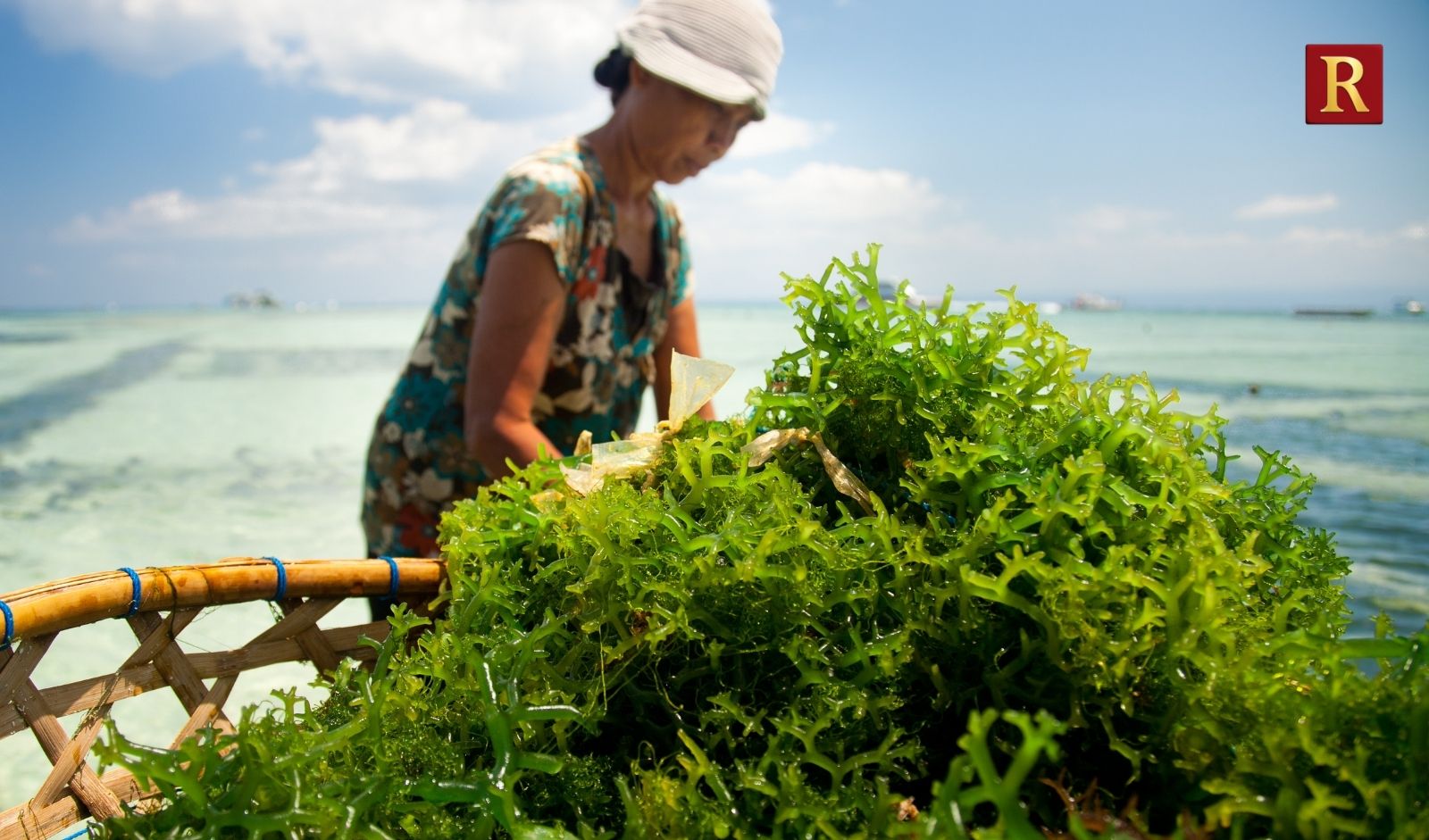
Seaweed has moved far beyond sushi restaurants. Today, it is found in healthy snacks, soups, salads, noodles, seasonings, and even plant-based meat alternatives. Once considered a traditional ingredient in East Asian cuisines, edible seaweed is now gaining popularity worldwide because of its impressive nutrition and sustainable production.
More than 10,000 species of seaweed exist in oceans across the globe, but only around 145 species are commonly eaten. Countries like Japan, South Korea, and China have consumed seaweed for thousands of years, while demand is now growing rapidly in Europe and North America. According to industry estimates, the global seaweed market is expected to surpass USD 30 billion by 2030, driven by rising interest in functional foods, vegan diets, and environmentally friendly ingredients. Seaweed is naturally rich in vitamins, minerals, fibre, and antioxidants. It also contains glutamates, the compounds responsible for umami, often called the fifth taste. If you are curious about adding sea vegetables to your meals, these six varieties are the best place to begin.
What Is Edible Seaweed?
Seaweed refers to marine algae that grow naturally in oceans. Unlike freshwater algae, edible seaweed is harvested from clean coastal waters or cultivated through sustainable sea farming.
Edible seaweeds fall into three main categories:
Brown algae such as kombu, wakame, and hijiki
Red algae including nori and dulse
Green algae like sea lettuce
Each group has a different flavour, texture, and nutritional profile. While some are soft and delicate, others are thick and chewy. These differences make every variety suitable for different recipes. One of the biggest reasons chefs love seaweed is its ability to add natural umami without relying on artificial flavour enhancers.
Why Seaweed Is Considered a Nutritional Powerhouse
Seaweed packs an impressive amount of nutrition into very few calories.
It contains:
Nutrient | Benefits |
|---|---|
Iodine | Supports healthy thyroid function |
Iron | Helps transport oxygen throughout the body |
Calcium | Strengthens bones and teeth |
Magnesium | Supports muscles and nerves |
Potassium | Helps regulate blood pressure |
Vitamin K | Supports blood clotting and bone health |
Fibre | Promotes healthy digestion |
Antioxidants | Help protect cells from damage |
Some varieties also provide small amounts of omega-3 fatty acids and plant compounds that may help reduce inflammation. However, seaweed should be eaten in moderation. Certain kelp species contain very high levels of iodine, and excessive intake may affect thyroid health.
Explore 6 Most Edible Seaweed
1. Nori
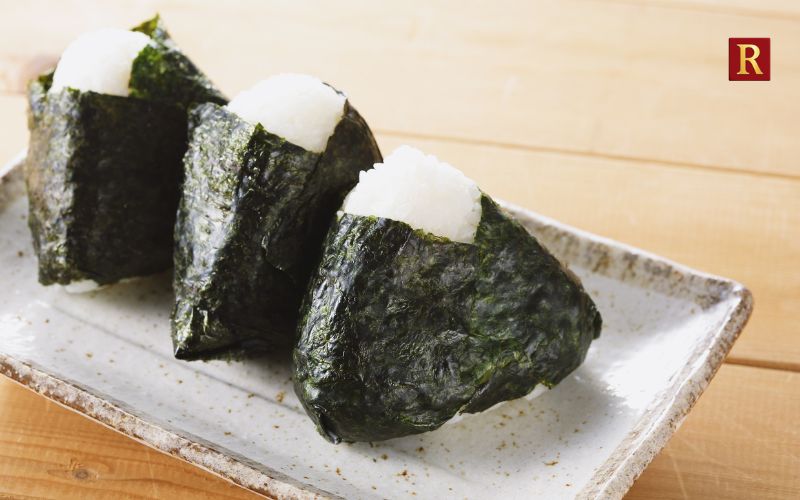
Nori is the world's best-known edible seaweed. It belongs to the red algae family and is commonly sold as thin roasted sheets. Its mild, slightly nutty flavour makes it incredibly versatile. Most people recognise nori as the wrapping used for sushi rolls, but it is also sprinkled over rice bowls, ramen, popcorn, and salads. Nori is naturally rich in protein, iodine, vitamin B12-like compounds, and antioxidants. Compared with many other vegetables, it also contains a surprisingly high amount of essential amino acids. Because of its crisp texture and pleasant taste, nori is often the first seaweed beginners enjoy.
2. Wakame
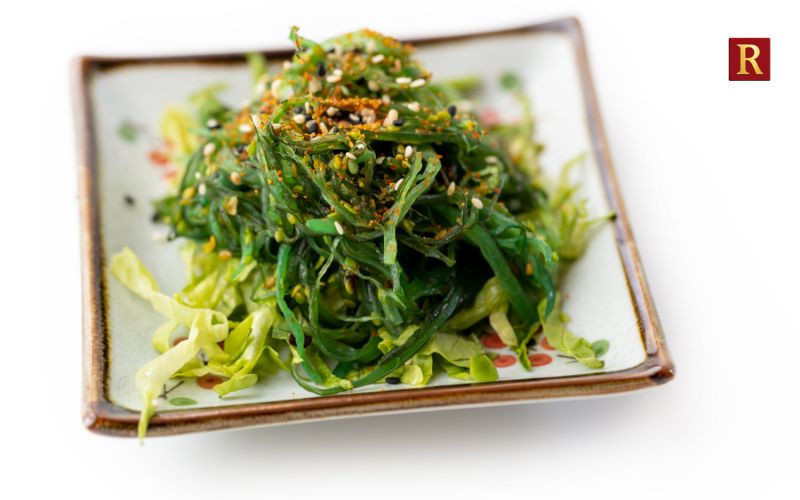
Wakame is a brown seaweed famous for its silky texture and mild sweetness. It is one of the main ingredients in traditional miso soup and Japanese seaweed salad. When dried wakame is soaked in water, it expands to nearly ten times its original size, making a small package last for many meals. Wakame contains iodine, calcium, magnesium, and fucoxanthin, a natural pigment found in brown seaweeds. Its soft texture blends well with soups, noodle dishes, tofu, and seafood recipes. Because it absorbs flavours easily, chefs frequently use wakame in light broths and refreshing salads.
3. Kombu
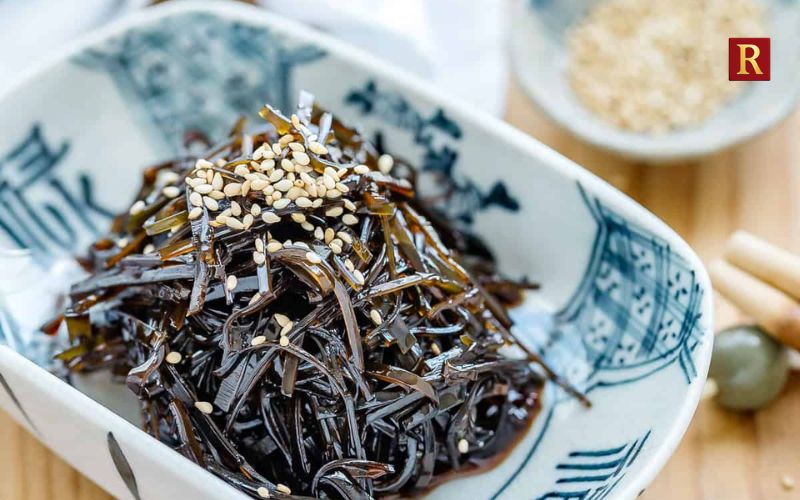
Kombu is a type of kelp that forms the backbone of Japanese cooking. Large, thick strips of kombu are simmered gently to prepare dashi, the famous stock used in soups, sauces, and noodle dishes. Kombu contains exceptionally high levels of natural glutamates, which create a deep savoury taste without adding meat. Unlike nori or wakame, kombu is rarely eaten directly. Instead, it is removed after flavouring the broth or sliced into cooked dishes. It is also an excellent source of iodine, calcium, and potassium. Home cooks often use kombu when preparing beans because it may help soften them during cooking.
4. Dulse
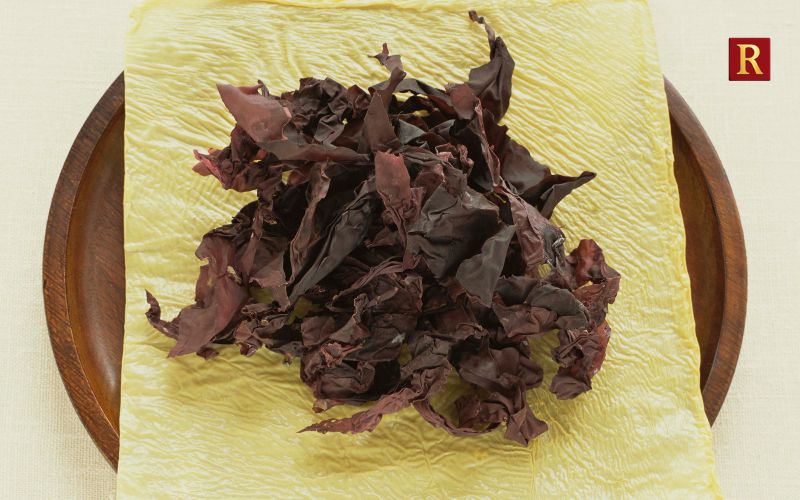
Dulse is a red seaweed harvested mainly from the cold waters of the North Atlantic. Its deep red leaves become slightly crispy when roasted and develop a smoky, savoury flavour that many people compare to bacon. This unique taste has made dulse increasingly popular among vegetarians and vegans looking for natural smoky flavours. Dulse is packed with iron, potassium, magnesium, and dietary fibre. It can be eaten as a snack, blended into seasoning mixes, or added to soups, pasta, scrambled eggs, and roasted vegetables. Its bold flavour means a little goes a long way.
5. Sea Lettuce
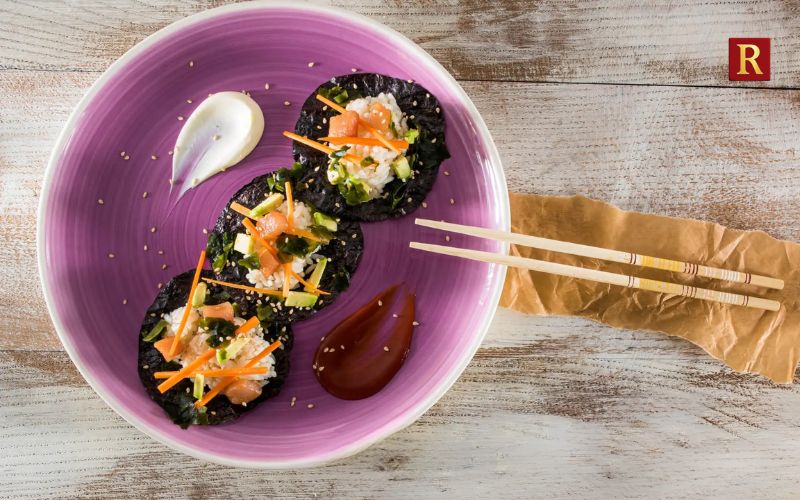
Sea lettuce is one of the easiest seaweeds to recognise because it looks very similar to leafy lettuce. This bright green seaweed has a delicate texture and a fresh, slightly grassy flavour. It is commonly used in salads, smoothies, sandwiches, and seafood dishes. Sea lettuce is naturally rich in chlorophyll, vitamin C, iron, and fibre. Unlike thicker seaweeds, it requires very little preparation. Fresh sea lettuce can be rinsed and eaten almost immediately, making it an excellent choice for people trying seaweed for the first time. Its vibrant colour also adds visual appeal to many dishes.
6. Hijiki
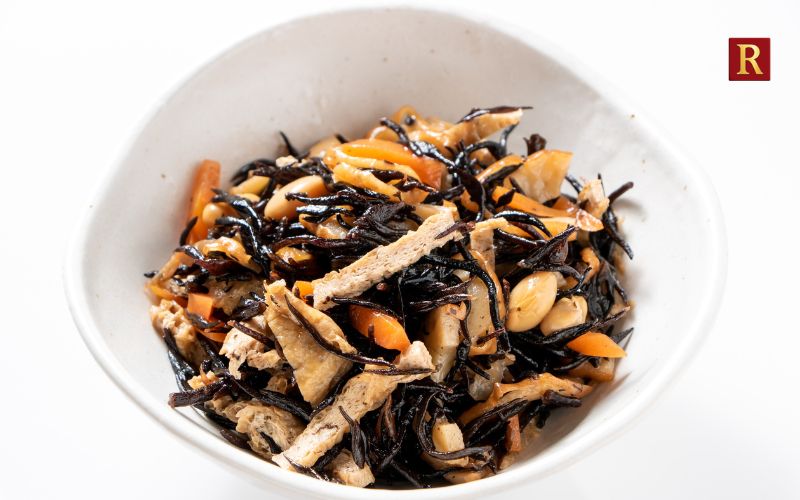
Hijiki is another brown seaweed traditionally enjoyed in Japanese cuisine. After drying, it turns dark brown or black and develops a firm, slightly chewy texture once rehydrated. Hijiki is commonly stir-fried with vegetables, soy sauce, sesame oil, tofu, and carrots. It has an earthy flavour that pairs well with rice dishes. This seaweed contains fibre, calcium, and several trace minerals. However, hijiki naturally contains higher levels of inorganic arsenic than most other edible seaweeds. For this reason, many health experts recommend enjoying it only occasionally as part of a varied diet.
Comparing the Most Popular Edible Seaweeds
Seaweed | Colour | Taste | Best Uses |
|---|---|---|---|
Nori | Dark Green | Mild and nutty | Sushi, snacks, rice bowls |
Wakame | Brown-Green | Sweet and delicate | Soups, salads |
Kombu | Dark Brown | Rich umami | Stocks, broths |
Dulse | Red | Smoky and savoury | Snacks, seasoning |
Sea Lettuce | Bright Green | Fresh and mild | Salads, smoothies |
Hijiki | Black-Brown | Earthy | Stir-fries, rice dishes |
How to Choose the Right Seaweed
Each variety serves a different purpose in the kitchen. If you enjoy making sushi at home, nori is the obvious choice. For comforting soups, kombu creates a rich broth while wakame adds a soft texture. Dulse works well as a healthy snack or seasoning, sea lettuce is ideal for fresh salads, and hijiki complements hearty vegetable dishes. Most dried seaweeds should be stored in airtight containers away from moisture. When kept properly, many varieties remain fresh for up to one year.
Why Seaweed Is Becoming a Global Food Trend
Seaweed is not only nutritious but also one of the most sustainable foods available.
Unlike traditional agriculture, seaweed farming requires no freshwater, no fertilisers, and no farmland. It grows by absorbing nutrients directly from seawater while also helping capture carbon and improve marine ecosystems.
Food manufacturers are now using seaweed in everything from vegan seafood alternatives and noodles to chips, protein snacks, and functional beverages.
Consumers are also becoming more interested in natural ingredients that deliver both flavour and nutrition. Seaweed fits perfectly into this growing movement.
Happy Exploring!
Edible seaweed offers much more than an interesting flavour. It combines centuries of culinary tradition with impressive nutritional value and environmental sustainability. While hundreds of edible species exist, nori, wakame, kombu, dulse, sea lettuce, and hijiki remain the six varieties most commonly used around the world. Whether you are preparing homemade sushi, enriching a soup with natural umami, or simply looking for healthier snacks, there is a seaweed suited to every kitchen. Start with small amounts, explore different textures and flavours, and choose high-quality products from trusted sources. With the right variety, seaweed can become a simple yet powerful addition to a balanced diet.
Saptopriya Ghosal
Feature Writer
I am a dedicated media professional with a bachelor's degree in mass communication from the State University of Calcutta and a postgraduate degree from Amity University. My academic journey has equipped me with a profound understanding of storytelling and communication. Passionate about the dynamic world of media, I continually strive to explore new ways to engage and inform through compelling narratives.



































































































































































