6 Indian Dining Destinations Shaping Northern England’s Food Scene
From Mumbai Street food and Nepalese momo to Indian Pakistani dining and modern regional cooking, a new generation of restaurants is bringing more depth and variety to the region’s Indian food story.

Northern England’s Indian food scene is no longer defined only by the traditional curry house. From Mumbai Street food and Nepalese momo to Indian Pakistani dining and modern regional cooking, a new generation of restaurants is bringing more depth and variety to the region’s Indian food story. Here are some of the places worth knowing.
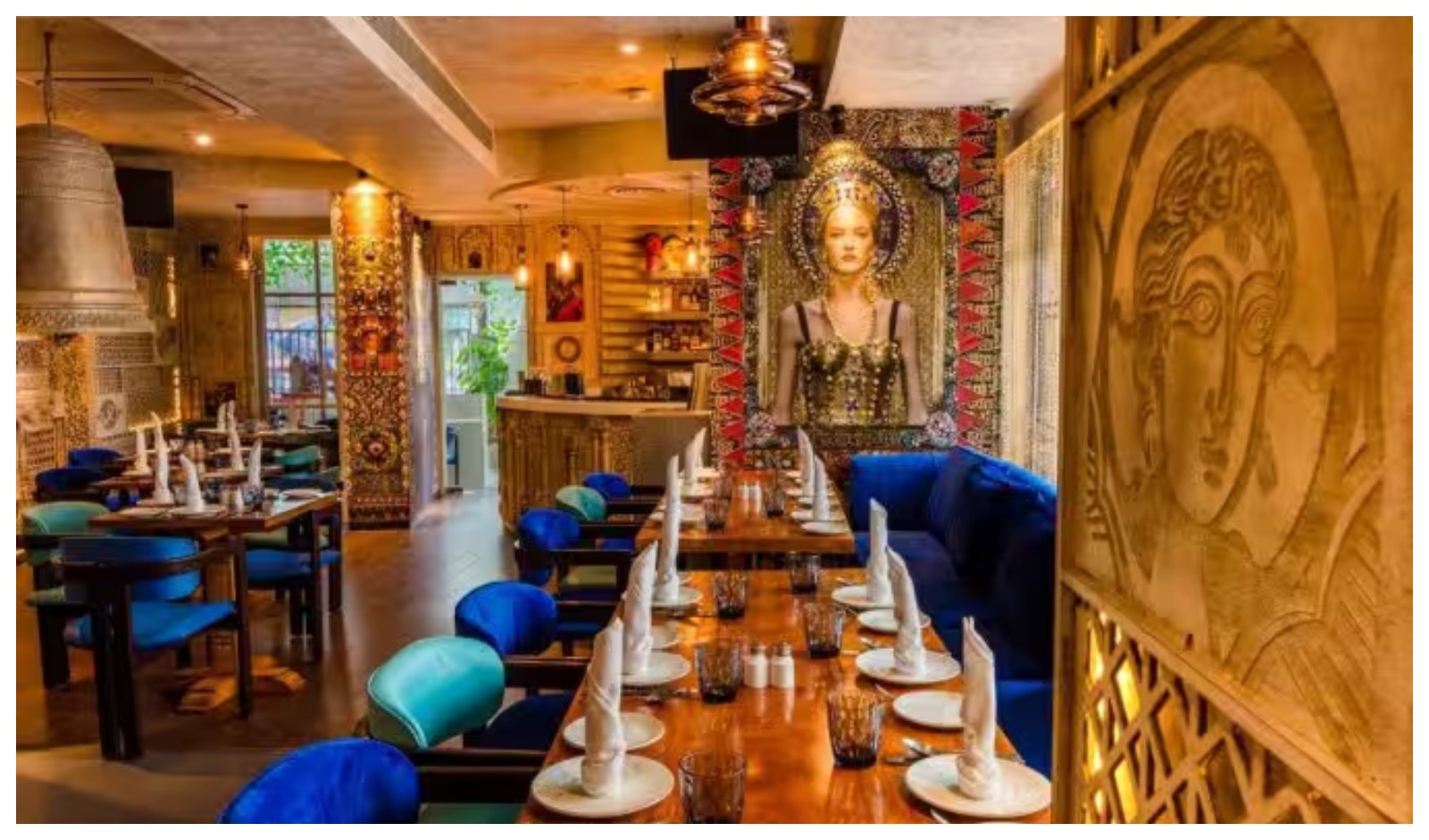
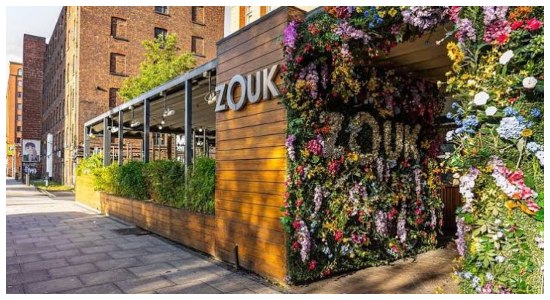
Zouk Tea Bar & Grill - Manchester
Founded by Tayub and Mudassar Amjad, Zouk began in Bradford in 2006 before opening its Manchester restaurant in 2010. Today, the venue has grown into a sizeable Indian Pakistani dining destination, combining food, cocktails, events and a lively social atmosphere. Its broad menu and energetic setting have helped Zouk build a strong presence in Manchester’s dining scene.
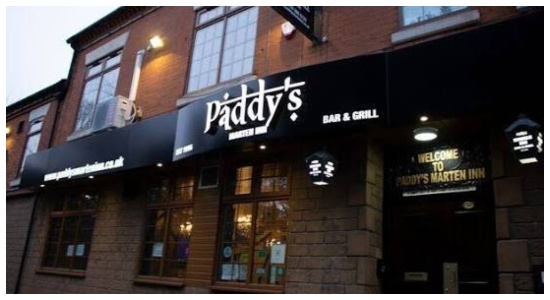
Paddy’s Marten Inn - Leicester
Established in 1996 by Pradip and Amita Mashru, Paddy’s Marten Inn has become one of Leicester’s longest-running Indian restaurants. Now led by the next generation — Raj, Niraj, Harsh and Meghal Mashru — the pub-restaurant employs around 30 people, including seven chefs from across India. What started as an English pub gradually evolved into an Indian dining destination, moving from just four or five Indian dishes to a menu of more than 150. Its casual pub setting, Indian food and Bollywood-inspired interiors attract a mix of Indian and British families, friends and work groups.
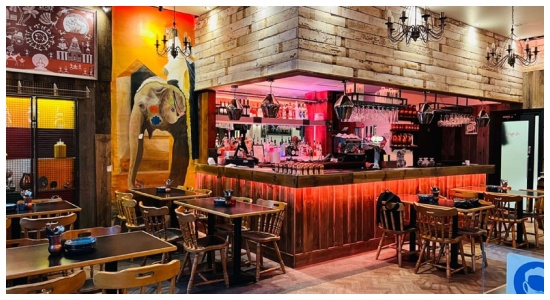
Hungamaa - Manchester
Founded by Amey Karkhanis and Vipul Patel, Hungamaa brings the energy of Indian street food into a modern sit-down setting. Led by Head Chef Vijay Pal Singh and Sous Chef Vikram Singh Negi, the menu focuses on street food, chaat, tandoor dishes and Indo-Chinese plates designed for sharing. With restaurants in Chorlton and Stockton Heath, Hungamaa has also built a centralised kitchen and staffing model to maintain consistency as it expands. The idea is simple: take the flavours and immediacy of India's streets and make them work for a contemporary Manchester audience.
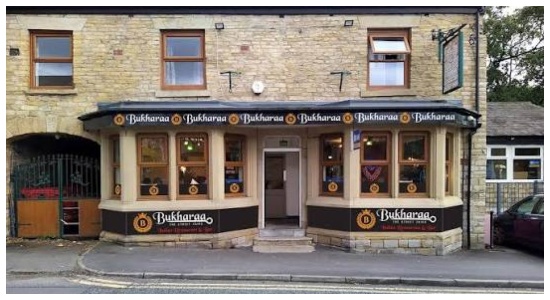
Bukhara Street Zaika
Bukhara Street Zaika adds another layer to Northern England’s growing Indian dining landscape, bringing the flavours of India into a casual, accessible format. Its focus on familiar street-style flavours and regional influences reflects the wider shift towards Indian restaurants that offer more than the conventional curry-house experience.
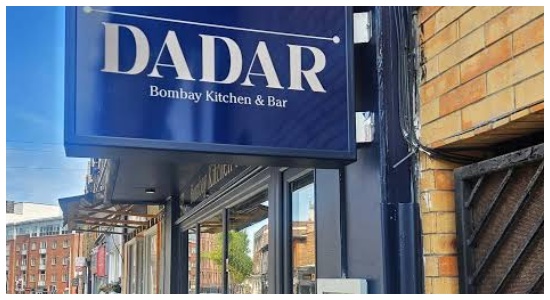
DADAR Bombay Kitchen & Bar - Altrincham
DADAR Bombay Kitchen & Bar — Altrincham is Co-founded by Roshan Mathew, with Iftikhar Hussain as Head Chef. Opened in June 2025 with a clear focus on Mumbai’s food culture, it’s named after one of Bombay’s best-known neighbourhoods, the restaurant brings together street food, coastal dishes and Maharashtrian home-style cooking. Vada Pav, Misal Pav, Prawns Koliwada, Seabass Rawa Fry, Gomantak Prawn Curry and Kala Lamb Curry sit alongside cocktails and small plates. From the food and interiors to the music and vintage imagery, the restaurant keeps Bombay at the centre of the experience.
Taste of Himalayan - Rowley Regis
Taste of Himalayan is a small Nepalese and Indian restaurant built around food, family and craft. Bhandari, who began working in kitchens as a teenager and later spent seven years at Asha’s in Birmingham, personally develops the recipes, masalas and training.
The 40-seat restaurant specialises in handmade momo, tandoor dishes and individually prepared curries. Its customer base ranges from local families and students to the Nepalese and Gurkha community, with diners also travelling from across the West Midlands. The business has expanded beyond the restaurant through Momo Station, supplying fresh and frozen momo to other businesses.
Alongside its restaurant, Taste of Himalayan has developed Momo Station, a wholesale operation producing fresh and frozen Nepalese momo for businesses across Birmingham. The two businesses have grown from a three-person operation into a team of more than 15, showing how regional Indian and Himalayan food can create opportunities beyond the traditional restaurant model.
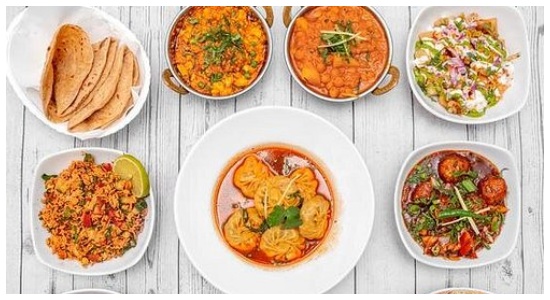
The story of Indian food in Northern England is getting bigger than curry and naan. These restaurants are putting regional flavours, family recipes and street-food traditions in the spotlight and in the process, giving the region a distinctly broader Indian food identity.
Vijetha Iyer
Content Editor
Working as a Content Editor with Restaurant India. I have worked in various sectors like food and beverage sector, chemicals, pharma, nutraceuticals, now specially focusing on restaurant side. But my core knowledge was always on content. Be it writing poems to verses, I always loved writing and have been exploring my career on the same. In Restaurant India, I deliver insightful stories, take interviews of various brands and update the audiences about the newest happenings in the restaurant industry.