
5 Ways to Keep Tomatoes Fresh and Storage Tips
Tomatoes add a burst of color and freshness to any meal, but honestly, they’re some of the most delicate fruits you can bring home. Their taste changes according to the weather, ripeness, and even how you handle them. One minute they’re firm and juicy, and the next, they’re mushy and flavorless.

Tomatoes add a burst of color and freshness to any meal, but honestly, they’re some of the most delicate fruits you can bring home. Their taste changes according to the weather, ripeness, and even how you handle them. One minute they’re firm and juicy, and the next, they’re mushy and flavorless. The funny thing is, most of the common tomato troubles start with simple mistakes like popping them in the fridge before they’re ready or washing them too soon. By learning how tomatoes respond to warmth, light, and moisture, you can keep them in good condition for far longer. It’s not rocket science. You just need to know mainly which tomatoes belong on the counter, which will stay better in the fridge, and how to handle them after cutting or harvesting. With these small adjustments, you can reduce waste, maintain better flavour, and enjoy tomatoes that hold their character well beyond the day you buy or pick them.
Read more: 10 Veg Chicken Substitutes for High-Protein, Balanced Meals
Understanding Tomato Ripeness
Step 1: Check firmness
Give the tomato a gentle squeeze. If it’s hard, it’s probably not ready. A little bit less firmness means it’s ripe. If it feels really soft, it’s overripe.
Step 2: Observe the colour
Next, check the color. Underripe tomatoes look pale and a little patchy. Ripe ones show off a deep, even color, while overripe tomatoes might look drab or have wrinkly spots near the skin.
Step 3: Smell the stem scar
Take a sniff at the stem end. Ripe tomatoes have a fresh, strong aroma. If you barely smell anything, it’s not there yet.
Step 4: Look for signs of overripeness
Look for signs like little splits, juice seeping out, or sagging skin. If you spot these, use the tomato soon.
Step 5: Match ripeness with the right storage
Keep underripe tomatoes at room temperature. If it is underripe, then leave it out on the counter. For ripe tomatoes, find a cool spot with some airflow. Overripe? Eat it soon, or store it in the fridge to stretch its life a bit.
Know more: 10 Most Popular Coffee Blends in India
Why Tomatoes Lose Freshness
Tomatoes change quickly because of factors like heat, moisture, and handling pressure. They release ethylene gas, which also speeds up ripening. Heat just kicks things into high gear. Dry air sucks the moisture right out and shrivels the skin. Toss them around too much, and you’ll bruise them. Even if you can’t see it, the inside of the fruit is already breaking down. Cold air slows things down, but it can mess with the texture if you use it too soon. The trick is balancing the tomato’s ripeness with the right kind of storage, so you hold on to both the flavor structure that remains intact.
5 Different Ways to Keep Tomatoes Fresh
1. At Room Temperature
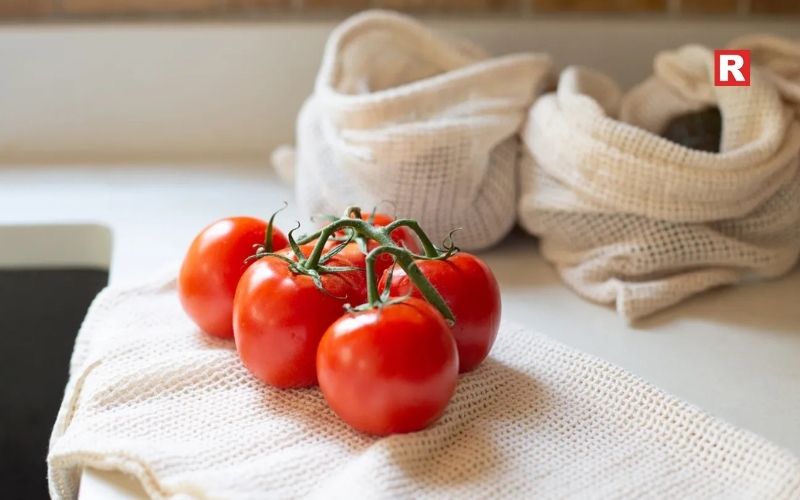
If your tomatoes need to ripen a bit more, keep them at room temperature. Find a dry spot away from direct sun or any heat. Lay them out in a single layer, so they don’t stack up and bruise each other. Give them a little space, as airflow helps. Put them stem-side down on a clean cloth or tray. This seals the scar and stops it from drying out. Don’t wash them until you’re about to use them. Water just invites mould. Check on them every day. If one starts to ripen faster than the others, move it to a cooler place. With this routine, ripe tomatoes usually stay good for two or three days. The firmer ones can last even longer.
2. In the Fridge
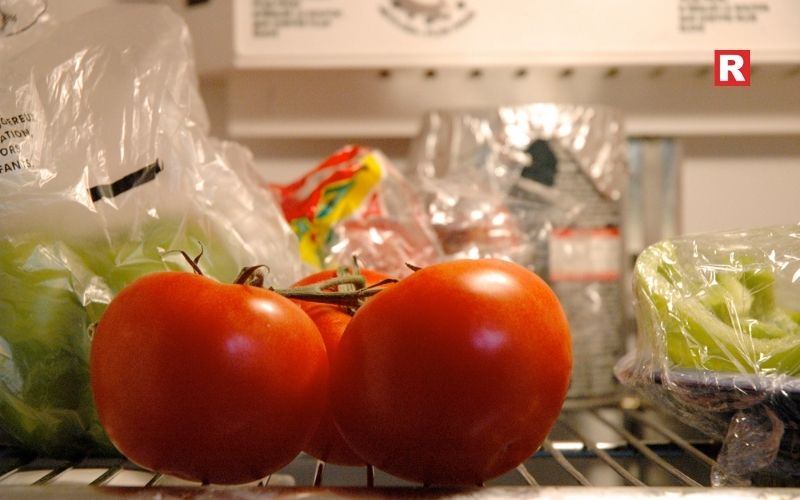
Put tomatoes in the fridge only when they’re fully ripe. Cold air slows down the enzymes that give them their flavor, so let them finish ripening on the counter first. When they taste just right, the fridge will help them keep that freshness for a few extra days. Store them in something that lets air through, or just toss them in the crisper drawer. Don’t use the sealed plastic bags as they trap moisture and speed up spoilage. When you want to eat, let the cold tomatoes sit out for a bit. This small step restores some of the aroma and juiciness that cold air tends to mute.
3. After Cutting
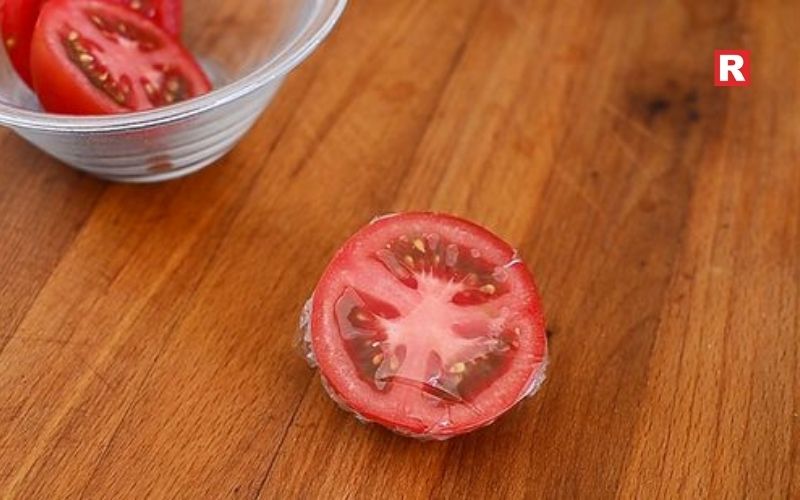
Once you cut a tomato, it starts to lose its moisture fast. To slow this down, cover the cut side tightly with wax paper or stick them cut-side down in an airtight container. Keep them in the fridge, and use them within a day or two for the best taste. If you’ve got diced tomatoes, pour off any extra juice before refrigerating. That keeps the pieces from getting soggy. Don’t leave cut tomatoes uncovered in the fridge. The cold air of the fridge will dry them out and dull their flavor.
What's new: 7 Tequilas That Deserve a Spot on Your Bar Shelf
4. After Picking Fresh from the Stem
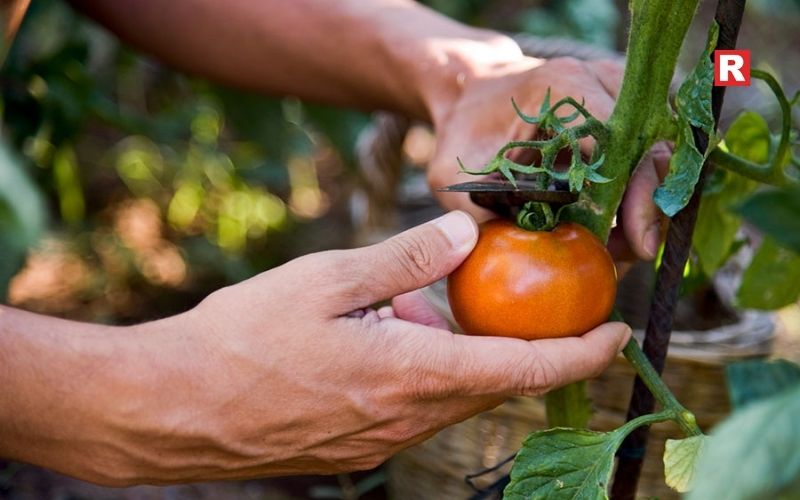
Fresh tomatoes taste best when you treat them gently right after picking. Just brush off any dirt. Don’t wash them until you’re ready to use them. If they’re still warm from the sun, let them rest inside, somewhere cool and out of direct light. Lay them out in a single layer, with the stems down. If some of them aren’t fully ripe yet, or if they’re just starting to turn color, leave them at room temperature so they can finish ripening. If you are harvesting in a hot climate, then don’t leave them for a long time in the heat, as it makes them go soft in no time. Indoors, out of the sun, they hold their shape and taste better. Once they’re as ripe as you like, pop them in the fridge to stretch their life for a few more days.
5. How to Store Whole Tomatoes for a Long Time
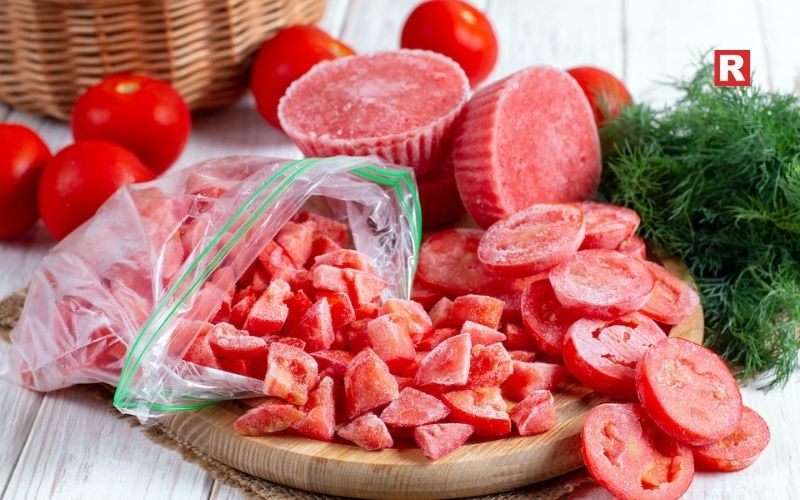
If you want to keep your tomatoes fresh for even longer, consider methods that change the tomato’s form while protecting its flavour. Freezing is the easiest way. Rinse, dry, and freeze them whole on a tray. When they’re solid, toss them in a freezer bag. Later, the skins will slip right off after thawing. Sure, frozen tomatoes aren’t great for salads, but they’re perfect for sauces or soups. You can also roast tomatoes before freezing. Roasting brings out their sweetness and gets rid of some water. Let them cool, pack them up, and freeze. Or, blend ripe tomatoes with a bit of salt, pour into freezer-safe jars, and freeze. If you want them to last even longer, try home canning. Just make sure you’ve got the right gear and follow safe steps. These tricks let you enjoy tomatoes long after their season ends.
Check out: 15 No-Oil Recipes That Taste Amazing
Top 10 Japanese-Inspired Matcha Desserts to Try
Mistakes to Avoid
- Washing tomatoes before storage increases surface moisture and encourages mould.
- Crowding tomatoes in a deep bowl leads to bruising, especially in the lower layers.
- Chilling underripe tomatoes weakens their texture and dulls their flavour.
- Wrapping tomatoes in plastic traps moisture against the skin and speeds spoilage.
- Storing tomatoes near ethylene-sensitive produce, such as cucumbers, affects the quality of both.
- Keeping tomatoes in direct sunlight causes rapid overripening and softening.
How Airflow Supports Freshness
Tomatoes stay better when they can breathe. When trapped in stagnant air, moisture builds up, and that’s how you end up with mushy spots and mould. Just spread them out in an open tray or a roomy basket. That’s usually enough to keep them at a steady temperature and stops them from getting squishy. Skip the deep bowls or stacked storage; the ones at the bottom always take the hit and get bruised. If your tomatoes come wrapped up tight from the store, tear that open as soon as you get home. Let that humidity out. Letting air flow around the tomatoes won’t stop them from ripening, but it makes a big difference. Their skin stays dry, and they stay firm way longer.
Quick Tips for Everyday Use
- Spread ripe tomatoes in a shallow tray and check on them daily.
- Sort them by how ripe they are, so you can use the softest ones first.
- If you want to ripen some up faster, then put them near apples or bananas.
- Take tomatoes out of those sealed grocery bags as soon as you get home.
- If you find a really soft tomato, cook with it right away.
- If your fridge is extra cold, then store ripe tomatoes in the crisper drawer.
Learn more: Top Korean Noodles Brands You Can Find in India
Freshness Through Care
The trick to keeping tomatoes fresh is simple: match how ripe they are to where you keep them, and don’t handle them too roughly. Once you get a feel for how warmth, air, and moisture change their texture, you’ll know whether to leave them on the counter, stash them in the fridge, or set them aside for longer storage. These little habits lock in flavor and help you waste less. Pay a bit of attention every day, and you’ll always have tomatoes that taste great and are ready to use whenever you need them.
Mahak Sharma
Content Writer
Mahak Sharma is a passionate content writer with 2 years of experience crafting compelling content across various niches, tailoring her writing to suit different audiences and platforms. She is dedicated to producing engaging content for readers so that they can understand and enjoy the articles. Her strengths lie in crafting SEO-friendly, well-structured articles that drive visibility and engagement.



































































































































































