
5 Tasty Indian Breakfast Options with 200 Calories
Having a filling, tasty, and authentically Indian breakfast that is just about 200 calories is definitely achievable. We have evaluated five regional Indian breakfast superstars in this detailed article. With their high protein and fiber content, they are not only good for weight reduction but also for keeping you full and energized until lunch.

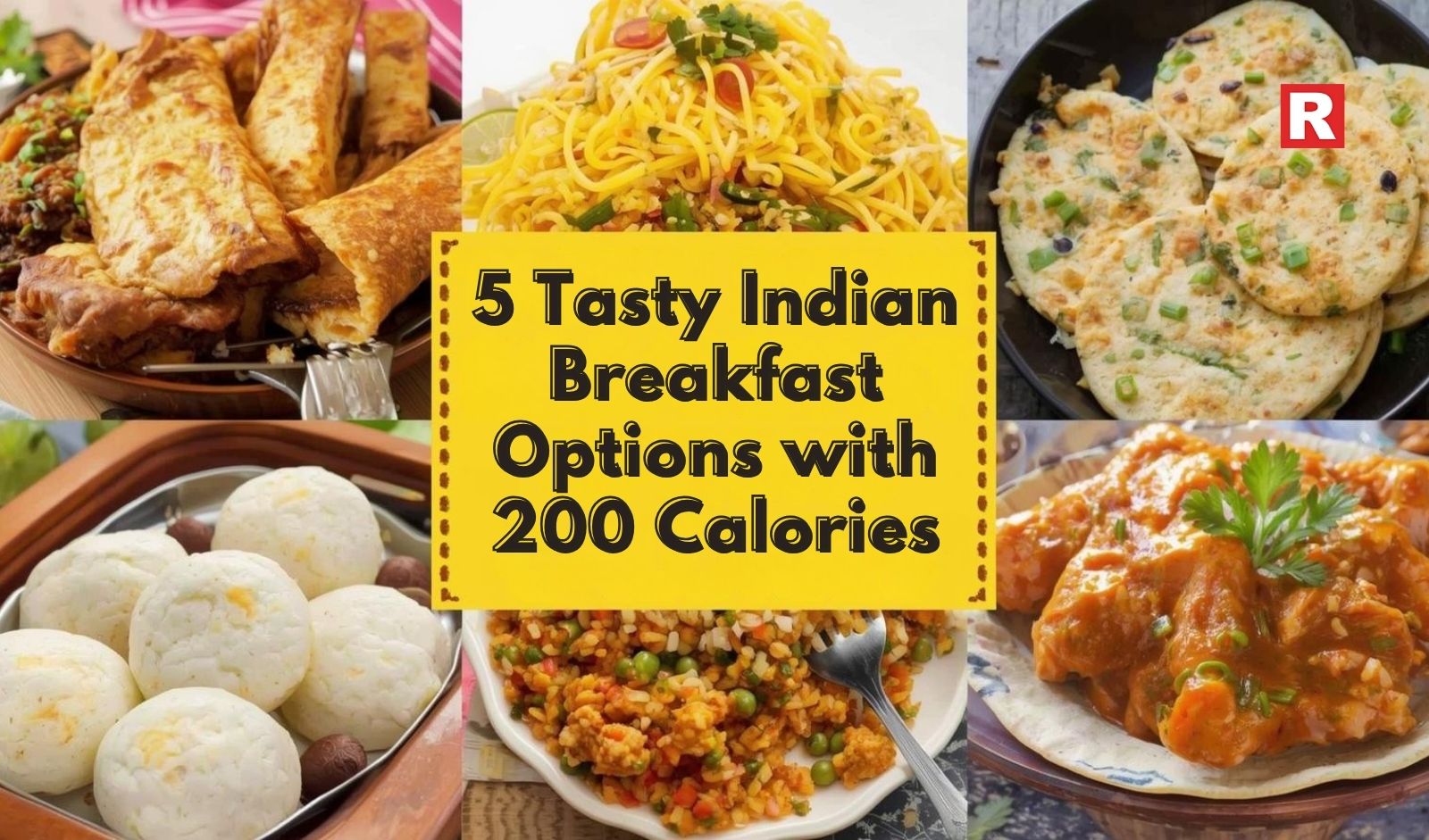
There is nothing more tempting than the scent of an authentic Indian breakfast. Deep-fried puris, oil-soaked parathas, and crispy vadas are some of the most popular options, but they are high in calories, so they are not the best for anybody trying to control their weight or maintain good health. This leads to a dilemma: how can you maintain your health goals while also enjoying the deep, genuine tastes of Indian food?
The solution is in portion management, using steaming and mild sautéing instead of deep-frying, and choosing the breakfast options wisely. Having a filling, tasty, and authentically Indian breakfast that is just about 200 calories is definitely achievable. We have evaluated five regional Indian breakfast superstars in this detailed article. With their high protein and fiber content, they are not only good for weight reduction but also for keeping you full and energized until lunch. This is the ideal destination to find quick Indian weight loss recipes, a low-calorie Indian meal plan, or a nutritious Indian breakfast. Below are some recipes that demonstrate how tasty healthy eating can be!
Read more: Best Avocado Breakfast Recipes to Power Your Day
1. Savory Moong Dal Cheela (The Protein Powerhouse)
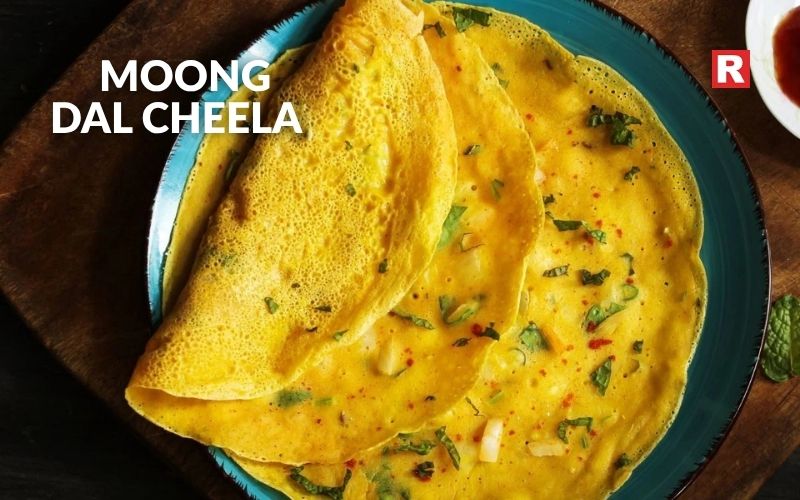
A lentil-based batter is used to make the Moong Dal Cheela (also known as Chilla), which is basically a savory pancake or crepe. Because it is naturally gluten-free and among the highest-protein vegetarian breakfast alternatives available, it is a very popular choice in both North and West India.
- Regional Origin: North and West India; frequently linked to street food in Punjab, Rajasthan, and Delhi.
- The Calorie Breakdown:
- Serving Size: Two thin Cheelas, each around 5 inches in diameter.
- Ingredients: 1 tsp oil for heating the moong dal (split yellow lentils) and around 50g of uncooked batter.
- Approximate Calorie Count: 185-200 Calories.
- Why It's Healthy/Low-Calorie: A great source of plant-based protein that is essential for maintaining muscle mass and satisfying hunger is moong dal. The Cheela avoids the huge fat bomb of most fried snacks since it is cooked on a non-stick pan with very little oil (or even without oil by using cooking spray). Your energy level stays steady since the fiber in the lentils slows down the absorption of sugar.
- Preparation Tip (Quick/Easy): Make the batter in advance! After soaking the moong dal for the entire night and grinding it into a paste, keep the batter in the refrigerator for up to three days. It only takes five minutes to cook and season in the morning.
- Serving Suggestion: Garnish with a dollop (1 tablespoon) of fresh coriander-mint chutney and a small dish of raw, sliced tomatoes and onions.
Know more: Oats vs. Muesli: Which Breakfast Option Is Better For Weight Loss?
2. Steamed Vegetable Rava Idli (The Oil-Free South Indian Treat)
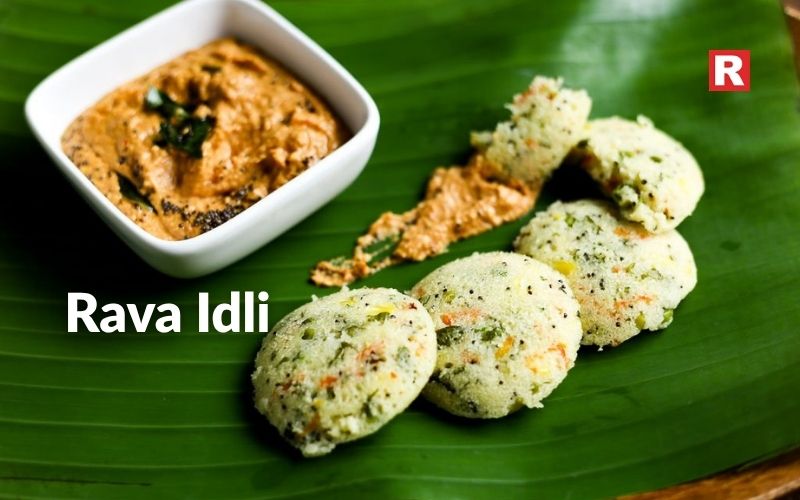
The ultimate example of nutritious Indian cuisine is idlis. Using a fermented batter of rice and lentils (or, in this lighter form, semolina), these fluffy, soft "cakes" are steamed. They have no additional cooking fat because they are steamed.
Rava (semolina) is used to make this simple version, which is occasionally combined with shredded veggies and a little yogurt to aid with fermentation and taste.
- Regional Origin: South India (Tamil Nadu, Karnataka).
- The Calorie Breakdown:
- Serving Size: Two medium Rava Idlis, each measuring 2.5 inches in diameter.
- Ingredients: mixed veggies (peas, carrots), mustard seeds, yogurt, and Rava.
- Approximate Calorie Count: 160-180 Calories.
- Why It's Healthy/Low-Calorie: Oil is completely unnecessary thanks to the steaming procedure. Compared to the rice-based variant, the carbohydrate load is decreased when rava (semolina) is used in place of the typical rice batter. For a little increase in calories, adding veggies increases the fiber and vitamin content.
- Preparation Tip (Quick/Easy): Use the store-bought instant rava idli mix for a quick and simple preparation tip. Simply combine with water and yogurt, let sit for 15 minutes, and then steam. This is among the quickest and most authentic Indian breakfasts you can prepare.
- Serving Suggestion: Serve with sambhar, a lentil-vegetable stew, in a small dish (1/4 cup). Steer clear of the high-fat, creamy coconut chutney and substitute it with a thin, watery tomato chutney.
What's new: 7 Light Breakfast Ideas to Enjoy in Summer
3. Quick Vegetable Upma (The Fiber-Rich Comfort Food)
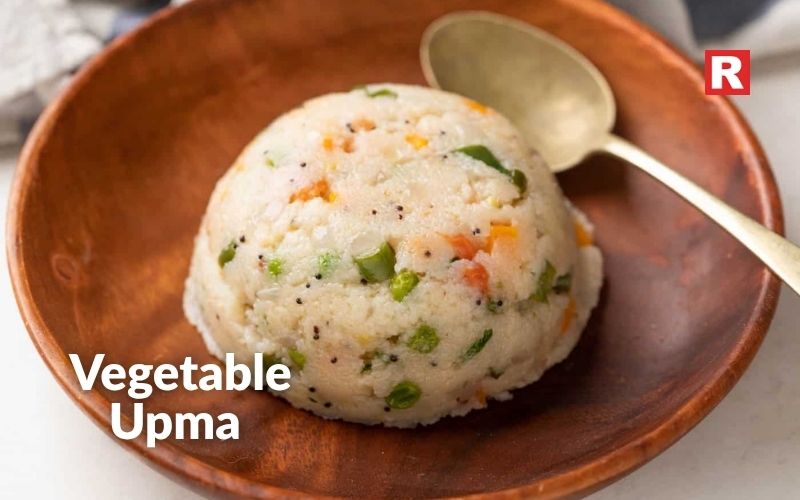
Roasted dried semolina (rava) is used to make upma, a thick, nutritious porridge. Making it at home lets you manage the fat content, making it a light and filling lunch, unlike many street sellers who stuff it full of oil. Its capacity to absorb water results in a substantial, satisfying volume for a very small number of calories, making it an effective low-calorie choice.
- Regional Origin: South and West India.
- The Calorie Breakdown:
- Serving Size: One full bowl (about one cup cooked) is the serving size.
- Ingredients: substantial quantities of veggies, 1 tsp oil for tempering, and around 40g of dried rava.
- Approximate Calorie Count: 190-210 Calories.
- Why It's Healthy/Low-Calorie: The veggies are the main feature. Carrots, peas, beans, and coriander are used to bulk up the Upma, which increases its volume and fiber content and speeds up feelings of fullness. The fat content is kept low by using only a little amount of oil to temper the curry leaves and mustard seeds initially. The amount of fiber is further increased by using whole wheat rava, if it is available.
- Preparation Tip (Quick/Easy): Always roast your rava until it's dry before storing it. This process, which can be completed in bulk, enhances texture and cuts down on cooking time, so you may have upma ready in less than ten minutes in the morning.
- Serving Suggestion: To provide Vitamin C without adding calories, pour some fresh lemon juice on it.
4. Lightly Spiced Poha (The Quickest High-Fiber Fix)
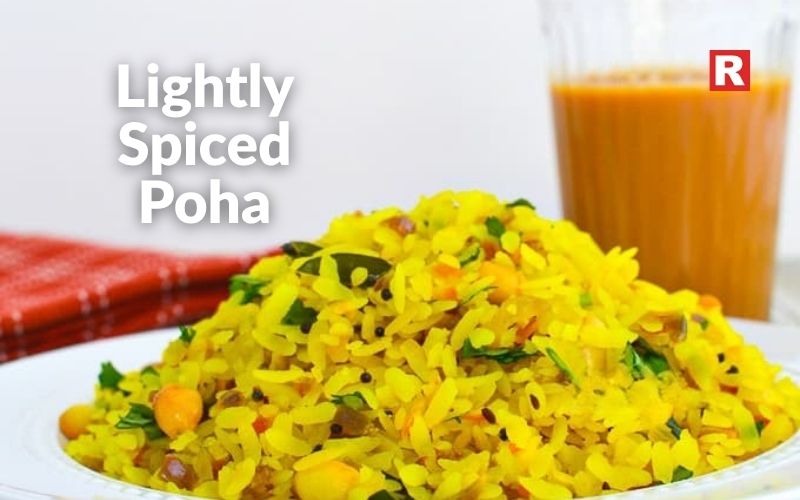
In Western and Central India, especially in Maharashtra and Madhya Pradesh, poha, or flattened rice, is a staple food. Since it simply needs to be soaked and seasoned, it cooks remarkably quickly since it is prepared by par-boiling and then flattening rice grains. It's a great low-calorie, high-carb (but healthy carb) dish when made properly.
- Regional Origin: West and Central India (Kanda Poha in Maharashtra, Indori Poha in MP).
- The Calorie Breakdown:
- Serving Size: 1 cup cooked Poha.
- Ingredients: 1 tsp oil, around 40g of dry poha, and a handful of peanuts or mixed nuts (optional; count calories).
- Approximate Calorie Count: 170-190 Calories (adjusting for peanuts, which are calorie-dense).
- Why It's Healthy/Low-Calorie: Poha is incredibly light and simple to digest. The rice's nutritional value—particularly that of iron and B vitamins—is preserved during the short cooking procedure since it has already been flattened. Importantly, it swells up and absorbs a lot of water, giving the finished dish a substantial appearance and texture. You can reduce or skip the peanut and sev (fried chickpea noodles) garnish for the version with the fewest calories.
- Preparation Tip (Quick/Easy): To keep the poha from getting sticky, rinse it only, not soak it for a lengthy time. After tempering, it cooks almost immediately, making it a 7-minute supper.
- Serving Suggestion: Add plenty of raw, finely sliced onions, a squeeze of lemon, and fresh coriander as garnish. If you want to adhere strictly to the 200-calorie restriction, omit the fried sev and peanuts.
Check out: 10 High-Protein, Low-Calorie Foods to Conquer Cravings
How Restaurants are Counting Big on Calories
5. Masala Dalia/Oats (The Long-Lasting Fuel)
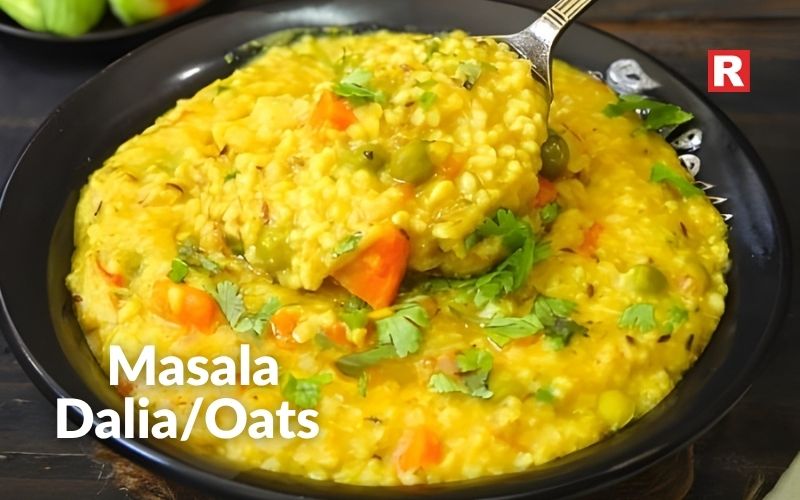
Although oats and dalia (broken wheat) are not typically Indian breakfast foods, their adaptability has made them a popular breakfast option throughout India, particularly among health-conscious consumers. When you make them into a spicy, delicious meal like Masala Dalia or Masala Oats, you get a hearty, cozy, and incredibly fulfilling meal that is difficult to put down for long-lasting energy.
- Regional Origin: Pan-India (North Indian meals sometimes include Dalia).
- The Calorie Breakdown:
- Serving Size: One full bowl (about one cup cooked) is the serving size.
- Ingredients: 1 tsp oil, around 40g of dry dalia or oats, and a variety of chopped veggies.
- Approximate Calorie Count: 180-200 Calories.
- Why It's Healthy/Low-Calorie: Oats and Dalia are great providers of both insoluble and soluble fiber. While insoluble fiber supports digestive health, soluble fiber aids in blood sugar and cholesterol regulation. Because of their slow digestion, they offer long-lasting energy and avoid the mid-morning energy slump that sugary cereals are known to cause.
- Preparation Tip (Quick/Easy): For the quickest preparation, use a microwave or an Instant Pot. Cook after combining the Dalia/oats, veggies, water, and seasonings. This allows you to leave and come back to a meal that is done.
- Serving Suggestion: For more volume and nutrition, add a handful of spinach or finely chopped cabbage. For a real taste, top with a sprinkle of Garam Masala.
Kitchen Hacks: Prep Your 200-Calorie Indian Breakfast in 5 Minutes
The biggest threat to a nutritious breakfast is time. Make sure your 200-calorie Indian breakfast is prepared more quickly than a coffee order by following these easy tips:
- Night Before Veggies: Chop a big bunch of onions, carrots, and coriander for fifteen minutes the night before. Please keep them in the refrigerator in an airtight container. As a result, Upma, Poha, and Dalia can be prepared almost instantly.
- Tempering Masala Magic: The foundation of Indian cooking, curry leaves, mustard seeds, and cumin should be ground and softly roasted in a dry pan. Keep this mixture in storage. Instead of looking for and adding each spice separately, you just need to heat a spoonful of oil and add the premade masala in the morning.
- The Idli Batter Shortcut: If you frequently make idlis or cheela, utilize the previously described technique: create a large batch of batter and chill it. Just whisk and pour into the pan or steamer in the morning.
- The pressure Cook Dalia: When cooking on a stove, Dalia takes the longest. Put the dried dalia in the refrigerator after pressure cooking it with water. Scoop up a part in the morning, combine it with the seasonings and sautéed veggies, and it will be ready in two minutes.
Read this: Power-Packed Mornings: 8 Protein-Rich Vegetarian Indian Breakfast Ideas to Supercharge Your Day
Start Smart, Stay Energetic
Indian breakfasts that are heavy in fat and calories can be replaced with lighter options without compromising on taste or authenticity. The key to this is portion management, preparation, and selection. You can respect India's rich food culture while maintaining a healthy lifestyle, as demonstrated by dishes like Masala Dalia, Vegetable Upma, Moong Dal Cheela, and Rava Idli. You can easily have a tasty and filling breakfast that doesn't exceed 200 calories by using clever adjustments, such as steaming rather than frying, lentils for protein, and fiber for volume.
Try one of these five alternatives, follow the 5-minute prep tips, and see how easy, nutritious, and colorful a genuinely low-calorie Indian breakfast can be. Start wisely and maintain your energy all day.
Disclaimer: This article is intended for general informational purposes only and should not be considered a substitute for professional medical advice, diagnosis, or treatment. Readers are advised to consult a qualified healthcare professional before making any dietary, health, or lifestyle changes.
Mahak Sharma
Content Writer
Mahak Sharma is a passionate content writer with 2 years of experience crafting compelling content across various niches, tailoring her writing to suit different audiences and platforms. She is dedicated to producing engaging content for readers so that they can understand and enjoy the articles. Her strengths lie in crafting SEO-friendly, well-structured articles that drive visibility and engagement.



































































































































































