5 superfoods that are good for liver health
Many organs in our body are essential for our overall health. One of them is the Liver. This organ, located behind our rib cage, is a tireless powerhouse that serves as the body’s main detoxifying hub, a metabolic maestro, and an essential part of our immune system.


Many organs in our body are essential for our overall health. One of them is the Liver. This organ, located behind our rib cage, is a tireless powerhouse that serves as the body’s main detoxifying hub, a metabolic maestro, and an essential part of our immune system. However, in our current world, due to modernisation, our livers are under a great deal of strain because of the quantity of processed foods, environmental pollutants, and ongoing stress. Therefore, avoiding alcohol is not the only way to get our livers’ health back. We also need to intake nutrients that are good for liver health.
The good news is that there are many food products available in nature. When it comes to liver support, the idea of consuming superfoods (nutrient-dense foods with remarkable health benefits) is the best. These superfoods are rich in antioxidants, anti-inflammatory substances, and vital minerals. This helps in the liver's complex detoxification processes, shields its cells from harm, and enhances general hepatic health. As we are becoming more and more health-conscious, adding these top superfoods to our diet will be of great benefit to improve our body’s vitality.
After shedding light on the vital roles played by your liver, this in-depth article will identify the top 5 superfoods for liver health and explain exactly how each one helps to protect and improve this vital organ.
Check out: Ghost Kitchen: What is it?
Understanding Your Liver's Crucial Role
Hundreds of tasks that are vital to life and general health are handled by the liver, which is always operating in the background in silence. Its many varied duties are:
- Metabolism: The Liver serves as our primary metabolic center. So, almost everything we eat and drink is processed by it. The extra energy is stored as glycogen, and it transforms food components into forms the body can use, such as glucose for energy. Additionally, it breaks down proteins and fats to ensure that nutrients are used properly.
- Detoxification: The Liver is best known for its detoxification process. Toxins like narcotics, alcohol, metabolic waste products, and environmental contaminants are all neutralized and eliminated from the bloodstream by the liver, which functions as a highly advanced filter. It changes the toxic compounds into harmless ones that the body can eliminate through urine or bile.
- Bile Production: Bile is created by the liver, and it is a digestive fluid that is necessary for the breakdown of fats in the small intestine, the absorption of fat-soluble vitamins (A, D, E, and K), and the removal of waste.
- Storage: The liver also acts as a crucial storage space for critical minerals (copper, iron), vitamins (A, D, and B12), and glycogen, releasing them into the bloodstream when required.
- Protein Synthesis: The liver’s role in overall health is highlighted by the production of many essential proteins, such as albumin (which aids in maintaining fluid balance), blood clotting factors, and immunological proteins.
- Immune Function: Kupffer cells are specialized immune cells that create the initial line of defense in the liver. This defense line absorbs and eliminates dangerous bacteria, viruses, and other pathogens that enter the body through the digestive tract.
It's obvious that maintaining your liver through nutrition and lifestyle is not only advantageous but also crucial for preventing illness and promoting a healthy, active life, given its constant strain.
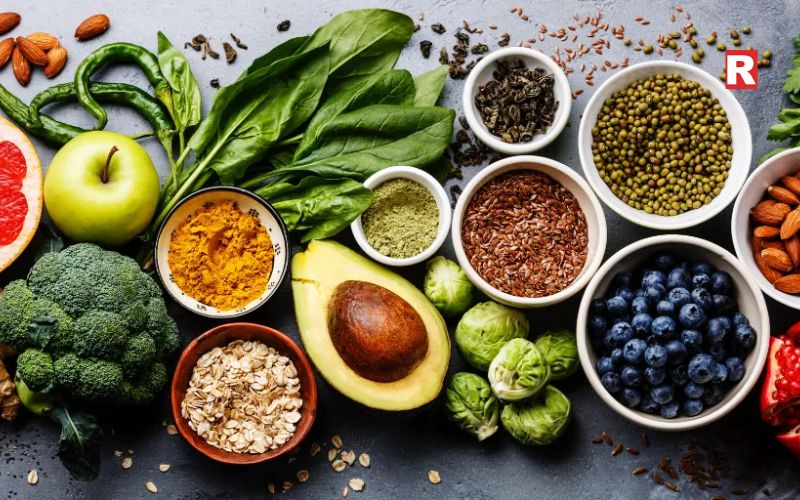
Top 5 Superfoods for Liver Health
Know this: Why Guests Choose third-party apps over direct ordering and how to win
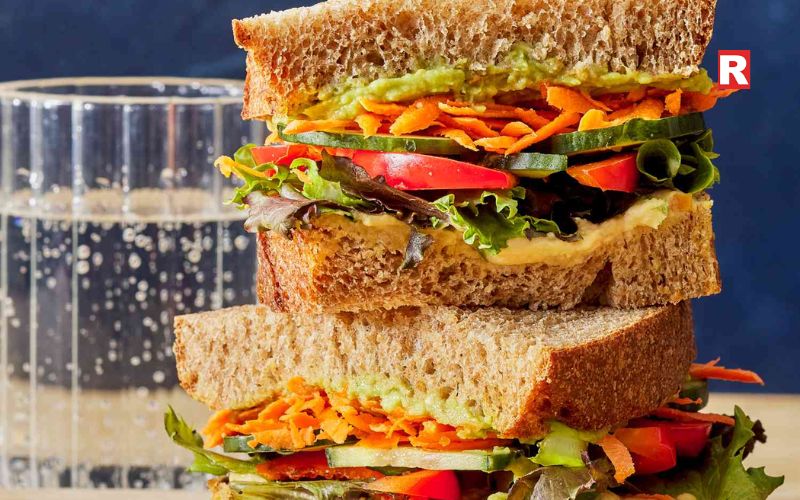
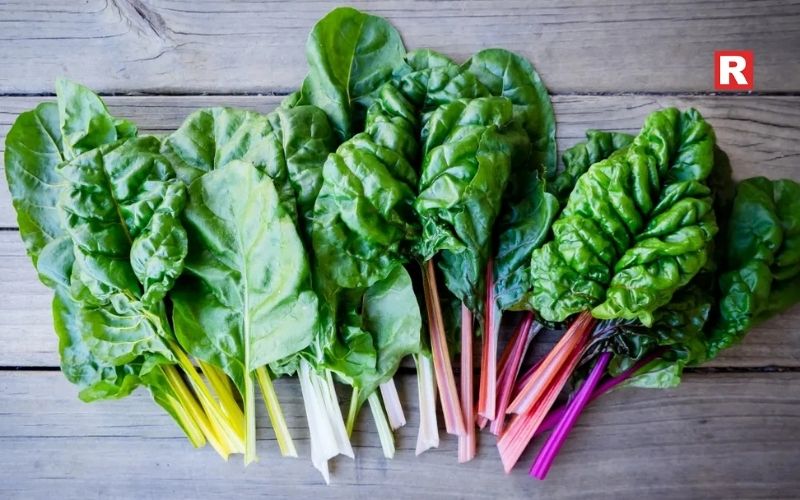
1. Green Leafy Vegetables (e.g., Spinach, Kale, Arugula, Mustard Greens)

We all know how healthy leafy vegetables are. They are surely the undisputed kings of the nutrient kingdom, and their benefits are immeasurable for the liver. Green leafy vegetables have large amounts of chlorophyll, which is the pigment that gives these leaves their color. Chlorophyll is a powerful detoxifier. They are also rich in a spectrum of vitamins (A, C, E, K, B vitamins, folate), minerals (magnesium, potassium), and potent antioxidants. They also provide nitrates, which research suggests can help prevent fat accumulation in the liver.
Liver benefits:
- Toxin Neutralization: Chlorophyll aids in the neutralization of toxins, preventing pesticides and heavy metals from overpowering the liver.
- Enhanced Detoxification: They offer substances that actively increase the liver's built-in Phase I and Phase II detoxification enzymes, facilitating the liver's more effective breakdown and removal of toxins.
- Antioxidant Protection: Their strong antioxidant content guards against oxidative stress and free radical damage to vulnerable liver cells.
- Fat Reduction: According to some research, the nitrates in leafy greens may help prevent and treat fatty liver disease by reducing the buildup of fat in the liver.
- Better Bile Flow: Some substances can increase the production of bile, which helps with digestion and toxin removal.
How to consume: Include a lot of them in your regular meals. Blend them into soups and stews, add a few to smoothies, make colorful salads, or lightly sauté them as a side dish. For optimal enzyme and antioxidant content, raw ingestion is frequently recommended.
What's new: How Sprouts Can Help You Live a Better Life
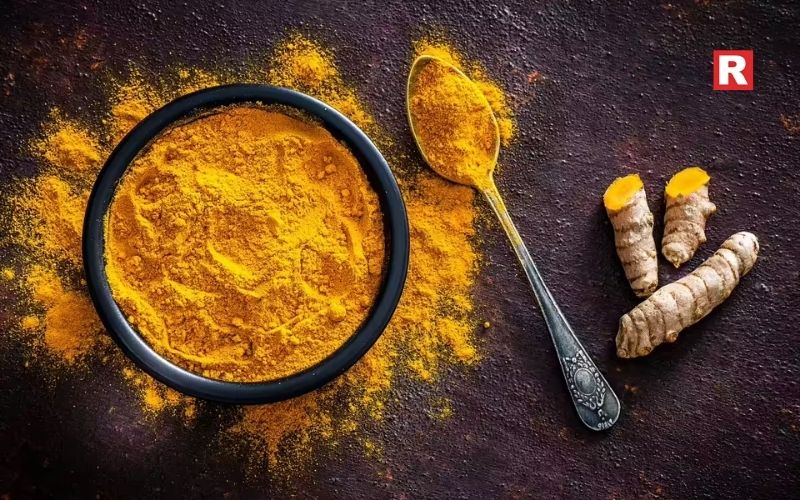
2. Turmeric

Turmeric, which is a staple in traditional medicine and cuisine, owes its incredible health benefits primarily to a compound called curcumin. Curcumin is a polyphenol renowned for its exceptional anti-inflammatory and antioxidant properties. Its bioactive substances interact with several bodily molecular targets, including those involved in liver function.
Liver benefits:
- Anti-inflammatory Power: Curcumin aids in the substantial reduction of liver inflammation, which is a major contributing factor to the development of many liver diseases, such as hepatitis and non-alcoholic fatty liver disease (NAFLD).
- Antioxidant defense: It shields liver cells from oxidative damage brought on by pollutants and waste products from metabolism.
- Bile Production & Flow: Due to its choleretic qualities, turmeric promotes the generation of bile and aids in preserving a healthy bile flow, both of which are necessary for the breakdown of fat and the removal of waste.
- Detoxification Support: It helps the liver eliminate toxic chemicals by activating specific liver enzymes involved in detoxification pathways.
- Cellular Regeneration: According to some research, curcumin may help damaged liver cells regenerate.
How to consume: Use it generously in vegetable dishes, stews, and curries. For its health benefits, "golden milk" (turmeric latte) is a popular way to consume it. Supplements containing curcumin (typically with piperine or black pepper extract to improve absorption) are available for therapeutic dosages; nevertheless, before beginning any supplement treatment, always get medical advice.
3. Cruciferous Vegetables (e.g., Broccoli, Cauliflower, Cabbage, Brussels Sprouts)

Because of their special sulfur-containing components, these pungent vegetables, which belong to the Brassica family, are powerful liver aids. Glucosinolates, which are abundant in cruciferous vegetables, are broken down into physiologically active substances like sulforaphane and indole-3-carbinol (I3C) when they are chopped or chewed. They are also a great source of antioxidants, fiber, and vitamin C.
Liver benefits:
- Phase II Detoxification Boost: This is what makes them unique. The liver's Phase II detoxification enzymes, including glutathione S-transferase, are markedly increased in activity by sulforaphane and I3C. The body needs these enzymes to neutralize and get rid of environmental pollutants, excess hormones, and carcinogens.
- Antioxidant and anti-inflammatory: They help lower inflammation and shield liver cells from harm.
- Fatty Liver Protection: Consistent intake may help stop the buildup of fat in the liver.
How to consume: Eat them raw (like shredded cabbage in slaw) or roasted, steamed, or stir-fried. Compared to boiling, steaming them gently helps retain their healthy ingredients.
Read more: How to Effectively Market Your Restaurant
4. Garlic

Garlic is more than just a flavor enhancer; it has significant advantages for liver health and is a culinary and medical wonder. Allicin and other sulfur-containing chemicals, as well as selenium and other antioxidants, are abundant in garlic. Garlic's strong health benefits and distinctive scent are attributed to these chemicals.
Liver benefits:
- Enzyme Activation: Garlic's allicin and selenium are known to stimulate liver enzymes that aid in the body's detoxification process, enabling the liver to effectively remove toxins.
- Antioxidant Support: It shields the liver from oxidative stress by acting as a potent antioxidant.
- Glutathione Production: Garlic helps increase the body's production of glutathione, which is essential for liver cleansing and repair and is frequently referred to as the "master antioxidant" of the body.
- Antibiotic and Anti-Inflammatory Properties: Its natural antibiotic and anti-inflammatory properties support liver health and protection in general.
How to consume: Crush or chop the garlic and leave it for a few minutes before cooking so that the allicin can develop, for best results. Consume it raw in tiny amounts or add it to soups, curries, stir-fries, and dressings.
5. Berries
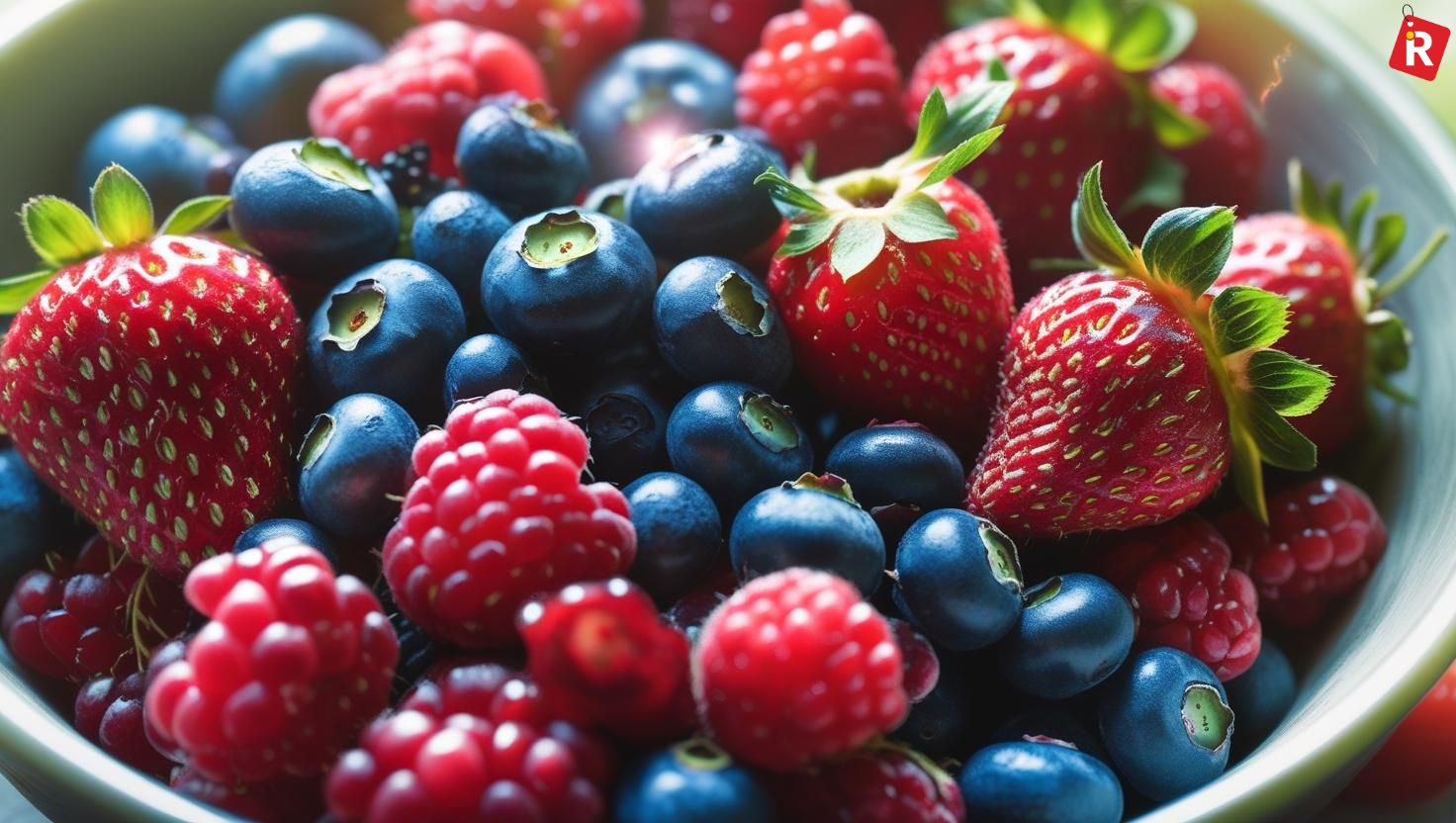
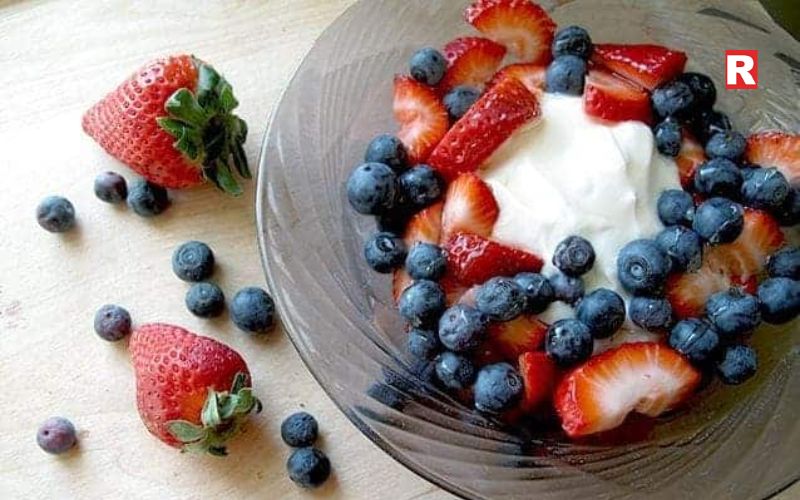
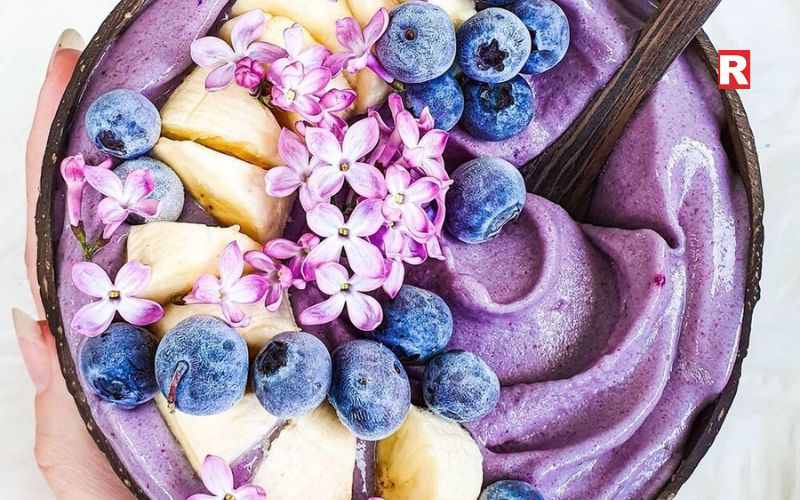
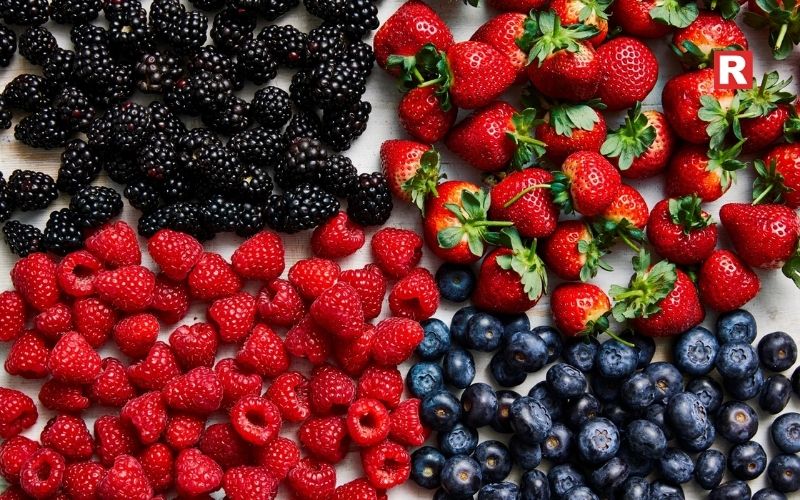
Any kind of Berries (e.g., Blueberries, Strawberries, Raspberries, Blackberries) are great for the liver since they are rich in antioxidant power. Berries are particularly high in ellagic acid, resveratrol, anthocyanins (the pigments that give them their vivid hues), and other potent polyphenols. They are also a great source of fiber and vitamin C.
Liver benefits:
- Protection Against Oxidative Stress: Berries' high antioxidant content helps shield the liver from oxidative stress and free radical damage, which can result in inflammation and liver disease.
- Reduced Inflammation: Liver tissue is soothed and protected by their anti-inflammatory substances.
- Increased Liver Enzyme Levels: Consistent intake has been associated with increased liver enzyme levels, which suggests enhanced liver health.
- Decreased Fibrosis: According to certain studies, berries' antioxidants may slow the development of liver fibrosis, or scarring.
- Overall Cellular Health: Berries indirectly improve the liver's capacity to carry out its numerous tasks by fostering cellular health throughout the body.
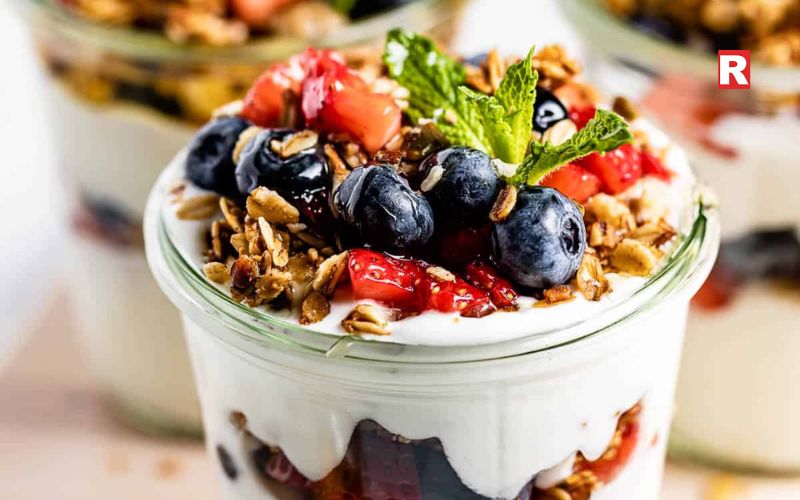
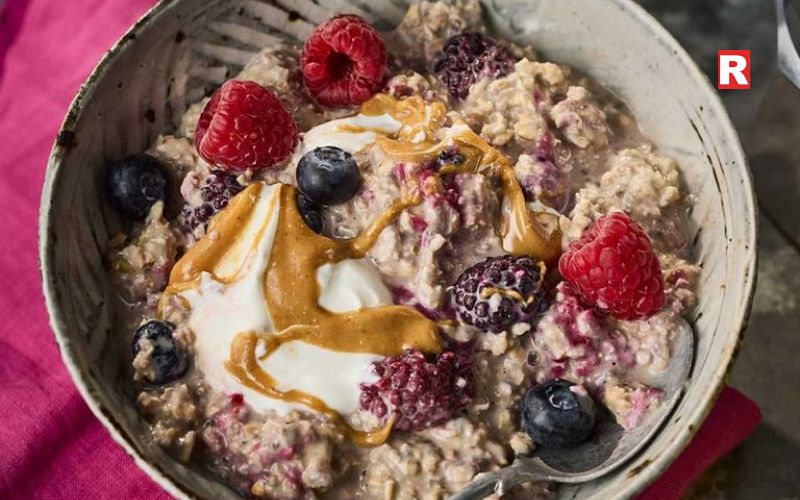
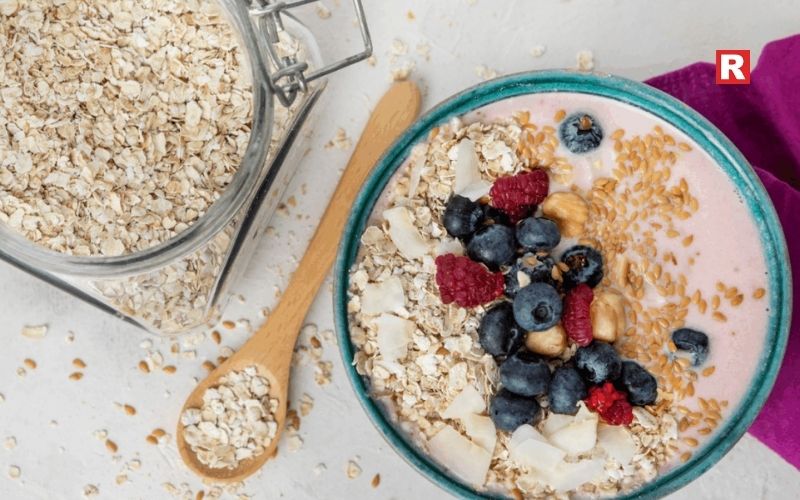
How to consume: Eat them raw or include them in nutritious desserts, smoothies, porridge, or yogurt. All year long, frozen berries are available and preserve the majority of their nutritious content.
Read this: A Close Look at Goa's Diverse Cuisine
Your Path to a Healthier Liver
The liver is a remarkable organ that works nonstop to maintain your health. You can strengthen its essential processes and shield yourself from a wide range of health problems by deliberately selecting to feed it the proper nutrients. Green leafy vegetables, turmeric, cruciferous vegetables, garlic, and berries are the top 5 superfoods for liver health because they provide a potent dosage of defense and assistance. Adopting these dietary allies is a tasty and proactive start toward a healthier liver and, eventually, a more vibrant and active you as we negotiate the challenges of modern life.
Mahak Sharma
Content Writer
Mahak Sharma is a passionate content writer with 2 years of experience crafting compelling content across various niches, tailoring her writing to suit different audiences and platforms. She is dedicated to producing engaging content for readers so that they can understand and enjoy the articles. Her strengths lie in crafting SEO-friendly, well-structured articles that drive visibility and engagement.