
5 Markets in India Famous for Spices
India’s been called the Land of Spices for centuries, and honestly, it has earned this name. The country’s flavors, from the cardamom fields of Kerala to the blazing chilies of Andhra Pradesh, have changed the way the world eats.

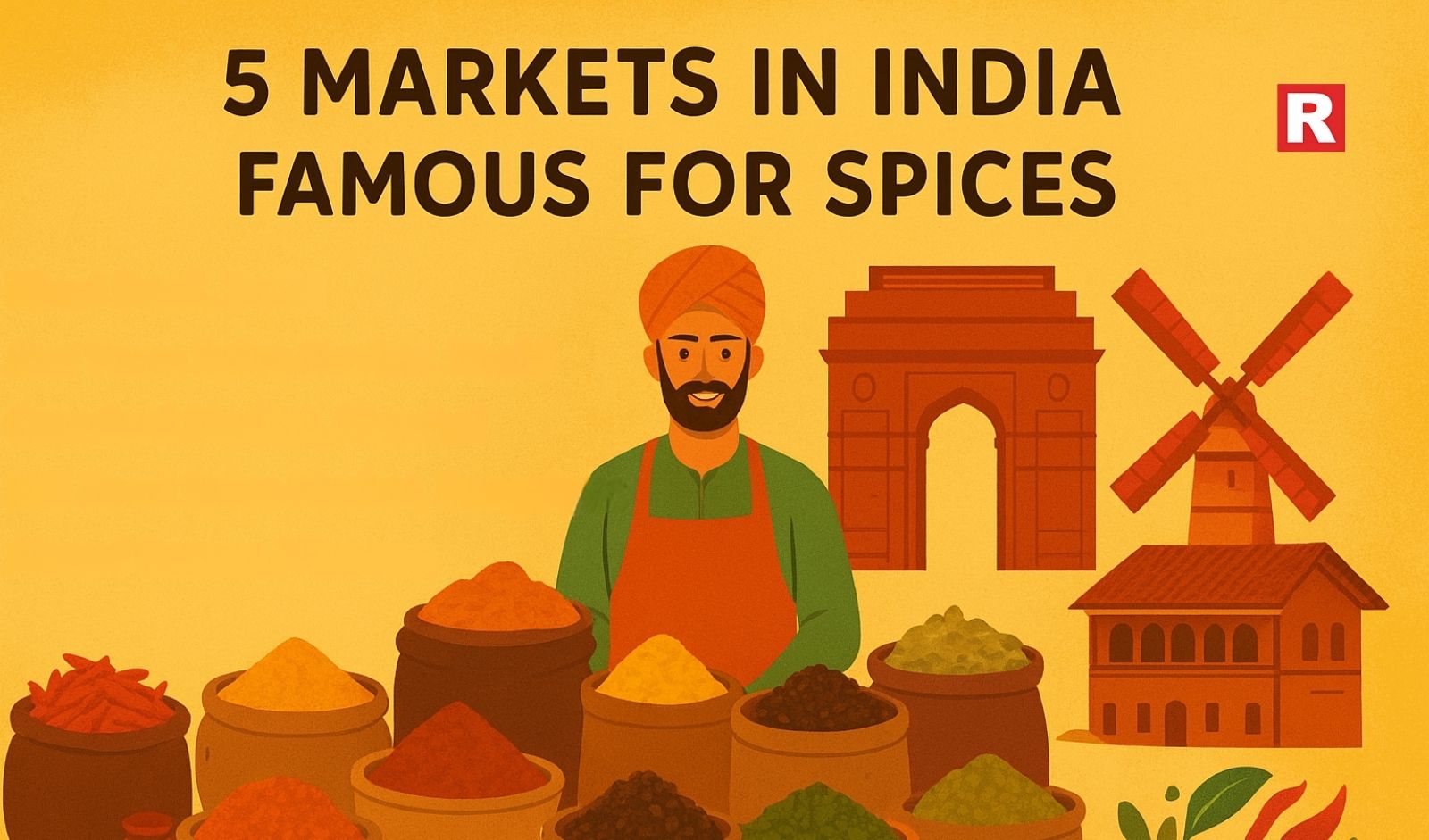
India’s been called the Land of Spices for centuries, and honestly, it has earned this name. The country’s flavors, from the cardamom fields of Kerala to the blazing chilies of Andhra Pradesh, have changed the way the world eats. These spices didn’t just add taste to the food; they shaped cultures, sparked trade wars, and built empires. Even now, India’s spice legacy lives on, especially in the chaos and color of its markets.
Walk through an Indian spice bazaar and you’ll understand it right away. The smell of cinnamon, cloves, turmeric, and pepper hits you first. The smell is thick in the air, making it impossible to ignore. These places aren’t just about buying and selling; they’re living museums, keeping old traditions alive. So let’s dive into five of India’s most iconic spice markets, where centuries of culinary history still exist in every corner.
The Legacy of Indian Spice Markets
India’s spice trade isn’t some new story. It goes back over 4,000 years, long before anyone from Europe ever set foot here. Ancient sailors from Arabia, China, and Rome crossed dangerous waters just to get their hands on things like pepper, cardamom, and cinnamon. There was a time when black pepper was so precious, people called it “black gold.” The spices didn’t just move goods; they changed food across continents.
Today, India’s still at the top, one of the world’s biggest spice producers and exporters. Its markets, whether old or new, carry this legacy forward. Each one feels like a patchwork of local pride, family secrets, and the kind of hand-ground masalas you just can’t fake.
1. Khari Baoli, Delhi – Asia’s Biggest Spice Market
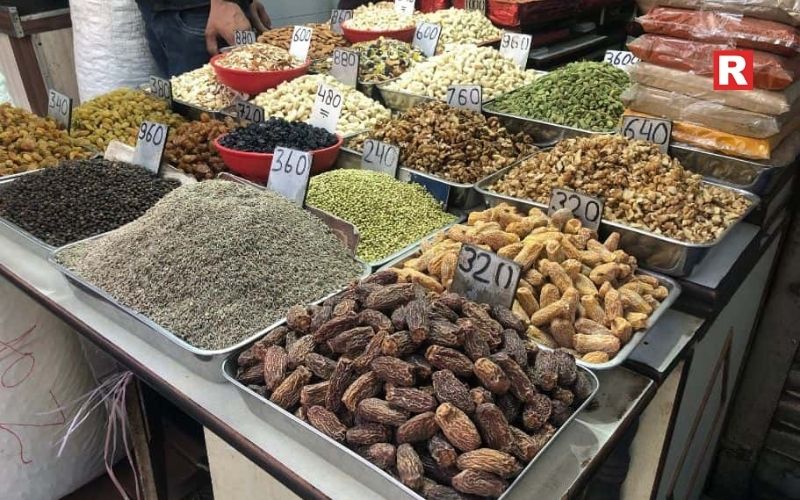
Right in the middle of Old Delhi, not far from the Red Fort and the madness of Chandni Chowk, you’ll stumble into Khari Baoli, Asia’s largest wholesale spice market. This place has been around since the 1600s, which makes it a Mughal-era survivor bursting with the color of spices and the noise of vendors.
The lanes are so narrow you can barely squeeze through, and every shop looks like it’s been there forever. Spices? Stacked to the ceiling. Turmeric, cumin, fennel, dry fruits, herbs, and tea leaves. The scent of pepper and cardamom hangs heavy. Most traders come from families who’ve done this business for generations.
Khari Baoli isn’t just a market; it’s a show of India’s rich spice history. The shouting, the little metal weights clanking on scales, the whiff of someone roasting masalas nearby, it all hits you at once. Whether you’re a chef hunting for the perfect ingredient or just a visitor looking for gifts, this place delivers a genuine taste of Delhi’s spice story.
Know more: Indian Spice Blends from Restaurant Chefs: Recipes, Techniques & Regional Masalas
2. Jew Town Spice Market, Kochi – Kerala’s Fragrant Heart
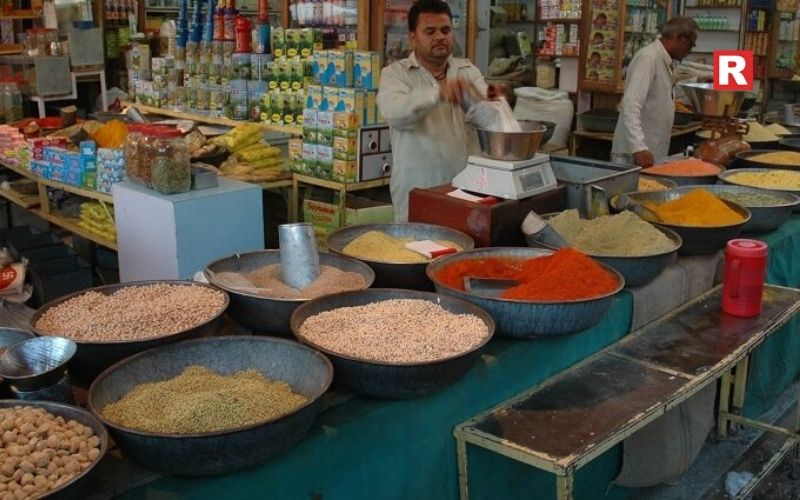
You can’t talk about Indian spices without talking about Kerala. Kochi’s Jew Town, tucked near the old Paradesi Synagogue and Mattancherry, has a spice market which is one of the most atmospheric spice markets you’ll ever walk through.
This market has history. Back in the day, it was the main center of Kerala’s spice trade with the rest of the world. Today, its old warehouses are packed with black pepper, cinnamon, nutmeg, cloves, and green cardamom, all fresh from the hills of Wayanad and Idukki.
Wander the cobblestone lanes, breathe in the mix of scents, and watch traders sorting spices by hand. Nothing is automated here. The old buildings, the laid-back vibe, the backwaters just a stone’s throw away, this place is pure Kerala, and a must for anyone interested in the story of India’s spice route.
3. Crawford Market, Mumbai – Colonial-Era Culinary Playground
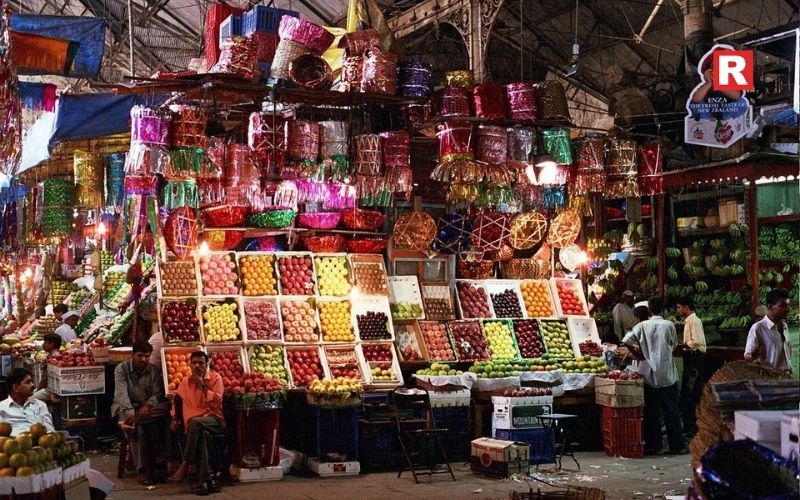
Crawford Market is officially called Mahatma Jyotiba Phule Market, but everyone still calls it Crawford. Since 1869, this market’s been the city’s go-to for everything from fresh fruit to dry fruits and, of course, spices.
Unlike most old-school spice markets, Crawford mixes things up. You’ll find classic Indian masalas like Malvani blends, Kashmiri saffron, right next to Italian herbs and Middle Eastern spices. All under one roof.
What sets Crawford apart is the vibe. It’s the meetup of old and new, tradition and global. Vendors know their stuff and love helping you pick out the right blend for your cooking. Plus, if you want to bring home spices or tea as souvenirs, this is the place to get them. The spices will be beautifully packed and ready to go.
Crawford Market is Mumbai in a nutshell: a mash-up of flavors, cultures, and creativity, all buzzing together under one massive roof.
What's new: 5 Indian Spices You Should Never Skip in Daily Cooking
4. MG Road Spice Market, Bengaluru – Where Tradition Meets the Present
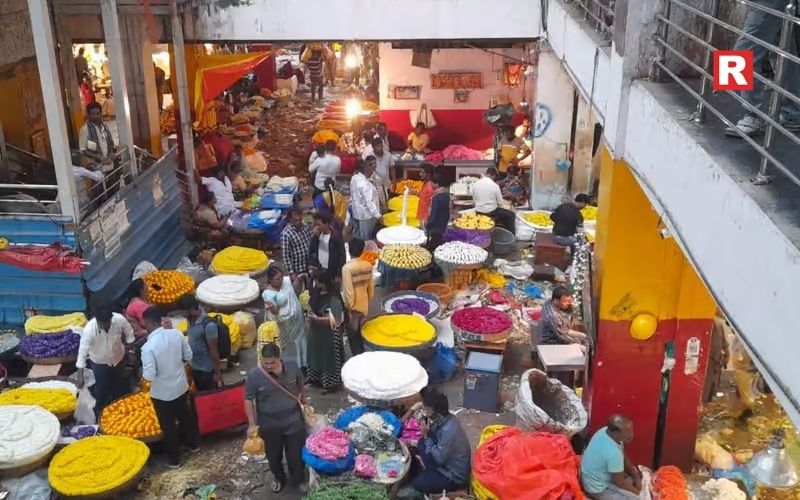
MG Road Spice Market buzzes with life right in the middle of Bengaluru. It’s where old-school charm rubs shoulders with the city’s modern energy. Bengaluru may be famous for its tech scene, but these markets still keep the city’s food traditions alive.
Walk through the lanes and you’ll spot everything from whole peppercorns, dried red chilies, organic spice mixes, and even essential oils. Some stalls are proud of their local treasures like Coorg pepper, Malnad cardamom, Byadgi chilies, all brought in straight from Karnataka’s hills and plantations.
What makes this place special? You’ll stumble on trendy stores selling artisanal masalas and fancy spice-infused oils, too. MG Road shows off just how India’s spice story keeps growing, mixing old heritage with a dash of something new.
5. Aizawl Bazaar, Mizoram – The Northeast’s Hidden Flavor Gem
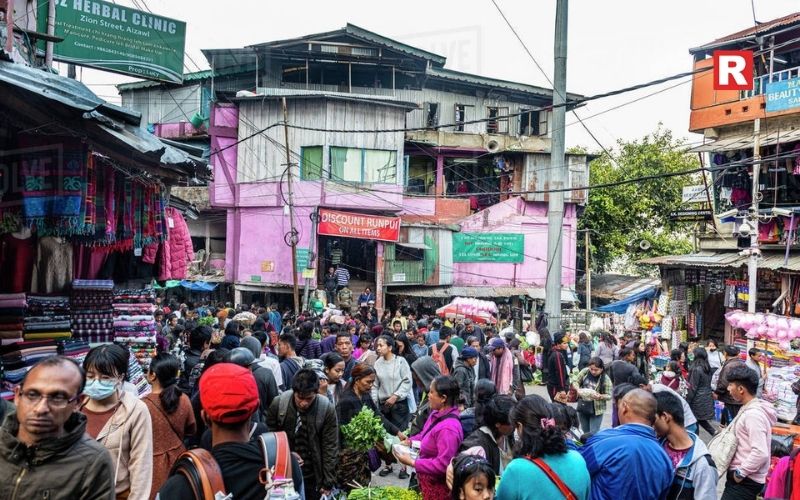
Way up in Mizoram, far from the southern spice trails, Aizawl Bazaar opens the door to the bold, earthy flavors of the Northeast. The market brims with wild herbs, unique chilies like the fiery Bird’s Eye (locals call it Mizo Vaihmarcha Rawt), and spices that people gather from the forest.
Here, vendors lay out fresh turmeric, bamboo shoots, sesame seeds, and all sorts of fermented goodies that define Mizo cooking. The difference? Aizawl’s market is all about what’s fresh, local, and usually grown right in people’s gardens or small farms, not the mass-produced stuff you find elsewhere.
Spend time here and you get a real taste of a spice culture that’s simple, rooted, and close to nature. If you love food and want something off the usual track, this market is worth the trip.
Check out: 16 Types of Food and Beverage Service Outlets in India
10 Iconic Mahabaleshwar Foods That Capture Every Foodie's Heart
Bonus: Mapusa Market, Goa – The Coastal Spice Carnival
Goa isn’t the first place people think of for spices, but Mapusa Market in the north changes that picture. Every Friday, it turns into a pack of colors and smells like Goan curry powders, kokum, dried chilies, and cashews, all packed into overcrowded stalls.
Women in bright Goan saris sell homemade spice pastes and tangy vinegars, the secrets behind dishes like Xacuti and Vindaloo. The whole place feels laid-back and welcoming, with a salty breeze in the air. If you want to see a completely different side of India’s spice scene, Mapusa Market is a joy to wander through.
What Makes India’s Spice Markets Unique
These markets don’t just sell spices, they tell stories. Walk through any one of them, and you’re stepping into India’s regional traits and culinary know-how. Here’s what sets them apart:
- Farm-Fresh Authenticity: Most spices come straight from local growers and plantations.
- All Kinds of Flavors: Every region has its own special thing, Kerala shines with pepper and Cardamom, Delhi is the home of blended masalas, and Karnataka loves its chili powders.
- Handmade Blends: Forget about the factory spices. Here, spices get ground by hand, so they’re fresher, more aromatic, and just taste better.
- Living Heritage: The buildings, the bustle, the people; all of it is tied to India’s long spice history.
When you shop here, you’re not just picking up ingredients. You’re getting a slice of India’s centuries-old spice economy.
Tips for Visiting Spice Markets
Thinking about visiting one of these markets? You might want to know a few tips to make the experience smoother:
- Go Early: Mornings mean fresher stock and fewer crowds.
- Bring Cash: Most vendors only deal in cash.
- Bargain (Nicely): Haggling isn’t rude if done nicely and politely.
- Buy What You Need: Spices fade if they sit too long, so grab small amounts and restock often.
- Check for the Real Thing: Look for organic or GI-tagged items like Malabar pepper or Alleppey turmeric.
- Ask How to Store Them: The right container and a cool, dry spot keep spices fresh longer.
Learn more: 10 Best Ginger Beer Brands in India
A Journey Through Flavor
Walking through India’s spice markets isn’t just a shopping trip. It’s a deep dive into history, culture, and a world of flavor. From the packed alleys of Delhi’s Khari Baoli to the spice-filled godowns of Kochi’s Jew Town, every market has its own story to tell.
These aren’t just places to buy spices, they’re living, breathing museums. Every scoop of spice holds a bit of the past. Food lovers, home cooks, even people who just like the smell of fresh pepper, there’s something here for everyone.
So next time you’re after real flavor, skip the supermarket. Go through India’s spice markets and let the scents, sounds, and stories spark your senses. That’s how you taste the real India.
Mahak Sharma
Content Writer
Mahak Sharma is a passionate content writer with 2 years of experience crafting compelling content across various niches, tailoring her writing to suit different audiences and platforms. She is dedicated to producing engaging content for readers so that they can understand and enjoy the articles. Her strengths lie in crafting SEO-friendly, well-structured articles that drive visibility and engagement.



































































































































































