5 Food Trends To Watch Out in India’s Casual Dining Space
With projected growth reaching USD 37.93 billion by 2025, the industry is witnessing a profound shift in consumer preferences, driven by a perfect storm of technological innovation, health consciousness, and a renewed appreciation for cultural heritage.


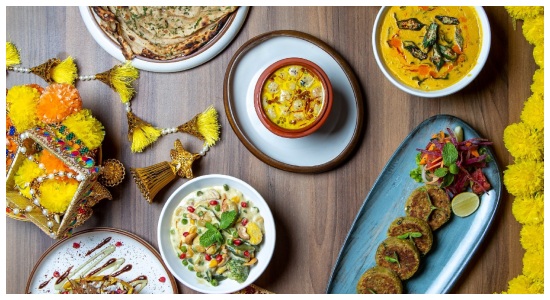
The Indian subcontinent is home to a rich tapestry of domestic cuisines, offering unique culinary experiences in every corner of the country. Through the catalytic forces of social media, evolving consumer preferences, and innovative restaurateurs, these diverse delicacies are now accessible at neighborhood establishments, transforming the casual dining landscape. This democratization of cuisine has brought both regional specialties and international flavors closer to urban diners, creating an exciting fusion of tastes within India's cities.
As India's culinary landscape evolves, the casual dining sector stands at the cusp of a remarkable transformation. With projected growth reaching USD 37.93 billion by 2025, the industry is witnessing a profound shift in consumer preferences, driven by a perfect storm of technological innovation, health consciousness, and a renewed appreciation for cultural heritage.
With new trends and restaurants emerging every day, let us look at the 5 food trends that are poised to reshape India’s casual dining experience in 2025:
The Renaissance of Regional Cuisines
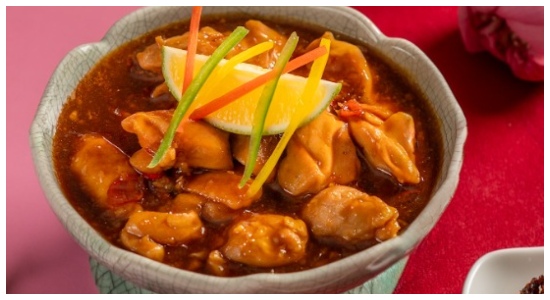
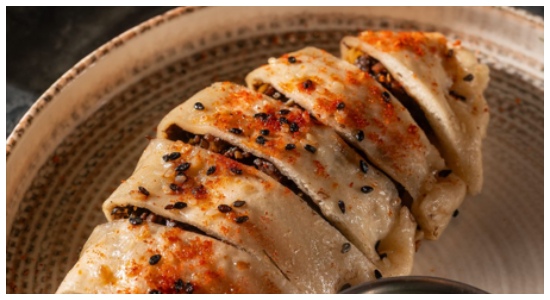
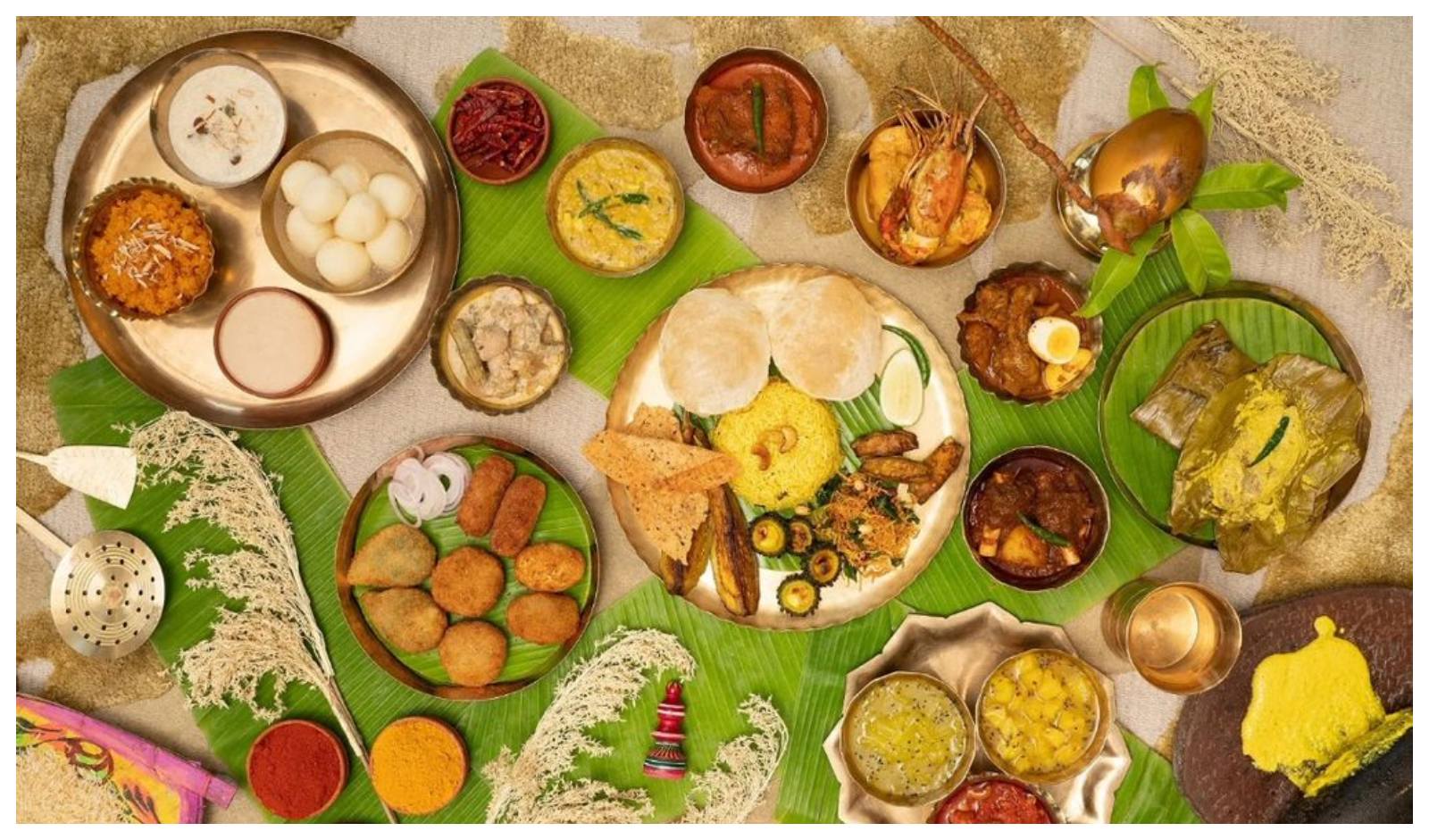
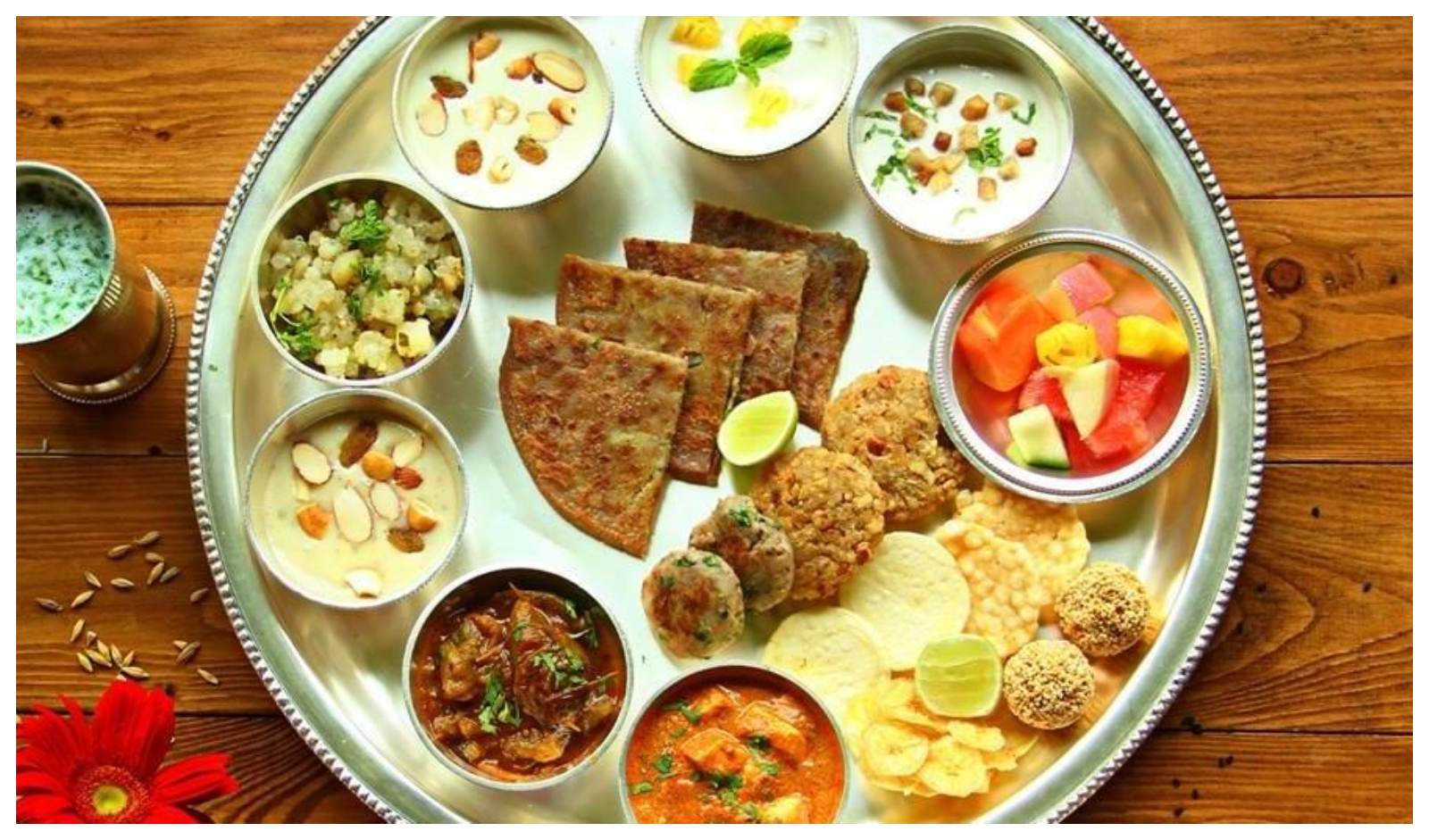
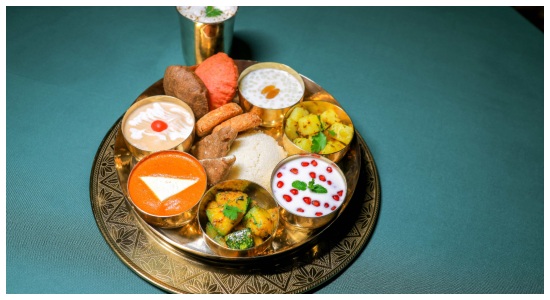
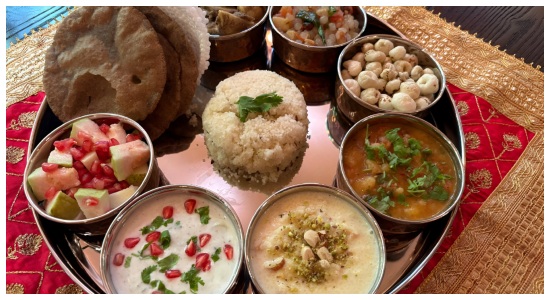
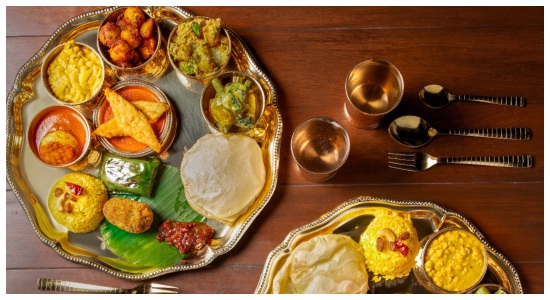
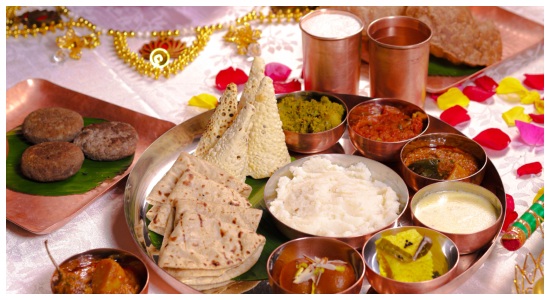
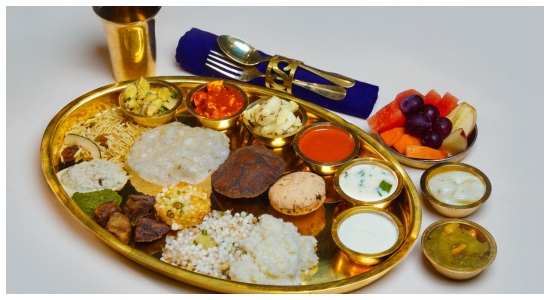
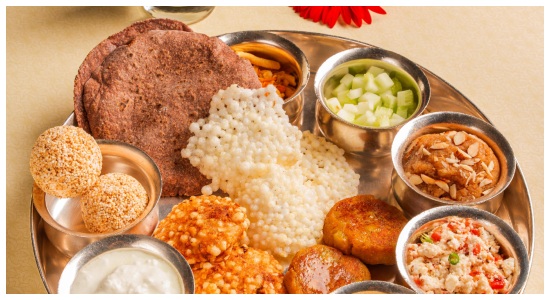
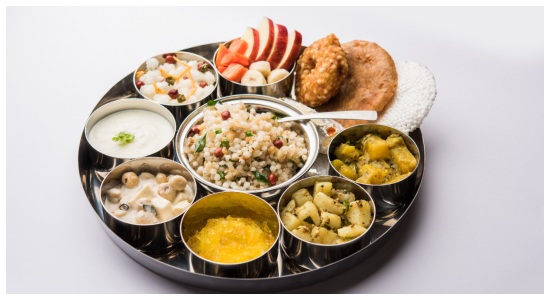
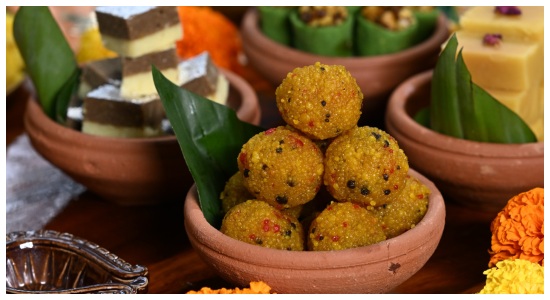
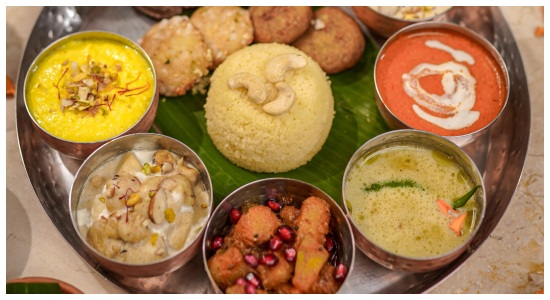
While digitization has brought the world closer, allowing people to access international food trends and cuisines, India’s casual dining space is experiencing a homecoming. The industry is witnessing a potent resurgence of regional and micro-cuisines, where restaurants are offering a deep dive into India’s culinary heritage. In a way, it is a cultural renaissance that connects diners with authentic flavours and traditional cooking methods that are native to a specific region of the country, offering an unparalleled experience.
Small, specialized establishments are leading this charge, creating intimate spaces where specific regional cuisines take centre stage. From the complex spice profiles of North-Eastern tribal cuisine to the subtle nuances of South Indian home-style cooking, these venues are becoming custodians of India's culinary diversity.
1. Health-Conscious Evolution
Food habits of Indians have always been allegedly called out for being immensely unhealthy, but that is changing swiftly. Today, Indian diners prefer a more holistic approach to nutrition rather than mere indulgence, even when it comes to casual dining. Restaurants are ingeniously incorporating superfoods and plant-based proteins into their menus, creating dishes that bridge the gap between nutrition and gastronomy.
Particularly noteworthy is the surge in fermented foods, with items like kimchi and kombucha becoming mainstream offerings. This trend reflects a growing awareness of gut health among consumers and restaurants' adaptability in meeting these evolving preferences while maintaining flavour and appeal.
2. Sustainability Takes Centre Stage
India has proactively adopted sustainability in a lot of industries, and the food industry isn’t far behind. Not only are diners understanding the importance of sustainable food practices but are also making conscious efforts to choose dining establishments that follow these practices.
Restaurants are also actively shifting towards sustainability by forging direct relationships with local producers, creating resilient supply chains that support regional economies while reducing environmental impact. Creative menu design and innovative waste reduction strategies are becoming standard practice, as establishments recognize that environmental responsibility is no longer optional but essential for long-term success in the industry.
3. The Weekend Brunch Revolution
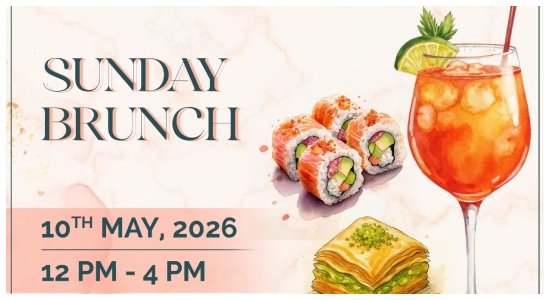
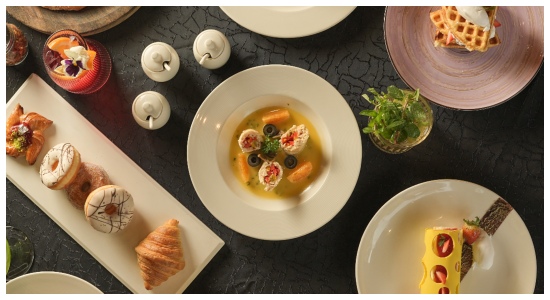
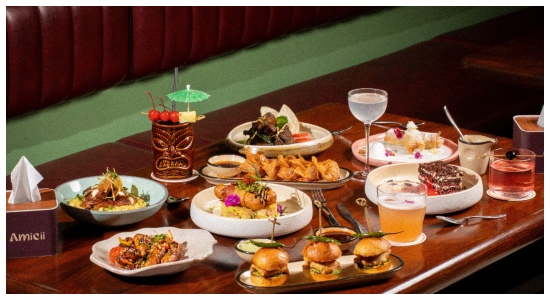
The weekend brunch phenomenon has evolved from a meal category to a cultural movement, particularly in urban India. This trend represents a sophisticated blend of culinary exploration and social experience, with restaurants crafting elaborate brunch offerings that cater to diverse palates and preferences.
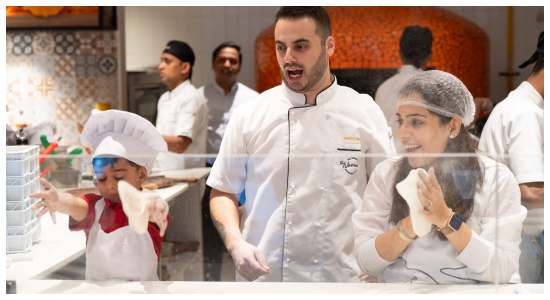
Live music, interactive cooking stations, and themed events have transformed brunches into immersive experiences that extend beyond traditional dining boundaries. This evolution reflects a broader shift in consumer behaviour, where dining out is increasingly viewed as an opportunity for connection and entertainment rather than just sustenance.
4. Personalization: The New Frontier
As technology continues to reshape the dining landscape, personalization has emerged as a key differentiator in casual dining. Restaurants are leveraging advanced data analytics and customer insights to create highly customizable dining experiences. From build-your-own meal options to tech-enabled preference tracking, establishments are finding innovative ways to cater to individual tastes and dietary requirements.
This trend is particularly resonant with India's young demographic – with over half the population under 25 years old, there's a growing demand for dining experiences that feel uniquely personal and memorable.
5. The Way Forward for Indian Casual Dining
As we progress through 2025, these trends signal a vibrant future for India's casual dining sector. Success in this evolving landscape will depend on restaurants' ability to balance authenticity with innovation, health consciousness with indulgence, and sustainability with scalability.
The casual dining space is no longer just about serving food – it's about creating experiences that resonate with an increasingly sophisticated and conscious consumer base. Establishments that can effectively navigate these trends while maintaining operational excellence will find themselves well-positioned to thrive in this dynamic market.
Ajay Thakur
Corporate Chef at Hitchki & Bayroute