
5 Famous Soft Drinks in India, and Are They Safe for You?
Soft drinks continue to hold a strong place in India’s food and social culture. They taste good, spark memories, and add a sense of fun to celebrations and gatherings.

Soft drinks are a big part of life in India. We enjoy them at birthday parties, office breaks, college canteens, long drives, and especially during the peak summer heat. Many Indian families even keep soft drinks at home for guests. I grew up seeing the same. A chilled bottle often felt like the easiest way to refresh yourself.
But today, more people want to know what is inside these drinks and whether they are actually safe to consume often. This article gives you simple, clear, and authentic information about five famous soft drinks in India and how they affect your health. The goal is not to scare you but to help you make smart choices. You can still enjoy your favourite drinks, but it is good to know what you are drinking.
Discover 5 Famous Soft Drinks in India,
1. Coca-Cola
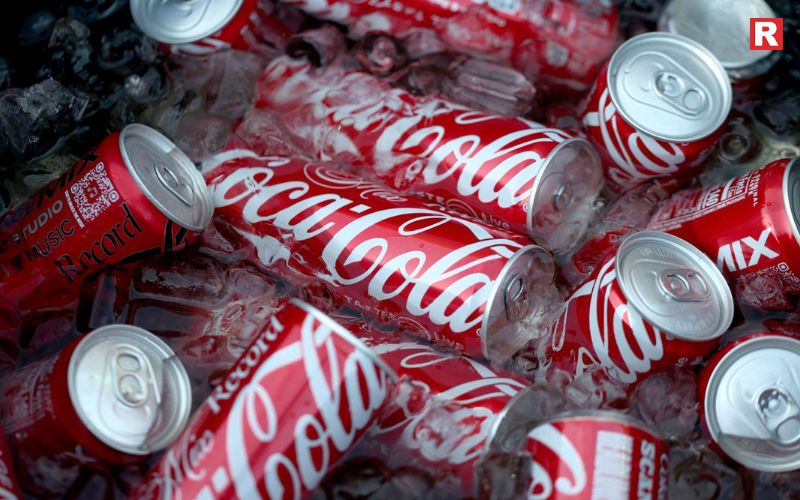
Coca-Cola is one of the most popular soft drinks in India. People enjoy it for its sweet and smooth taste. It is easy to find in shops, cafés, and restaurants across the country. The drink has become a part of many moments, from family gatherings to festivals and parties. Its familiar flavour makes it a common choice when people want something refreshing. Coca-Cola is also often served with snacks, making it a favourite during celebrations. Over the years, it has become a trusted brand for many Indian households. Its strong presence and consistent taste keep it popular among all age groups.
- Ingredients: Coca-Cola contains sugar, caffeine, caramel colour, phosphoric acid, and carbonation. These are common in most cola drinks.
- Why people love it: The taste is familiar, consistent, and refreshing. It also pairs well with Indian snacks like samosas, pizzas, and burgers.
- Safety angle: The main concern is the sugar content. A regular bottle has a high amount of sugar, which adds calories without any nutrition. The acidity can also weaken teeth over time. Caffeine can cause restlessness if consumed in large quantities.
Safe in moderation. Not safe if consumed daily.
Read more: Top Famous Veg Street Foods in Kolkata That You Must Try Once in Your Life
8 Famous Vegetarian Dishes of Uttar Pradesh and Their Timeless Legacy
2. Pepsi

Pepsi is a popular soft drink in India and is enjoyed by people of all ages. It has a sweeter and lighter taste compared to Coca-Cola, which makes it appealing to many young consumers. The drink is easy to find in shops, food outlets, and movie halls across the country. Its smooth flavour makes it a common choice during meals, parties, and casual outings. Pepsi has built a strong connection with the youth through its taste and brand image. Over the years, it has become a go-to option for those who want a refreshing drink with a slightly sweeter touch.
- Ingredients: Sugar, caffeine, carbonated water, caramel colour, and flavouring agents.
- Why people love it: Pepsi tastes sweeter and smoother. It has a loyal fan base across India. You will often find it in restaurants, multiplexes, and quick-service outlets.
- Safety angle: Pepsi has high sugar content, like most colas. Regular drinking can lead to weight gain, increased hunger, and higher risk of lifestyle diseases. The acidity can harm tooth enamel. Caffeine may disturb sleep if consumed late in the day.
Safe in moderate amounts, but not healthy for regular use.
3. Sprite
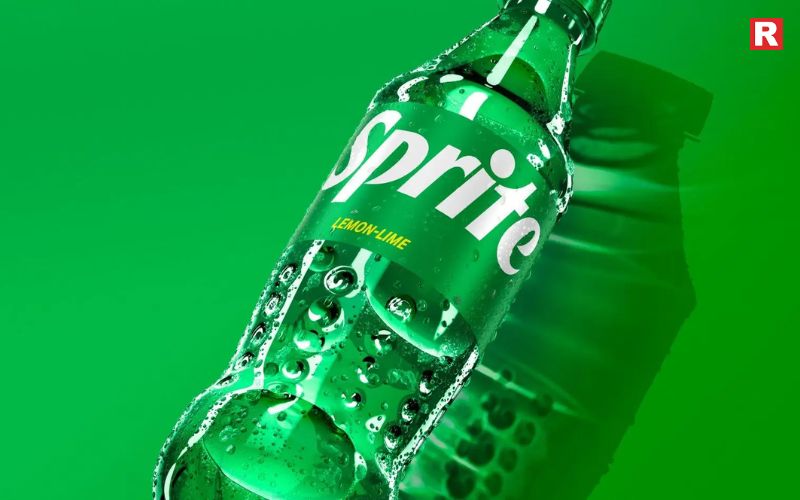
Sprite stands out from cola drinks because of its light lemon-lime taste. It feels refreshing, especially during hot and humid days. Many people in India prefer Sprite for its clean and crisp flavour. It does not feel heavy, which makes it a good choice when someone wants a simple and quick refreshment. The drink is widely available in shops, cafés, and restaurants. Sprite is also popular at family gatherings, celebrations, and outdoor events. Its clear taste and smooth fizz make it a reliable option for those who want something light. Over time, it has become a favourite summer drink across the country.
- Ingredients: Carbonated water, sugar, citric acid, natural flavours, and preservatives.
- Why people love it: It has no caffeine. This makes it a popular choice for people who avoid caffeine. The lemony taste also feels refreshing during summer.
- Safety angle: Even though Sprite has no caffeine, it still contains high sugar. Regular consumption can increase the risk of obesity, diabetes, and dental issues. It gives a quick burst of freshness, but no real hydration or nutrition.
Safe when taken occasionally. Not ideal for daily drinking.
Know more: Top 10 Vegan Street Foods in India Every Indian Loves
4. Thums Up
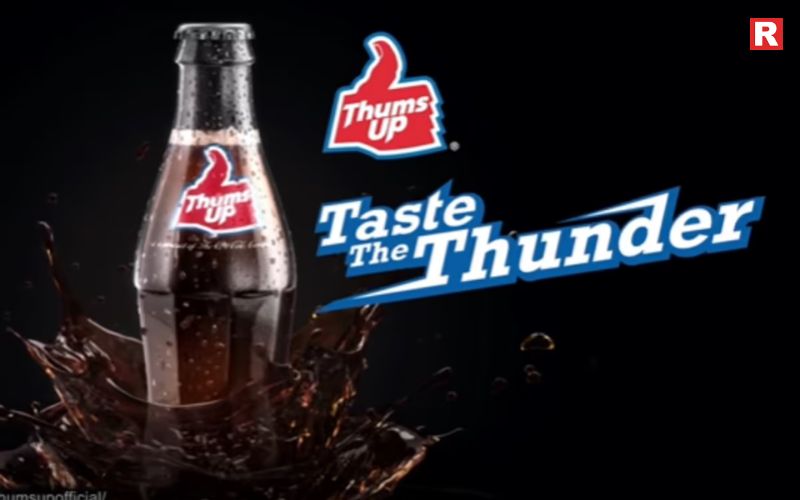
Thums Up is one of India’s most loved cola drinks. It is known for its bold taste and strong fizz, which give it a powerful kick. Many people choose it when they want a stronger cola flavour than regular soft drinks. Thums Up is widely available in shops, restaurants, and roadside stalls. Its unique taste has made it a favourite during meals, outings, and celebrations. The drink connects well with those who enjoy a sharp and lively flavour. Over the years, it has built a loyal fan base across all age groups. Its strong identity keeps it popular across the country.
- Ingredients: Sugar, caffeine, carbonated water, caramel colour, and strong flavouring agents.
- Why people love it: It has a unique desi taste. The flavour feels stronger than Coca-Cola or Pepsi. Many people enjoy it with spicy Indian food.
- Safety angle: Thums Up has more caffeine than many other soft drinks. This makes it unsuitable for children, teenagers, or people with acidity or heart issues. It also has high sugar content and is quite acidic. These can affect weight management and dental health.
Safe only in small amounts and not suitable for frequent consumption.
5. Maaza / Frooti (Mango Drinks)
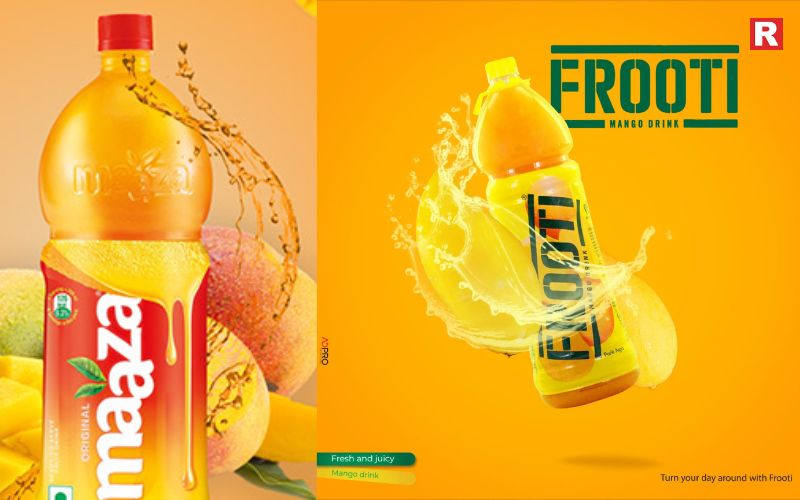
Mango-based drinks like Maaza and Frooti are popular choices in India, especially during the summer months. People enjoy their thick and fruity flavour, which brings back the taste of mango season. These drinks are easy to find in shops, supermarkets, and small stalls across the country. They are often served at family gatherings, picnics, and school events. Many people pick them when they want a quick and sweet refreshment. The familiar taste makes them comforting for both children and adults. Over time, these mango drinks have become a regular part of India’s summer traditions and continue to be loved by many.
- Ingredients: Mango pulp, sugar, water, stabilizers, and preservatives.
- Why people love it: They taste like mangoes and feel satisfying. These drinks are also heavily marketed as family favourites.
- Safety angle: Even though they contain fruit pulp, the sugar levels are high. Many people mistake them for healthier options, but they are not equal to fresh mango juice.
Preservatives and stabilizers make them shelf-stable, but they add no nutrition.
Safe if taken occasionally. Not a replacement for real fruit.
What Makes Soft Drinks Unsafe?
Soft drinks become unsafe mainly when consumed regularly. These are the most common concerns:
1. High sugar: Most soft drinks contain extremely high amounts of sugar. This leads to weight gain, blood sugar spikes, and increased risk of diabetes.
2. Empty calories: Soft drinks do not offer vitamins, minerals, or fibre. They add calories without giving proper nutrition.
3. Acidity: The acids used in soft drinks can weaken tooth enamel and cause acidity issues.
4. Artificial colours and flavours: Some people may be sensitive to these additives.
5. Caffeine: Colas contain caffeine, which may interrupt sleep, increase heart rate, and cause headaches when consumed too often.
Are Soft Drinks Safe for You?
Soft drinks are safe only when consumed occasionally. Here is a simple way to understand it:
- Drinking a soft drink once in a while is fine
- Drinking them every day is harmful
- Children, diabetics, and people with acidity should avoid them
- Fizzy drinks can never replace water
Healthier Indian Alternatives
If you want refreshing options that are better for your body, here are simple and easily available choices:
- Nimbu pani
- Coconut water
- Aam panna
- Fresh fruit juice
- Jaljeera
- Sugar-free sparkling water
- Homemade iced tea
These drinks hydrate your body, offer better nutrition, and still taste great.
Also check: 6 Benefits of Drinking Black Coffee
Top Soup Brands in India That Make Comfort Food Quick, Warm, and Delicious
Stay Healthy!
Soft drinks continue to hold a strong place in India’s food and social culture. They taste good, spark memories, and add a sense of fun to celebrations and gatherings. Many people across the country enjoy them during festivals, meals, or casual outings. But soft drinks are not meant for everyday use. They offer flavour but not real nutrition. Drinking them too often can affect health over time. It is better to enjoy them occasionally and not turn them into a daily habit. Natural options like coconut water, nimbu pani, or fresh juices are healthier for regular hydration. These choices support the body and provide better energy. By keeping soft drinks as an occasional treat, people can enjoy the taste they love without worrying about long-term effects. This simple balance helps maintain both enjoyment and well-being in the long run.
Disclaimer: Soft drinks should be consumed responsibly. This article offers general guidance and is not a medical opinion. Individuals with health conditions should consult a doctor or nutrition expert before making dietary choices.
Saptopriya Ghosal
Feature Writer
I am a dedicated media professional with a bachelor's degree in mass communication from the State University of Calcutta and a postgraduate degree from Amity University. My academic journey has equipped me with a profound understanding of storytelling and communication. Passionate about the dynamic world of media, I continually strive to explore new ways to engage and inform through compelling narratives.



































































































































































