
21 Different Types of Indian Breads and Their Benefits
Indian breads are an essential part of every meal, offering a variety of textures and flavors. From the soft and nutritious roti to the deep-fried indulgence of bhatura, each bread has its unique charm.


Indian cuisine is incomplete without bread. From soft rotis to crispy kulchas, every region has its specialty. Indian breads are not just delicious but also packed with nutrients. Some are light and healthy, while others are indulgent and perfect for festive feasts.
In this article, we will explore the different types of bread in India, their benefits, and the best ways to enjoy them. We will also look at popular brands offering high-quality wheat and flour to make these breads at home.
Read more: A Guide to Different Breads and Their Nutritional Value
1. Poori – The Golden, Crispy Delight

Poori is a traditional deep-fried Indian bread made from whole wheat flour, water, and a little oil. It is known for its light, airy texture and crisp golden-brown exterior. The secret to a perfect poori lies in kneading the dough firm but soft and rolling it evenly. Unlike other breads, poori puffs up due to the high frying heat.
Health Benefits and Concerns
- Rich in energy, making it a great choice for children and those who need a calorie boost.
- Whole wheat flour provides some fiber, but frying reduces its overall nutritional benefits.
- Not suitable for diabetics due to the high glycemic load.
- Excessive consumption can lead to weight gain due to high oil absorption.
Who Can Eat Poori?
- Good for: Children, those needing quick energy, or anyone looking for a festive treat.
- Avoid if: You have diabetes, high cholesterol, or digestive issues.
- Tip: Use less oil and pair it with fiber-rich foods like chana masala to balance the meal.
Also check: Traditional Food Items That You Must Try This Holi
2. Luchi – The Soft and Light Bengali Bread

Luchi is a Bengali-style deep-fried bread that looks like poori but is made from refined flour (maida) instead of whole wheat. This makes it softer, whiter, and more delicate in texture. Unlike poori, luchi is usually fried at a lower temperature, making it lighter and flakier. It is commonly eaten with aloo dum, cholar dal, or Bengali sweets.
Health Benefits and Concerns
- Easier to digest compared to poori due to its fine texture.
- Lower in fiber as it is made from refined flour.
- Not suitable for weight watchers due to high-fat content.
- May cause blood sugar spikes in diabetics.
Who Can Eat Luchi?
- Good for: People looking for a softer alternative to poori, occasional indulgence, and festive meals.
- Avoid if: You are diabetic, gluten-intolerant, or on a weight-loss diet.
- Tip: Pair luchi with protein-rich dishes like chana dal to balance the meal.
Check more: Sambar: A Nutritious South Indian Delight with a Rich History
3. Paratha – The Versatile Indian Bread

Paratha is a popular Indian bread made from whole wheat flour and cooked on a griddle with ghee or oil. It can be plain or stuffed with a variety of fillings like potatoes, paneer, spinach, radish, or even lentils. The layered, flaky texture makes it heavier than roti but more flavorful.
Health Benefits and Concerns
- Good source of complex carbohydrates, making it a long-lasting energy source.
- Whole wheat flour adds fiber and essential nutrients.
- Stuffed parathas with vegetables or paneer boost protein and vitamins.
- High in fats if cooked with excessive ghee or butter.
Who Can Eat Paratha?
- Good for: Growing children, active individuals, and those who need filling meals.
- Avoid if: You are on a low-fat diet or have cholesterol issues.
- Tip: Use less oil and serve with yogurt or pickle for a balanced meal.
4. Naan – The Rich, Soft Tandoori Bread

Naan is a soft, fluffy, and slightly chewy bread made with refined flour, yogurt, and yeast. It is traditionally cooked in a tandoor (clay oven), which gives it a charred flavor. Naan is often brushed with butter or ghee before serving. Variants like garlic naan, butter naan, and cheese naan add more flavor.
Health Benefits and Concerns
- Higher in protein compared to other Indian breads due to yogurt and milk.
- Refined flour makes it low in fiber, which can cause blood sugar spikes.
- Not suitable for gluten-intolerant people.
- Heavier to digest than whole wheat bread.
Who Can Eat Naan?
- Good for: Those who love soft, flavorful bread with gravies.
- Avoid if: You have diabetes, gluten sensitivity, or prefer whole grains.
- Tip: Opt for whole wheat naan for a healthier alternative.
5. Kulcha – A Soft and Stuffed Delight

Kulcha is similar to naan but made without yeast. It is often stuffed with spiced potatoes, paneer, or onions and cooked in a tandoor or on a griddle. The most famous version is Amritsari Kulcha, which is crispy outside and soft inside.
Health Benefits and Concerns
- Easier to digest than naan due to the absence of yeast.
- Stuffed kulchas provide extra nutrition, depending on the filling.
- Not ideal for weight loss due to refined flour.
- Can be heavy if cooked with too much butter.
Who Can Eat Kulcha?
- Good for: Those who love rich, stuffed bread with spicy curries.
- Avoid if: You have diabetes, gluten intolerance, or are on a diet.
- Tip: Try whole wheat kulcha with low-fat yogurt for a healthier option.
6. Appam – The Soft & Fluffy Kerala Pancake

Appam is a South Indian and Sri Lankan delicacy made from fermented rice batter and coconut milk. It is cooked in a special pan called an appachatti, which gives it a crispy edge and soft, fluffy center. Unlike other Indian breads, appam is gluten-free and naturally fermented, making it easy to digest.
Health Benefits and Concerns
- Rich in probiotics due to natural fermentation, which aids digestion.
- Low in fat, making it a good choice for a light meal.
- Gluten-free, making it suitable for people with gluten intolerance.
- Low protein content, so it should be paired with protein-rich foods like coconut chutney or egg curry.
Who Can Eat Appam?
- Good for: Those with gluten intolerance, digestion issues, or looking for a light, healthy meal.
- Avoid if: You need high-protein food or have trouble with fermented foods.
- Tip: Pair it with vegetable stew or lentil curry for a balanced meal.
7. Bhatura – The Puffy, Deep-Fried Indulgence

Bhatura is a thick, fluffy, deep-fried bread from North India. It is made from refined flour (maida), yogurt, and baking powder, giving it a soft and slightly tangy taste. Bhatura is most commonly paired with chole (spiced chickpeas), making the famous dish chole bhature.
Health Benefits and Concerns
- Rich in calories, making it an energy-boosting meal.
- Fermented dough aids digestion but can cause bloating in some people.
- High in oil absorption, making it unsuitable for people with heart issues.
- Not a good choice for diabetics due to its high glycemic index.
Who Can Eat Bhatura?
- Good for: Those who need high-calorie meals, occasional treats, and festive foods.
- Avoid if: You have diabetes or cholesterol issues or are trying to lose weight.
- Tip: Use whole wheat flour instead of maida for a healthier bhatura.
8. Puran Poli – The Sweet, Nutritious Flatbread

Puran Poli is a sweet stuffed flatbread from Maharashtra. It is made from whole wheat flour and stuffed with jaggery, chana dal (split Bengal gram), cardamom, and ghee. It is often eaten during festivals like Holi and Diwali.
Health Benefits and Concerns
- Rich in protein and fiber due to chana dal.
- Jaggery is a natural sweetener, making it healthier than sugar.
- Good source of iron, beneficial for people with anemia.
- High in calories, so portion control is important.
Who Can Eat Puran Poli?
- Good for: Those looking for a nutrient-rich sweet, growing children, and people with iron deficiency.
- Avoid if: You are diabetic or trying to reduce sugar intake.
- Tip: Use less ghee and pair with warm milk for better digestion.
9. Sheermal – The Fragrant, Royal Bread

Sheermal is a sweet, saffron-flavored flatbread from Mughlai cuisine. It is made with refined flour, milk, sugar, ghee, and saffron, giving it a rich, golden color and a soft texture. Sheermal is often eaten with kebabs, curries, or tea.
Health Benefits and Concerns
- Good source of energy due to its high carbohydrate content.
- Rich in milk proteins, making it better than plain bread.
- Not suitable for diabetics due to added sugar.
- Refined flour makes it low in fiber, which can cause blood sugar spikes.
Who Can Eat Sheermal?
- Good for: People looking for a sweet, rich bread with Mughlai dishes.
- Avoid if: You are diabetic or prefer whole grains.
- Tip: Try whole wheat sheermal with honey instead of sugar for a healthier version.
10. Bakarkhani – The Crunchy, Layered Delight

Bakarkhani is a thick, crunchy flatbread with multiple layers, often baked in a tandoor. It is made from refined flour, ghee, milk, and sugar, giving it a slightly sweet and crispy texture. It is popular in Kashmiri and Mughlai cuisine and is often paired with tea, korma, or kebabs.
Health Benefits and Concerns
- Good for energy due to high carbohydrate content.
- Rich in ghee and milk, making it flavorful but high in fat.
- Not ideal for weight loss due to refined flour and sugar.
- Can cause digestion issues if consumed in excess.
Who Can Eat Bakarkhani?
- Good for: Those who enjoy crispy, rich bread with tea or meat dishes.
- Avoid if: You have digestive issues, diabetes, or prefer low-fat foods.
- Tip: Try whole wheat Bakarkhani with less sugar for a healthier option.
11. Parotha – The Flaky and Flavorful Delight

Parotha, often confused with paratha, is a South Indian flatbread made from maida (refined flour) or whole wheat flour. It is known for its crispy, flaky layers achieved by folding and rolling the dough multiple times before cooking. Traditionally, it is cooked with a generous amount of ghee or oil, giving it a rich taste. Parotha is commonly paired with spicy curries like salna, kurma, or egg curry.
Health Benefits and Concerns
- High in energy, making it great for active individuals.
- Rich in fats, which helps keep you full for longer.
- Can be heavy on digestion due to the oil content.
- Not ideal for diabetics due to refined flour and high glycemic index.
Who Can Eat Parotha?
- Good for: Those needing a high-energy meal, people who love flaky breads.
- Avoid if: You have digestion issues or high cholesterol, or are trying to lose weight.
- Tip: Use whole wheat flour and less oil for a healthier version.
12. Laccha Paratha – The Layered North Indian Favorite

Laccha Paratha is a multi-layered, flaky bread made using whole wheat or refined flour. The dough is repeatedly folded and rolled, creating its distinct spiral layers. It is typically cooked with ghee or butter and served with rich curries like dal makhani, paneer butter masala, or kebabs.
Health Benefits and Concerns
- Good source of fiber when made with whole wheat.
- Tastes rich due to ghee but can be high in saturated fats.
- Better than maida-based breads due to complex carbohydrates.
- Not recommended for people with gluten sensitivity.
Who Can Eat Laccha Paratha?
- Good for: Those who enjoy flavorful, crispy bread with curries.
- Avoid if: You need a low-fat diet or have gluten intolerance.
- Tip: Use less butter and whole wheat flour for a balanced meal.
13. Roti/Chapati – The Everyday Indian Staple

Roti or Chapati is the simplest and healthiest Indian flatbread, made from whole wheat flour and water. It is a staple in Indian households, eaten daily with vegetables, lentils, or meat dishes. Unlike parathas, it is not fried or cooked with oil, making it a light and healthy choice.
Health Benefits and Concerns
- High in fiber, which helps with digestion.
- Low in calories, making it great for weight management.
- Packed with complex carbs, which provide long-lasting energy.
- May cause bloating in some people due to wheat gluten.
Who Can Eat Roti/Chapati?
- Good for: Everyone, including diabetics, weight-watchers, and kids.
- Avoid if: You have gluten intolerance or prefer grain-free diets.
- Tip: Pair with protein-rich dals or paneer to make a balanced meal.
14. Bhakri – The Stiff and Nutritious Farmer’s Bread

Bhakri is a thick, coarse, and slightly hard flatbread made from millet flours like jowar, bajra, or ragi. It is popular in Maharashtra, Gujarat, and Karnataka and is typically eaten with spicy chutneys, sabzi, or dal. Unlike soft rotis, bhakri has a dense texture and is cooked over an open flame.
Health Benefits and Concerns
- Rich in fiber and gluten-free, making it ideal for digestion.
- Good source of iron and calcium, beneficial for bone health.
- Helps control blood sugar levels, making it great for diabetics.
- Dry texture may not be liked by everyone.
Who Can Eat Bhakri?
- Good for: Diabetics, people with gluten intolerance, and those needing high-fiber food.
- Avoid if: You prefer softer breads or need low-carb options.
- Tip: Serve hot with ghee or curd to enhance taste and texture.
15. Tandoori Roti – The Smoky and Rustic Delight

Tandoori Roti is a thick, slightly chewy flatbread made from whole wheat or refined flour, cooked in a tandoor (clay oven). The high heat gives it a charred, smoky flavor. It is often served with tandoori chicken, dal makhani, or rich curries in North Indian cuisine.
Health Benefits and Concerns
- Lower in fat than fried breads like naan or paratha.
- It's a great source of fiber if made with whole wheat flour.
- Has a chewy texture, which some may not prefer.
- It may be made with maida in restaurants, which reduces its nutritional value.
Who Can Eat Tandoori Roti?
- Good for: People looking for a low-fat, fiber-rich option with curries.
- Avoid if: You have trouble chewing or dislike smoky flavors.
- Tip: Ask for whole-wheat tandoori roti at restaurants for a healthier option.
16. Baati – The Rajasthani Baked Delight

Baati is a traditional hard, round, and baked wheat bread from Rajasthan. It is usually served with dal (lentil curry) and lots of ghee. The dough is made with coarse wheat flour, semolina, ghee, salt, and baking soda. Baati is baked in a clay oven or over open flames, giving it a crisp outer layer and soft inside. Some variations include stuffed baati with spiced dal or paneer.
Health Benefits and Concerns
- Rich in fiber due to whole wheat flour.
- High in healthy fats when made with ghee.
- Good for digestion but can be heavy if eaten in excess.
- Best consumed fresh, as it becomes hard when cold.
Who Can Eat Baati?
- Good for: Those needing an energy-rich meal, travelers, and people with active lifestyles.
- Avoid if: You have difficulty chewing hard foods or are on a low-carb diet.
- Tip: Eat with ghee and dal for better digestion and flavor.
17. Litti – The Stuffed Bihari Specialty
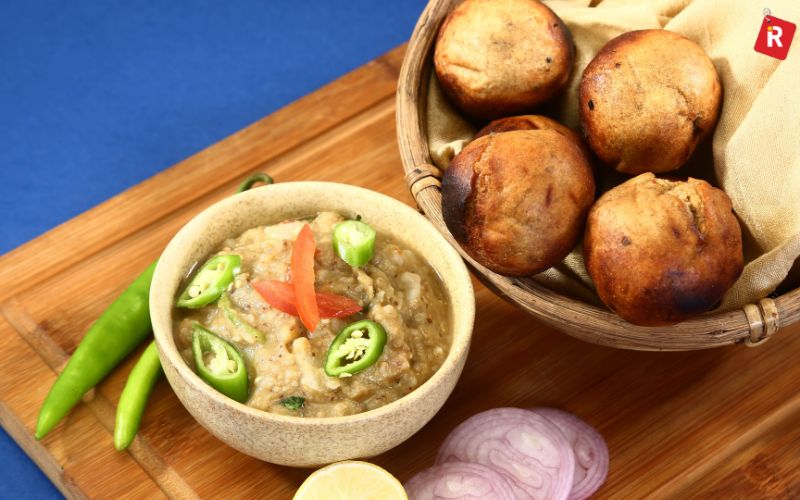
Litti is a famous Bihari dish similar to baati but stuffed with sattu (roasted gram flour) and spices. The dough is made with whole wheat flour and ghee, and the litti is baked over charcoal or tandoor. It is eaten with chokha (mashed potato, tomato, or brinjal) and lots of ghee.
Health Benefits and Concerns
- High in protein and fiber, making it filling.
- Rich in iron from sattu, helping with energy levels.
- Easily digestible, but excessive ghee can add extra fat.
- It can be made healthier by reducing ghee and using whole wheat flour.
Who Can Eat Litti?
- Good for: People looking for a protein-rich vegetarian meal, travelers, and those with a high-energy diet.
- Avoid if: You have digestive issues or prefer soft foods.
- Tip: Pair with curd and fresh chutney for a refreshing taste.
18. Kachori – The Crispy, Spicy Snack
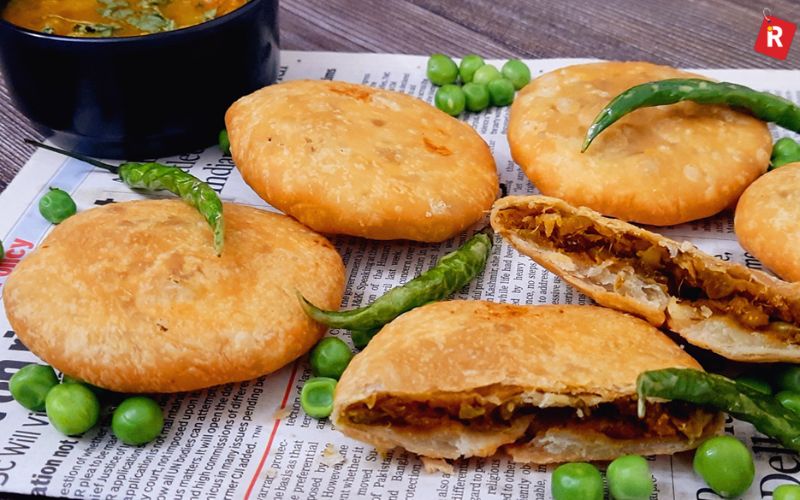
Kachori is a deep-fried, crispy snack filled with spiced dal, peas, potatoes, or onions. It is popular in Rajasthan, Uttar Pradesh, and Madhya Pradesh. The outer layer is made from refined flour (maida), making it extra crunchy. Kachoris are best enjoyed with tamarind chutney or spicy aloo sabzi.
Health Benefits and Concerns
- Very high in fat, making it less suitable for daily consumption.
- Provides instant energy, perfect for long work hours.
- Deep-fried, which may not be good for heart health.
- Best consumed in moderation to avoid digestive issues.
Who Can Eat Kachori?
- Good for: Those craving a tasty snack, occasional treat lovers.
- Avoid if: You are on a low-fat diet or have digestive problems.
- Tip: Opt for baked or air-fried kachoris for a healthier version.
19. Thalipeeth – The Nutritious Maharashtrian Flatbread

Thalipeeth is a thick, spicy, and multi-grain flatbread from Maharashtra. It is made using a mix of jowar, bajra, wheat, chana dal, and rice flour along with spices, onions, and herbs. It is pan-fried and eaten with curd or butter.
Health Benefits and Concerns
- High in fiber, great for digestion.
- Rich in protein, making it filling.
- Gluten-free, suitable for those with wheat allergies.
- Can be spicy, which may not be ideal for sensitive stomachs.
Who Can Eat Thalipeeth?
- Good for: Health-conscious individuals, people with gluten intolerance, and diabetics.
- Avoid if: You have a spice-sensitive stomach.
- Tip: Add grated vegetables like carrots or bottle gourd for extra nutrition.
20. Thepla – The Gujarati Travel Bread

Thepla is a soft, thin, and mildly spiced flatbread from Gujarat. It is made with whole wheat flour, methi (fenugreek leaves), curd, and spices. It stays soft for long hours, making it a great travel food. Thepla is usually eaten with pickle, curd, or tea.
Health Benefits and Concerns
- Rich in iron and fiber from methi leaves.
- Low in fat, making it healthier than deep-fried snacks.
- Good for digestion, thanks to methi.
- May turn dry if stored for too long.
Who Can Eat Thepla?
- Good for: Travelers, diabetics, and those looking for a light meal.
- Avoid if: You don’t like fenugreek’s slightly bitter taste.
- Tip: Add yogurt or grated vegetables for extra softness.
21. Taftan – The Persian-Influenced Sweet Bread

Taftan is a soft, slightly sweet, and saffron-flavored flatbread with Persian origins, popular in North India and Pakistan. It is made using maida (refined flour), milk, yogurt, and saffron, giving it a soft texture and mild sweetness. It is often paired with rich Mughlai curries.
Health Benefits and Concerns
- Soft and easy to digest, perfect for children and elders.
- Contains dairy, which provides extra calcium.
- High in refined flour, making it less nutritious than whole wheat breads.
- Best eaten fresh, as it becomes chewy when cold.
Who Can Eat Taftan?
- Good for: Those who love soft, mildly sweet bread.
- Avoid if: You are on a gluten-free or low-carb diet.
- Tip: Pair with rich gravies for an authentic experience.
The Love for Indian Breads Lives On!
Indian breads are an essential part of every meal, offering a variety of textures and flavors. From the soft and nutritious roti to the deep-fried indulgence of bhatura, each bread has its unique charm. Parathas are stuffed and flavorful, while naan and kulcha pair perfectly with rich curries. Regional favorites like thepla, thalipeeth, and litti bring unique tastes and health benefits.
With top brands providing ready-to-make dough and flours, preparing these breads at home has become easier. Many options include whole wheat, multigrain, and gluten-free varieties to suit different diets. Whether you enjoy crispy pooris, flaky laccha paratha, or sweet puran poli, Indian breads enhance every meal. Explore the rich diversity of Indian breads and try new varieties to add flavor to your kitchen. From breakfast to dinner, these breads offer taste, nutrition, and tradition in every bite!
Saptopriya Ghosal
Feature Writer
I am a dedicated media professional with a bachelor's degree in mass communication from the State University of Calcutta and a postgraduate degree from Amity University. My academic journey has equipped me with a profound understanding of storytelling and communication. Passionate about the dynamic world of media, I continually strive to explore new ways to engage and inform through compelling narratives.



































































































































































