
20 Famous Foods of Rajasthan That Define the Royal Desert Cuisine
Eating Rajasthani food is more than enjoying a meal. It is about understanding history, climate, and tradition. Each plate carries survival, pride, and a deep connection to the land.

Rajasthan is a land shaped by heat, sand, and distance. Summers are intense. Rain is uncertain. Water has always been precious. In such conditions, food had to be smart. Rajasthani cuisine grew from need, not luxury. People learned to cook with what lasted. Fresh vegetables were rare. Lentils, millets, dried beans, and grains became the base. Ghee was used for strength and storage. Spices added warmth and depth. Meals were planned to survive long days and longer journeys. Food had to stay fresh. It had to give energy. This is why many dishes are dry, rich, and filling. At the same time, royal kitchens followed a different path. Kings and nobles turned simple ingredients into grand meals. Slow cooking, generous ghee, and careful seasoning created dishes fit for royalty.
Rajasthani food is not only about flavour. It carries stories of struggle and celebration. Village meals speak of daily life. Festive dishes mark weddings and festivals. Royal recipes reflect pride and power. Together, they form a cuisine that is bold, thoughtful, and deeply rooted in tradition. These famous foods show how Rajasthan turned hardship into heritage.
Discover 20 Famous Foods of Rajasthan
1. Dal Baati Churma
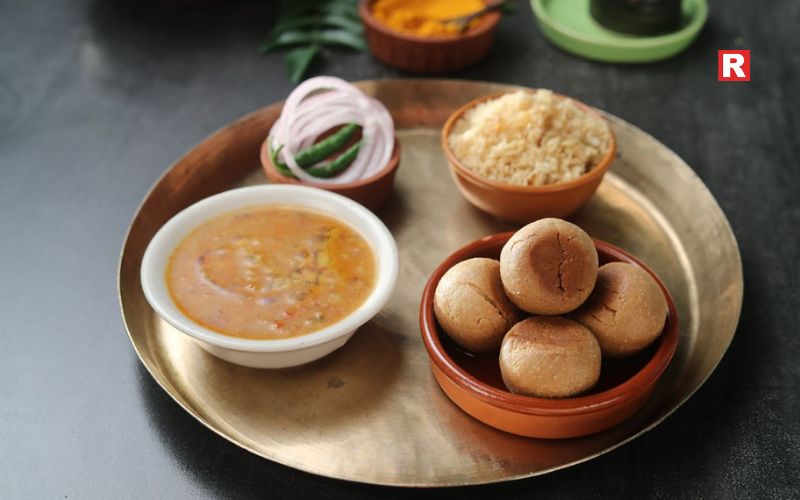
Dal Baati Churma is considered the heart of Rajasthani cuisine. It represents the state’s food culture and traditions. Baatis are firm wheat balls that are baked or roasted over open fire. This method makes them long-lasting and travel-friendly, which suited desert life. They are served with a mixed lentil dal cooked using local spices and plenty of ghee. Churma completes the dish. It is made by crushing baati and mixing it with ghee and jaggery. The taste is rich and comforting. The meal is heavy and keeps people full for hours. It is commonly prepared during festivals, weddings, and important family gatherings. In many homes, it is also served to welcome guests, showing warmth and respect.
2. Gatte Ki Sabzi
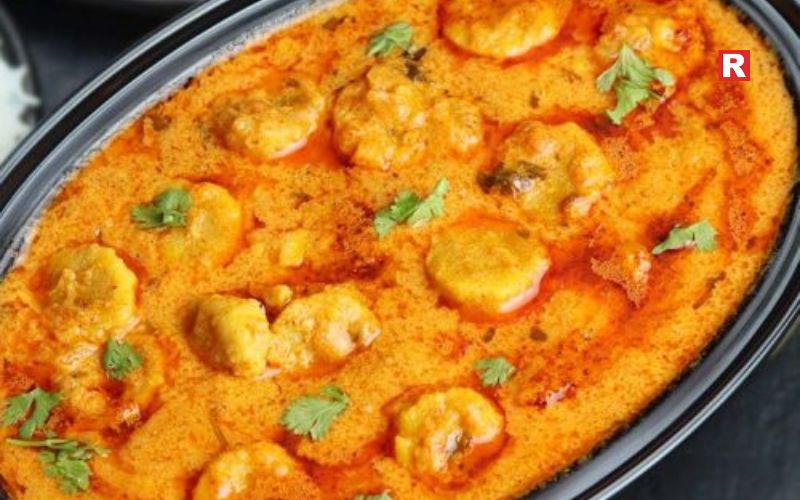
Gatte Ki Sabzi was created when fresh vegetables were hard to find. Gram flour became a reliable ingredient in Rajasthani kitchens. Gatte are dumplings made from besan, spices, and oil. They are boiled first and then cut into pieces. These pieces are cooked in a yogurt-based gravy flavoured with spices. The curry has a spicy and slightly sour taste. It pairs well with roti or steamed rice. This dish is easy to prepare and does not depend on seasonal produce. That is why it became a daily meal in many households. Gatte Ki Sabzi is filling and balanced. It reflects the practical cooking style of Rajasthan, where simple ingredients are turned into flavourful food.
3. Laal Maas
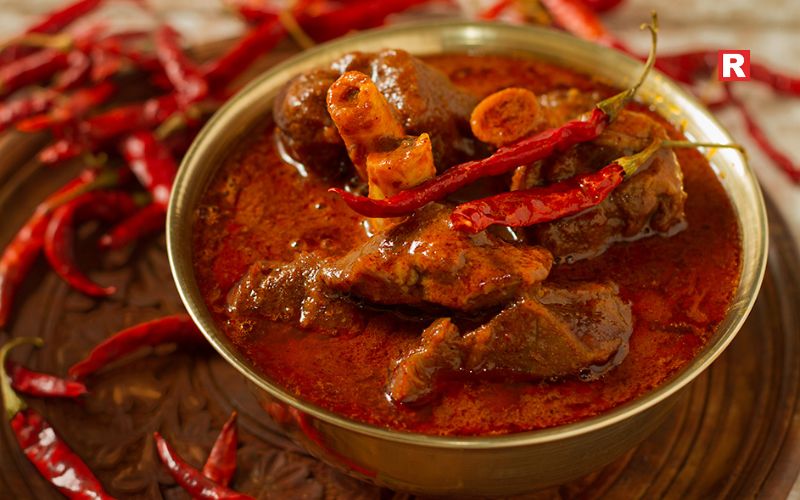
Laal Maas is one of the boldest dishes from Rajasthan. It has strong flavours and a deep red colour. In earlier times, it was prepared by hunters using fresh meat. The red colour comes from dried Mathania chillies, not from tomatoes. These chillies give heat without overpowering the dish. The meat is slow-cooked, allowing the spices to blend well. Ghee is often used, adding richness to the curry. Laal Maas is spicy and intense in taste. It is usually eaten with bajra roti, which balances the heat. This dish reflects the warrior culture of Rajasthan. It shows strength, bravery, and love for bold food that leaves a lasting impression.
Read more: 8 Famous Vegetarian Dishes of Uttar Pradesh and Their Timeless Legacy
5 Cities That Serve the Best Non-Vegetarian Street Food
4. Ker Sangri
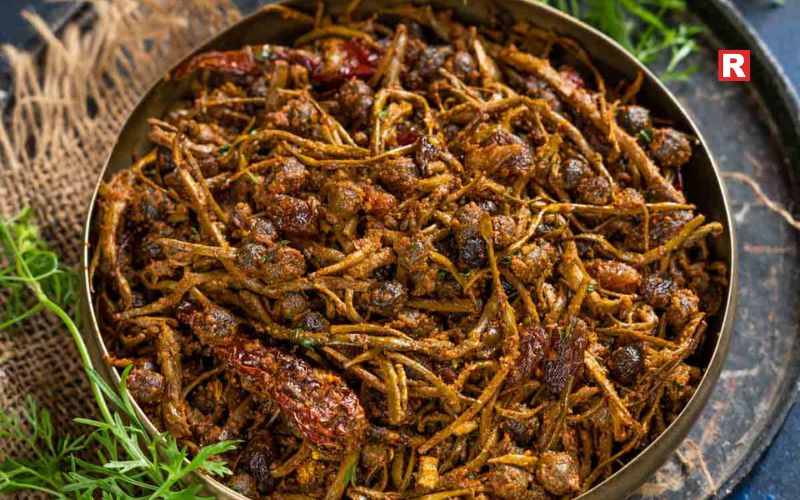
Ker Sangri is a dish deeply connected to Rajasthan’s desert life. It uses ker berries and sangri beans that grow naturally in dry regions. These ingredients are dried and stored for long periods. Before cooking, they are soaked and cleaned carefully. They are then cooked with spices and oil. The flavour is tangy, earthy, and spicy. Ker Sangri does not use gravy. It is a dry dish that pairs well with bajra roti or plain rotis. It is often served during weddings and festivals. The dish shows how local produce is used wisely. Ker Sangri is more than food. It represents survival, tradition, and respect for nature in a harsh climate.
5. Bajra Roti
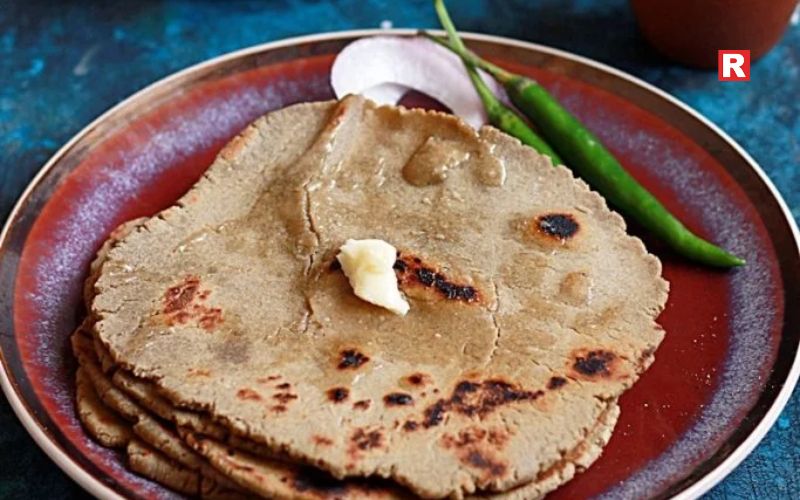
Bajra roti is a staple food in rural Rajasthan. Bajra, or pearl millet, grows well in dry and hot conditions. This makes it ideal for desert farming. The roti is thick and slightly coarse in texture. It is usually cooked on a hot tawa. Bajra roti is commonly eaten with ghee, jaggery, garlic chutney, or simple sabzi. It provides warmth and long-lasting energy. This makes it suitable for people who work long hours outdoors. Bajra roti is easy to digest and filling. It is eaten daily in many villages. The roti reflects the simple and practical food habits of Rajasthan’s people.
6. Pyaaz Ki Kachori
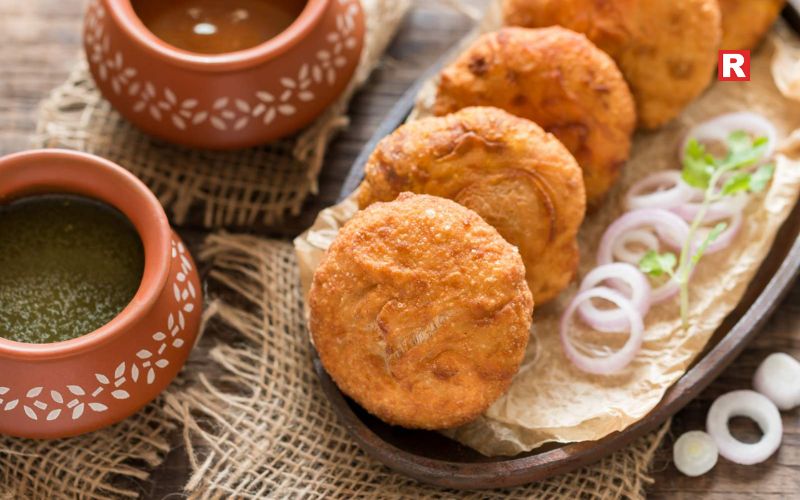
Pyaaz Ki Kachori is one of the most loved snacks from Jodhpur. It holds a special place in the city’s food culture. The kachori is filled with finely chopped onions mixed with local spices. The dough is rolled, stuffed, and deep-fried until golden brown. The outer layer stays crisp, while the inside remains soft and flavourful. The taste is spicy but balanced. In Jodhpur, people often eat it in the morning. It is served hot with green chutney and imli chutney. A cup of tea usually completes the meal. Pyaaz Ki Kachori is not just street food. It is part of daily life and local tradition, enjoyed by people of all ages.
7. Mirchi Bada
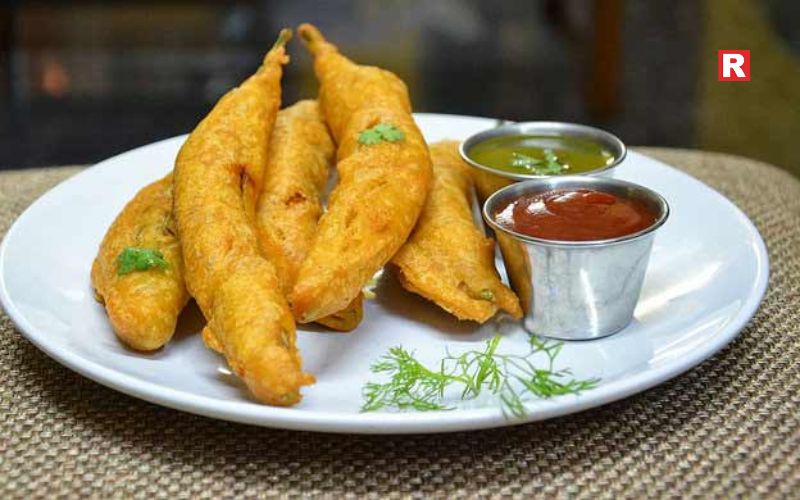
Mirchi Bada is a popular street snack across Rajasthan. It is especially common in cities like Jodhpur and Jaipur. Large green chillies are carefully slit and stuffed with a spiced potato filling. The chillies are then dipped in gram flour batter. They are deep-fried until crisp and golden. The outer layer is crunchy, while the inside stays soft. Despite its size, the spice level is controlled. The potato filling balances the heat of the chilli. Mirchi Bada is usually eaten in the evening. It is served hot with chutney and tea. This snack reflects Rajasthan’s love for bold flavours and satisfying street food.
8. Mohan Maas
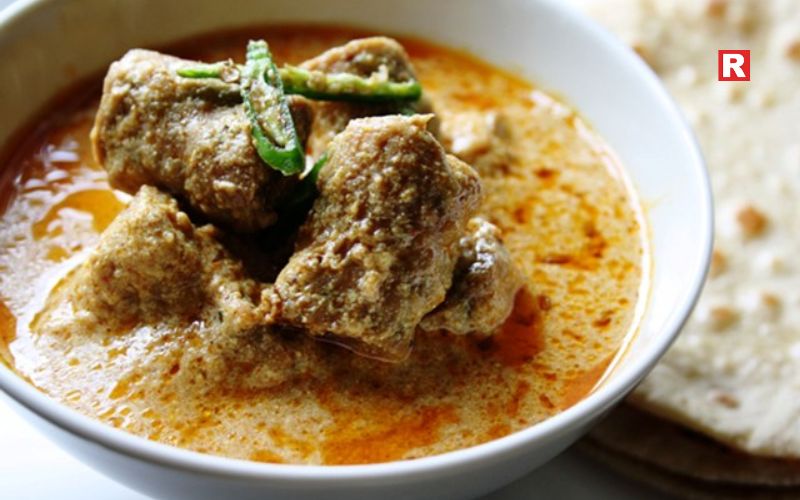
Mohan Maas is a classic royal dish from Rajasthan. It was traditionally cooked in palace kitchens. The dish uses tender pieces of meat cooked slowly over low heat. Milk is used instead of water to make the gravy rich. Mild spices are added carefully to keep the flavour soft. Ghee is used generously, adding depth to the dish. The result is a creamy and smooth curry. It is not spicy but full of flavour. Mohan Maas was prepared for special guests and royal feasts. It was served with rotis or rice. This dish reflects the refined taste of Rajasthani royalty and their preference for slow-cooked, luxurious food.
Know more: 10 Awadhi Cuisine Classics You Must Try at Least Once
9. Ghewar
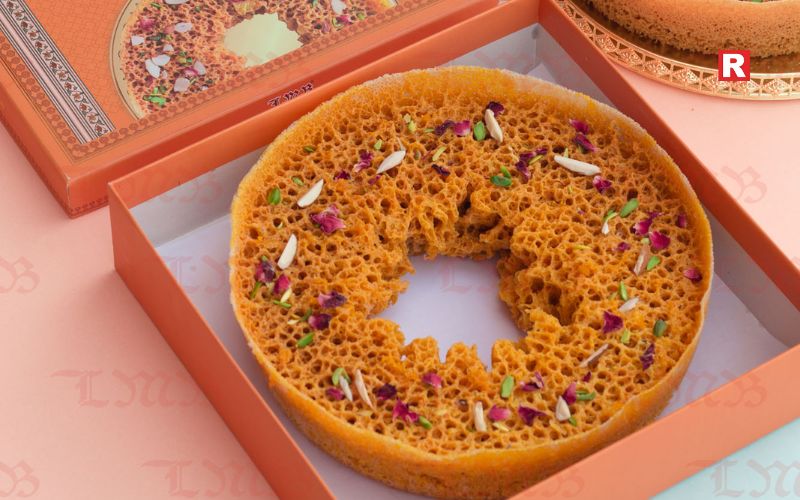
Ghewar is one of the most famous sweets of Rajasthan. It is known for its unique honeycomb texture. The sweet is made using flour, ghee, and sugar syrup. The batter is poured into hot ghee, forming its signature shape. Once cooked, it is soaked in sugar syrup. Ghewar is mainly prepared during the Teej festival and wedding celebrations. It is often gifted to family and relatives. Toppings like malai, rabri, or dry fruits make it richer. Ghewar is crisp on the outside and soft inside. It reflects the festive spirit of Rajasthan and is closely linked to traditions and celebrations.
10. Malpua
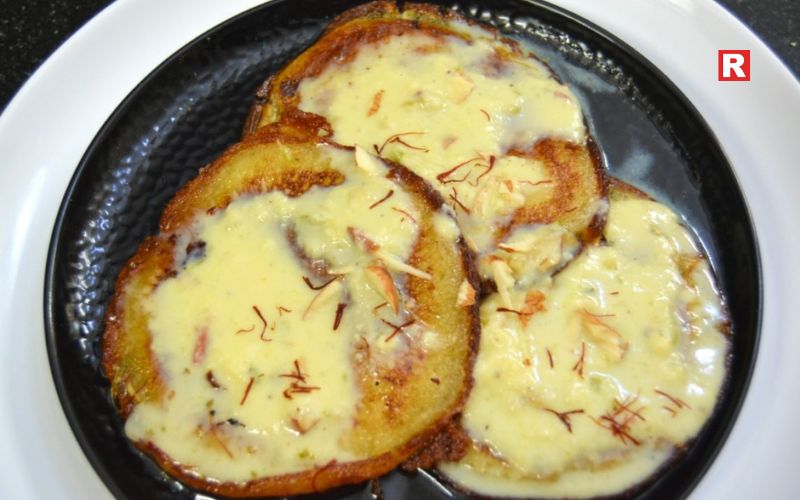
Malpua is a traditional dessert enjoyed across Rajasthan. It is made from a simple batter of flour and milk. The batter is poured into hot oil and fried slowly. This gives the malpua a soft and slightly crisp texture. After frying, it is dipped in sugar syrup. This adds sweetness and shine. Malpua is often served warm. It is commonly paired with rabri, which enhances the taste. This dessert is prepared during festivals and religious occasions. It is also offered during special family gatherings. Malpua is loved for its simplicity and comforting taste. It represents the sweet side of traditional Rajasthani cuisine.
11. Kalmi Vada
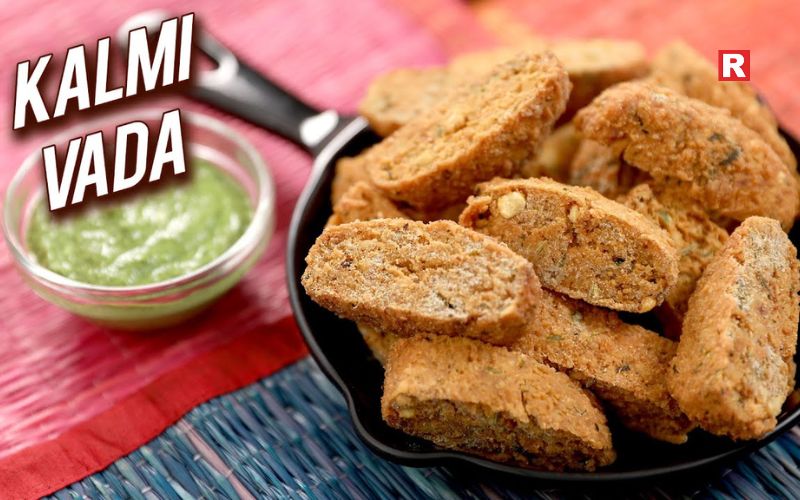
Kalmi Vada is a traditional snack from Rajasthan. It is made using soaked and ground chana dal mixed with spices. The mixture is shaped into small rounds and deep-fried. After frying, the vadas are dried completely. This gives them a long shelf life. Because of this, Kalmi Vada was ideal for long journeys in desert regions. The texture is very crunchy. The taste is spicy and earthy. It is often eaten with tea in the evening. In many homes, it is also crushed and added to curries for extra flavour. Kalmi Vada reflects practical cooking. It shows how food was prepared to last longer without losing taste.
12. Aloo Pyaaz Ki Sabzi
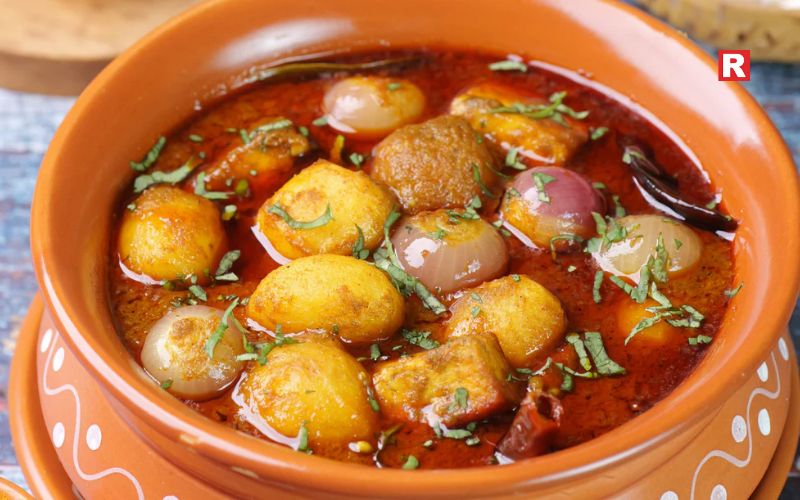
Aloo Pyaaz Ki Sabzi is a simple and comforting dish. It is made with potatoes and onions cooked together. Basic spices like cumin, turmeric, and chilli are used. Tomatoes are usually avoided in this recipe. This gives the dish a dry and mild flavour. The sabzi is easy to prepare and uses common ingredients. It is often cooked for everyday meals. Many households serve it for lunch with roti or dal. The taste is balanced and homely. It suits all age groups. Aloo Pyaaz Ki Sabzi reflects the everyday food habits of Rajasthan, where simplicity and taste go hand in hand.
Also check: Top 10 Vegan Street Foods in India Every Indian Loves
13. Mawa Kachori
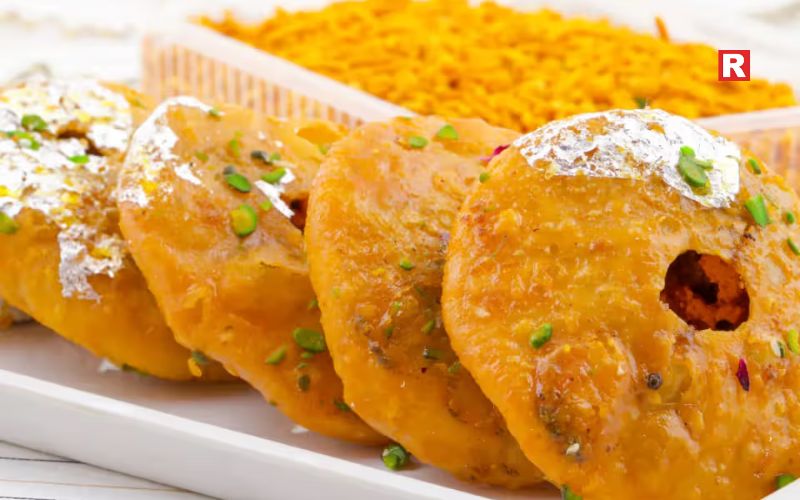
Mawa Kachori is a famous sweet from Jodhpur. It is known for its rich filling and festive taste. The kachori is stuffed with mawa, dry fruits, and sugar. Once stuffed, it is deep-fried until crisp. After frying, it is dipped in sugar syrup. This makes the sweet soft from inside and crisp outside. The flavour is rich and indulgent. Mawa Kachori is often prepared during festivals and weddings. It is also given as a gift during celebrations. This sweet reflects Rajasthan’s love for rich desserts and royal flavours. It is enjoyed slowly and shared with family and guests.
14. Papad Ki Sabzi
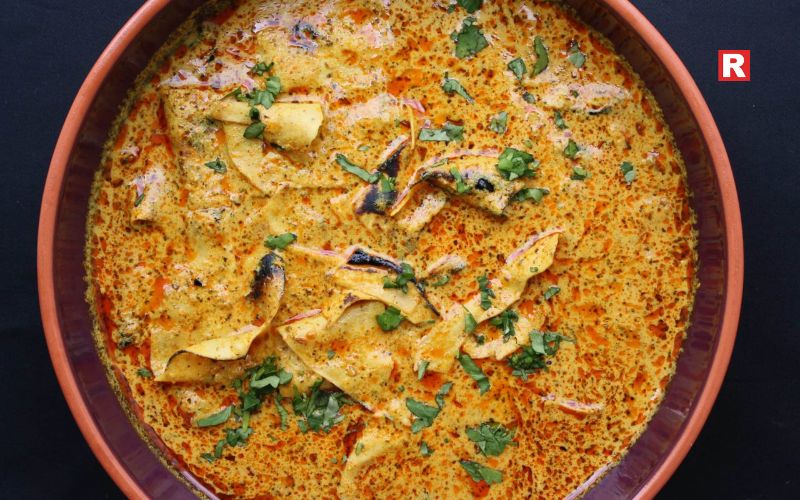
Papad Ki Sabzi is a unique and creative dish from Rajasthan. It is prepared using papads instead of vegetables. The papads are broken into pieces and cooked in a yogurt-based gravy. Spices are added to enhance the flavour. The dish has a light texture but a rich taste. It is often made when fresh vegetables are not available. Papad Ki Sabzi is usually served with roti or rice. It cooks quickly and requires few ingredients. This dish shows the resourceful nature of Rajasthani cooking. It turns a simple pantry item into a comforting and flavourful meal.
15. Safed Maas
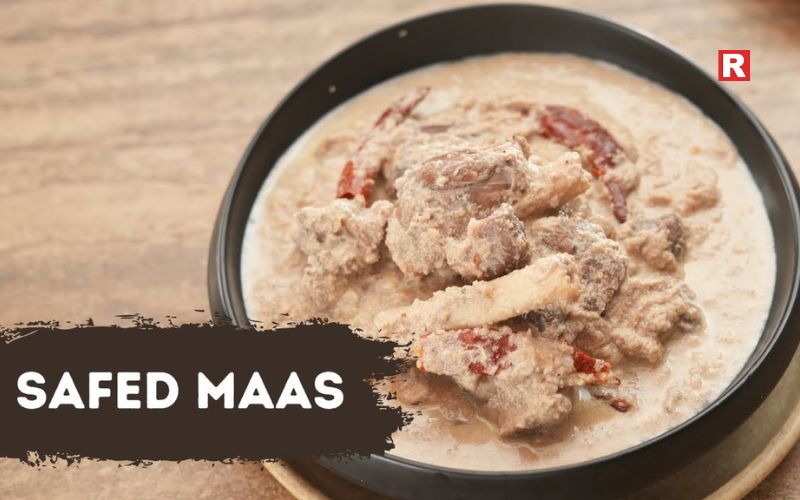
Safed Maas is a royal non-vegetarian dish from Rajasthan. It is very different from spicy meat curries. The gravy is white in colour and mild in taste. Milk, cream, and cashew paste are used to prepare it. There is no use of red chilli or strong spices. The meat is cooked slowly until tender. Ghee adds richness to the dish. The flavour is smooth and balanced. Safed Maas was traditionally prepared in royal kitchens. It was served to guests who preferred mild food. This dish reflects elegance, patience, and refined taste in Rajasthani cuisine.
16. Boondi Raita
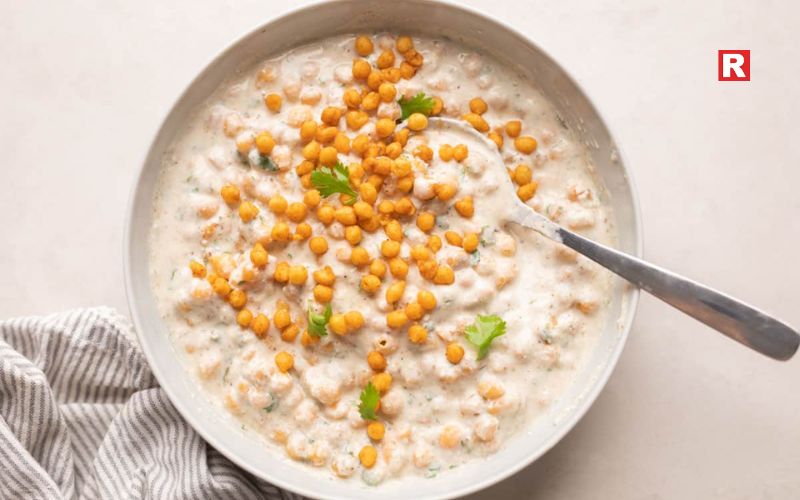
Boondi Raita is a common side dish in Rajasthani meals. It is made by mixing small fried gram flour pearls into fresh yogurt. Mild spices are added for flavour. The yogurt is smooth and lightly seasoned. The boondi absorbs the curd and turns soft. This dish helps cool the body. It balances spicy and ghee-rich food. Boondi Raita is served with daily meals in many homes. It is also an important part of wedding feasts and large gatherings. The taste is simple and refreshing. It supports digestion after heavy food. Boondi Raita shows how even side dishes in Rajasthan are carefully planned to create balance in a meal.
17. Churma Ladoo
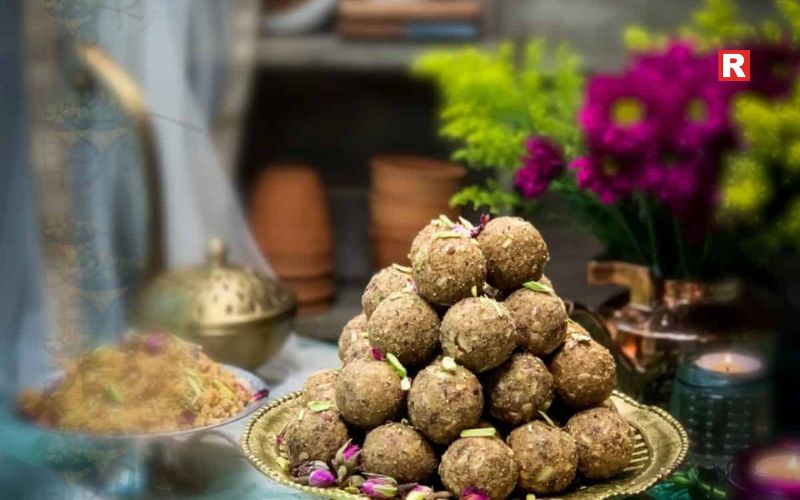
Churma Ladoo is a traditional sweet from Rajasthan. It is made using crushed wheat, ghee, and jaggery. Sometimes dry fruits are added for extra taste. The mixture is warm and shaped into round laddoos. These laddoos are rich and filling. They provide high energy and keep people full for long hours. Churma Ladoo was often prepared for travellers and farmers. It was easy to carry and stayed fresh for days. Today, it is made during festivals and special occasions. The taste is earthy and comforting. Churma Ladoo reflects the practical and nourishing side of Rajasthani sweets.
18. Makki Ka Dhokla (Rajasthani Style)
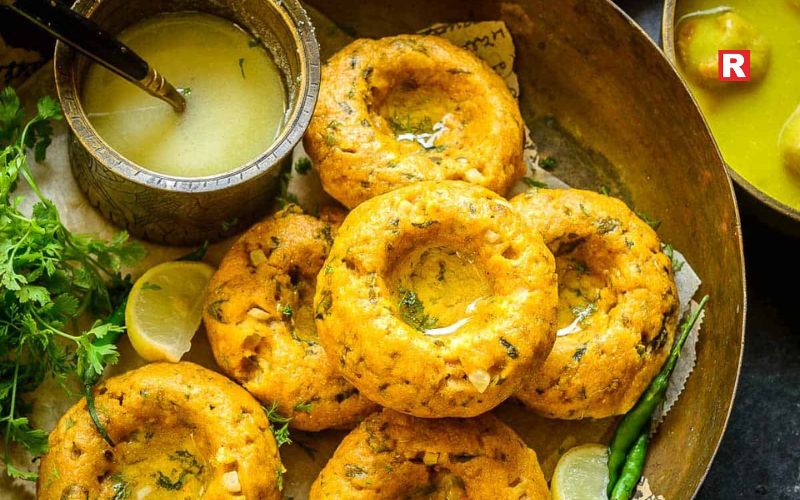
Makki Ka Dhokla in Rajasthan is made using cornmeal instead of gram flour. The batter is lightly spiced and fermented slightly. It is steamed until firm. The texture is dense and rustic. This dhokla is not fluffy like other versions. It has a strong grain flavour. It is usually cut into pieces and served warm. Green chutney is the common accompaniment. Makki Ka Dhokla is often eaten for breakfast or as an evening snack. It is filling and easy to digest. This dish shows how local grains are used creatively in Rajasthani cooking.
19. Balushahi
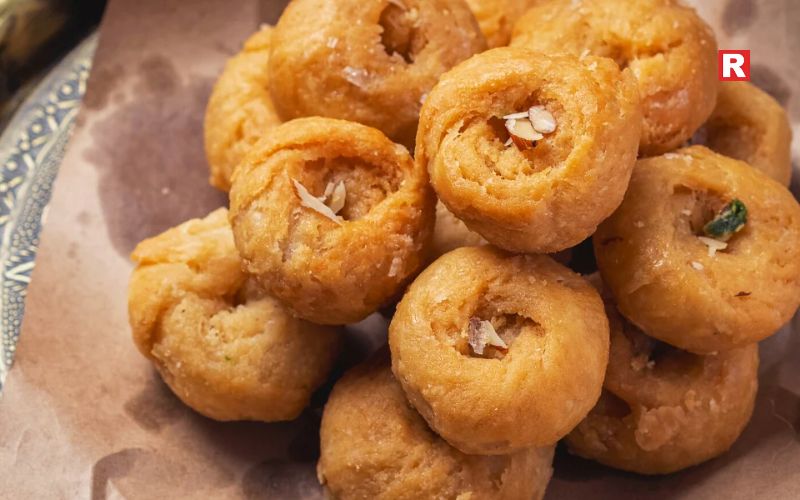
Balushahi is a classic sweet enjoyed across Rajasthan. It is known for its flaky texture. The dough is shaped into thick discs and deep-fried slowly. Slow frying gives it layers inside. After frying, it is dipped in sugar syrup. The outside remains slightly crisp, while the inside stays soft. Balushahi is rich but not overly sweet. It is prepared during festivals like Diwali and weddings. It is also offered during religious events. Balushahi reflects traditional sweet-making skills. It requires patience and control. The sweet is often shared with family and guests during celebrations.
Check more: High Protein Indian Meals You Should Try
Try These Veg Soups in These Freezing Winters
20 Famous Foods from Karnataka That Define Its Rich Food Culture
20. Lehsun Chutney
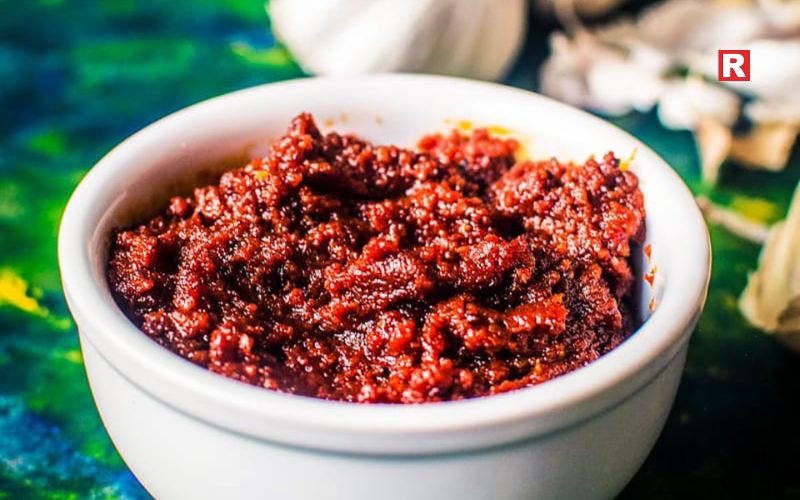
Lehsun Chutney is a strong and bold condiment from Rajasthan. It is made using garlic, red chillies, and oil. The ingredients are ground into a coarse paste. The flavour is sharp and spicy. Only a small amount is needed. It instantly lifts the taste of any meal. Lehsun Chutney is served with rotis, dal, and snacks. It is also eaten with baati and bajra roti. In many homes, it is made fresh every few days. This chutney reflects Rajasthan’s love for intense flavours. It adds heat and character to even the simplest food.
Happy Eating!
Rajasthani food tells the story of the land and its people. Life in the desert was never easy. Water was scarce. Vegetables were limited. Yet, the kitchens of Rajasthan found their own way. Simple grains, dried beans, and spices became the base of everyday meals. Ghee added strength and flavour. Over time, these choices shaped a strong food culture.Every dish has a reason to exist. Bajra rotis kept people full for long hours. Gatte replaced vegetables when nothing else was available. Sweets were made to last and travel well. At the same time, royal homes created rich meat dishes with slow cooking and care. This balance of need and luxury defines the cuisine. Eating Rajasthani food is more than enjoying a meal. It is about understanding history, climate, and tradition. Each plate carries survival, pride, and a deep connection to the land.
Saptopriya Ghosal
Feature Writer
I am a dedicated media professional with a bachelor's degree in mass communication from the State University of Calcutta and a postgraduate degree from Amity University. My academic journey has equipped me with a profound understanding of storytelling and communication. Passionate about the dynamic world of media, I continually strive to explore new ways to engage and inform through compelling narratives.



































































































































































