
20 Famous Foods of Delhi That Define the City’s Soul
To know Delhi, one must eat the way the city eats. Standing by a cart. Sitting at a family table and choosing comfort over formality. Each bite carries a past. Each meal continues a story that never really ends.

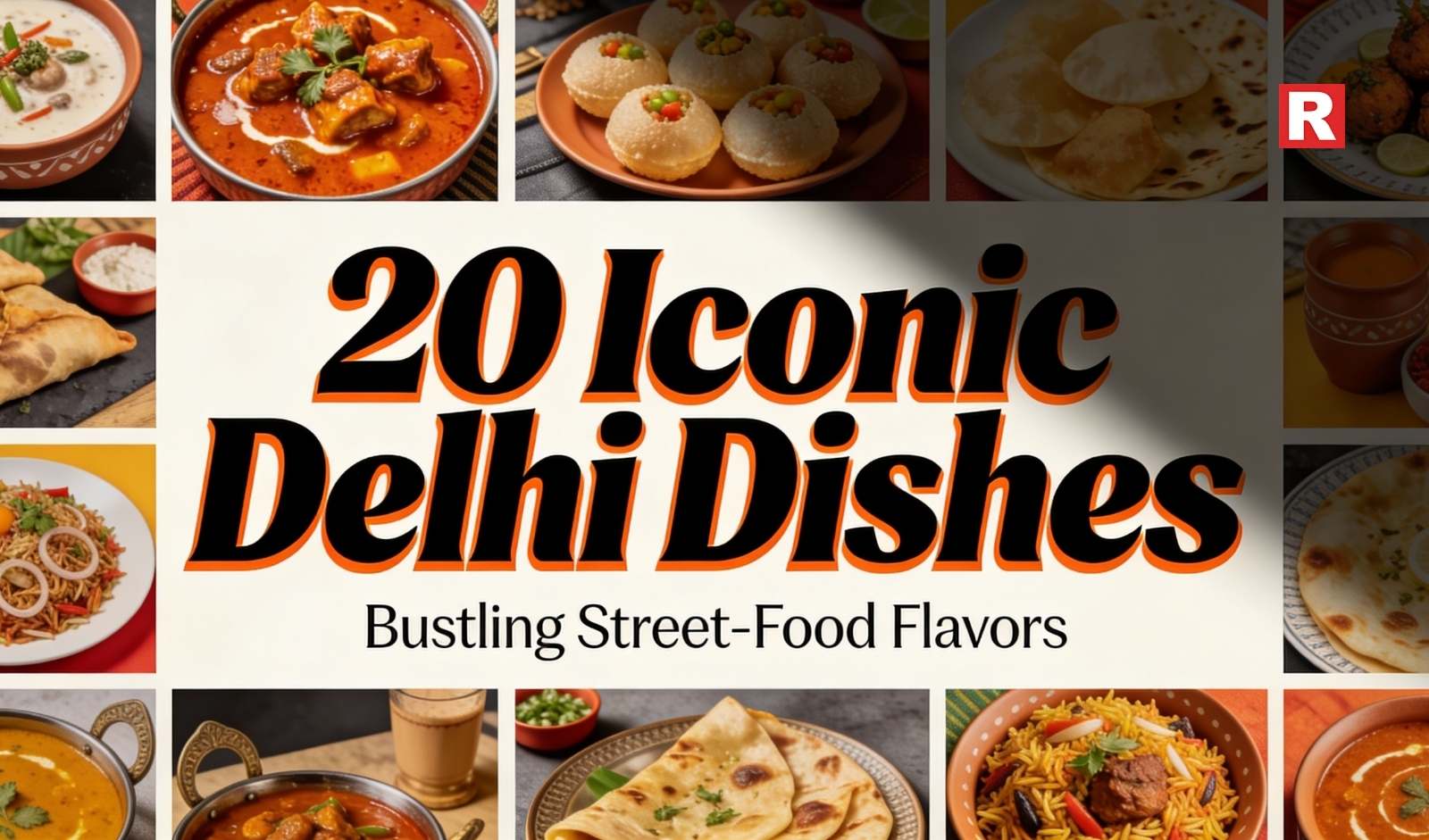
Delhi is more than India’s political centre. It is one of the country’s most powerful food capitals. Food here is not limited to restaurants. It lives in lanes, markets, homes, and street corners. Every area has its own taste and rhythm. Every meal carries a memory. Old Delhi holds the flavours of the Mughal era. Rich gravies, slow-cooked meats, and fragrant spices still define its kitchens. West Delhi reflects strong Punjabi influence. Butter, wheat, and bold masalas shape everyday food. Central and South Delhi show a mix of old and new. Traditional dishes sit comfortably beside modern interpretations.
Delhi’s food is full of character. It is filling and deeply satisfying. Some dishes are cooked patiently over many hours. Others come together quickly on hot tavas and grills. Both styles belong equally to the city. Street food plays a central role in daily life. People eat while standing, walking, and talking. Food breaks are social moments. Family meals are equally important, rooted in routine and comfort. Delhi’s food culture is not about trends. It is about continuity. Recipes travel across generations. Flavours adapt but never disappear. To understand Delhi, one must understand how it eats.
Find 20 Famous Foods of Delhi
1. Chole Bhature
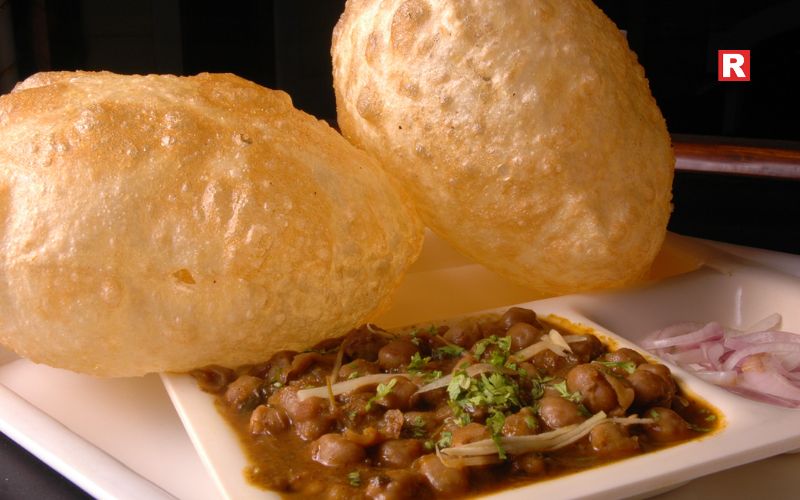
Chole Bhature holds a special place in Delhi’s food culture. It is filling, bold, and deeply satisfying. The dish pairs spicy chickpea curry with large, puffed fried bread. Delhi-style chole is darker in colour and sharper in taste. It uses strong spices, slow cooking, and a tangy finish. Bhature are soft inside and crisp outside. Many people enjoy this meal for breakfast, though it often stretches into lunch. It is popular across neighbourhoods, from small shops to family kitchens. The dish reflects Delhi’s Punjabi influence clearly. It is rich, comforting, and meant to be eaten fresh and hot. Chole Bhature is not light food. It is indulgent food. For many locals, it represents weekend mornings, shared plates, and familiar flavours that never lose their appeal.
2. Butter Chicken
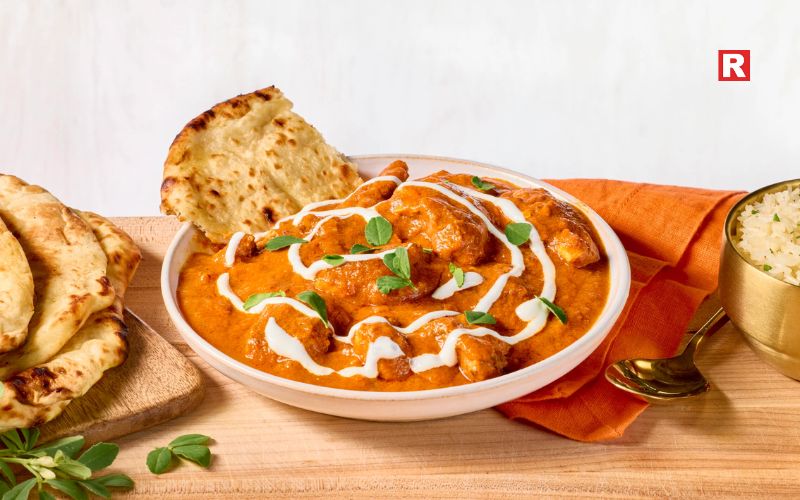
Butter Chicken is one of Delhi’s most famous culinary creations. It began as a practical idea. Leftover tandoori chicken was simmered in a tomato-based gravy. Butter and cream were added to soften the flavours. Over time, the dish became refined and balanced. In Delhi, butter chicken is smooth, mildly spiced, and rich without being heavy. The gravy is silky and slightly sweet. It pairs well with naan or rumali roti. This dish reflects Delhi’s ability to turn necessity into tradition. It is enjoyed at family dinners and celebrations alike. Butter chicken is not meant to be fiery. It is meant to be comforting. Its popularity comes from balance, not excess. The dish continues to represent the city’s Mughlai roots in a modern, approachable form.
Read more: 8 Famous Vegetarian Dishes of Uttar Pradesh and Their Timeless Legacy
Must-Try 20 Famous Local Foods of Madhya Pradesh That Define the State
3. Paranthe (Paratha Varieties)
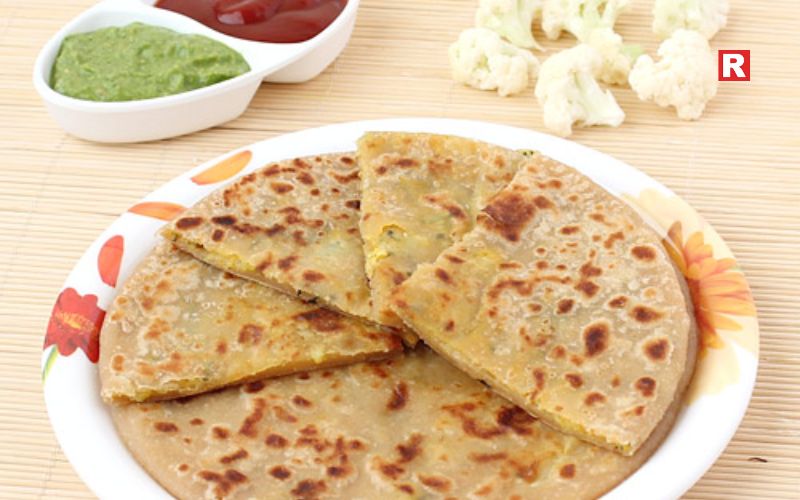
Paranthe are part of daily life in Delhi. They are eaten at home, on the street, and during travel. Stuffed versions are especially popular. Aloo, paneer, gobhi, and keema are common fillings. In Old Delhi, paranthe are deep-fried and served with pickle and curd. At home, they are usually shallow-fried with ghee. Paranthe are filling and flexible. They suit breakfast, lunch, or dinner. This food reflects comfort and routine. It is often linked to family meals and simple cooking. Paranthe do not need complex spices. Their strength lies in warmth and familiarity. In Delhi, a parantha is more than food. It is a habit passed through generations, unchanged in spirit.
4. Nihari
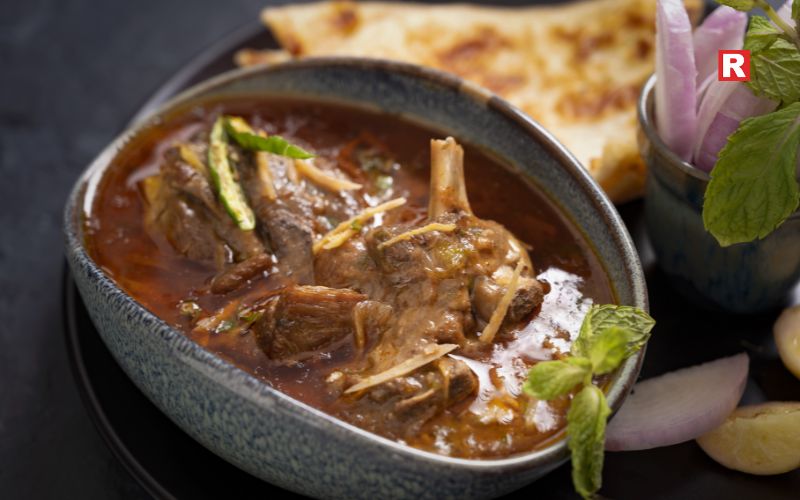
Nihari is a dish tied closely to Old Delhi’s history. It is a slow-cooked meat stew with Mughlai origins. The dish is prepared overnight. It is traditionally eaten early in the morning. The gravy is thick, rich, and deeply spiced. Bones and marrow add depth and body. Nihari was once food for workers and royals alike. In Delhi, it remains rooted in Muslim food traditions. It is usually eaten with khameeri roti. Nihari is not rushed food. It requires patience and skill. The flavours develop slowly. This dish reflects Delhi’s respect for time and technique. Nihari is heavy, warming, and comforting. It is best enjoyed quietly, with focus, as part of a long-standing culinary ritual.
5. Kebabs
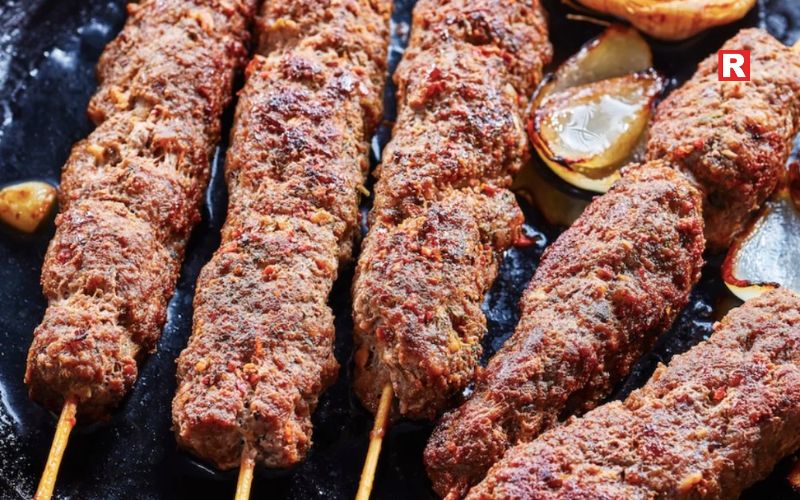
Kebabs show Delhi’s royal food heritage clearly. They come from Mughlai cooking traditions. Seekh kebabs, shami kebabs, and boti kebabs are widely loved. Each type has its own texture and taste. Meat is minced or marinated with spices. It is then grilled or cooked in a tandoor. The result is smoky, juicy, and flavourful. Kebabs are eaten as snacks or full meals. They are often paired with onions, lemon, and bread. In Delhi, kebabs are simple but precise. Spices enhance the meat, not overpower it. This food reflects balance and skill. Kebabs remain popular across generations. They connect today’s street food culture with the city’s royal past.
6. Aloo Tikki
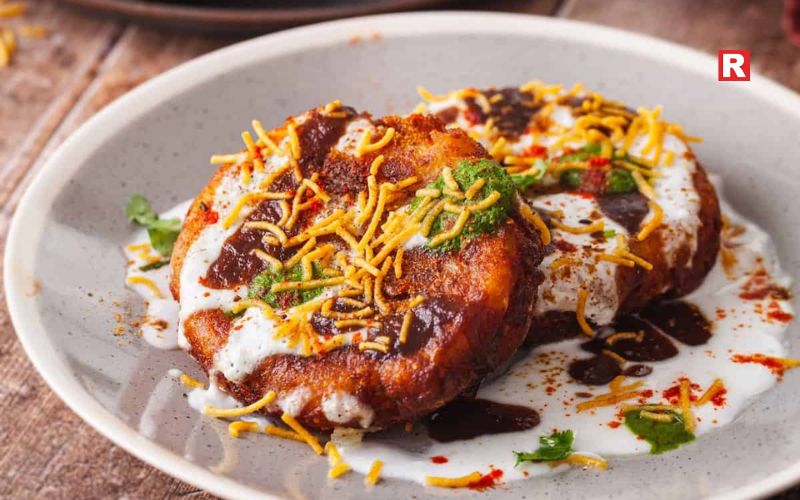
Aloo Tikki is a core part of Delhi’s street food culture. It is made from boiled potatoes mixed with simple spices. The tikki is shaped by hand and shallow-fried until crisp on the outside. The inside stays soft and warm. In Delhi, aloo tikki is rarely eaten plain. It is topped with curd, tamarind chutney, green chutney, and sometimes cooked chickpeas. The flavours are bold and layered. Delhi-style aloo tikki is heavier and more filling than versions found in other cities. It is often eaten in the evening. People stop, eat, talk, and move on. The dish feels casual but satisfying. It reflects Delhi’s love for strong taste and generous portions.
7. Golgappa
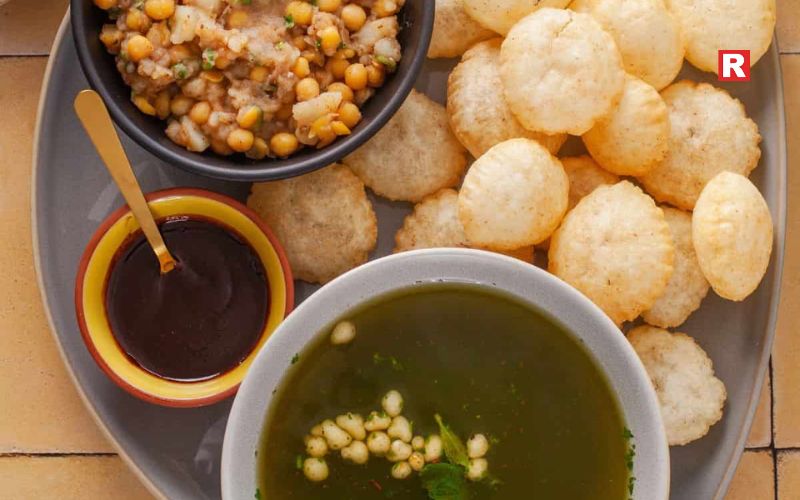
Golgappa is what Delhi calls pani puri. The name itself carries attitude. The water here is sharp, spicy, and intense. Sweet versions exist, but spice leads the way. Fillings usually include potato, boiled chickpeas, and masala. Each bite is quick and powerful. Golgappa is eaten standing, often in groups. Markets, streets, and corners all have their own stalls. People compare flavours and choose favourites. In Delhi, golgappa is not delicate. It is bold and loud. The spice level sets it apart from other cities. This snack reflects the city’s fast pace and direct nature. Golgappa is not just food. It is a shared street experience repeated daily.
8. Dahi Bhalla
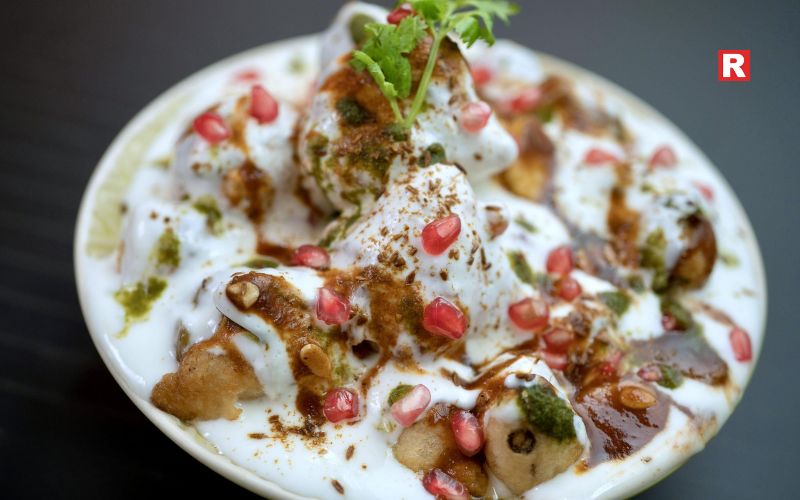
Dahi Bhalla brings softness to Delhi’s chaat culture. Lentil dumplings are fried and then soaked in water. This makes them light and airy. They are covered with thick yogurt and topped with chutneys. The taste is gentle but layered. Sweet, sour, and mild flavours come together. Spices are used carefully. Dahi bhalla is often served during festivals and family events. It is cooling and comforting. Unlike spicy street snacks, this dish feels calm. It suits all age groups. In Delhi homes, dahi bhalla is often prepared in advance. It reflects balance in flavour and texture. This dish shows that Delhi’s food culture values restraint as much as richness.
Know more: Explore 15 Famous Vegetarian Kerala Dishes for an Authentic Taste
9. Rajma Chawal
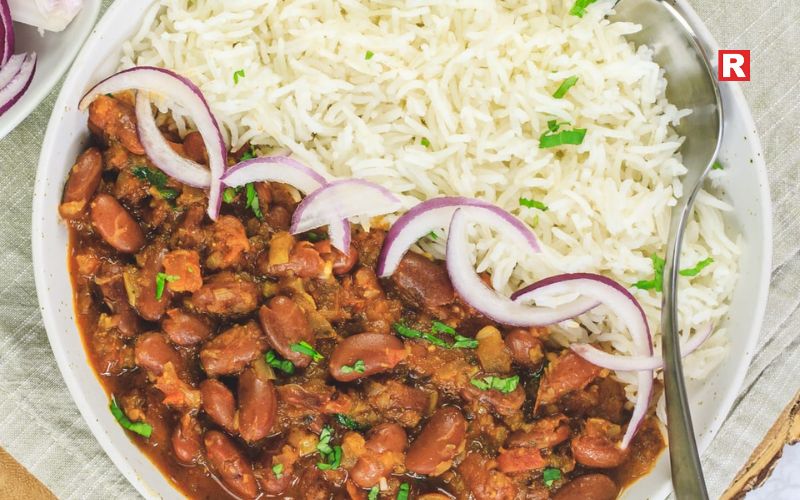
Rajma Chawal is everyday comfort food in Delhi. Red kidney beans are cooked slowly in a thick, spiced gravy. The dish is served with plain rice. It is filling and warm. Many families eat it at home for lunch. It is often linked to weekends and relaxed meals. Rajma chawal does not aim to impress. It aims to satisfy. The flavours are familiar and steady. Each household has its own version. Some like it thick. Some prefer it lighter. In Delhi, rajma chawal represents routine and comfort. It is food that feels safe. It reminds people of home, rest, and simple pleasures.
10. Mutton Korma
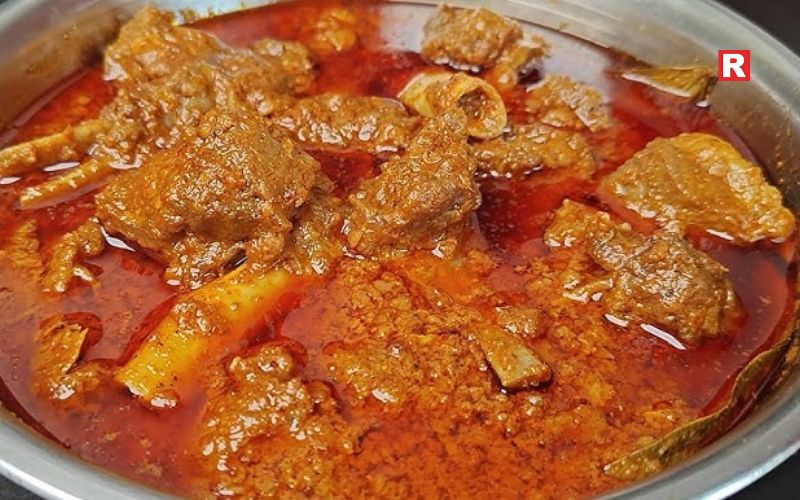
Mutton Korma reflects Delhi’s royal food traditions. It is a slow-cooked curry made with yogurt, spices, and nuts. The cooking process is careful and patient. The gravy turns thick and aromatic. In Delhi, the spices are balanced, not sharp. The meat becomes soft and tender. This dish is usually cooked for special occasions. Family gatherings and celebrations often include mutton korma. It is served with naan or rice. The dish feels rich but controlled. It shows the influence of Mughlai kitchens. Mutton korma is not everyday food. It is reserved for moments that matter. It reflects pride, heritage, and careful cooking.
11. Kathi Rolls
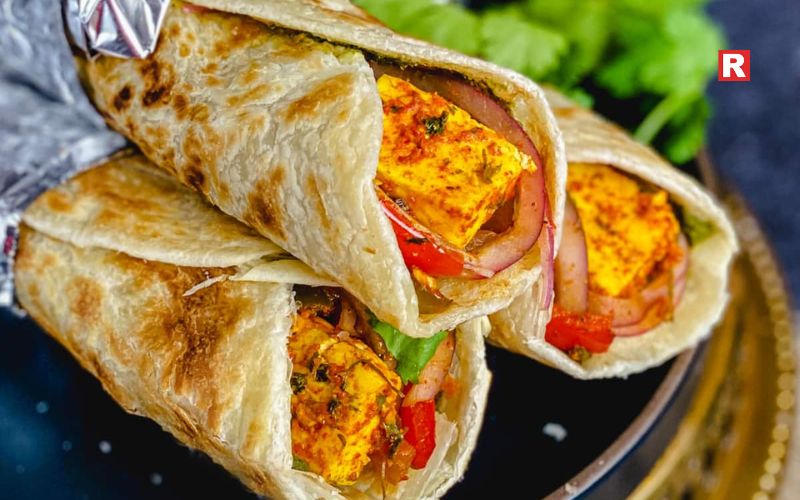
Kathi rolls are a reliable food choice in Delhi. They are quick, filling, and easy to eat on the move. Soft bread wraps around grilled fillings. Chicken, paneer, and egg are common options. Spices are simple but bold. Onions and sauces add extra flavour. These rolls suit busy workdays and late nights. People eat them while walking or standing near stalls. Kathi rolls reflect Delhi’s fast pace. They are not heavy like full meals, yet they satisfy hunger well. Over time, Delhi has adapted this street food to local taste. The rolls are richer and more filling here. They show how the city blends convenience with strong flavours and everyday eating habits.
12. Papri Chaat
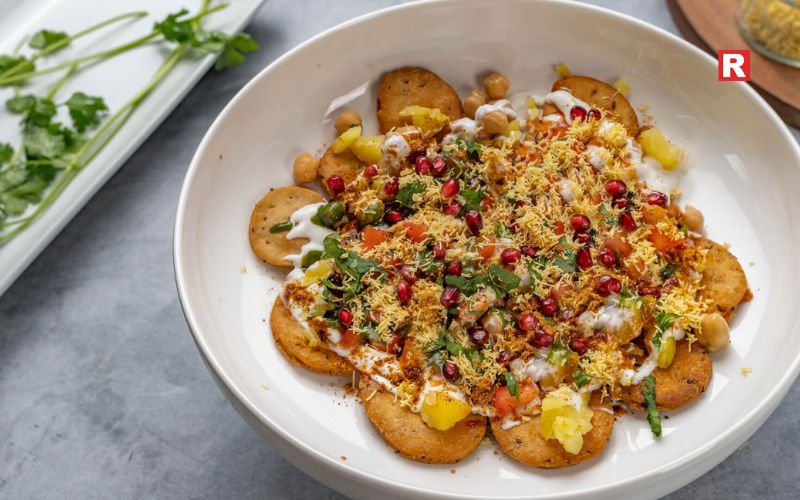
Papri chaat is about texture and balance. Crisp wafers form the base. Boiled potatoes and chickpeas add weight. Thick curd softens the crunch. Sweet and sour chutneys tie everything together. Each bite offers contrast. Crunch meets softness. Sweet meets spice. In Delhi, papri chaat is carefully layered. Nothing is rushed. It is one of the most complete chaat dishes. People enjoy it slowly, often while talking. This dish reflects Delhi’s love for variety on a single plate. It does not rely on heat alone. It relies on balance. Papri chaat suits all age groups. It feels familiar and dependable. It remains a steady favourite across the city.
13. Momos
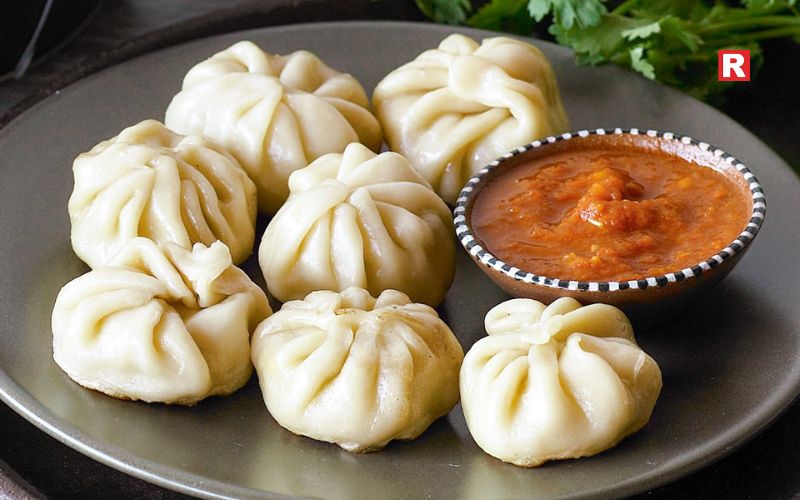
Momos were not born in Delhi, but they now belong to the city. Street stalls selling momos appear everywhere. Steamed and fried versions are both popular. Fillings include vegetables or meat. What sets Delhi momos apart is the chutney. It is red, spicy, and sharp. The heat is strong. People expect that intensity. Momos are eaten in the evening and late at night. They suit young crowds and quick breaks. Over time, Delhi has shaped momos to match its taste. The flavours are bolder. Portions are generous. Today, momos are part of daily street food life. They show how Delhi absorbs and transforms outside influences.
Also check: 5 Cities That Serve the Best Non-Vegetarian Street Food
14. Kulfi

Kulfi is Delhi’s answer to heat and heavy meals. It is dense and creamy. Unlike ice cream, it is slow-set. Milk is reduced over time to create richness. In Delhi, kulfi often carries flavours like pistachio, saffron, or malai. It is served on sticks or sliced. People enjoy it during hot afternoons and after dinners. Kulfi feels traditional and familiar. It does not chase trends. It relies on technique and patience. This dessert reflects Delhi’s preference for depth over lightness. It cools the body and satisfies the palate. Kulfi remains a simple pleasure across generations.
15. Rabri Falooda
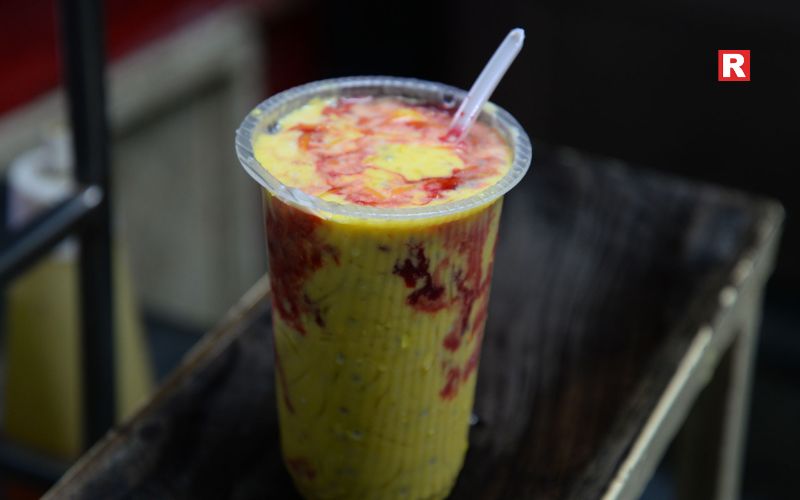
Rabri falooda is a rich and indulgent dessert. Thickened milk forms the base. Vermicelli, basil seeds, and rose syrup add layers. The dish is heavy and sweet. It is not meant for quick eating. In Delhi, rabri falooda is often shared. It appears during festivals and special outings. Old Delhi sweet shops are closely linked to this dessert. The flavours are traditional and comforting. This dish reflects celebration and excess. It is enjoyed after long meals or special days. Rabri falooda shows Delhi’s love for milk-based sweets. It represents indulgence without apology.
16. Daulat Ki Chaat
Daulat ki chaat appears only during Delhi’s winter months. It is made from milk that is slowly whipped into a light foam. The process depends on cold air and patience. The result is delicate and airy. It almost melts on the tongue. Nuts are added for gentle texture. This dish is not heavy or spicy. It feels calm and refined. Daulat ki chaat is usually eaten in the morning. It is closely linked to Old Delhi. The dish shows a softer side of the city’s food culture. It values technique over richness. This chaat cannot be rushed or stored. Its short season makes it special. It reflects how Delhi celebrates time, weather, and tradition through food.
17. Bedmi Poori with Aloo Sabzi
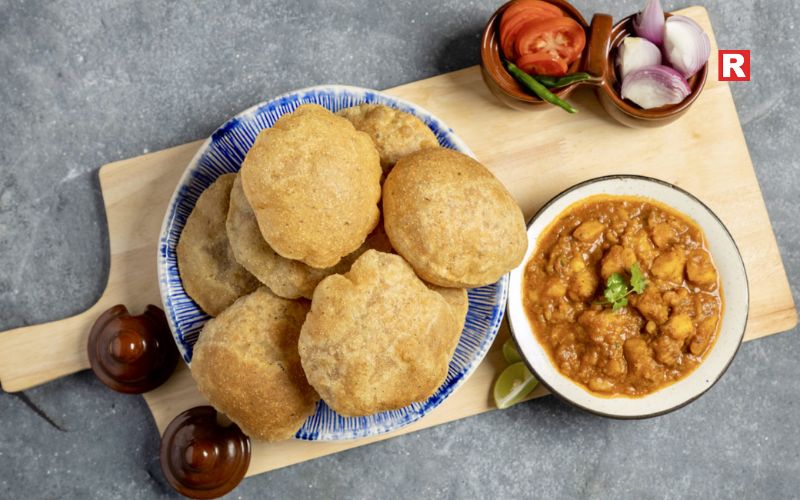
Bedmi poori with aloo sabzi is a traditional Old Delhi breakfast. The poori is spiced and crisp. It is thicker than regular poori. The potato curry is slow-cooked and heavily seasoned. Together, they create a strong and earthy meal. This dish is eaten early in the day. It keeps people full for hours. Bedmi poori reflects old food habits. Meals were meant to be sustaining. The flavours are bold and direct. There is no garnish or excess. Just spice and texture. This dish is deeply rooted in routine. It represents how mornings once began in the city. Simple, filling, and purposeful.
18. Tandoori Chicken
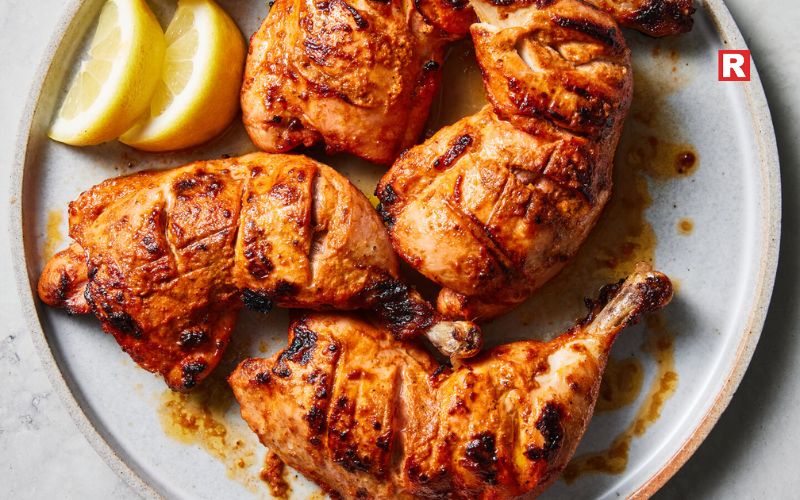
Tandoori chicken is one of Delhi’s most recognisable dishes. Chicken is marinated in yogurt and spices. It is cooked inside a clay oven. High heat gives it a smoky flavour. The outer layer becomes slightly charred. The inside stays juicy. Delhi-style tandoori chicken is bold but balanced. It is served with sliced onions and lemon. This dish works as a starter or a full meal. It appears in casual eateries and formal dining spaces. Tandoori chicken reflects Delhi’s love for fire-cooked food. It connects street cooking with restaurant culture. The dish remains timeless and widely loved.
19. Shahi Tukda
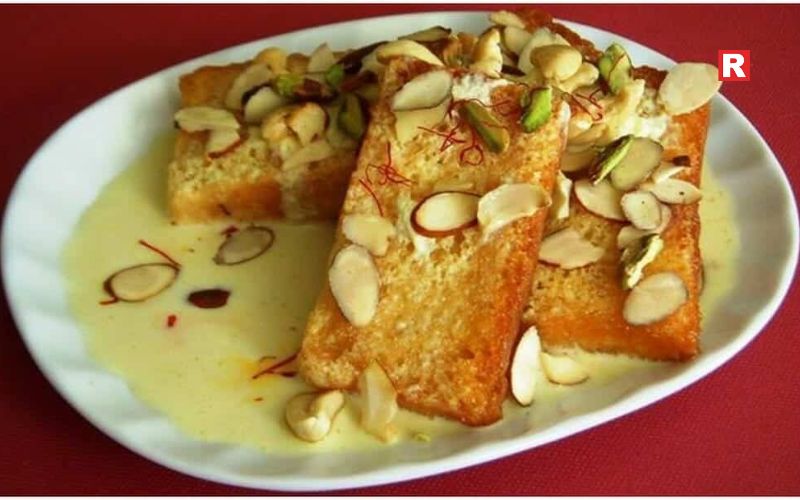
Shahi tukda comes from Mughlai dessert traditions. Bread slices are fried until golden. They are soaked in sugar syrup. Thick rabri is poured on top. Nuts are added for richness. The dessert is heavy and indulgent. It is not meant for everyday eating. In Delhi, shahi tukda is linked to celebrations. It reflects royal kitchens and old recipes. The flavours are sweet and comforting. There is no attempt to lighten the dish. It embraces richness fully. Shahi tukda shows how Delhi values tradition in sweets. It keeps old flavours alive without change.
20. Samosa with Chutney
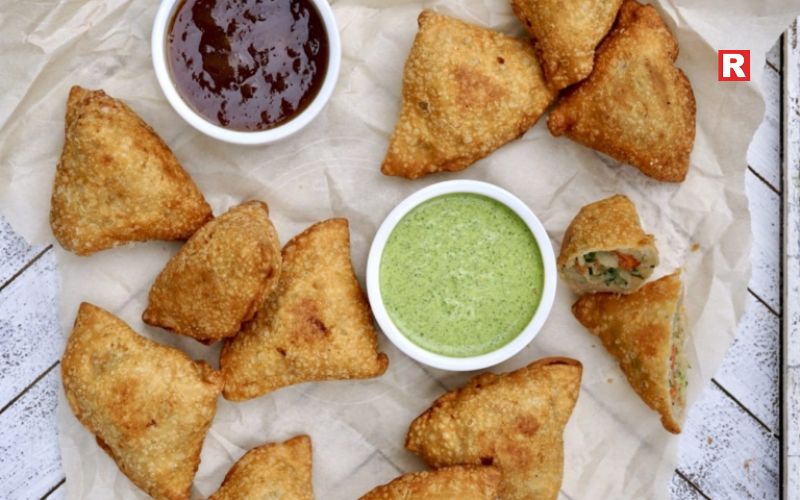
Samosa with chutney is a constant presence in Delhi. The snack is simple but deeply familiar. Crisp pastry holds a spiced potato filling. It is fried until golden. Green and tamarind chutneys add contrast. The flavours are warm and comforting. Samosas are eaten in the morning, evening, or between meals. They suit every setting. Tea stalls, homes, and shops all serve them. In Delhi, the samosa is filling and generously sized. It reflects everyday eating habits. This snack is not seasonal or rare. It is dependable. Samosa with chutney represents routine, comfort, and the city’s love for simple food done well.
Check more: Top 10 Vegan Street Foods in India Every Indian Loves
Top Famous Veg Street Foods in Kolkata That You Must Try Once in Your Life
Best Street Food Spots in Delhi That Define Its Flavours
Final Thoughts
Delhi’s food goes far beyond flavour. It carries memory, habit, and identity. Meals here are shaped by history and everyday routine. Royal recipes live on beside street snacks. Old traditions share space with new ways of eating. Food moves easily across neighbourhoods and communities. Every dish has a place. Some belong to celebrations. Others belong to daily life. Street food brings strangers together. Home food brings families closer. Eating is rarely rushed. It is often shared. Conversations happen over plates and glasses. Food in Delhi reflects the city's rich history of migration and change. People arrived from different regions and brought their flavours with them. Over time, those flavours settled into the city. They became local. They became familiar. To know Delhi, one must eat the way the city eats. Standing by a cart. Sitting at a family table and choosing comfort over formality. Each bite carries a past. Each meal continues a story that never really ends.
Saptopriya Ghosal
Feature Writer
I am a dedicated media professional with a bachelor's degree in mass communication from the State University of Calcutta and a postgraduate degree from Amity University. My academic journey has equipped me with a profound understanding of storytelling and communication. Passionate about the dynamic world of media, I continually strive to explore new ways to engage and inform through compelling narratives.



































































































































































