
20 Famous Foods of Chhattisgarh That Reflect Its True Culinary Soul
Chhattisgarh cuisine is shaped by simplicity and care for nature. It depends on local grains, vegetables, and forest produce. The food changes with the seasons.

Chhattisgarh’s food culture is calm and deeply rooted in the land. It grows from everyday life rather than luxury. The cooking does not depend on heavy spices or rich gravies. Flavours remain mild and natural. The focus stays on balance and nourishment. Food is made to support the body, not tire it. Rice is central to every meal. It appears in rotis, porridges, snacks, and main dishes. Millets like kodo and kutki are equally important. They grow well in local soil and suit the climate. Forest produce also plays a key role. Bamboo shoots, mahua flowers, leafy greens, and wild roots are used with care. Lentils and seasonal vegetables complete daily meals.
A large part of this cuisine comes from tribal communities. Their food habits are practical and thoughtful. Meals are planned around weather and work. Cooling foods are eaten in summer. Warming foods are preferred in winter. Cooking methods stay simple. Steaming preserves nutrients. Slow boiling improves digestion. Sun-drying helps store food for months. Open-fire cooking adds natural flavour. Chhattisgarh food reflects patience, respect for nature, and a close bond with the land.
Here are 20 famous foods of Chhattisgarh that truly define the state’s
1. Chila
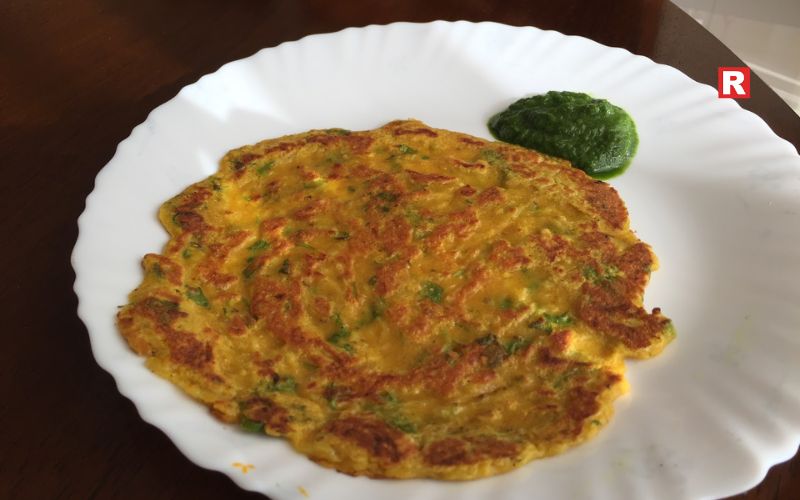
Chila is a daily breakfast dish in many Chhattisgarh homes. It is made from rice flour or ground chana dal. The batter is smooth and light. It is poured thin on a hot tawa and cooked slowly. The texture turns crisp on the outside and soft inside. Chila is gentle on the stomach and easy to digest. Many families prefer it over bread or packaged food. It fits well into a simple morning routine. Chila is usually eaten fresh and hot. It is served with coriander chutney or tomato chutney made at home. The taste is mild and balanced. It fills the stomach without feeling heavy. That is why it is eaten regularly, even on working days.
2. Faraa
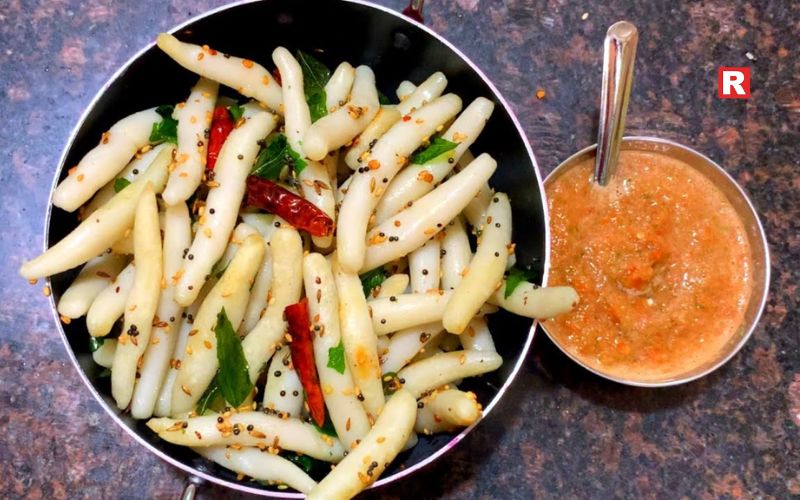
Faraa is a traditional steamed snack made from rice flour. It is shaped into small rolls using soft dough. These rolls are steamed until cooked. The process keeps the dish light and healthy. After steaming, faraa is lightly tempered with garlic, mustard seeds, and curry leaves. This adds aroma and gentle flavour. Faraa looks plain, but it tastes comforting. It is often eaten in the evening with tea. Many people choose it instead of fried snacks. It does not use oil during cooking. This makes it suitable for all age groups. In rural areas, faraa is part of everyday food habits. It reflects the simple cooking style of Chhattisgarh kitchens.
Read more: 8 Famous Vegetarian Dishes of Uttar Pradesh and Their Timeless Legacy
5 Cities That Serve the Best Non-Vegetarian Street Food
3. Muthia
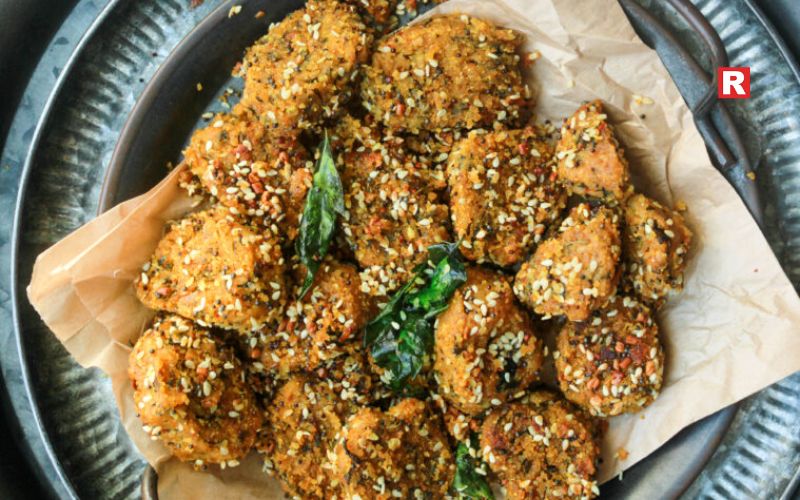
Muthia is a soft dish made mainly from rice flour. The dough is shaped into small dumplings. These dumplings are first cooked in water. After that, they are lightly sautéed. This gives them a mild outer texture while keeping the inside soft. Muthia has a chewy bite and gentle taste. It is not spicy or oily. The dish is usually served with curd or a simple chutney. In many rural households, muthia is eaten for lunch. It is filling and easy to prepare. People prefer it for its comfort and simplicity. Muthia shows how basic ingredients can create satisfying food. It suits daily meals and traditional eating habits.
4. Aamat
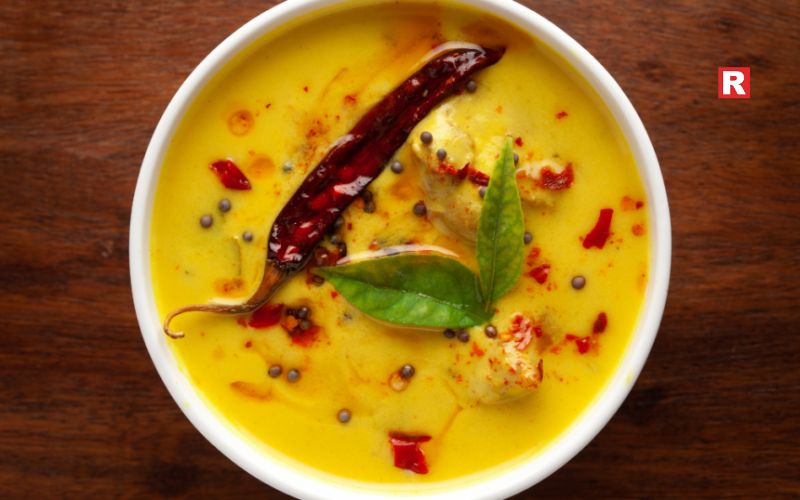
Aamat is a traditional vegetable curry from Chhattisgarh. It uses seasonal vegetables found locally. Bamboo shoots and forest herbs are often added. The gravy is thin and lightly spiced. It does not overpower the vegetables. Aamat reflects tribal cooking traditions. The focus is on nutrition and balance. The dish is slow-cooked to bring out natural flavours. It is easy on the stomach and suitable for regular meals. Aamat is usually eaten with plain rice or chousela roti. It does not rely on oil or heavy masala. This makes it wholesome and light. Aamat represents the close connection between food, forest produce, and local lifestyle in the region.
5. Bafauri
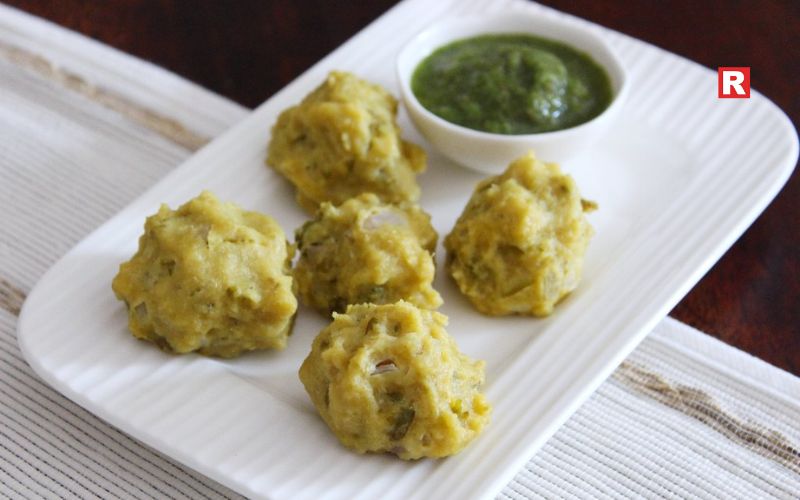
Bafauri is a healthy dish made from chana dal. The dal is soaked and ground into a coarse paste. The mixture is shaped into small balls. These balls are steamed, not fried. No oil is used in cooking. This keeps the dish light and nutritious. Bafauri is commonly prepared during festivals and fasting days. It is also eaten as a snack with tea. The taste is mild and earthy. Spices are used in small amounts. Bafauri is filling without being heavy. Many people prefer it as a healthy option. It reflects the traditional preference for steamed food in Chhattisgarh homes.
6. Dubki Kadhi
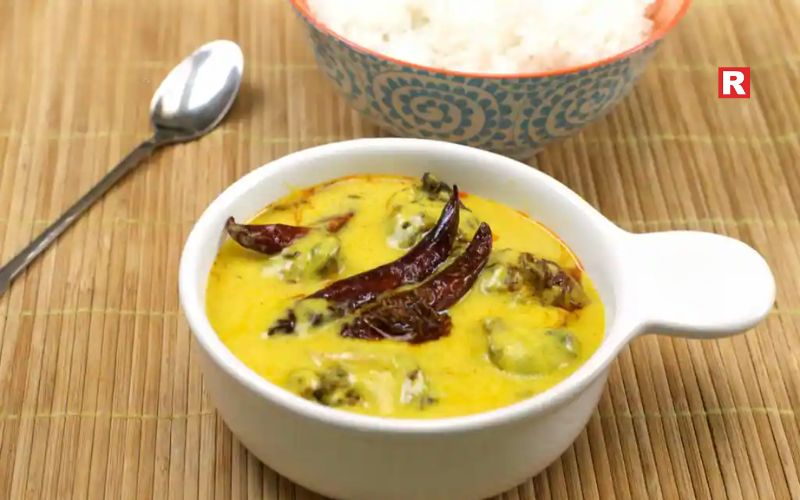
Dubki kadhi holds a special place in Chhattisgarhi homes. It is cooked slowly and served fresh. Small dumplings made from gram flour are called dubki. These dumplings are dropped into a thick kadhi made from curd. The kadhi is gently spiced and not too sour. The flavour stays mild and calming. This dish is often prepared for lunch. It is eaten with plain steamed rice. Many families prefer dubki kadhi on regular days. It feels light yet filling. The dish soothes the stomach and suits all age groups. It reflects everyday home cooking. Dubki kadhi shows how simple ingredients can create comfort and warmth in a meal.
7. Chhattisgarh-Style Bhajia
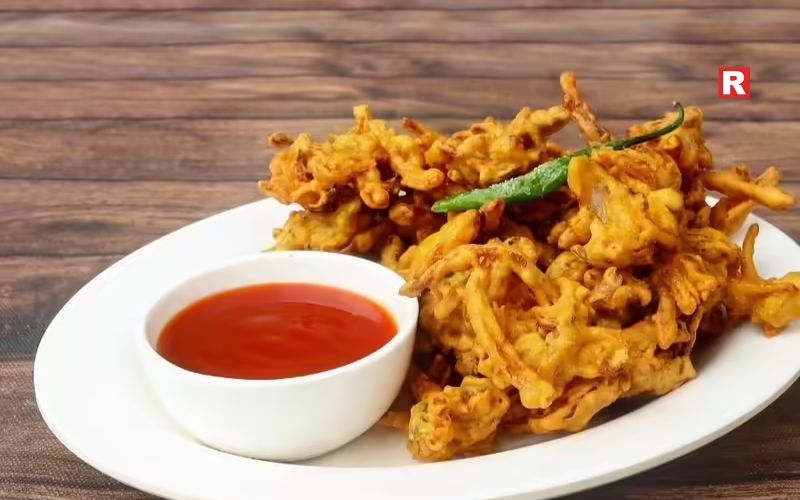
Chhattisgarh-style bhajia is very different from fried pakoras. These bhajias are steamed, not deep-fried. Gram flour batter is mixed with mild spices. The mixture is shaped and cooked until soft. The texture stays light and airy. There is no heavy oil or crisp outer layer. These bhajias are easy to digest. They are often eaten as an evening snack. Chutney made from coriander or tamarind is served on the side. In villages, this snack is common in daily life. It is made quickly using simple ingredients. Chhattisgarh-style bhajia reflects the preference for healthy cooking methods and balanced flavours.
8. Thethri
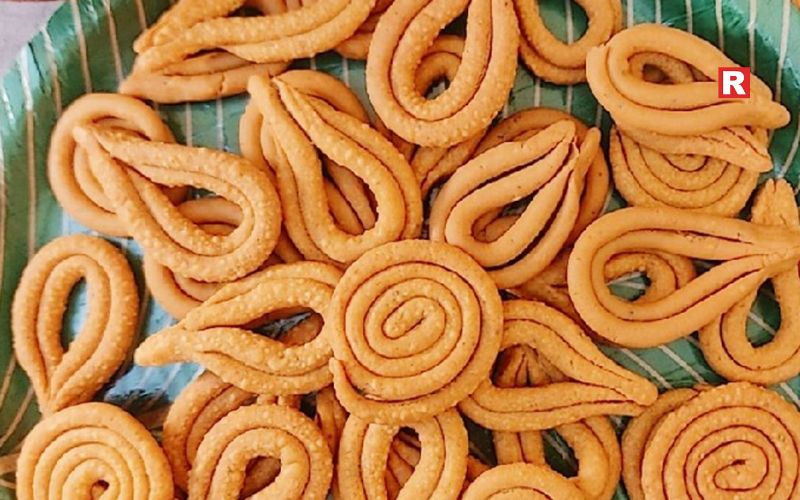
Thethri is a crunchy snack enjoyed across Chhattisgarh. It is made from wheat flour and basic spices. The dough is shaped into small pieces and deep-fried. Once cooked, thethri stays crisp for many days. This makes it easy to store. It is often prepared in large quantities during festivals. Families keep it ready to serve guests. Thethri is usually eaten with a cup of tea. It is also packed for travel. The taste is simple and familiar. The snack brings a sense of comfort and sharing. Thethri shows how traditional snacks are made to last and suit everyday needs.
9. Khurmi

Khurmi is a traditional sweet snack from Chhattisgarh. It is made using wheat flour and jaggery. The dough is shaped and fried until crisp. The texture is firm and slightly dense. Khurmi has a deep, earthy sweetness. It is not soaked in syrup. This keeps the flavour natural. Khurmi is prepared during weddings and festivals. It is also made for special family gatherings. The snack stays fresh for many days. It is easy to store and share. Khurmi reflects the strong use of jaggery in local sweets. It shows a preference for simple ingredients and long-lasting food.
Know more: Top 10 Vegan Street Foods in India Every Indian Loves
10. Chousela Roti
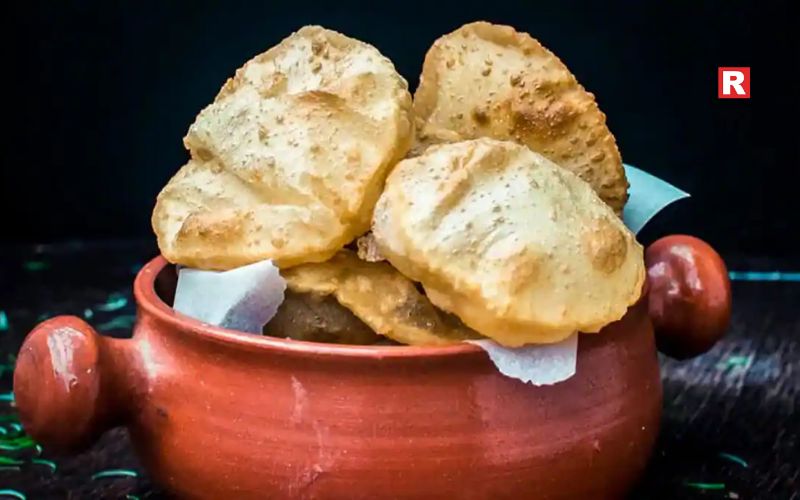
Chousela roti is a well-known rice roti from Chhattisgarh. It is made using rice flour and water. The dough is shaped by hand and cooked on a hot tawa. Ghee is added at the end for flavour. The roti turns crisp on the outside and soft inside. It has a mild taste. Chousela roti is eaten with vegetable curries or lentils. It is also enjoyed with simple chutneys. This roti is common in rural homes. It fits well into daily meals. Chousela roti reflects the importance of rice-based food in the region.
11. Bore Baasi
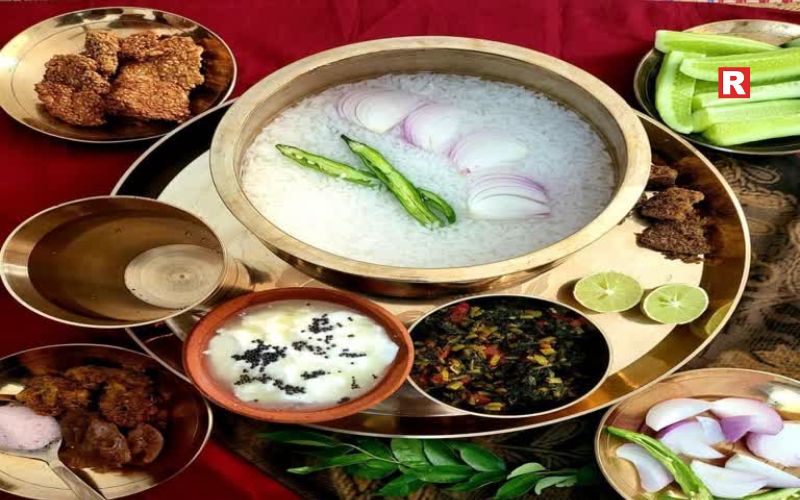
Bore baasi is a traditional summer dish in Chhattisgarh. It is made using leftover cooked rice. The rice is soaked in water overnight. It is eaten early the next morning. This dish helps the body stay cool in hot weather. Many people believe it improves digestion. It also helps prevent heat-related problems. Bore baasi is often eaten with raw onions, green chilli, or salt. Some add curd for extra comfort. It is simple but deeply nourishing. Farmers prefer it before heading to the fields. Bore baasi shows strong food wisdom passed down through generations. It proves how traditional habits support health and climate-friendly living in everyday life.
12. Dehrori
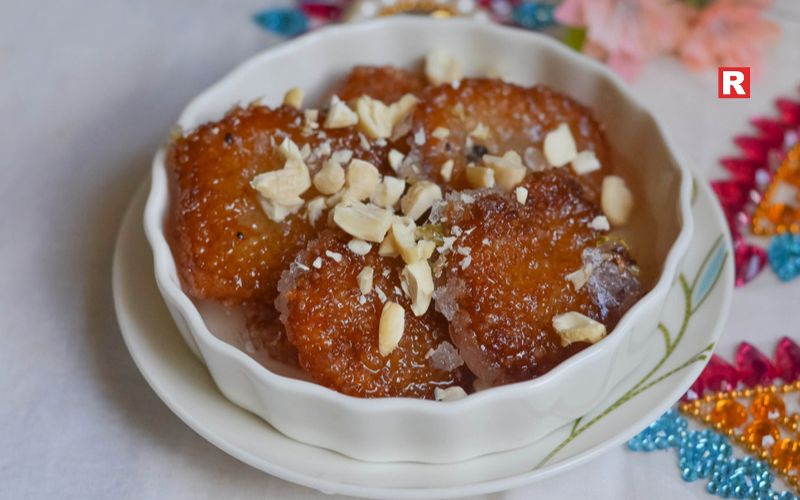
Dehrori is a traditional sweet dish from Chhattisgarh. It is made using rice flour and curd. The batter is fermented lightly. Small portions are fried until golden. These pieces are then soaked in sugar syrup. The texture turns soft and spongy. The sweetness stays mild and balanced. Dehrori is prepared during festivals and family celebrations. It is also made when guests visit. The dish feels rich but not heavy. It is served warm or at room temperature. Dehrori reflects festive cooking traditions. It shows how simple ingredients can create special desserts. The dish holds cultural value and is linked to joyful occasions.
13. Angakar Roti
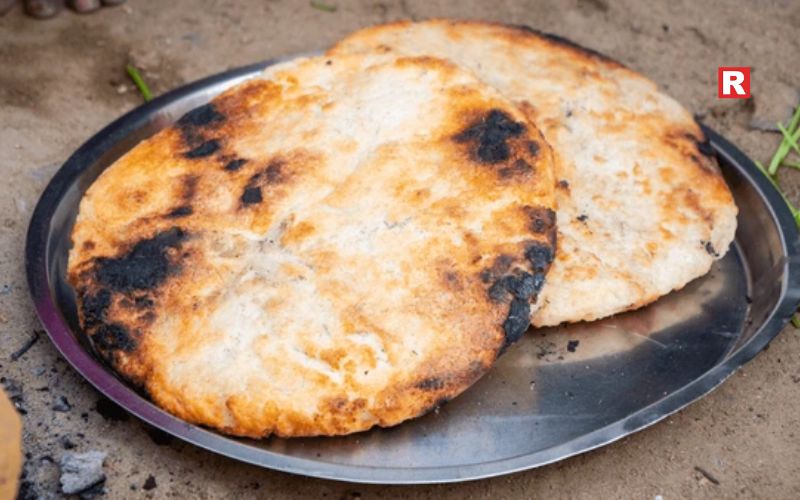
Angakar roti is a thick rice roti cooked on open fire. It is prepared using rice flour dough. The roti is placed directly on charcoal or flame. This gives it a smoky flavour. The outside becomes firm while the inside stays soft. Angakar roti is common in rural areas. It is often cooked outdoors. The roti is eaten fresh and hot. It is served with chutney or simple vegetable curry. Sometimes salt and ghee are enough. Angakar roti reflects rustic cooking methods. It shows how food adapts to local tools and lifestyles. This roti carries the taste of village life and tradition.
14. Til Gur Ladoo
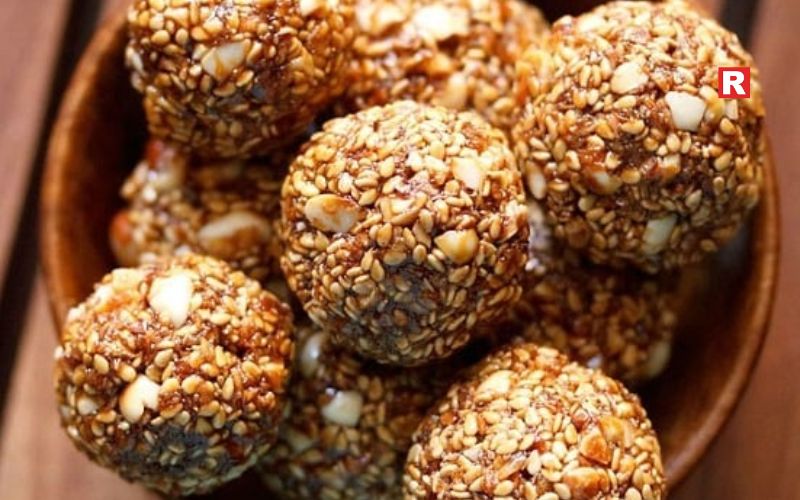
Til gur ladoos are traditional sweets of Chhattisgarh. They are made using sesame seeds and jaggery. The ingredients are roasted and mixed while warm. The mixture is shaped into round ladoos. These ladoos are mostly prepared in winter. They provide warmth and energy to the body. Til gur ladoos are common during Makar Sankranti. Families prepare them at home and share with neighbours. The taste is nutty and rich. The sweetness comes only from jaggery. These ladoos are also valued for their health benefits. They reflect seasonal eating habits and traditional festive food culture.
Also check: Top Famous Veg Street Foods in Kolkata That You Must Try Once in Your Life
15. Kodo Millet Kheer
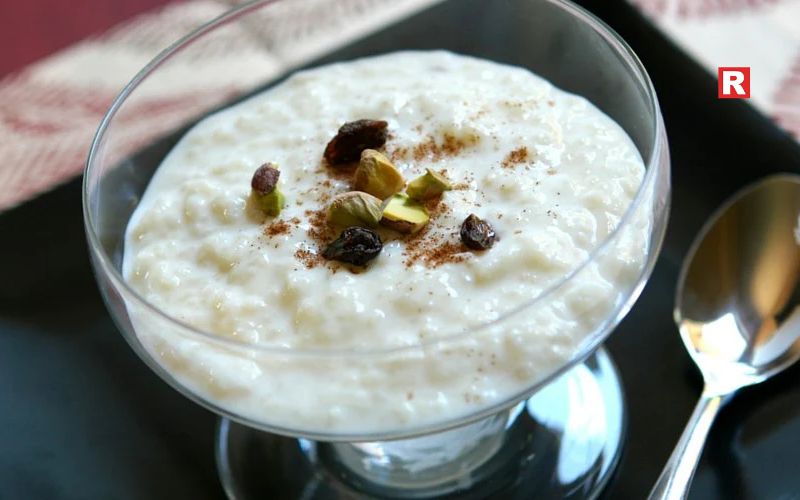
Kodo millet kheer is a healthy dessert from Chhattisgarh. It is made using kodo millet and jaggery. Milk is added for richness. The millet is cooked slowly until soft. The kheer stays light and easy to digest. It does not feel heavy like regular sweets. Kodo millet is widely grown in the region. It forms an important part of daily food. This kheer is naturally gluten-free. It suits people of all ages. The dish reflects the strong millet culture of Chhattisgarh. It also shows how traditional grains are used to create nourishing and balanced desserts.
16. Badi
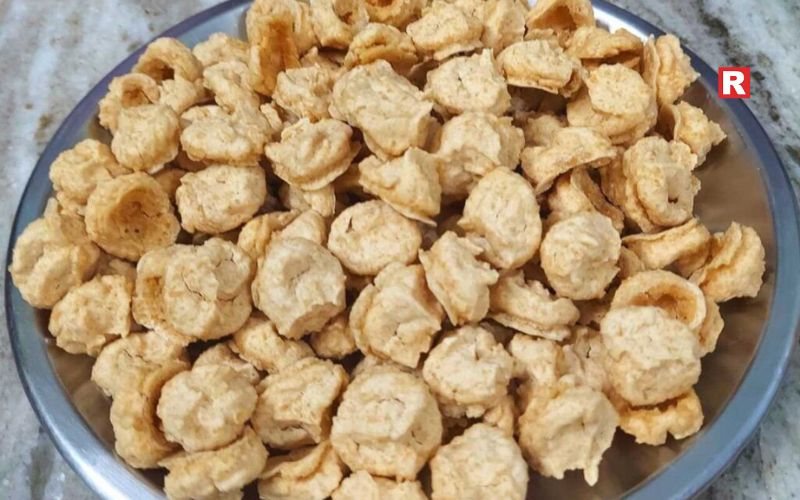
Badi are traditional lentil nuggets used in Chhattisgarh cooking. They are made from ground lentils and spices. The mixture is shaped into small pieces. These pieces are dried under the sun. Once dried, badi can be stored for many months. They are added to curries and vegetables. Badi give a deep and earthy flavour to food. Making badi is often a group activity. Families come together during the drying season. Women prepare the mixture and shape the nuggets. Children help place them in the sun. This process brings people together. Badi reflect careful planning and seasonal cooking. They show how food is preserved using natural methods.
17. Peej Roti
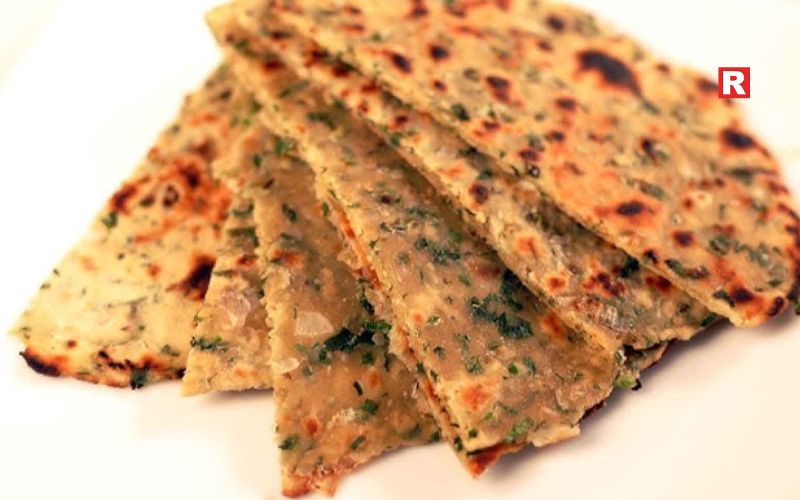
Peej roti is a soft rice roti eaten in many homes. It is made using rice flour and water. The dough is kneaded lightly. The roti is cooked on a hot tawa. It is thinner than angakar roti. The texture stays soft and easy to chew. Peej roti is usually eaten fresh. It is served with leafy vegetable sabzis. Chutneys made from greens or tomatoes are also common. This roti suits simple meals. It is light on the stomach. Peej roti reflects daily food habits. It shows how rice-based dishes fit naturally into everyday cooking in Chhattisgarh.
18. Lauki Chana Dal
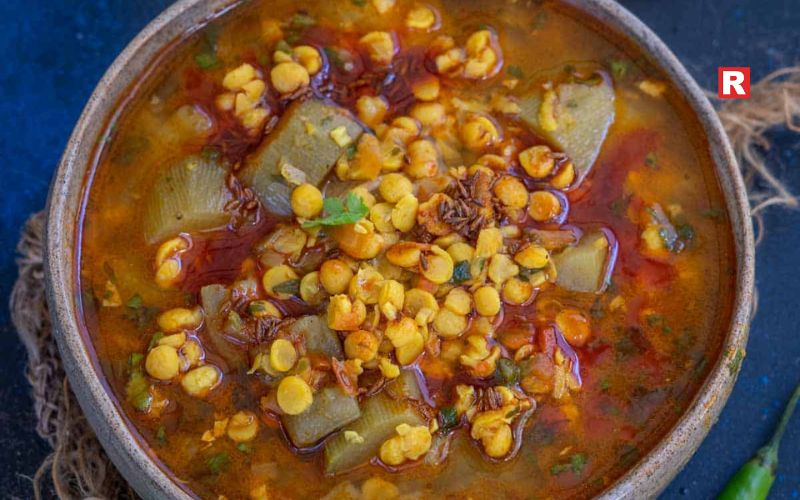
Lauki chana dal is a simple curry prepared in many households. It is made using bottle gourd and chana dal. The ingredients are cooked slowly together. The dish uses very little oil. Spices are kept mild. The focus stays on natural taste. Lauki adds softness. Chana dal adds texture and protein. This curry is eaten during lunch. It is served with rice or roti. Lauki chana dal is easy to digest. It suits all age groups. The dish reflects everyday home cooking. It values nutrition over richness. It shows how balanced meals are part of regular life in Chhattisgarh.
19. Mahua Ladoo

Mahua ladoo is a rare sweet from Chhattisgarh. It is made using mahua flowers. These flowers are collected from forests. Mahua holds strong cultural value in tribal life. The flowers are dried and cooked carefully. The ladoos have a distinct aroma. The taste is rich and earthy. Mahua ladoo is not made daily. It is prepared during special times. It is rarely found outside the region. The sweet reflects a deep connection with nature. It shows how forest produce is used in food. Mahua ladoo represents tradition, identity, and the food wisdom of tribal communities.
20. Urad Dal Mangodi
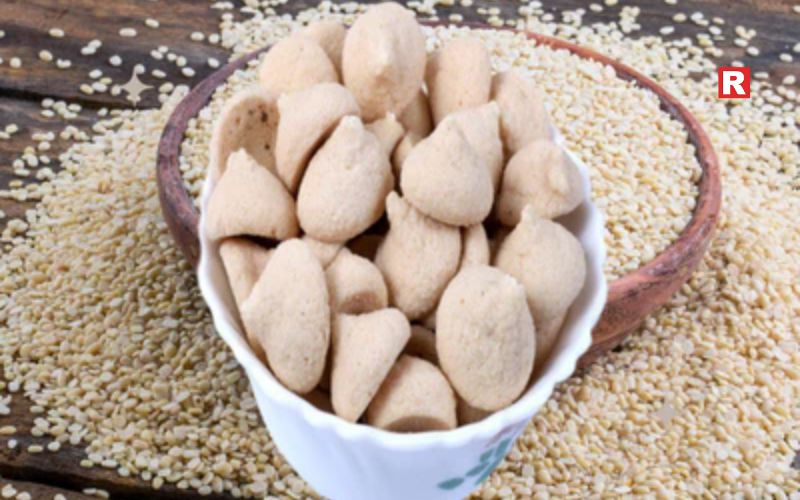
Urad dal mangodi are small sun-dried dumplings. They are made from ground urad dal. The batter is shaped into tiny pieces. These pieces are dried under the sun. Mangodi can be stored for a long time. They are cooked in spicy gravies. The dumplings absorb flavour well. This makes the dish rich in taste. Mangodi dishes are often prepared during family gatherings. They are also made for special meals. The process of drying needs patience. Urad dal mangodi reflect careful preparation and preservation. They show how traditional kitchens plan food for different seasons and occasions.
Check more: 20 Famous Foods of Rajasthan That Define the Royal Desert Cuisine
20 Famous Foods from Karnataka That Define Its Rich Food Culture
Top Non-Vegetarian Foods of Odisha That Define Its Coastal Soul
Happy Eating!
Chhattisgarh cuisine is shaped by simplicity and care for nature. It depends on local grains, vegetables, and forest produce. The food changes with the seasons. What grows nearby is what goes into the pot. Oil and strong spices are used in small amounts. This keeps the meals light and balanced. The food supports everyday life. It suits people who work long hours in fields and forests. Meals are filling but not heavy. They help the body adjust to heat, rain, and cold. Many dishes are designed to cool the body or provide warmth when needed. Each recipe carries a story. It reflects the land, the forests, and shared living. Cooking is often a group effort. Food brings families and communities together. Exploring Chhattisgarh food means understanding patience, balance, and respect for tradition.
Saptopriya Ghosal
Feature Writer
I am a dedicated media professional with a bachelor's degree in mass communication from the State University of Calcutta and a postgraduate degree from Amity University. My academic journey has equipped me with a profound understanding of storytelling and communication. Passionate about the dynamic world of media, I continually strive to explore new ways to engage and inform through compelling narratives.



































































































































































