
20 Famous Foods from Karnataka That Define Its Rich Food Culture
Karnataka cuisine does not chase food trends. It stays close to its roots. The food grows from the land. It follows the seasons. Each dish carries the mark of its region.

Karnataka’s food culture is layered and deeply regional. It does not follow one rule. The cuisine changes within short distances. A dish enjoyed in one district may taste very different in the next. Along the coast, coconut is used generously. Seafood appears on everyday plates. Fish curries are light yet bold. Rice is central to most meals. Move inland and the food shifts. Millets like ragi and jowar become important. Lentils, greens, and slow-cooked gravies take focus. These meals are filling and practical. They suit the dry climate and working lifestyle. In temple towns, food is clean and restrained. Vegetarian cooking follows discipline and balance. Onion and garlic are often avoided. In forest and farming regions, meat is cooked patiently. Pork, chicken, and mutton appear in rich gravies. Spices are used with care, not excess.
Food in Karnataka is tied to everyday life. It appears in homes, festivals, and rituals. Sweets mark celebration. Simple rice meals mark routine. Every dish reflects local habits and history. This mix of influences gives the cuisine depth and variety. These 20 famous foods from Karnataka capture that spirit. They offer a clear taste of the state’s true culinary identity.
Explore 20 Famous Foods from Karnataka
1. Bisi Bele Bath
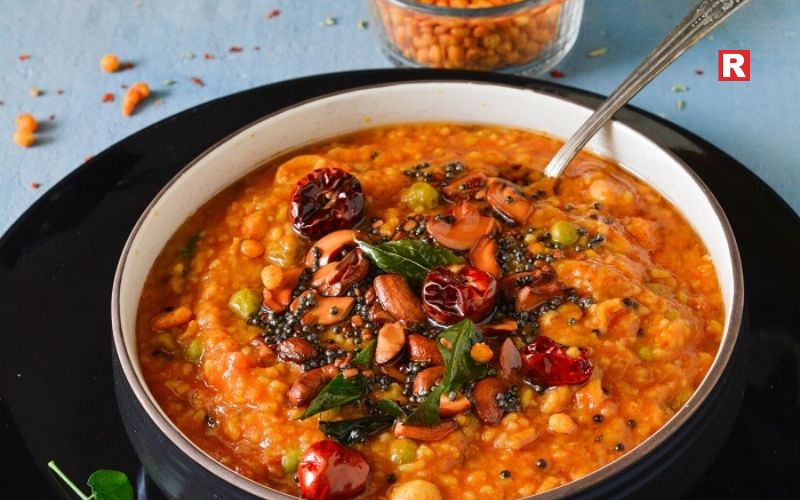
Bisi Bele Bath holds a special place in Karnataka homes. It is more than a dish. It is a complete meal in one pot. Rice and lentils are cooked together with mixed vegetables. Tamarind adds a gentle sour note. A unique spice powder gives it depth and warmth. The flavour is bold but balanced. It is spicy, tangy, and slightly sweet at the same time. Bisi Bele Bath is often made during family gatherings and festivals. Many homes have their own spice mix recipe. It is usually served hot. A spoon of ghee is added on top. Crispy boondi is served on the side. This dish reflects Karnataka’s love for slow cooking and comforting food. It is filling and deeply satisfying.
2. Ragi Mudde
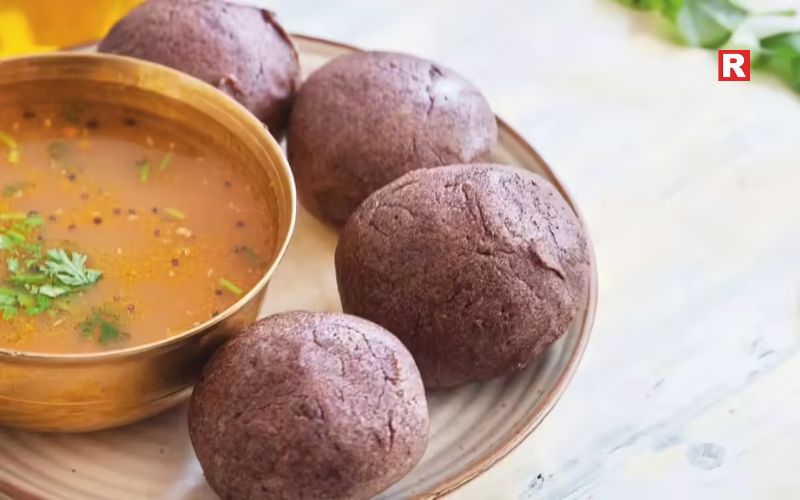
Ragi Mudde is a traditional food of rural Karnataka. It is made using finger millet flour and water. The texture is soft but firm. It is rolled into round balls by hand. Ragi Mudde is eaten by swallowing small portions. It is never chewed. This dish is usually paired with saaru, chicken curry, or mutton gravy. It keeps the body full for long hours. Farmers have relied on it for generations. Ragi Mudde is rich in calcium and iron. It suits the dry climate of many regions. The dish shows how local grains shaped daily food habits. Simple in look, it carries deep nourishment. It represents strength, simplicity, and survival in Karnataka’s food culture.
Read more: 8 Famous Vegetarian Dishes of Uttar Pradesh and Their Timeless Legacy
5 Cities That Serve the Best Non-Vegetarian Street Food
3. Mysore Masala Dosa
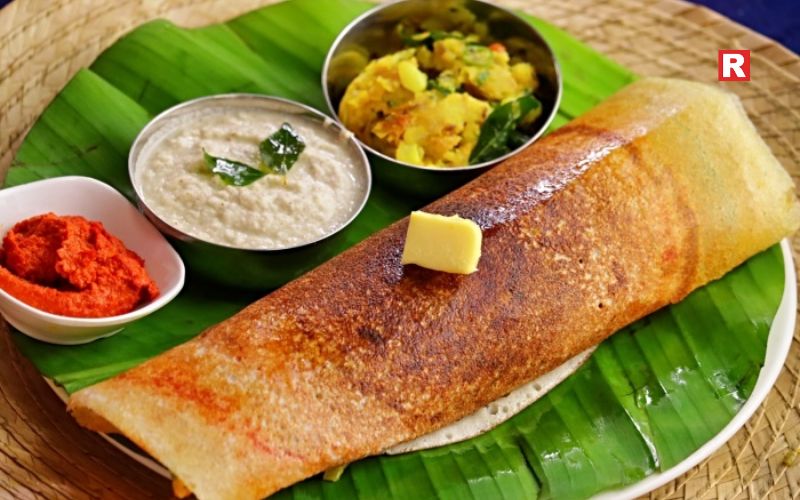
Mysore Masala Dosa is known for its bold taste. The dosa is thin, crisp, and evenly roasted. A layer of red chutney is spread inside. This chutney is made from garlic and red chillies. Inside, there is a spiced potato filling. The flavours are sharp and rich. Compared to plain dosa, it feels stronger and more intense. It is served with coconut chutney and sambar. The contrast balances the spice. This dosa became popular in Mysuru and nearby regions. It is now loved across India. Mysore Masala Dosa reflects Karnataka’s ability to turn simple ingredients into flavourful food. It is filling and satisfying without being heavy.
4. Davangere Benne Dosa
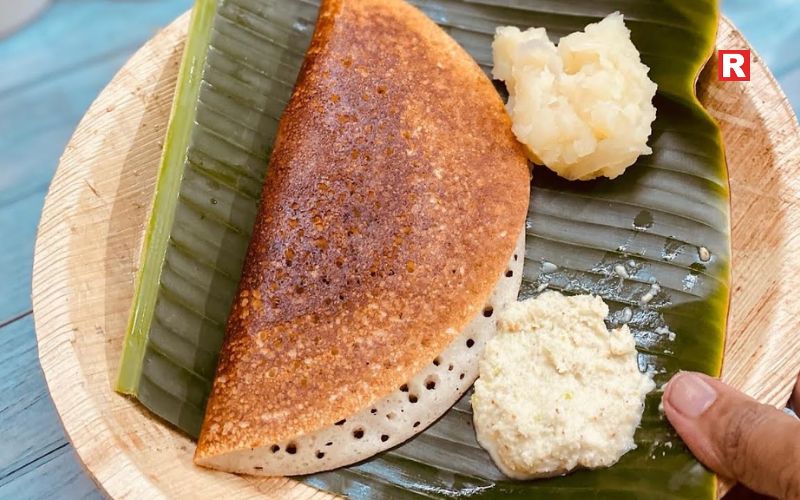
Davangere Benne Dosa is famous for its buttery taste. The word “benne” means butter. Butter is used generously while cooking. The dosa is thick, soft at the centre, and crisp on the edges. It is cooked on a hot griddle until golden. The batter has a slightly different texture than regular dosa. This gives it a unique bite. It is usually served with a mild coconut chutney. Sometimes potato palya is added. The dosa is rich but not greasy. It is popular in Davangere town and nearby areas. Locals often eat it for breakfast. This dosa reflects Karnataka’s love for hearty, indulgent street food.
5. Karnataka-Style Idli
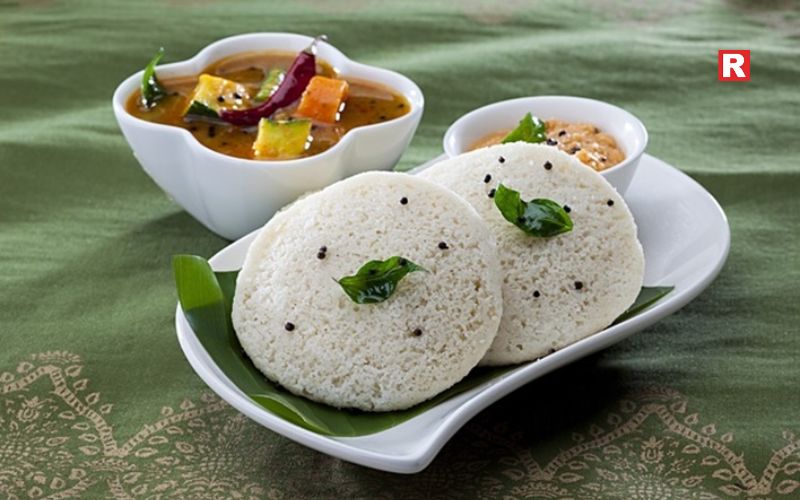
Karnataka-style idlis are soft and airy. They are made using rice and urad dal batter. The batter is well fermented. This gives idlis their light texture. They are steamed, not fried. This keeps them gentle on the stomach. Idlis are a daily breakfast in many homes. They are served with vegetable sambar and fresh coconut chutney. Some regions prefer thick sambar. Others keep it light. Idli is also eaten during travel and temple visits. It is simple but dependable food. Children and elders both enjoy it. Karnataka-style idli shows how everyday meals can be nourishing and comforting without being complex.
6. Maddur Vada
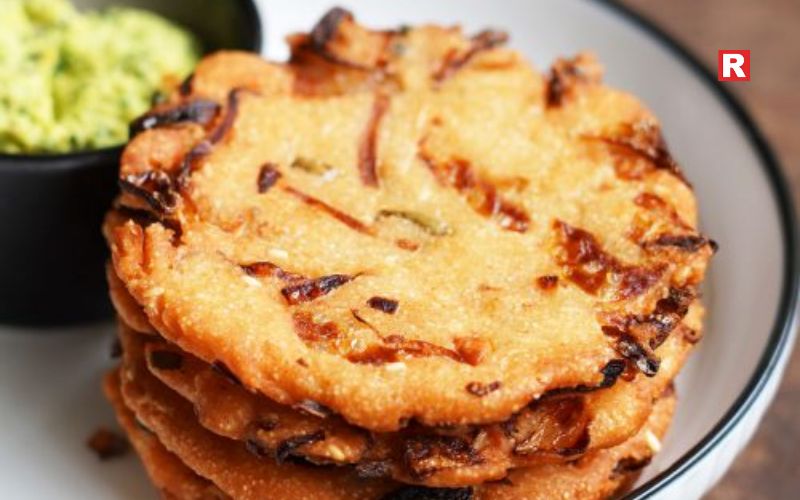
Maddur Vada is a famous snack from the town of Maddur in Karnataka. It is known for its crisp outer layer and soft centre. The vada is made using rice flour, chopped onions, curry leaves, green chillies, and mild spices. No lentils are used, which makes it different from other vadas. The mixture is shaped flat and deep-fried until golden. Maddur Vada is best eaten hot. It is commonly enjoyed during evening tea time. Travellers often stop to buy it on highways near Maddur. The flavour is simple yet satisfying. It does not need chutney. This snack reflects Karnataka’s love for quick, homemade-style food with strong local identity.
7. Mangalorean Fish Curry
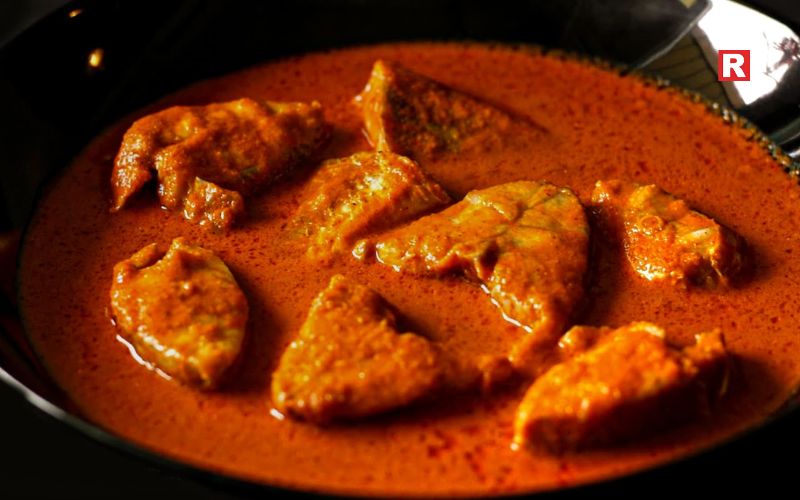
Mangalorean Fish Curry comes from Karnataka’s coastal belt. Fresh fish is cooked in a rich, red gravy. Coconut, red chillies, and tamarind form the base. The curry is spicy and tangy at the same time. The aroma is strong and inviting. Different fish like mackerel or seer fish are commonly used. The curry is slow-cooked to absorb flavour. It is usually eaten with steamed rice. In coastal homes, this dish appears often on lunch tables. It reflects the sea-based lifestyle of the region. The balance of spice and sourness defines coastal Karnataka cooking. It is bold, warming, and deeply rooted in tradition.
Know more: Top 10 Vegan Street Foods in India Every Indian Loves
8. Neer Dosa
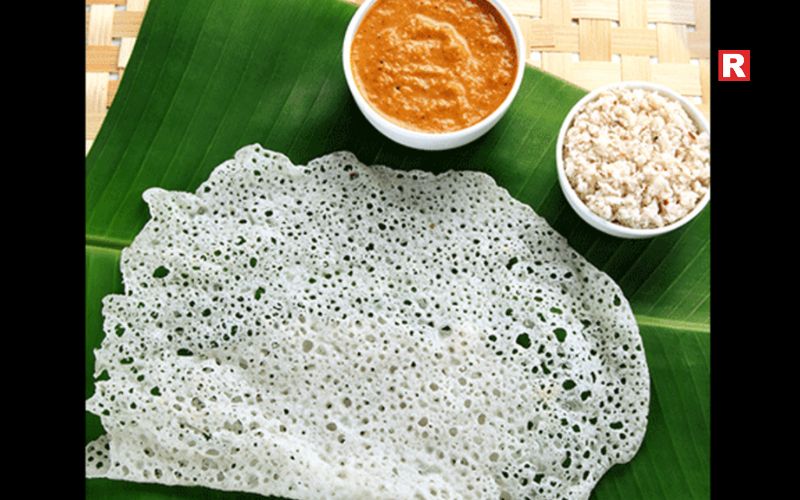
Neer Dosa is a light and delicate dish from coastal Karnataka. The name means “water dosa.” The batter is thin and watery. It is made from soaked rice ground smooth. No fermentation is needed. This gives the dosa a clean taste. It is cooked quickly on a hot pan. The texture is soft with tiny holes. Neer Dosa is never crisp. It is usually served for breakfast or lunch. Coconut chutney is a common pairing. It also goes well with chicken or fish curry. The dosa absorbs gravies easily. This dish shows the coastal preference for simple and gentle food that feels fresh and light.
9. Coorg Pandi Curry
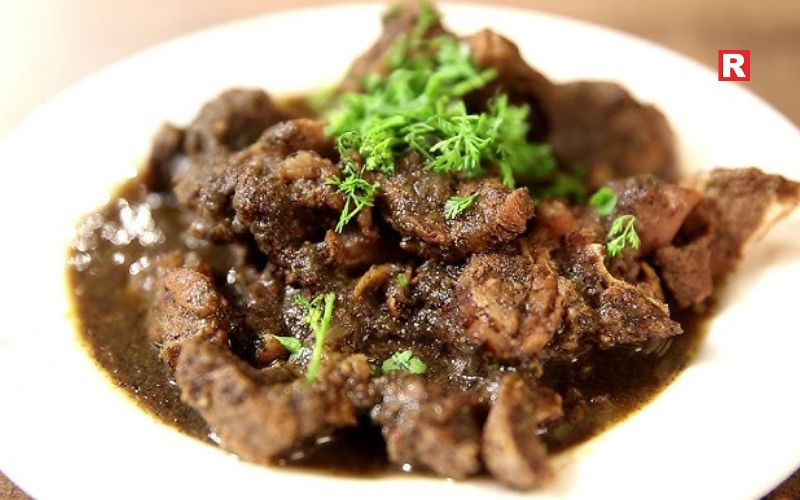
Pandi Curry is a traditional pork dish from Coorg. It holds cultural importance among the Kodava community. Pork is cut into large pieces and slow-cooked. The spices are dark and earthy. A local ingredient called kachampuli is used. It adds a deep sour taste. The curry is thick and rich. Oil separates naturally during cooking. This dish is often made during celebrations and gatherings. It is eaten with rice or kadambuttu. Pandi Curry is not rushed. It needs time to develop flavour. The taste is strong and bold. It reflects the forest landscape and meat-loving food culture of Coorg.
10. Udupi Sambar
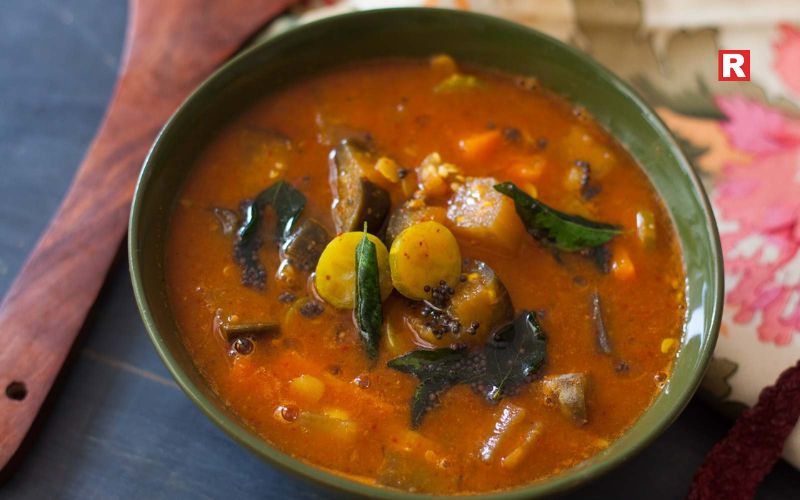
Udupi Sambar is a mild and well-balanced dish. It was developed in temple kitchens of Udupi. The focus is on harmony of flavours. Lentils are cooked until soft. Vegetables are added based on season. Coconut is used in small quantity. The spice level is gentle. There is no overpowering heat. The sambar is slightly sweet and comforting. It is often served with idli, dosa, or rice. Udupi Sambar follows strict vegetarian practices. Onion and garlic are not used. This dish reflects simplicity and discipline in cooking. It shows how careful methods can create food that is light, nourishing, and satisfying.
11. Akki Roti
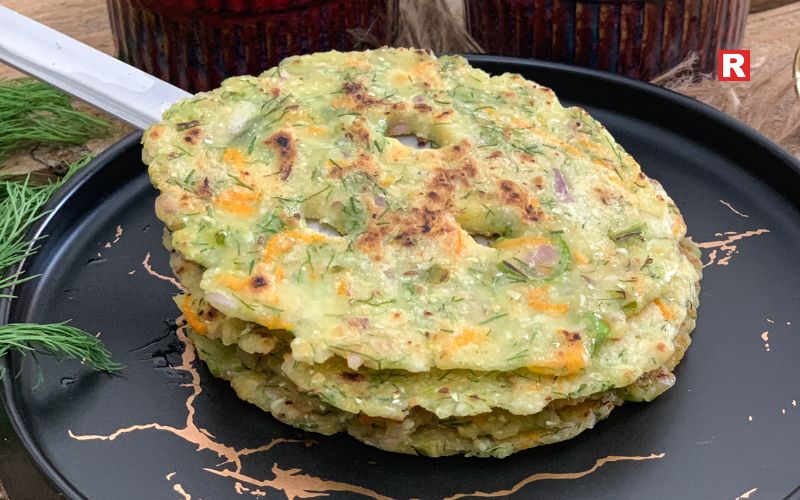
Akki Roti is a popular flatbread from Karnataka homes. It is made using rice flour mixed with water. Finely chopped onions, carrots, green chillies, and herbs are added. The dough is patted by hand on a flat surface. It is then cooked on a hot griddle. A little oil is used on the sides. The roti turns crisp on the outside and soft inside. Akki Roti is usually eaten fresh and hot. It is common for breakfast or lunch. Coconut chutney is a regular side. Some prefer it with butter or pickle. This dish shows how simple ingredients create filling everyday meals in Karnataka.
12. Jolada Rotti
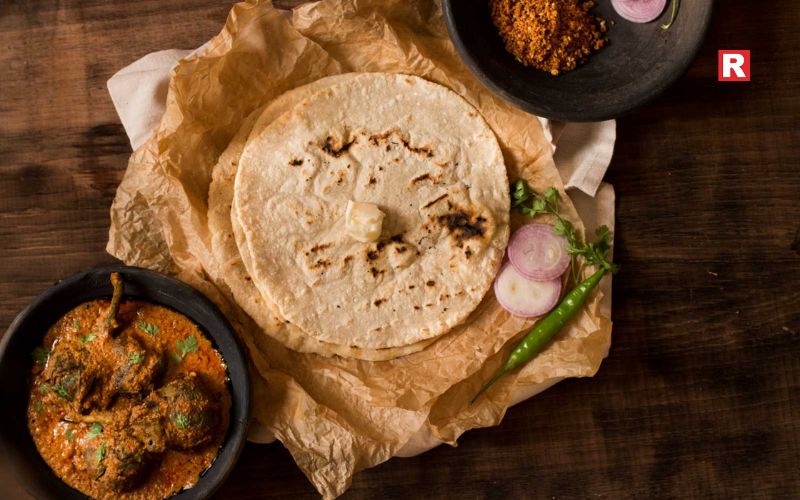
Jolada Rotti is a traditional flatbread from North Karnataka. It is made using jowar flour and hot water. The dough needs skill to shape. It is flattened carefully by hand. The roti is cooked on a hot pan until done. It has a soft texture with a slight bite. Jolada Rotti is usually served with spicy curries. Brinjal gravy and dry chutney powders are common sides. It is a staple food in dry regions. Jowar keeps the body full for long hours. This dish reflects the farming lifestyle of North Karnataka. It is simple, rustic, and deeply connected to the land and climate.
13. Kori Gassi
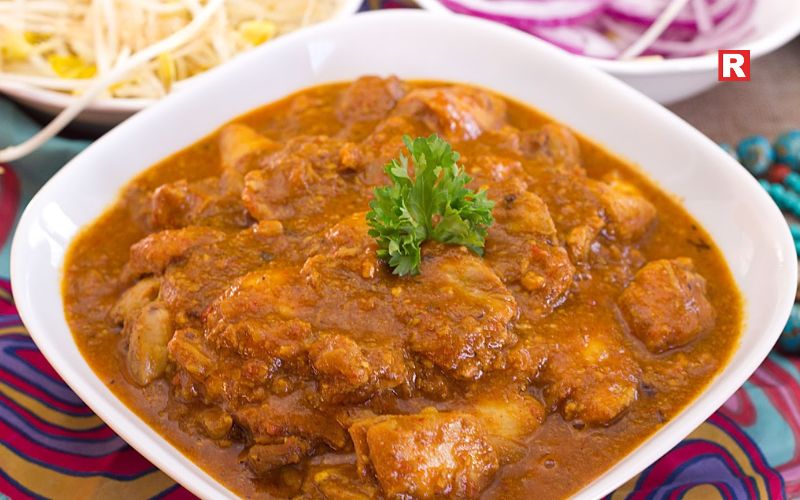
Kori Gassi is a well-known chicken curry from coastal Karnataka. It is rich and deeply flavoured. The gravy is made using roasted coconut, red chillies, and spices. The coconut gives it thickness and warmth. The curry has a deep red colour. Chicken is cooked slowly to absorb flavour. The taste is spicy but balanced. It is not overly oily. Kori Gassi is usually served with rice or neer dosa. In many homes, it is made on weekends or special days. This dish reflects the coastal style of cooking where coconut and spice are used with care and precision.
Also check: Pani Puri Has Different Names in Different Indian States—Know Them All
14. Kesari Bath
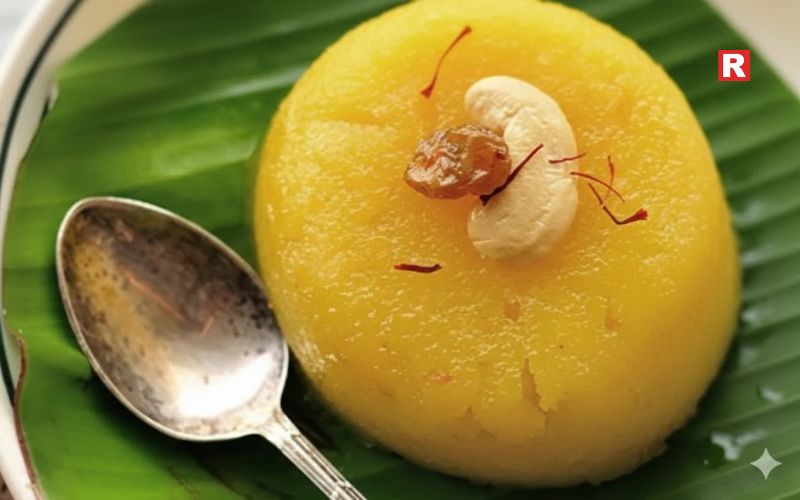
Kesari Bath is a classic sweet from Karnataka kitchens. It is made using semolina, ghee, sugar, and water. Saffron or food colour gives it a bright look. Cashews and raisins are often added. The texture is soft and smooth. Ghee adds richness and aroma. Kesari Bath is commonly prepared during festivals and temple offerings. It is also served during special breakfasts. The sweetness is gentle, not heavy. Each spoon feels comforting. This dish is easy to make but needs attention while cooking. Kesari Bath reflects Karnataka’s love for simple sweets that feel warm, festive, and familiar.
15. Mysore Pak
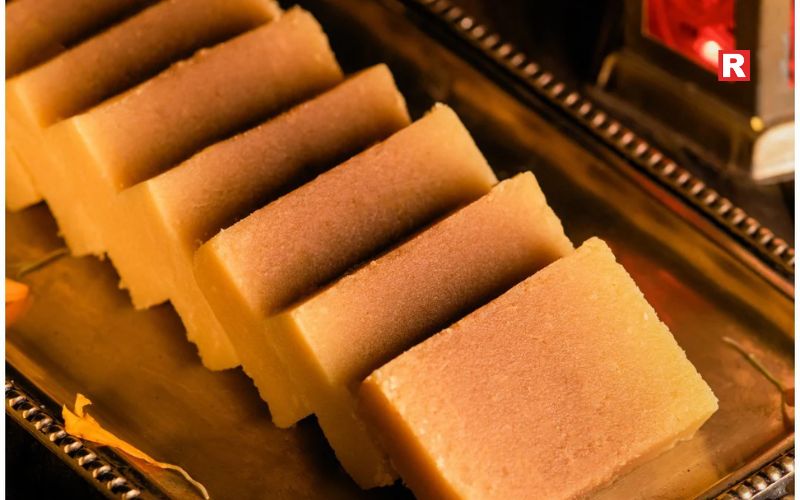
Mysore Pak is one of Karnataka’s most famous sweets. It was first made in the royal kitchens of Mysuru. The sweet uses gram flour, sugar, and generous ghee. The mixture is cooked carefully over heat. Timing is important. The final texture is crumbly yet soft. It melts in the mouth. Mysore Pak has a rich aroma of ghee. It is often made during festivals and celebrations. The sweet is cut into neat pieces. It is offered to guests and elders. Mysore Pak represents luxury in simplicity. It shows how basic ingredients can create a timeless and iconic dessert.
16. Chiroti

Chiroti is a traditional sweet from Karnataka. It is made using refined flour and ghee. The dough is rolled into thin layers. These layers are folded and deep-fried slowly. The result is crisp and flaky. Once fried, chiroti is dusted with powdered sugar. Some versions are lightly soaked in sugar syrup. It is often prepared during weddings and festivals. Chiroti is served in small portions. The texture is delicate and light. Each bite breaks into layers. Making chiroti needs patience and skill. It is not everyday food. It is reserved for special moments. This sweet reflects celebration, care, and the refined side of Karnataka’s festive cooking.
17. Obbattu (Holige)

Obbattu is a popular festive dish across Karnataka. It is a soft flatbread with a sweet filling. The filling is made using jaggery and lentils. Cardamom adds aroma. The dough is stretched thin by hand. The filling is sealed inside carefully. Obbattu is cooked on a hot pan with ghee. It turns soft and golden. This dish is mainly prepared during Ugadi and other festivals. Each region has its own style. Some use coconut. Some keep it plain. Obbattu is usually eaten warm. It is rich and satisfying. This dish represents celebration and family gatherings in Karnataka’s food culture.
18. Saaru
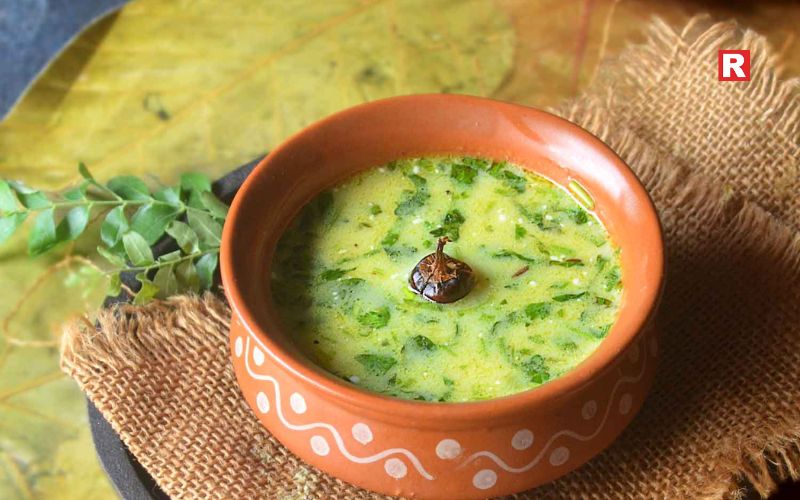
Saaru is an important part of daily meals in Karnataka. It is light and comforting. Lentils, spices, and herbs are used. The consistency is thin like soup. Pepper saaru is sharp and warming. Tomato saaru is tangy and fresh. Saaru is poured over hot rice. It is often eaten after a heavy dish. This helps digestion. Saaru changes with seasons. Different homes have different versions. Garlic, cumin, or coriander may be added. It is simple food with deep value. Saaru shows how everyday cooking focuses on balance. It supports the body without feeling heavy or rich.
19. Mangalorean Buns
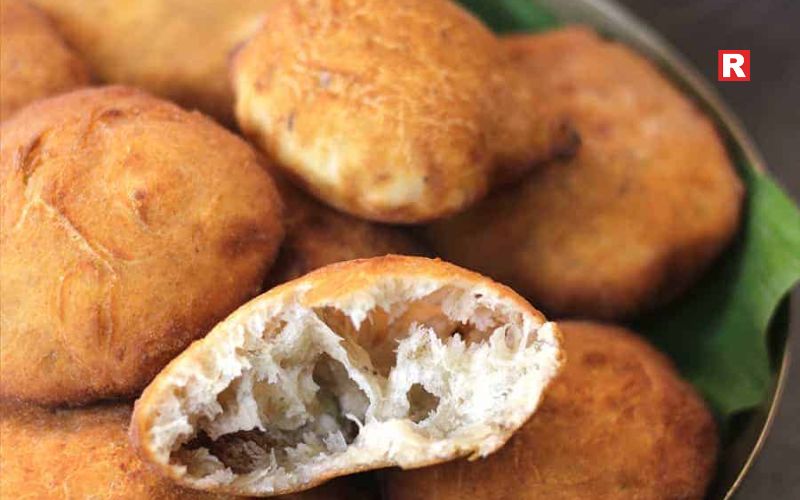
Mangalorean Buns are soft and fluffy fried breads. They are made using ripe bananas, flour, and a little sugar. The dough is rested before frying. This gives the buns a light texture. They puff up while cooking. The outside turns golden. The inside stays soft and airy. The taste is mildly sweet. These buns are common in coastal Karnataka. They are eaten for breakfast or evening snacks. Coconut chutney is a popular side. Some eat them plain. Mangalorean Buns are filling but gentle. They reflect the coastal habit of using ripe fruit in everyday cooking.
20. Kayi Chutney
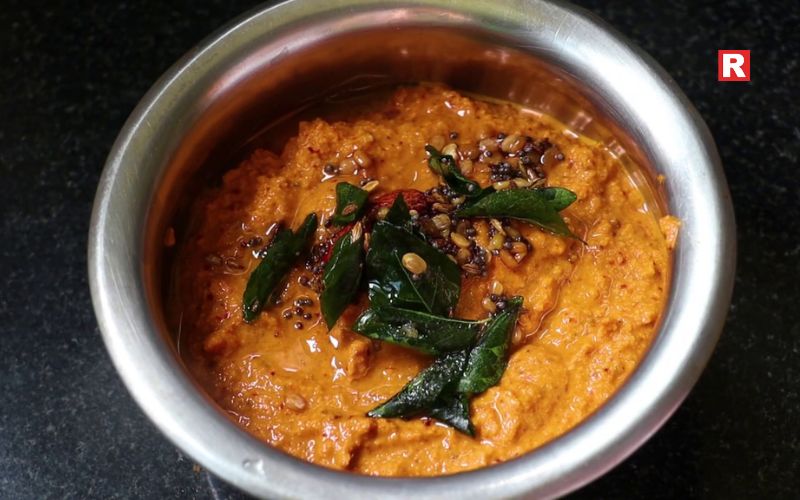
Kayi Chutney is fresh coconut chutney. It is a staple in Karnataka meals. Grated coconut forms the base. Green chillies add heat. Ginger or tamarind may be added. The chutney is ground smooth. A tempering of mustard seeds and curry leaves is poured on top. This adds aroma. Kayi Chutney is served with idli, dosa, roti, and snacks. It brings freshness to the plate. The taste is clean and balanced. Every home has its own method. Some keep it spicy. Some keep it mild. This chutney connects many dishes and completes the Karnataka meal.
Check more: Try These Veg Soups in These Freezing Winters
Top Famous Veg Street Foods in Kolkata That You Must Try Once in Your Life
10 Mountain Foods to Keep You Warm While Visiting One
Vegetarian and Non-Vegetarian Balance
Karnataka’s food culture reflects its diverse regions and people. Each area follows its own eating habits, shaped by geography and tradition.
Udupi and Mysuru focus strongly on vegetarian cooking. Meals are clean and balanced. Temple kitchens influence the food. Onion and garlic are often avoided. Dishes rely on lentils, vegetables, coconut, and mild spices.
Coastal Karnataka centres around fish and seafood. Fresh catch is cooked daily. Coconut, tamarind, and red chillies are common. The flavours are bold and tangy. Rice is the main staple.
Coorg and North Karnataka prefer meat-based dishes. Pork, mutton, and chicken are widely eaten. The food is spicy and slow-cooked. Local spices add depth.
This regional mix makes Karnataka cuisine inclusive, rich, and deeply rooted in local life.
Happy Eating!
Karnataka cuisine does not chase food trends. It stays close to its roots. The food grows from the land. It follows the seasons. Each dish carries the mark of its region. Dry areas depend on millets and grains. Coastal kitchens use coconut and fresh seafood. Forest regions cook meat with care and time. The climate decides the ingredients. The people decide the methods. Recipes pass quietly from one generation to the next. They change slowly, not suddenly. Food here is not about show. It is about nourishment and memory. Eating these dishes means understanding daily life in Karnataka. It means understanding how people live, work, and celebrate. Dosa and idli are only the beginning. Beyond them are flavours that are deeper, older, and more personal. Exploring Karnataka food is not just tasting. It is listening to stories told through simple, honest meals.
Saptopriya Ghosal
Feature Writer
I am a dedicated media professional with a bachelor's degree in mass communication from the State University of Calcutta and a postgraduate degree from Amity University. My academic journey has equipped me with a profound understanding of storytelling and communication. Passionate about the dynamic world of media, I continually strive to explore new ways to engage and inform through compelling narratives.



































































































































































