
20 Famous Foods from Gujarat That Define the State’s Soul
Gujarati food reflects patience and simplicity. It supports digestion and daily life. These famous foods of Gujarat show how tradition shapes taste.

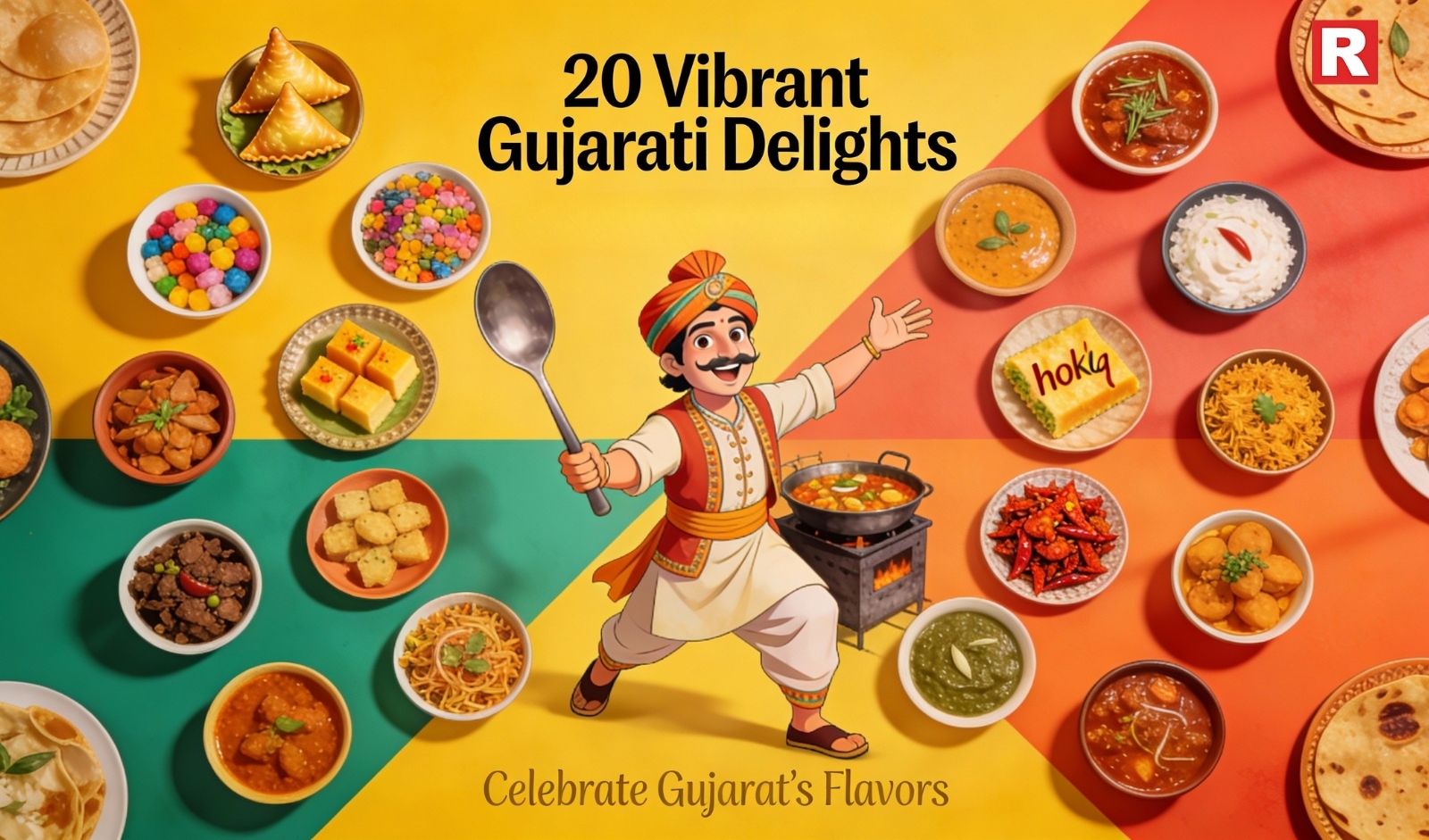
Gujarati food does not depend on strong spices or heavy oil. The focus is on harmony. Sweet, sour, salty, and mild heat often come together in one meal. This balance is not accidental. It comes from the land, the climate, and a long history of community living. Gujarat has dry regions and hot summers. Food here evolved to stay light, nourishing, and easy to digest. Traditional farming shaped what people ate. Seasonal vegetables, grains, and dairy became everyday staples.
Home cooking plays a strong role in Gujarati life. Meals are planned with care and eaten together. Food is rarely rushed. Even simple dishes follow a thoughtful process. Snacks are light but filling. Main meals are comforting and steady. Festival food carries emotion and memory. Many recipes are passed down through families. Each dish reflects routine, belief, and celebration. Gujarati cuisine values restraint. It believes less can be more. Taste is built slowly, not forced. From daily meals to festive thalis, the food tells a quiet story. These famous foods of Gujarat represent tradition, balance, and identity on one plate.
Find 20 Famous Foods from Gujarat
1. Dhokla
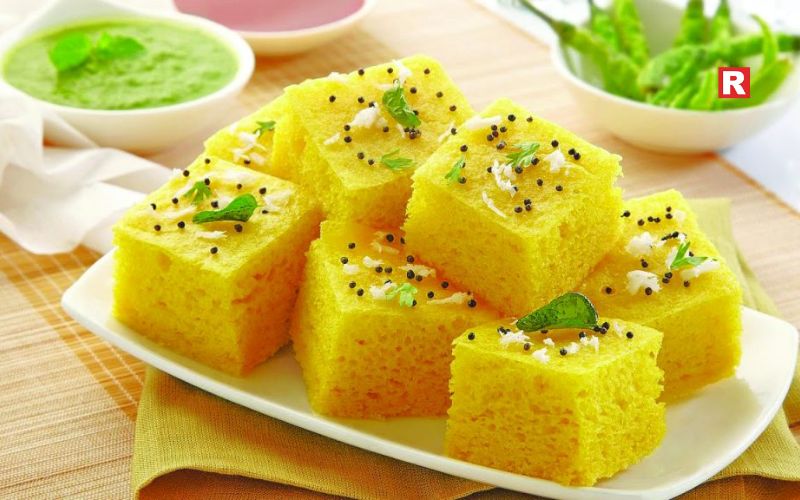
Dhokla is one of the most loved snacks in Gujarat. It is known for its soft texture and light taste. The dish is made using fermented gram flour, which makes it airy and easy to digest. It is steamed instead of fried, so it feels light on the stomach. This is why people of all ages enjoy it. A simple tempering of mustard seeds, curry leaves, green chillies, and oil adds aroma and flavour. Dhokla fits well into daily life. It is eaten for breakfast, served with tea in the evening, and prepared during festivals and family functions. It represents Gujarat’s preference for food that is balanced, comforting, and wholesome.
Read more: 8 Famous Vegetarian Dishes of Uttar Pradesh and Their Timeless Legacy
5 Cities That Serve the Best Non-Vegetarian Street Food
2. Khandvi
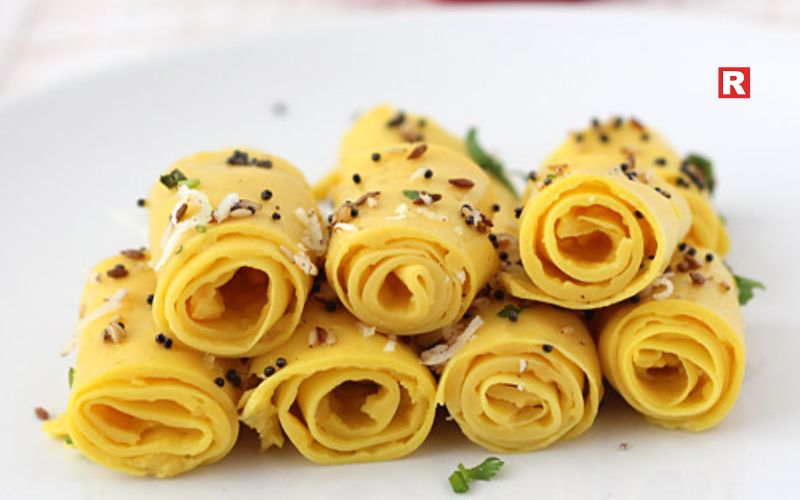
Khandvi is a dish that looks delicate but carries strong flavours. It is prepared using gram flour and buttermilk, cooked slowly with constant stirring. The mixture needs careful attention, as timing plays a key role. Once ready, it is spread thin and rolled into neat layers. A light tempering of mustard seeds, curry leaves, and grated coconut completes the dish. Khandvi is often served as a snack during gatherings or festive meals. It is not heavy, yet it feels satisfying. The dish reflects the patience and skill found in Gujarati kitchens. Its smooth texture and mild tang make it a favourite across generations.
3. Undhiyu
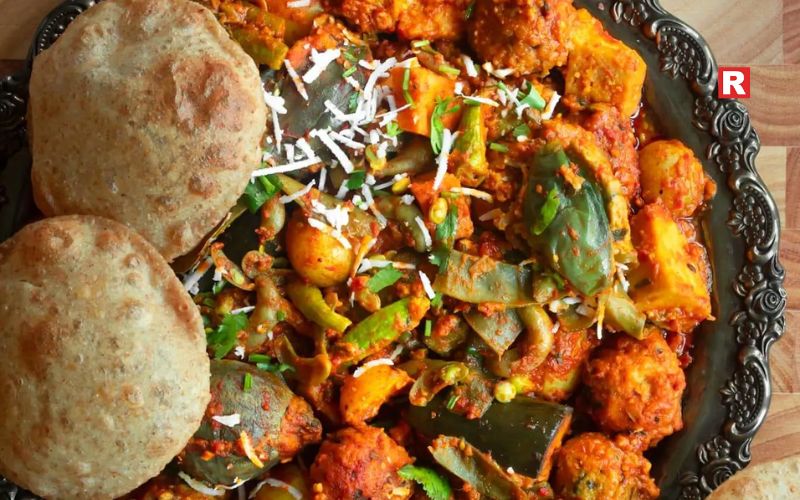
Undhiyu is a traditional Gujarati dish prepared mainly during winter. It uses seasonal vegetables like yam, brinjal, beans, raw banana, and surti papdi. These vegetables are cooked together with spices and methi muthia. The dish is slow-cooked, allowing flavours to blend naturally. In the past, undhiyu was cooked upside down in earthen pots, buried underground. This method gave it a deep and earthy taste. Undhiyu is closely linked to festivals like Uttarayan. Families often cook it in large quantities and share it with loved ones. It is not an everyday meal but a dish made for togetherness and celebration.
4. Thepla
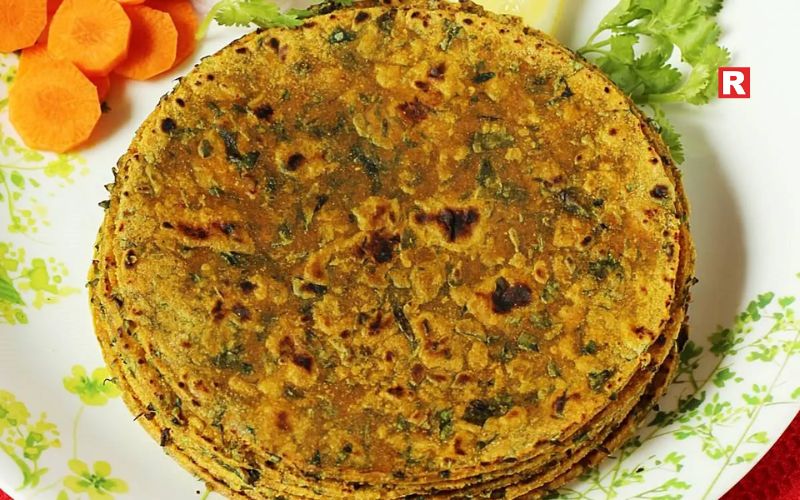
Thepla is a spiced flatbread that holds an important place in Gujarati homes. It is made using wheat flour, methi leaves, and mild spices. Thepla stays soft for several days, which makes it ideal for travel. Many Gujaratis carry it on long journeys. It is usually eaten with curd, pickle, or sweet chunda. The taste is simple yet comforting. Thepla is filling without being heavy. It fits into breakfast, lunch, or dinner with ease. This dish reflects everyday life in Gujarat. It shows how practical cooking can still be flavourful and nourishing.
5. Fafda
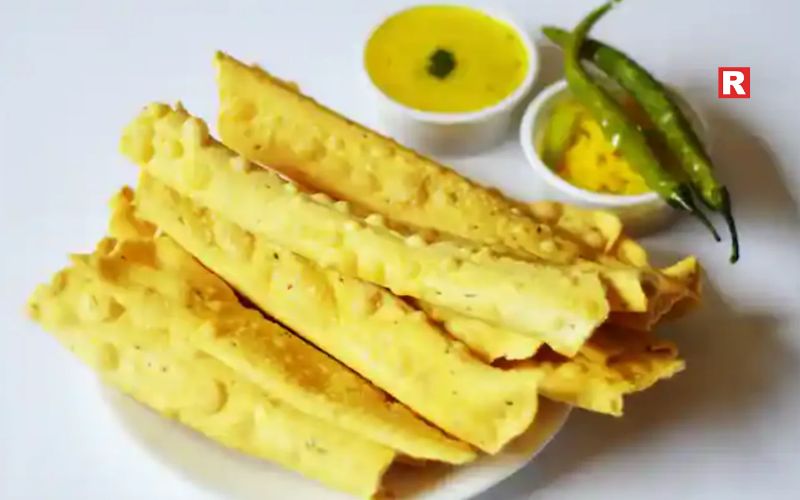
Fafda is a crisp and savoury snack made from gram flour. It is commonly eaten in the morning. The texture is firm and crunchy, with a mild spice flavour. Fafda is usually served with papaya sambharo and fried green chillies. In Gujarat, fafda holds special importance during Dussehra. Many families follow the tradition of eating fafda with jalebi on this day. The combination of sweet and salty flavours is deeply loved. Fafda is not just food. It is a ritual and a shared habit. It reflects Gujarat’s love for contrast, tradition, and community bonding.
6. Jalebi
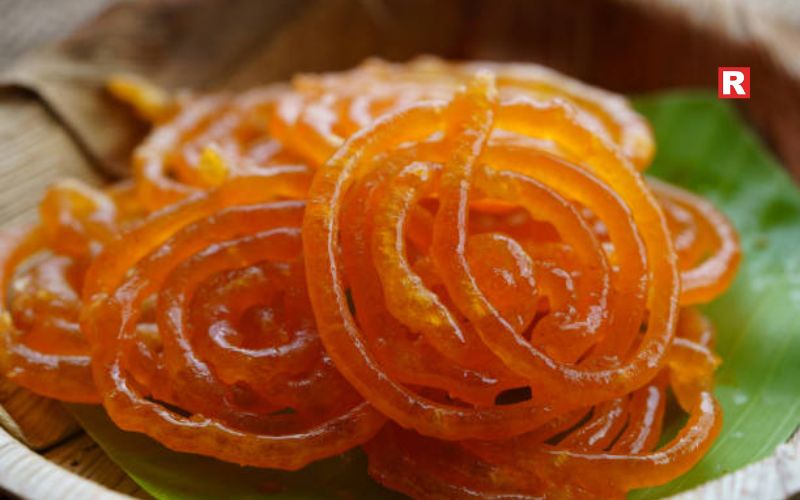
Jalebi in Gujarat is more than a sweet. It is a habit. It is crisp on the outside and soft inside. The batter is deep-fried into spiral shapes and soaked in warm sugar syrup. What makes Gujarati jalebi different is how it is eaten. Many people enjoy it with savoury snacks like fafda. The mix of sweetness and salt creates balance. Jalebi is commonly eaten in the morning or during festivals. Sweet shops prepare it fresh throughout the day. It brings colour and comfort to everyday life. Jalebi is simple, familiar, and deeply rooted in local food culture.
7. Handvo
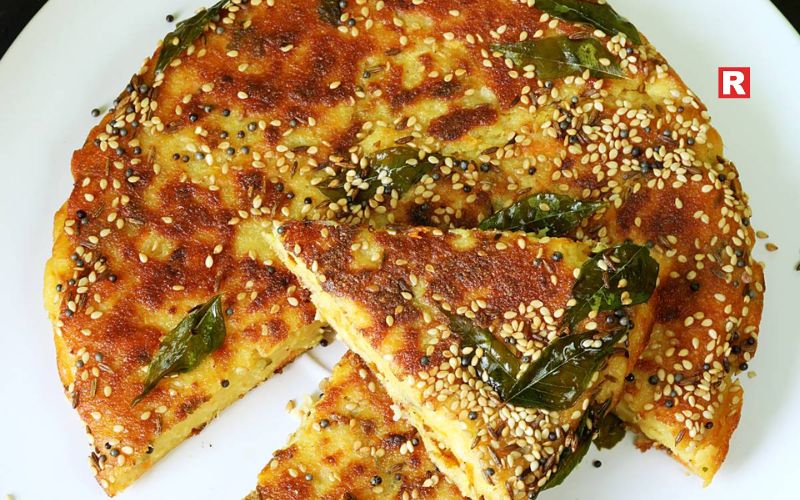
Handvo is a traditional savoury cake from Gujarat. It is made using a fermented mix of rice and lentils. Vegetables like bottle gourd, carrot, or spinach are added to the batter. The mixture is cooked slowly, often in a thick pan. This gives the handvo a crisp outer layer and a soft centre. Sesame seeds on top add flavour and texture. Handvo is filling and nourishing. It is often eaten as a full meal. Many families prepare it at home for lunch or dinner. It reflects the Gujarati style of slow cooking and mindful eating.
Know more: 10 Awadhi Cuisine Classics You Must Try at Least Once
8. Sev Tameta Nu Shaak
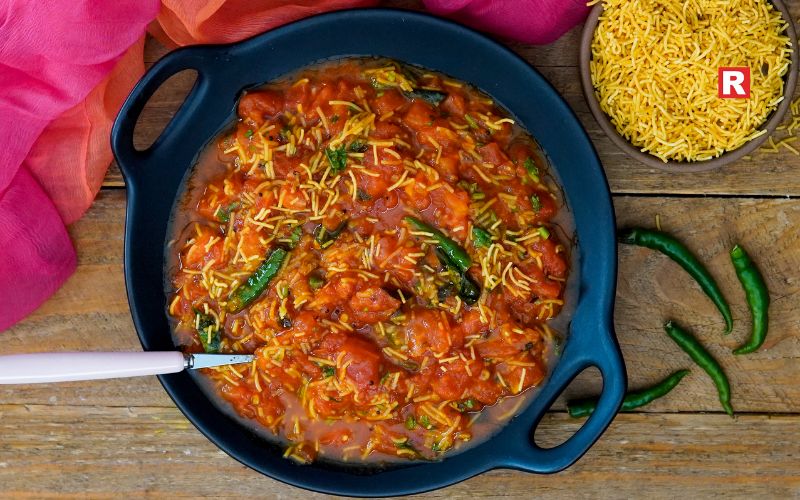
Sev tameta nu shaak is a simple yet comforting Gujarati curry. Tomatoes form the base of the dish. Spices and jaggery are added to create a gentle sweet-sour taste. The curry is smooth and light. Crunchy sev is sprinkled on top just before serving. This adds contrast and texture. The dish is quick to prepare and uses everyday ingredients. It is usually eaten with roti or bhakri. Sev tameta nu shaak shows how Gujaratis turn basic food into something special. It proves that flavour does not always need complexity.
9. Dal Dhokli
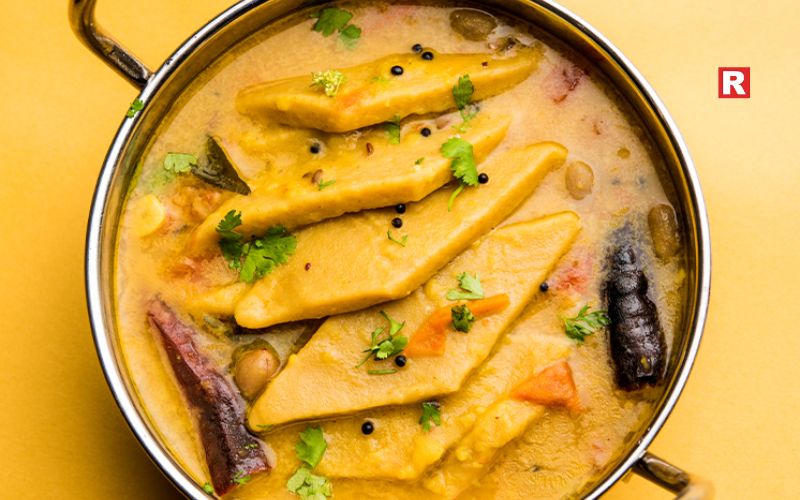
Dal dhokli is a one-pot meal loved across Gujarat. Small pieces of wheat flour dough are cooked in spiced lentil curry. The dal is flavoured with peanuts, kokum, and jaggery. This creates a mild sweet and tangy taste. The dish is thick, warm, and comforting. Dal dhokli is often cooked at home on quiet afternoons. It is served hot and eaten slowly. Many families see it as comfort food. It brings a sense of calm and familiarity. Dal dhokli reflects the home-style nature of Gujarati cooking.
10. Khakhra
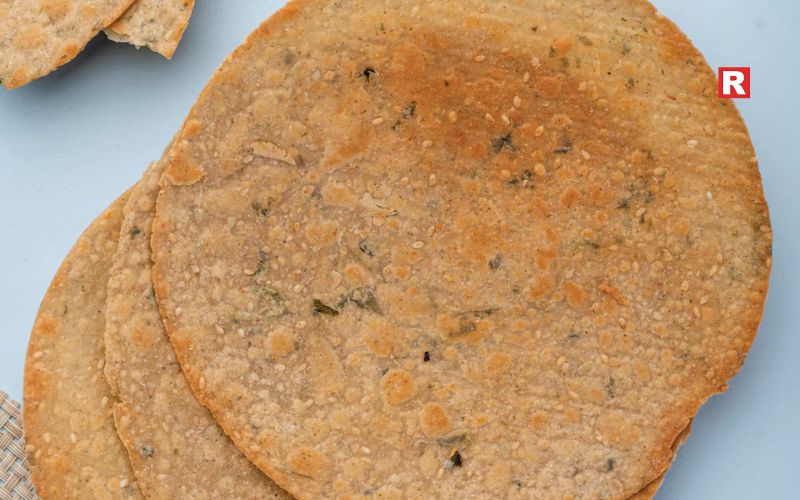
Khakhra is a thin and crunchy snack from Gujarat. It is made using wheat flour and mild spices. The dough is roasted slowly on a pan until dry and crisp. Khakhra has very little moisture. This gives it a long shelf life. It is easy to store and carry. That is why it is popular during travel. Khakhra is usually eaten with tea, curd, or pickle. It is light yet satisfying. This snack reflects Gujarat’s practical food habits. It is simple, durable, and full of everyday comfort.
11. Patra
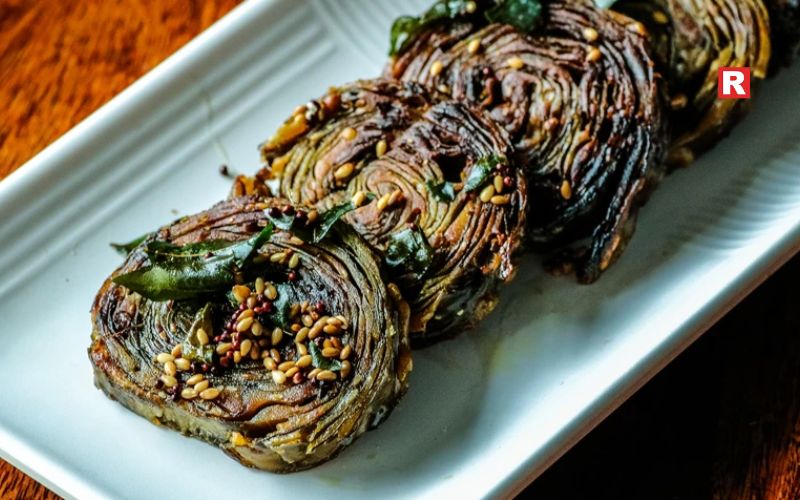
Patra is a traditional Gujarati snack made from colocasia leaves. These large green leaves are cleaned and coated with a spiced gram flour paste. They are then rolled tightly and steamed. Once cooked, the rolls are sliced into pieces and lightly tempered with mustard seeds and sesame. Patra has an earthy taste with a sharp, tangy flavour. Tamarind and jaggery give it balance. It is mostly prepared during the monsoon season, when colocasia leaves are fresh. Patra is usually served as a snack or side dish. It reflects seasonal cooking and careful use of local ingredients.
12. Gujarati Kadhi
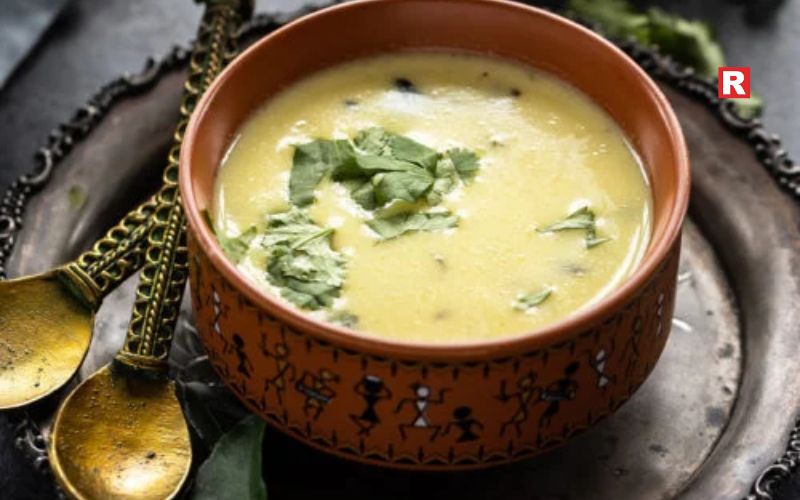
Gujarati kadhi is light, smooth, and comforting. It is made using yoghurt and gram flour, cooked together with mild spices. Compared to other kadhi styles, this version is thinner and slightly sweet. Ginger, curry leaves, and green chillies add gentle flavour. Gujarati kadhi is easy on the stomach. It is commonly served with plain rice. Many people eat it during lunch. It helps balance heavier dishes in a meal. Kadhi is often prepared at home on regular days. It shows how Gujarati food focuses on simplicity, balance, and digestion rather than richness or heat.
13. Muthiya
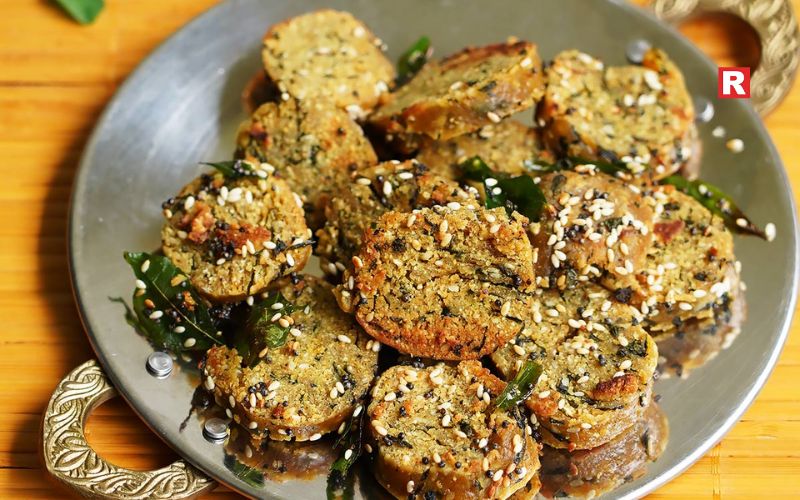
Muthiya are small dumplings that are popular across Gujarat. They are made using flour mixed with vegetables like bottle gourd, fenugreek leaves, or cabbage. The mixture is shaped by hand and then steamed or lightly fried. Steamed muthiya are soft and healthy. Fried ones are crisp on the outside. Muthiya can be eaten as a snack with tea. They are also added to curries or kadhi. This makes them very versatile. Muthiya are filling without being heavy. They reflect the Gujarati habit of creating food that works in many forms.
14. Ghughra
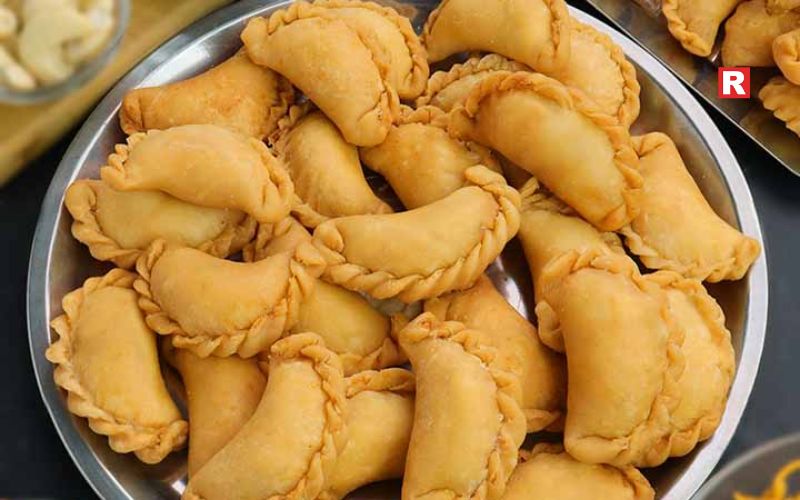
Ghughra are deep-fried pastries prepared during festivals. They are especially common during Diwali in Gujarati homes. The outer layer is crisp, while the inside is filled with a sweet mixture. The filling often includes coconut, dry fruits, and sugar. Ghughra are made in large batches and shared with neighbours and relatives. They are not everyday food. They are linked to celebration and special moments. Preparing ghughra takes time and effort. This makes them meaningful. They represent joy, generosity, and the tradition of cooking together during festivals.
Also check: Top 10 Vegan Street Foods in India Every Indian Loves
15. Basundi
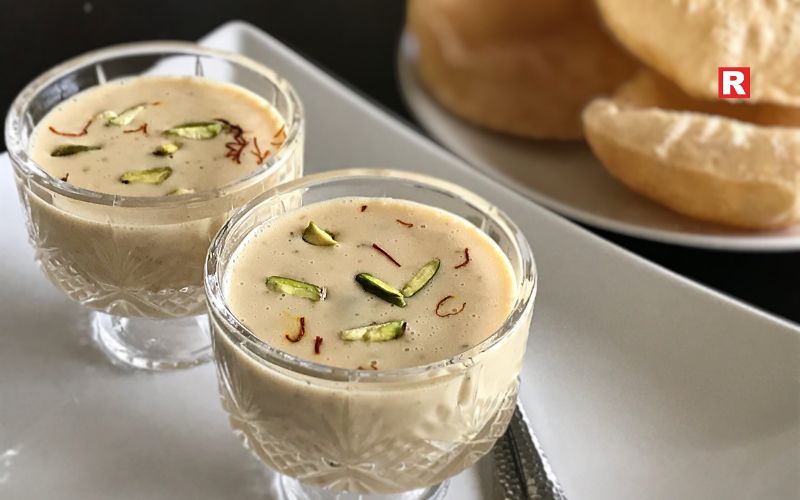
Basundi is a rich milk-based dessert from Gujarat. It is made by slowly boiling milk until it thickens. This process takes patience and care. Cardamom adds gentle aroma, while nuts bring texture. Basundi is sweet but not heavy. It is often served chilled. Basundi is prepared for weddings, religious events, and family celebrations. It is not rushed food. It requires time and attention. That is why it is special. Basundi reflects the traditional approach to sweets in Gujarat. It values slow cooking, quality ingredients, and shared enjoyment.
16. Shrikhand
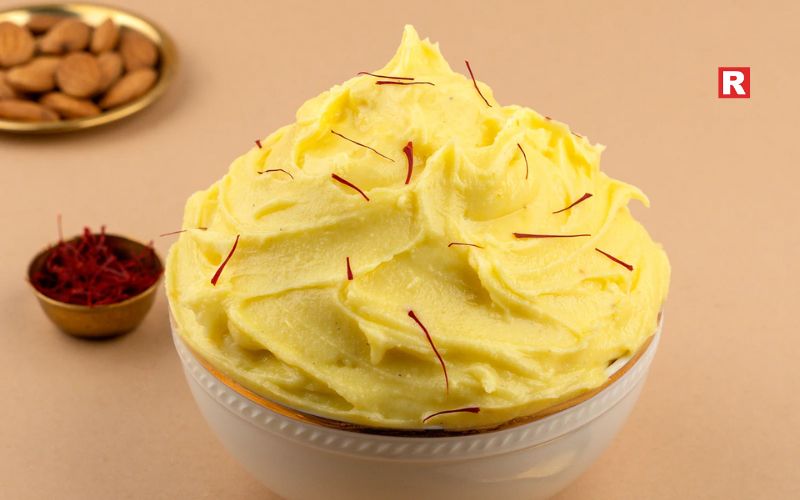
Shrikhand is a popular dessert in Gujarat. It is made from yoghurt that is strained to remove water. This gives it a thick and creamy texture. Sugar is added in small amounts. The sweetness stays gentle. Saffron, cardamom, or mango pulp is often mixed in. Shrikhand is always served chilled. It feels cooling and light. It is commonly eaten with puri during festivals and special meals. Many families prepare it at home for celebrations. Shrikhand does not feel heavy. It ends a meal on a calm note. It reflects the Gujarati preference for balanced and refreshing sweets.
17. Magas
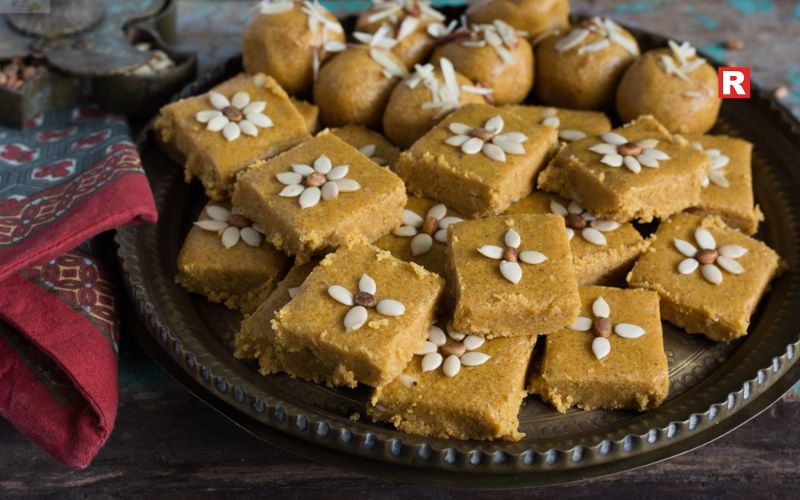
Magas is a traditional Gujarati sweet with a rich taste. It is made using gram flour, ghee, and sugar. The mixture is cooked slowly until it reaches the right texture. Magas has a slightly grainy feel. This texture is intentional and loved. It is often flavoured with cardamom or nutmeg. Magas is prepared during festivals, weddings, and family functions. It is cut into small pieces and shared. Though rich, it is eaten in small portions. Magas represents indulgence done with control. It reflects how Gujarati sweets focus on depth rather than excess.
18. Locho
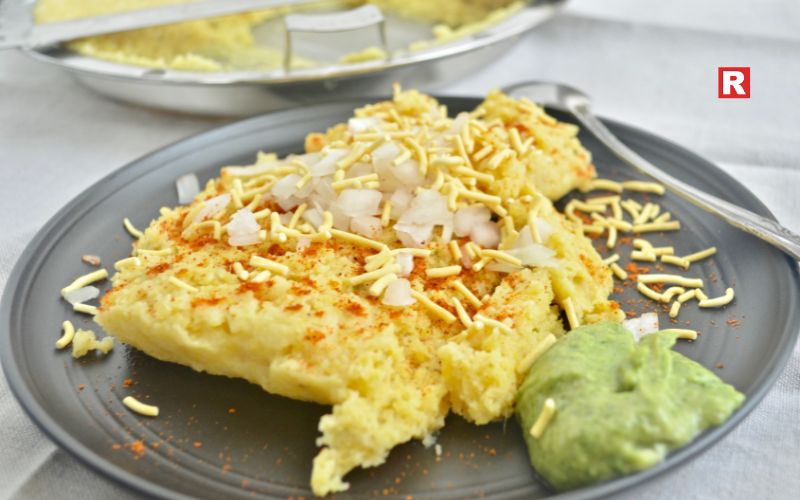
Locho is a famous street food from Surat. It is soft and slightly sticky in texture. The dish is made from gram flour batter that is steamed and loosely mashed. Locho is served hot. Butter is added generously on top. Sev, spices, and chutneys complete the dish. It is eaten with a spoon. Locho does not look neat, but it is full of flavour. It is spicy and comforting at the same time. People enjoy it at street stalls in the evening. Locho reflects Gujarat’s lively food culture and love for bold street flavours.
19. Bhakri
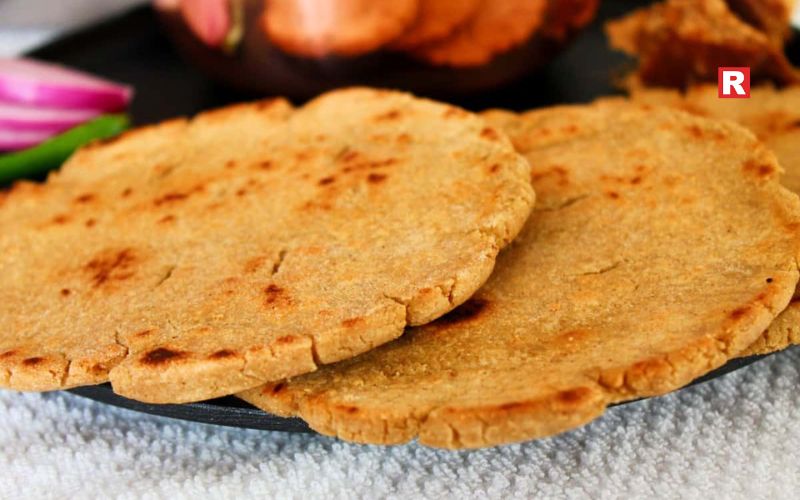
Bhakri is a thick and rustic flatbread from Gujarat. It is made using millet or wheat flour. Bhakri is common in rural homes. It is cooked on an open flame or hot griddle. The texture is firm and filling. Bhakri is eaten with vegetables, curd, or ghee. It provides long-lasting energy. This makes it suitable for physical work. Bhakri is simple food. It does not use spices or extras. It reflects a lifestyle that values strength, simplicity, and nourishment. Bhakri shows how food supports daily life in villages.
20. Aam Ras

Aam ras is a summer favourite in Gujarat. It is made from ripe mango pulp. The pulp is smooth, sweet, and fragrant. Sometimes a little milk or cardamom is added. Aam ras is served chilled. It helps the body stay cool in hot weather. Gujaratis often eat it with puri. Some enjoy it plain. Aam ras is seasonal. It is eaten only when mangoes are fresh. This makes it special. It celebrates local produce and natural sweetness. Aam ras reflects the joy of simple, seasonal eating.
Check more: 20 Famous Foods from Karnataka That Define Its Rich Food Culture
Top Famous Veg Street Foods in Kolkata That You Must Try Once in Your Life
10 Mountain Foods to Keep You Warm While Visiting One
Top 5 States With the Spiciest Food in India
Happy Eating!
Gujarati cuisine is calm and balanced. It does not rely on heavy spice or rich sauces. Every dish is prepared with care and purpose. The food respects seasons and local ingredients. Sweet, sour, and mild spice often come together in one meal. This balance makes the food easy to enjoy every day. Snacks like dhokla, khakhra, and khandvi fit into busy routines. They are light and filling. Meals like undhiyu and dal dhokli are cooked slowly and shared with family. Many dishes are linked to festivals and traditions. Food is not rushed. It is cooked at home and eaten together. Even simple meals carry meaning. Gujarati food reflects patience and simplicity. It supports digestion and daily life. These famous foods of Gujarat show how tradition shapes taste. They prove that comfort and culture can exist on the same plate.
Saptopriya Ghosal
Feature Writer
I am a dedicated media professional with a bachelor's degree in mass communication from the State University of Calcutta and a postgraduate degree from Amity University. My academic journey has equipped me with a profound understanding of storytelling and communication. Passionate about the dynamic world of media, I continually strive to explore new ways to engage and inform through compelling narratives.



































































































































































