
20 Famous Foods from Assam That Reflect Its True Food Culture
The famous foods of Assam are not about excess or richness. They are about harmony and balance. Each dish reflects a close bond with the land, the rivers, and the seasons.


Assamese food is simple and deeply connected to nature. It grows from the land, the rivers, and the changing seasons. The cuisine reflects a way of life that values balance and freshness. Unlike many Indian food traditions, Assamese cooking does not depend on heavy spices or rich gravies. The flavours remain mild, clean, and easy on the stomach. Each dish allows the main ingredient to stand out without being overpowered. Rice forms the base of most meals. It is eaten every day and prepared in many forms. Fish is equally important, especially river fish, which is cooked in light and tangy curries. Green vegetables and leafy greens are used often. Many of them are seasonal and locally grown. Herbs add gentle aroma rather than strong heat. Fermented foods are also common and help improve digestion.
Assamese food follows the rhythm of daily life. Meals are cooked fresh and eaten warm. The focus stays on nourishment, not richness. Every dish carries a sense of tradition. It reflects family habits, regional customs, and respect for natural ingredients. This food culture is quiet but meaningful. It connects people to their surroundings and keeps old culinary practices alive.
Find 20 Assam Famous Foods
1. Khar
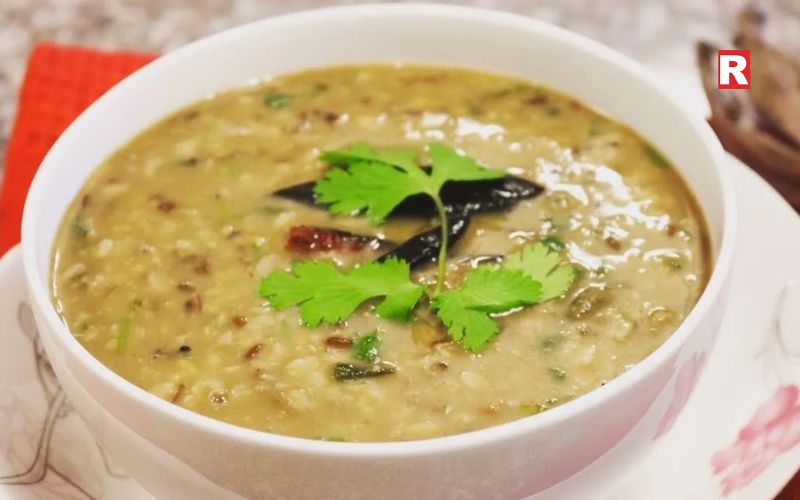
Khar is known as the soul of Assamese cuisine. It holds a special place in traditional meals and is often served at the start. The dish is prepared using raw papaya, lentils, and an alkaline extract made from dried banana peels. This extract gives khar its distinct earthy taste. The flavour is mild yet unusual and cannot be compared to any other Indian dish. Khar is light on spices and focuses more on natural taste. It is believed to cleanse the body and aid digestion. Many Assamese families consider it an essential part of a proper meal. The dish reflects the region’s deep connection with nature and local ingredients. Khar is usually eaten with plain rice and simple sides. Its preparation shows how Assamese food values balance, purity, and tradition over richness.
2. Masor Tenga
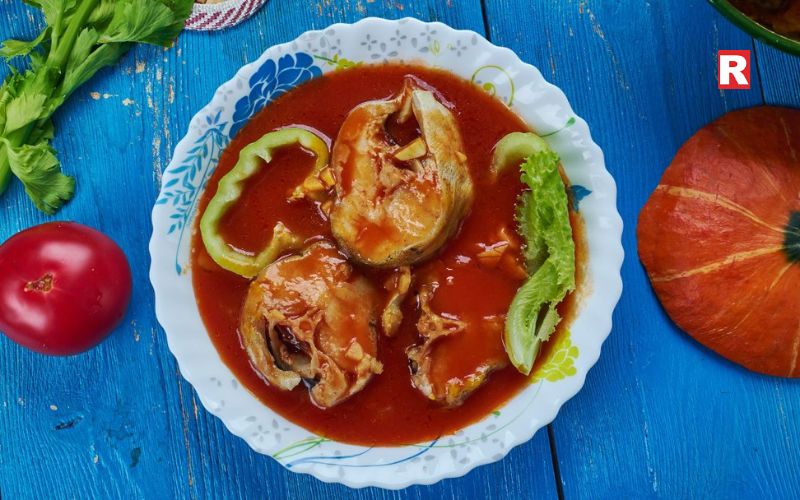
Masor Tenga is one of the most loved fish dishes in Assam. It is known for its light and tangy flavour. The curry is made using river fish cooked with tomatoes, lemon, or elephant apple. The taste is sour but gentle. It does not use heavy spices or oil. This makes the dish easy to digest and refreshing. Masor Tenga is commonly eaten during the summer months. It helps cool the body and feels light after a long day. The curry is always paired with steamed rice. Many Assamese households prepare it for everyday meals. Masor Tenga shows how Assamese cuisine uses simple ingredients to create balanced flavours. The dish reflects the importance of fish and seasonal eating in the local food culture.
Read more: 8 Famous Vegetarian Dishes of Uttar Pradesh and Their Timeless Legacy
5 Cities That Serve the Best Non-Vegetarian Street Food
3. Duck Meat Curry (Haanh Mangxo)
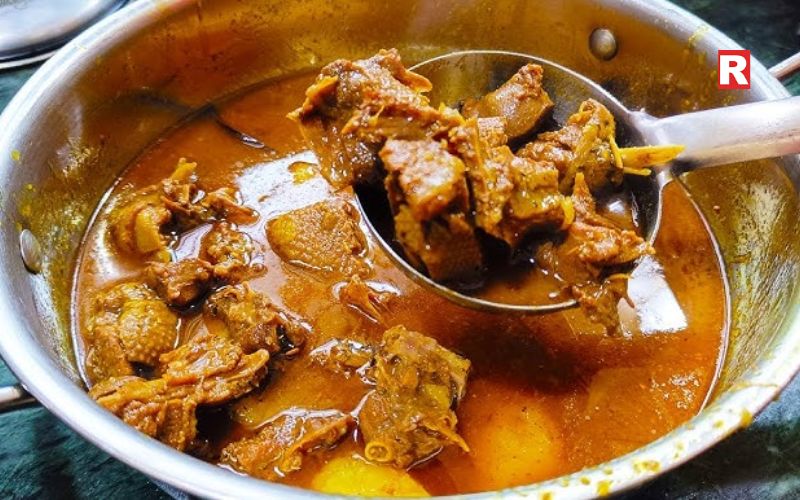
Duck Meat Curry, also known as Haanh Mangxo, is a festive dish in Assam. It is mostly prepared during winters and special occasions. The duck is slow-cooked to make the meat soft and flavourful. Ash gourd or sesame paste is often added to the curry. These ingredients balance the richness of the meat. The taste is deep but not heavy. Spices are used carefully and do not overpower the dish. Duck curry is usually made for family gatherings and celebrations. It is served with rice and sometimes local greens. The dish reflects warmth, togetherness, and traditional cooking methods. Haanh Mangxo shows how Assamese cuisine handles rich meats in a simple and thoughtful way.
4. Pitha
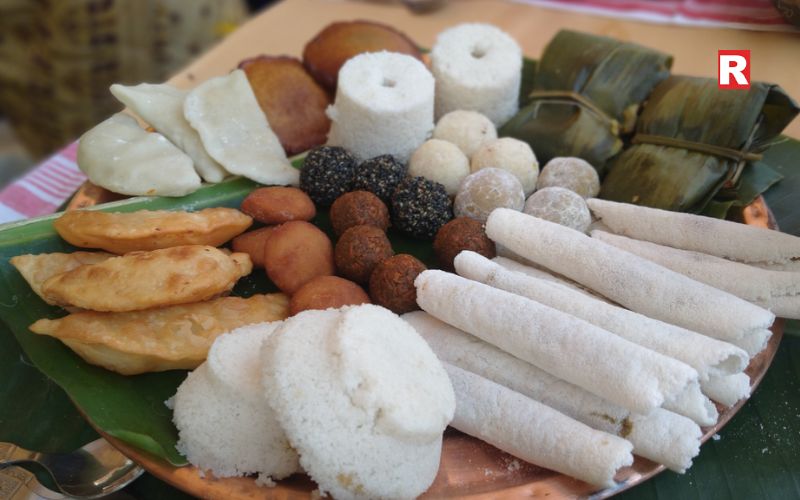
Pitha is a traditional rice-based dish from Assam. It is closely linked to festivals, especially Bihu. Pitha is prepared using rice flour and local ingredients. Some varieties are sweet and filled with jaggery and sesame seeds. Others are savoury and lightly salted. The preparation differs from region to region. Pitha is often made at home and shared with family and guests. It represents joy, celebration, and community bonding. The texture can be soft, crisp, or steamed, depending on the type. Pitha is not just food. It is a cultural symbol passed down through generations. The dish reflects Assamese traditions and the importance of homemade festive foods.
5. Aloo Pitika
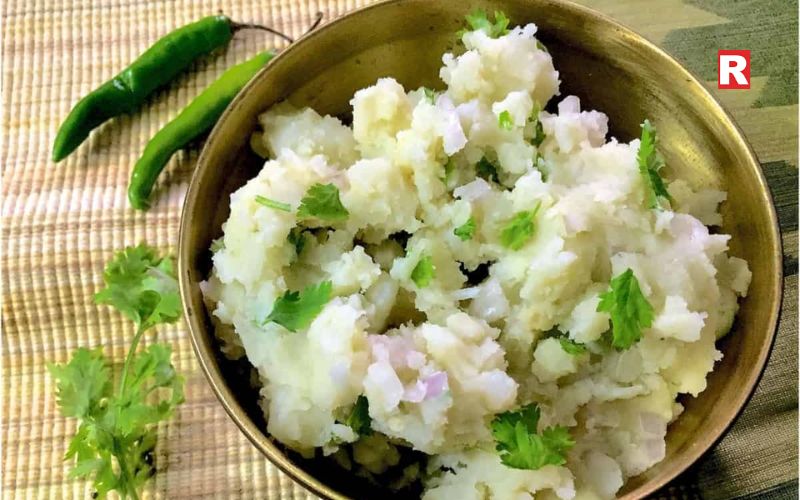
Aloo Pitika is one of the simplest dishes in Assamese homes. It is made by mashing boiled potatoes with mustard oil, chopped onions, green chillies, and salt. The taste is strong yet comforting. The dish does not need cooking skills or fancy ingredients. It is filling and easy to prepare. Aloo Pitika is eaten with rice and sometimes with dal or greens. Almost every household makes it regularly. It is loved for its warmth and familiarity. The use of mustard oil gives it a sharp and distinct flavour. Aloo Pitika reflects the everyday food habits of Assam. It shows how simple ingredients can create deeply satisfying meals.
6. Xaak Bhaji
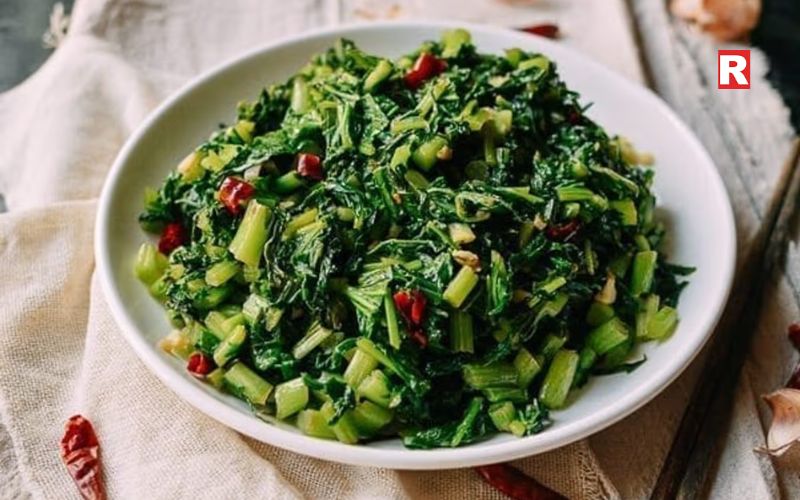
Xaak Bhaji is an everyday dish in Assamese homes. It includes a variety of leafy greens that grow locally. The vegetables are cleaned well and cooked lightly with very little oil. Garlic and salt are often enough for flavour. The dish is simple and nourishing. Seasonal greens are always preferred, which keeps the food fresh and connected to nature. Xaak Bhaji is eaten with rice during lunch or dinner. It supports digestion and adds balance to the meal. Many families change the greens based on availability. This keeps the dish varied throughout the year. Xaak Bhaji reflects the Assamese habit of eating fresh and local food. It shows respect for natural produce and simple cooking methods that preserve taste and nutrition.
7. Poita Bhat
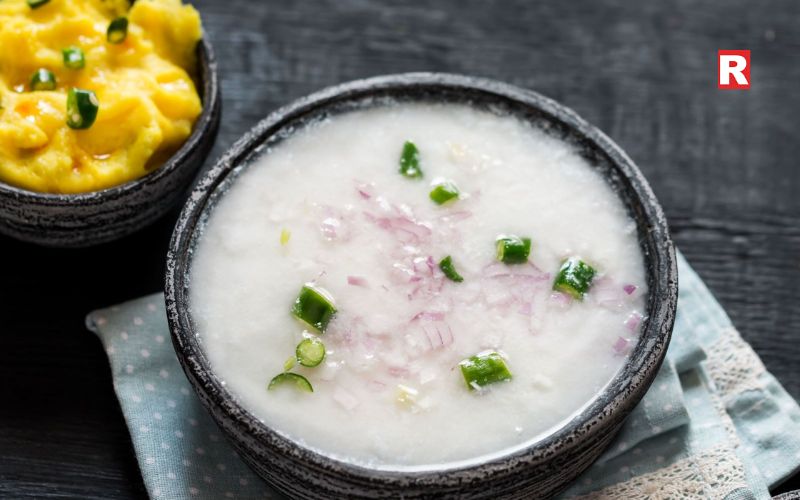
Poita Bhat is a traditional fermented rice dish from Assam. Cooked rice is soaked in water and kept overnight. The next day, it is eaten cold. Mustard oil, raw onions, green chillies, and pickles are added for flavour. Some people also eat it with boiled vegetables or fish. Poita Bhat is known for its cooling effect on the body. It is especially popular during hot summer days. The dish helps improve digestion and keeps the stomach light. It is often eaten for breakfast or lunch. Poita Bhat reflects sustainable food habits. It shows how leftover rice is reused wisely. The dish is simple, practical, and deeply rooted in Assamese daily life.
8. Narasingha Maas
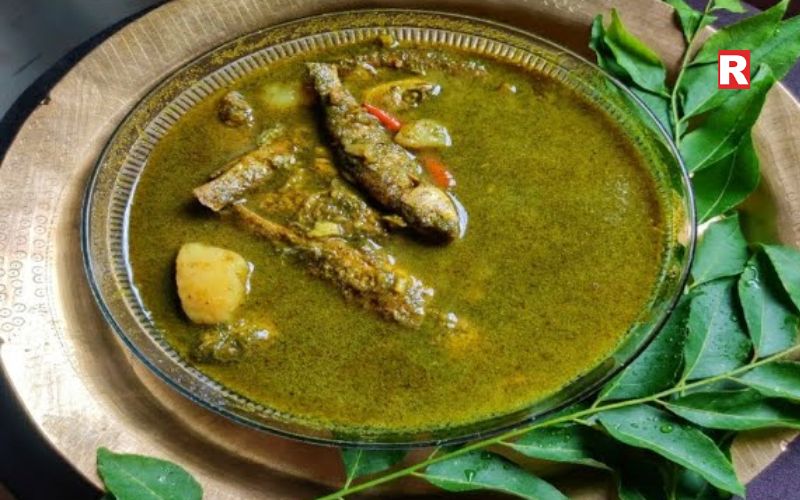
Narasingha Maas is a light and soothing fish dish. It is cooked using narasingha leaves, which are similar to curry leaves. These leaves give a gentle aroma to the curry. The fish is cooked softly with minimal spices. The flavour stays mild and clean. This dish is often eaten during illness or recovery. It is also preferred for light meals. Narasingha Maas is easy on the stomach and comforting. It is usually served with plain rice. The dish highlights the use of herbs in Assamese cooking. It shows how food is linked to health and healing. Narasingha Maas reflects the calm and thoughtful nature of the local cuisine.
Know more: 20 Famous Foods from Karnataka That Define Its Rich Food Culture
9. Silkworm Fry
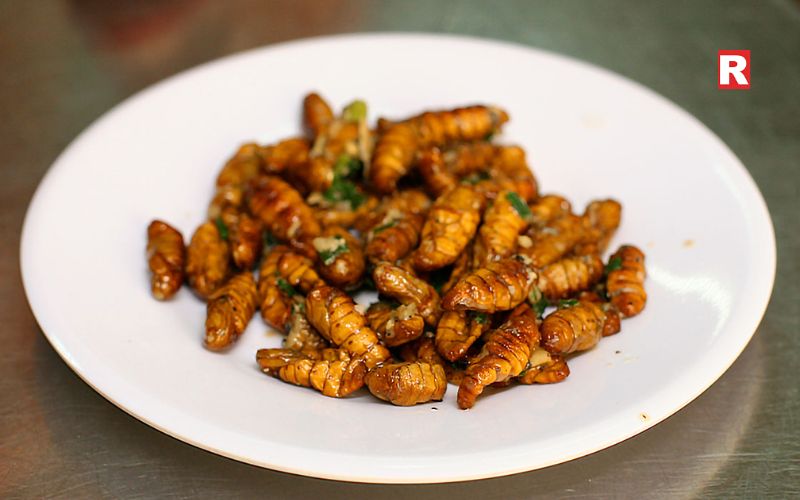
Silkworm fry is a traditional tribal food in Assam. It is mostly eaten in rural areas. The dish is prepared using silkworm pupae. The preparation is simple and uses basic seasoning. Silkworm fry is rich in protein and nutrients. It has been part of indigenous diets for generations. The dish is often cooked during community gatherings and special occasions. It reflects strong cultural roots and local food knowledge. While it may seem unusual to outsiders, it holds deep value for many communities. Silkworm fry represents Assam’s diverse food culture. It highlights the importance of traditional practices and the use of natural, locally available ingredients.
10. Bamboo Shoot Pickle
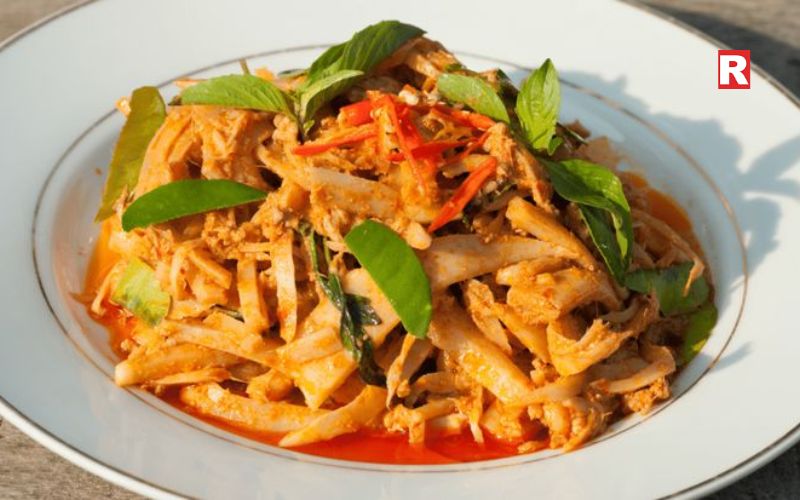
Bamboo shoot pickle is known for its strong and sharp flavour. Fresh bamboo shoots are cleaned and fermented naturally. The fermentation gives the pickle its distinct taste and aroma. It is eaten in small amounts with rice. The flavour is intense and adds depth to simple meals. Bamboo shoot pickle is common in many Assamese households. It is often prepared at home and stored for months. The pickle also helps improve digestion. It reflects the use of forest produce in daily food. Bamboo shoot pickle shows how fermentation plays an important role in Assamese cuisine. It adds character and boldness to otherwise light meals.
11. Ou Tenga Curry
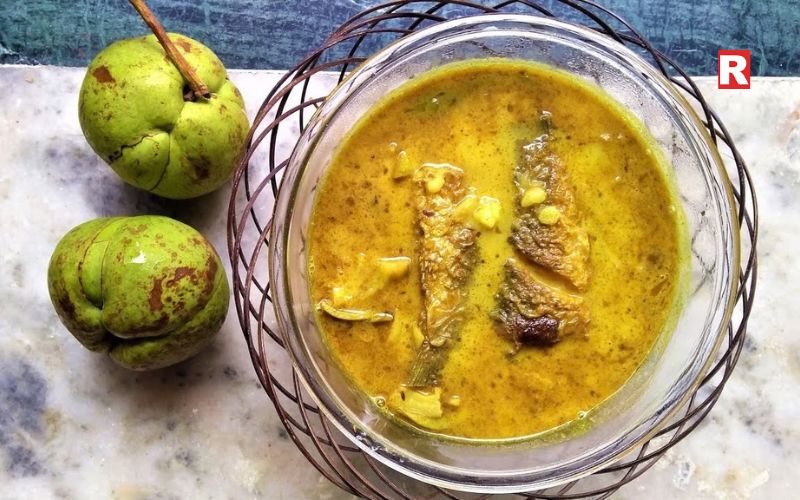
Ou Tenga Curry is a traditional Assamese dish made using elephant apple. The fruit gives the curry its natural sour taste. The flavour is sharp but refreshing. The curry is light and does not feel heavy after eating. It is usually cooked with river fish or sometimes with lentils. Spices are kept minimal to let the sourness stand out. Ou Tenga Curry is common in traditional Assamese homes, especially during warmer months. It is eaten with plain rice and simple sides. The dish helps balance rich or oily foods in a meal. It also supports digestion. Ou Tenga Curry reflects the Assamese habit of using local fruits in daily cooking. It shows how natural ingredients are used to create clean and balanced flavours.
12. Koldil Bhaji
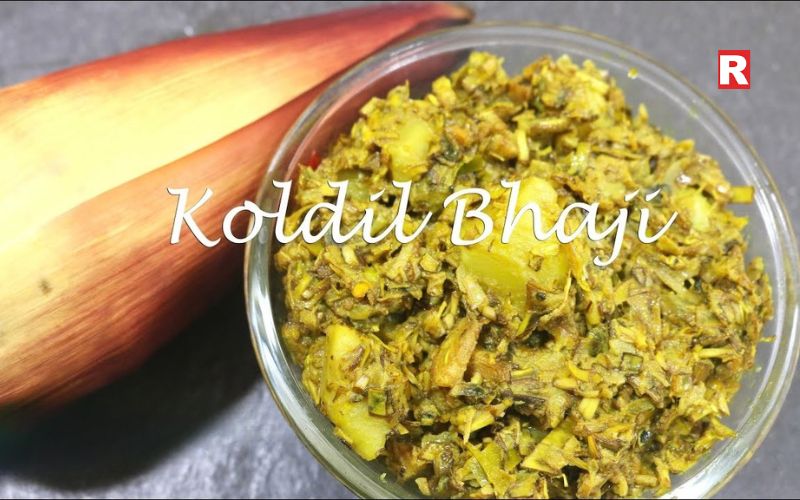
Koldil Bhaji is made from banana flower. The flower is cleaned, finely chopped, and cooked slowly. Simple spices are used to enhance the natural taste. The dish has a slightly firm texture and a mild flavour. Koldil Bhaji is known for being nutritious and filling. It is often eaten during lunch with rice. Many families prepare it as a regular home-style dish. The preparation takes time and care. This reflects traditional cooking methods. Koldil Bhaji is also valued for its health benefits. It supports digestion and is rich in fibre. The dish highlights the use of plant-based ingredients in Assamese food. It shows how everyday vegetables are turned into wholesome meals.
13. Pork with Bamboo Shoot
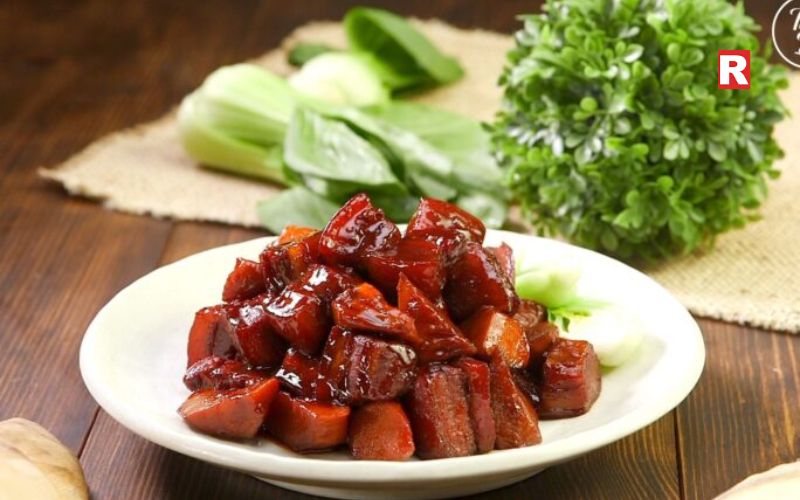
Pork with bamboo shoot is popular among Assam’s tribal communities. The pork is cooked slowly with fermented bamboo shoots. This gives the dish a bold and smoky flavour. The taste is strong and earthy. Spices are used sparingly. The focus remains on the meat and fermentation. The dish is often prepared during gatherings and celebrations. It is usually eaten with rice. Pork with bamboo shoot reflects indigenous food habits and traditional knowledge. Fermentation plays an important role in this dish. It also helps preserve food naturally. This dish represents Assam’s cultural diversity. It shows how tribal cuisine adds depth and variety to the state’s food traditions.
14. Lai Xaak
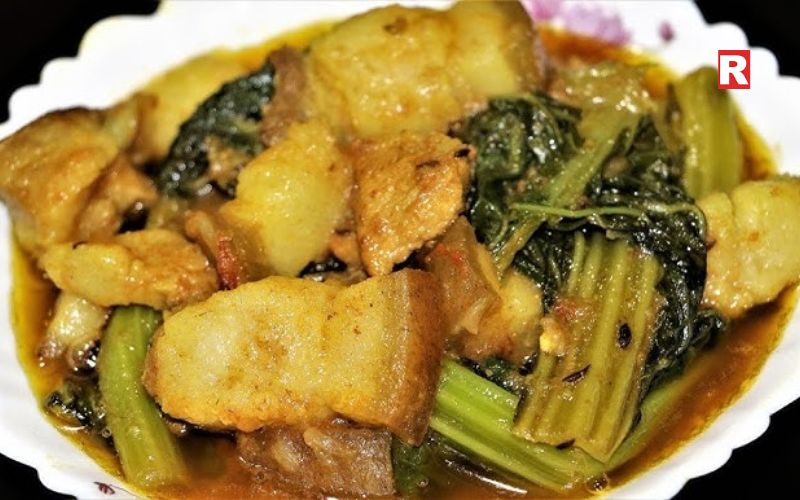
Lai Xaak is prepared using mustard greens. The leaves have a slight bitter taste. They are cooked simply with garlic and oil. No heavy spices are added. This keeps the flavour clean and natural. Lai Xaak is eaten regularly in Assamese households. It is often served with rice and dal. The dish is valued for its health benefits. It helps digestion and supports overall wellness. Seasonal greens are always preferred. This keeps the dish fresh and nutritious. Lai Xaak reflects the Assamese love for leafy vegetables. It shows how simple cooking methods are used to preserve taste and nutrition. The dish is light, healthy, and deeply rooted in daily food habits.
Also check: Top 5 States With the Spiciest Food in India
15. Ghila Pitha
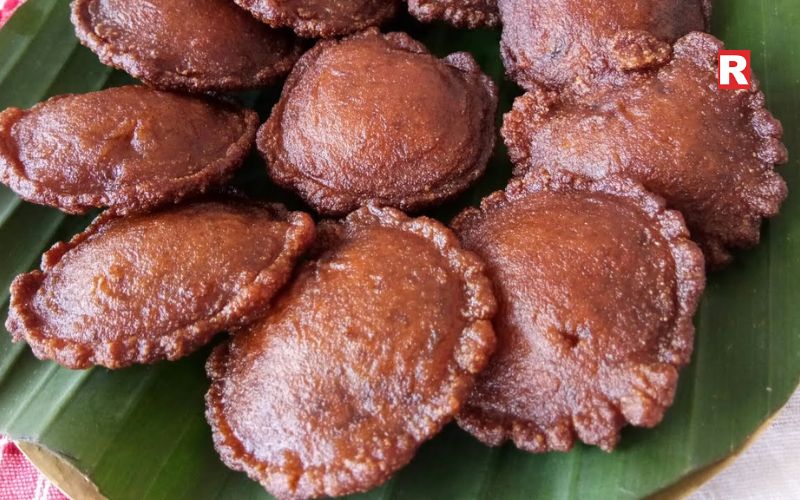
Ghila Pitha is a traditional fried snack from Assam. It is made using rice flour and jaggery. The batter is shaped by hand and fried slowly. The outside becomes crisp, while the inside stays soft. Ghila Pitha has a mild sweetness. It is often prepared during festivals and special occasions. Many families enjoy it with evening tea. The snack is filling and comforting. Ghila Pitha is made at home and shared with guests. It reflects warmth and celebration. The dish shows the importance of rice in Assamese food. It also highlights homemade sweets that are simple yet satisfying.
17. Fish Tenga with Lemon
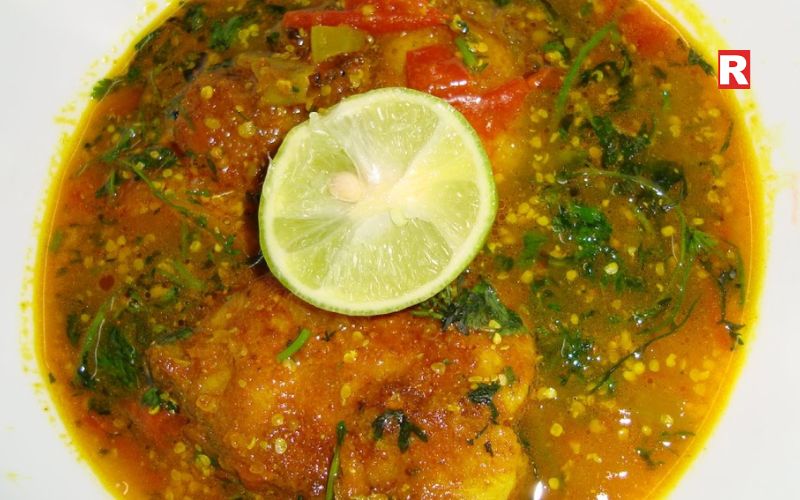
Fish Tenga with lemon is a light and refreshing Assamese curry. It is prepared using fresh river fish and lemon juice. The lemon gives the dish a clean and mild sour taste. The curry does not use heavy spices or oil. This keeps the flavour simple and balanced. Fish Tenga with lemon suits people who prefer light food. It is easy on the stomach and feels fresh after eating. The dish is best enjoyed hot and freshly cooked. It is usually served with steamed rice and simple sides. Many families prepare it for regular meals. This dish reflects Assam’s love for clean flavours and seasonal cooking. It shows how citrus is used to add freshness without overpowering the fish.
18. Chira with Curd and Jaggery
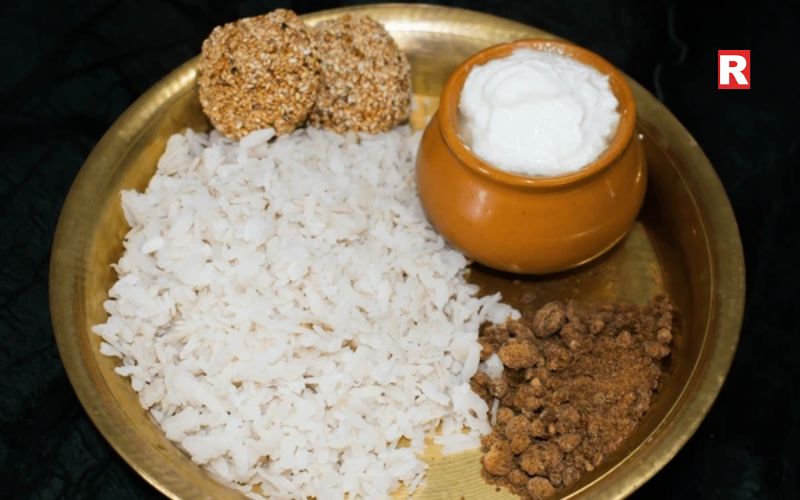
Chira with curd and jaggery is a simple and nourishing dish. Chira, or flattened rice, is soaked lightly to soften it. It is then mixed with fresh curd and jaggery. The taste is mildly sweet and cooling. This dish is common during festivals and early morning meals. It provides quick energy and keeps the body light. Chira with curd and jaggery is easy to prepare and does not need cooking. Many households serve it during Bihu and other celebrations. It is also offered to guests. The dish reflects traditional eating habits and the importance of rice in Assamese life. It shows how simple food can be both satisfying and wholesome.
19. Kumura Pitika
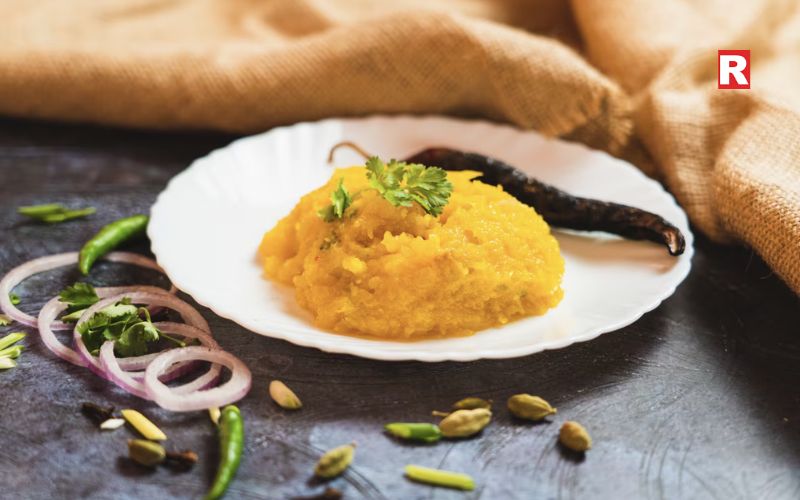
Kumura Pitika is a traditional mashed pumpkin dish. Boiled pumpkin is mashed with mustard oil and salt. Some people also add onions or green chillies. The taste is slightly sweet and earthy. The texture is soft and comforting. Kumura Pitika is eaten with rice during regular meals. It is light and easy to digest. The dish uses very few ingredients. This reflects the simplicity of Assamese food. Kumura Pitika is often prepared at home using fresh pumpkins. It is filling without being heavy. The dish shows how vegetables are used in everyday cooking. It highlights Assam’s preference for natural flavours and minimal seasoning.
20. Jolpan
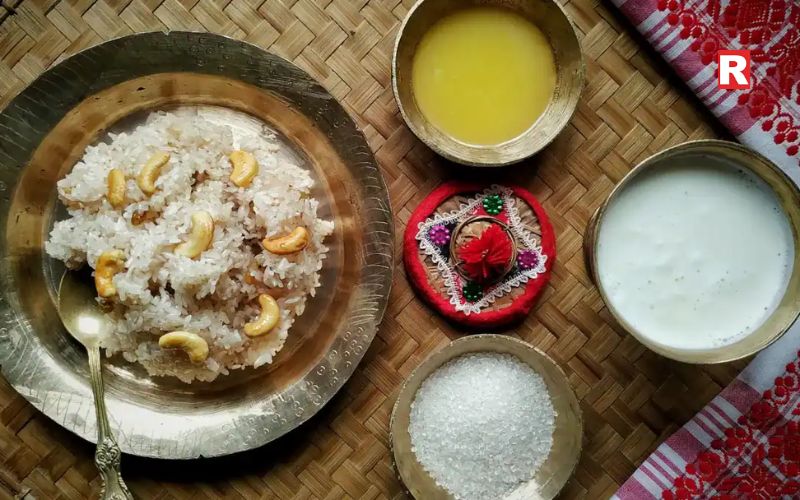
Jolpan is a traditional Assamese breakfast spread. It includes different rice-based items like chira, pitha, and muri. These are served with milk or curd. Jolpan is light yet filling. It is commonly eaten in the morning. It is also offered to guests as a sign of respect and warmth. Jolpan plays an important role during festivals and family visits. The items are simple but nourishing. They provide energy for the day. Jolpan reflects Assamese hospitality and food traditions. It shows how rice is used in many forms. This breakfast style highlights balance, simplicity, and the cultural value of sharing food.
Check more: 10 Mountain Foods to Keep You Warm While Visiting One
Top Regional Thalis to Try While You Are Travelling in India
20 Famous Foods of Andhra Pradesh That Showcase Its Rich Culinary Heritage
Why Assamese Food Is Special
Assamese food focuses on balance.
- Spices are used carefully.
- Ingredients are fresh and local.
- Fermentation is common and natural.
- Seasonal eating is deeply followed.
The cuisine reflects a slow and mindful way of life. It values health, simplicity, and tradition over richness or heat.
Happy Eating!
The famous foods of Assam are not about excess or richness. They are about harmony and balance. Each dish reflects a close bond with the land, the rivers, and the seasons. Assamese cooking respects natural flavours and avoids heavy use of spices. Rice forms the base of most meals and brings comfort and familiarity. Fish connects daily food habits to the rivers of the region. Herbs and leafy greens add freshness and lightness to the plate. Fermented foods show traditional knowledge and patience. Every meal feels thoughtful and rooted in routine life. These dishes are not made to impress. They are made to nourish. Food in Assam carries memory, culture, and care. It reflects how families eat together and share simple meals. Assamese cuisine offers a quiet but meaningful food experience. Its strength lies in simplicity. This food culture deserves more attention across India. It also deserves recognition beyond the country for its honest approach to cooking and eating.
Saptopriya Ghosal
Feature Writer
I am a dedicated media professional with a bachelor's degree in mass communication from the State University of Calcutta and a postgraduate degree from Amity University. My academic journey has equipped me with a profound understanding of storytelling and communication. Passionate about the dynamic world of media, I continually strive to explore new ways to engage and inform through compelling narratives.



































































































































































