
16 Types of Food and Beverage Service Outlets in India
The next phase of the Indian F&B industry will focus on sustainability, technology, and personalization. Consumers are becoming more conscious of ingredients, waste, and eco-friendly operations.

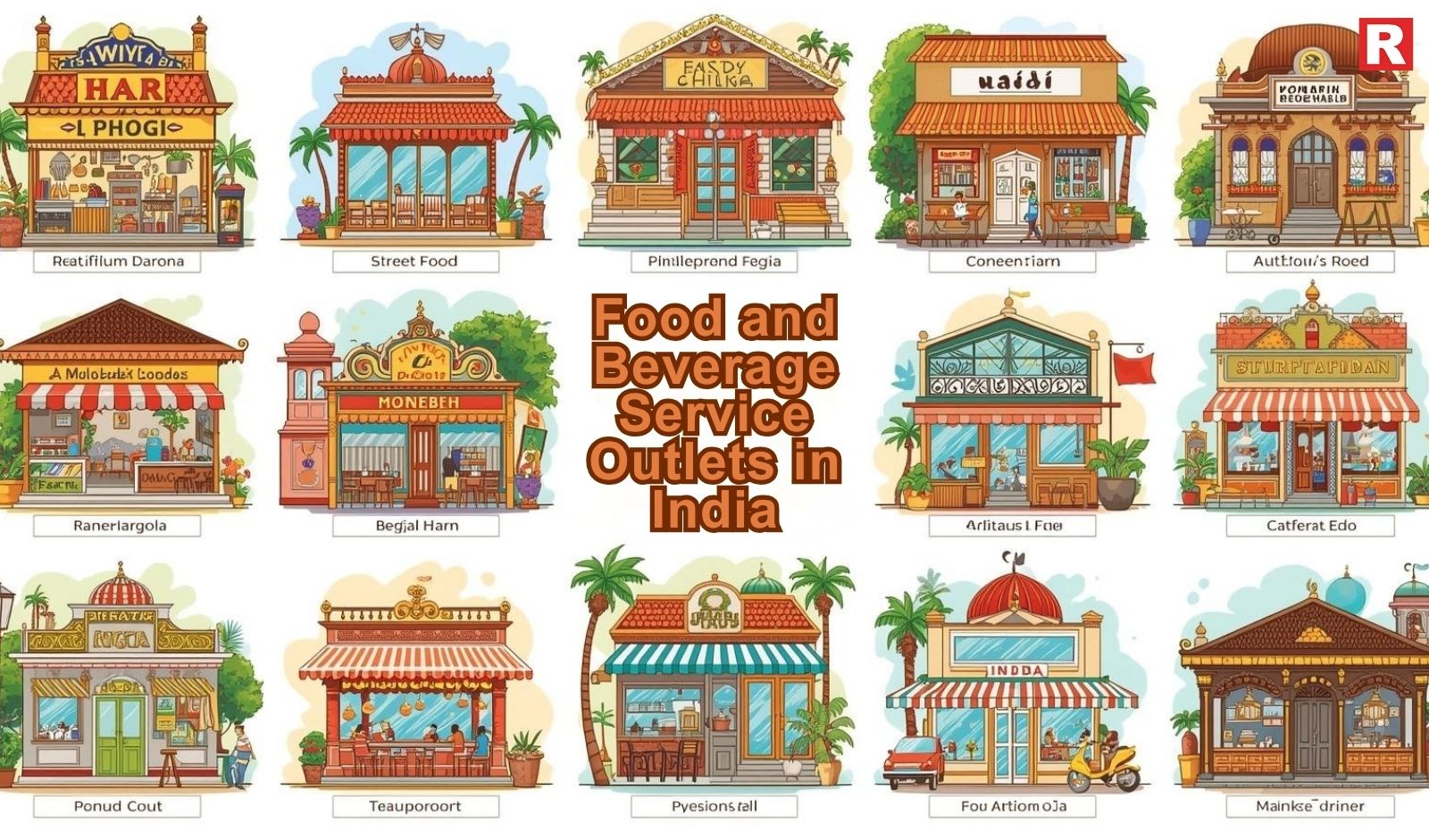
India’s food and beverage industry reflects the country’s diversity and changing lifestyle. From small tea stalls on busy streets to elegant restaurants in five-star hotels, every outlet adds to India’s dynamic dining culture. The sector serves millions daily, offering food for every taste, budget, and mood. Over the years, eating out has become more than just a meal — it’s an experience shaped by tradition, innovation, and community.
Each type of food outlet has its own purpose and personality. Street food stalls bring local flavors to life, while fine dining restaurants focus on luxury and detail. Cafés create cozy corners for conversations, and quick service restaurants meet the pace of modern life. Food courts in malls, cloud kitchens delivering meals at home, and bakeries filling cities with aroma — all form part of this vibrant network. India’s F&B landscape continues to expand with new trends, global influences, and digital innovation. Whether it’s a family dinner, a coffee break, or a late-night snack, food connects people across cultures and cities. The industry truly represents how India eats, celebrates, and evolves.
Explore 16 Types of Food and Beverage Service Outlets
1. Fine Dining Restaurants
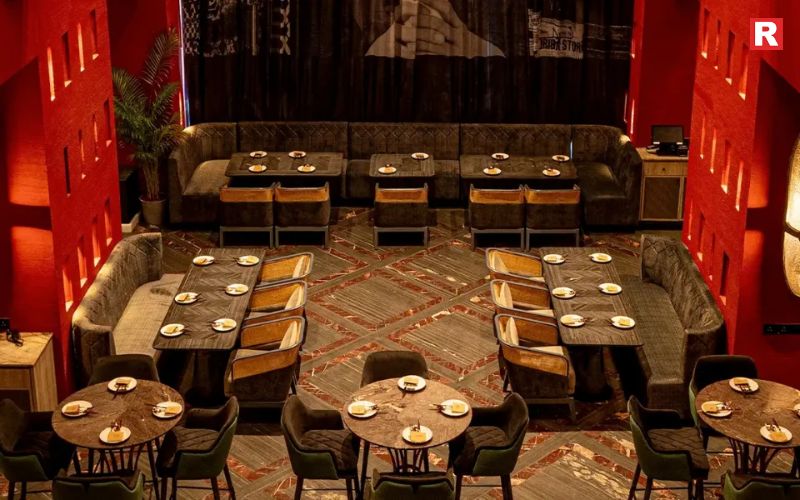
Fine dining restaurants represent the highest standard of culinary excellence. They are known for elegant interiors, professional service, and premium ingredients. These restaurants usually offer multi-course meals with detailed plating and international presentation. The staff are formally trained, and the atmosphere is refined. In India, restaurants like ITC Bukhara in Delhi and The Table in Mumbai set benchmarks for luxury dining. Fine dining is ideal for formal events, celebrations, or business dinners where the focus is on quality and experience.
2. Casual Dining Restaurants
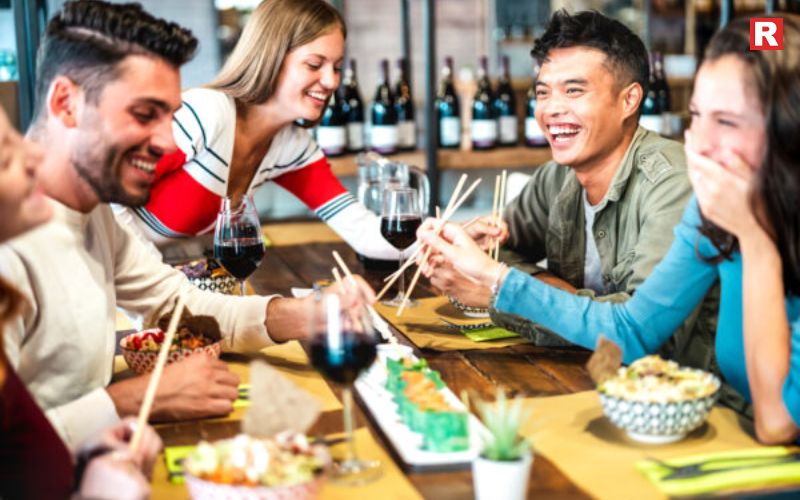
Casual dining outlets combine comfort with great food at mid-range prices. They are perfect for families, friends, and corporate groups looking for a relaxed dining experience. The menus are diverse, ranging from Indian and continental to fusion cuisines. Examples include Barbeque Nation, Mainland China, and Olive Bistro. These restaurants focus on ambience and friendly service without the formality of fine dining.
Read more: 8 Famous Vegetarian Dishes of Uttar Pradesh and Their Timeless Legacy
10 Awadhi Cuisine Classics You Must Try at Least Once
3. Quick Service Restaurants (QSRs)
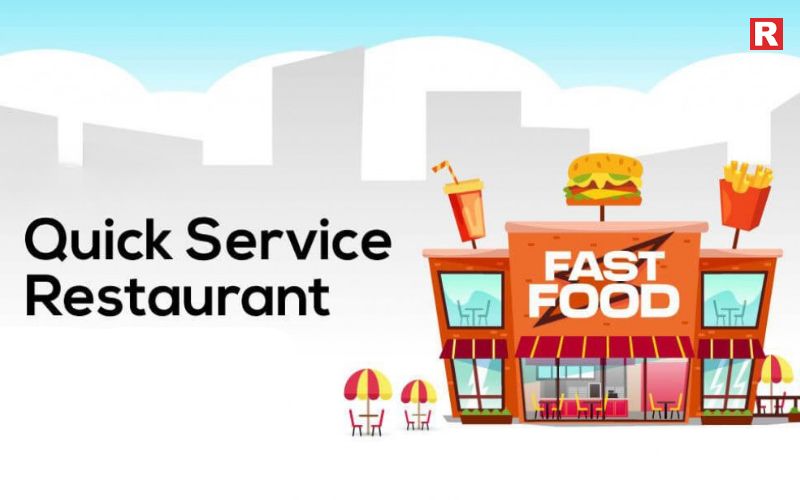
Quick Service Restaurants are designed for speed and convenience. They cater to people who prefer quick, affordable, and hygienic meals. The service is fast, often self-serve or takeaway-based. Popular QSR chains in India include McDonald’s, Burger King, and Wow! Momo. The rise of delivery apps like Zomato and Swiggy has further boosted this segment, especially among working professionals and students.
4. Cafés and Coffeehouses
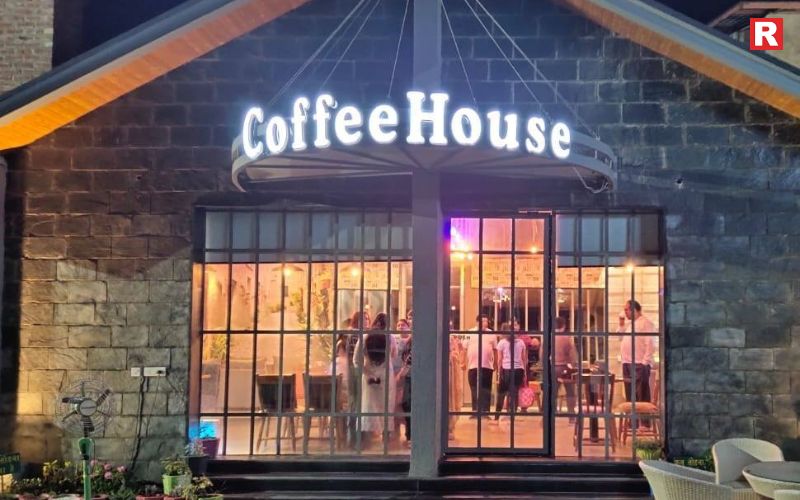
Cafés have become an essential part of India’s urban culture. They serve coffee, tea, sandwiches, and desserts in a casual and cozy environment. These outlets are ideal for work meetings, study sessions, or casual hangouts. Popular Indian cafés include Blue Tokai, Third Wave Coffee, and Café Coffee Day. Many cafés also double as creative spaces, hosting music nights and community events.
5. Pubs and Bars
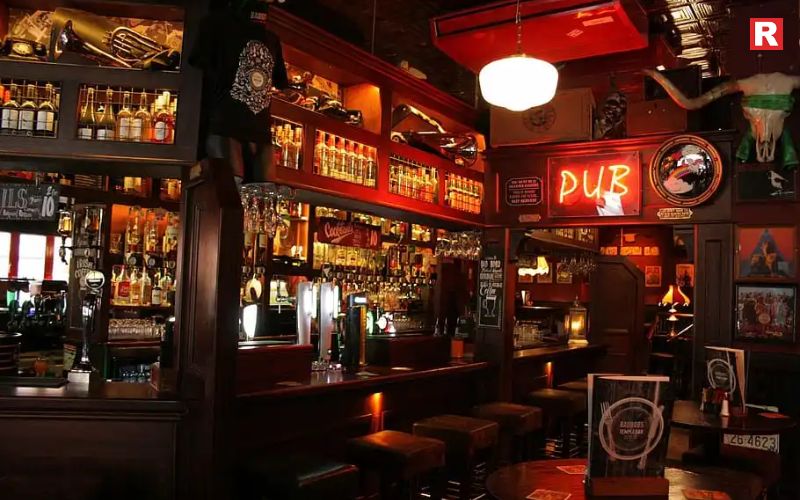
Pubs and bars are social spaces where people come to unwind with drinks, snacks, and good music. They focus on beverages—especially cocktails, craft beers, and spirits—served with light food options. Outlets like The Beer Café, Social, and Toit have popularized the pub culture in cities like Bengaluru, Mumbai, and Pune. They attract young professionals looking for casual evening entertainment.
6. Lounges
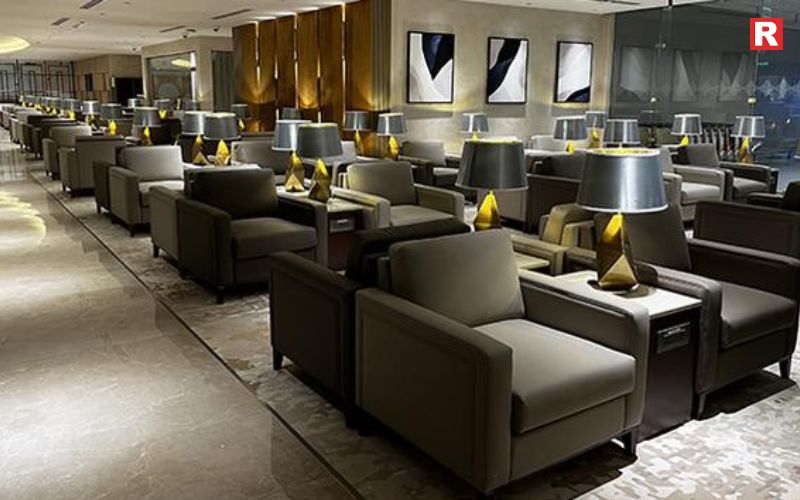
Lounges are more sophisticated than pubs, offering premium cocktails, soft lighting, and comfortable seating. They cater to those seeking an upscale experience with music and gourmet food. Lounges like Aer in Mumbai or PVR Home in Delhi blend fine drinks with a luxurious atmosphere. They are often part of hotels or standalone premium establishments.
Know more: Top 5 States With the Spiciest Food in India
7. Buffets and Multi-Cuisine Restaurants
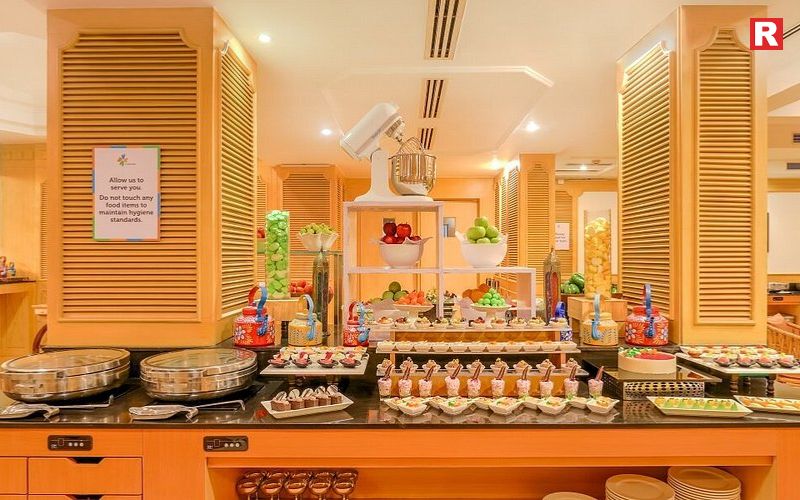
These outlets offer a wide variety of cuisines in a single location. Customers can try multiple dishes at one fixed price. Restaurants like Sigree Global Grill and Barbeque Nation have made buffet dining a favorite among families. The variety, unlimited servings, and value-for-money approach make them popular for group outings and celebrations.
8. Cloud Kitchens
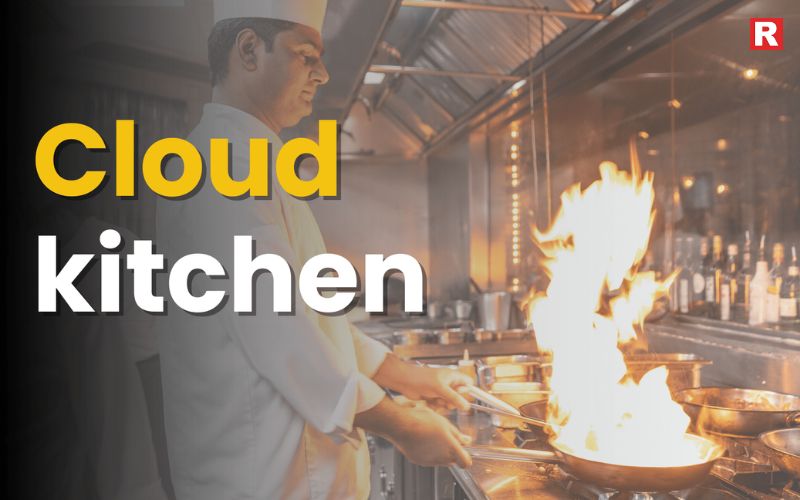
Cloud kitchens are delivery-only outlets that operate without a dine-in space. Orders are placed online through food delivery platforms. This model minimizes costs while allowing brands to expand quickly. Companies like Rebel Foods (Faasos), EatSure, and Biryani By Kilo have revolutionized the Indian food delivery space. With growing digital adoption, cloud kitchens are expected to dominate the future of food service in India.
9. Food Courts
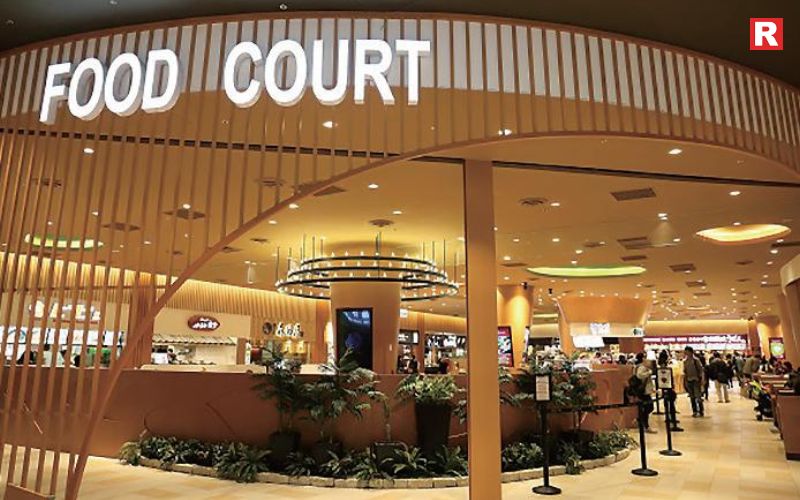
Food courts are commonly found in malls, airports, and large commercial complexes. They house multiple food brands under one roof, allowing customers to choose from a range of cuisines. Each outlet has a counter service format. Examples include food courts in Inorbit Mall, Phoenix Marketcity, and DLF Mall of India. They are convenient for groups with varied preferences.
Also read: 8 Different Types of Kebabs from Lucknow and Why They’re Famous
10. Street Food Stalls
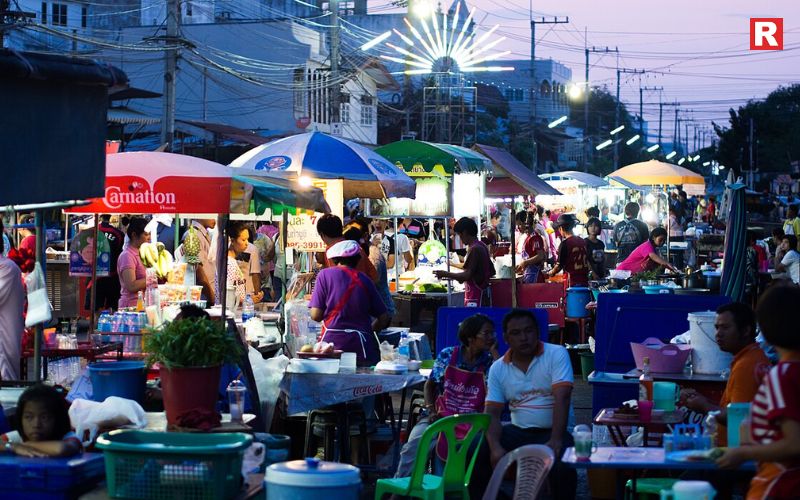
Street food is the soul of India’s culinary culture. Affordable, flavorful, and quick, these stalls serve everything from pani puri and vada pav to chaat and kebabs. Cities like Delhi’s Chandni Chowk, Mumbai’s Khau Galli, and Kolkata’s Park Street are famous for their street food culture. These outlets highlight India’s diversity and authenticity, offering local specialties that define regional cuisines.
11. Bakeries and Confectioneries
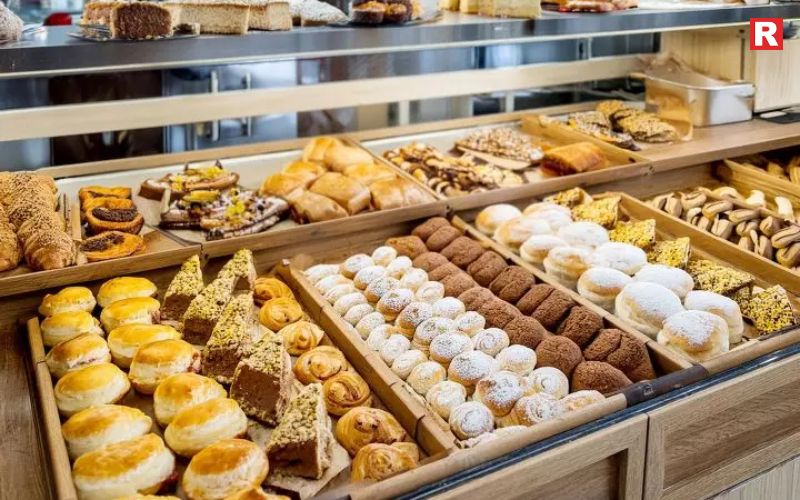
Bakeries focus on baked goods like bread, cakes, pastries, and cookies. Many now also serve beverages and snacks. Brands like Theobroma, Monginis, and L’Opéra are popular for their quality desserts and European-inspired offerings. Bakeries are often a go-to for celebrations, gifting, and quick bites.
12. Canteens and Messes
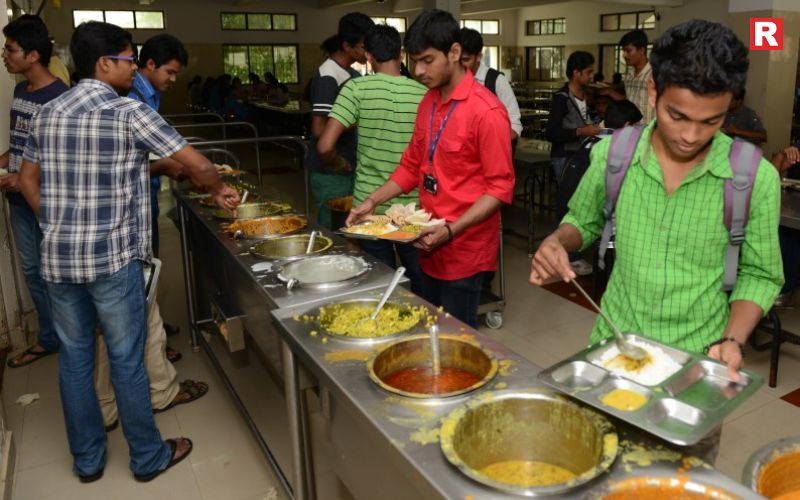
Canteens and messes provide affordable, home-style meals in offices, schools, colleges, and factories. They focus on nutritious and simple food at minimal cost. Examples include IIT campus messes, railway canteens, and ISRO canteens. These outlets are vital for daily meal needs, especially in institutional setups.
13. Food Trucks and Pop-Ups
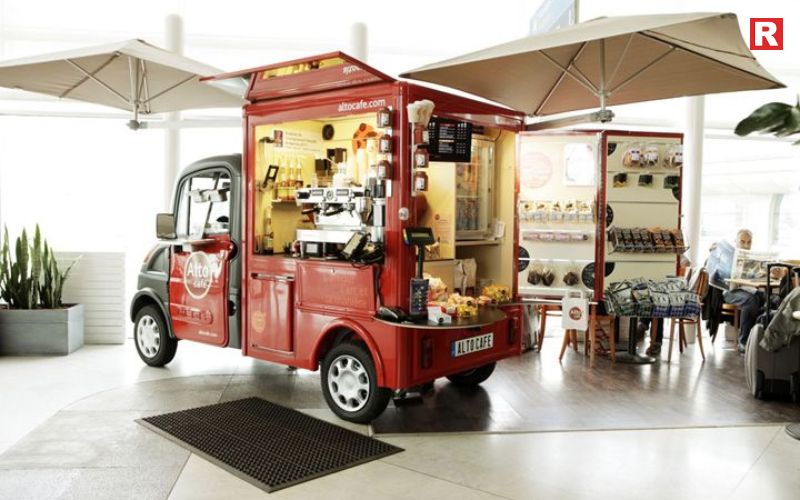
Food trucks have become trendy in Indian metros, offering freshly prepared food on wheels. They are flexible, mobile, and perfect for experimental cuisines. Brands like The Rolling Kitchen and Frugurpop are examples. Pop-up restaurants, on the other hand, are temporary setups that introduce new food concepts and experiences for limited periods.
Check more: Spice Up Your Meals with These 10 Authentic Indian Chutneys That Add a Burst
5 Cities That Serve the Best Non-Vegetarian Street Food
8 Famous Street Foods of Agra You Can’t Miss
14. Specialty Restaurants
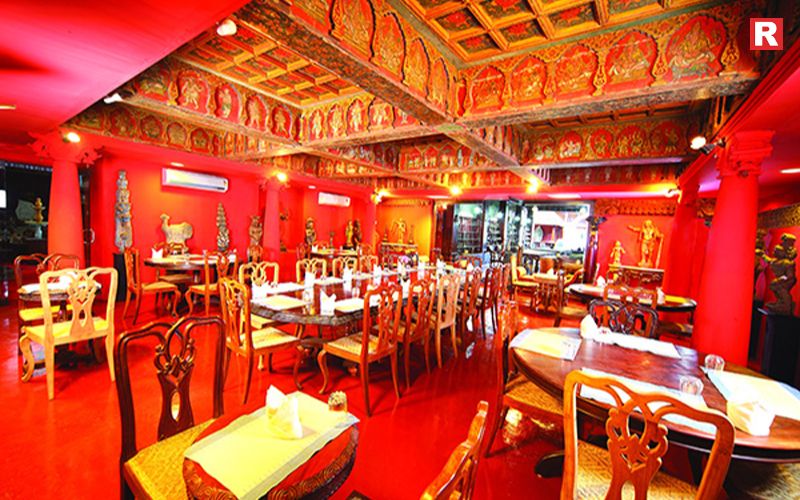
Specialty restaurants focus on a single cuisine or a niche dining concept. They bring authenticity and expertise to their menus. Examples include Mainland China for Chinese cuisine, Saravana Bhavan for South Indian food, and Punjab Grill for North Indian delicacies. These outlets often highlight regional or global culinary traditions.
15. Theme Restaurants
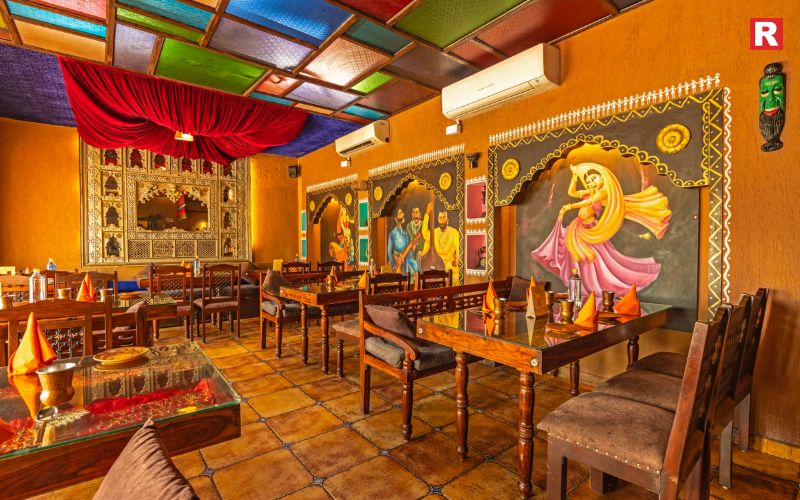
Theme restaurants combine food with a storytelling experience. They are designed around unique interiors, music, and menu concepts. For instance, Village – The Soul of India recreates the feel of a rural setting, while Rainforest Café offers a jungle-inspired atmosphere. These restaurants attract families and tourists seeking immersive experiences.
16. Clubs and Resort Dining
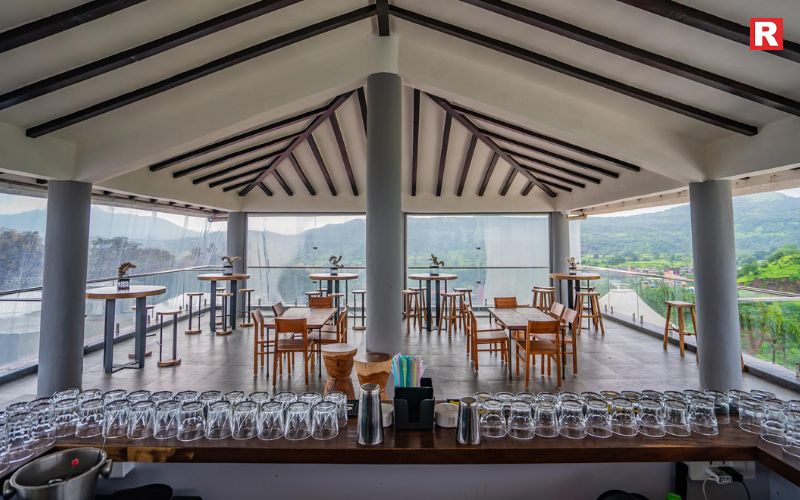
Exclusive clubs and resorts offer premium dining as part of their leisure and hospitality services. Members and guests enjoy gourmet food, curated menus, and scenic settings. Examples include Taj Fort Aguada Resort & Spa in Goa and Bombay Gymkhana Club. These outlets combine recreation, luxury, and dining in one experience.
The Evolution of India’s F&B Industry
India’s dining culture has evolved rapidly in the past decade. Rising disposable income, urban lifestyles, and exposure to global cuisines have changed how people eat out. According to industry reports, the Indian food service market is valued at over ₹5 lakh crore and continues to grow at a steady pace. The expansion of delivery platforms, digital payments, and health-conscious dining has reshaped the F&B ecosystem.
Several factors are fueling this transformation:
- Increased urbanization and working professionals
- Growth of organized retail and mall culture
- Influence of social media and food blogging
- The convenience of online ordering and delivery apps
- Shift toward experiential dining and local sourcing
The Road Ahead!
The next phase of the Indian F&B industry will focus on sustainability, technology, and personalization. Consumers are becoming more conscious of ingredients, waste, and eco-friendly operations. Plant-based menus, contactless dining, and regional Indian cuisines are gaining popularity. The industry is expected to blend tradition with innovation while offering diverse, inclusive dining formats. From luxury dining rooms to vibrant street stalls, India’s food and beverage outlets reflect its cultural and economic diversity. Each type of outlet serves a unique purpose—some focus on speed and convenience, while others create memorable culinary journeys. Together, they form an ecosystem that celebrates India’s love for food, community, and innovation.
Saptopriya Ghosal
Feature Writer
I am a dedicated media professional with a bachelor's degree in mass communication from the State University of Calcutta and a postgraduate degree from Amity University. My academic journey has equipped me with a profound understanding of storytelling and communication. Passionate about the dynamic world of media, I continually strive to explore new ways to engage and inform through compelling narratives.



































































































































































