
15 Types of Dosa Across South India
Exploring these regional varieties not only broadens your palate but also reveals why dosa continues to be one of India's most celebrated traditional foods.

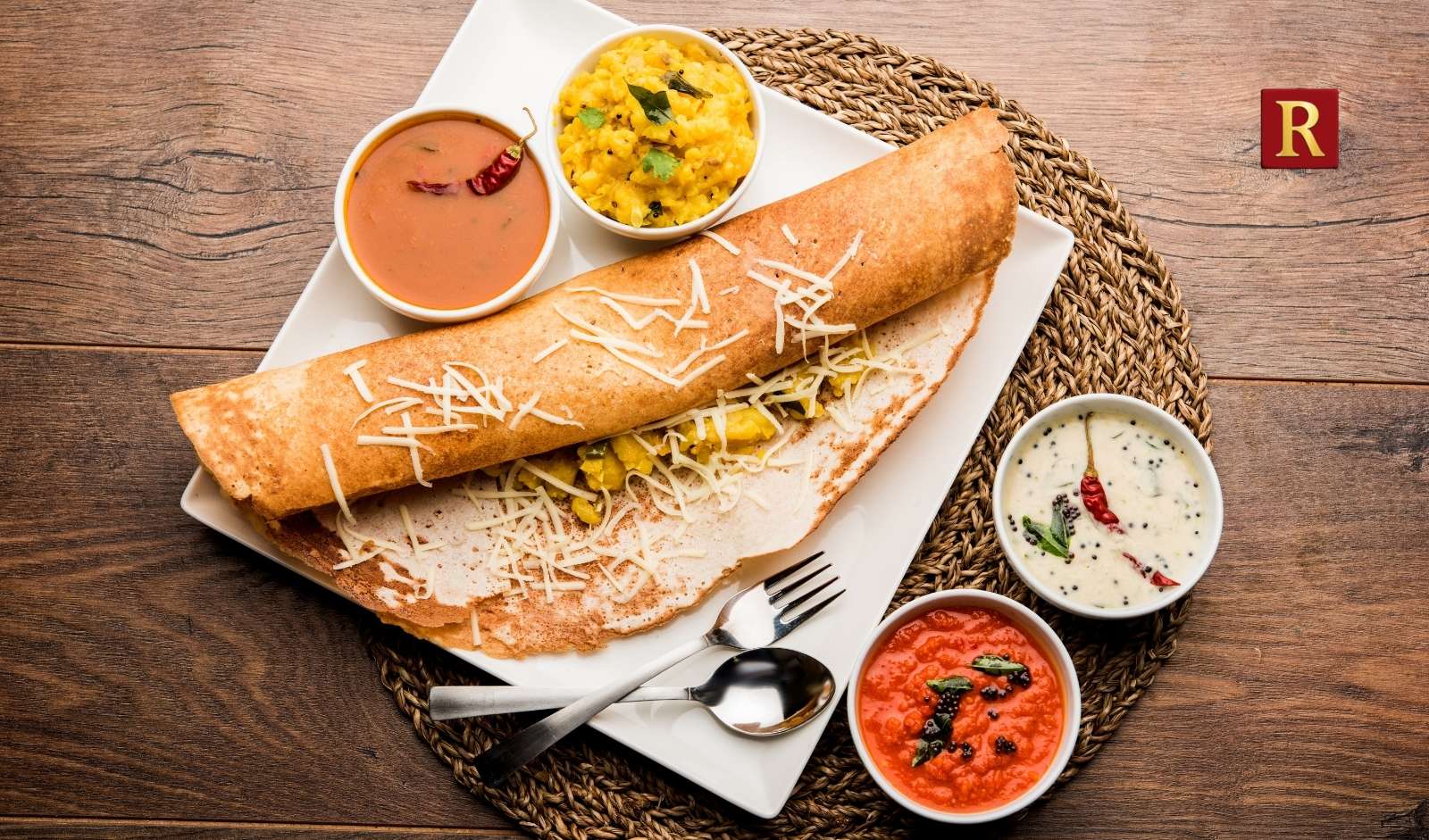
There is a reason dosa has remained one of India's most loved breakfast dishes for centuries. Crispy, soft, buttery, spicy, or even paper-thin, every dosa tells a different story. While many people instantly think of the classic Masala Dosa, South India is home to hundreds of regional dosa varieties that reflect local ingredients, traditions, and cooking styles.
From the butter-rich streets of Karnataka to the protein-packed green gram dosas of Andhra Pradesh, every state has developed its own signature version. According to industry estimates, India's organized South Indian restaurant market has expanded rapidly over the past decade as consumers seek authentic regional flavours rather than generic menu options. At the same time, food tourism has encouraged travellers to explore local dishes beyond the popular restaurant staples. If you truly want to understand South Indian cuisine, exploring its diverse dosa traditions is the perfect place to start.
The Story Behind India's Favourite Crepe
Food historians believe dosa has existed for well over 1,000 years. Ancient literary references suggest that early versions of dosa were prepared in southern India long before they became popular across the country. While both Karnataka and Tamil Nadu have strong historical ties to its development, the dish gradually spread throughout South India, with each region adapting the recipe according to its local grains, climate, and culinary traditions.
Traditional dosa batter is made by soaking rice and urad dal separately before grinding and fermenting them overnight. During fermentation, naturally occurring bacteria and yeast improve the batter's texture, create its mildly tangy taste, and make nutrients easier to digest. This natural process is one reason fermented foods continue to play an important role in Indian diets.
Why Every State Makes Dosa Differently
One of the biggest reasons for dosa's diversity is geography. Coastal regions receive abundant rainfall, making rice the dominant grain, while interior regions have traditionally relied more on millets and pulses.
Climate also influences fermentation. Warm, humid weather allows batter to ferment quickly, while cooler regions often require longer resting times. Local cooking traditions further shape the final product, from thick, fluffy breakfast dosas to crispy street-food favourites. Families have also preserved their own recipes for generations. Even within the same city, two households may prepare dosa batter differently by adjusting the ratio of rice, lentils, or fenugreek seeds.
15 Authentic Types of Dosa Across South India
1. Benne Dosa – Karnataka
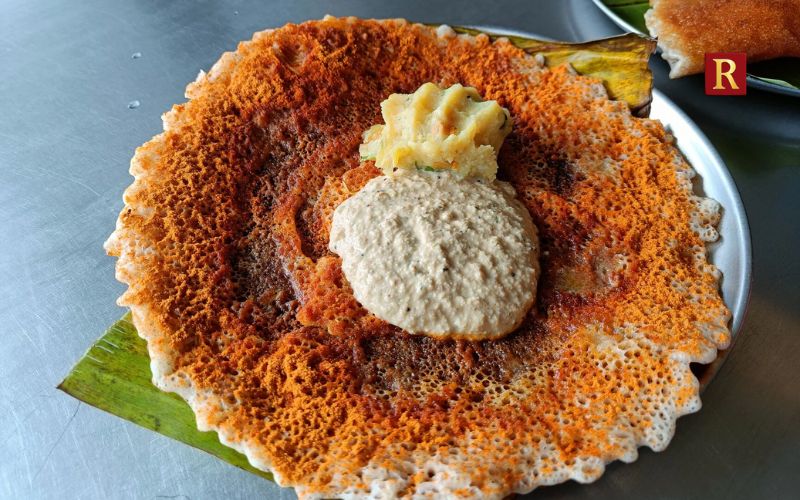
Benne Dosa is one of Karnataka's most iconic breakfast dishes, originating from the city of Davanagere. The word benne means butter in Kannada, and this dosa is known for the generous amount of fresh white butter used during cooking. Unlike a regular crispy dosa, Benne Dosa has golden, crunchy edges with a soft, fluffy centre, making every bite rich and satisfying. The batter is fermented to achieve its signature airy texture, while the butter gives it a distinct aroma and flavour. It is traditionally served with coconut chutney, potato palya, and sometimes a mildly spiced vegetable curry. Today, Davanagere Benne Dosa has become a culinary attraction, drawing thousands of food lovers from across India.
2. Mysore Masala Dosa – Karnataka
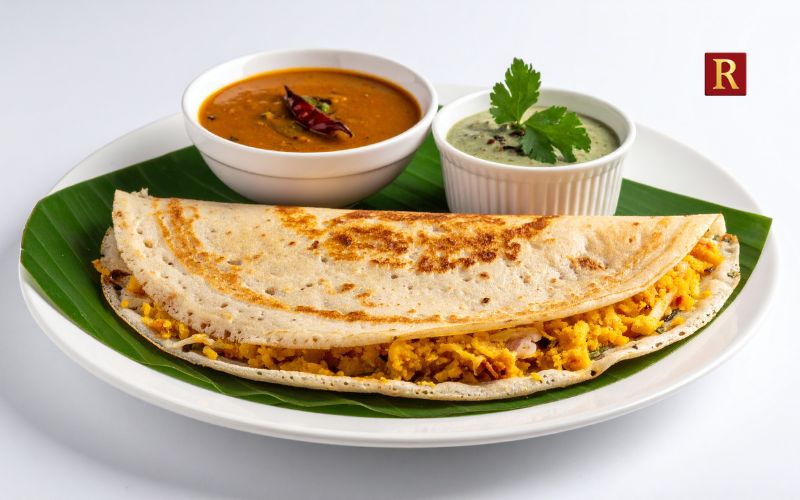
Mysore Masala Dosa is a flavour-packed variation of the classic Masala Dosa that originated in Mysuru, Karnataka. What makes it unique is the spicy red chutney made with red chillies, garlic, and lentils, which is spread generously on the inside before the potato filling is added. The dosa itself is thin and crispy, while the potato masala offers a soft, mildly spiced contrast. Cooked with butter or ghee, it develops a rich aroma and deep golden colour. It is traditionally served with coconut chutney and sambar, creating a balanced combination of spicy, creamy, and tangy flavours. Today, Mysore Masala Dosa is one of the most ordered South Indian dishes in restaurants across the world.
3. Set Dosa – Karnataka
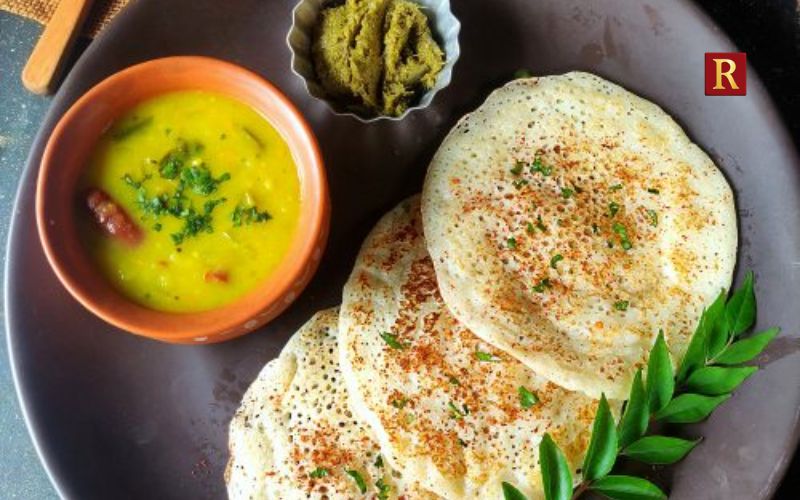
Set Dosa is a soft and fluffy dosa that is especially popular in Bengaluru and other parts of Karnataka. Unlike thin and crispy dosas, Set Dosa is thick, sponge-like, and usually served as a set of three, which gives the dish its name. The batter often includes flattened rice (poha), making the dosa extra light and airy after fermentation. It has a mild flavour and is perfect for soaking up accompaniments like vegetable saagu, coconut chutney, and sambar. Because of its soft texture, Set Dosa is a favourite breakfast choice for both children and adults. It is filling, easy to digest, and remains a staple in many traditional Karnataka households.
4. Neer Dosa – Coastal Karnataka
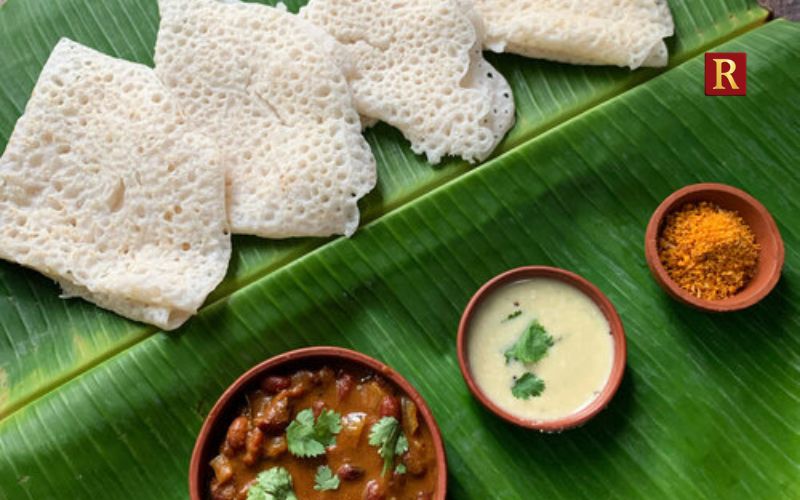
Neer Dosa is a traditional delicacy from the coastal districts of Karnataka, particularly Udupi, Mangaluru, and surrounding regions. The name neer means "water" in Kannada, referring to the thin, watery rice batter used to prepare it. Unlike most dosas, Neer Dosa requires no fermentation, making it quick to prepare while retaining its soft, delicate texture. It is extremely thin, almost translucent, and folds easily without becoming crispy. Traditionally, it is paired with coconut chutney, vegetable stew, fish curry, chicken ghee roast, or coconut milk with jaggery for a mildly sweet version. Its light texture and simple ingredients make it one of the most elegant and versatile dosa varieties in South Indian cuisine.
5. Paper Dosa – Tamil Nadu
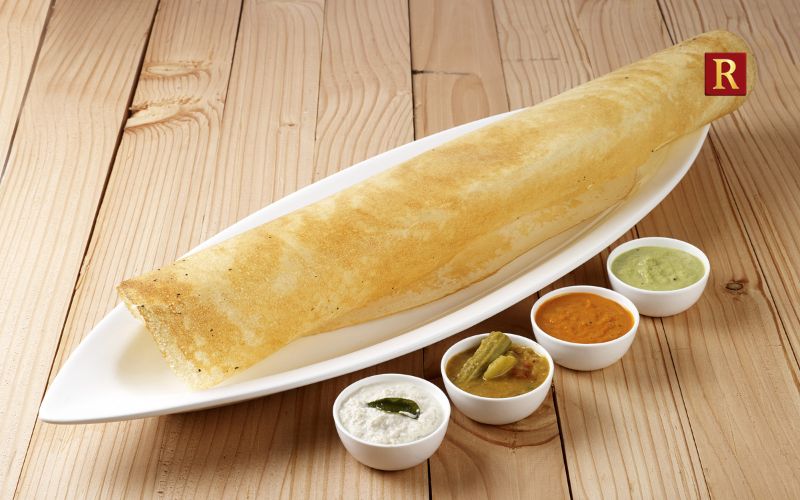
Paper Dosa is one of the most visually striking South Indian dishes, famous for its extra-large size and wafer-thin crispness. Popularised by traditional restaurants in Tamil Nadu, this dosa is spread very thin on a hot griddle and cooked until it turns golden and crunchy. Many restaurants serve it rolled into giant cones or cylinders that can measure over two feet in length, making it a favourite among diners. Despite its impressive appearance, the batter is similar to that of a regular dosa, relying on proper fermentation for flavour and texture. Paper Dosa is commonly served with coconut chutney, tomato chutney, sambar, and potato masala, offering a perfect balance of crispness and authentic South Indian flavours.
6. Kal Dosa – Tamil Nadu
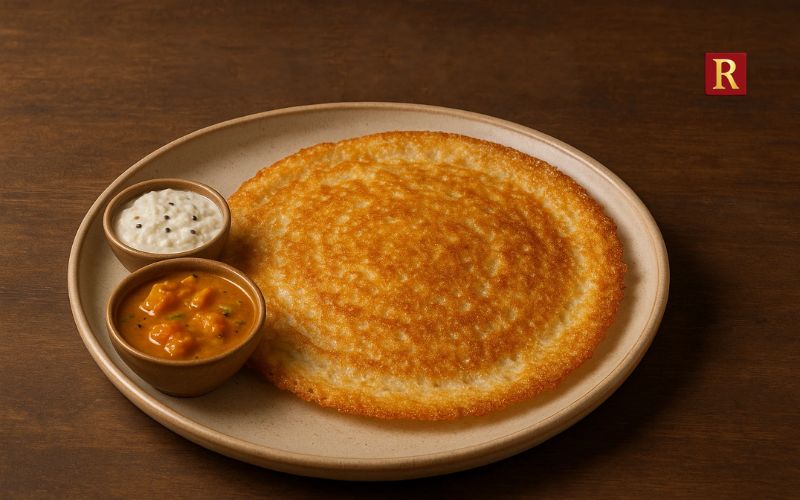
Kal Dosa is a traditional Tamil Nadu specialty known for its soft, thick, and fluffy texture. The word kal means "stone" in Tamil, referring to the stone griddle on which this dosa was traditionally cooked. Unlike the thin and crispy varieties, Kal Dosa is made using a slightly thicker fermented batter and cooked on low heat, allowing it to remain soft with a lightly golden exterior. It is usually served with coconut chutney, tomato chutney, and hot sambar, which the porous dosa absorbs beautifully. Many Tamil households also enjoy it with spicy kurma or mutton curry, making it a versatile dish that can be enjoyed for breakfast, lunch, or dinner.
7. Podi Dosa – Tamil Nadu
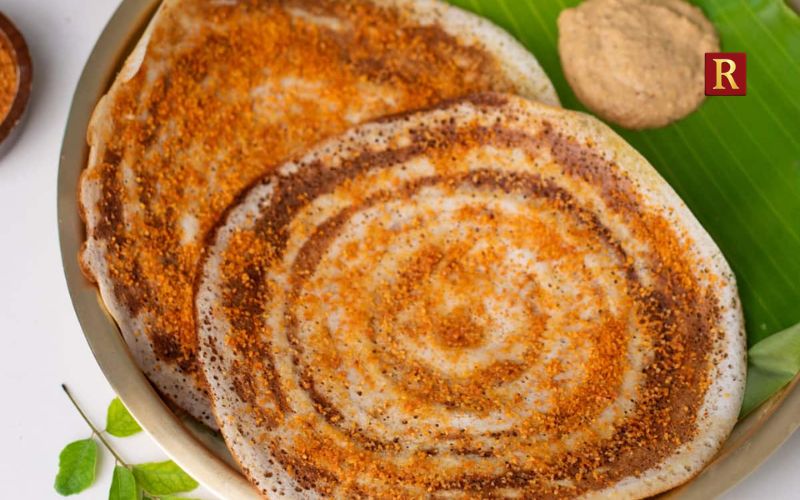
Podi Dosa is a flavourful variation of the classic dosa that highlights the bold taste of milagai podi, a traditional South Indian spice powder. This seasoning is typically made from roasted lentils, dried red chillies, sesame seeds, curry leaves, and spices, creating a smoky, nutty, and mildly spicy flavour. While the dosa cooks, sesame oil or ghee is spread over its surface before a generous layer of podi is sprinkled on top, allowing the spices to roast slightly and release their aroma. The result is a crispy, flavour-packed dosa that requires very little accompaniment beyond coconut chutney or sambar. It remains a favourite comfort food across Tamil Nadu.
8. Adai Dosa – Tamil Nadu
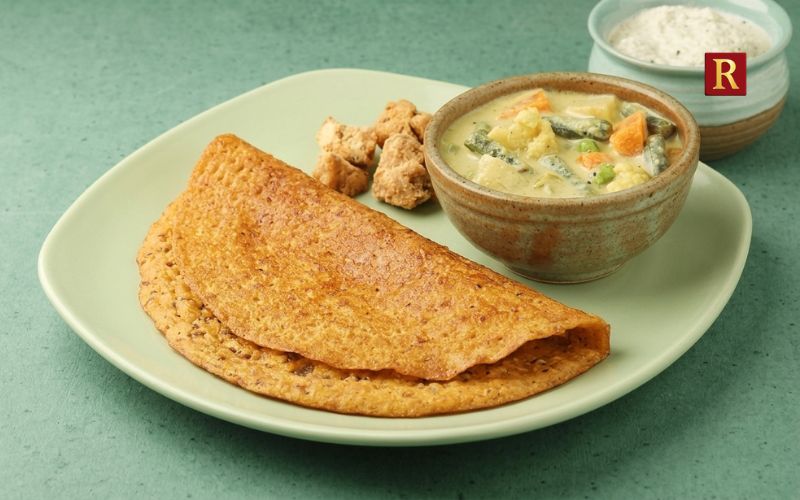
Adai Dosa is one of Tamil Nadu's oldest and most nutritious traditional recipes, valued for its high protein content and wholesome ingredients. Unlike regular dosa, Adai is prepared using a blend of rice and several lentils, including chana dal, toor dal, moong dal, and urad dal, often combined with dried red chillies, curry leaves, ginger, and asafoetida. Since the batter does not require fermentation, it can be prepared much faster while still delivering excellent flavour and texture. Adai is thicker than regular dosa and has a slightly crisp exterior with a hearty bite. Traditionally, it is served with avial, butter, coconut chutney, or jaggery, creating a satisfying and balanced meal.
9. Ghee Roast Dosa – Karnataka
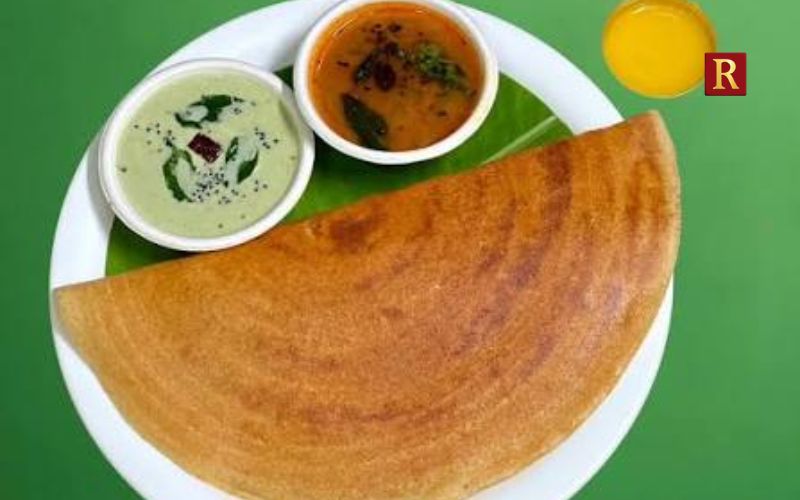
Ghee Roast Dosa is one of Karnataka's most celebrated dosa varieties, admired for its simplicity and rich flavour. During cooking, generous amounts of pure ghee are spread across the dosa, creating an irresistible aroma and a beautifully crisp, golden-brown surface. The ghee enhances the fermented batter's natural tanginess while adding a rich, buttery taste that sets it apart from ordinary dosas. Although it is often served plain, many restaurants also offer versions with potato masala. Coconut chutney, tomato chutney, and sambar are the traditional accompaniments. Popular in cities like Mangaluru and Bengaluru, Ghee Roast Dosa continues to be a favourite among those who appreciate classic South Indian flavours.
10. Pesarattu – Andhra Pradesh
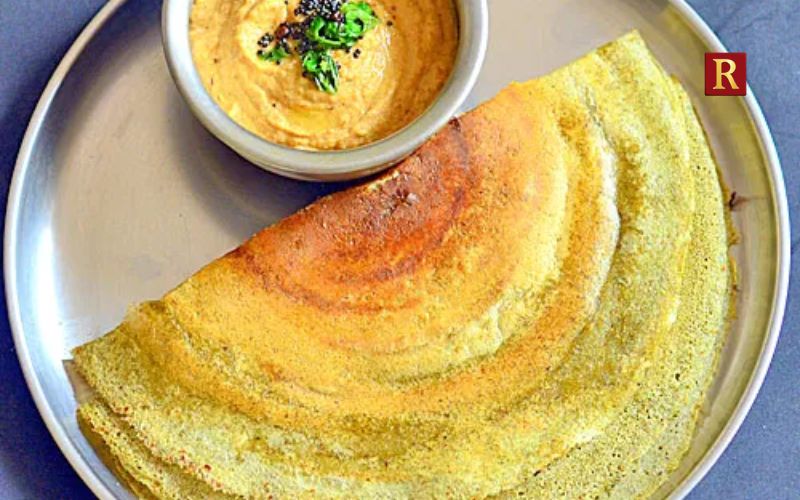
Pesarattu is a signature breakfast dish from Andhra Pradesh and is widely regarded as one of India's healthiest dosa varieties. Unlike traditional dosa, it is prepared primarily from soaked whole green gram (moong beans) with ginger, green chillies, cumin, and fresh coriander, using little or no rice. This makes it naturally rich in protein, fibre, vitamins, and minerals while remaining light and easy to digest. The dosa has a slightly earthy flavour and a crisp texture, making it both nutritious and satisfying. It is traditionally served with spicy ginger chutney and is often paired with upma, creating the famous MLA Pesarattu, a beloved combination found in homes and restaurants across Andhra Pradesh.
11. Karam Dosa – Andhra Pradesh
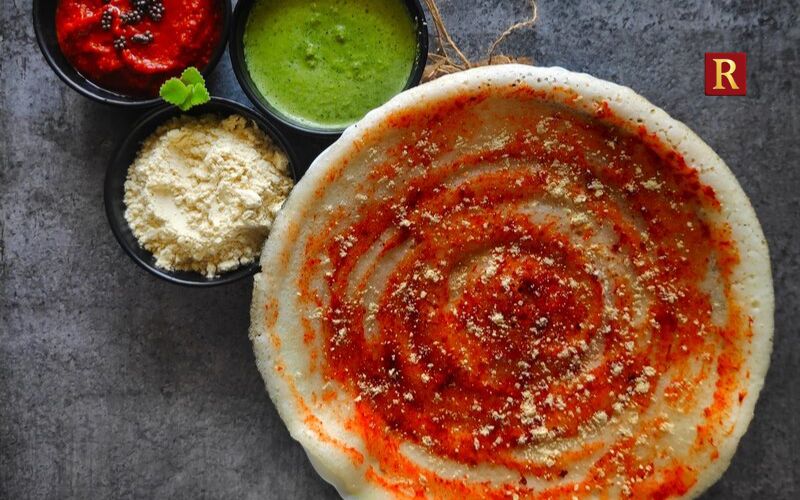
Karam Dosa is one of Andhra Pradesh's most popular street-food specialties, celebrated for its bold, spicy flavours. The word karam means "spicy" in Telugu, and this dosa lives up to its name with a fiery red chutney made from dried red chillies, garlic, onions, and aromatic spices. The chutney is generously spread over the dosa as it cooks, allowing the flavours to blend into the crispy, golden base. Some versions are finished with butter or ghee, adding richness that balances the intense heat. Traditionally served with coconut or peanut chutney, Karam Dosa is a favourite among spice lovers and is widely enjoyed for breakfast, lunch, or evening snacks.
12. Onion Dosa – Telangana and Andhra Pradesh
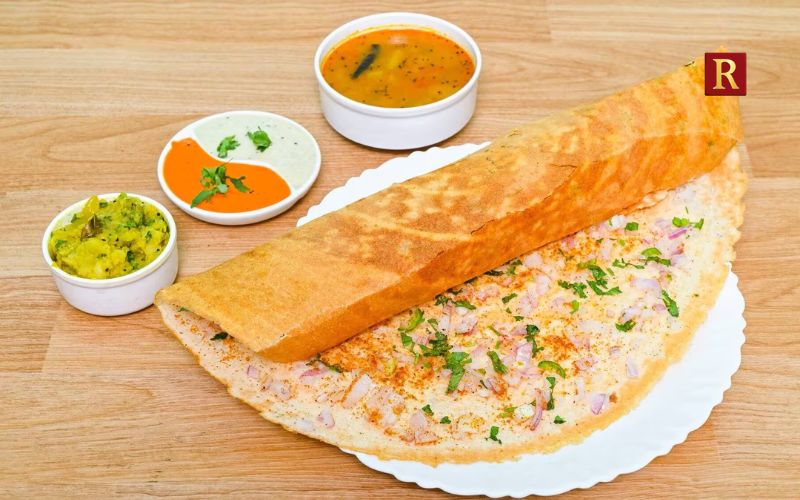
Onion Dosa is a simple yet flavourful variation that is especially popular across Telangana and Andhra Pradesh. Freshly chopped onions, green chillies, coriander leaves, cumin seeds, and sometimes grated carrots are sprinkled directly onto the dosa batter while it cooks. As the onions caramelise on the hot griddle, they develop a mild sweetness that perfectly balances the spice from the chillies. The dosa remains crispy on the outside while the topping adds a soft, juicy texture. It is commonly served with coconut chutney, peanut chutney, tomato chutney, or sambar and is a favourite choice for breakfast or an evening snack at roadside eateries and local restaurants.
13. Rava Dosa
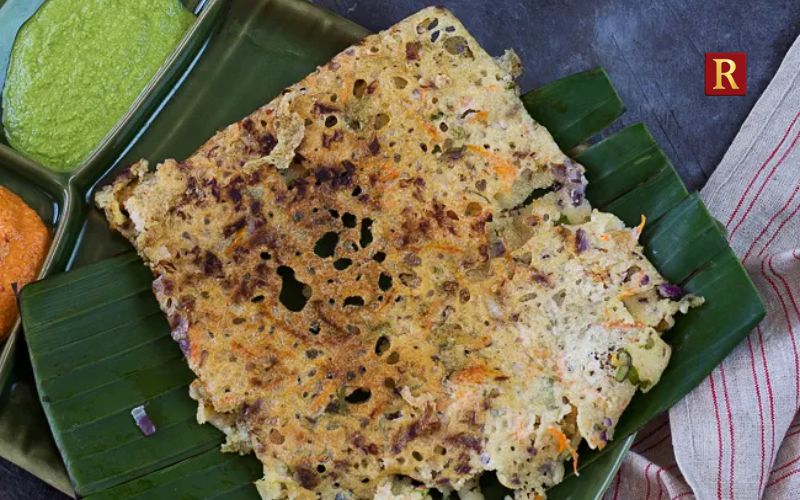
Rava Dosa is one of the quickest and easiest dosa varieties to prepare because it does not require fermentation. Instead of the traditional rice and urad dal batter, it is made using semolina (rava), rice flour, all-purpose flour, cumin seeds, crushed black pepper, green chillies, ginger, and curry leaves mixed into a thin batter. When poured onto a hot griddle, the batter naturally forms tiny holes, creating its signature lace-like appearance and ultra-crispy texture. The dosa is light, crunchy, and packed with flavour, making it a popular choice in South Indian restaurants across India. It is best enjoyed hot with coconut chutney, tomato chutney, and steaming sambar.
14. Uthappam – Tamil Nadu
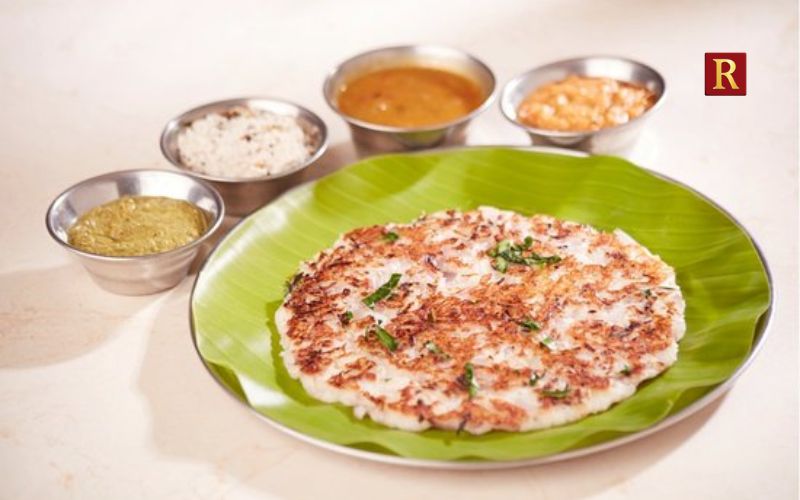
Uthappam is a traditional South Indian breakfast dish that originated in Tamil Nadu and is often described as a thick, savoury pancake made from fermented dosa batter. Unlike regular dosa, the batter is spread thickly and topped with finely chopped onions, tomatoes, green chillies, coriander leaves, and sometimes grated carrots or capsicum before cooking. This gives Uthappam a soft, fluffy centre with lightly crisp edges and a colourful appearance. Rich in carbohydrates and vegetables, it is both filling and nutritious. It is commonly served with coconut chutney, tomato chutney, mint chutney, and sambar, making it one of the most wholesome and satisfying breakfast options in South Indian cuisine.
15. Ragi Dosa – Karnataka
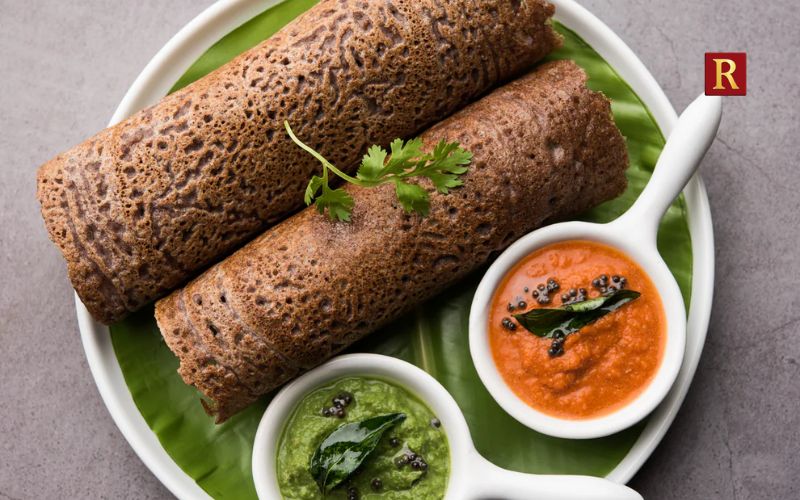
Ragi Dosa is a wholesome and nutritious specialty from Karnataka, where finger millet, locally called ragi, has been a staple grain for generations. Known for its earthy flavour and slightly nutty taste, ragi is naturally rich in calcium, iron, fibre, and essential amino acids, making this dosa a healthier alternative to rice-based varieties. Depending on the recipe, it can be prepared using fermented batter or as an instant version mixed with rice flour and spices. The dosa develops a crisp exterior while remaining soft inside and pairs wonderfully with coconut chutney, tomato chutney, or vegetable sambar. Today, Ragi Dosa has become increasingly popular among health-conscious consumers looking for nutritious and traditional breakfast choices.
The Perfect Pairings
A dosa is only as memorable as what accompanies it. Every region has developed unique combinations that enhance the overall experience. Coconut chutney remains the most common accompaniment across Karnataka, Kerala, and Tamil Nadu. Andhra Pradesh prefers spicy ginger and peanut chutneys that complement bold flavours like Pesarattu and Karam Dosa. Vegetable saagu is closely associated with Set Dosa, while avial is traditionally served alongside Adai. Many households also serve gunpowder, or podi, mixed with sesame oil or ghee for an extra burst of flavour. Fresh sambar prepared with seasonal vegetables continues to be the most popular side dish across South India.
A Culinary Journey!
Dosa is much more than a breakfast favourite. It represents centuries of regional innovation, agricultural diversity, and family traditions across South India. Every variety reflects the ingredients available in its region, the cooking techniques passed through generations, and the tastes of local communities. Whether you enjoy the buttery richness of Benne Dosa, the delicate softness of Neer Dosa, the hearty nutrition of Adai, or the bold spice of Karam Dosa, each bite offers a glimpse into South India's remarkable culinary heritage. Exploring these regional varieties not only broadens your palate but also reveals why dosa continues to be one of India's most celebrated traditional foods.
Saptopriya Ghosal
Feature Writer
I am a dedicated media professional with a bachelor's degree in mass communication from the State University of Calcutta and a postgraduate degree from Amity University. My academic journey has equipped me with a profound understanding of storytelling and communication. Passionate about the dynamic world of media, I continually strive to explore new ways to engage and inform through compelling narratives.



































































































































































