
15 Famous Foods of Uttarakhand You Must Try on Your Next Visit
Uttarakhand food is not about luxury. It is about balance. It respects land and climate. Travellers who eat local food understand the hills better.

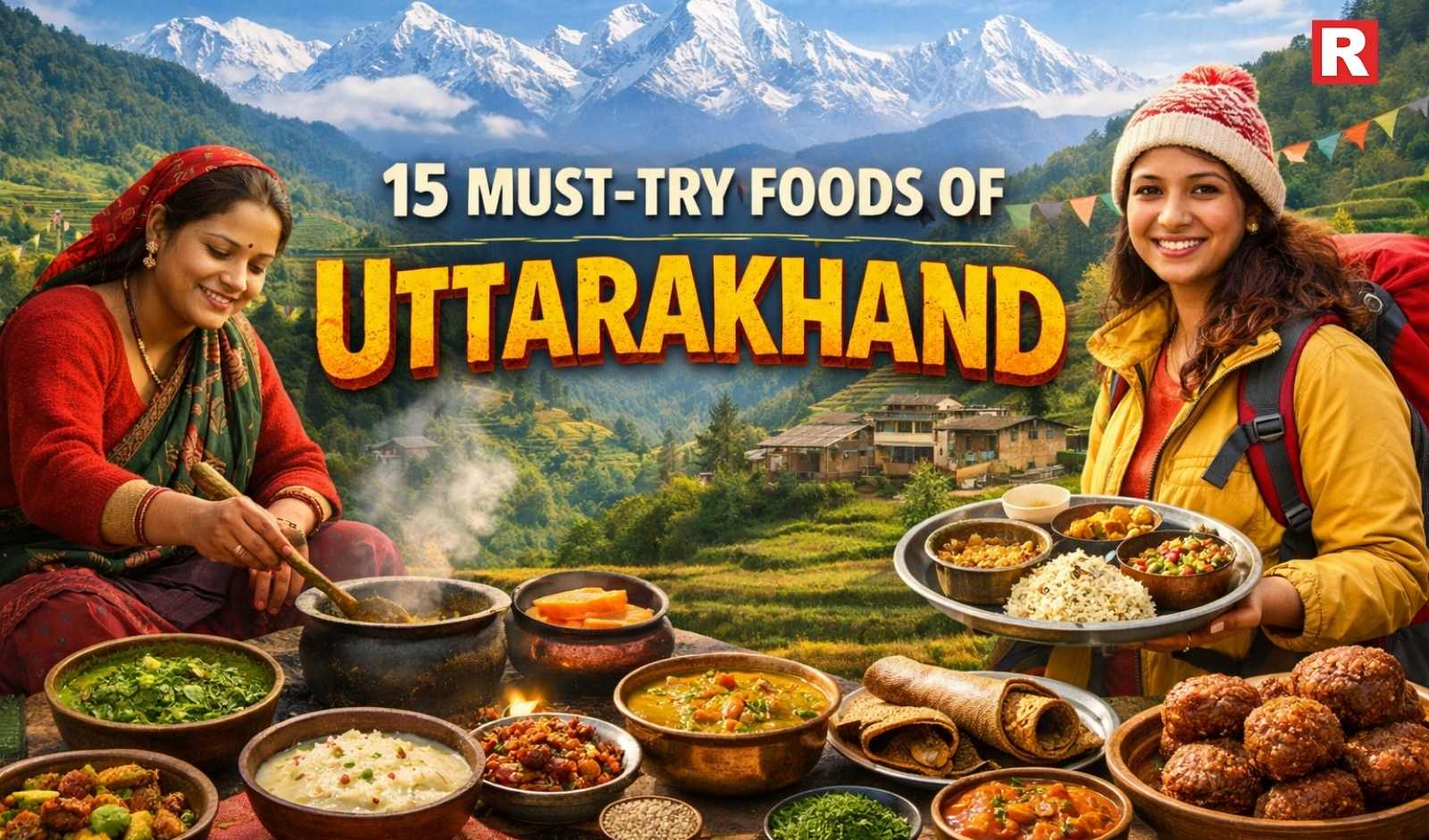
Uttarakhand is calm. The hills feel pure. The air feels clean. The food feels honest. Food here grows with the land. It suits cold weather. It uses local grains. It uses slow cooking. People eat what they grow. Millets, lentils, and greens shape daily meals. Oil and spice stay low. Nutrition stays high. Food here gives warmth. It gives strength. It also tells stories of village life. Many travellers focus on views and temples in places like Rishikesh, Nainital, and Mussoorie. Food often gets missed. That is a mistake. Local dishes add depth to the journey. They show how people live in the hills. They show how climate shapes taste. These 15 famous foods of Uttarakhand offer real flavour. They also offer real nutrition. Each dish reflects daily life in the mountains.
15 Famous Foods of Uttarakhand You Must Try
1. Kafuli
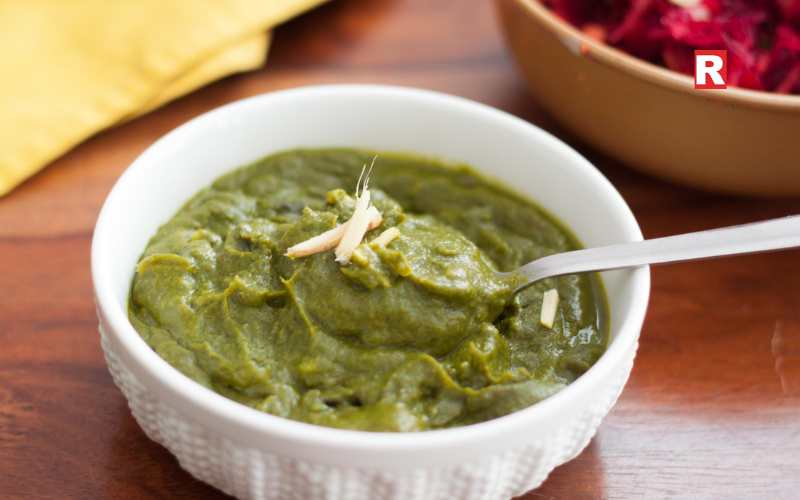
Kafuli is a slow-cooked green curry from Uttarakhand. It is made with spinach or fenugreek leaves. The leaves are ground into a paste. The curry cooks on low heat. Very little oil is used. The taste stays mild. Locals eat it with plain rice. It is common in winter. The dish feels warm and light on the stomach. It is easy to digest. Kafuli gives iron, fibre, and vitamins A and C. These help blood health and immunity. The greens also support gut health. People who have kidney stones should limit spinach-based dishes. People with low iron absorption may need added vitamin C foods. Those sensitive to bitter greens should eat smaller portions.
Read more: 20 Famous Foods from Assam That Reflect Its True Food Culture
10 Mountain Foods to Keep You Warm While Visiting One
2. Phaanu
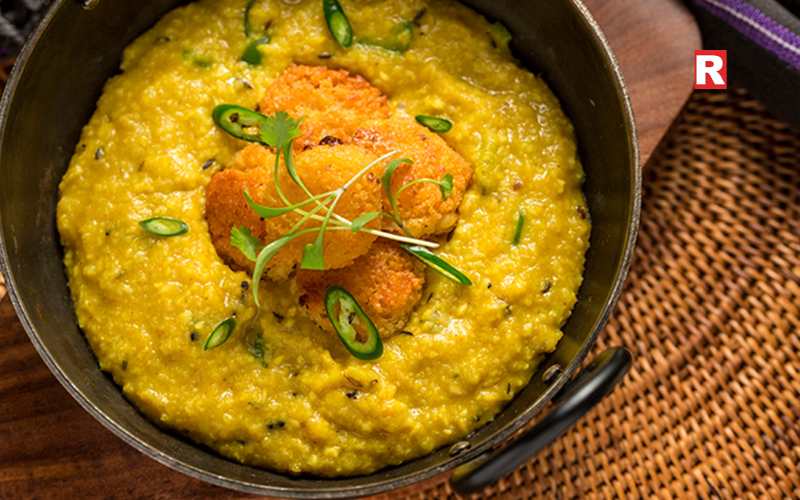
Phaanu is a thick lentil dish cooked slowly in hill homes. It uses a mix of local dals. The lentils are soaked and ground. The curry is cooked for hours. The taste becomes deep and earthy. Locals eat it with steamed rice. It suits cold weather well. The dish gives steady energy. It keeps the body warm for long hours. Phaanu is rich in plant protein and fibre. It also provides iron and slow carbs. These support strength and muscle repair. The fibre helps digestion. People with weak digestion should eat small portions. Those with gout or high uric acid should limit lentils. People with bloating issues should avoid eating it at night.
3. Chainsoo
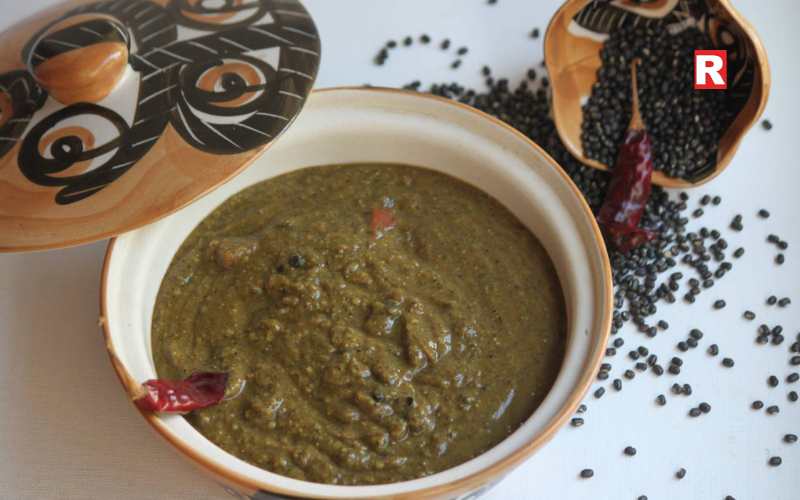
Chainsoo is made from roasted black gram. The lentils are ground into a coarse paste. This gives the dish a strong, earthy taste. The texture stays thick. The curry is filling. It suits people who walk long hours in the hills. Locals eat it with rice. It gives warmth in cold weather. Chainsoo is rich in protein and iron. It also has minerals like magnesium. These support stamina and muscle strength. The dish digests slowly. It keeps one full for long. People with sensitive stomachs should avoid large portions. Those with acidity may feel heaviness. People with kidney issues should limit high-protein lentil dishes. It is best eaten in small bowls.
4. Aloo Ke Gutke
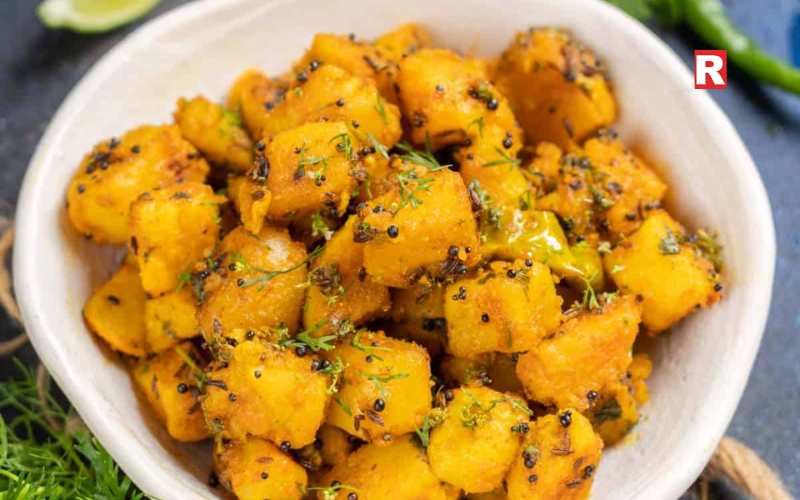
Aloo ke gutke is a simple potato dish from Uttarakhand. Boiled potatoes are cut into pieces. They are tossed with mustard seeds and local spices. Very little oil is used. The taste stays earthy and warm. Locals eat it with mandua roti or plain dal. It is often served as a side dish. The dish is light but filling. Potatoes give carbs and potassium. This supports energy and muscle function. Mustard seeds support digestion. The dish also gives vitamin C. People with diabetes should limit portions. Potatoes raise blood sugar fast. People with weight concerns should avoid frequent servings. Those with acidity should eat it without extra spice.
5. Bhatt Ki Churkani
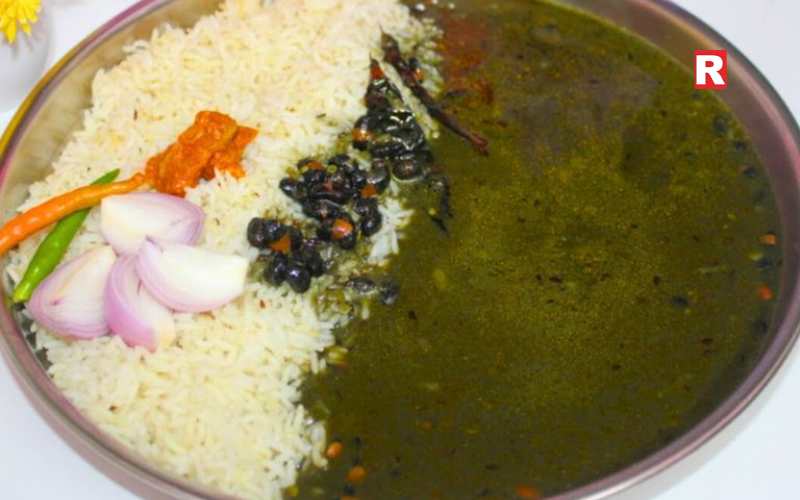
Bhatt ki churkani is made from black soybeans. The beans are soaked and cooked into a thick curry. The flavour is rich and nutty. The texture feels heavy. Locals eat it with rice or roti. It suits cold weather. The dish gives strong energy. Black soybeans are high in protein, fibre, and healthy fats. They also give iron and calcium. These support bones and muscle strength. The fibre helps gut health. The dish is filling and keeps hunger away for long hours. People with soy allergy should avoid it. Those with thyroid issues should limit soy intake. People with weak digestion should eat small portions only.
6. Dubuk
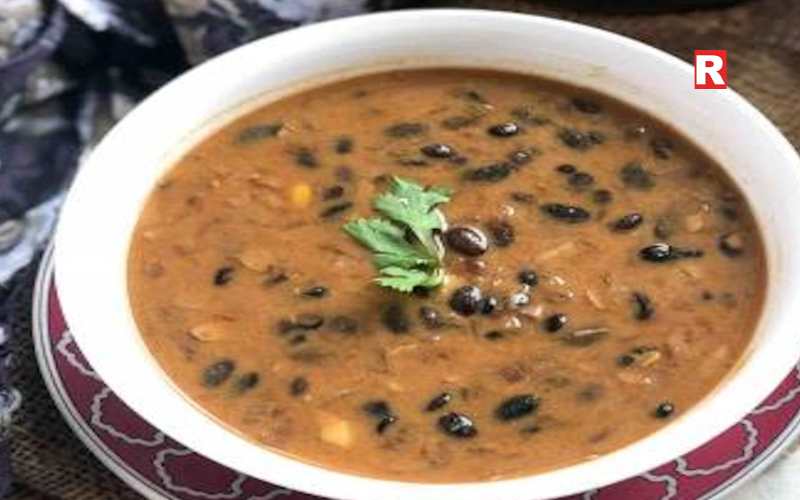
Dubuk is a soft lentil curry from Uttarakhand. The lentils are soaked and ground. The paste is cooked with water and mild spices. The dish stays thin and smooth. It feels gentle on the stomach. Older people often prefer it. It is also good for those recovering from illness. Dubuk is eaten with rice. It gives light warmth in cold weather. The dish is rich in plant protein and fibre. It also gives iron and B vitamins. These support energy and digestion. The thin texture helps easy digestion. People with lentil allergy should avoid it. Those with severe bloating should eat small portions. People on very low-protein diets should limit intake.
Know more: 20 Famous Foods from Karnataka That Define Its Rich Food Culture
7. Gahat Ki Dal
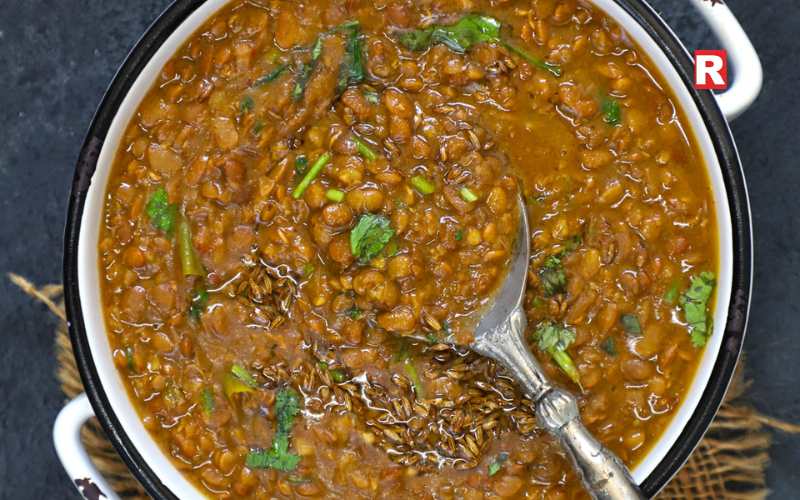
Gahat ki dal is made from horse gram. The lentils are cooked slow. The curry becomes thick. The taste feels strong and earthy. It is eaten mostly in winter. Locals believe it gives warmth to the body. The dal supports digestion in cold weather. Horse gram is rich in protein, fibre, and iron. It also gives calcium and antioxidants. These support bones and stamina. The dish keeps one full for long hours. People with kidney stones should limit horse gram. It can raise oxalate levels. Those with joint pain or gout should eat it in small amounts. People with weak digestion should avoid large portions at night.
8. Mandua Roti
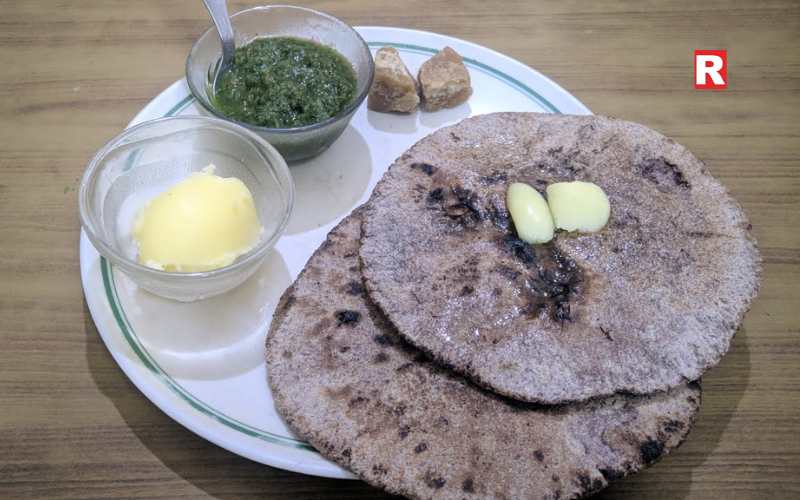
Mandua roti is made from finger millet flour. The roti is dark and dense. It feels heavy but filling. Locals eat it with simple dals or greens. It suits cold weather well. It gives steady energy for long walks in hills. Mandua is rich in fibre and calcium. It also gives iron and slow-release carbs. These support bones and keep hunger away. The roti helps control sudden hunger. People with gluten sensitivity can eat mandua, as it is gluten-free. However, those with weak digestion should eat small portions. The roti can feel heavy. People with low thyroid function should balance millet intake with variety.
9. Jhangora Ki Kheer
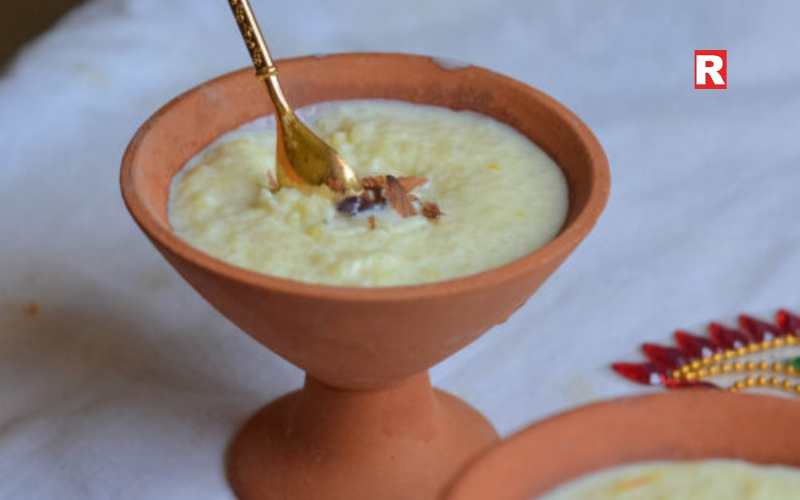
Jhangora ki kheer is a light dessert from Uttarakhand. It uses barnyard millet, milk, and jaggery. The texture stays soft and smooth. It is often made during festivals and family meals. The taste is mild and comforting. The dish is easy to digest. Jhangora gives complex carbs and fibre. Milk adds protein and calcium. Jaggery gives iron in small amounts. Together, these support energy and bone health. The kheer feels light after meals. People with lactose intolerance should avoid milk-based kheer. Those with diabetes should limit jaggery. People with high triglycerides should avoid large portions of sweet dishes.
10. Bhang Ki Chutney
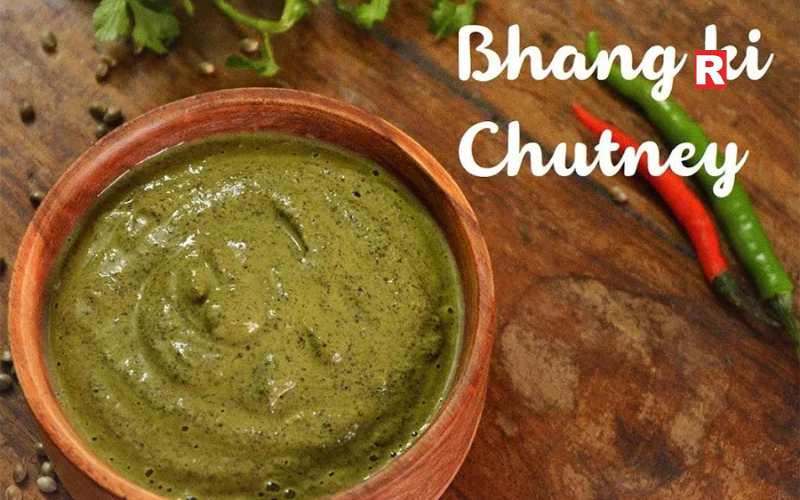
Bhang ki chutney is made from hemp seeds. The seeds are ground with salt and herbs. The taste is nutty and sharp. Only a small amount is eaten. It adds depth to simple meals. Locals eat it with roti or dal. Hemp seeds give healthy fats, protein, and minerals like magnesium and zinc. These support heart health and muscle function. The fats also support brain health. The chutney is dense in nutrients. People with nut or seed allergies should avoid it. Those with sensitive stomachs should take small amounts. Pregnant women should avoid raw or unverified hemp products.
11. Thechwani
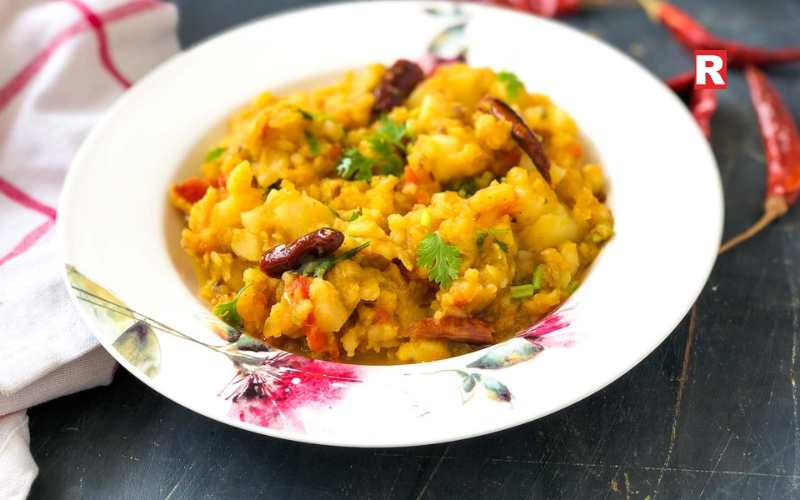
Thechwani is a rustic curry from Uttarakhand. Vegetables like radish or potatoes are crushed on a stone slab. This gives a coarse texture. The curry cooks slow. The taste stays earthy. Locals eat it with roti. The dish feels simple and filling. Radish gives fibre and vitamin C. Potatoes give carbs and potassium. Together, they support energy and digestion. The spices stay mild. The texture feels heavy for some people. People with weak digestion should eat small portions. Those with thyroid issues should limit raw radish-based dishes. People with acidity should avoid extra spice. It is best eaten fresh and warm.
Also check: 15 Winter Foods in Delhi You Must Try: The Capital’s Coziest Comfort Bites
12. Baadi
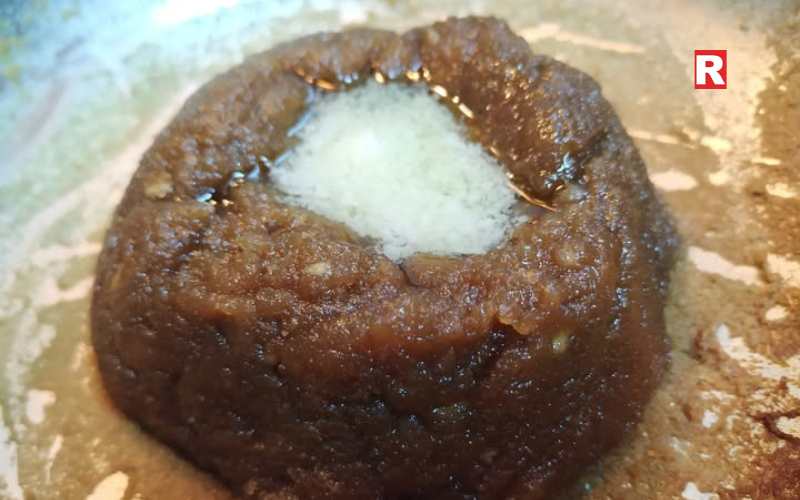
Baadi is made from wheat flour. The dough is shaped into small dumplings. These dumplings cook in dal. The dish is thick and filling. It is common in village homes. It suits cold days. The taste stays simple. It gives steady energy for long work hours. Wheat gives carbs and some protein. Dal adds plant protein and fibre. Together, they support strength and fullness. The dish digests slowly. People with gluten intolerance should avoid baadi. Those with bloating should eat small bowls. People with diabetes should watch portion size. Large servings can raise blood sugar. It is best eaten with light greens.
13. Arsa

Arsa is a traditional sweet snack from Uttarakhand. It is made with rice flour and jaggery. The dough is shaped and fried in oil. The outside turns crisp. The inside stays soft. It is made during festivals and family events. The taste is rich. It is eaten in small pieces. Rice flour gives quick energy. Jaggery adds small amounts of iron and minerals. The snack is high in calories and fat. People with diabetes should avoid arsa. Those with weight concerns should limit intake. People with weak digestion may feel heaviness. It is best eaten in small amounts after meals.
14. Singodi
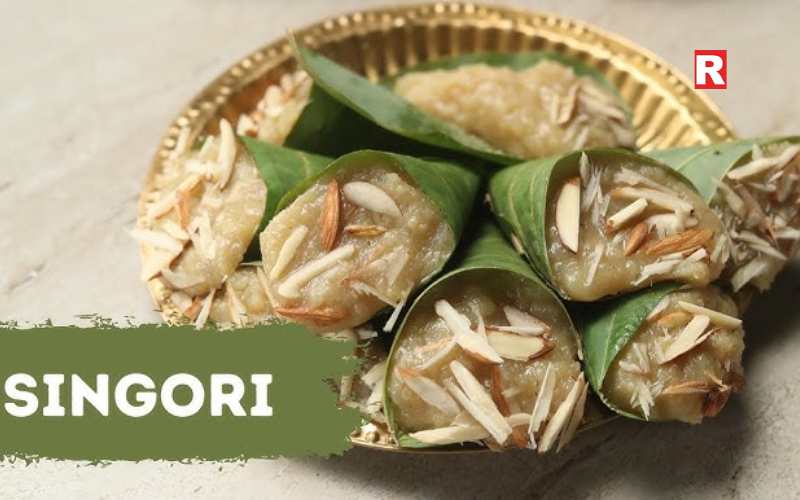
Singodi is a soft sweet made with khoya. It is wrapped in a local leaf. This adds a mild aroma. The taste stays gentle. The texture feels smooth and light. It is sold in hill markets. Locals enjoy it with tea. Khoya gives protein and calcium. It also gives healthy fats. These support bones and muscle health. The sweet gives quick energy. People with lactose intolerance should avoid singodi. Those with high cholesterol should limit dairy sweets. People with diabetes should avoid frequent intake. The sugar content can raise blood sugar. It is best enjoyed in small portions.
15. Rus
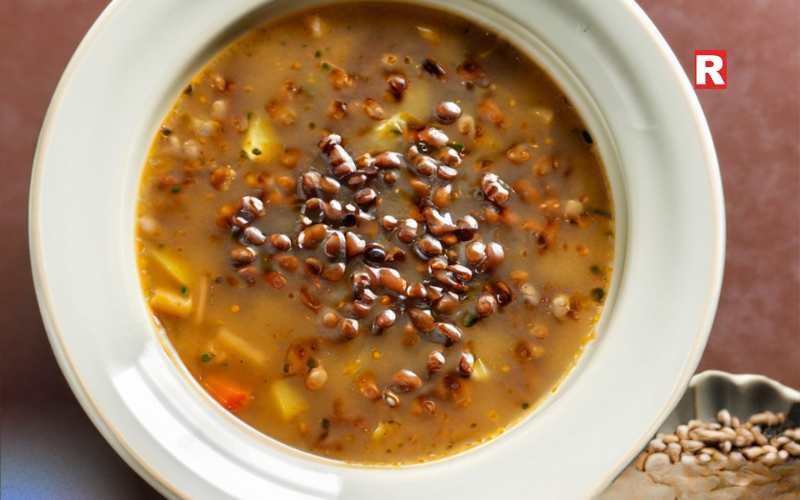
Rus is a thin dal soup from Uttarakhand. The dal is boiled and strained. The liquid is served warm. It feels light on the stomach. Locals drink it with rice. It is common in simple meals. Rus helps digestion. It also helps hydration in cold weather. The soup gives small amounts of protein and minerals. It also provides warmth without heaviness. People with low appetite often prefer rus. Those with lentil allergy should avoid it. People on low-sodium diets should avoid added salt. It is best for people recovering from illness or heavy travel meals.
Where to Try Real Local Food
Local homes offer the best taste. Village stays serve fresh meals. Small dhabas serve daily food. Hill markets sell snacks and sweets. Tourist cafés often change flavours. Real taste lives in simple kitchens. Travellers should ask locals what they eat at home. That brings real food experiences.
Who Should Avoid or Limit Some Dishes
- People with weak digestion should limit Chainsoo. It can feel heavy.
- People with low spice tolerance should avoid large amounts of bhang chutney.
- People with soy allergy should avoid bhatt ki churkani.
- People with diabetes should limit arsa and singodi. These are sweet.
- People with gluten sensitivity should avoid baadi and wheat-based items.
- People with kidney stones should limit horse gram dishes like gahat ki dal.
- Those on low-fat diets should eat fried items in small amounts.
Check more: Top Tibetan Traditional Dishes to Try: Simple Food with Deep Roots
Balanced Carbohydrates: Healthy Carb Foods for Daily Indian Diets
For a Value Bite!
This list focuses on food that locals eat every day. It avoids only tourist snacks. It explains when each dish is eaten and why it suits the season. It links food to cold weather, farming, and hill life. This helps travellers choose better meals during a trip. It helps first-time visitors avoid random café food that hides real taste. The content adds value by guiding readers toward simple, local kitchens and small dhabas. It supports cultural travel, not just sightseeing. The approach is practical and useful for people planning a short hill trip from nearby cities. The writing stays clear and easy to follow. The article reflects local habits and seasonal eating. This makes the guide reliable. The focus on everyday meals makes the content unique. Uttarakhand food is not about luxury. It is about balance. It respects land and climate. Travellers who eat local food understand the hills better.
Saptopriya Ghosal
Feature Writer
I am a dedicated media professional with a bachelor's degree in mass communication from the State University of Calcutta and a postgraduate degree from Amity University. My academic journey has equipped me with a profound understanding of storytelling and communication. Passionate about the dynamic world of media, I continually strive to explore new ways to engage and inform through compelling narratives.



































































































































































