
15 Famous Foods of Indore You Must Try: Street Food Capital of Madhya Pradesh
Indore is seen as a complete food destination by travellers and locals alike. The city suits people who want good food without spending too much.

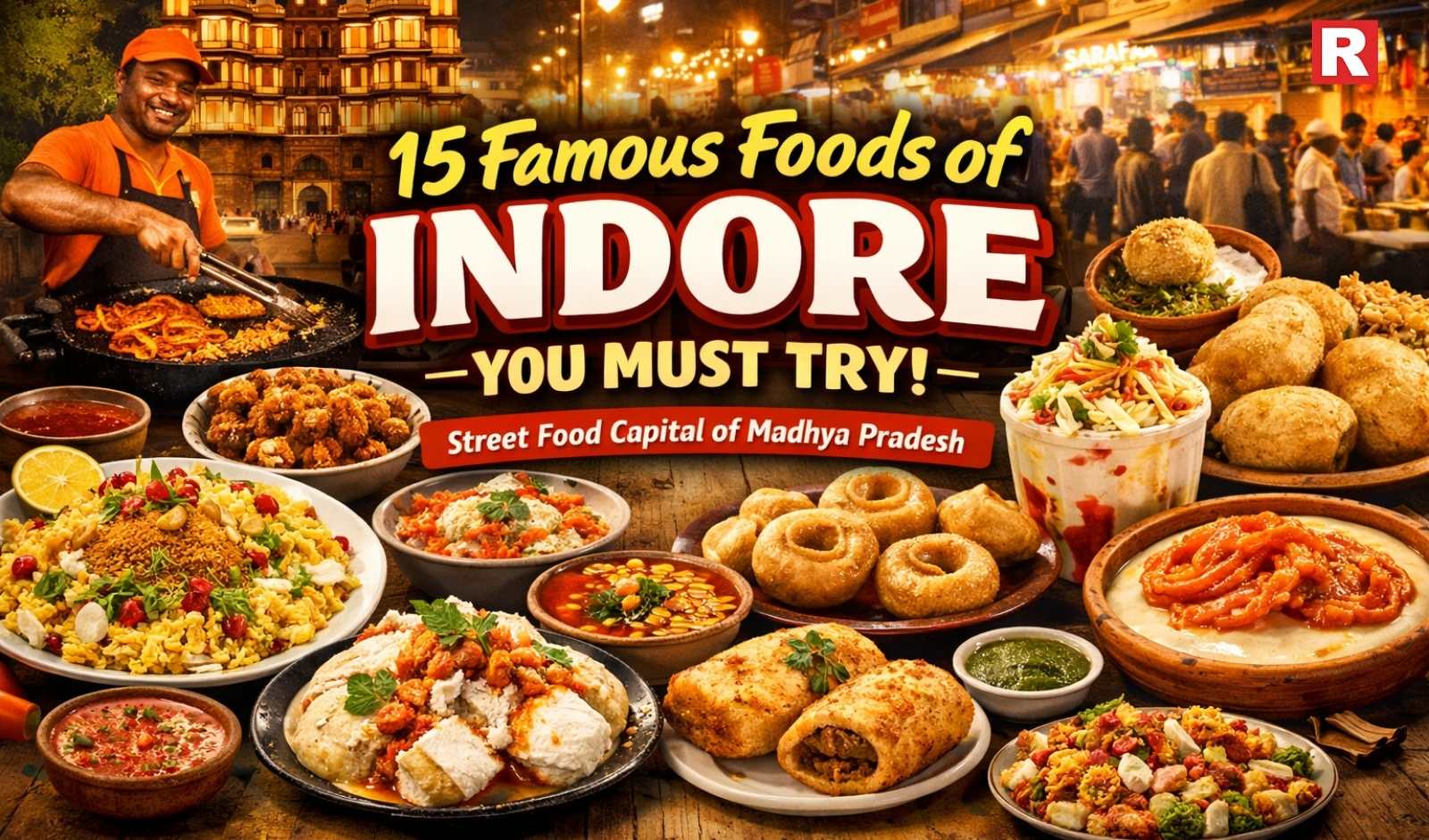
Indore is one of the most loved food cities in India. The city is known for its clean streets, organised markets, and rich street food culture. Food in Indore is not limited to one style. It blends Malwa traditions with modern street food ideas. Locals take pride in their food habits. Visitors often come for work or travel but leave with strong food memories.
Indore’s food culture is shaped by local produce and simple spices. Many dishes are light but full of flavour. Street food is cooked fresh in front of customers. This keeps the food hygienic and builds trust. The city has earned a strong name for cleanliness, and this reflects in its food markets as well. Sarafa Bazaar and Chappan Dukan are the most famous food hubs. Sarafa turns into a night food street after jewellery shops close. Chappan Dukan is busy throughout the day. These places show the true food spirit of Indore. People from different age groups gather here daily. Food in Indore is not just about taste. It is a social habit and a daily routine.
Why Indore Is a Food Lover’s Paradise
Indore offers variety in one city. You can start your day with light snacks. You can enjoy filling traditional meals in the afternoon. You can end the day with rich desserts at night markets. Food is available till late night. Prices are affordable. Quality is consistent. Local spice mixes give a special taste that is different from other cities. Each vendor adds a personal touch to common dishes. This makes the food scene diverse and exciting.
Find 15 Famous Foods of Indore You Must Try
1. Poha
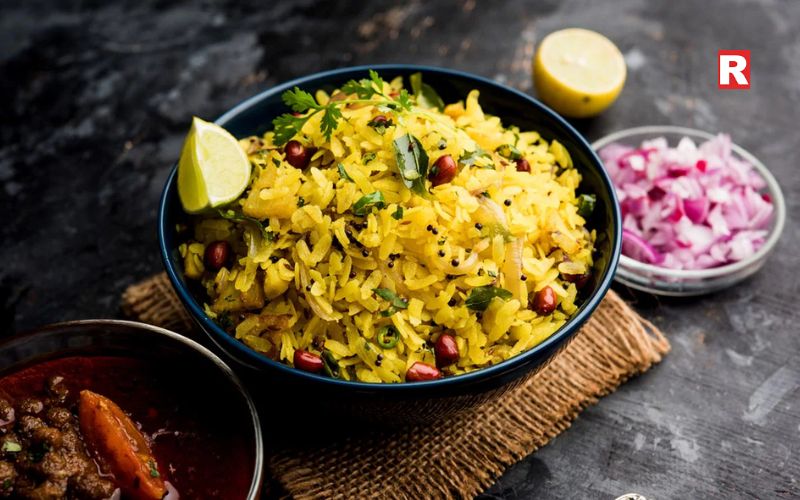
Poha is the most loved breakfast in Indore. People across the city start their day with this simple dish. It is made from flattened rice cooked with onions, mustard seeds, and mild spices. Indore-style poha is soft and light on the stomach. It is topped with crunchy sev and fresh pomegranate seeds. This adds texture and a slight sweetness. A squeeze of lemon lifts the flavour. Locals prefer to eat poha early in the morning, while it is still hot. It is sold at small street stalls and busy corners. Office-goers, students, and shopkeepers all stop for a plate. Poha in Indore is not just food. It is a daily habit and a shared morning ritual.
Read more: 8 Famous Vegetarian Dishes of Uttar Pradesh and Their Timeless Legacy
10 Awadhi Cuisine Classics You Must Try at Least Once
2. Jalebi
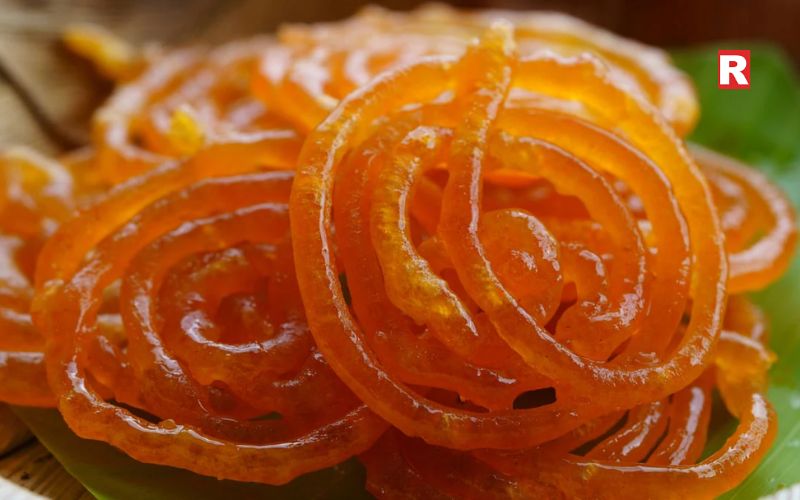
Jalebi is a popular sweet in Indore and is often eaten with poha. The combination is common in the morning. Jalebi is deep-fried in oil until crisp. It is then dipped in warm sugar syrup. The outside stays crunchy, while the inside remains soft and juicy. The sweetness balances the mild taste of poha. Many street vendors prepare jalebi fresh in front of customers. The smell of hot jalebi attracts early morning crowds. People often buy it in small portions to eat on the spot. Some carry it home for family members. Jalebi in Indore is not only a dessert. It is part of the city’s morning food culture and everyday routine.
3. Bhutte Ka Kees
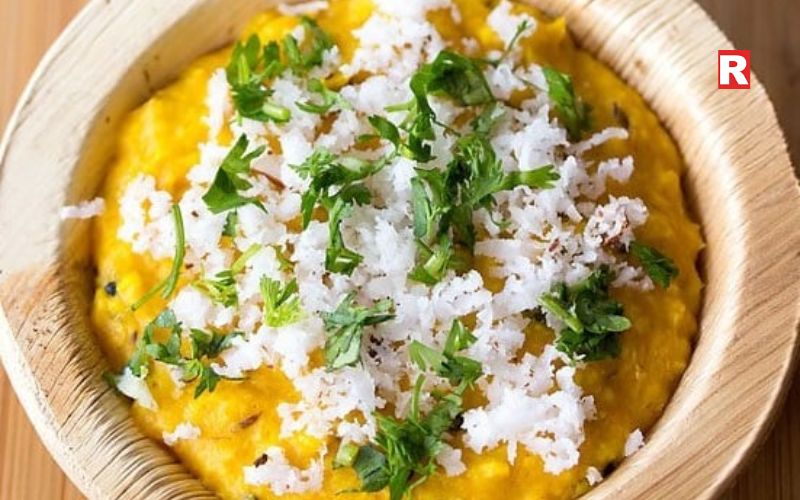
Bhutte ka kees is a traditional dish from the Malwa region. It holds a special place in Indore’s street food scene. The dish is made from fresh grated corn cooked slowly with milk and spices. The texture is soft and slightly creamy. The flavour is mild with gentle heat from green chillies. It is not heavy on the stomach. People usually eat it in the evening. It works well as a light snack after a long day. This dish is not found easily in many cities outside Madhya Pradesh. In Indore, it is a familiar taste for locals. It reflects the region’s love for simple food made with fresh seasonal ingredients.
4. Garadu
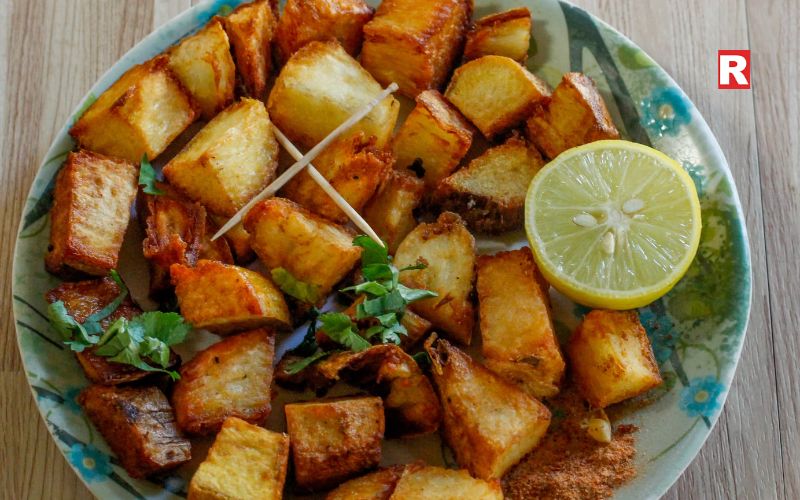
Garadu is a winter favourite in Indore. It is made from pieces of yam that are deep-fried until golden and crisp. The fried pieces are then tossed with spices, salt, and lemon juice. The taste is spicy and tangy. The texture is crunchy on the outside and soft inside. Garadu is sold in the colder months, mainly in the evenings. Street stalls selling garadu attract long queues during winter. People enjoy eating it while standing and chatting with friends. It is often shared in groups. Garadu is messy to eat but full of flavour. Many locals wait for winter only to enjoy this seasonal snack. It has become a part of Indore’s winter food identity.
5. Khopra Patties
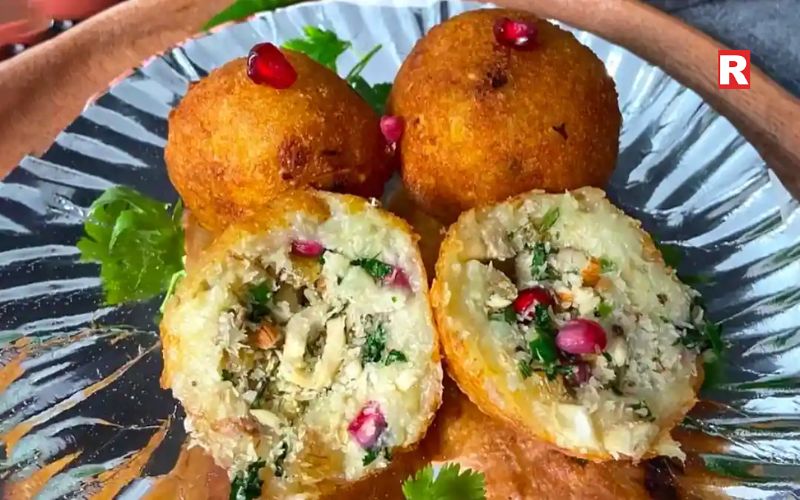
Khopra patties are a unique street snack found in Indore. They look similar to regular aloo patties. The difference lies in the filling. Inside the crisp potato layer is a mixture of grated coconut and spices. The outer layer is fried till golden. The inside stays soft and slightly sweet. This mix of savoury and sweet flavours makes the dish stand out. Khopra patties are usually eaten in the evening. They are served hot with chutney. Locals enjoy them as a light snack after work or college. The dish shows how Indore adds local creativity to simple street food. It reflects the city’s habit of giving familiar snacks a new taste.
6. Sabudana Khichdi
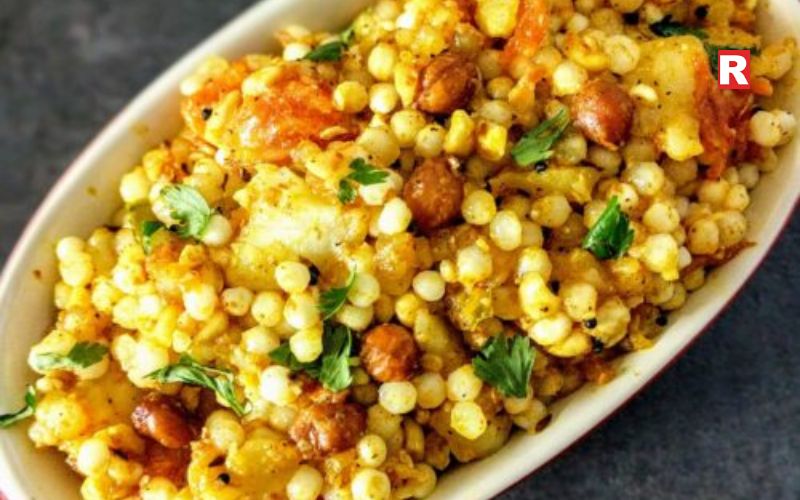
Sabudana khichdi is a familiar comfort food in Indore. It is made from soaked tapioca pearls cooked with peanuts and mild spices. The pearls turn soft and slightly chewy when cooked well. The peanuts add a gentle crunch and nutty taste. People often eat this dish on fasting days, but in Indore it is also a regular street snack. It is light on the stomach yet filling. Many choose it as a quick meal during busy hours. It is served hot and fresh at small stalls. Office workers and students prefer it for breakfast or early lunch. The dish suits all age groups. It feels simple but satisfying. It reflects Indore’s habit of turning everyday food into street favourites.
Know more: Top 10 Vegan Street Foods in India Every Indian Loves
7. Dahi Bade
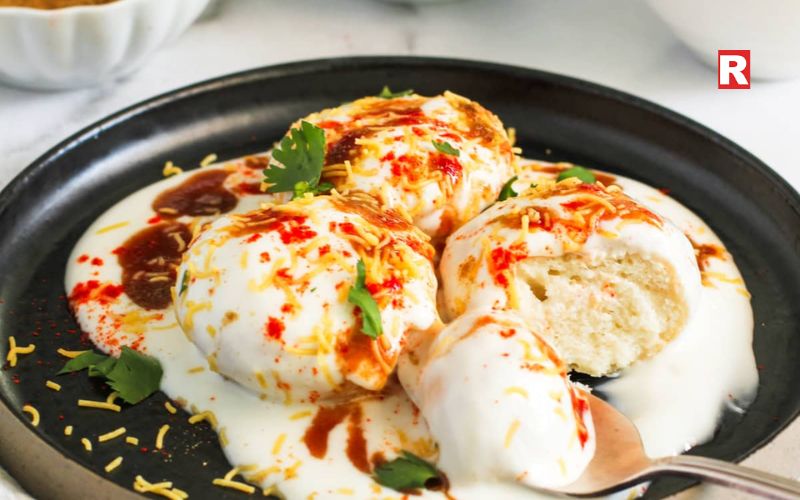
Dahi bade are a popular street snack in Indore, especially during summer. Soft lentil dumplings are soaked in thick curd. The dumplings absorb the curd and become very tender. Sweet chutney and tangy spices are poured on top. This gives a balanced taste. The dish feels cool and refreshing in hot weather. People often choose it in the afternoon or early evening. It is sold at street stalls and small shops. Many locals stop for a plate while shopping. The soft texture makes it easy to eat. Children and elders both enjoy it. Dahi bade offer relief from heat and spice. They also show Indore’s love for balanced flavours. The dish is simple but deeply comforting on warm days.
8. Moong Bhajiya
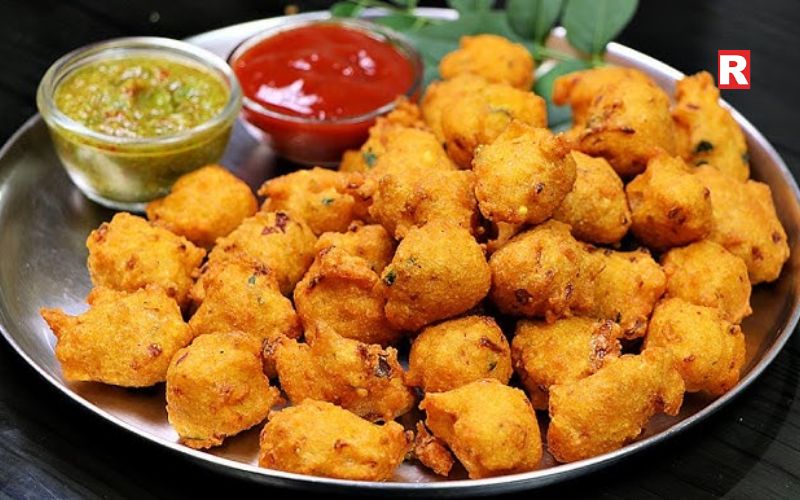
Moong bhajiya are light fritters made from ground moong dal. The batter is seasoned with mild spices. Small portions are dropped into hot oil and fried till crisp. The outside becomes crunchy, while the inside stays soft. These bhajiyas are served hot with green chutney. People often eat them in the evening with tea. They are filling but do not feel too heavy. Many locals prefer them as a quick snack after work. The taste is gentle and suits all age groups. The use of moong dal makes the snack feel lighter than regular fritters. In Indore, moong bhajiya is a common sight at street stalls. It reflects the city’s love for simple, warm snacks in the evening.
9. Mawa Baati
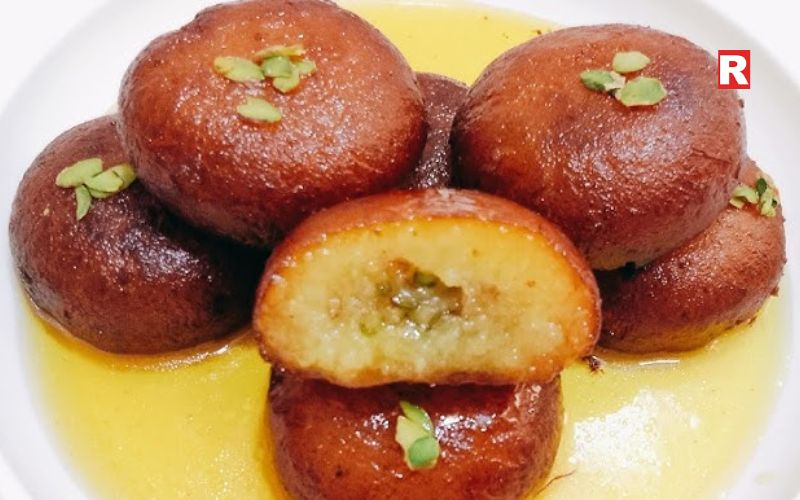
Mawa baati is a rich traditional sweet from the Malwa region. It is prepared using wheat dough filled with mawa. The baati is fried until golden. It is then soaked in sugar syrup. The result is soft inside and slightly crisp outside. The taste is sweet and heavy. People usually eat it during festivals and family gatherings. It is also served as a dessert at traditional meals. In Indore, mawa baati is known as a festive treat. It is not eaten daily because of its richness. The dish reflects the region’s love for ghee and milk-based sweets. It carries the warmth of old food traditions. Many locals connect this sweet with celebrations and special moments at home.
10. Dal Bafla
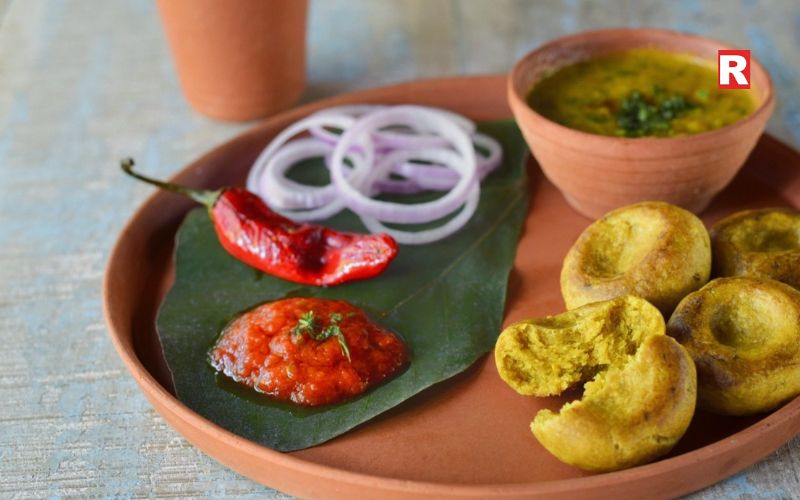
Dal bafla is a traditional meal from the Malwa region and is popular in Indore. Bafla is made from wheat dough. It is first boiled in water. It is then baked over fire or in an oven. This gives it a firm outside and soft inside. The bafla is served with hot dal and generous ghee. The meal is filling and rich in taste. It is often eaten for lunch. Many food joints in Indore serve dal bafla as part of a thali. The dish reflects rural food habits of the region. It is simple, heavy, and comforting. Dal bafla represents the traditional food roots of Indore and nearby areas.
11. Malpua
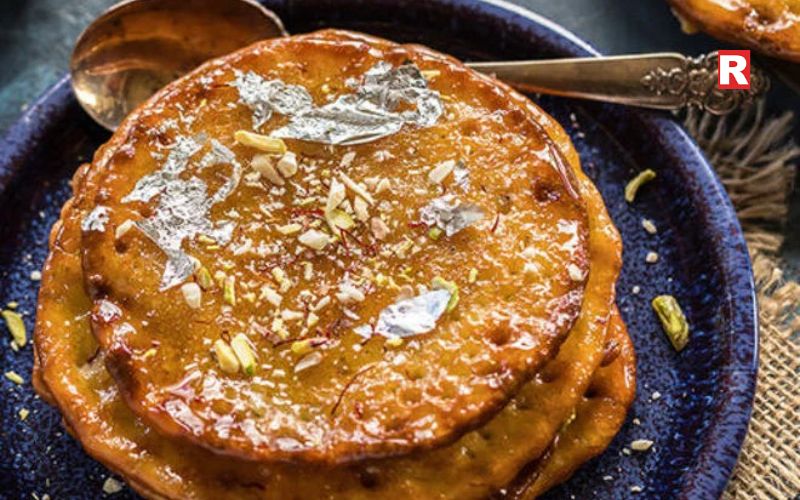
Malpua is a traditional sweet enjoyed in Indore. It is made from a thick batter and fried in ghee. The edges turn crisp. The centre stays soft. After frying, the malpua is soaked in sugar syrup. This gives it a rich and sweet taste. People often eat it during festivals and special days. In Indore, it is also sold at street food markets in the evening. Many families stop for malpua after dinner. The sweet feels heavy but satisfying. It is often shared in small portions. The smell of ghee draws people from a distance. Malpua reflects the city’s love for festive sweets. It carries the warmth of traditional cooking and old recipes that are still followed today.
Also check: 20 Famous Foods from Karnataka That Define Its Rich Food Culture
12. Kulfi Falooda
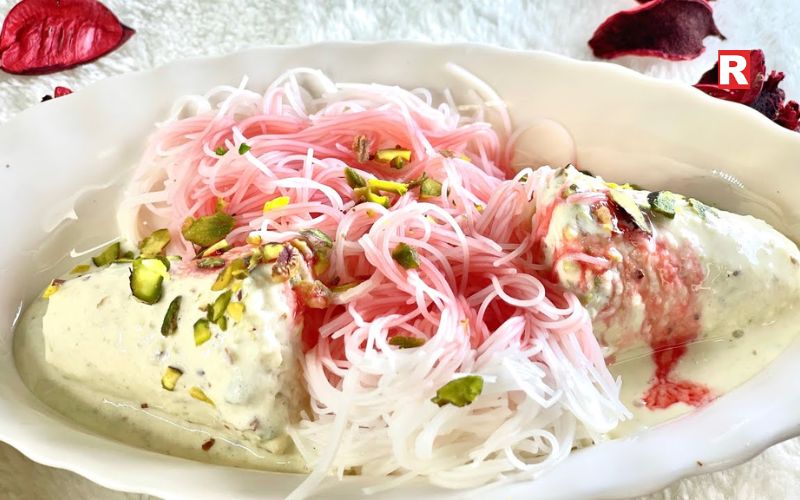
Kulfi falooda is a popular dessert in Indore during hot weather. Thick kulfi is served with soft falooda noodles and sweet syrup. The kulfi has a dense and creamy texture. It melts slowly and cools the body. People enjoy it after eating spicy street food. In Indore, kulfi falooda is mostly eaten at night markets. Families and groups often end their food walk with this dessert. Some stalls add dry fruits for extra taste. The dessert feels rich but refreshing. It gives relief after long walks in warm evenings. Kulfi falooda is not rushed. People sit and enjoy it slowly. It has become a common night-time treat in the city’s busy food streets.
13. Indore-Style Chaat
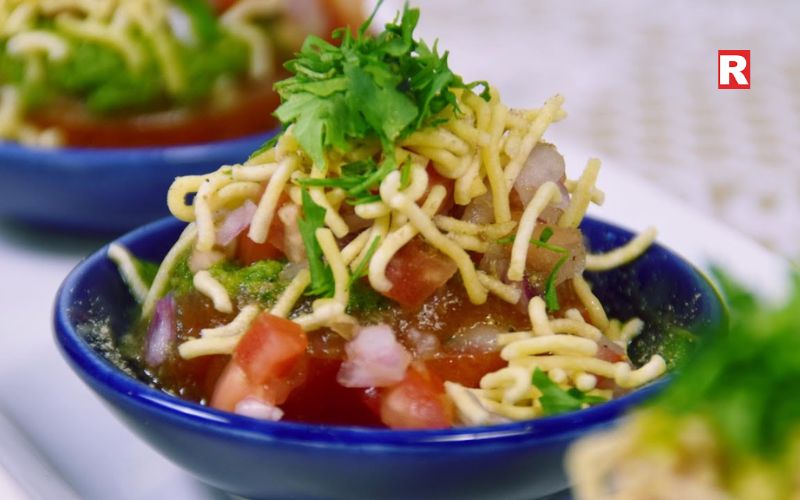
Indore-style chaat is known for bold flavours. It uses special local spice mixes that give a strong taste. The chaat is tangy, spicy, and crunchy at the same time. Each vendor follows a slightly different method. This makes every plate taste unique. People enjoy chaat in the evening. Students stop by after classes. Families eat it during market visits. The ingredients are fresh and prepared quickly. The crunch of sev and papdi adds texture. The chutneys balance heat and sweetness. Chaat in Indore is not mild. It carries sharp flavours that stay on the tongue. The dish reflects the city’s love for strong taste and street food creativity.
14. Kachori
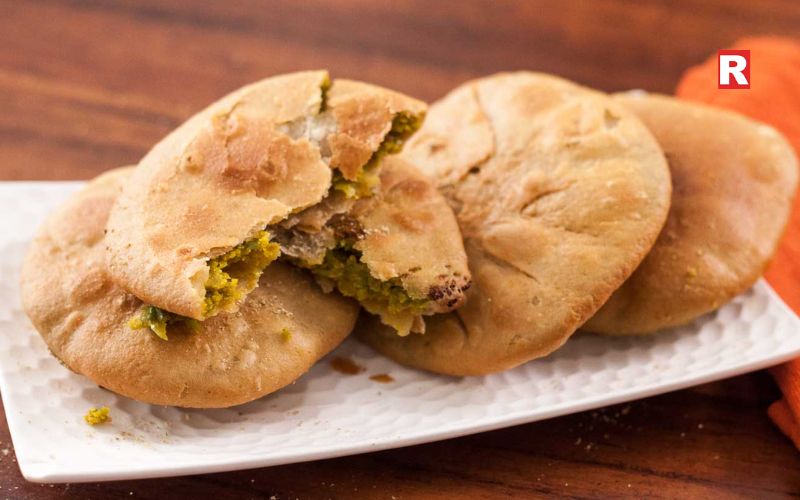
Kachori is a common street snack in Indore. It has a crisp outer layer and a spicy lentil filling. The filling is well cooked and full of flavour. The spices are strong but not overwhelming. Kachori is eaten as a breakfast item or an evening snack. It is served with green and sweet chutney. Many people eat it while standing at street stalls. It is filling and affordable. Office workers and students often choose kachori for a quick bite. The outer layer stays crunchy for long. The soft filling balances the texture. Kachori is simple food with strong taste. It shows how Indore keeps traditional snacks popular in daily life.
15. Rabdi Jalebi
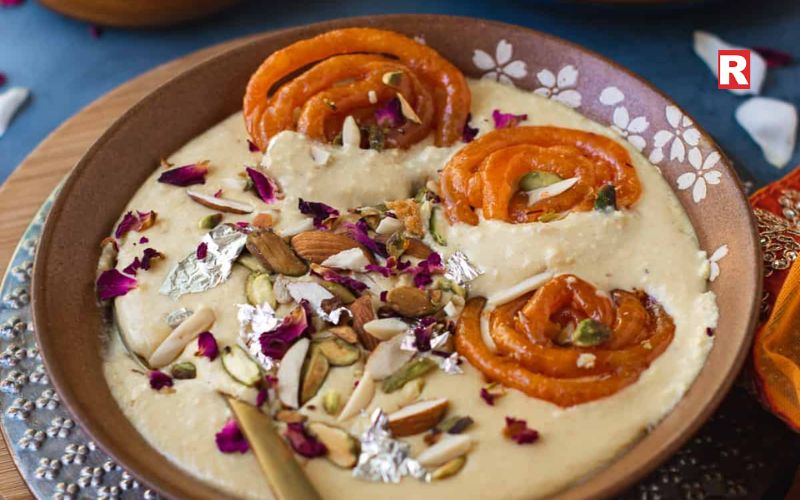
Rabdi jalebi is a rich dessert loved in Indore. Hot jalebi is dipped in thick, chilled rabdi. The mix creates a heavy and sweet taste. The jalebi stays crisp at the edges. The rabdi adds creaminess. This dessert is often eaten late at night. Sarafa Bazaar is known for it. Tourists look for this dish during food walks. Locals also enjoy it after long evenings out. The portion sizes are usually small because the dessert is heavy. People share plates with friends. The contrast of warm jalebi and cool rabdi feels comforting. Rabdi jalebi is often the final stop of a food trail in Indore.
What Makes Indore Street Food Different
Indore street food stands out because of its strong focus on cleanliness and fresh cooking. Vendors follow better hygiene practices than many other cities. Food is prepared in front of customers. This builds trust and improves taste. Ingredients are simple and easy to trace. Local spice mixes give each dish a distinct flavour. Prices stay fair for daily eating. Late-night food options make the city lively even after shops close. Families, students, and travellers feel safe while eating on the streets. The food culture has grown with care and responsibility. Indore has slowly built a reputation where street food feels organised and reliable, not risky. This balance of taste, safety, and access has made the city a favourite for food lovers.
Why Indore street food feels safe and enjoyable:
- Clean stalls and better hygiene habits
- Fresh food cooked in front of customers
- Simple ingredients with local spice blends
- Reasonable prices for daily eating
- Late-night food streets with steady crowds
Check more: 10 Mountain Foods to Keep You Warm While Visiting One
Top Famous Veg Street Foods in Kolkata That You Must Try Once in Your Life
20 Famous Foods from Assam That Reflect Its True Food Culture
Best Areas to Explore Indore Food
Sarafa Bazaar is famous for night food. Chappan Dukan is known for daytime snacks. Rajwada area offers traditional flavours. Palasia has modern food joints. Old Indore markets show the city’s food roots.
Indore food was once limited to traditional Malwa dishes. Today, street food has evolved. New flavours have been added. Young consumers look for variety. Food tourism has grown. Social media has helped small vendors become popular. Indore has kept its food roots strong while welcoming change.
Happy Eating
Indore is seen as a complete food destination by travellers and locals alike. The city suits people who want good food without spending too much. Budget travellers find many filling options at small street stalls. Food lovers enjoy the wide range of flavours found across markets. Light snacks are easy to find in the morning. Full meals are served in local joints and thali places. Rich desserts are available at night food streets. The food culture reflects the warm and friendly nature of the city. People welcome visitors with simple meals and honest flavours. Eating in Indore feels relaxed and open. There is no rush to finish and leave. Food is meant to be enjoyed slowly. Many visitors return to try dishes they missed the first time. One visit rarely feels enough to explore all tastes the city offers.
Saptopriya Ghosal
Feature Writer
I am a dedicated media professional with a bachelor's degree in mass communication from the State University of Calcutta and a postgraduate degree from Amity University. My academic journey has equipped me with a profound understanding of storytelling and communication. Passionate about the dynamic world of media, I continually strive to explore new ways to engage and inform through compelling narratives.



































































































































































