
12 Different Ways to Eat Rice Across India
No matter the occasion, whether a homey meal or a festival offering, rice is everywhere. Some might say that rice is not the staple meal of North India, but when you look at dishes like Kadhi Chawal, Khichdi, or Jeera Rice, this statement seems insignificant.

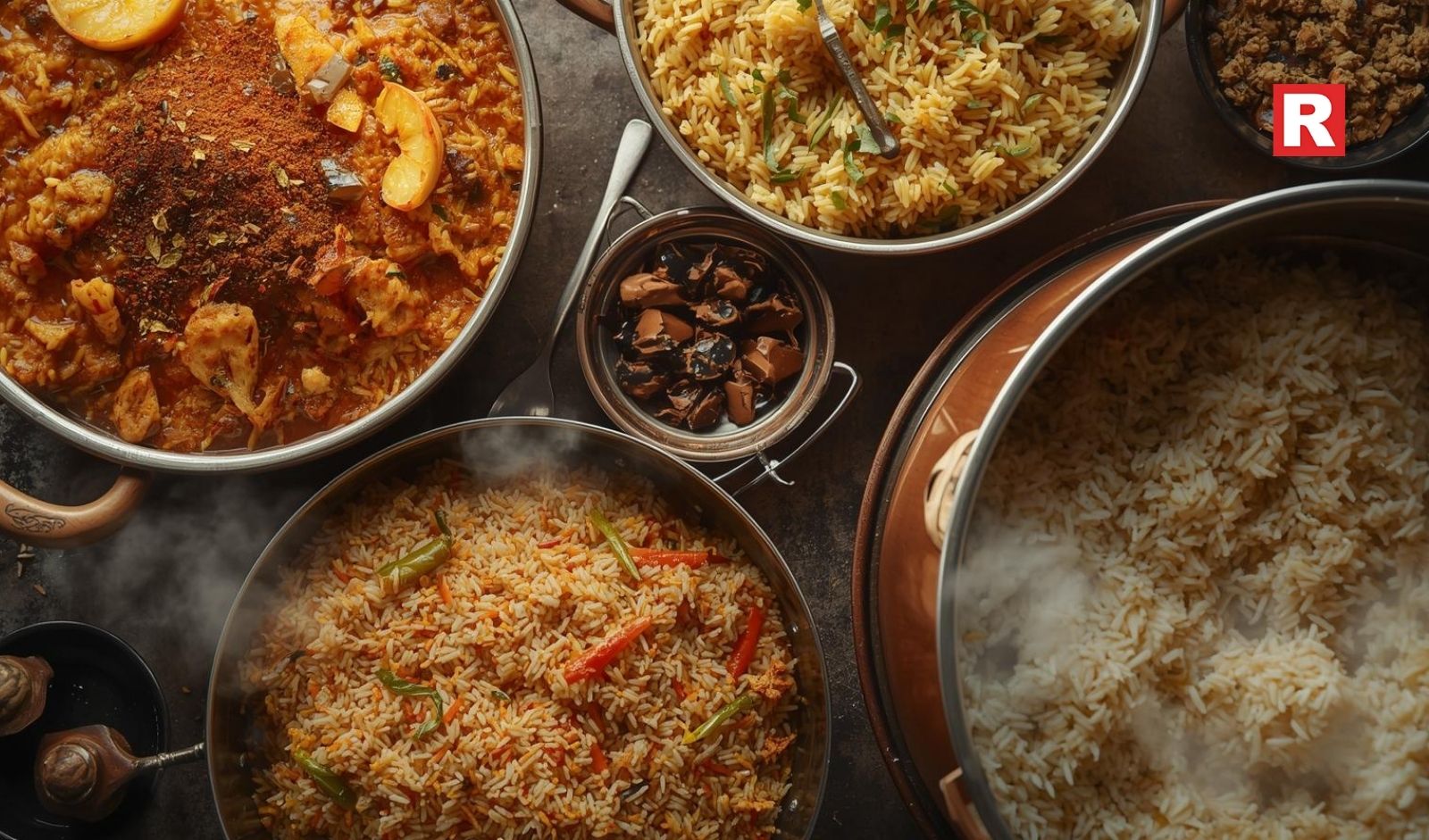
Rice is a huge part of Indian culture. From different types of biryanis of Hyderabad to the curd rice of Tamil Nadu, you can find different rice dishes in every state. No matter the occasion, whether a homey meal or a festival offering, rice is everywhere. Some might say that rice is not the staple meal of North India, but when you look at dishes like Kadhi Chawal, Khichdi, or Jeera Rice, this statement seems insignificant.
Every region has different cooking methods, like steaming, spicing, fermenting, or sweetening. These all easily blend with local tastes, climates, and cultures. Each version is not only a subtle change in flavor and texture, but is also an expression of a unique heritage, inspiration, and emotion.
In this article, we will explore 12 different ways India eats and cooks rice, further illustrating how this simple grain can represent a country.
Read more: Top Vegetarian Delicacies from Coastal Karnataka
12 Ways to Cook and Eat Rice
Below are some of the methods that are used to cook rice, and the dishes that are made with these methods:
1. Steamed Rice
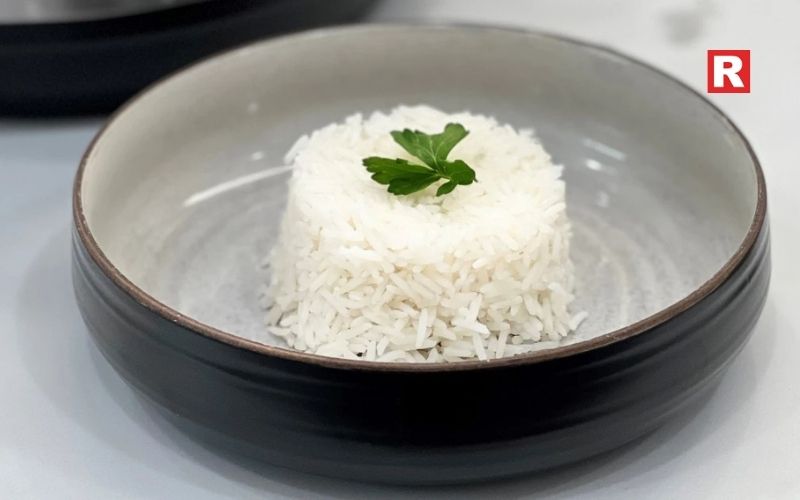
Steaming or cooking rice by boiling it may appear simple enough, yet no two steamed rices in India taste the same. For example, the red-wine-hued Matta rice in Kerala is steamed in traditional brass pots and tastes nutty when paired with the spicy curries of Kerala cuisine. In the Northern part of the country, long-grained Basmati rice is steamed gently to achieve a fluffy quality in which each grain remains separate (what one would want when pairing Basmati rice with lentil-based food dishes such as dal or rajma, or even when serving it with vegetables referred to as sabzi).
This steaming process also preserves the rice's natural nutrients and sweetness. Steamed rice is served as the staple base for all types of food in the Indian daily food and meal cycles, whether the high-end Thali service or the temple offerings of Anna Prasadam.
2. Pressure-Cooked Rice
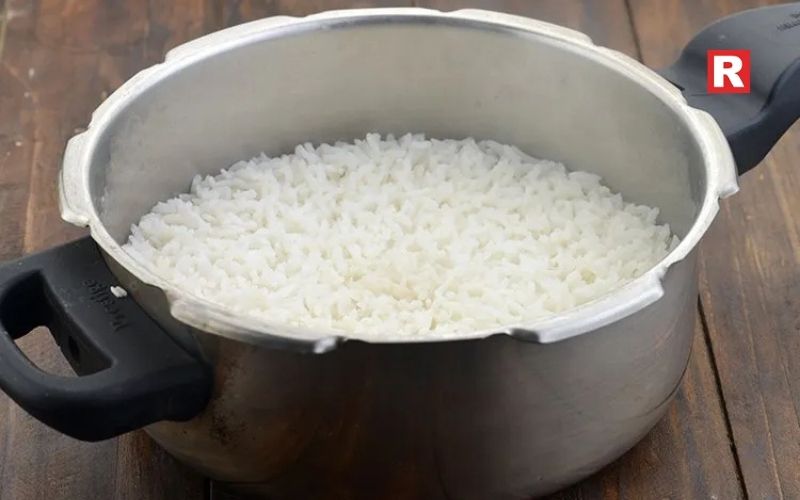
The sound of a whistle from a pressure cooker is perhaps the unofficial soundtrack of an Indian kitchen, and for those who grew up eating rice, pressure-cooked rice is fast, fluffy, and fun. Pressure-cooked rice is most often associated with not just comfort, but also the base for comfort dishes like Khichdi, which melts rice and lentils into a porridge-like dish. This is also the same for curd rice, where the pressure-cooked grains are soft enough to add in soft, creamy yogurt. This method also forms the heart of Ven Pongal in Tamil Nadu, which is cooked with rice and moong dal, with added ghee and pepper. Pressure cooking also shows practicality. It is a way of modern-day India keeping its traditions alive in a busy world.
Know more: 10 Anti-Inflammatory Foods to Add to Your Diet
3. Dum Cooking
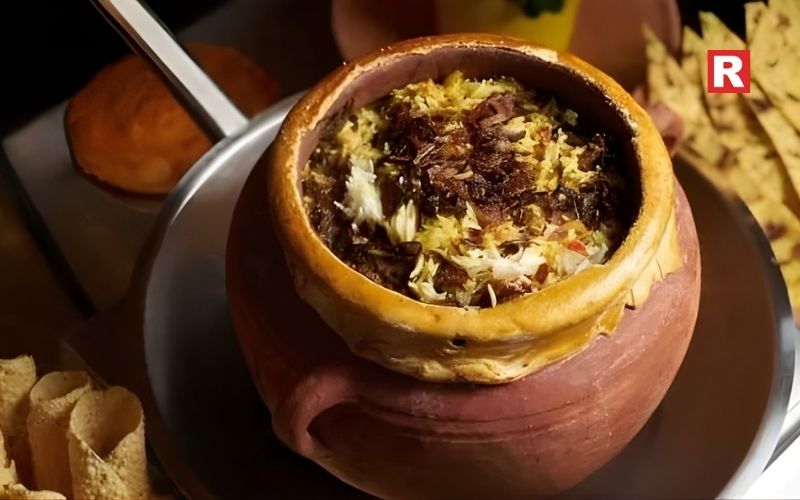
If steaming is gentle, dum is lenient. This slow-cooking process revolves around layering rice (lightly cooked) with marinated meat, vegetables, spices, and then sealing it with dough to cook in its own steam. The results are beautiful and fragrant rice, a hallmark of a Hyderabadi Biryani or a Lucknowi Biryani. The rice absorbs the essence of saffron, caramelized onions, and the slow-melting ghee. Dum cooking is not just about taste, it’s about expectations. As the aroma fills the air, it transforms mealtime into a celebration. It reminds us that good things take time.
4. Boiled and Drained
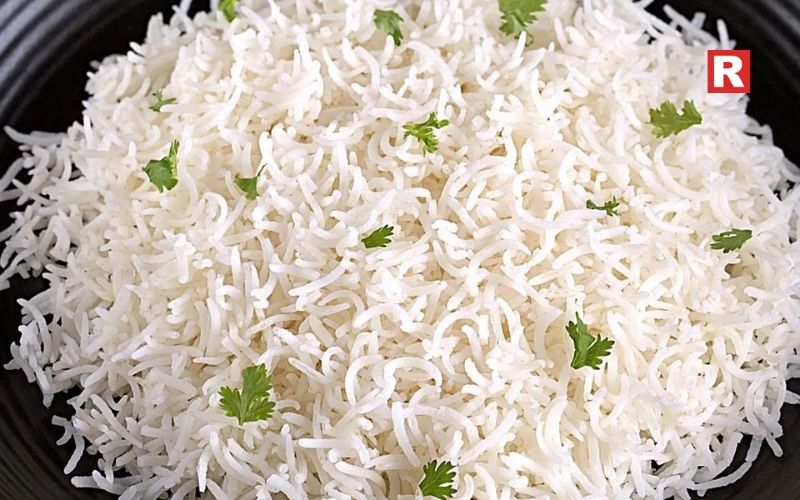
In many eastern and southern households, rice is boiled with ample water and then drained. It is a technique that is believed to make rice lighter and healthier. Ukda Bhaat or Kanji rice leaves the grain structurally firm. The starch water that is drained (mand) is often consumed for its soothing properties. In Bengal and Odisha, this forms the basis for dishes like Bhog rice or Pakhala Bhata (fermented rice water). It’s an ancient tradition aimed at balancing enjoyment with nourishment, marriage, health, and heritage.
5. Fermented Rice
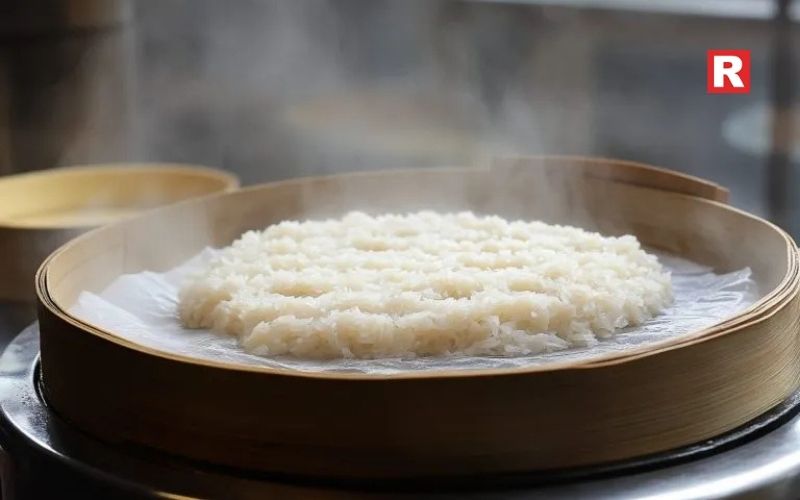
Long before probiotic foods became a popular trend in the health industry, Indian kitchens were fermenting rice in order to combat the heat of summer. The fermentation process enhances the development of beneficial bacteria in rice, making it both a cooling and gut-friendly food. Pakhala Bhata of Odisha, Poita Bhat of Assam, and Palaya Sadam of Tamil Nadu follow the same principle: leftover rice is soaked overnight in water or buttermilk and served cold the next day. As refreshing as it is nourishing, it can be garnished with salt, chilies, or fried accompaniments. The practice of fermented rice signifies India's process of balancing nourishment and simplicity, connecting health with heritage.
What's new: Top 10 Vegan Dishes in Asian Cuisine
6. Fried Rice
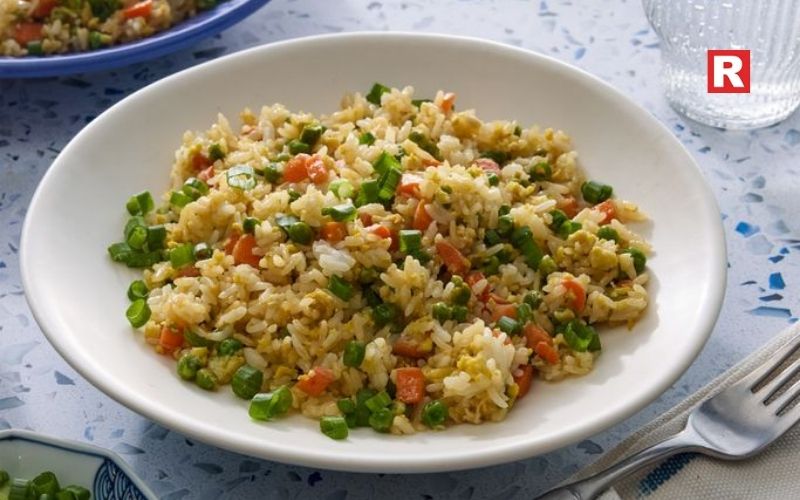
When leftover rice meets the heat of a hot wok, something very special happens. Fried rice is not only an innovation of the Indo-Chinese; it is a fundamental part of Indian kitchens. There is South Indian Lemon Rice (tempered with mustard seeds, curry leaves, and peanuts), Tamarind Rice, or Masala Bhat of Maharashtra. The point is the simple sautéing of cooked rice elevates each separate dish, and who doesn't love fried rice? It’s simple, quick, tasty, and endlessly versatile. We see the cooking technique even in festive rice dishes like Jeera Rice or Peas Pulao, which once again adds to the technique about sautéing (frying) being as much about reviving cooked rice as it is about frying (creating) cooking.
7. Roasted and Ground Rice
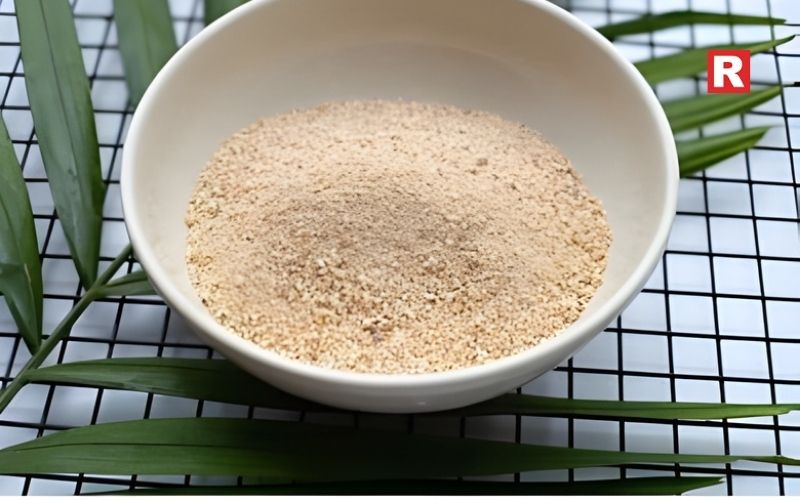
When rice is cooked with dry heat and then ground, it becomes flour, which is the base of many Indian delicacies. The Idli and Dosa batters in South India are made from ground rice fermented with lentils and are lighter and softer than Western breakfast staples. In Gujarat, ground rice flour is included in Khichu (a spicy doughy snack) and different variations of Thepla. Even roasted rice flour serves as an important thickening agent in curries and sweets alike, like Puttu from Kerala, which involves layering steamed rice flour with coconut. This dry heat method showcases rice's adaptability as a batter, flatbread, or dessert; it has many different culinary functions.
8. Sweetened and Simmered
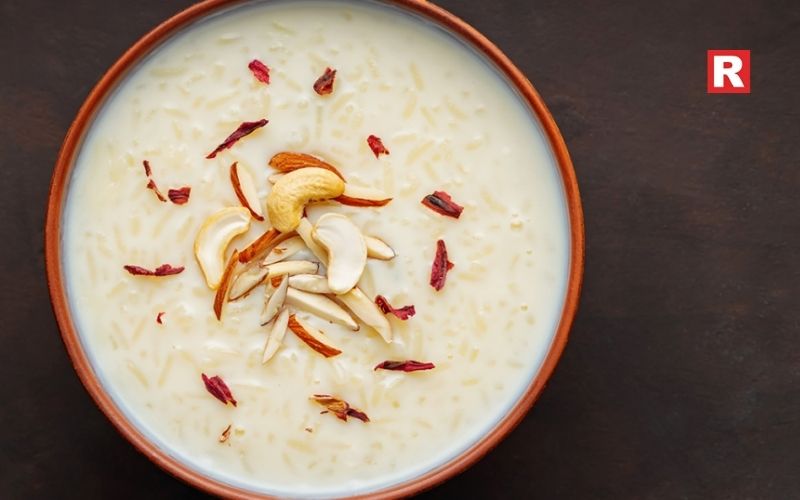
For years, India's sweet treats have been tied up with rice. The process involves gently simmering rice in milk, coconut milk, or jaggery syrup to make thick, silky desserts. Kheer in North India, Payasam in Kerala, and Payesh in Bengal utilize this cooking method. Just each flavored a bit differently, in North India with powdered or ground cardamom, in Kerala with cashews and coconut pieces, and in Bengal with bay leaves and nuts. As the rice cooks, it absorbs the sweet liquid, thickening the milk and becoming creamy and fragrant overall. Sweet rice snacks can signal celebrations or offerings of love, prosperity, and generosity in each spoonful.
Check out: Top 5 Barbecue Sauces for Marinades or Dipping: Smoky, Sweet & Absolutely Irresistible
Top 10 Easy Soup Recipes for You to Try This Winter
9. Puffed and Popped
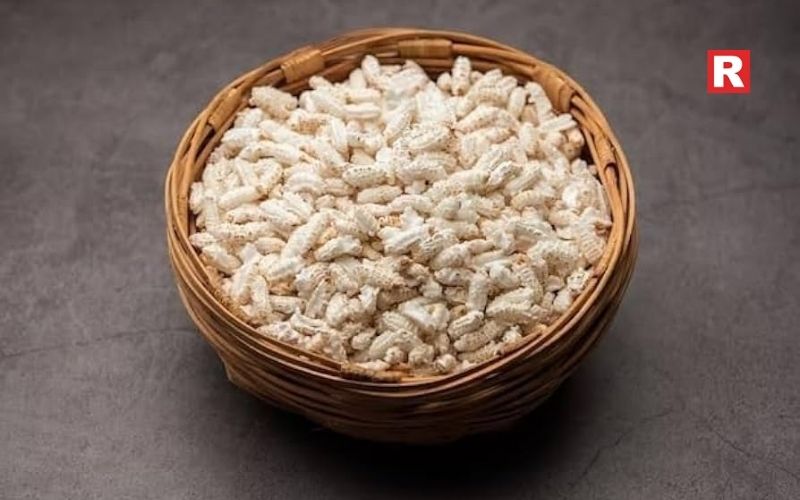
Few snacks are as nostalgic or connect us with childhood memories as murmura (puffed rice). Made from rice grains that have been puffed by heating at high pressure, puffed rice emerges light, crisp, and ready for endless snacking! Puffed rice is the base for popular street food snacks like Bhel Puri in Mumbai, Jhal Muri in Kolkata, and Churmuri in Karnataka, with added chutneys, onions, and spices. This dry air puffing method gives rice a different identity by making it crunchy instead of soft, and playful instead of filling.
10. Flattened Rice
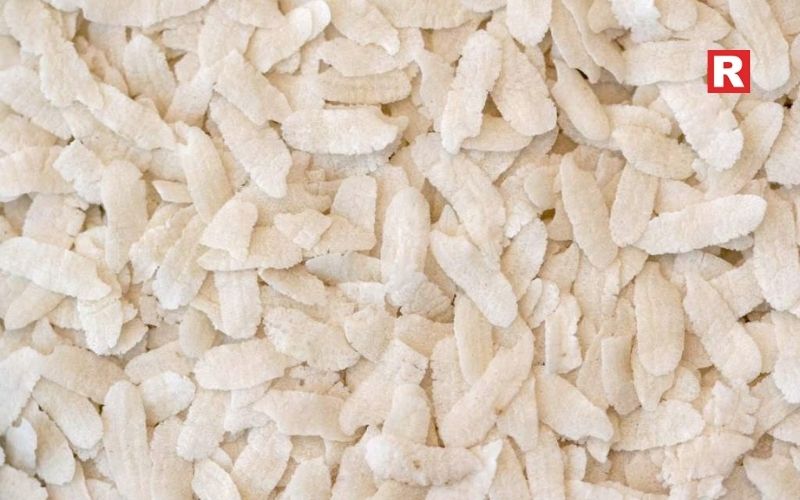
By flattening steamed rice and slicing it into thin flakes, poha is one of the most popular breakfast ingredients in India. This poha method keeps the grain's flavor intact, and it is a versatile ingredient that is easy to cook once rinsed and tossed with tempering or spices. In Madhya Pradesh and Maharashtra, Kanda Poha (poha with onions) is king, while Chuda Dahi (poha with curd) is a comforting breakfast staple in Bihar. Poha's processing method also makes it travel-friendly, lightweight, and versatile, showing human ingenuity in keeping nutrition intact through form.
11. Pounded and Cracked
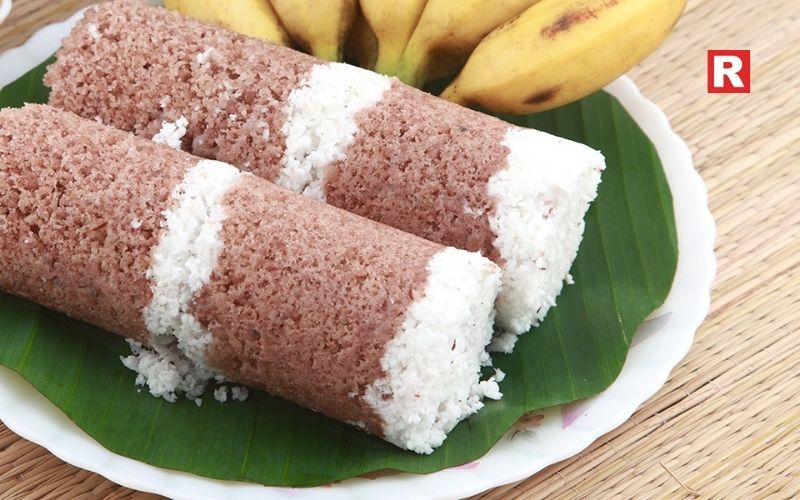
In traditional village life, rice is pounded, rather than being run through a machine, and retains bits of bran and broken grains of rice. This semi-polished rice, which has a nutty flavor, is cooked differently; it absorbs flavors aggressively, retaining nutrients. The rice must be ground and cooked for dishes such as Kanji (rice gruel), Red Rice Puttu, or meals with Matta rice, a short-grain rice prepared like white rice in a steamer typical in Kerala. Rice that has undergone the pound-and-steam process has a rustic appearance and is earthy, which is what modern palates are discovering once again.
12. Fermented and Steamed Batters
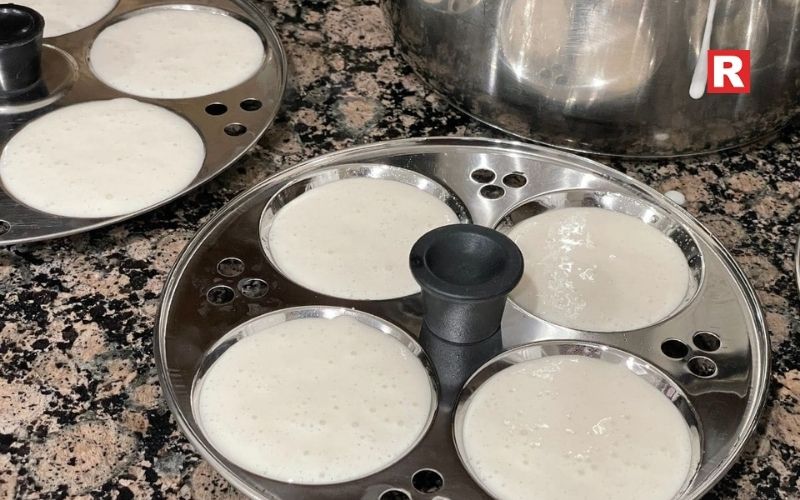
Besides fermented rice, one of India’s geniuses lies in steaming in combining steaming with fermentation to develop a completely different texture. The batter that is a mix of ground rice and lentils, when allowed to ferment, develops air pockets and expands into soft Idlis and fluffy Appams or delicate Kanchipuram Idlis. Fermentation adds a mild tanginess to these dishes, while steaming allows for fluffiness without oils or fat. This is a process that is both scientific and soulful, a way of taking grains and making them into light, digestible foods. Each day in the kitchen of the South Indian home, where breakfast is the meal, every person will engage in this traditional activity of connecting science with nature.
Learn more: 10 Famous Fast Food Brands in India That Everyone Loves
Rice in Its Many Avatars
It’s amazing how each of these ways to prepare rice not only magnifies the dish but also preserves a feeling about the dish. Steamed rice is comfort food; fried rice is similarly enhanced but with excitement; fermented rice is medicinal; sweetened rice is celebratory.
Through the ways to prepare the rice by steaming, fermenting, sautéing, grinding, or simply adding sugar, Indians have turned a single grain of rice into a number of experiences. These twelve methods illustrate that while spice and color serve to characterize Indian food, it is creativity rooted in tradition that does the trick. Every region or every household offers a twist to the grain to comply with the sentiment of a rice dish, to say, rice is not just eaten. It is experienced. In every form of cooked rice, it could be soft, crisp, creamy, or tangy that our culinary creativity reminds us that diversity, when imagined, tastes like home.
Mahak Sharma
Content Writer
Mahak Sharma is a passionate content writer with 2 years of experience crafting compelling content across various niches, tailoring her writing to suit different audiences and platforms. She is dedicated to producing engaging content for readers so that they can understand and enjoy the articles. Her strengths lie in crafting SEO-friendly, well-structured articles that drive visibility and engagement.



































































































































































