
10 Water-Rich Vegetarian Foods Perfect for Indian Summers
Eating a colourful variety of water-rich vegetarian foods, along with drinking enough water each day, is one of the simplest ways to support hydration, digestion, and overall well-being during India's hottest months.

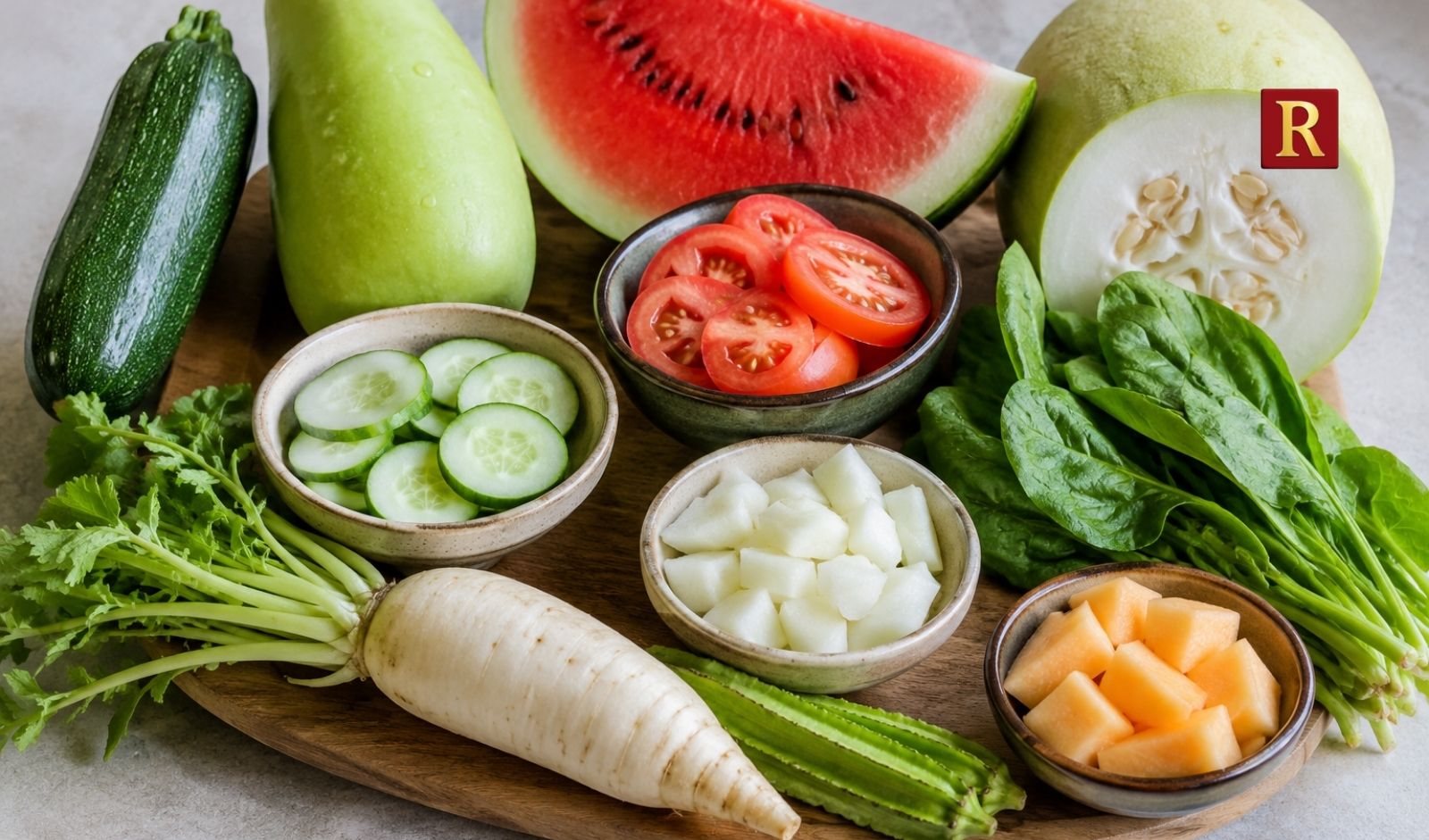
When temperatures rise during the Indian summer, staying hydrated becomes more important than ever. While drinking enough water is essential, the food you eat also plays a major role. Many fruits and vegetables naturally contain more than 90% water and can help your body maintain fluid balance. They also provide vitamins, minerals, antioxidants, and fibre that plain water cannot.
According to nutrition experts, around 20% of a person's daily water intake can come from food, especially fruits and vegetables. Choosing seasonal, water-rich vegetarian foods is a simple way to stay refreshed while enjoying nutritious meals. From everyday vegetables like cucumber and bottle gourd to seasonal fruits such as watermelon and muskmelon, India offers plenty of naturally hydrating options.
Why Water-Rich Foods Are Important During Summer
The human body loses water continuously through sweating, breathing, and normal bodily functions. During Indian summers, when temperatures often cross 40°C in many regions, sweating increases significantly. Along with water, the body also loses important electrolytes such as potassium and magnesium. If these fluids are not replaced, dehydration can lead to fatigue, headaches, poor concentration, muscle cramps, and reduced physical performance.
Water-rich foods help in several ways:
- Support daily hydration
- Provide essential vitamins and minerals
- Improve digestion through dietary fibre
- Help regulate body temperature
- Keep skin healthy
- Offer natural sweetness without excessive calories
Unlike sugary soft drinks, these foods provide hydration along with nutrition, making them a smarter choice during hot weather.
Explore 10 Water-Rich Vegetarian Foods
1. Cucumber (Kheera)
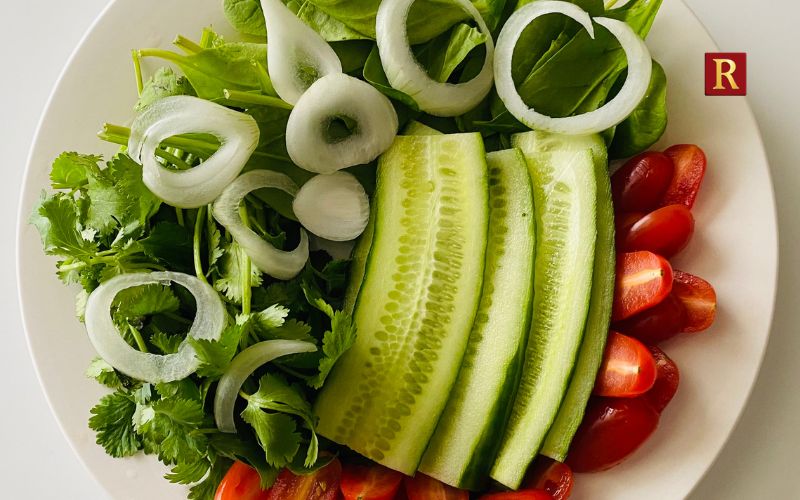
- Approximate water content: 96%
Cucumber is one of the most water-rich vegetables you can eat during summer, with nearly 96% of its weight made up of water. It helps replenish fluids lost through sweating while adding very few calories to your diet. Cucumber also provides potassium, vitamin K, vitamin C, and fibre, which support hydration, digestion, and normal muscle function. Its crisp texture and refreshing taste make it a favourite during hot weather. You can enjoy cucumber in salads, raita, sandwiches, wraps, cold soups, or even infused water. Keeping sliced cucumber in the refrigerator also makes for a quick, healthy snack on warm afternoons.
2. Bottle Gourd (Lauki)

- Approximate water content: 95–96%
Bottle gourd, popularly known as lauki, is a traditional Indian summer vegetable valued for its high water content and easy digestibility. Made up of around 95–96% water, it helps support hydration while being naturally low in calories and fat. Lauki also contains dietary fibre, vitamin C, potassium, and small amounts of B vitamins that contribute to overall health. Its mild flavour allows it to blend well with Indian recipes like lauki sabzi, lauki chana dal, soups, and stuffed vegetables. If preparing fresh lauki juice, always use a non-bitter bottle gourd, as bitter varieties can be unsafe to consume.
3. Watermelon

- Approximate water content: 92%
Watermelon is one of the most refreshing fruits of the Indian summer, containing about 92% water. It not only helps increase your daily fluid intake but also supplies vitamin C, vitamin A, potassium, and lycopene, a powerful antioxidant responsible for its bright red colour. These nutrients support immune health and protect cells from oxidative stress. Although watermelon has a relatively high glycaemic index, its high water content keeps the glycaemic load of a normal serving low. Enjoy it as chilled slices, fruit salads, smoothies without added sugar, or healthy snacks to satisfy sweet cravings naturally.
4. Tomatoes

- Approximate water content: 94–95%
Tomatoes are an everyday kitchen staple that can also help keep you hydrated during summer. With around 94–95% water content, they contribute to your daily fluid intake while providing vitamin C, potassium, folate, and lycopene. Lycopene is an antioxidant that has been widely studied for its potential role in protecting cells from damage. Interestingly, cooking tomatoes increases the availability of lycopene, while raw tomatoes provide slightly more hydration. Whether added to salads, sandwiches, curries, soups, or homemade chutneys, tomatoes are a simple way to make meals both refreshing and nutritious.
5. Ash Gourd (Petha or White Pumpkin)

- Approximate water content: Over 95%
Ash gourd, also called white pumpkin or petha, has been used in Indian cooking for generations because of its naturally high water content and light texture. Containing over 95% water, it is an excellent vegetable for hot weather. Ash gourd is also a source of dietary fibre, vitamin C, and small amounts of B vitamins while remaining low in calories. It is commonly prepared as curries, soups, stews, or steamed dishes in many parts of India. Its mild taste absorbs spices well, making it a versatile ingredient for wholesome summer meals that are filling without feeling heavy.
6. Spinach (Palak)

- Approximate water content: 91–92%
Spinach is often praised for its iron content, but it is also surprisingly rich in water, containing about 91–92%. This leafy vegetable provides hydration along with essential nutrients such as folate, magnesium, vitamin K, vitamin A, and iron. These nutrients support bone health, red blood cell production, and normal body functions. Spinach can easily be included in everyday meals through palak dal, soups, stir-fries, salads, and green smoothies. Lightly cooking spinach may improve the absorption of certain nutrients, making it both a hydrating and nutrient-dense addition to a balanced vegetarian diet.
7. Radish (Mooli)

- Approximate water content: 95%
Radish is another vegetable that naturally contains about 95% water, making it an excellent choice during summer. Its crunchy texture comes from its high moisture content, while it also supplies vitamin C, fibre, antioxidants, and small amounts of potassium. Fibre supports healthy digestion, while vitamin C contributes to immune function. Radish can be enjoyed in fresh salads, stuffed parathas, raita, sandwiches, or homemade pickles. Its mildly peppery flavour adds freshness to meals without adding many calories. Including radish regularly can help diversify your vegetable intake while contributing to your daily hydration needs.
8. Ridge Gourd (Turai)
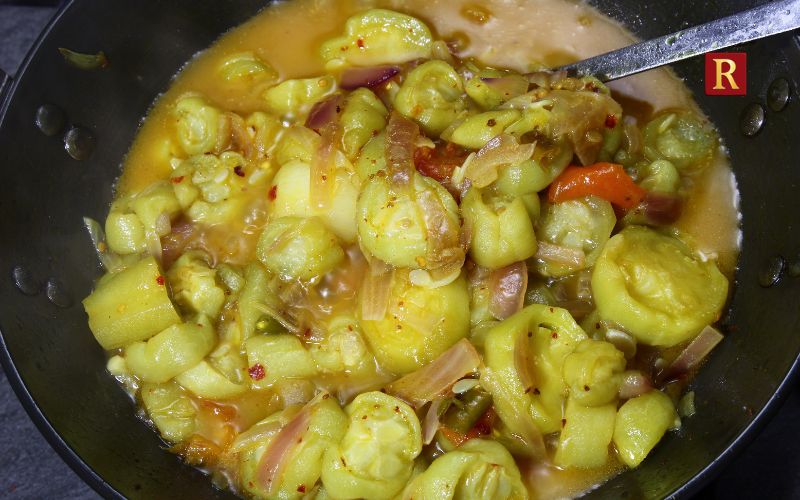
- Approximate water content: Around 94–95%
Ridge gourd, commonly known as turai, is a popular summer vegetable across many Indian households. With approximately 94–95% water content, it helps support hydration while providing dietary fibre, vitamin C, and important minerals. Turai is naturally light, making it easier to digest than many rich or oily dishes often avoided during hot weather. It is commonly prepared as a simple sabzi, cooked with lentils, or added to mixed vegetable curries. Choosing seasonal vegetables like ridge gourd not only improves freshness and taste but also encourages a nutritious and balanced diet during the warmer months.
9. Zucchini
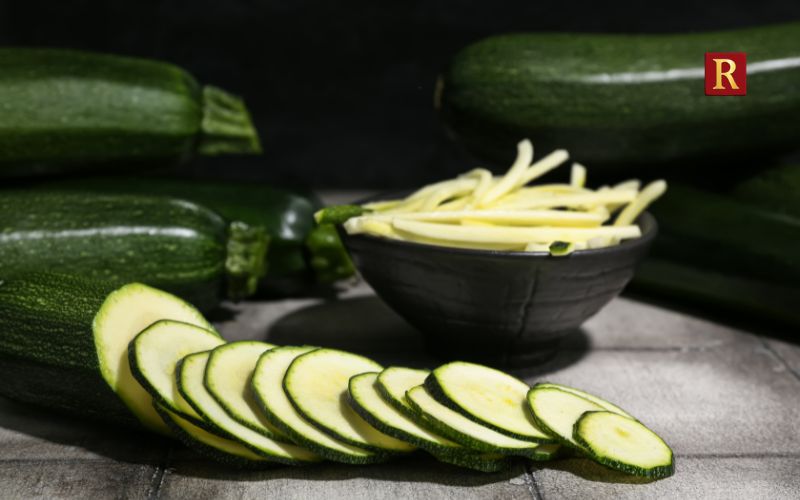
- Approximate water content: 94–95%
Although zucchini is not traditionally grown across all parts of India, it has become increasingly popular in urban kitchens due to its versatility and nutritional value. It contains around 94–95% water, making it a hydrating vegetable suitable for summer meals. Zucchini is also a source of vitamin A, vitamin C, potassium, and dietary fibre, while remaining naturally low in calories. Its mild flavour works well in stir-fries, soups, grilled dishes, salads, and pasta recipes. It also pairs easily with Indian spices, allowing it to be adapted into familiar home-cooked meals.
10. Muskmelon (Kharbuja)
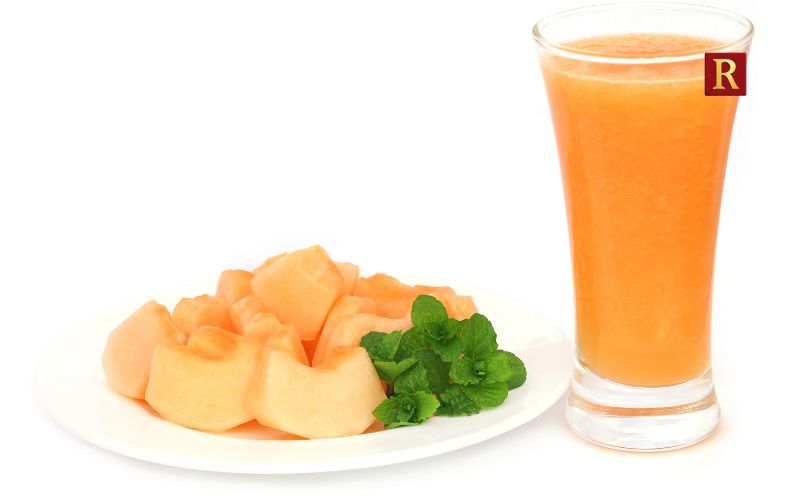
- Approximate water content: 90%
Muskmelon, or kharbuja, is a classic Indian summer fruit known for its sweet flavour and naturally high water content of about 90%. It helps increase fluid intake while providing vitamin A, vitamin C, potassium, and antioxidants that support overall health. Vitamin A plays an important role in maintaining healthy vision, while vitamin C contributes to immune function and collagen production. Muskmelon can be enjoyed as fresh slices, fruit bowls, breakfast platters, chilled smoothies, or healthy desserts without added sugar. Its juicy texture and refreshing taste make it one of the easiest ways to stay hydrated during hot summer days.
Simple Ways to Add Water-Rich Foods to Your Diet
Adding these foods to your meals does not require major changes. Small daily habits can make a noticeable difference.
You can:
- Begin your day with seasonal fruits.
- Add cucumber and tomatoes to every lunch.
- Include a bowl of vegetable soup with dinner.
- Prepare curd-based raita with cucumber or radish.
- Replace processed snacks with fresh fruit.
- Choose seasonal vegetables while shopping.
These simple choices help increase both hydration and nutrient intake.
Stay Hydrated!
Water remains the most important drink for staying hydrated, but food also contributes significantly to your body's daily fluid needs. Choosing fresh fruits and vegetables with naturally high water content gives your body fluids, fibre, vitamins, and minerals at the same time. Indian kitchens already include many of these seasonal ingredients, making it easy to build healthier summer meals without changing your eating habits completely. From crunchy cucumbers and juicy watermelon to traditional vegetables like bottle gourd and ridge gourd, these foods offer a practical way to stay refreshed throughout the season. Eating a colourful variety of water-rich vegetarian foods, along with drinking enough water each day, is one of the simplest ways to support hydration, digestion, and overall well-being during India's hottest months.
Saptopriya Ghosal
Feature Writer
I am a dedicated media professional with a bachelor's degree in mass communication from the State University of Calcutta and a postgraduate degree from Amity University. My academic journey has equipped me with a profound understanding of storytelling and communication. Passionate about the dynamic world of media, I continually strive to explore new ways to engage and inform through compelling narratives.



































































































































































