
10 Ugly Vegetarian Foods That Taste Surprisingly Good
Beyond their health benefits, choosing imperfect or unusual-looking vegetables can help reduce food waste by encouraging people to value produce for its quality rather than its appearance.

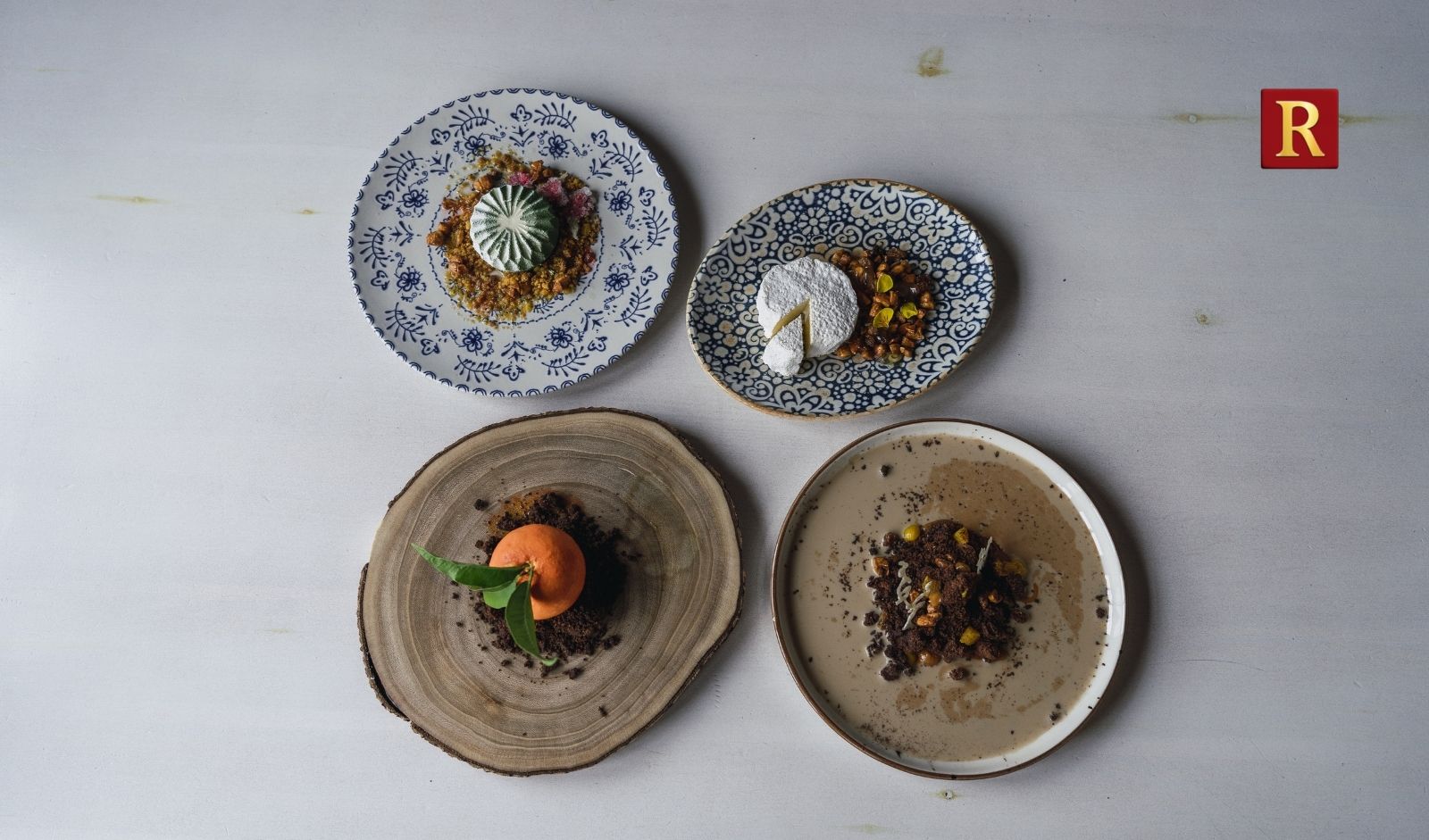
We've all heard the saying, "Don't judge a book by its cover." The same rule applies to food. Some of the healthiest and tastiest vegetarian foods don't look appealing at first glance. They may be wrinkled, bumpy, sticky, muddy, or even have a strong smell. Yet, millions of people around the world enjoy these foods because of their rich flavour, impressive nutrition, and cultural significance.
Interestingly, the United Nations estimates that nearly 1.3 billion tonnes of food are wasted every year, and a large portion includes perfectly edible fruits and vegetables rejected simply because they look imperfect. As more people become aware of food waste and sustainable eating, these unusual-looking foods are finally getting the attention they deserve. Here are ten vegetarian foods that may not win a beauty contest but certainly deserve a place on your plate.
Why Some Vegetarian Foods Look So Unusual
The appearance of fruits and vegetables depends on many natural factors. Weather conditions, soil quality, genetics, harvesting methods, and storage all influence their shape, colour, and texture. Some foods become wrinkled as they mature, while others develop rough skins or slimy textures because of fermentation. What looks unattractive often has nothing to do with quality. In many cases, these foods contain the same—or even higher—levels of vitamins, minerals, and antioxidants as their picture-perfect counterparts.
Explore 10 Ugly Vegetarian Foods That Taste Surprisingly Good
1. Bitter Gourd (Karela)
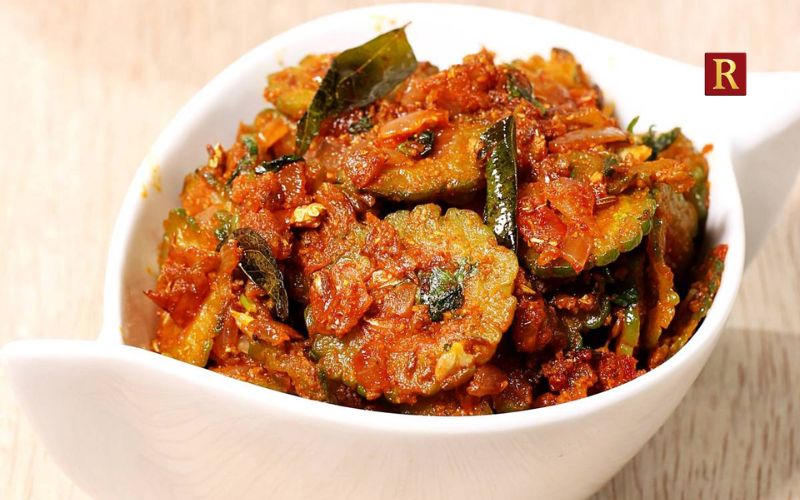
Few vegetables divide opinions like bitter gourd. Its deeply wrinkled green skin and naturally bitter taste make many people avoid it. However, once cooked with onions, tomatoes, or spices, its bitterness becomes much milder. Karela is widely used across India in curries, stuffed recipes, and stir-fries. It is rich in vitamin C, fibre, and antioxidants. Researchers continue to study its bioactive compounds for their potential role in supporting overall health, although more evidence is needed before drawing medical conclusions.
2. Celeriac
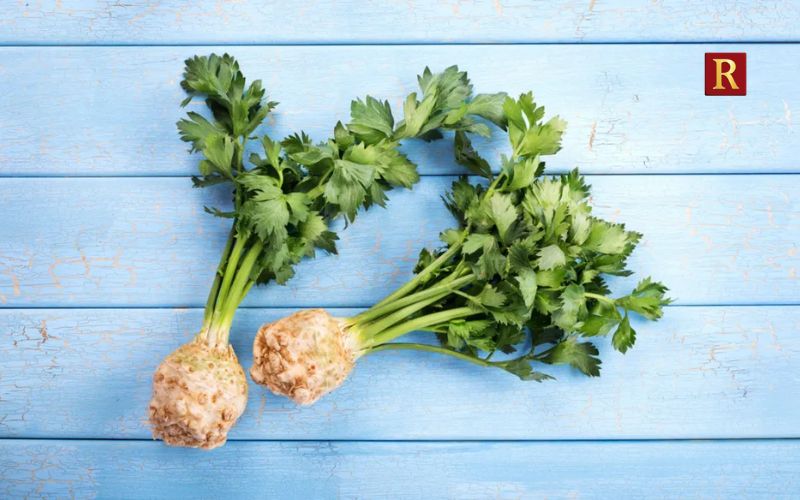
At first glance, celeriac looks more like a muddy tree root than a vegetable. Its rough brown exterior hides a creamy white interior with a surprisingly delicate flavour. Popular across Europe, celeriac has a mild taste similar to celery mixed with parsley and nuts. It becomes wonderfully creamy when mashed and develops a sweet, earthy flavour after roasting. It also provides vitamin K, vitamin C, potassium, and dietary fibre.
3. Romanesco
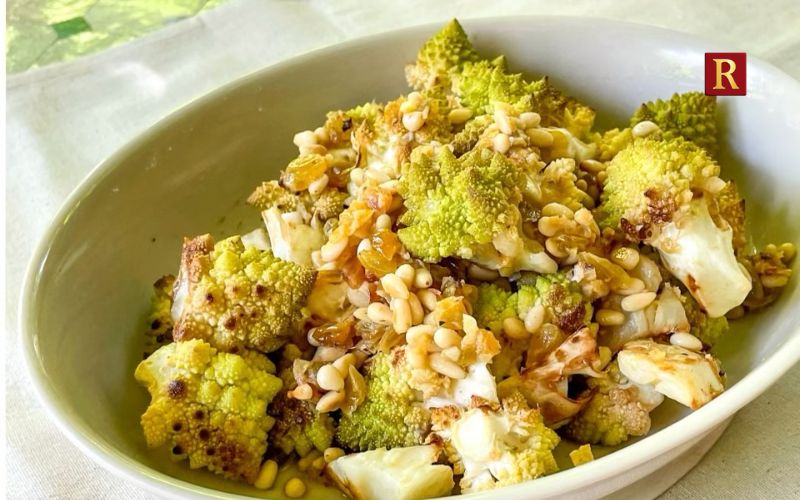
Romanesco is one of the strangest vegetables you'll ever see. Its bright green spirals form perfect geometric patterns that almost look computer-generated. Despite its unusual appearance, Romanesco tastes similar to cauliflower but with a slightly nuttier flavour and firmer texture. It can be roasted, steamed, or added to pasta dishes. One fascinating fact is that Romanesco naturally follows the Fibonacci sequence, making it one of the most mathematically beautiful vegetables found in nature.
4. Lotus Stem (Nadru)

Fresh lotus stem often arrives covered in mud, making it easy to overlook. Slice it open, however, and you'll discover beautiful circular patterns that make it one of the most unique vegetables. A favourite ingredient in Kashmiri cuisine, lotus stem has a crisp texture similar to water chestnuts. It absorbs spices beautifully and works well in curries, stir-fries, and pickles. Besides being low in calories, lotus stem provides vitamin C, iron, and dietary fibre.
5. Jackfruit (Kathal)
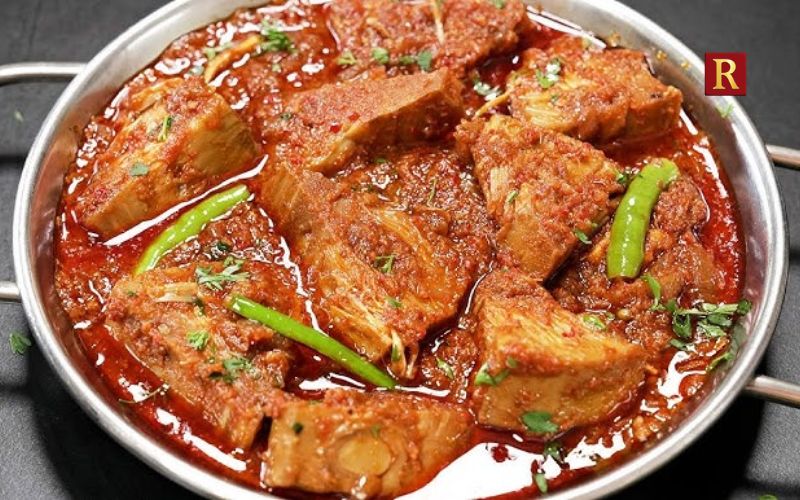
Jackfruit is impossible to ignore. Covered in thick, spiky skin and filled with sticky latex, preparing it requires patience. Yet its cooked flesh has a firm, meaty texture that makes it a favourite among vegetarians. Young jackfruit is commonly used in curries, biryanis, tacos, and burgers because it absorbs spices exceptionally well. Ripe jackfruit, on the other hand, is naturally sweet and enjoyed as a fruit. Jackfruit is also a good source of fibre, vitamin C, and several essential minerals.
6. Natto
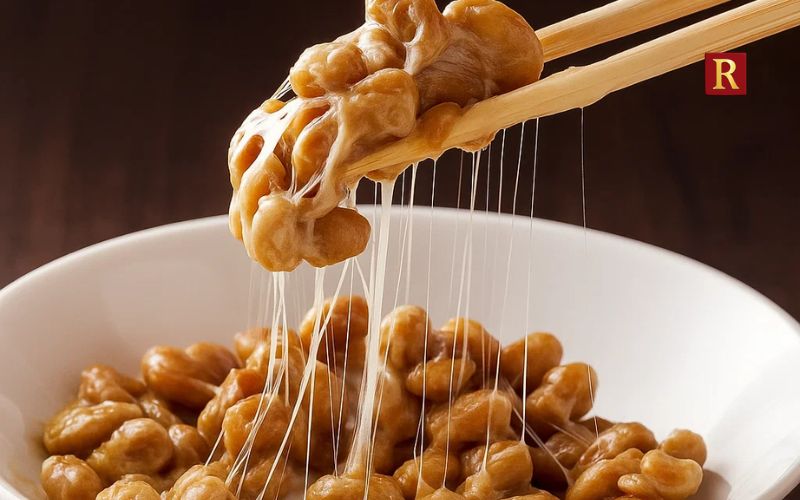
Natto may be one of Japan's most misunderstood foods. Fermented soybeans develop long sticky strands and a strong aroma that can surprise first-time eaters. Despite its appearance, natto has a deep savoury flavour and is often served over rice for breakfast. Fermentation also introduces beneficial bacteria while increasing the availability of certain nutrients. It is especially valued for its protein, vitamin K2, and probiotic content.
7. Oyster Mushrooms

Unlike the round mushrooms commonly found in supermarkets, oyster mushrooms grow in layered clusters that resemble seashells growing on tree trunks. Their soft texture and naturally savoury taste make them a popular meat alternative in many vegetarian recipes. Rich in natural glutamates, they develop an impressive umami flavour when grilled or sautéed. Oyster mushrooms also provide B vitamins, copper, and antioxidants while remaining low in calories.
8. Purple Yam (Ube)
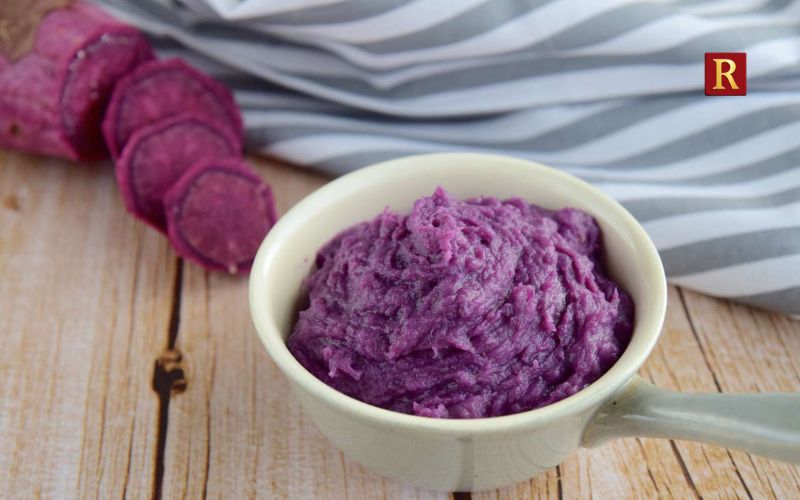
The outside of purple yam looks rough and ordinary, but cutting it open reveals a brilliant purple interior that instantly catches the eye. Widely enjoyed in Southeast Asia, ube is used in cakes, ice creams, puddings, and sweet breads. It offers a naturally sweet flavour with hints of vanilla and pistachio. Its vibrant colour comes from anthocyanins, the same antioxidant pigments found in blueberries and purple cabbage.
9. Black Sesame Soup
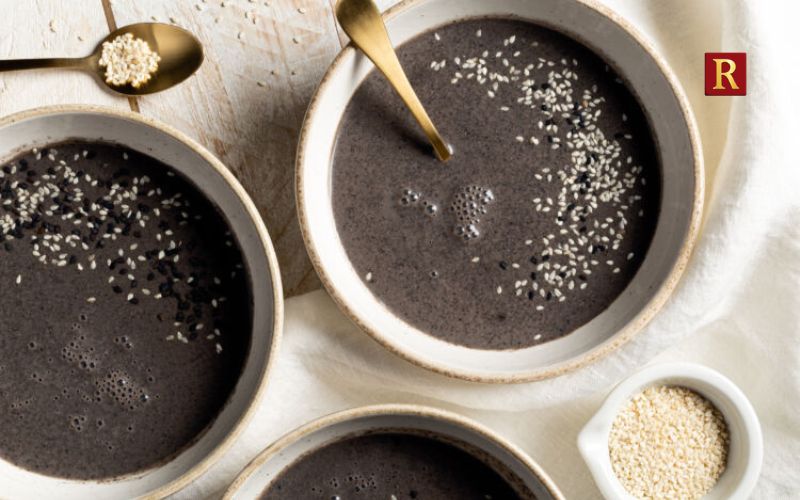
Jet-black food may seem unusual, but black sesame soup has been enjoyed for centuries in Chinese cuisine. Made from ground black sesame seeds, this smooth dessert has a rich nutty flavour and creamy texture. Despite its dark appearance, it contains healthy fats, calcium, iron, magnesium, and vitamin E. Many people enjoy it warm during cooler months as a comforting traditional dessert.
10. Stinky Tofu
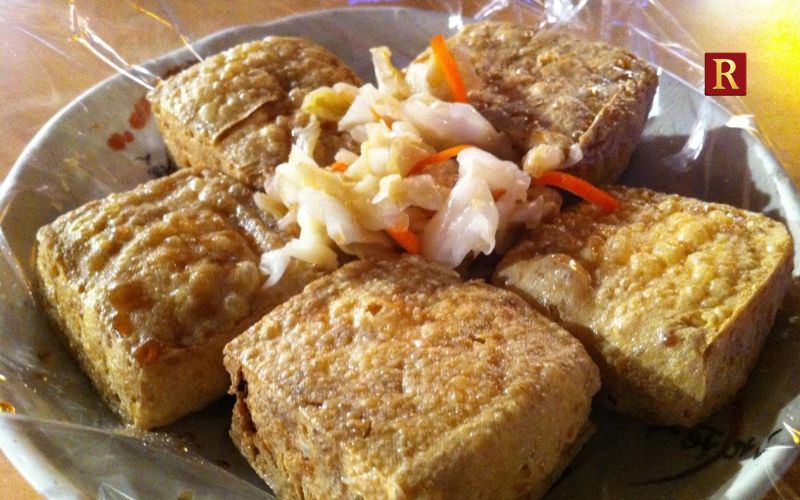
Its name alone is enough to scare many first-time eaters. Fermented tofu develops a powerful smell that has often been compared to aged cheese. Once deep-fried, however, the outside becomes wonderfully crisp while the inside remains soft and creamy. The flavour is much milder than the aroma suggests. A popular street food in Taiwan and parts of China, stinky tofu is usually served with pickled vegetables and spicy sauces that balance its rich taste.
Why These Foods Are Worth Trying
Rich in Essential Nutrients: Many unusual-looking vegetables are packed with dietary fibre, vitamins A, C, and K, along with minerals like potassium, magnesium, and iron. These nutrients support immunity, digestion, and overall health.
Loaded with Antioxidants: Foods such as bitter gourd, Romanesco, and purple yam contain antioxidants and plant compounds that help protect cells from oxidative stress and support long-term wellness.
Supports Gut Health: Fermented foods like natto and stinky tofu contain beneficial microorganisms produced during fermentation, which may promote a healthy gut microbiome and improve digestion.
Low in Calories, High in Benefits: Vegetables like lotus stem and bitter gourd are naturally low in calories but high in fibre, making them filling and nutrient-dense additions to a balanced diet.
Encourages Dietary Diversity: Eating a wider variety of plant-based foods helps increase your intake of different vitamins, minerals, and phytonutrients, contributing to better overall nutrition.
Simple Ways to Make Ugly Vegetables Taste Better
Preparation makes a huge difference. Roasting brings out natural sweetness in vegetables like celeriac and Romanesco. Air frying creates crisp textures with less oil. Stir-frying with garlic, ginger, and spices transforms bitter vegetables into flavour-packed dishes. Fermentation, grilling, pickling, and slow cooking also improve texture and enhance flavour. Fresh herbs, lemon juice, black pepper, and roasted spices can further elevate even the simplest ingredients.
Beauty Isn't Everything!
Many of the world's most delicious vegetarian foods are often overlooked simply because they don't look appealing. Their rough skins, odd shapes, sticky textures, muddy appearance, or strong aromas may seem unusual, but these characteristics often come with unique flavours and excellent nutritional value. Foods like celeriac, lotus stem, jackfruit, bitter gourd, Romanesco, and natto have been enjoyed for generations across different cultures, proving that taste matters far more than appearance. Many of these ingredients are rich in fibre, vitamins, minerals, antioxidants, and other beneficial plant compounds that support a healthy diet. Trying these lesser-known foods also introduces you to new cooking styles and regional cuisines, making everyday meals more exciting. Beyond their health benefits, choosing imperfect or unusual-looking vegetables can help reduce food waste by encouraging people to value produce for its quality rather than its appearance. Sometimes, the ugliest foods on the table turn out to be the most memorable and satisfying.
Saptopriya Ghosal
Feature Writer
I am a dedicated media professional with a bachelor's degree in mass communication from the State University of Calcutta and a postgraduate degree from Amity University. My academic journey has equipped me with a profound understanding of storytelling and communication. Passionate about the dynamic world of media, I continually strive to explore new ways to engage and inform through compelling narratives.



































































































































































