10 Things That Could Become Automated Behind a Coffee Counter
The biggest change may not be the arrival of the robot barista. It may be everything that gets automated before the customer even notices.

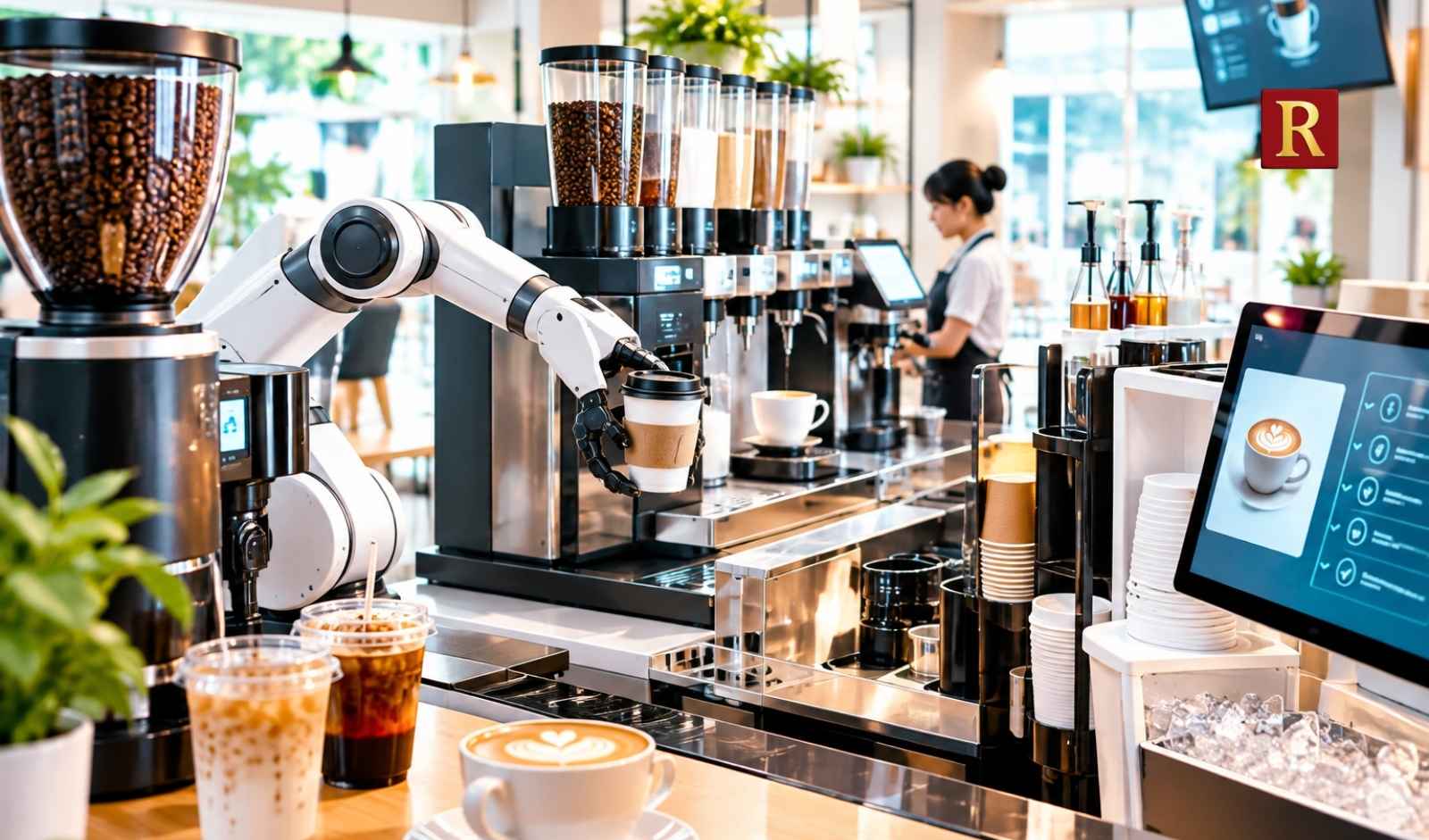
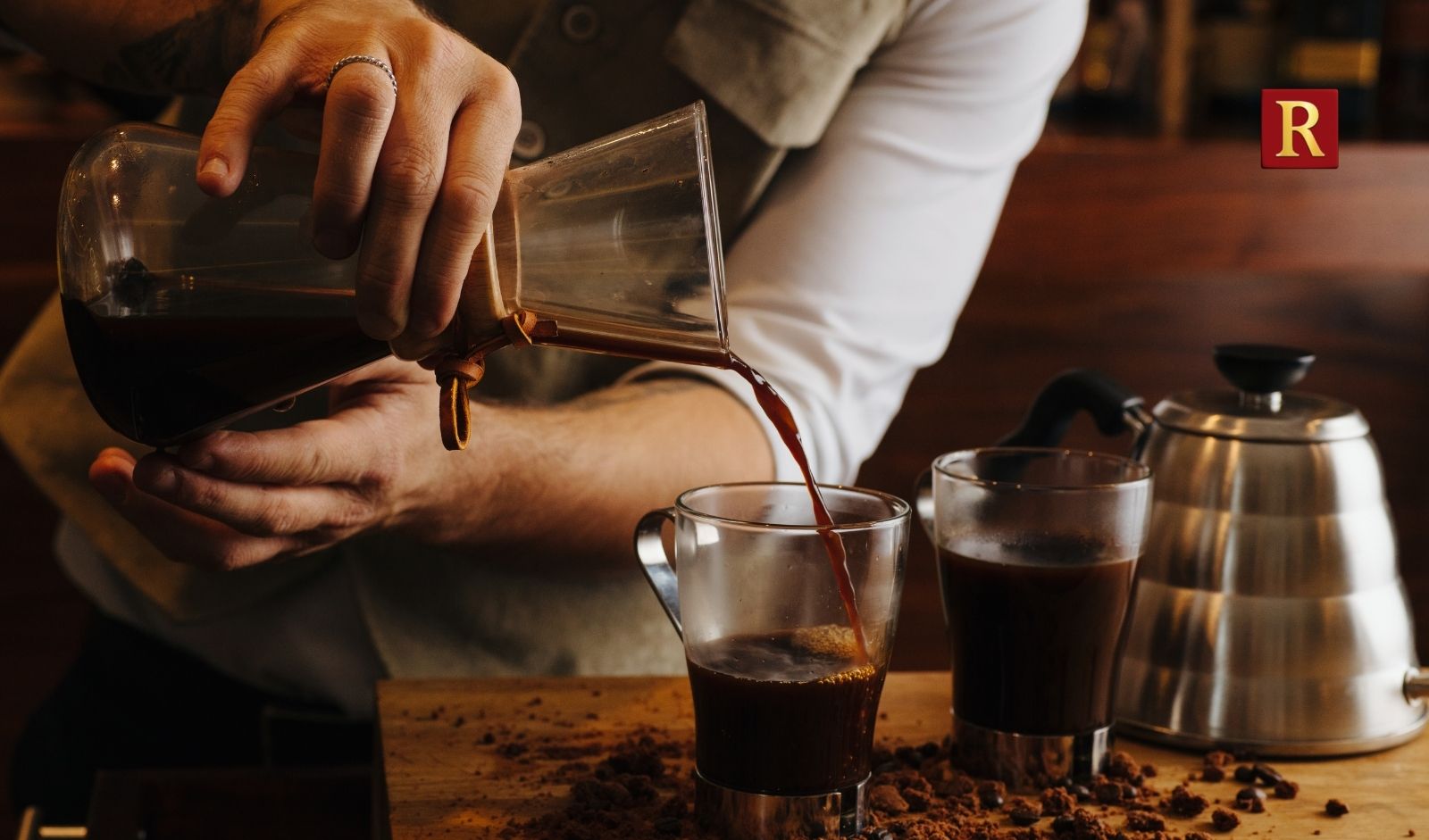
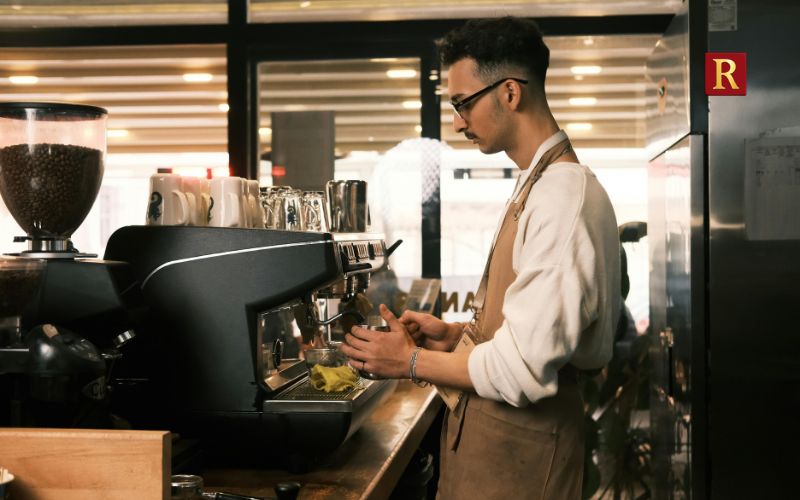
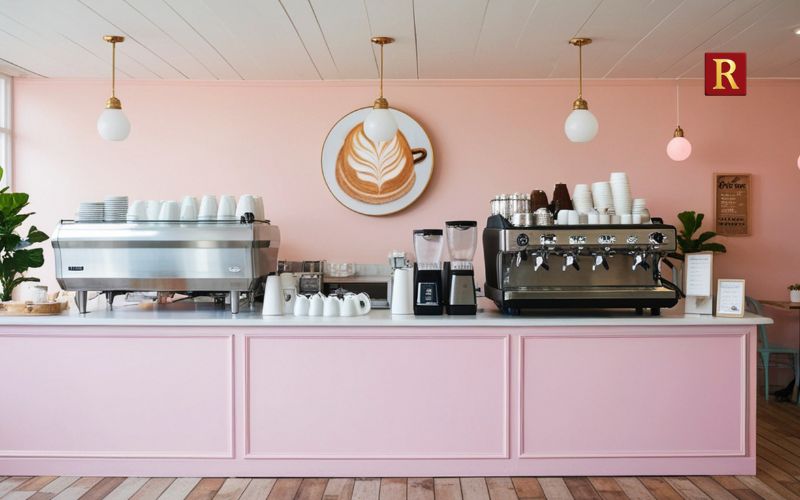
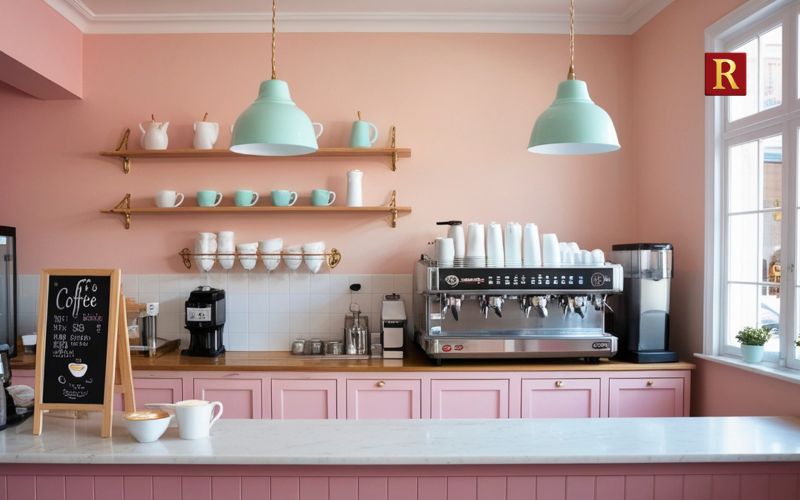
Walk into a busy coffee shop and watch the counter for five minutes. A barista may grind beans, dose coffee, pull an espresso shot, steam milk, add syrup, fill a cup with ice, check an order and hand over the drink. Most of these actions are repeated hundreds of times a day. That makes the coffee counter an interesting place for automation. The next stage of café technology may not be about putting a robot where a barista once stood. It could be about automating the smaller jobs around the barista.
Some of this technology is already here. La Marzocco's SmartSteam, introduced in 2026, can automatically heat and texture milk to a programmed temperature while still allowing baristas to remain involved in the process. Meanwhile, robotic coffee systems are combining grinders, espresso machines, milk systems, syrup dispensers, cameras and robotic arms into single production units. For cafés, the bigger question is no longer whether coffee preparation can be automated. It is which parts of the coffee counter make the most sense to automate first.
10 Things Become Automated Behind a Coffee Counter
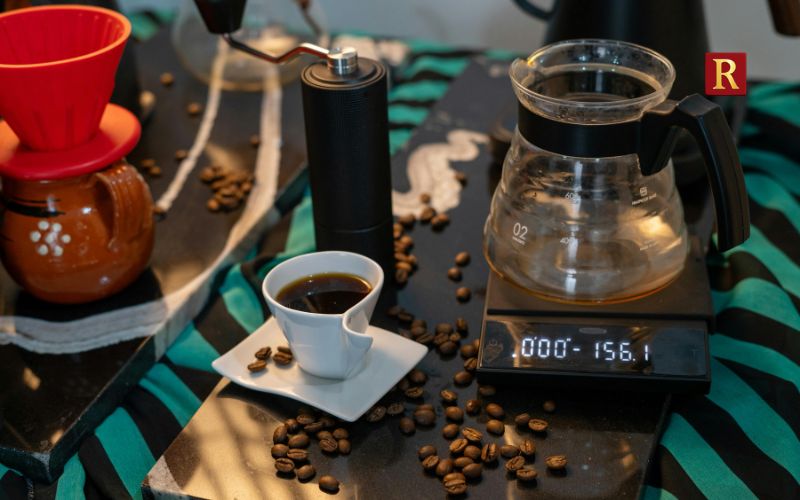
1. Bean Dosing Could Become Automated: Automated grinders and dosing systems can measure the required amount of coffee for each drink. This can reduce variations caused by manual dosing and help cafés maintain more consistent recipes during busy periods.
2. Espresso Extraction Could Become Software-Controlled: Coffee machines can control variables such as water temperature, pressure, dose and extraction time. This could allow cafés to reproduce the same espresso recipe across different shifts and outlets.
3. Milk Steaming Could Become More Precise: Smart milk-steaming systems can automatically control temperature and texturing. La Marzocco's SmartSteam, for example, allows operators to set a target temperature while the machine manages the steaming process. This can reduce one of the more skill-dependent steps behind the counter.
4. Syrup Dosing Could Become Digital: Instead of relying only on manual pumps, automated dispensers can measure syrups and other liquid ingredients. Some robotic coffee systems use gravimetric dosing, which measures ingredients by weight. This could make flavoured drinks more consistent.
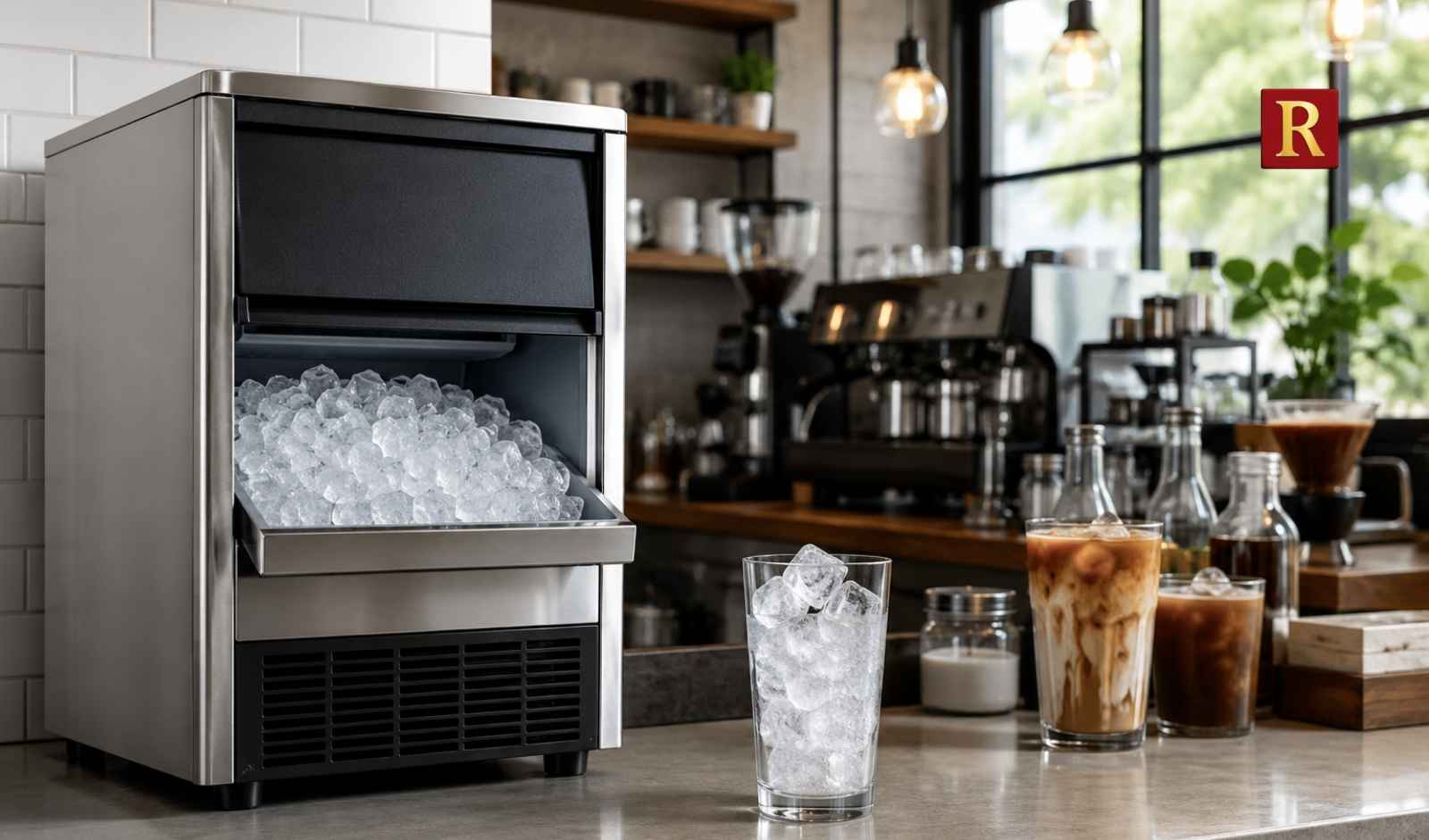
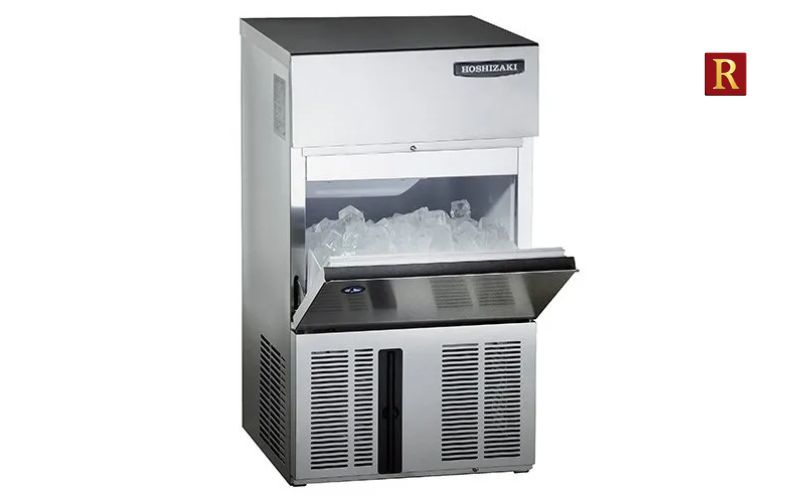
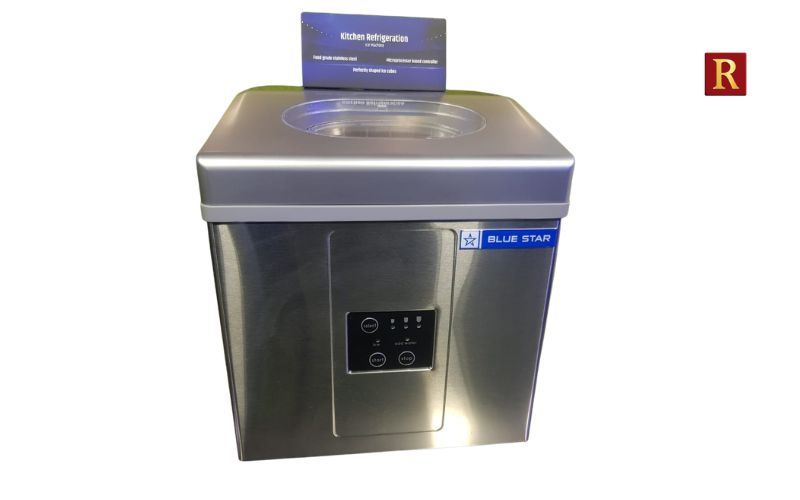
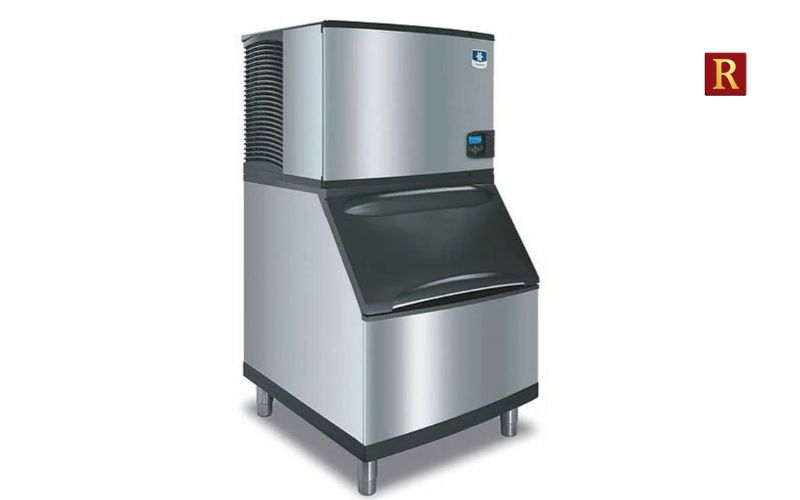
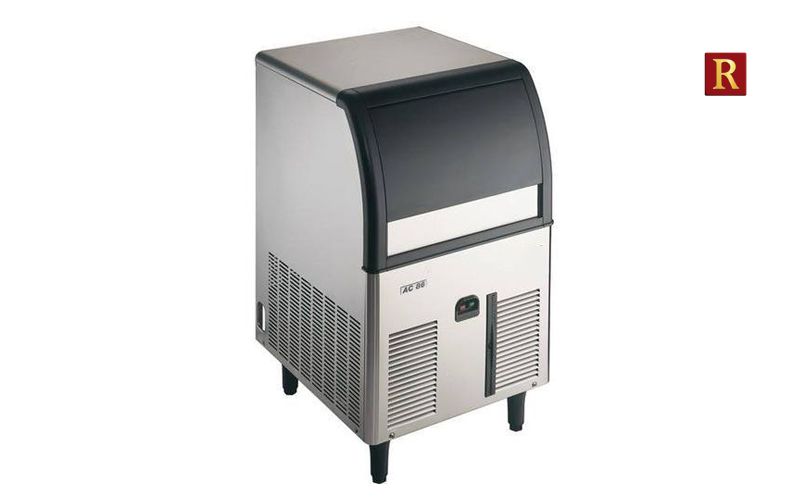
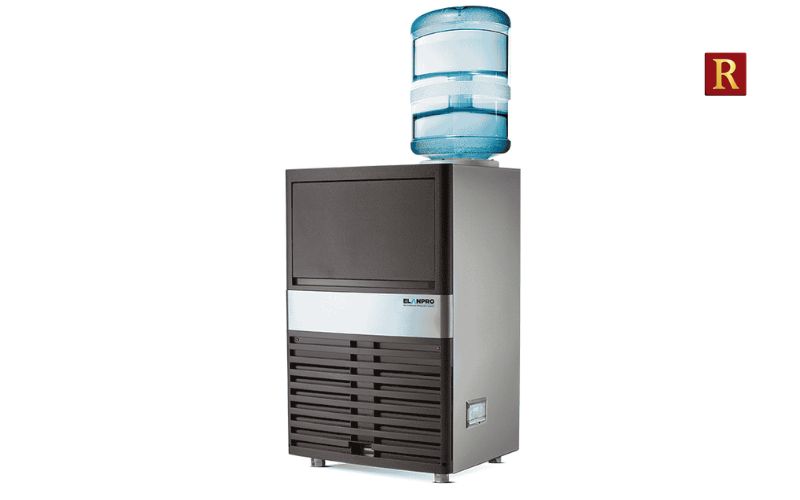
5. Cup, Ice and Lid Handling Could Be Automated: Picking cups, adding ice and finding the correct lid are repetitive tasks. Automated dispensers and robotic systems can handle some of these movements, allowing staff to spend more time preparing drinks or serving customers.
6. Order-to-Cup Movement Could Become Automated: A connected system could move a cup between different preparation stations. The order could trigger a sequence such as cup dispensing, coffee preparation, milk addition, flavour dosing and final handover. This turns the counter into a small automated production line.
7. Cameras Could Check Drinks and Counter Operations: Computer vision could help identify whether the correct cup is present, whether a drink has been completed or whether an operational problem has occurred. For large café chains, this could become another layer of quality control.
8. Inventory Planning Could Become Predictive: POS and sales data can show which drinks sell at particular times and locations. AI-based forecasting could use this information to estimate future requirements for beans, milk, syrups, cups, lids and ice. Instead of reacting when stock is low, cafés could prepare for expected demand.
9. Equipment Maintenance Could Become Predictive: Connected espresso machines and other equipment can collect performance data. In the future, this could help operators identify maintenance requirements before equipment fails during service. For café chains, remote monitoring could also allow technical teams to track machines across multiple outlets.
10. Cleaning and Routine Checks Could Become More Automated: Coffee equipment already supports programmed cleaning cycles. Further automation could provide cleaning reminders, monitor equipment conditions and trigger routine maintenance processes. Human staff would still be required for sanitation, inspection and food-safety checks, but some repetitive work could be system-managed.
The Coffee Counter Could Become a Connected System
The most interesting part of coffee automation is not the robotic arm. It is the software connecting everything behind it.
- A future automated workflow could look like this: Order received → recipe selected → cup dispensed → beans ground → espresso extracted → milk textured → syrup measured → ice added → drink checked → customer notified.
Each step could generate data. That data could then help the café understand its recipes, ingredient consumption, equipment performance and customer demand. This is already the direction of travel for coffee technology. Recent industry analysis describes POS platforms as increasingly important operational hubs connecting payments, inventory, sales data and customer information.
Automation Does Not Have to Mean Removing the Barista
There is an important distinction between automating coffee preparation and automating hospitality.
A machine can control a temperature.
- It can measure a syrup.
- It can move a cup.
- It cannot easily replace the conversation between a regular customer and a barista.
- It also cannot completely reproduce human judgement around unusual orders, customer complaints, coffee education and hospitality.
That is why the most practical future may be a combination of people and machines. The repetitive work moves toward automation. The human work becomes more valuable. For cafés, the real opportunity may therefore be simple: use technology to remove the tasks that consume time, while keeping people focused on the parts of the coffee experience that customers actually remember.
The Coffee Counter
The future of café automation may not be about replacing the barista with a robot. It may be about automating the repetitive tasks that happen around the barista. Bean dosing, espresso extraction, milk steaming, syrup measurement, inventory planning, equipment monitoring and even some cleaning processes can increasingly be supported by machines and software. For café operators, the value is consistency, speed and better control over daily operations. For baristas, automation could reduce repetitive work and create more time for customer service, coffee preparation and creative drinks. The coffee counter of the future may therefore look familiar to customers. There could still be a person taking an order and serving a cappuccino. But behind that person, a network of connected machines could quietly be measuring, preparing, monitoring and predicting almost every step. The biggest change may not be the arrival of the robot barista. It may be everything that gets automated before the customer even notices.
Saptopriya Ghosal
Feature Writer
I am a dedicated media professional with a bachelor's degree in mass communication from the State University of Calcutta and a postgraduate degree from Amity University. My academic journey has equipped me with a profound understanding of storytelling and communication. Passionate about the dynamic world of media, I continually strive to explore new ways to engage and inform through compelling narratives.