
10 Surprising Health Benefits of Having Plant-Based Diet
The plant-based diet stands out as a scientifically supported strategy for achieving the best possible health in a world full of misleading dietary advice and health trends. It's important to focus on the abundance of nutrient-dense fruits, vegetables, grains, legumes, nuts, and seeds that nourish your body and mind rather than just what you cut out of your diet.

Have you ever thought about the amazing power that your food contains? What if just a small change to your diet might start a chain reaction of health advantages that would change your health from the inside out? Welcome to the world of plant-based eating, a tasty, delicious, and increasingly popular way of living that is far more than an Instagram trend.
The plant-based diet stands out as a scientifically supported strategy for achieving the best possible health in a world full of misleading dietary advice and health trends. It's important to focus on the abundance of nutrient-dense fruits, vegetables, grains, legumes, nuts, and seeds that nourish your body and mind rather than just what you cut out of your diet.
Are you prepared to discover the reasons behind the widespread adoption of this green revolution? Let's examine the top ten health advantages of a plant-based diet and learn why adopting this healthy choice can be the best course of action for your well-being.
Read this: 7 Tips That Can Help Restaurants Make More Revenue During Festivals
What Exactly is a Plant-Based Diet?
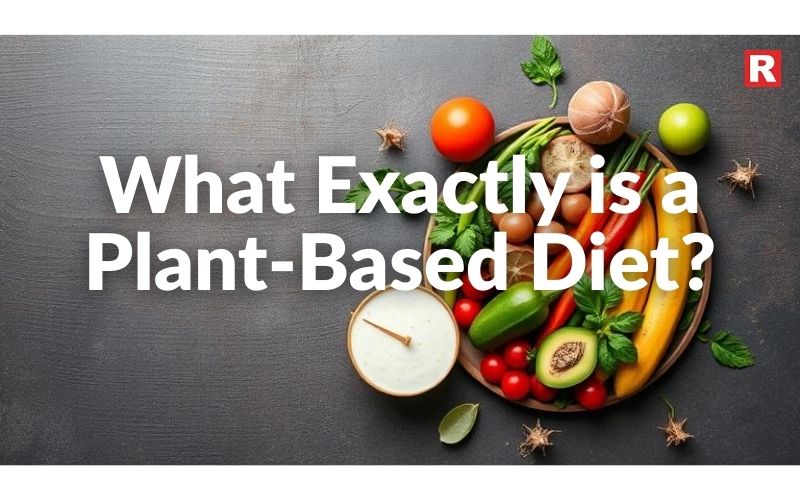
A plant-based diet, which is sometimes mistaken for veganism, places an emphasis on complete, unprocessed plant foods while minimizing or avoiding animal products. Some consumers of plant-based foods may occasionally incorporate small quantities of animal products, although many are vegans. However, the main goal remains to make plants the focal point of every meal.
Consider these food products:
- Fruits: Berries, apples, bananas, oranges, grapes, avocados
- Vegetables: Leafy greens, broccoli, carrots, peppers, sweet potatoes, mushrooms
- Whole Grains: Brown rice, quinoa, oats, whole wheat bread, pasta
- Legumes: Lentils, beans (black, kidney, chickpeas), peas
- Nuts & Seeds: Almonds, walnuts, chia seeds, flax seeds, pumpkin seeds
- Plant-Based Proteins: Tofu, tempeh, seitan, nutritional yeast
10 Health Benefits of a Plant-Based Diet:
1. Lowering Your Risk of Cardiovascular Disease
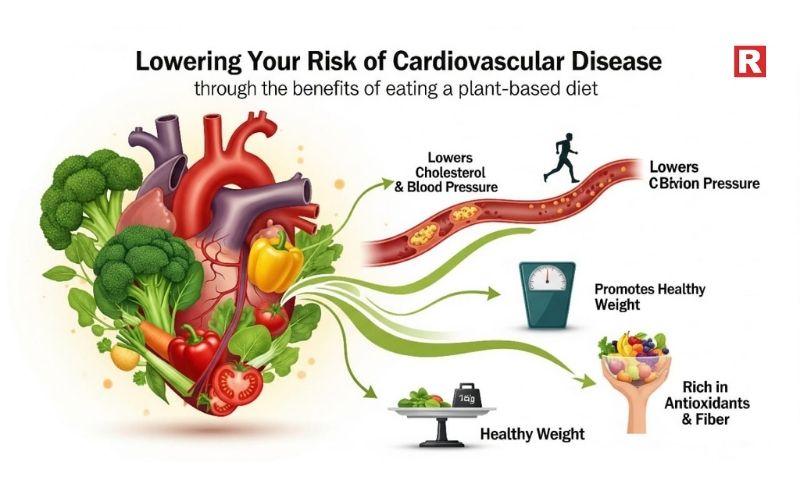
A plant-based diet is like high-quality fuel for your body's engine, which is your heart. People who eat mostly plant-based meals have a much lower risk of heart disease, stroke, and high blood pressure, according to numerous studies.
Why: Diets based on plants are naturally high in fiber, antioxidants, and anti-inflammatory substances and low in saturated fat and cholesterol, which are mostly found in animal products. Antioxidants shield blood vessels from harm, and fiber helps reduce bad cholesterol (LDL). Your heart continues to beat strongly, and your arteries remain clear thanks to this potent mixture.
Imagine your arteries as clear, unobstructed rivers instead of ones that are choked with trash. That's the benefit of being plant-based diet.
Know more: Top 7 Regional Indian Thali Platters That Showcase Culinary Diversity
2. Sustaining a Healthy Body Weight
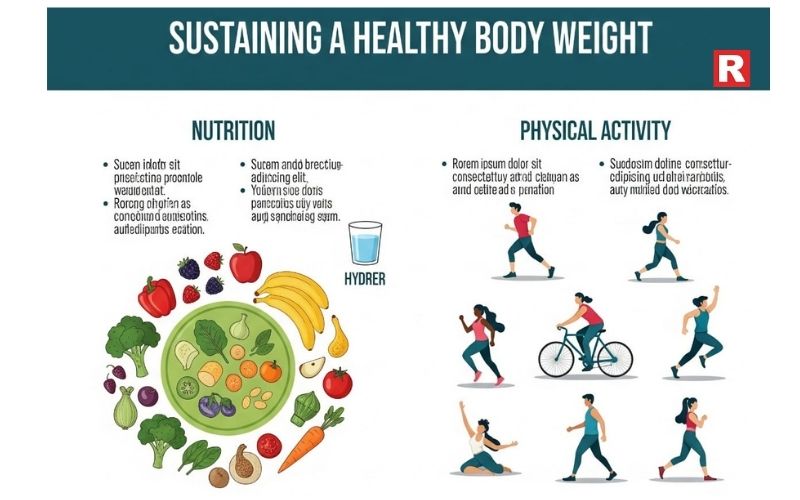
Having trouble losing weight? A diet high in plants could be your hidden weapon. Adopting a plant-based diet frequently makes it simpler for people to reach and stay at a healthy weight without feeling deprived.
How it works: Foods derived from plants often include more fiber and water and fewer calories. Fiber increases the feeling of fullness, which lessens the desire to overeat by making you feel fuller for longer. You might feel full on fewer calories because of the sheer amount of plant-based foods available. Which means calorie-counting nightmares are over!
3. Improving Blood Sugar Control
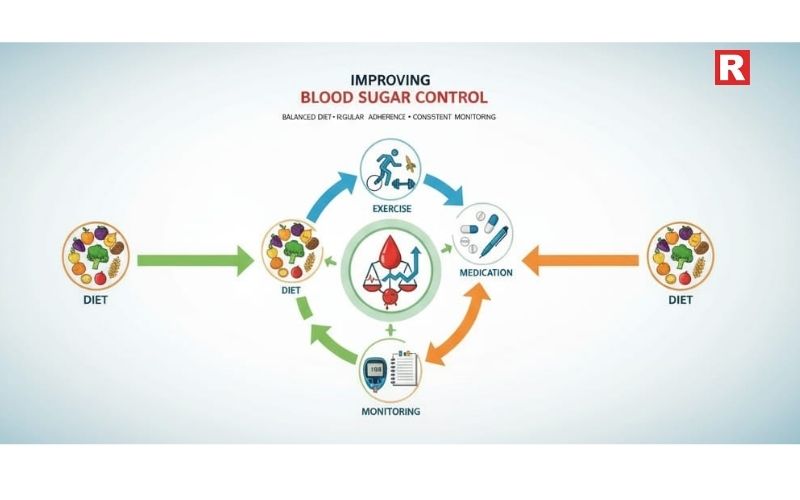
A plant-based diet provides a strong defense against type 2 diabetes, a condition that is becoming more and more of a global concern. According to research, plant-based diets can help control and even reverse type 2 diabetes in certain people in addition to preventing it altogether.
The science behind it: Plant meals' high fiber content reduces the rate at which sugar is absorbed, avoiding sudden increases in blood sugar levels. Additionally, these diets increase insulin sensitivity, which means that your body's cells are better suited to use insulin to absorb blood glucose.
Instead of a roller coaster of highs and lows, think of it as a slow, peaceful release of energy.
4. Reducing Your Risk of Certain Cancers
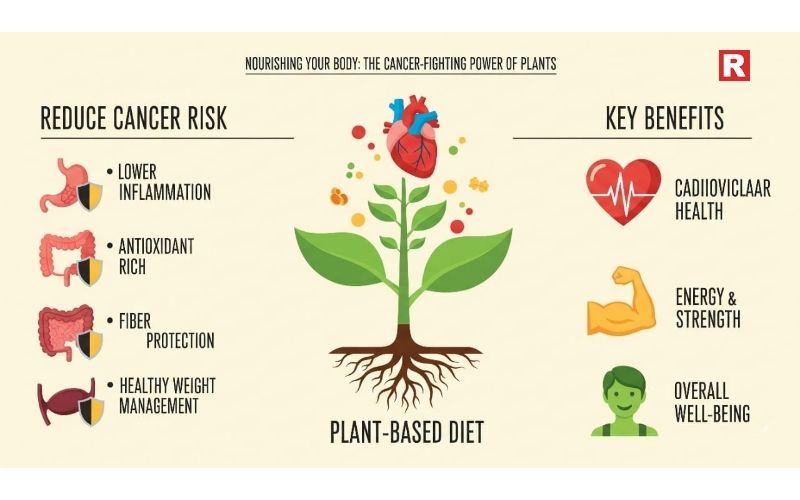
Although no diet can prevent cancer, a plant-based diet greatly increases your chances of success. High intake of fruits, vegetables, and whole grains has been associated in studies with a decreased risk of colorectal, breast, and prostate cancer, among other types of cancer.
The protective barrier: Phytochemicals, which are naturally occurring substances with anti-cancer qualities, are abundant in plant foods. These substances can lessen inflammation, combat harmful radicals, and potentially stop the spread of cancer cells. Additionally, fiber supports gut health and detoxification, both of which are essential for preventing cancer.
You can think of every vibrant fruit and vegetable as a little warrior defending your well-being.
What's new: Top 7 Tips for Efficient Energy Management in A Restaurant Kitchen
5. Nurturing a Healthy Microbiome
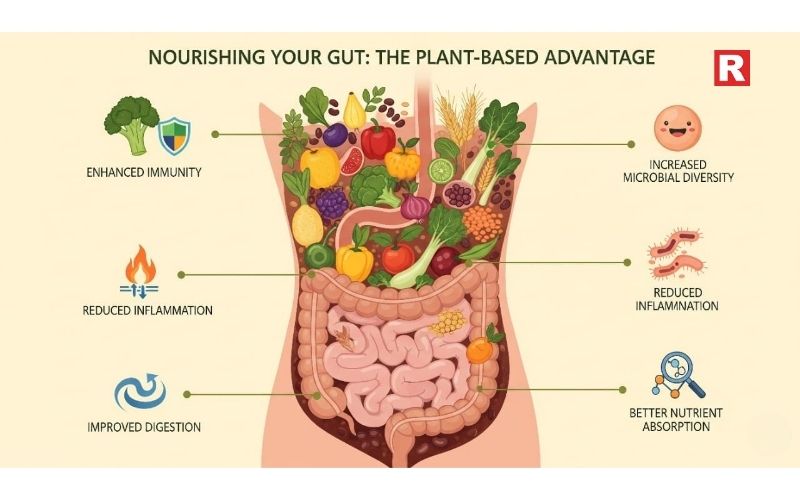
It's common to refer to your gut as your "second brain," and its health is closely related to your general well-being. A plant-based diet is a feast for your gut's trillions of helpful microorganisms.
Giving your friends food: Plant meals have a wide variety of fiber that feeds these beneficial bacteria by acting as prebiotics. Immune system performance, digestion, nutrition absorption, and even mood control all depend on a healthy gut microbiota. When your gut is content, you're also happy.
Imagine your stomach as a blooming garden where nutrients and the ideal soil are provided by a plant-based diet for the growth of beneficial microorganisms.
6. Improving Mental Abilities
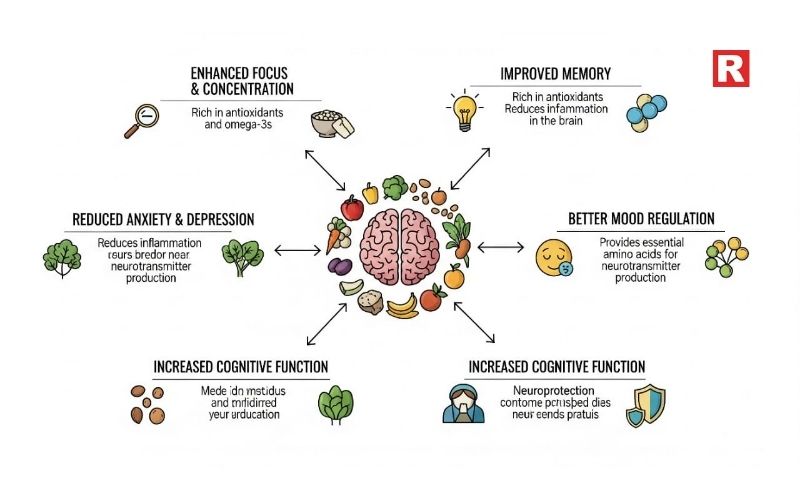
Do you want to maintain your mental sharpness? Perhaps the solution is a plant-based diet. Plant-rich diets are strongly associated with greater mental capacity, a lower risk of dementia, and overall brain health, according to emerging research.
Providing energy to your gray matter: Plant diets provide antioxidants and anti-inflammatory substances that shield brain cells from harm. Additionally, essential for brain health are omega-3 fatty acids, which can be found in walnuts, chia seeds, and flax seeds. Better blood flow to the brain, which supplies vital oxygen and nutrients, is another advantage of having a healthy heart.
7. Energy Booster: Maintaining Stamina All Day
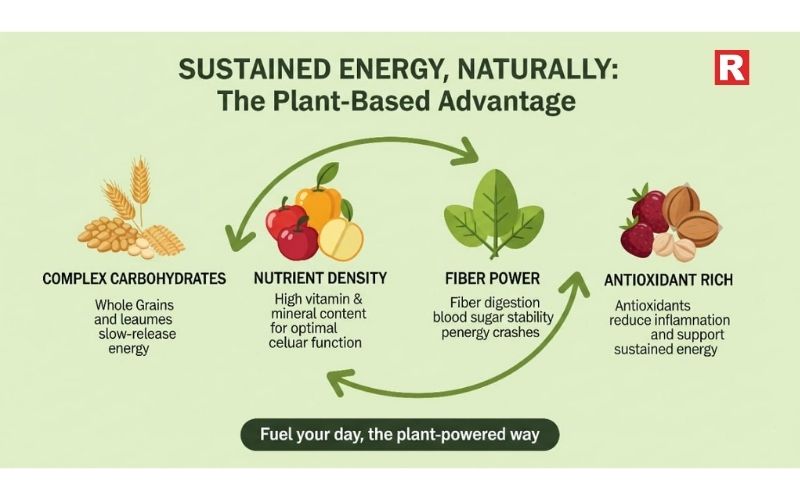
Are you sick of the midday fatigue? People who eat more plants tend to be more energetic and experience less tiredness.
The gradual release of glucose into your bloodstream is made possible by the complex carbohydrates present in whole grains, fruits, and vegetables. This provides you with long-lasting energy without the crashes that come with processed sweets. Additionally, your body may need less energy for digestion if you avoid heavy, difficult-to-digest animal products.
You can experience the difference by waking up feeling energized and renewed for the rest of the day by eating plant-based products for a while.
8. Calming Your Body's Internal Fires

Numerous modern illnesses, including arthritis, heart disease, and some types of cancer, are silently caused by chronic inflammation. Eating a plant-based diet naturally reduces inflammation.
Putting out the fire: Antioxidants and phytonutrients found in fruits, vegetables, nuts, and seeds actively fight inflammation in the body. A plant-based diet helps shield your cells and organs from long-term harm by lowering inflammatory indicators.
Think of your body as a complex machine. Plant foods are the oil that keeps everything moving smoothly, and inflammation is like sand in the gears.
Check out: How Health Regulations are Reshaping India's Dining Scene
10 Steamed Indian Dishes Beyond Idli & Dhokla
9. Achieving Radiant, Healthy Skin
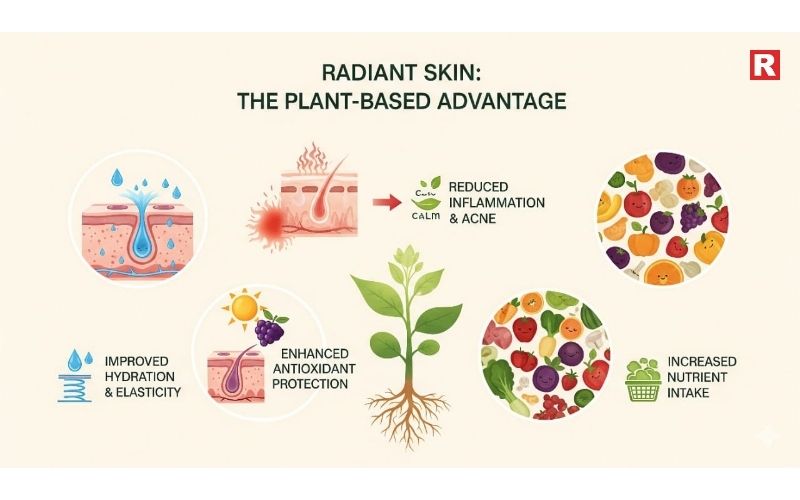
Your skin's health and appearance are greatly influenced by your diet. Clearer, more glowing skin is frequently the result of eating a plant-based diet.
Inner beauty: Your skin cells are nourished from the inside out by the plethora of vitamins, minerals, antioxidants, and water found in fruits and vegetables. Healthy fats, such as those found in nuts and avocados, help to hydrate and soften the skin, while antioxidants guard against environmental harm. Additionally, many people report a more even skin tone and fewer spots.
Give it a try: After consuming a week's worth of fresh fruit, compare your skin to that of a week's worth of processed meals. You may be taken aback!
10. Living a Longer, Healthier Life
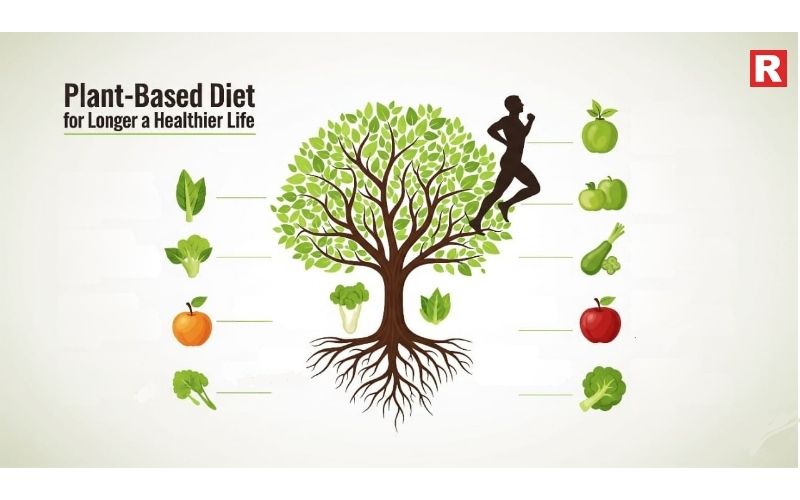
Plant-based diets are significantly linked to longer lifespans and better quality of life in later life, which is perhaps the most appealing advantage of them.
The mystery of the blue zones: A common factor throughout many of the world's "Blue Zones"—areas where people live remarkably long, healthy lives—is a diet high in plant-based foods. A plant-based diet not only extends your life but also improves it by lowering your risk of developing chronic illnesses and promoting general cellular health.
Imagine living your golden years free from chronic sickness and full of vitality and energy. Sounds good, right? This can be achieved by properly incorporating a plant-based diet in your life.
Making the Switch: Is a Plant-Based Diet Right for You?
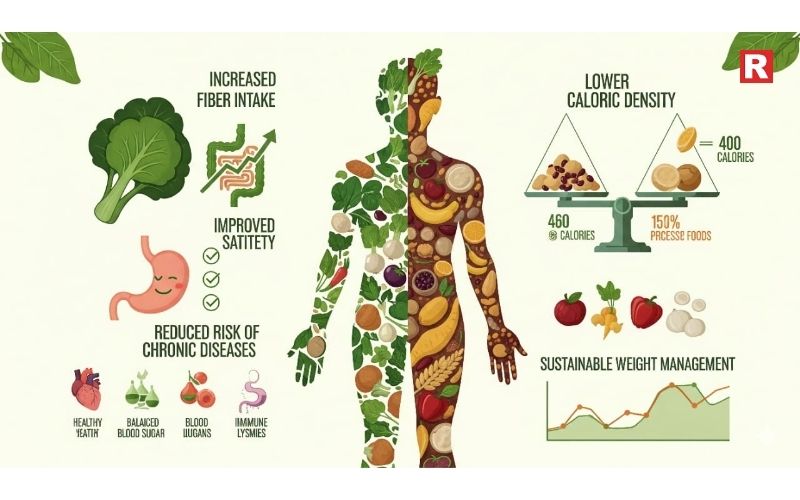
A plant-based diet doesn't have to be "all or nothing" for you to succeed. Many people begin by cutting out animal products and gradually increasing their intake of plant-based meals. Significant health benefits can result from even a minor change in lifestyle.
Tips for getting started:
- Start slowly: Devote one day every week to a plant-based diet, or add one plant-based meal per day.
- Put variety first: To make sure you get a variety of nutrients, try a variety of fruits, vegetables, grains, and legumes.
- Learn: Understand how to balance your meals, about plant-based protein sources, and about important vitamins (such as B12, which frequently requires supplements on a strict vegan diet).
- Get creative in the kitchen: You can do this by learning new spices and recipes that add flavor and excitement to plant-based eating.
- Pay attention to your body: Observe the feelings you get from various foods.
- Speak with an expert: Consult a qualified dietician if you have certain dietary requirements or health issues.
Read this: 5 Ways AI is Changing the Indian Restaurant Industry
Why Plant-Based is More Than Just a Diet
Adopting a plant-based diet has major advantages for the environment and animal welfare in addition to the amazing health benefits for humans. It's a comprehensive decision that fits with a more responsible and caring lifestyle.
By putting more plants on your plate, you're contributing to a rising movement for a better planet and a more compassionate future, in addition to improving your personal health.
Disclaimer: This article is intended for general informational purposes only and should not be considered a substitute for professional medical advice, diagnosis, or treatment. Readers are advised to consult a qualified healthcare professional before making any dietary, health, or lifestyle changes.
Mahak Sharma
Content Writer
Mahak Sharma is a passionate content writer with 2 years of experience crafting compelling content across various niches, tailoring her writing to suit different audiences and platforms. She is dedicated to producing engaging content for readers so that they can understand and enjoy the articles. Her strengths lie in crafting SEO-friendly, well-structured articles that drive visibility and engagement.



































































































































































