
10 Steamed Indian Dishes Beyond Idli & Dhokla
Each dish, from Gujarat to Kerala, has a unique taste and texture. Steaming highlights the natural flavor of ingredients. It also keeps nutrients intact.

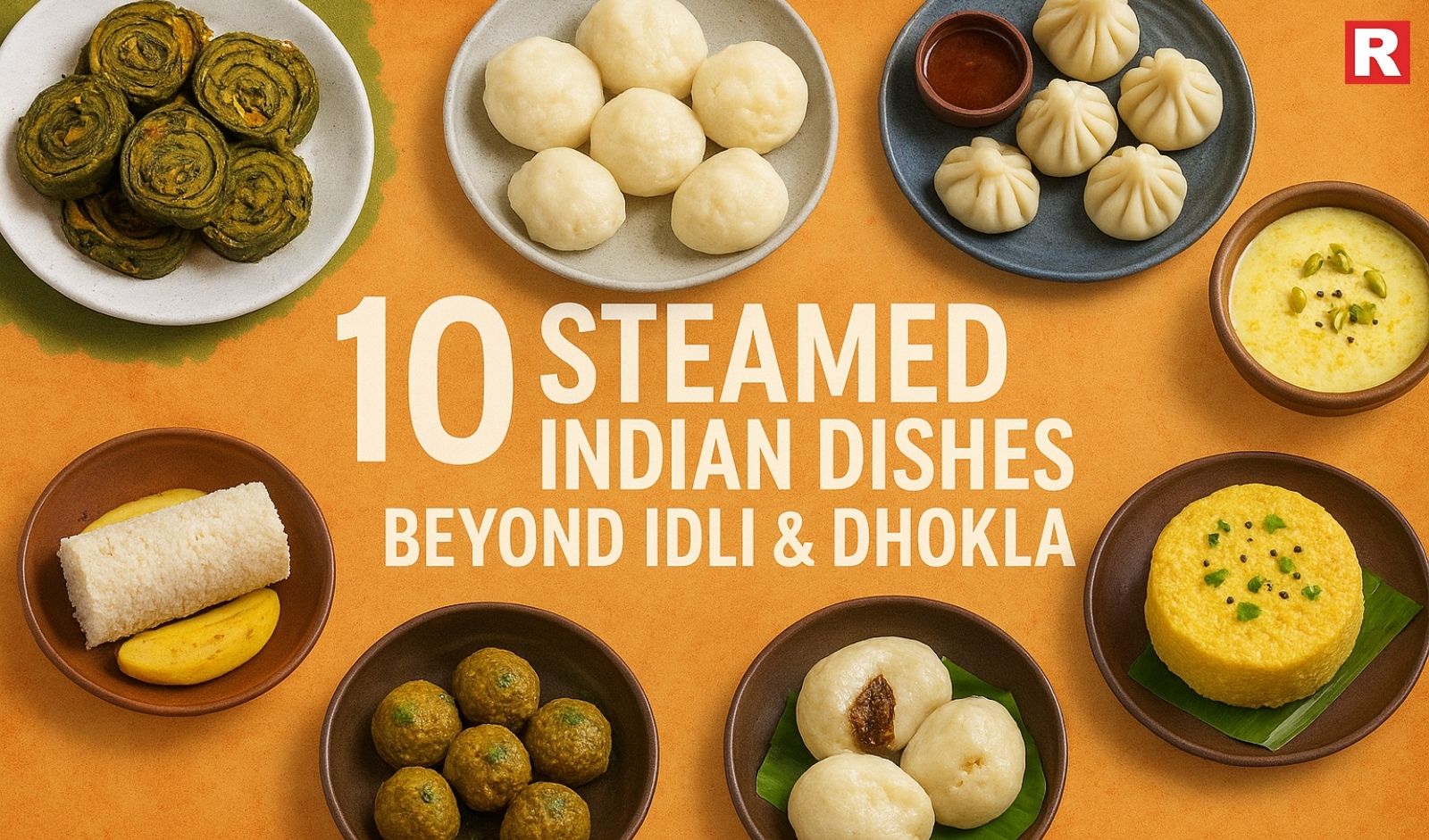
Steaming is one of the healthiest ways to cook. It uses heat and water to cook food gently. This method keeps the natural flavors intact. It also preserves nutrients better than frying or roasting. In India, steaming is often associated with idli and dhokla. However, it is used in many other dishes across the country. Indian cuisine has a long tradition of steaming. Each region has its own unique dishes made this way. These dishes are light, soft, and full of flavor. They are easy to digest and often low in oil. Steamed foods are served for breakfast, as snacks, or during festivals. Steamed dishes are not only healthy but also rich in culture. They show how simple ingredients can be turned into something special. Many of these recipes have been passed down through generations. They reflect local ingredients, flavors, and traditions.
For those who think steaming is plain, these dishes offer a surprise. They are vibrant, tasty, and satisfying. From sweet treats to savory snacks, Indian steamed foods are diverse and full of character. Here are ten steamed dishes from India beyond the usual idli and dhokla.
Read more: Top Rajasthani Dishes to Try This Festive Season
Pani Puri Has Different Names in Different Indian States—Know Them All
1. Patra (Alu Vadi) – Gujarat
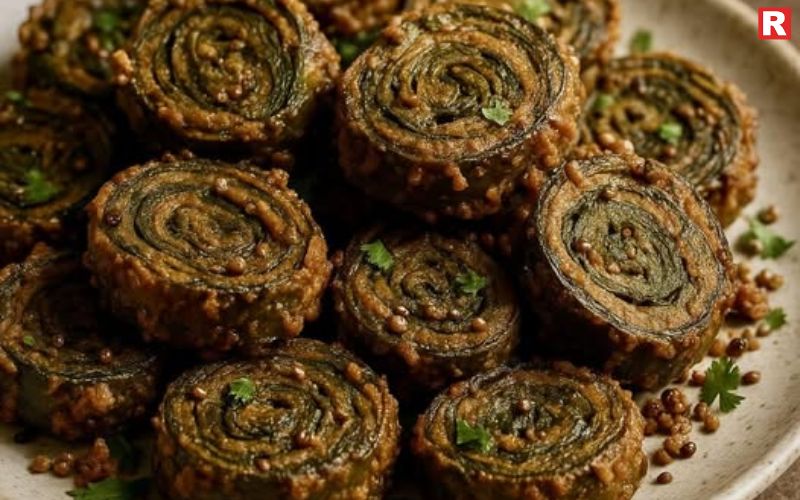
Patra, also called Alu Vadi in Maharashtra, is a dish made from colocasia leaves. The leaves are smeared with a spicy gram flour paste. Then they are rolled up, steamed, and sliced. Sometimes, slices are lightly pan-fried for extra crunch.
Patra is soft, flavorful, and slightly tangy. It is a popular snack in Gujarat and Maharashtra. It is often served with green chutney or sweet tamarind sauce. Patra is also healthy, packed with fiber and antioxidants from the leaves.
2. Pitha – Assam, Odisha, West Bengal
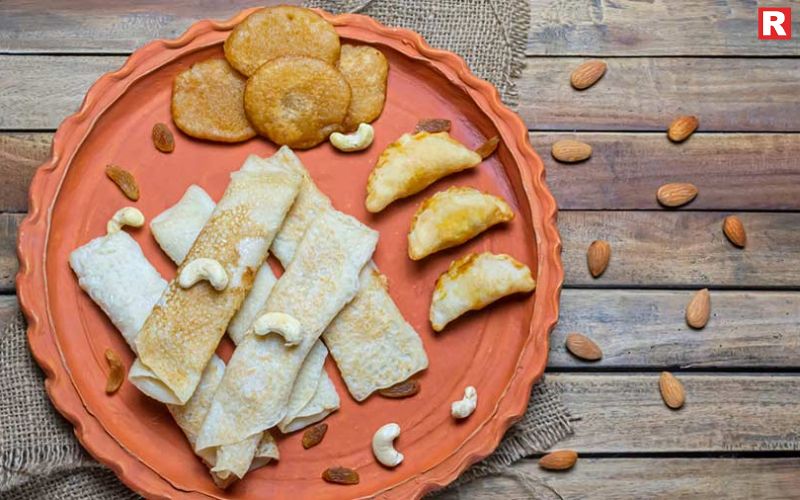
Pitha is a steamed rice dumpling that comes in many varieties across eastern India. Some pithas are sweet, filled with coconut and jaggery, while others are savory with lentils or vegetables.
In Assam and Odisha, pithas are a must during festivals like Makar Sankranti. In West Bengal, the bhapa pitha is popular, where rice flour dough is steamed with a filling of jaggery and coconut. Soft and aromatic, pithas pair perfectly with tea or milk.
3. Modak – Maharashtra
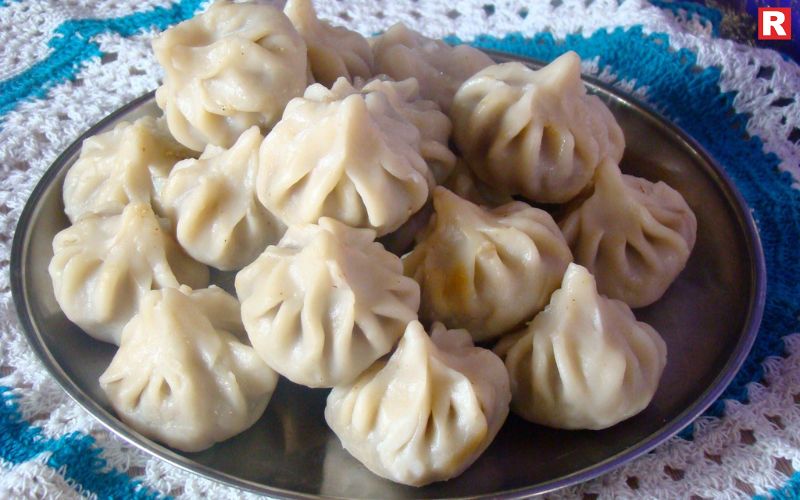
Modak is famous in Maharashtra as an offering to Lord Ganesha. It is a small dumpling made with rice flour and stuffed with jaggery and coconut. The dumplings are steamed until soft and slightly sticky.
Modaks have a unique texture – soft on the outside, sweet on the inside. They are made especially during Ganesh Chaturthi. Apart from festivals, modaks are also enjoyed as a healthy sweet snack at home.
Know more: 10 Different Types of South Indian Rice Dishes
4. Kharvas – Maharashtra
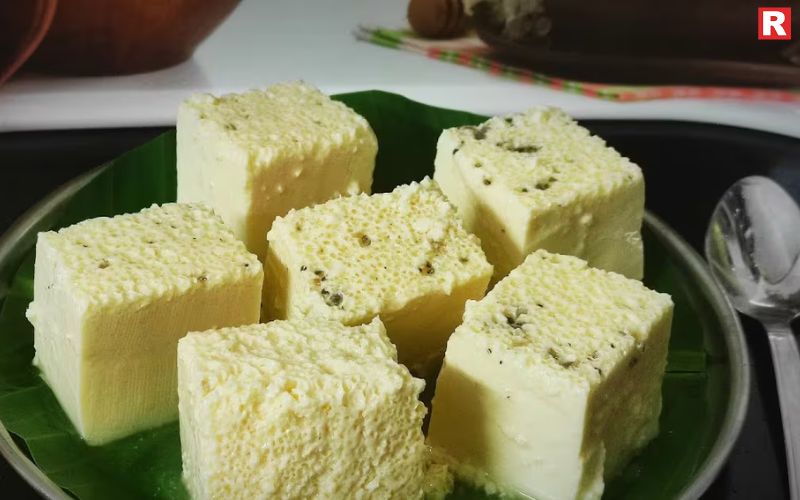
Kharvas is a traditional Maharashtrian dessert. It is made with fresh calf’s milk, flavored with cardamom, saffron, or nutmeg. The mixture is poured into small cups and steamed to set into a smooth pudding.
Kharvas is rich, creamy, and naturally sweet. It is often served chilled and eaten as a dessert after meals. Despite being indulgent, it is lighter than regular milk-based sweets because it is steamed, not boiled with sugar.
5. Undhiyu Muthiya – Gujarat
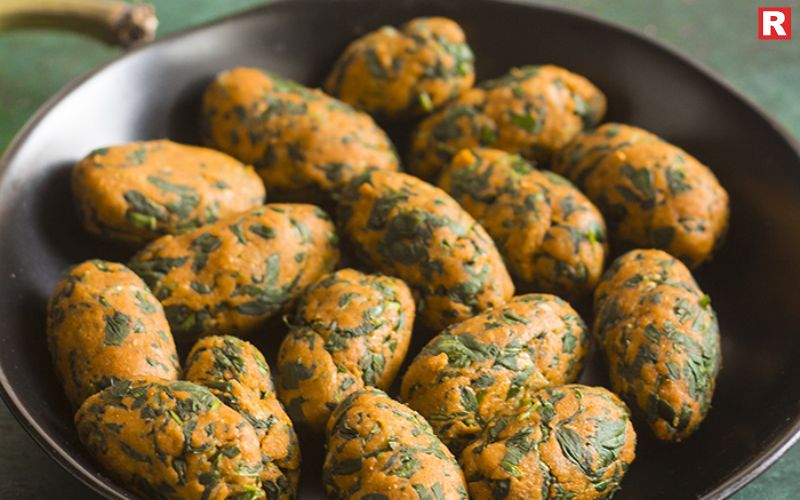
Undhiyu is a popular Gujarati winter dish. A key part of it is muthiya, which are steamed dumplings made from gram flour, fenugreek leaves, and spices. The name “muthiya” comes from the way the dough is shaped by hand, like a fist.
These dumplings are steamed first and then added to a mix of seasonal vegetables in Undhiyu. They give the dish a soft, hearty bite and soak up the flavors of the spices. Muthiya can also be eaten on their own as a snack, paired with chutney. They are rich in fiber, filling, and easy to digest. This steamed treat shows how Gujarati cooking turns simple ingredients into something wholesome and delicious.
6. Hando – Gujarat
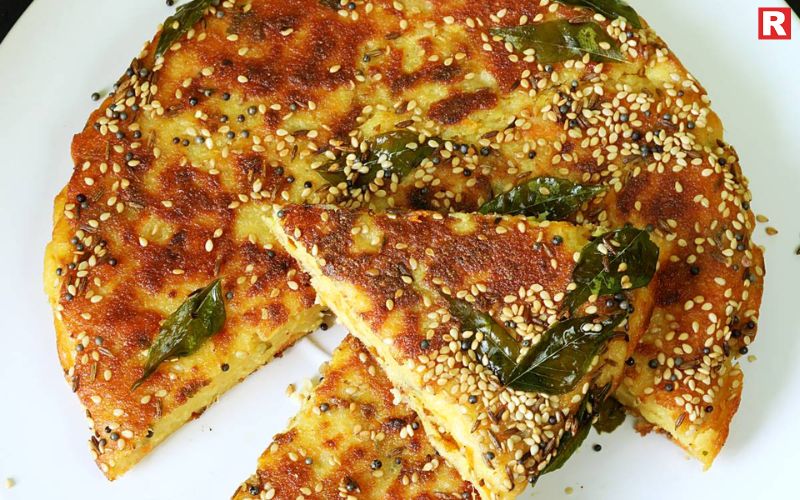
Hando is a traditional Gujarati steamed dish often prepared during festivals and family gatherings. It is made from gram flour mixed with yogurt, spices, and sometimes fresh greens. The batter is poured into a steamer and cooked until firm and fluffy. Once steamed, Hando is cut into square or diamond pieces and tempered with mustard seeds, curry leaves, and sesame seeds. The result is soft, spongy pieces with a light tangy taste. It is usually enjoyed with green chutney or a drizzle of oil.
Hando is rich in protein, light on the stomach, and naturally low in oil. Many families prepare it as a snack or breakfast dish. Its soft texture and balanced flavors make it a favorite across Gujarat.
7. Sidu – Himachal Pradesh
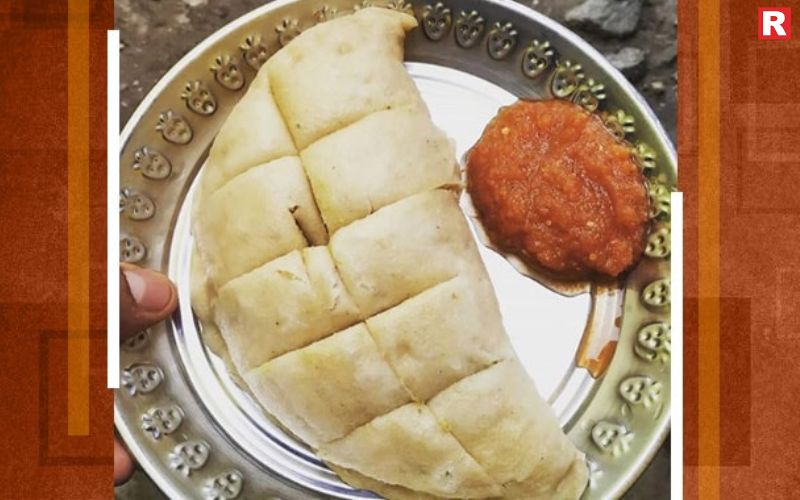
Sidu is a traditional bread from Himachal Pradesh, cooked by steaming instead of baking. It is made with wheat flour dough that is allowed to ferment, giving it a light and airy texture. The dough is then stuffed with fillings like walnut paste, poppy seeds, or sometimes spiced lentils before being steamed. Sidu has a soft inside and a slightly firm outer layer. It is usually served with ghee, dal, or green chutney. Locals enjoy it during winters as it is hearty and keeps the body warm.
This dish is rich in flavor and nutrition. The fermentation makes it easy to digest, while the fillings add protein and healthy fats. Sidu reflects the simple yet wholesome cooking traditions of the Himalayan region.
Also check: These 7 Foods Can Help You Cool Your Stomach in Summer
8. Steamed Momo – Himalayan Regions
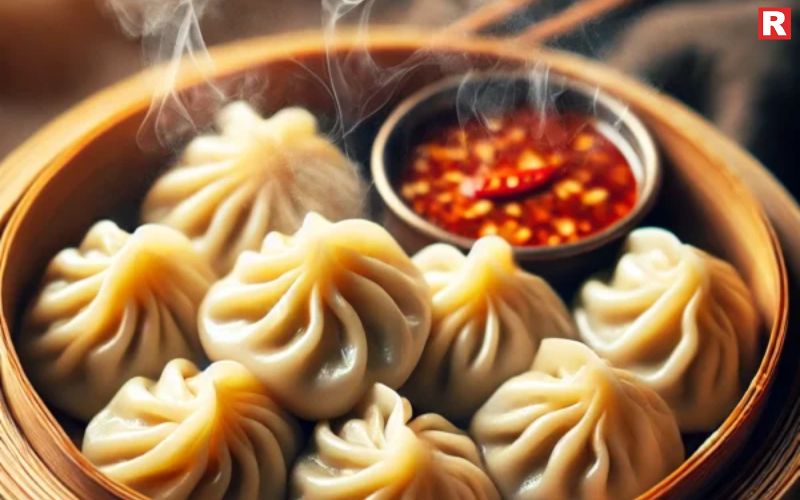
Momos are popular in Himalayan states like Sikkim, Himachal Pradesh, and Arunachal Pradesh. These dumplings are made with wheat or rice flour and stuffed with vegetables, paneer, or meat.
Steaming keeps momos soft and juicy. They are often served with spicy chili sauce or sesame chutney. Momos are a favorite street food but can also be prepared at home as a light, satisfying meal.
9. Puttu – Kerala
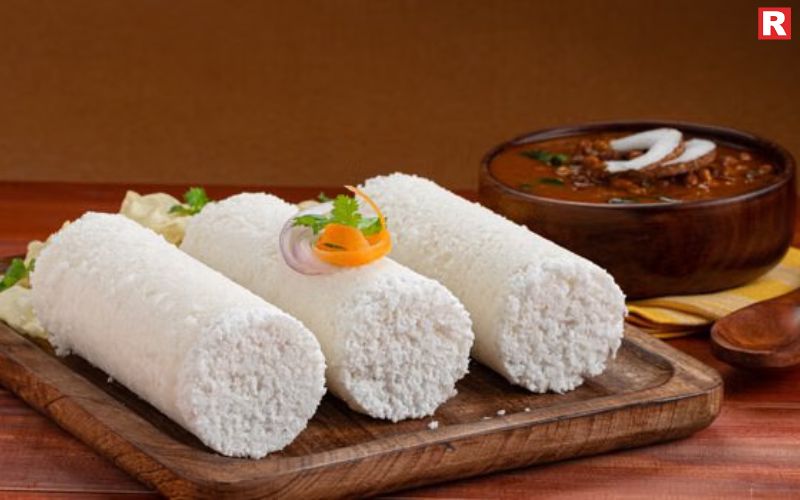
Puttu is a traditional Kerala breakfast made from rice flour layered with grated coconut. It is steamed in a cylindrical mold until soft. Puttu is usually served with ripe banana, jaggery, chickpea curry, or a drizzle of ghee.
Puttu is light, filling, and easy to digest. It can also be made with wheat flour or ragi for healthier versions. Kerala families often enjoy puttu as a hearty breakfast, especially on weekends.
10. Patra Ni Machi – Parsi Cuisine
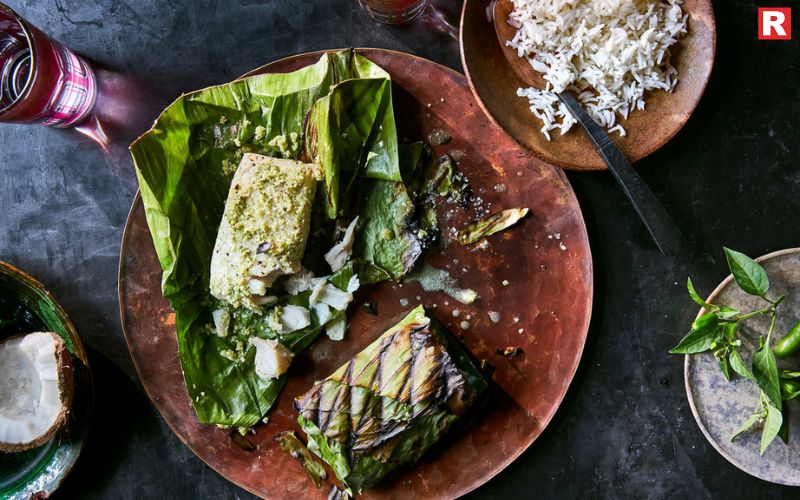
Patra Ni Machi is a famous steamed fish dish from Parsi cuisine. Fresh fish fillets are marinated with a tangy and spicy green chutney made of coconut, coriander, and mint. The fish is then wrapped in banana leaves and steamed until tender. The banana leaves lock in the moisture and aroma, making the fish juicy and full of flavor. This dish is often prepared during weddings, festivals, and family celebrations in Parsi households.
Patra Ni Machi is healthy because it uses minimal oil and relies on steaming to cook the fish. The combination of fresh herbs and soft fish gives it a refreshing and light taste. It is usually served with rice or enjoyed on its own as a delicacy.
Why You Should Try These Dishes
Steaming is a healthy cooking method that requires little or no oil. These dishes are low in calories but high in flavor. They preserve the nutrients of vegetables, grains, and dairy. They are also light on the stomach and suitable for all age groups.
Trying these dishes also gives you a glimpse of India’s diverse culinary culture. Each dish tells a story of tradition, festivals, and regional flavors. Beyond the well-known idli and dhokla, these steamed delights bring something new to your table.
Check more: The Top 7 Sweet Dishes You Can’t Miss This Durga Puja
12 Delicious High-Protein Foods to Eat Daily for a Healthier You
Must-Try Sweet Dishes on Dandiya Night
Tips for Cooking Steamed Indian Dishes at Home
- Use fresh ingredients for the best taste.
- Line the steamer with banana leaves or parchment paper to avoid sticking.
- Steam at medium heat to cook evenly.
- Serve with chutneys, curries, or ghee to enhance flavors.
- Experiment with millets, rice, or lentils for healthy variations.
A Healthy Treat!
Each dish, from Gujarat to Kerala, has a unique taste and texture. Steaming highlights the natural flavor of ingredients. It also keeps nutrients intact. These dishes are light, easy to digest, and healthy. Many are passed down through generations. They are served at festivals, family gatherings, and daily meals. Steamed foods can be sweet or savory. They often use local grains, vegetables, or dairy. Steaming is quick and simple. It is a gentle way to cook without losing taste. For anyone who enjoys healthy food and exploring regional recipes, these dishes are ideal. The next time a light, wholesome meal is needed, one of these ten steamed Indian dishes will offer flavor, nutrition, and a touch of tradition.
Saptopriya Ghosal
Feature Writer
I am a dedicated media professional with a bachelor's degree in mass communication from the State University of Calcutta and a postgraduate degree from Amity University. My academic journey has equipped me with a profound understanding of storytelling and communication. Passionate about the dynamic world of media, I continually strive to explore new ways to engage and inform through compelling narratives.



































































































































































