10 Non-Alcoholic Ingredients That Can Give Restaurant Drinks More Complexity
A thoughtfully developed beverage does not need a long ingredient list. It needs the right combination of flavours, textures and aromas to give customers a reason to order it again.

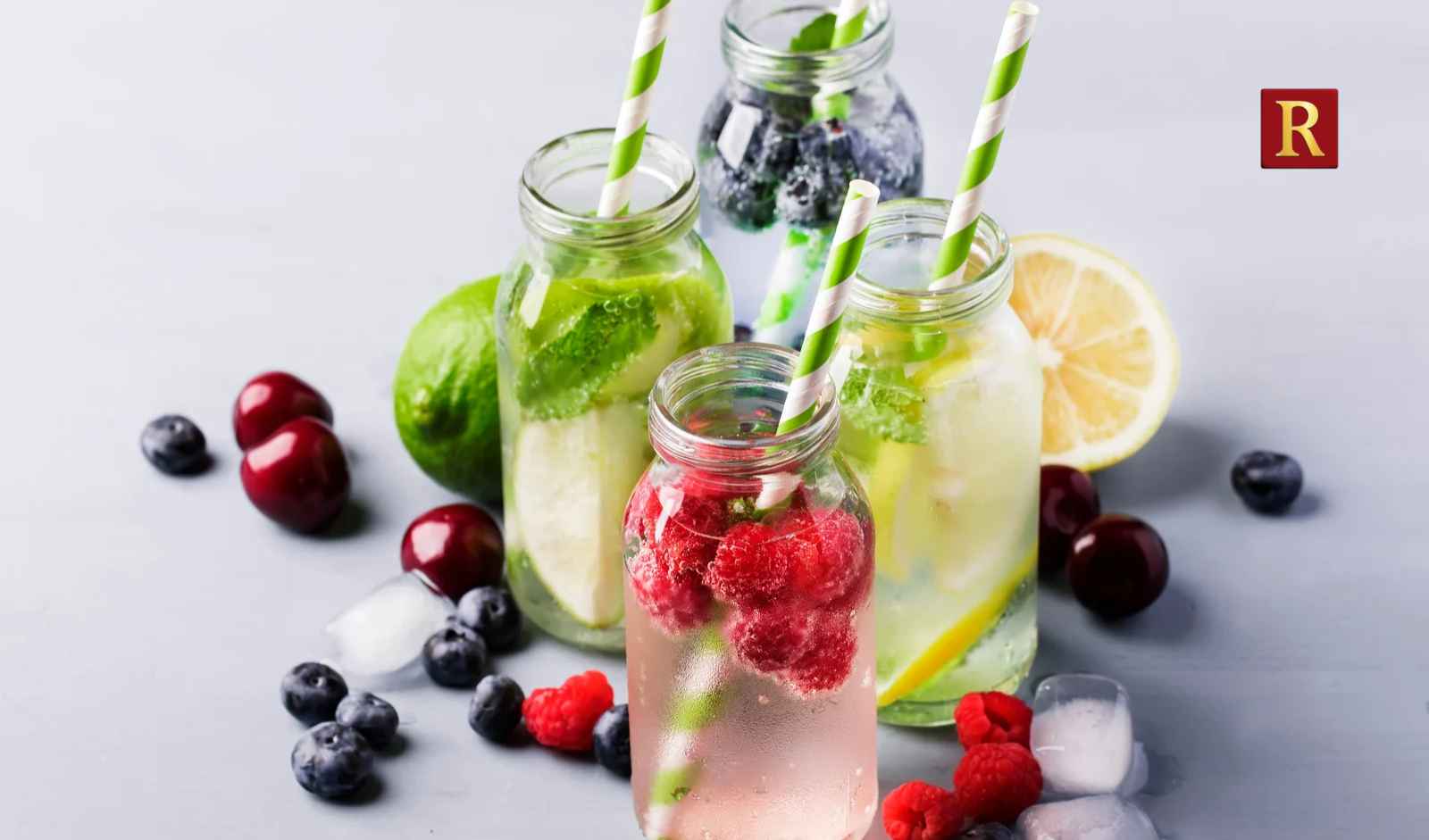
Restaurant beverage menus are moving beyond conventional mocktails made with fruit juices, lemonade and flavoured syrups. Customers are becoming more interested in drinks that offer distinctive flavours, interesting aromas and a more sophisticated drinking experience without alcohol. For restaurants, this shift creates an opportunity to rethink beverage development. Ingredients traditionally associated with professional kitchens, fermentation and food preservation can introduce bitterness, acidity, umami, tannins and texture into non-alcoholic drinks.
The idea is not simply to add more ingredients. It is to understand how different flavour components work together. From fermented tea and seaweed to unripe grape juice and cacao husks, several lesser-used ingredients can help restaurants create signature beverages with greater depth. Here are 10 non-alcoholic ingredients that can make restaurant drinks more interesting.
1. Verjus for a Softer, More Balanced Acidity
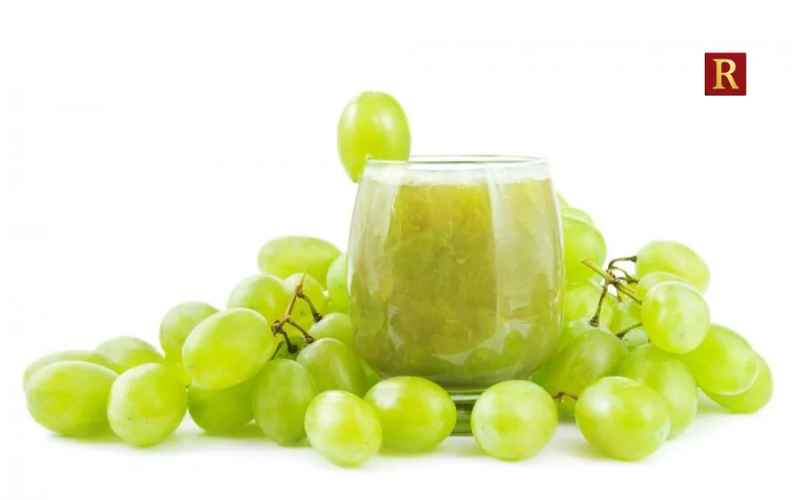
Verjus is an acidic juice extracted from unripe grapes before they fully mature. Unlike lemon and lime juice, it offers a milder acidity with subtle fruity notes. Its balanced flavour makes it useful for beverages where sharp citrus could overpower delicate ingredients.
How restaurants can use it:
- Combine verjus with green apple and rosemary for a refreshing drink.
- Use it in place of part of the citrus juice in sparkling beverages.
- Pair it with white peach, cucumber and floral ingredients.
- Add it to botanical drinks to balance sweetness.
What makes it interesting: Verjus provides acidity without making every beverage taste like lemonade. It can help restaurants develop drinks with a more rounded flavour profile.
2. Tea Tannins for Structure and a Longer Finish
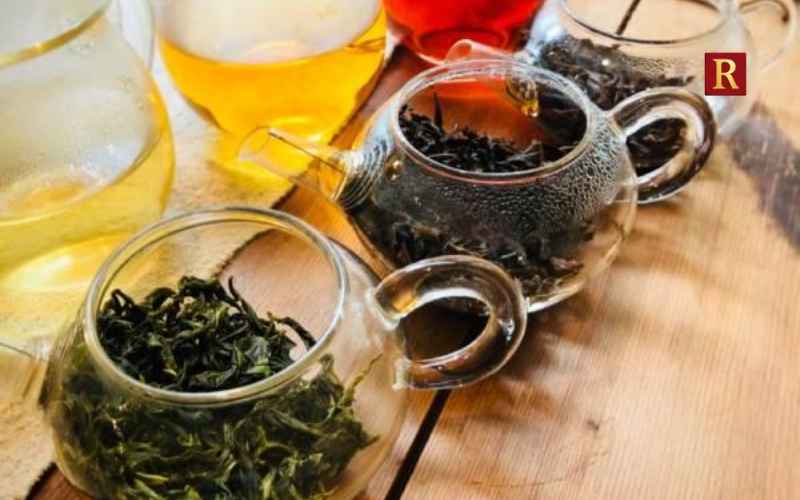
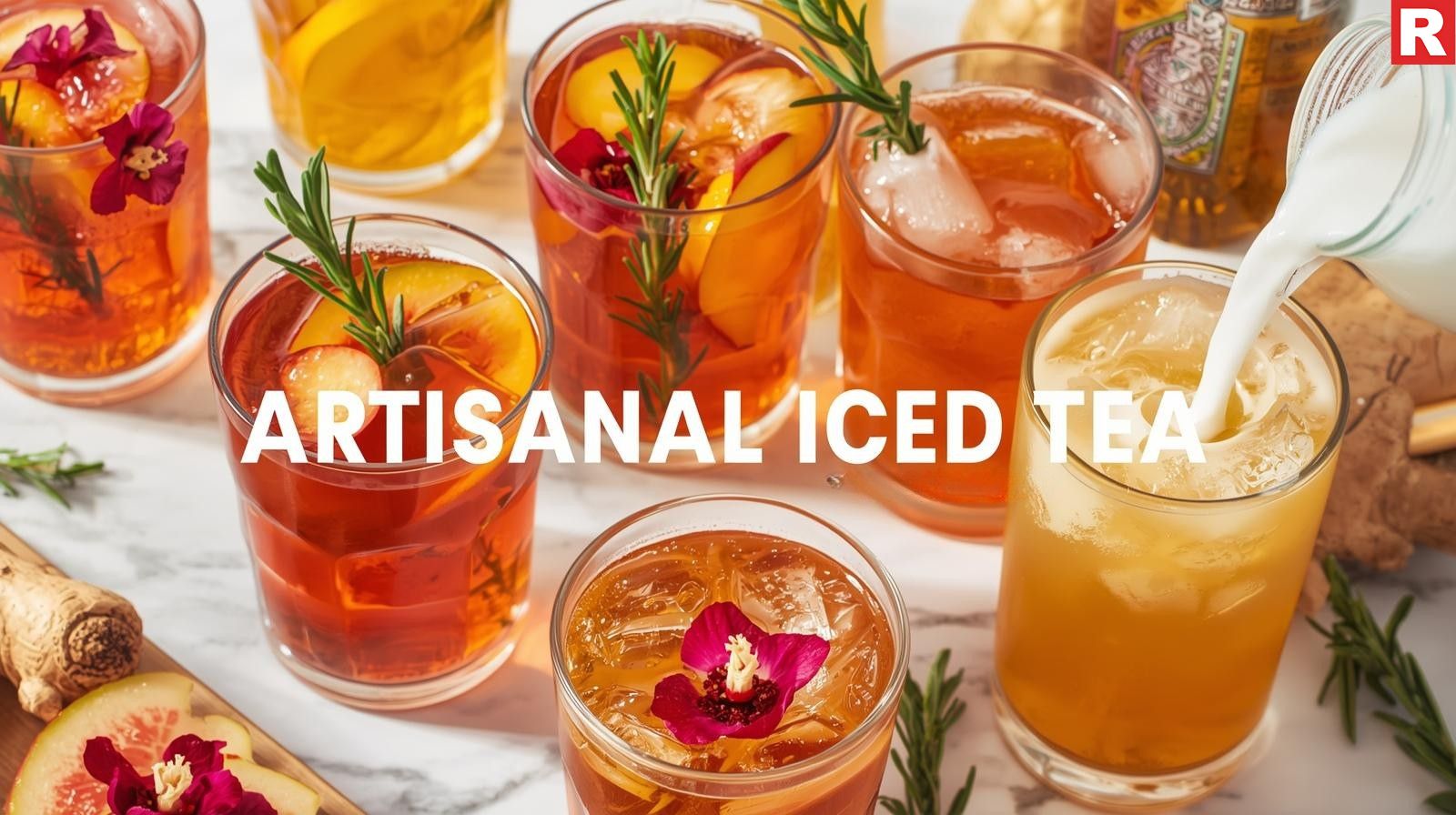
Tea is more than a flavouring ingredient. Black tea, green tea, oolong and Darjeeling contain polyphenols, including tannins, that contribute bitterness and astringency. These properties can give non-alcoholic beverages a drying sensation and a longer finish, making them more layered.
How restaurants can use it:
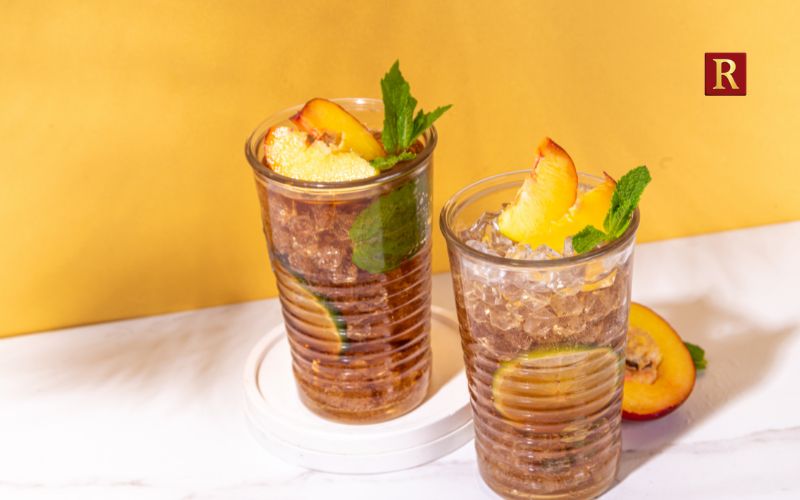
- Use cold-brewed Darjeeling as a base for peach beverages.
- Combine oolong tea with pear and rosemary.
- Pair black tea with citrus peel and warming spices.
- Use green tea in cucumber-based sparkling drinks.
What makes it interesting: Tea can provide some of the structure that people often associate with alcoholic beverages. However, steeping time and temperature need attention because excessive extraction can make drinks unpleasantly bitter.
3. Kombucha for Fermented Acidity and Natural Carbonation
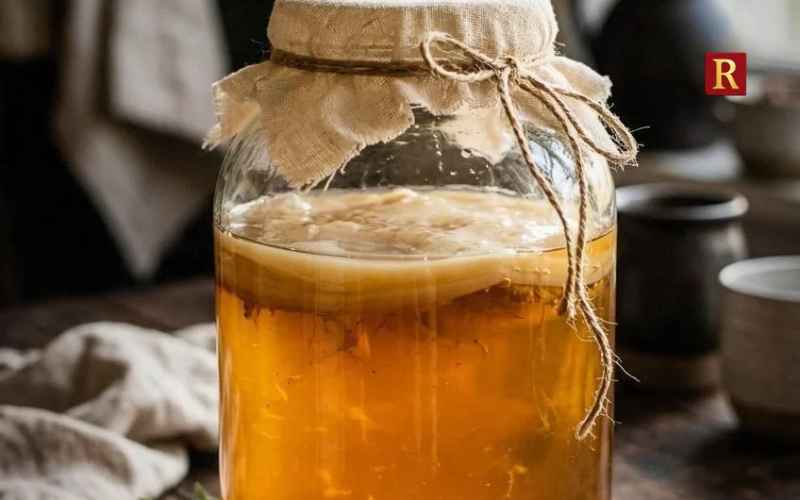
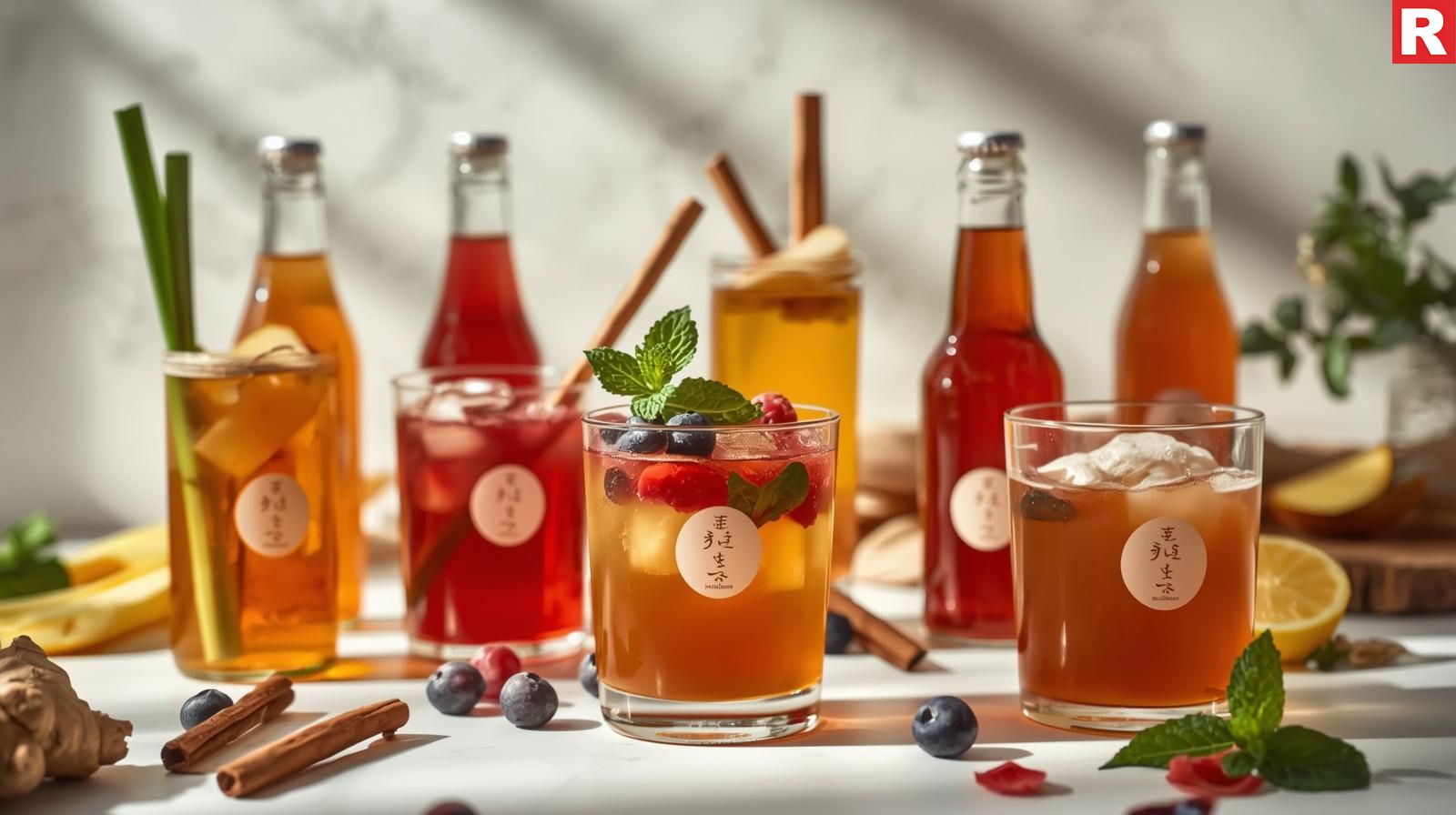
Kombucha is a fermented tea beverage made using a symbiotic culture of bacteria and yeast. During fermentation, microorganisms transform sugars and develop acids and aromatic compounds. Its combination of acidity, carbonation and fermented flavours makes it useful for restaurant beverage development.
How restaurants can use it:
- Combine hibiscus kombucha with jamun and black pepper.
- Use ginger kombucha as a base for citrus beverages.
- Pair green tea kombucha with cucumber and mint.
- Introduce fruit-based kombucha into seasonal beverage menus.
What makes it interesting: Kombucha can provide several flavour dimensions in one ingredient. Restaurants can also experiment with different tea bases and fermentation periods to develop distinctive profiles. However, kombucha can contain residual alcohol. Restaurants should monitor the finished product's alcohol content before marketing it as alcohol-free.
4. Kokum for Distinctive Indian Acidity
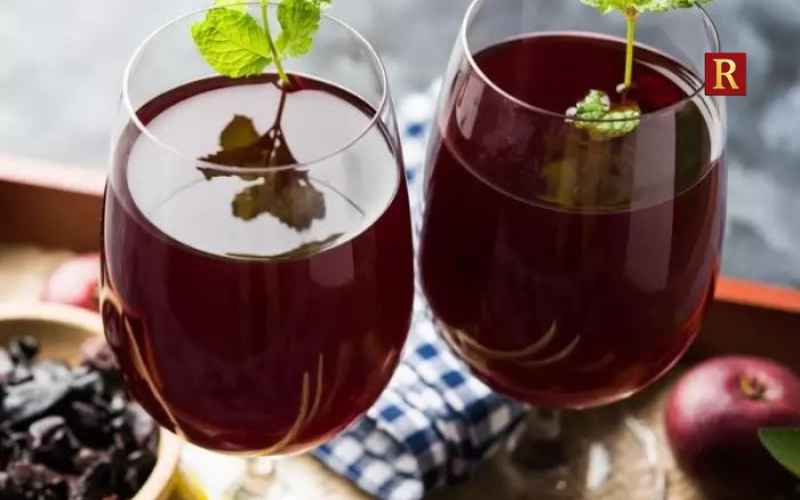
Kokum is a tropical fruit commonly used in western and coastal Indian cooking. Its dried rind is particularly valued for its sour flavour, dark colour and fruity characteristics. It offers restaurants an opportunity to create regionally inspired beverages without depending entirely on conventional citrus ingredients.
How restaurants can use it:
- Combine kokum syrup with coconut water and roasted cumin.
- Pair kokum with coriander and a hint of green chilli.
- Use kokum extract in sparkling water.
- Combine it with pineapple for a sweet-and-sour beverage.
What makes it interesting: Kokum can give non-alcoholic drinks a recognisable Indian identity. Its tartness and colour also create opportunities for distinctive seasonal beverage offerings.
5. Miso and Koji for an Unexpected Umami Experience
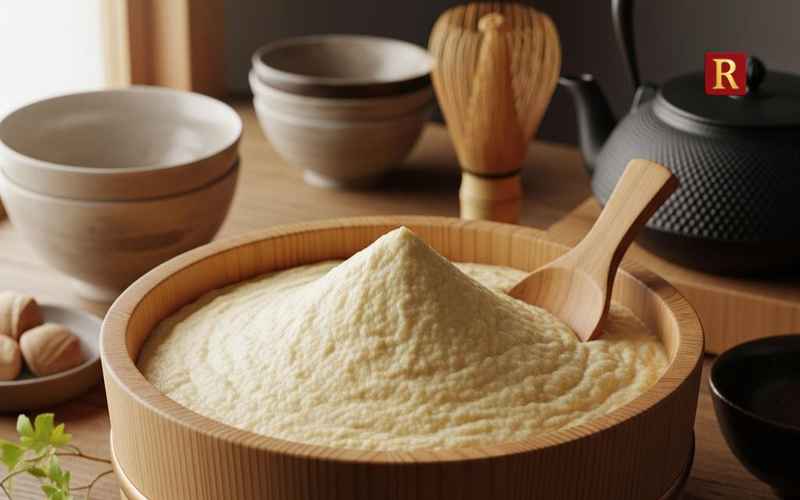
Miso is a fermented paste traditionally prepared using soybeans, salt and koji. It is known for its savoury flavour and natural glutamate content, which contributes to umami. Koji, a mould culture used in Japanese fermentation, helps break down proteins and carbohydrates through enzymatic activity. These processes contribute to complex flavours in fermented foods. Although commonly associated with savoury cooking, these ingredients can also inspire unusual beverage combinations.
How restaurants can use them:
- Combine a small amount of white miso with green apple and cucumber.
- Pair mild miso with pear and ginger.
- Experiment with koji-based syrups in savoury beverages.
- Use carefully prepared miso infusions in tomato-based drinks.
What makes it interesting: Miso introduces savouriness into a category traditionally dominated by sweetness and acidity. The key is using small quantities so that its saltiness does not overpower the drink.
6. Seaweed for Mineral Notes and Umami
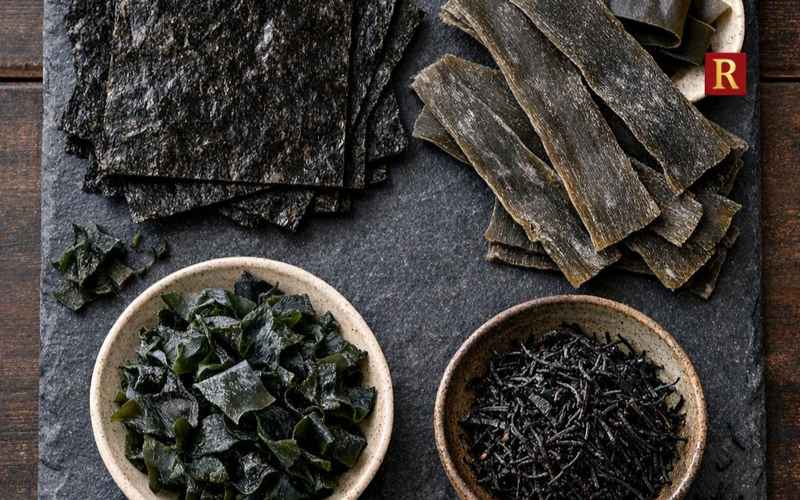
Seaweed is another unusual ingredient that can bring savoury complexity to non-alcoholic beverages. Kombu and nori are particularly interesting because they contain flavour compounds that contribute umami. Kombu is widely used in Japanese cooking to prepare dashi, a savoury stock. Its glutamate content makes it useful for introducing depth into otherwise simple preparations.
How restaurants can use it:
- Infuse kombu into cucumber water.
- Combine a light seaweed infusion with green apple and lime.
- Experiment with nori alongside tomato-based beverages.
- Use small quantities of kombu in savoury sparkling drinks.
What makes it interesting: Seaweed introduces a mineral and savoury dimension that fruit-based ingredients cannot easily replicate. Restaurants should use food-grade seaweed and control infusion strength to avoid excessive marine flavours.
7. Fruit Vinegars and Shrubs for Layered Sweetness and Acidity

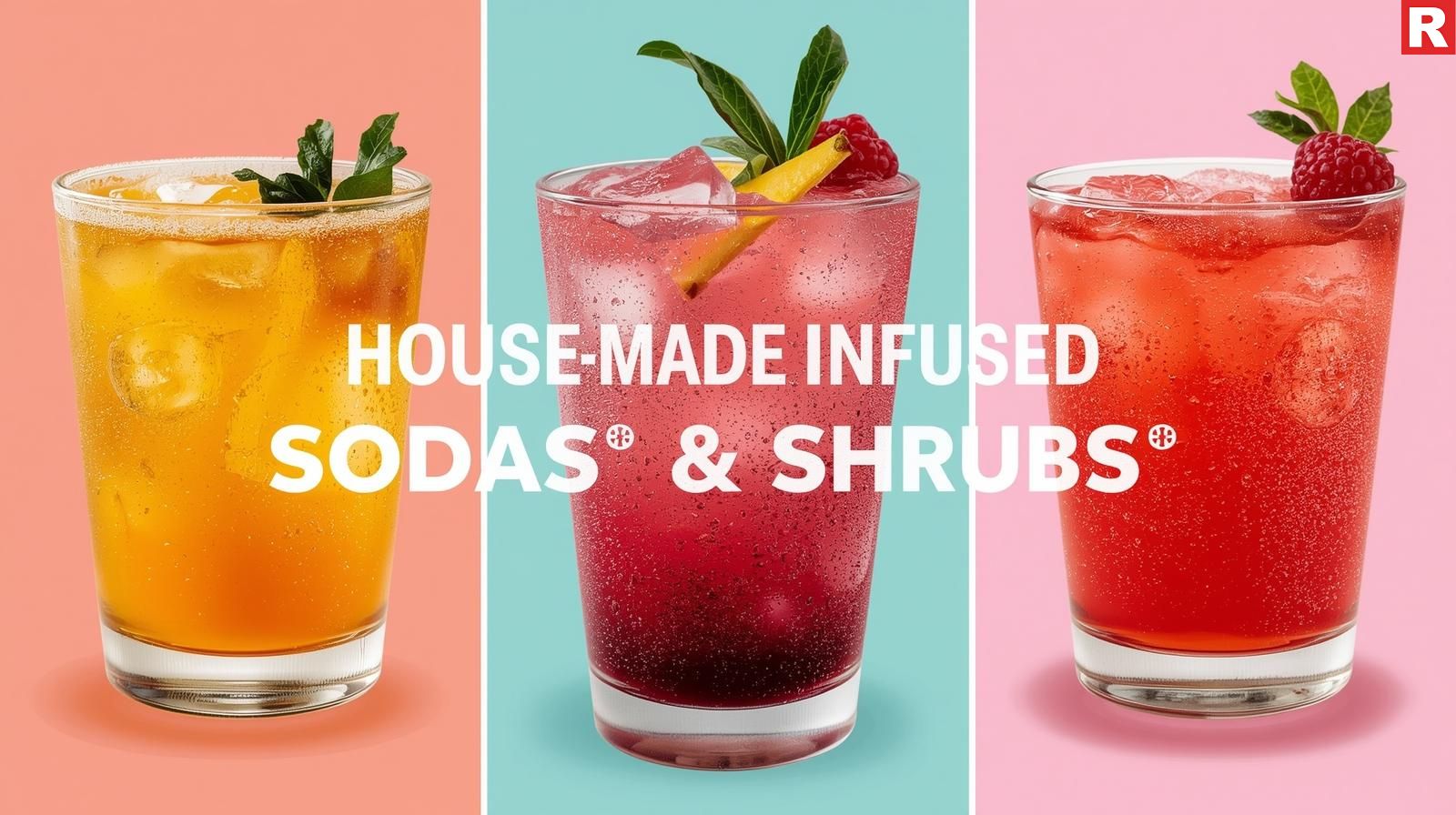
Shrubs are concentrated sweet-and-sour preparations traditionally made using fruit, sugar and vinegar. They provide a combination of fruit flavour and acidity, making them useful in non-alcoholic beverage development. Restaurants can experiment with seasonal fruits to create their own shrub preparations.
How restaurants can use them:
- Combine strawberry shrub with basil and sparkling water.
- Pair pineapple vinegar with ginger and mint.
- Use apple shrub with cinnamon and rosemary.
- Experiment with jamun and berry-based preparations.
What makes it interesting: Shrubs offer a way to develop signature beverages using seasonal produce. They can also help restaurants explore the use of suitable fruit trimmings and peels, provided food safety and storage requirements are followed.
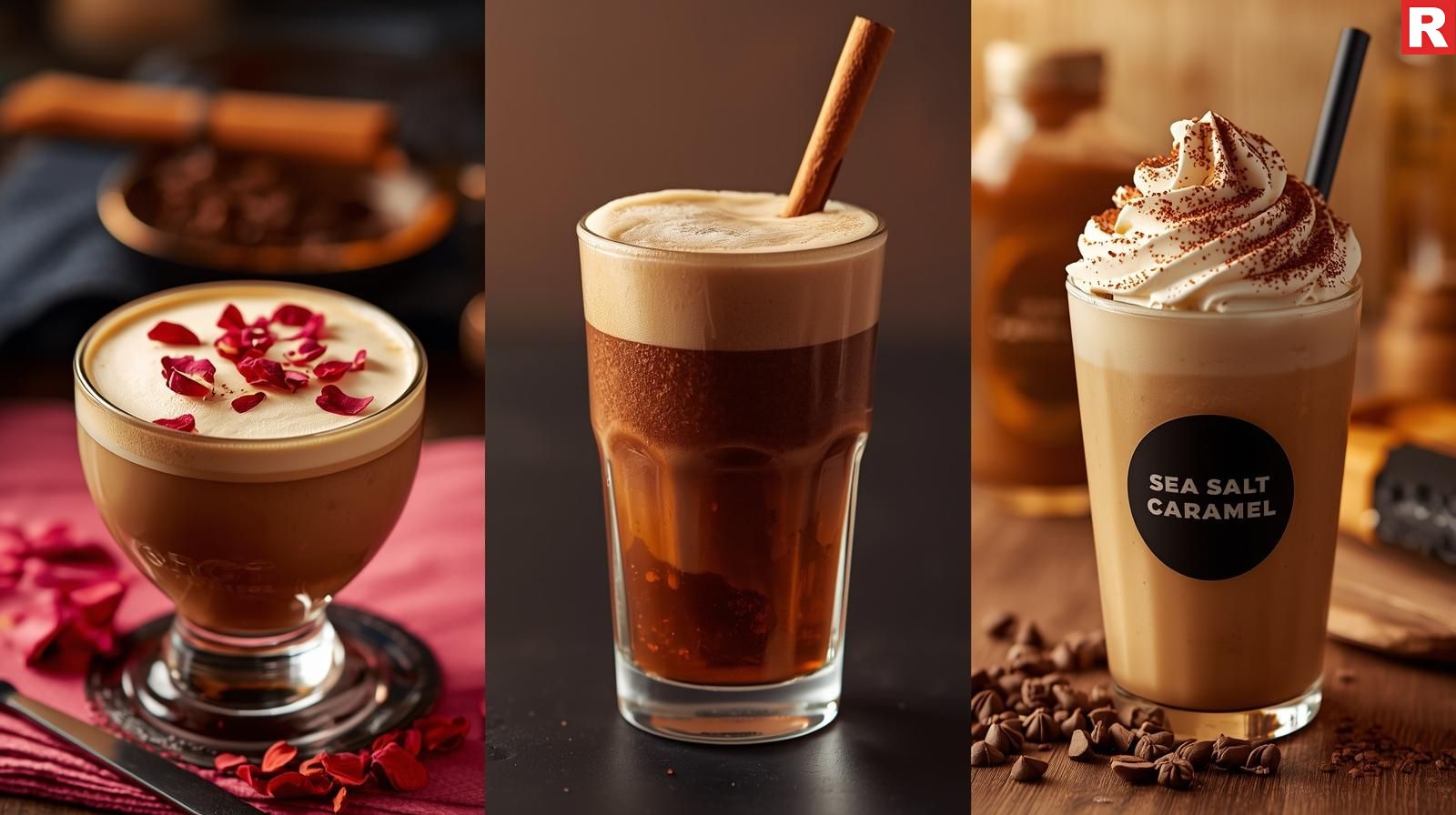
8. Cacao Husk and Coffee Cascara for Roasted and Fruity Notes
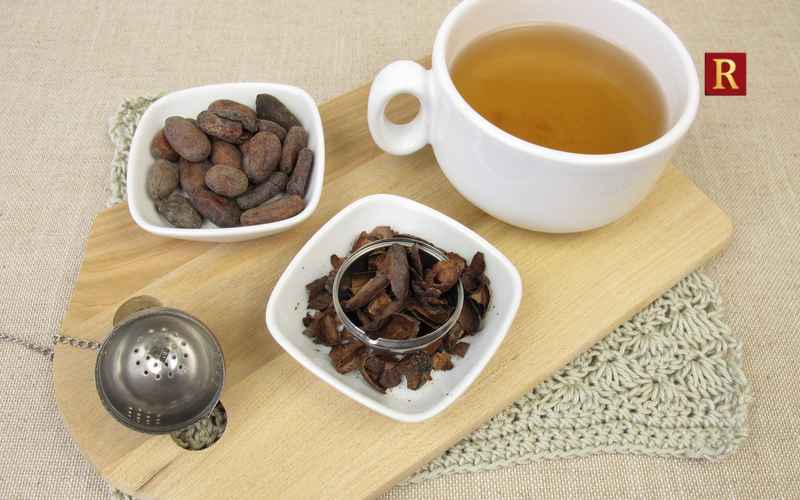
Cacao husk and coffee cascara are interesting ingredients for restaurants looking beyond conventional chocolate and coffee beverages. Cacao husks are obtained during cocoa processing and can provide gentle roasted, earthy and cocoa-like aromas. Cascara is made from the dried outer fruit material of coffee cherries and can offer fruity, sweet and tea-like notes.
How restaurants can use them:
- Infuse cacao husks with orange peel and jaggery.
- Combine cascara with hibiscus and sparkling water.
- Pair cacao husk with cinnamon and pear.
- Use cascara as a base for seasonal cold beverages.
What makes it interesting: These ingredients offer flavour opportunities beyond the familiar taste of coffee and chocolate. They can also support more resource-conscious beverage development by making use of suitable processing by-products.
9. Smoked Botanicals for a Woody and Aromatic Finish
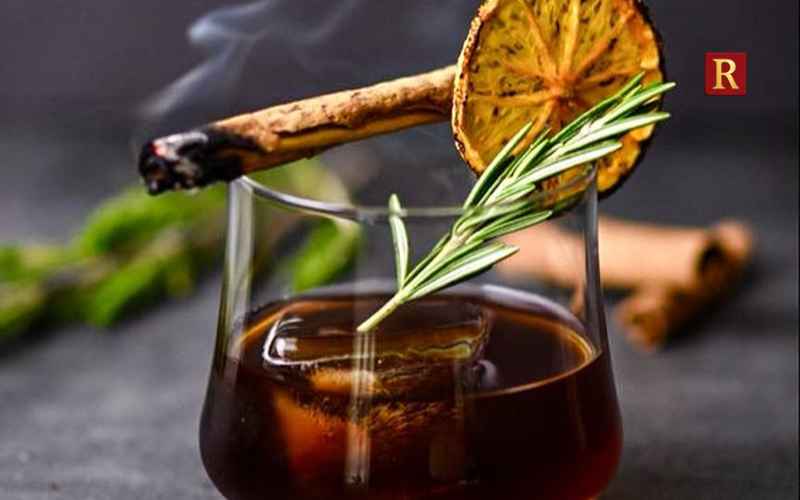
Smoke can change the sensory experience of a beverage without adding sweetness or acidity. Ingredients such as rosemary, cinnamon and selected tea leaves can be gently smoked to develop woody and toasted aromas. These ingredients are particularly useful when restaurants want to create beverages with a more pronounced aromatic profile.
How restaurants can use them:
- Combine smoked rosemary with pear and black tea.
- Infuse lightly smoked cinnamon into apple-based drinks.
- Pair smoked tea with citrus and honey.
- Use a controlled aromatic smoke presentation for selected signature beverages.
What makes it interesting: Aroma plays an important role in how people experience flavour. Smoked botanicals can introduce an additional sensory layer, but excessive smoke can quickly overpower the other ingredients.
10. Culinary Hydrosols for a Fragrant Finish
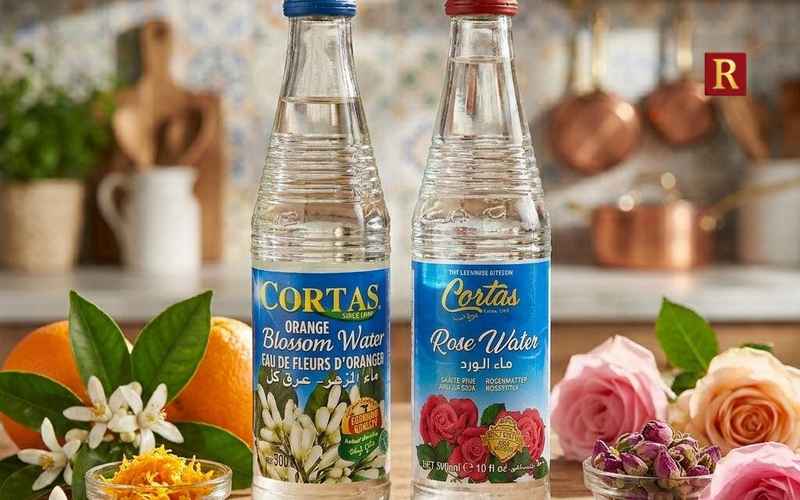
Hydrosols are aromatic waters produced during the distillation of botanical materials. Rose water and orange blossom water are familiar examples used in culinary preparations. Unlike syrups, hydrosols do not primarily contribute sweetness. Instead, they introduce delicate floral and botanical aromas.
How restaurants can use them:
- Combine orange blossom water with white peach and verjus.
- Pair rose water with strawberry and cardamom.
- Use a small amount of food-grade floral water in cucumber beverages.
- Experiment with botanical waters in sparkling drinks.
What makes it interesting: Hydrosols can change the aroma of a beverage without significantly increasing its sweetness. Restaurants need to control the dosage because strong floral notes can make a drink taste artificial or overpowering.
How Can Restaurants Build More Complex Non-Alcoholic Drinks?
Having unusual ingredients on the menu is only one part of beverage innovation. Restaurants also need to understand how to combine them without creating unnecessarily complicated recipes. A useful starting point is to build beverages around three components.
1. Start With a Flavour Base
Choose one ingredient that establishes the primary character of the drink.
Examples include:
- Cucumber for freshness.
- Green apple for fruitiness.
- Pear for a mild sweetness.
- Tomato for savoury depth.
- Hibiscus for tartness and colour.
2. Introduce One Complexity-Building Ingredient
Add an ingredient that changes the flavour profile rather than simply increasing sweetness.
Examples include:
- Oolong tea for tannins.
- Kombu for umami.
- Verjus for acidity.
- Cacao husk for roasted notes.
- Smoked rosemary for aroma.
3. Balance the Final Drink
The final ingredient should bring the components together.
Examples include:
- Verjus for acidity.
- Jaggery syrup for sweetness.
- Sparkling water for dilution and carbonation.
- A small amount of salt solution for flavour balance.
The objective is to create a drink where every ingredient has a clear purpose.
Why Should Restaurants Experiment With These Ingredients?
Create a Distinctive Beverage Identity: Unusual ingredients can help restaurants develop signature drinks that reflect their culinary identity. A coastal restaurant could explore kokum and seaweed, while a Japanese-inspired restaurant could experiment with kombu, miso and tea.
Develop Seasonal Beverage Menus: Seasonal ingredients provide opportunities to introduce new drinks throughout the year. Restaurants can experiment with local fruits, herbs, spices and fermented preparations rather than depending on the same year-round menu.
Improve Ingredient Utilisation: Suitable fruit peels, trimmings, herbs and processing by-products can inspire new beverage preparations. This can support better ingredient utilisation while reducing avoidable kitchen waste. However, restaurants must follow appropriate hygiene, preparation, refrigeration and storage practices.
Offer More Than Sweet Mocktails: Not every guest prefers sweet beverages. Ingredients such as tea, miso, kombu and smoked botanicals allow restaurants to introduce savoury, bitter and aromatic options.
This can make alcohol-free beverages more appealing to guests looking for something different.
Bottom Line!
The future of non-alcoholic restaurant beverages is not limited to finding alternatives to alcoholic spirits. It is also about exploring how ingredients from kitchens, fermentation traditions and botanical preparations can create more interesting flavour experiences. Verjus can introduce balanced acidity, tea can provide tannic structure, kombucha can bring fermented complexity, while miso and seaweed can add savoury depth. Meanwhile, ingredients such as cacao husk, cascara and culinary hydrosols offer opportunities to explore unfamiliar aromas and flavours. For restaurants, the real opportunity lies in understanding these ingredients and using them with purpose. A thoughtfully developed beverage does not need a long ingredient list. It needs the right combination of flavours, textures and aromas to give customers a reason to order it again.
Saptopriya Ghosal
Feature Writer
I am a dedicated media professional with a bachelor's degree in mass communication from the State University of Calcutta and a postgraduate degree from Amity University. My academic journey has equipped me with a profound understanding of storytelling and communication. Passionate about the dynamic world of media, I continually strive to explore new ways to engage and inform through compelling narratives.