
10 Low Sugar Sweets to Savour This Festive Season
In India, celebrations are marked by happiness, lighting, and family, as well as, of course, an ample amount of rich, sugary mithai (sweets). These sweets, which range from the sticky sweetness of a classic Gulab Jamun to the flaky layers of a flawless Ghevar, are appealing.

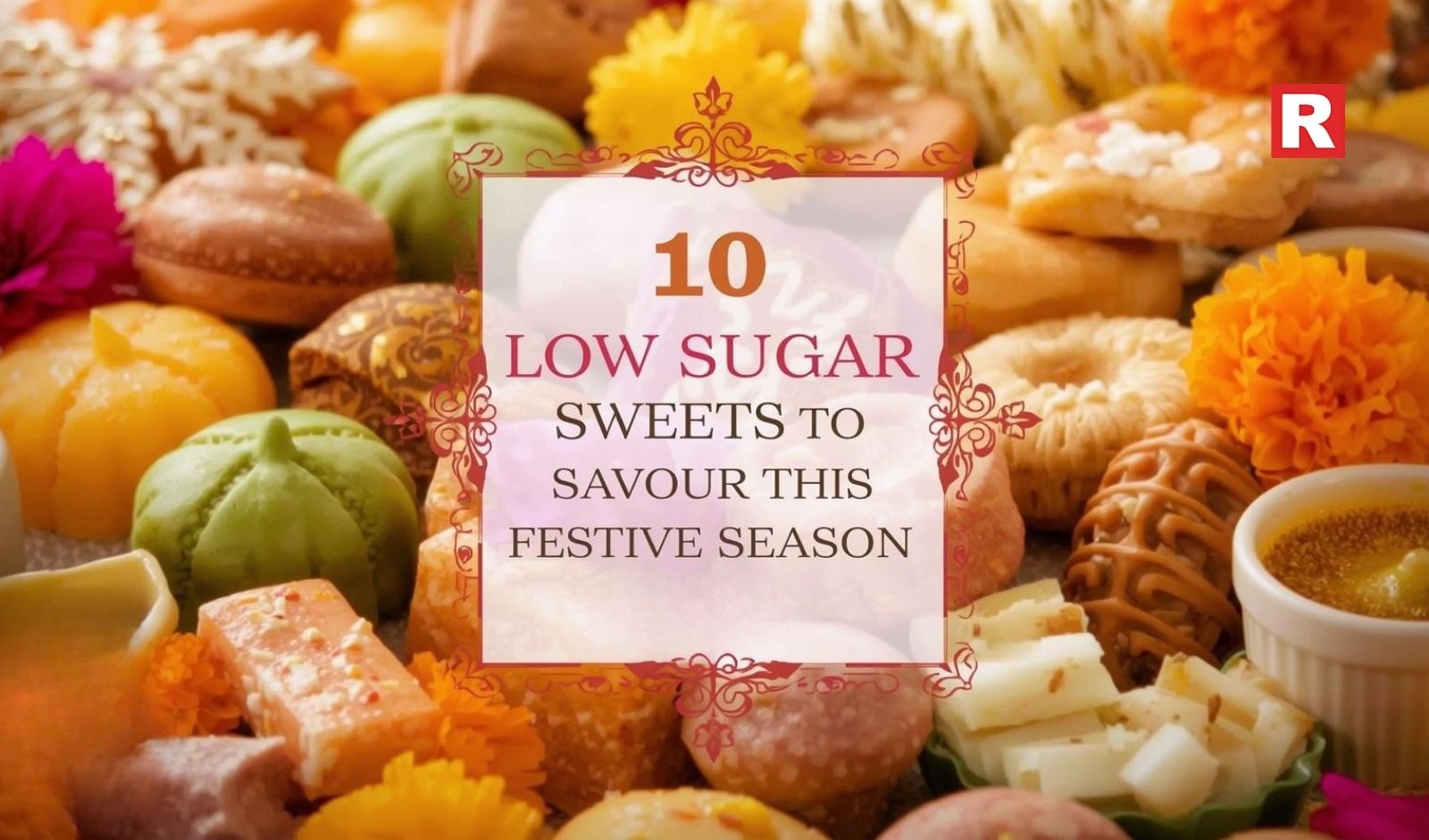
In India, celebrations are marked by happiness, lighting, and family, as well as, of course, an ample amount of rich, sugary mithai (sweets). These sweets, which range from the sticky sweetness of a classic Gulab Jamun to the flaky layers of a flawless Ghevar, are appealing. However, plenty of people realize that this abundance has a hidden cost, including blood sugar surges, ruined diet plans, and the unavoidable guilt that follows an indulgence. What if, however, you could enjoy the sweetness, tradition, and flavor of celebration without being overloaded with refined sugar?
Welcome to the revolution of sweets! Indian cooking in the current era has embraced health without compromising tradition. This article aims to provide you with ten delicious, authentic, and simple Indian desserts that are either naturally minimal in sugar or made with clever, low-glycemic sweeteners. We have put together this list, which guarantees your holiday season is full of taste rather than refined sugar, whether you're searching for diabetic-friendly desserts, low-sugar Indian sweets, healthy Diwali mithai, or just guilt-free festive treats. Prepare to party joyfully and with balance!
Read more: 5 Timeless Indian Sweets That Rule Every Celebration
The Low-Sugar Sweet Selections
To ensure a well-balanced combination of textures and nutrients, we have grouped these ten creative desserts according to their main ingredient: Fruit/Vegetables, Dairy/Lentils, and Nuts/Seeds.
Nut and Seed-Based Sweets (High Fiber & Healthy Fats)
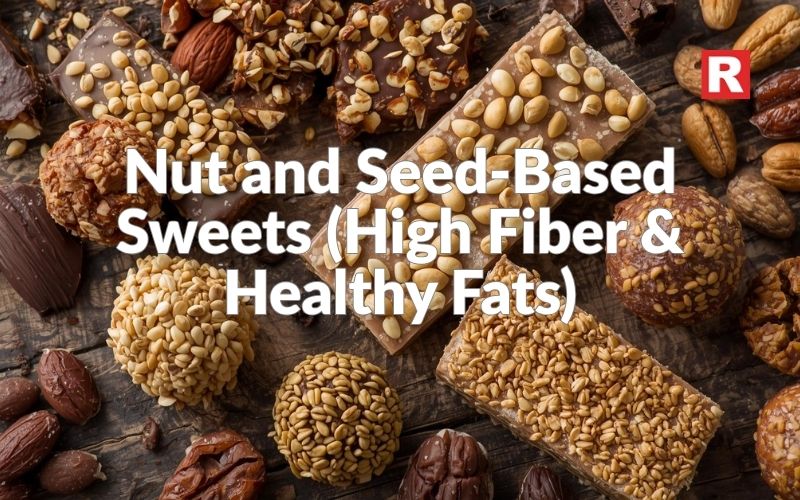
Sweets made from nuts and seeds are naturally low in refined sugar since they are commonly sweetened with fiber-rich, lower-GI dried fruits like dates and figs.
1. Anjeer (Fig) and Walnut Barfi
Key Healthy Sweetener: Natural Fig and Date sweetness.
Why It's Low-Sugar: Refined white sugar is totally avoided in this dish. The natural sugars found in dates (khajur) and figs (anjeer), which are both high in fiber and help prevent a sharp rise in blood sugar, provide all of the sweetness.
Calorie/Health Benefit: It is a nutrient-dense treat that is high in fiber, iron (from figs), and omega-3 fatty acids (from walnuts).
2. Sugar-Free Peanut Chikki
Key Healthy Sweetener: Jaggery or Sugar Alcohols (Maltitol/Xylitol).
Why It's Low-Sugar: This form of chikki employs either a sugar alcohol syrup or liquid jaggery, which is used solely for binding, in place of the refined sugar syrup that is used in regular chikki. Sugar alcohols have little effect on blood sugar levels, and jaggery is less processed than sugar, but remains full of calories.
Calorie/Health Benefit: Packed with protein and good monounsaturated fats, peanuts provide you with long-lasting energy.
Know more: 10 Healthy 20-Gram Protein Breakfast Recipes
3. Ragi and Oats Ladoo
Key Healthy Sweetener: Dates (Khajur) Paste.
Why It's Low-Sugar: Typically, a sticky paste prepared from soaked and crushed dates holds these ladoos together and adds sweetness. Because of the density of the oats and ragi (finger millet), less sugar is required overall.
Calorie/Health Benefit: Ragi is a very rare grain that is high in calcium. These ladoos are packed with fiber, which is essential for long-term satiety and digestive health, when combined with oats.
Dairy and Lentil-Based Sweets (High Protein Alternatives)
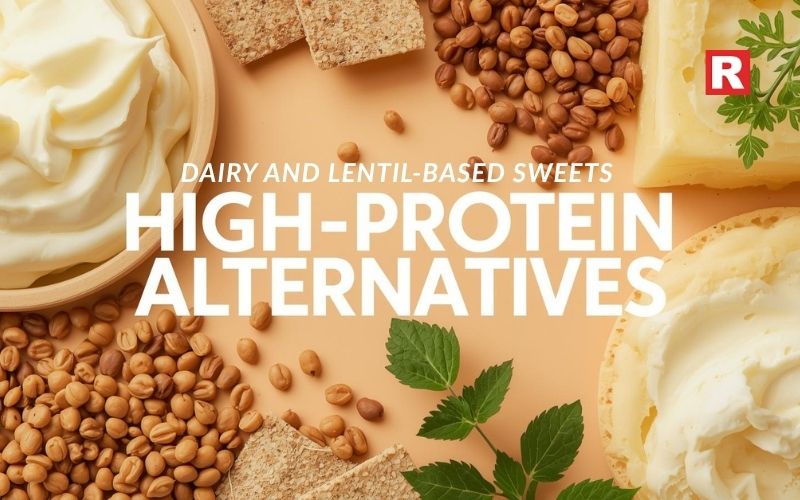
By prioritizing protein-rich bases, such as lentils or milk solids, these sweets naturally result in less consumption since they fill you up more quickly.
4. Baked Low-Fat Rasgulla
Key Healthy Sweetener: Stevia or Erythritol.
Why It's Low-Sugar: The thin syrup, which is produced completely of water and a sugar substitute (Stevia or Erythritol), is used to soak the spongy chenna (Indian cottage cheese) balls. Instead of frying, the cheese is baked or steamed to solidify it.
Calorie/Health Benefit: This is among the desserts with the greatest protein content. The fat level of the chenna is further decreased by using skim or low-fat milk, making it a dairy treat that is completely guilt-free.
What's new: 10 Famous Indian Sweets from Different States
5. Kala Chana (Black Chickpea) Halwa
Key Healthy Sweetener: Liquid Jaggery and Raisins.
Why It's Low-Sugar: Black chickpeas need very little extra sugar since they are naturally flavorful and dense. The earthy chickpea taste is complemented by the molasses undertones of jaggery, which is why it's frequently chosen here.
Calorie/Health Benefit: Compared to typical atta (flour) or semolina halwa, this halwa is far more healthful and filling since it is an amazing source of plant-based protein and dietary fiber from the chickpeas.
6. Low-Fat Paneer Kheer
Key Healthy Sweetener: Stevia and Cardamom.
Why It's Low-Sugar: Low-fat milk, crushed paneer (for texture and protein), and a calorie-free sweetener serve as substitutes for the traditional cream and refined sugar in this creamy Indian rice pudding. The rich scent of saffron and cardamom helps trick your palate into thinking there is more sweetness.
Calorie/Health Benefit: Packed with calcium and protein, this kheer reduces the amount of sugar and saturated fat while still offering the velvety comfort of a festive treat.
Fruit and Vegetable-Based Sweets (Natural Sweetness & Micronutrients)
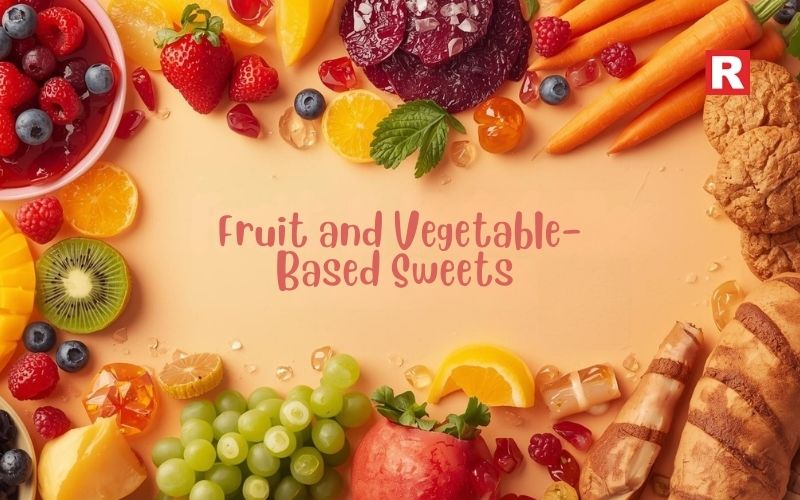
The greatest method for satisfying your cravings in a healthy way is to use the natural sugars present in fruits and vegetables.
7. Lauki (Bottle Gourd) Halwa with Stevia
Key Healthy Sweetener: Erythritol or Xylitol.
Why It's Low-Sugar: Lauki is a calorie-dense, watery vegetable that gives the halwa bulk. This recipe efficiently reduces the usual sugar content by 90% since it utilizes very little ghee (clarified butter) and is completely sweetened using sugar substitutes that have no calories.
Calorie/Health Benefit: Lauki has a high water content, which makes this halwa unexpectedly hydrating and low in calories. It is also rich in vitamins and minerals.
8. Spiced Baked Apple Crumble (The Fusion Sweet)
Key Healthy Sweetener: Natural Apple Sugar and Cinnamon.
Why It's Low-Sugar: This delicate dish makes use of the naturally delicious, high-fiber apples. Whole wheat flour and oats can be used to make the topping, and the strong flavor of cinnamon lessens the apparent need for sugar.
Calorie/Health Benefit: This is a nutritious, gut-friendly festive option since apples are high in antioxidants, and the oat topping offers healthy complex carbs.
Check out: Top Rajasthani Dishes to Try This Festive Season
How to Make a Healthy Dessert With Just 5 Ingredients
9. Date and Nut Ladoo (The Energy Bomb)
Key Healthy Sweetener: Dates (Khajur) paste.
Why It's Low-Sugar: This ladoo's stickiness and sugar content are entirely derived from dates, much like the fig barfi. Refined sugar is not necessary because of the texture and flavor that ingredients like pistachios, almonds, and poppy seeds offer.
Calorie/Health Benefit: Nuts provide protein and vital fatty acids, and dates are high in potassium and iron. This is a great way to get more energy and satisfy your sweet desire in one little, nutrient-dense bite.
10. Almond and Pistachio Katli (The Keto-Friendly Option)
Key Healthy Sweetener: Monk Fruit Sweetener and Nut's Natural Oil.
Why It's Low-Sugar: Katli is usually created with nuts and a thick sugar syrup. You achieve a rich delicacy that is frequently keto or extremely low in carbohydrates by using a zero-calorie monk fruit sweetener to make the binding syrup, and depending on the strong natural taste of almond and pistachio flour.
Calorie/Health Benefit: Nuts are a heart-healthy substitute for most dairy-based mithai because they are high in vitamin E, magnesium, and good fats.
Understanding the Sweetener Swaps
Making the right choice of sweetener is just as important to the success of a low-sugar dessert as the recipe itself. Low-glycemic index (GI) substitutes fall into the following categories, which help make these festive treats:
A. Natural & Fiber-Rich Sweeteners
These dried fruits slow down the absorption of sugar by adding fiber and complex carbohydrates:
Dates (Khajur) and Figs (Anjeer): These are perfect for binding barfis and ladoos. Because of their strong sweetness, you need less of the finished product to be pleased.
Jaggery (Gud): This is a classic favorite. Gud is less processed and includes small amounts of elements like iron, yet it provides calories that are comparable to those of sugar. Use it sparingly or for its own unique taste rather than as a sugar substitute.
B. Zero-Calorie Sweeteners (Best for Diabetics)
These provide sweetness without having a high glycemic load or calories:
Stevia and Monk Fruit: Plant-based stevia and monk fruit are sweeter than sugar; therefore, very small amounts are required. They are great options for syrups or liquids like kheer.
Erythritol and Xylitol: Both are sugar alcohols. They work similarly to sugar in baking and cooking; therefore, they are appropriate for dishes that call for foundation, like barfi.
C. The Fat Factor: Ghee Control
It's important to keep in mind that a lot of mithais include a lot of calories from both sugar and ghee (clarified butter). Never use more than is necessary for binding and taste. In many cases, using roasted ingredients (such as besan or toasted almonds) lessens the need for additional fat.
Learn more: Top Drinks You Should Consume to Get a Festive Glow
Celebrate Healthily, Celebrate Happily
Sharing happiness and upholding customs are at the core of the holiday season. Your cultural festivals and your health objectives don't have to be at odds anymore, thanks to creative ingredients and clever food preparation methods.
These ten low-sugar treats, which range from the high-fiber Anjeer Barfi to the protein-rich Kala Chana Halwa, demonstrate that clever, health-conscious substitutions can nevertheless provide true Indian flavor. Encourage yourself to make healthier decisions, enjoy with awareness, and start a new tradition this year: a joyful and healthy celebration of the season. Enjoy the pleasure of festivals without feeling guilty!
Disclaimer: This article is intended for general informational purposes only and should not be considered a substitute for professional medical advice, diagnosis, or treatment. Readers are advised to consult a qualified healthcare professional before making any dietary, health, or lifestyle changes.
Mahak Sharma
Content Writer
Mahak Sharma is a passionate content writer with 2 years of experience crafting compelling content across various niches, tailoring her writing to suit different audiences and platforms. She is dedicated to producing engaging content for readers so that they can understand and enjoy the articles. Her strengths lie in crafting SEO-friendly, well-structured articles that drive visibility and engagement.



































































































































































